Biochemicals and Reagents
Biochemicals and reagents are fundamental substances for research and development in fields such as biotechnology, molecular biology, pharmacology, and medicine. These products are essential for a variety of applications, including compound synthesis, biological sample analysis, metabolic process research, and drug production. At CymitQuimica, we offer a wide selection of high-quality, high-purity biochemicals and reagents suitable for various scientific and industrial needs. Our catalog includes enzymes, antibodies, nucleic acids, amino acids, and many other products, all designed to support researchers and professionals in their research and development projects, ensuring reliable and reproducible results.
Subcategories of "Biochemicals and Reagents"
- Biomolecules(99,130 products)
- By Biological Target(99,159 products)
- By Pharmacological Effects(6,787 products)
- Cryopreservatives(21 products)
- Desinfectants and Related Compounds(28 products)
- Hormones(346 products)
- Plant Biology(6,747 products)
- Secondary Metabolites(14,222 products)
Found 130579 products of "Biochemicals and Reagents"
Sort by
Purity (%)
0
100
|
0
|
50
|
90
|
95
|
100
Flag Tag antibody
<p>The Flag Tag antibody is a highly effective monoclonal antibody that is widely used in the field of Life Sciences. It is designed to specifically target and bind to the Flag epitope, which is a small peptide sequence commonly added to proteins for detection and purification purposes. This antibody has been extensively validated for use in various applications such as immunoassays, Western blotting, immunofluorescence, and flow cytometry. One of the key advantages of the Flag Tag antibody is its high affinity and specificity towards the Flag epitope. This ensures reliable and accurate detection of proteins carrying this tag. Additionally, the antibody exhibits minimal cross-reactivity with other commonly used tags, making it an ideal choice for researchers working with multiple protein expression systems. In addition to its exceptional performance in protein detection, the Flag Tag antibody also offers excellent stability and reproducibility. It can withstand harsh experimental conditions such as high temperatures or denaturing agents without compromising its binding efficiency. This makes it suitable for a wide range</p>DHEA-BSA
<p>DHEA-BSA is a highly reactive and acidic compound that has various applications in the field of Life Sciences. It is commonly used as a neutralizing agent for epidermal growth factor (EGF) and other growth factors. DHEA-BSA can also be utilized as a binding protein for monoclonal antibodies, allowing for specific detection and quantification of various cell antigens. Additionally, it has been shown to have antioxidant properties by neutralizing mitochondrial superoxide, which makes it a valuable tool for studying oxidative stress-related processes. The versatility and reliability of DHEA-BSA make it an essential component in research involving proteins and antigens.</p>Purity:Min. 95%ZNF38 antibody
<p>ZNF38 antibody was raised in mouse using recombinant Human Zinc Finger And Scan Domain Containing 21</p>STAT6 antibody
<p>The STAT6 antibody is a monoclonal antibody produced by hybridoma cells. It is specifically designed to target and bind to the STAT6 protein, which plays a crucial role in immune responses and cell growth regulation. This antibody can be used for various applications, including research studies and diagnostic purposes.</p>FAF1 antibody
<p>The FAF1 antibody is a growth factor that plays a crucial role in binding proteins and regulating various biological processes. It can be found in human serum and has been shown to have an impact on the growth of Helicobacter and multidrug-resistant bacteria. The FAF1 antibody is available as both polyclonal antibodies and monoclonal antibodies, providing options for different research needs.</p>UBC antibody
<p>The UBC antibody is a highly specialized monoclonal antibody that targets human folate receptors. It plays a crucial role in various biological processes, including mineralization, collagen synthesis, glycosylation, and growth factor signaling. This antibody is widely used in Life Sciences research to study the expression and function of folate receptors.</p>Septin 6 antibody
<p>Septin 6 antibody was raised using the middle region of 40427 corresponding to a region with amino acids CKLEEMGFKDTDPDSKPFSLQETYEAKRNEFLGELQKKEEEMRQMFVQRV</p>MIF4GD antibody
<p>MIF4GD antibody was raised using the N terminal of MIF4GD corresponding to a region with amino acids MGEPSREEYKIQSFDAETQQLLKTALKVACFETEDGEYSVCQRSYSNCSR</p>ERAS antibody
<p>ERAS antibody was raised using the middle region of ERAS corresponding to a region with amino acids AQPLVLVGNKCDLVTTAGDAHAAAAALAHSWGAHFVETSAKTRQGVEEAF</p>Purity:Min. 95%TDP1 antibody
<p>TDP1 antibody was raised in mouse using recombinant human TDP1 (1-298aa) purified from E. coli as the immunogen.</p>ZNF555 antibody
<p>ZNF555 antibody was raised in rabbit using the N terminal of ZNF555 as the immunogen</p>Purity:Min. 95%CCIN antibody
<p>CCIN antibody was raised in rabbit using the N terminal of CCIN as the immunogen</p>Purity:Min. 95%DDX24 antibody
<p>The DDX24 antibody is a powerful tool in the field of Life Sciences. It is a polyclonal antibody that specifically binds to nuclear binding proteins. This monoclonal antibody is highly activated and can be used for various applications in research and medicine.</p>ZNF778 antibody
<p>ZNF778 antibody was raised in rabbit using the N terminal of ZNF778 as the immunogen</p>Purity:Min. 95%Sheep Red Blood Cells
<p>Sheep Red Blood Cells (SRBC) are widely used in veterinary applications for various assays and tests. These cells contain fatty acids, anti-HBs antibodies, and other components that make them suitable for different diagnostic purposes. SRBC can be used in immunohistochemistry to detect specific antigens or monoclonal antibodies. They are also commonly used in experiments to measure the activity of cyclase-activating proteins or the production of interferon-gamma (IFN-gamma). Additionally, SRBC have low density, which makes them ideal for certain experimental procedures. Whether you need them for research or clinical applications, Sheep Red Blood Cells provide a reliable and versatile tool for a wide range of veterinary applications.</p>Purity:Min. 95%Synphilin 1 antibody
<p>Synphilin 1 antibody was raised in goat using a peptide; SLELNGEKDKDKGRTLQRT, as the immunogen.</p>Purity:Min. 95%OR2W1 Blocking Peptide
<p>A synthetic peptide for use as a blocking control in assays to test for specificity of OR2W1 antibody, catalog no. 70R-9892</p>Purity:Min. 95%ETV4 antibody
<p>ETV4 antibody was raised in Mouse using a purified recombinant fragment of human ETV4 (aa50-109) expressed in E. coli as the immunogen.</p>EXO1 antibody
<p>The EXO1 antibody is a substance that specifically targets and binds to an antigen. It has been extensively studied and proven effective in various research applications. The antibody can be used in gas-liquid interface experiments to study the phosphorylation site of specific proteins. Additionally, it has shown potential as a vaccine strain for the development of new medicines.</p>PRKACB antibody
<p>PRKACB antibody was raised using the middle region of PRKACB corresponding to a region with amino acids NGVSDIKTHKWFATTDWIAIYQRKVEAPFIPKFRGSGDTSNFDDYEEEDI</p>PSCA Blocking Peptide
<p>A synthetic peptide for use as a blocking control in assays to test for specificity of PSCA antibody, catalog no. 70R-8532</p>Purity:Min. 95%DSCR1 antibody
<p>The 6-Fluoro-3-indoxyl-beta-D-galactopyranoside is a powerful antituberculosis drug that falls under the class of rifamycins. It is highly effective in treating tuberculosis infections. By binding to DNA-dependent RNA polymerase, this medication inhibits bacterial growth, preventing transcription and replication. Its bactericidal activity has been demonstrated through patch-clamp technique on human erythrocytes. Metabolized through various transformations, including hydrolysis by esterases or glucuronidases and oxidation by cytochrome P450 enzymes, this drug specifically targets markers expressed in Mycobacterium tuberculosis strains, inhibiting their growth in culture.</p>TRAP1 antibody
<p>TRAP1 antibody was raised in rabbit using the N terminal of TRAP1 as the immunogen</p>Purity:Min. 95%BAD antibody
<p>The BAD antibody is a growth factor that is commonly used in Life Sciences research. It is an amino-terminal globulin that binds to acidic binding proteins. This polyclonal antibody has antiangiogenic properties and can be used to study various signaling pathways, including those involving phosphatase and β-catenin. Additionally, the BAD antibody can be used to detect the presence of specific proteins, such as epidermal growth factor, brain natriuretic peptide, and natriuretic peptides. Its high specificity and sensitivity make it a valuable tool for researchers in the field.</p>SCGN antibody
<p>SCGN antibody was raised using the middle region of SCGN corresponding to a region with amino acids KDMMELVQPSISGVDLDKFREILLRHCDVNKDGKIQKSELALCLGLKINP</p>PTBP1 antibody
<p>The PTBP1 antibody is a monoclonal antibody that specifically targets and inhibits the function of PTBP1, a protein involved in various cellular processes. This antibody can be used as a research tool to study the role of PTBP1 in different biological systems. It is also useful for developing inhibitors or therapeutic antibodies targeting PTBP1 for potential clinical applications. The PTBP1 antibody is widely used in life sciences research, including studies on growth factors, oncogenic kinases, and binding proteins. Its high affinity and specificity make it an ideal tool for experiments involving immobilization on electrodes or other surfaces. By blocking the activity of PTBP1, this antibody can help uncover new insights into the regulation of cellular processes and potentially lead to the development of novel therapies targeting PTBP1-related diseases.</p>DPPA2 Blocking Peptide
<p>A synthetic peptide for use as a blocking control in assays to test for specificity of DPPA2 antibody, catalog no. 70R-2389</p>Purity:Min. 95%MDFIC antibody
<p>MDFIC antibody was raised in rabbit using the N terminal of MDFIC as the immunogen</p>Purity:Min. 95%ERCC1 antibody
<p>The ERCC1 antibody is a specific antibody that targets the ERCC1 protein, which plays a crucial role in DNA repair. This antibody is widely used in Life Sciences research to study the function of ERCC1 and its involvement in various cellular processes. It has been shown to neutralize the activity of ERCC1, thereby inhibiting its function in DNA repair.</p>APPD antibody
<p>APPD antibody was raised in rabbit using the C terminal of APPD as the immunogen</p>Purity:Min. 95%ZFYVE1 antibody
<p>ZFYVE1 antibody was raised in rabbit using the C terminal of ZFYVE1 as the immunogen</p>Purity:Min. 95%ATP5H antibody
<p>ATP5H antibody was raised in rabbit using the C terminal of ATP5H as the immunogen</p>Purity:Min. 95%AK1 antibody
<p>AK1 antibody was raised using the middle region of AK1 corresponding to a region with amino acids RIGQPTLLLYVDAGPETMTQRLLKRGETSGRVDDNEETIKKRLETYYKAT</p>Transglutaminase 1 antibody
<p>Transglutaminase 1 antibody was raised using a synthetic peptide corresponding to a region with amino acids RGSSSGTRRPGSRGSDSRRPVSRGSGVNAAGDGTIREGMLVVNGVDLLSS</p>G22P1 antibody
<p>G22P1 antibody was raised using the N terminal Of G22P1 corresponding to a region with amino acids MSGWESYYKTEGDEEAEEEQEENLEASGDYKYSGRDSLIFLVDASKAMFE</p>YEATS4 antibody
<p>YEATS4 antibody was raised in mouse using recombinant Human Yeats Domain Containing 4 (Yeats4)</p>Luteinizing Hormone protein
<p>Luteinizing Hormone Protein (LHP) is a crucial component in Life Sciences research. It has been shown to have various properties, including promoting microvessel density and exhibiting cytotoxic and neutralizing effects. LHP is commonly used in studies related to blood plasma, mesenchymal stem cells, and endothelial growth. Its applications extend to the field of polymerase chain reactions (PCR), where it can be utilized as a target for amplification and detection. LHP also plays a significant role in the study of alpha-synuclein (α-syn), with monoclonal antibodies specifically designed to detect and quantify this protein. Researchers rely on Luteinizing Hormone Protein as an essential antigen for their experiments in Proteins and Antigens research.</p>Purity:>95% By Sds-Page.CD45R antibody (Azide Free)
<p>CD45R antibody was raised in rat using abelson murine leukemia virus-induced pre-B tumor cells as the immunogen.</p>BTN1A1 antibody
<p>BTN1A1 antibody is a monoclonal antibody used in Life Sciences research. It specifically targets BTN1A1, a protein involved in collagen synthesis and hyaluronic acid metabolism. This antibody can be used as an inhibitor to study the function of BTN1A1 in various cellular processes. Additionally, it has been shown to have binding affinity towards other proteins such as alpha-fetoprotein, glucagon, and chemokines. Researchers can use this antibody to detect and quantify the expression of BTN1A1 in different samples using techniques like Western blotting or immunohistochemistry. Its high specificity and sensitivity make it a valuable tool for studying the role of BTN1A1 in various biological processes.</p>MNDA antibody
<p>MNDA antibody was raised in rabbit using the C terminal of MNDA as the immunogen</p>Purity:Min. 95%HEXA antibody
<p>The HEXA antibody is a highly specialized monoclonal antibody that targets specific molecules involved in nuclear and endothelial growth. This antibody has been extensively studied in the field of Life Sciences and has shown promising results in various research applications.</p>NIP7 Blocking Peptide
<p>A synthetic peptide for use as a blocking control in assays to test for specificity of NIP7 antibody, catalog no. 70R-1412</p>Purity:Min. 95%GTPBP2 Blocking Peptide
<p>A synthetic peptide for use as a blocking control in assays to test for specificity of GTPBP2 antibody, catalog no. 70R-1268</p>Purity:Min. 95%HSV1 antibody (HRP)
<p>HSV1 antibody (HRP) was raised in goat using HSV type 1, strain F as the immunogen.</p>Rabbit anti Rat IgM (FITC)
<p>Rabbit anti-rat IgM (FITC) was raised in rabbit using rat IgM mu chain as the immunogen.</p>Purity:Min. 95%EMID1 Blocking Peptide
<p>A synthetic peptide for use as a blocking control in assays to test for specificity of EMID1 antibody, catalog no. 70R-7323</p>Purity:Min. 95%SUZ12 antibody
<p>The SUZ12 antibody is a highly specialized product in the field of Life Sciences. It is a monoclonal antibody that specifically targets SUZ12, a protein involved in gene regulation and chromatin remodeling. This antibody can be used in various research applications, including immunohistochemistry, western blotting, and flow cytometry.</p>PGM3 antibody
<p>PGM3 antibody was raised using the N terminal of PGM3 corresponding to a region with amino acids IDISEKEAVNLQQDAFVVIGRDTRPSSEKLSQSVIDGVTVLGGQFHDYGL</p>HGF antibody (biotin)
<p>HGF antibody (biotin) was raised in goat using S. frugiperda insect ovarian cell line Sf 21-derived recombinant human HGF as the immunogen.</p>GPN2 antibody
<p>GPN2 antibody was raised using the middle region of GPN2 corresponding to a region with amino acids VLQAVDKANGYCFRAQEQRSLEAMMSAAMGADFHFSSTLGIQEKYLAPSN</p>GJA8 antibody
<p>GJA8 antibody was raised using the middle region of GJA8 corresponding to a region with amino acids EEQEKVAVPEGEKVETPGVDKEGEKEEPQSEKVSKQGLPAEKTPSLCPEL</p>Purity:Min. 95%CD31 antibody
<p>The CD31 antibody is a growth factor that belongs to the family of insulin-like antibodies. It is a monoclonal antibody that specifically targets the tyrosine residue on the CD31 protein. This antibody can be used for various applications in life sciences, including immunohistochemistry, flow cytometry, and Western blotting. The CD31 antibody is also available as polyclonal antibodies, which provide increased sensitivity and specificity for detecting the CD31 antigen. It has been shown to be effective in detecting activated immune cells and markers of inflammation, such as interleukins and interferons. Additionally, this antibody can be immobilized on surfaces for use in immunoassays or affinity purification techniques. Overall, the CD31 antibody is a valuable tool for researchers in the field of life sciences who are studying various biological processes and pathways.</p>HIV1 protease antibody
<p>HIV1 protease antibody was raised in rabbit using full length recombinant protease (HIV-1) as the immunogen.</p>Purity:Min. 95%WNT4 antibody
<p>WNT4 antibody was raised using the middle region of WNT4 corresponding to a region with amino acids HGVSPQGFQWSGCSDNIAYGVAFSQSFVDVRERSKGASSSRALMNLHNNE</p>Purity:Min. 95%Rabbit anti Dog IgG (Texas Red)
<p>Rabbit anti-dog IgG was raised in rabbit using canine IgG F(c) fragment as the immunogen.</p>Purity:Min. 95%Bovine RBC antibody
<p>Bovine RBC antibody was raised in rabbit using bovine erythrocytes as the immunogen.</p>Purity:Min. 95%Chlormidazole hydrochloride
CAS:<p>Chlormidazole hydrochloride is an inhibitor of protein interactions, activator of protein interactions, and a ligand. It is also used as a research tool in the field of cell biology. Chlormidazole hydrochloride is also a high purity ion channel blocker that has been shown to inhibit the activity of ion channels by binding to specific sites on the external membrane. Chlormidazole hydrochloride binds to receptor proteins on the surface of cells and inhibits their activity. This inhibition may be due to its ability to block ligand-gated channels, which are important for neurotransmitter release in nerve cells.<br>Chlormidazole hydrochloride is also an antibody and can be used as an anti-inflammatory drug or immunosuppressant.</p>Formula:C15H15Cl2N2Purity:Min. 95%Molecular weight:294.2 g/molVisfatin protein (His tag)
<p>1-491 amino acids: MGSSHHHHHH SSGLVPRGSH MNAAAEAEFN MGSSHHHHHH SSGLVPRGSH MNAAAEAEFN ILLATDSYKV THYKQYPPNT SKVYSYFECR EKKTENSKVR KVKYEETVFY GLQYILNKYL KGKVVTKEKI QEAKEVYREH FQDDVFNERG WNYILEKYDG HLPIEVKAVP EGSVIPRGNV LFTVENTDPE CYWLTNWIET ILVQSWYPIT VATNSREQKK ILAKYLLETS GNLDGLEYKL HDFGYRGVSS QETAGIGASA HLVNFKGTDT VAGIALIKKY YGTKDPVPGY SVPAAEHSTI TAWGKDHEKD AFEHIVTQFS SVPVSVVSDS YDIYNACEKI WGEDLRHLIV SRSTEAPLII RPDSGNPLDT VLKVLDILGK KFPVTENSKG YKLLPPYLRV IQGDGVDINT LQEIVEGMKQ KKWSIENVSF GSGGALLQKL TRDLLNCSFK CSYVVTNGLG VNVFKDPVAD PNKRSKKGRL SLHRTPAGNF VTLEEGKGDL EEYGHDLLHT VFKNGKVTKS YSFDEVRKNA QLNIEQDVAP H</p>Purity:Min. 95%CENPI Blocking Peptide
<p>A synthetic peptide for use as a blocking control in assays to test for specificity of CENPI antibody, catalog no. 70R-3284</p>Purity:Min. 95%DGKH antibody
<p>DGKH antibody was raised using the middle region of DGKH corresponding to a region with amino acids DLDSVDGYSEKCVMNNYFGIGLDAKISLEFNNKREEHPEKCRSRTKNLMW</p>Purity:Min. 95%FosB antibody
<p>The FosB antibody is a highly specialized antibody that acts as an inhibitor in various biological processes. It belongs to the class of polyclonal antibodies and is known for its ability to neutralize specific molecules such as natriuretic peptides, epidermal growth factor, and helicobacter pylori. Additionally, this antibody has been shown to have a neutralizing effect on tumor necrosis factor-alpha (TNF-α), which plays a crucial role in inflammation and immune response.</p>KHK antibody
<p>KHK antibody was raised using a synthetic peptide corresponding to a region with amino acids FLVADFRRRGVDVSQVAWQSKGDTPSSCCIINNSNGNRTIVLHDTSLPDV</p>MHC Class I antibody
<p>The MHC Class I antibody is a growth factor monoclonal antibody that inhibits the activity of certain proteins in the body. It is commonly used in the field of Life Sciences and Antibodies research. This antibody specifically targets MHC Class I molecules, which are involved in immune responses. By blocking the function of these molecules, the antibody can help regulate immune system activity and prevent certain diseases. Additionally, this antibody has been shown to have effects on adipose tissue, steroid metabolism, and glucagon signaling pathways. It can also be used as an anti-MERTK antibody, targeting a specific protein involved in cell signaling and actin filament dynamics. Furthermore, this monoclonal antibody has been found to enhance colony-stimulating factor (GM-CSF) signaling and electrode-based assays in various experimental settings. With its diverse range of applications and potential therapeutic benefits, the MHC Class I antibody is an essential tool for researchers in the field of Life Sciences.</p>ZNF71 Blocking Peptide
<p>A synthetic peptide for use as a blocking control in assays to test for specificity of ZNF71 antibody, catalog no. 70R-8361</p>Purity:Min. 95%SKP1 antibody
<p>The SKP1 antibody is a highly specific monoclonal antibody used in Life Sciences research. It is designed to target and bind to the SKP1 protein, which plays a crucial role in various cellular processes. The antibody has been extensively tested and validated for its ability to recognize SKP1 in different experimental conditions.</p>PTBP1 antibody
<p>PTBP1 antibody was raised using the N terminal of PTBP1 corresponding to a region with amino acids RGSDELFSTCVTNGPFIMSSNSASAANGNDSKKFKGDSRSAGVPSRVIHI</p>Transglutaminase 6 antibody
<p>Transglutaminase 6 antibody was raised using the middle region of TGM6 corresponding to a region with amino acids KKIGRCISTKAVGSDSRVDITDLYKYPEGSRKERQVYSKAVNRLFGVEAS</p>ARHGEF2 antibody
<p>ARHGEF2 antibody was raised in rabbit using the C terminal of ARHGEF2 as the immunogen</p>Purity:Min. 95%Caldesmon antibody
<p>Caldesmon antibody is a versatile and powerful tool used in the field of Life Sciences. This antibody specifically targets caldesmon, a metal-binding protein involved in various cellular processes. It has been extensively studied and proven to be effective in detecting and quantifying caldesmon levels in biological samples.</p>PPP1A antibody
<p>PPP1A antibody was raised in Mouse using a purified recombinant fragment of human PPP1A expressed in E. coli as the immunogen.</p>AF488 Goat anti Mouse IgG1
<p>Goat anti Mouse IgG1 secondary antibody with AF488 photostable fluorescent dye. Minimal cross reactivity with human, bovine and rabbit serum proteins. Does not react with other mouse IgG subtypes, IgM or the Fab portion of mouse IgG1. Supplied as a lyophilized powder in 0.01M sodium phosphate, 0.25 M NaCl, pH 7.6, and 0.05% sodium azide, with 15 mg/ml BSA.</p>Purity:Min. 95%VCAM1 antibody
<p>The VCAM1 antibody is a highly effective antibody-drug used in the field of Life Sciences. It belongs to the class of monoclonal antibodies and is specifically designed to target VCAM1, a protein involved in various biological processes. This antibody has been shown to neutralize the activity of VCAM1, preventing its interaction with fibrinogen and other molecules in human serum.</p>Hepatitis C Virus antibody
<p>Hepatitis C antibody was raised in rabbit using residues 9-21 [CRKTKRNTNRRPQD] of HCV-C1 as the immunogen.</p>Purity:Min. 95%Bmp2 antibody
<p>Bmp2 antibody was raised in rabbit using the middle region of Bmp2 as the immunogen</p>Purity:Min. 95%Nafamostat
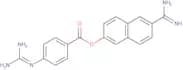
CAS:<p>Nafamostat is a non-peptide inhibitor of the enzyme myeloperoxidase that is involved in the inflammatory response. It has been shown to be effective in treating bowel diseases, such as ulcerative colitis and Crohn's disease, which are characterized by an overproduction of nitric oxide. Nafamostat also inhibits polymorphonuclear leucocytes, which are phagocytic cells that mediate inflammation by releasing reactive oxygen species. Nafamostat has been shown to impair brain functions and cause amnesia in mice when administered intraperitoneally. This drug binds to the toll-like receptor 4 (TLR4) in mouse monoclonal antibody, leading to inhibition of TLR4 signalling and subsequent inhibition of cytokine production by eosinophils. The pharmacological effects of nafamostat are mediated through its ability to inhibit dextran sulfate reductase, an enzyme that catalyzes the</p>Formula:C19H17N5O2Purity:Min. 95%Molecular weight:347.4 g/molGOT2 antibody
<p>The 6-Fluoro-3-indoxyl-beta-D-galactopyranoside is a powerful antituberculosis drug that falls under the class of rifamycins. It is specifically designed to combat tuberculosis infections by targeting the active compounds responsible for its growth. This bactericidal activity is achieved through its ability to bind to DNA-dependent RNA polymerase, effectively inhibiting transcription and replication processes in the bacteria. The efficacy of this drug has been extensively studied using advanced techniques such as transcription-quantitative polymerase chain and patch-clamp technique. Additionally, it undergoes various metabolic transformations, including hydrolysis by esterases or glucuronidases, oxidation by cytochrome p450 enzymes, reduction by glutathione reductase, or conjugation with glucuronic acid. Its specificity towards Mycobacterium tuberculosis strains makes it a potent weapon against this infectious disease.</p>Pax5 antibody
<p>The Pax5 antibody is a highly effective monoclonal antibody that targets mesothelin, a protein associated with various cancers. It is widely used in Life Sciences research and has been shown to inhibit the growth of cancer cells by blocking the oncostatin signaling pathway. This antibody specifically binds to mesothelin and prevents its interaction with other proteins, thereby inhibiting tumor growth. Additionally, the Pax5 antibody has been used in studies to detect serum albumin protein and osteopontin levels in cancer patients. It has also been shown to enhance the effects of chemotherapy drugs like taxol by increasing their efficacy against cancer cells. Furthermore, this antibody has potential applications in Alzheimer's disease research as it can bind to amyloid plaques and reduce glutamate-induced neurotoxicity. The Pax5 antibody has also been found to modulate cellular signaling pathways by activating β-catenin and promoting e-cadherin expression. Overall, this high-quality monoclonal antibody offers great promise for both diagnostic</p>Purity:Min. 95%Grp78 antibody
<p>Grp78 antibody was raised in rabbit using a synthetic peptide corresponding to the sequence near the C-terminus of rat Grp78 (BiP) as the immunogen.</p>Purity:Min. 95%Gastrin antibody
<p>Gastrin antibody was raised in rabbit using human gastrin 17 conjugated to BSA as the immunogen.</p>Purity:Min. 95%NANP antibody
<p>NANP antibody was raised in rabbit using a synthetic peptide conjugated to KLH as the immunogen.</p>Purity:Min. 95%IL1a antibody
<p>IL1a antibody is a monoclonal antibody that specifically targets interleukin-1 alpha (IL-1α), a pro-inflammatory cytokine involved in various immune responses. This antibody can be used for research purposes in the field of life sciences to study the role of IL-1α in different biological processes. IL1a antibody has been shown to inhibit the activity of IL-1α, preventing its interaction with its receptors and subsequent signaling pathways. It can also be used as a therapeutic agent to treat conditions associated with excessive IL-1α activity, such as inflammatory diseases or autoimmune disorders. The high specificity and affinity of this monoclonal antibody make it a valuable tool for scientists and researchers working in immunology, pharmacology, and related fields.</p>TRIM33 antibody
<p>The TRIM33 antibody is a monoclonal antibody used in the field of Life Sciences. It is specifically designed to target and bind to TRIM33 protein, which plays a crucial role in cellular processes. The antibody is made using advanced techniques and high-quality materials to ensure its effectiveness.</p>EPHB4 antibody
<p>The 6-Fluoro-3-indoxyl-beta-D-galactopyranoside is a powerful antituberculosis drug belonging to the class of rifamycins. It is highly effective in treating tuberculosis infections and exhibits bactericidal activity. By binding to DNA-dependent RNA polymerase, it inhibits bacterial growth by preventing transcription and replication. This drug has been extensively studied using advanced techniques like the patch-clamp technique on human erythrocytes. Metabolized through various transformations, including hydrolysis, oxidation, reduction, and conjugation, it specifically targets markers expressed in Mycobacterium tuberculosis strains, inhibiting cell growth. With its potent properties and mechanisms of action, 6-Fluoro-3-indoxyl-beta-D-galactopyranoside offers a promising solution for combating tuberculosis infections.</p>Purity:Min. 95%HAV VP3 antibody
<p>The HAV VP3 antibody is a monoclonal antibody that has neutralizing properties. It belongs to the class of antibodies known as monoclonal antibodies, which are specifically designed to target and neutralize specific antigens. This antibody is particularly effective in neutralizing the hepatitis A virus (HAV) by binding to its VP3 protein component.</p>K252a
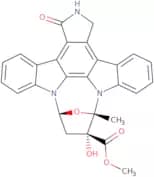
CAS:<p>Inhibitor of TRK family of kinases</p>Formula:C27H21N3O5Purity:Min. 95%Molecular weight:467.47 g/molVASP antibody
<p>The VASP antibody is a powerful cytotoxic agent that is used in the treatment of thrombocytopenia, a condition characterized by low platelet count. This antibody specifically targets and destroys antibodies that are responsible for the destruction of platelets. By neutralizing these harmful antibodies, the VASP antibody helps to restore normal platelet levels and improve overall blood clotting function.</p>KRT19 antibody
<p>The KRT19 antibody is a highly specific monoclonal antibody that targets the carboxyl terminal of Keratin 19 (KRT19). It is commonly used in various life science research applications, including hybridization studies, immunohistochemistry, and Western blotting. The antibody shows strong reactivity with KRT19 and has been validated for use in multiple species.</p>CCR7 antibody
<p>The CCR7 antibody is a potent tool used in Life Sciences research. It specifically targets the CCR7 protein, which is involved in various biological processes such as erythropoietin production and endothelial growth. This antibody binds to the CCR7 protein, preventing its interactions with other binding proteins and inhibiting its function.</p>FLT3 antibody
<p>The FLT3 antibody is a powerful tool in the field of Life Sciences. It is a polyclonal antibody that specifically targets the FLT3 protein, which plays a crucial role in cell growth and survival. The antibody recognizes and binds to specific acid residues on the FLT3 protein, leading to its neutralization and inhibition of its function.</p>FNDC4 antibody
<p>FNDC4 antibody was raised using the middle region of FNDC4 corresponding to a region with amino acids EGNIVIGYSISQQRQNGPGQRVIREVNTTTRACALWGLAEDSDYTVQVRS</p>Purity:Min. 95%BRS3 antibody
<p>BRS3 antibody was raised in rabbit using a synthetic peptide conjugated to KLH as the immunogen.</p>Purity:Min. 95%Vimentin antibody
<p>Vimentin antibody was raised in guinea pig using vimentin purified from calf lens as the immunogen.</p>Purity:Min. 95%ZNF509 antibody
<p>ZNF509 antibody was raised in mouse using recombinant Human Zinc Finger Protein 509</p>PPIF antibody
<p>PPIF antibody was raised in mouse using recombinant human PPIF (30-207aa) purified from E. coli as the immunogen.</p>EIF4A3 antibody
<p>EIF4A3 antibody was raised in rabbit using the N terminal of EIF4A3 as the immunogen</p>Purity:Min. 95%AVIL antibody
<p>AVIL antibody was raised in rabbit using the middle region of AVIL as the immunogen</p>Purity:Min. 95%ZNF683 antibody
<p>ZNF683 antibody was raised in rabbit using the N terminal of ZNF683 as the immunogen</p>Purity:Min. 95%TP53INP1 antibody
<p>TP53INP1 antibody was raised in rabbit using the C terminal of TP53INP1 as the immunogen</p>Purity:Min. 95%Clcn1 antibody
<p>Clcn1 antibody was raised in rabbit using the C terminal of Clcn1 as the immunogen</p>Purity:Min. 95%FANCE antibody
<p>FANCE antibody was raised using the middle region of FANCE corresponding to a region with amino acids SPQAPDPEEEENRDSQQPGKRRKDSEEEAASPEGKRVPKRLRCWEEEEDH</p>Ttbk2 antibody
<p>Ttbk2 antibody was raised in rabbit using the N terminal of Ttbk2 as the immunogen</p>Purity:Min. 95%GPR182 antibody
<p>GPR182 antibody was raised in rabbit using a synthetic peptide conjugated to KLH as the immunogen.</p>Purity:Min. 95%LASP1 antibody
<p>LASP1 antibody was raised using the middle region of LASP1 corresponding to a region with amino acids IKKTQDQISNIKYHEEFEKSRMGPSGGEGMEPERRDSQDGSSYRRPLEQQ</p>MOGAT1 antibody
<p>MOGAT1 antibody was raised using the C terminal of MOGAT1 corresponding to a region with amino acids PIPVRQTLNPTQEQIEELHQTYMEELRKLFEEHKGKYGIPEHETLVLK</p>Purity:Min. 95%Tollip antibody
<p>Tollip antibody was raised in mouse using recombinant human Tollip (61-274aa) purified from E. coli as the immunogen.</p>LDLRAP1 antibody
<p>LDLRAP1 antibody was raised using the N terminal of LDLRAP1 corresponding to a region with amino acids WTDTRETLLEGMLFSLKYLGMTLVEQPKGEELSAAAIKRIVATAKASGKK</p>PCDH17 antibody
<p>PCDH17 antibody was raised using the C terminal of PCDH17 corresponding to a region with amino acids SEMGAVLEQLDHPNRDLGRESVDAEEVVREIDKLLQDCRGNDPVAVRK</p>SNAI1 antibody
<p>The SNAI1 antibody is a highly specific monoclonal antibody that targets the protein Snail1. This antibody has been extensively studied for its ability to inhibit the growth and metastasis of cancer cells. It works by binding to Snail1, preventing its interaction with other proteins involved in cell migration and invasion. The SNAI1 antibody has also been shown to neutralize the activity of growth factors that promote tumor progression. In addition, this antibody can be used in various research applications, such as Western blotting, immunohistochemistry, and flow cytometry. Its high affinity and specificity make it an invaluable tool for researchers in the field of life sciences.</p>MPG antibody
<p>MPG antibody was raised using the middle region of MPG corresponding to a region with amino acids QRDLAQDEAVWLERGPLEPSEPAVVAAARVGVGHAGEWARKPLRFYVRGS</p>Purity:Min. 95%SLK antibody
<p>The 6-Fluoro-3-indoxyl-beta-D-galactopyranoside is an effective antituberculosis drug belonging to the rifamycins class. It is specifically designed to combat tuberculosis infection by targeting active compounds with bactericidal activity. This drug works by binding to DNA-dependent RNA polymerase, which inhibits bacterial growth and prevents transcription and replication. Its high frequency of human activity has been proven through extensive testing using a patch-clamp technique on human erythrocytes. Additionally, it undergoes various metabolic transformations, including hydrolysis by esterases or glucuronidases, oxidation by cytochrome P450 enzymes, reduction by glutathione reductase, or conjugation with glucuronic acid. Rifapentine also shows specific binding to markers expressed at high levels in Mycobacterium tuberculosis strains and effectively inhibits cell growth in culture.</p>Purity:Min. 95%BSA Cohn Fraction V (Microbiological Grade)
<p>Microbiological Grade Bovine Serum Albumin, Cohn Fraction V, (99% pure)</p>Purity:Min. 95%HSD3B1 antibody
<p>HSD3B1 antibody was raised using the N terminal of HSD3B1 corresponding to a region with amino acids TGWSCLVTGAGGFLGQRIIRLLVKEKELKEIRVLDKAFGPELREEFSKLQ</p>Purity:Min. 95%GPC4 antibody
<p>The GPC4 antibody is a highly specialized monoclonal antibody that targets the glycine-proline-cysteine 4 (GPC4) protein. This antibody has been extensively studied and proven to be effective in various applications within the field of Life Sciences. It has shown significant potential as a therapeutic agent for diseases such as cancer, autoimmune disorders, and inflammatory conditions.</p>Arsb Blocking Peptide
<p>A synthetic peptide for use as a blocking control in assays to test for specificity of Arsb antibody, catalog no. 70R-9612</p>Purity:Min. 95%CLAD antibody
<p>The CLAD antibody is a monoclonal antibody that specifically binds to tyrosine kinase receptor-associated protein (CLAD), which is involved in various cellular processes. This antibody has been shown to inhibit the binding of glucagon to its receptor and interfere with downstream signaling pathways. Additionally, it has been demonstrated to modulate the activity of phosphatases and dopamine receptors, leading to cytotoxic effects on target cells. The CLAD antibody can also interact with carbonyl reductase and other binding proteins, further enhancing its therapeutic potential. With its ability to target specific antigens, this antibody holds promise in the field of Life Sciences and may have applications in the treatment of diseases such as cancer and autoimmune disorders.</p>Purity:Min. 95%Norfentanyl antibody
<p>Norfentanyl antibody is a highly specialized monoclonal antibody that is used to inhibit the activity of norfentanyl, a potent phosphatase inhibitor. This antibody specifically targets the amide group of norfentanyl and neutralizes its effects on cellular growth factors. It has been shown to effectively block the activation of tyrosine kinase receptors and prevent the binding of autoantibodies to growth hormone receptors. Norfentanyl antibody is widely used in life sciences research and has significant applications in studying cellular signaling pathways and understanding the role of growth factors in various physiological processes.</p>KIR2DL3 antibody
<p>KIR2DL3 antibody was raised in mouse using recombinant human KIR2DL3(19-161aa) purified from E. coli as the immunogen.</p>PAOX antibody
<p>PAOX antibody was raised using a synthetic peptide corresponding to a region with amino acids GGRIRSERCFGGVVEVGAHWIHGPSRGNPVFQLAAEYGLLGEKELSQENQ</p>β Tubulin 2A antibody
<p>Beta Tubulin 2A antibody was raised using the middle region of TUBB2A corresponding to a region with amino acids AVNMVPFPRLHFFMPGFAPLTSRGSQQYRALTVPELTQQMFDSKNMMAAC</p>SUMO2 antibody
<p>SUMO2 antibody was raised in mouse using recombinant human SUMO2 (1-93aa) purified from E.coli as the immunogen.</p>Mouse Macrophage antibody
<p>Mouse macrophage antibody was raised in rabbit using mouse macrophages as the immunogen.</p>Purity:Min. 95%Transferrin Receptor antibody
<p>Transferrin receptor antibody was raised in mouse using human soluble transferrin receptor as the immunogen.</p>TUPLE1 antibody
<p>TUPLE1 antibody was raised in mouse using recombinant H.Sapiens Tup1-Like Enhancer Of Split Gene 1 (Tuple1)</p>ZBTB38 antibody
<p>ZBTB38 antibody was raised in rabbit using the N terminal of ZBTB38 as the immunogen</p>Purity:Min. 95%