Biochemicals and Reagents
Biochemicals and reagents are fundamental substances for research and development in fields such as biotechnology, molecular biology, pharmacology, and medicine. These products are essential for a variety of applications, including compound synthesis, biological sample analysis, metabolic process research, and drug production. At CymitQuimica, we offer a wide selection of high-quality, high-purity biochemicals and reagents suitable for various scientific and industrial needs. Our catalog includes enzymes, antibodies, nucleic acids, amino acids, and many other products, all designed to support researchers and professionals in their research and development projects, ensuring reliable and reproducible results.
Subcategories of "Biochemicals and Reagents"
- Biomolecules(99,130 products)
- By Biological Target(99,159 products)
- By Pharmacological Effects(6,787 products)
- Cryopreservatives(21 products)
- Desinfectants and Related Compounds(28 products)
- Hormones(346 products)
- Plant Biology(6,747 products)
- Secondary Metabolites(14,222 products)
Found 130579 products of "Biochemicals and Reagents"
Sort by
Purity (%)
0
100
|
0
|
50
|
90
|
95
|
100
Neuropsin antibody
<p>The Neuropsin antibody is a polyclonal antibody that is used in the field of Life Sciences. It specifically targets and neutralizes the activity of Neuropsin, an enzyme involved in various physiological processes. This antibody has been extensively studied for its potential therapeutic applications, particularly in the areas of ophthalmology and neurology.</p>Prostein antibody
<p>Prostein antibody was raised in rabbit using N terminal sequence ITYVPPLLLEVGVEE and C terminal sequence FATQVVFDKSDLAKYSA of the human prostein protein as the immunogen.</p>Purity:Min. 95%RBPMS antibody
<p>The RBPMS antibody is a highly specialized product in the field of Life Sciences. It is designed to target and neutralize the activity of 3-kinase in human serum, making it an essential tool for researchers studying cellular signaling pathways. This antibody acts as a potent inhibitor of cdk4/6, key regulators of cell cycle progression. Additionally, it can effectively block the activity of various growth factors and chemokines, providing valuable insights into their functions.</p>CLCNKB antibody
<p>CLCNKB antibody was raised using the C terminal of CLCNKB corresponding to a region with amino acids ILAAGCPTEPVTLKLSPETSLHEAHNLFELLNLHSLFVTSRGRAVGCVSW</p>Purity:Min. 95%SAMHD1 antibody
<p>The SAMHD1 antibody is a monoclonal antibody that targets the SAMHD1 protein. SAMHD1 is a glycoprotein that plays a crucial role in cell growth and proliferation. It acts as a binding protein for various growth factors, chemokines, and interferons, regulating their activity and signaling pathways.</p>CD74 antibody
<p>The CD74 antibody is a monoclonal antibody commonly used in Life Sciences research. It specifically targets and binds to the CD74 protein, which plays a crucial role in immune responses. This antibody has been shown to inhibit the production of reactive oxygen species and interferon, making it a valuable tool for studying immune system regulation. Additionally, the CD74 antibody can be used to detect autoantibodies and analyze their interactions with cellular components. With its high affinity and specificity, this antibody provides reliable results in various applications such as immunohistochemistry, flow cytometry, and Western blotting. Researchers can trust the CD74 antibody to deliver accurate and reproducible results in their experiments.</p>PSME2 antibody
<p>PSME2 antibody was raised in rabbit using the middle region of PSME2 as the immunogen</p>Purity:Min. 95%NIPSNAP3A antibody
<p>NIPSNAP3A antibody was raised in Rabbit using Human NIPSNAP3A as the immunogen</p>ZNF534 Blocking Peptide
<p>A synthetic peptide for use as a blocking control in assays to test for specificity of ZNF534 antibody, catalog no. 70R-8166</p>Purity:Min. 95%Lpcat2 Blocking Peptide
<p>A synthetic peptide for use as a blocking control in assays to test for specificity of Lpcat2 antibody, catalog no. 70R-8679</p>Purity:Min. 95%Dynamitin antibody
<p>The Dynamitin antibody is a powerful tool used in Life Sciences research for studying molecular signaling and protein complexes. It can be used in mass spectrometric methods to identify and analyze activated pathways in cells. This antibody is specifically designed to target Dynamitin, a protein involved in various cellular processes. It has been shown to bind to Dynamitin with high specificity and sensitivity, making it an excellent test substance for experiments.</p>ANKS3 Blocking Peptide
<p>A synthetic peptide for use as a blocking control in assays to test for specificity of ANKS3 antibody, catalog no. 70R-3461</p>Purity:Min. 95%RAGE antibody
<p>RAGE antibody was raised in rabbit using the middle region of RAGE as the immunogen</p>Purity:Min. 95%POLR1D antibody
<p>POLR1D antibody was raised using a synthetic peptide corresponding to a region with amino acids TRGTLPAVEPFQRGLNELMNVCQHVLDKFEASIKDYKDQKASRNESTF</p>TET2 antibody
<p>The TET2 antibody is an immunosuppressive reagent that specifically targets 5-hydroxymethylcytosine (5hmC). It belongs to the class of polyclonal antibodies and is widely used in Life Sciences research. This antibody has been shown to effectively inhibit the activity of TET2, an enzyme involved in DNA demethylation. By blocking TET2, this antibody can modulate gene expression and epigenetic regulation. Researchers can use the TET2 antibody as a valuable tool for studying DNA methylation dynamics and exploring its role in various biological processes. With its high specificity and reliability, this antibody is an essential component of any laboratory focused on epigenetics research.</p>PDCD2L Blocking Peptide
<p>A synthetic peptide for use as a blocking control in assays to test for specificity of PDCD2L antibody, catalog no. 70R-8975</p>Purity:Min. 95%Cytokeratin 17 antibody
<p>Cytokeratin 17 antibody is a monoclonal antibody that specifically targets hepatocyte growth factor. It is used in various research and diagnostic applications in the field of life sciences. This antibody binds to c-myc, a protein involved in cell proliferation and differentiation, and epidermal growth factor receptor (EGFR), which plays a crucial role in cell signaling pathways. Cytokeratin 17 antibody has been shown to be effective in detecting the presence of autoantibodies and histidine residues in biological samples. Additionally, it can be used to study the role of leukemia inhibitory factor (LIF) and other growth factors in cellular processes. With its high specificity and sensitivity, this antibody is an invaluable tool for scientists and researchers working in the field of life sciences.</p>CDKN1B antibody
<p>CDKN1B antibody was raised in rabbit using the C terminal of CDKN1B as the immunogen</p>SLC22A1 Blocking Peptide
<p>A synthetic peptide for use as a blocking control in assays to test for specificity of SLC22A1 antibody, catalog no. 70R-1728</p>Purity:Min. 95%Connexin 43 antibody
<p>Connexin 43 antibody is a cytotoxic and reactive monoclonal antibody that acts as a neutralizing agent against connexin. It is commonly used in Life Sciences research to study endothelial growth and adipose tissue. This antibody can be quantified in human serum samples to determine its concentration. Connexin 43 antibody has been shown to inhibit the function of connexin, which is involved in cell communication and signaling. Additionally, it has been found to have inhibitory effects on alpha-fetoprotein, a protein associated with certain types of cancer. Researchers also use this antibody as an electrode for various experimental procedures. With its potent inhibitory properties, Connexin 43 antibody is a valuable tool for studying cellular processes and developing potential therapeutic interventions.</p>Purity:Min. 95%Cyclin A1 antibody
<p>The Cyclin A1 antibody is a powerful tool used in Life Sciences research. It is a monoclonal antibody that specifically targets and binds to Cyclin A1, a protein involved in cell cycle regulation and growth factor signaling. This antibody has been extensively validated for use in various applications, including immunofluorescence, immunohistochemistry, and Western blotting.</p>EXOC4 antibody
<p>EXOC4 antibody was raised in rabbit using the N terminal of EXOC4 as the immunogen</p>Purity:Min. 95%LARGE antibody
<p>LARGE antibody was raised using the middle region of LARGE corresponding to a region with amino acids AHIMELDVQEYEFIVLPNAYMIHMPHAPSFDITKFRSNKQYRICLKTLKE</p>Purity:Min. 95%Lamin B2 antibody
<p>The Lamin B2 antibody is a powerful tool in the field of Life Sciences. This Monoclonal Antibody specifically targets and binds to Lamin B2, a protein involved in nuclear envelope structure and stability. By using this antibody, researchers can study the role of Lamin B2 in various cellular processes.</p>FSHR antibody
<p>The FSHR antibody is a highly specialized antibody used in the field of Life Sciences. It is available as both monoclonal and polyclonal antibodies. This antibody is colloidal in nature, making it easy to work with in laboratory settings. It has been extensively used for research purposes, particularly in the study of mesenchymal stem cells.</p>GSK2798745
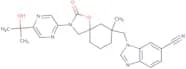
CAS:<p>GSK2798745 is a non-selective cation channel activator. It selectively activates the nicotinic acetylcholine receptor and has been shown to inhibit choroidal neovascularization in patients with age-related macular degeneration. GSK2798745 also inhibits pancreatic enzyme secretion, chronic cough, and cancer cell proliferation. The median plasma concentration of GSK2798745 is reached within 2 hours after administration and the half-life is about 4 hours. GSK2798745 does not cross the blood–brain barrier, which may explain its lack of central nervous system side effects.</p>Formula:C25H28N6O3Purity:Min. 95%Molecular weight:460.5 g/molNorovirus G2 antibody
<p>Norovirus G2 antibody is a monoclonal antibody that specifically targets the G2 strain of norovirus. It is derived from human serum and has been shown to form dimers, which enhance its binding affinity and effectiveness. This antibody works by immobilizing the virus, preventing it from infecting host cells and causing illness. Norovirus G2 antibody is widely used in Life Sciences research for studying the virus and developing diagnostic tools. It can be used in various applications, such as immunoassays, Western blotting, and immunohistochemistry. This antibody has also shown potential therapeutic applications in the treatment of norovirus infections.</p>Troponin I protein
<p>Troponin I protein is a vital component of the troponin complex, which plays a crucial role in regulating muscle contraction. It is a protein kinase that phosphorylates specific residues on troponin I, leading to the inhibition of actomyosin ATPase activity and subsequent muscle relaxation. Monoclonal antibodies targeting troponin I have been developed for diagnostic purposes, allowing for the detection and quantification of this protein in blood samples. In addition to its role in muscle physiology, troponin I has also been implicated in various disease processes. For example, elevated levels of troponin I are indicative of cardiac injury and are commonly used as a diagnostic marker for myocardial infarction. Furthermore, autoantibodies against troponin I have been identified in patients with autoimmune disorders such as antiphospholipid syndrome. Overall, troponin I is a versatile protein with important functions in both normal physiology and disease pathology.</p>Purity:Min. 95%SNX4 antibody
<p>The SNX4 antibody is a polyclonal antibody that is widely used in Life Sciences research. It plays a crucial role in various cellular processes, including the regulation of ornithine and the transport of multidrug resistance proteins. This antibody has been extensively studied for its ability to neutralize the activity of growth factors and inhibitors, such as ketamine, transferrin, low-molecular-weight compounds, interferon, collagen, and epidermal growth factor. Its high specificity and affinity make it an ideal tool for studying the function of these molecules in different biological systems. Additionally, the SNX4 antibody can be used in techniques such as immunohistochemistry and Western blotting to detect and quantify the expression levels of target proteins. With its excellent performance and reliability, this antibody is a valuable asset for researchers in various fields.</p>ST6GALNAC4 antibody
<p>ST6GALNAC4 antibody was raised using the middle region of ST6GALNAC4 corresponding to a region with amino acids QLTRMYPGLQVYTFTERMMAYCDQIFQDETGKNRRQSGSFLSTGWFTMIL</p>Purity:Min. 95%TOMM34 antibody
<p>TOMM34 antibody was raised in rabbit using the N terminal of TOMM34 as the immunogen</p>Purity:Min. 95%SYCP1 antibody
<p>SYCP1 antibody was raised using the N terminal of SYCP1 corresponding to a region with amino acids NFLPVLEQVGNSDCHYQEGLKDSDLENSEGLSRVYSKLYKEAEKIKKWKV</p>Purity:Min. 95%AGK antibody
<p>AGK antibody was raised using the N terminal of AGK corresponding to a region with amino acids KKLLELMENTDVIIVAGGDGTLQEVVTGVLRRTDEATFSKIPIGFIPLGE</p>Goat anti Human IgG (H + L) (rhodamine)
<p>This antibody reacts with heavy chains on human IgG (gamma chain).</p>Purity:Min. 95%Rabbit anti Cat IgG (H + L) (Texas Red)
<p>Rabbit anti-cat IgG (H+L) was raised in rabbit using feline IgG whole molecule as the immunogen.</p>Purity:Min. 95%ZNF417 Blocking Peptide
<p>A synthetic peptide for use as a blocking control in assays to test for specificity of ZNF417 antibody, catalog no. 70R-8134</p>Purity:Min. 95%ENOSF1 antibody
<p>ENOSF1 antibody was raised using the N terminal of ENOSF1 corresponding to a region with amino acids MVRGRISRLSVRDVRFPTSLGGHGADAMHTDPDYSAAYVVIETDAEDGIK</p>BBS2 antibody
<p>BBS2 antibody was raised in rabbit using the N terminal of BBS2 as the immunogen</p>Purity:Min. 95%Saredutant
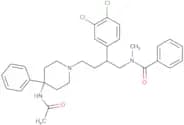
CAS:<p>Saredutant is a potent, selective, and orally bioavailable antagonist of the glucocorticoid receptor. This drug has been approved for the treatment of IBD (inflammatory bowel disease) in Japan. Saredutant has also been shown to be effective for treating cancer and bowel disorders that are induced by inflammation. Saredutant is a potent anti-inflammatory agent that inhibits neutrophil infiltration into the inflamed bowel mucosa and reduces mucosal edema. It also inhibits CD4+ T cells from producing proinflammatory cytokines such as IL-2, IFN-γ, and TNF-α. Saredutant has been shown to reduce systolic blood pressure in animal studies, suggesting that it may have antihypertensive effects.</p>Formula:C31H35Cl2N3O2Purity:Min. 95%Molecular weight:552.5 g/molLamin A Antibody
<p>The Lamin A Antibody is a highly specialized product in the field of Life Sciences. It is a monoclonal antibody that is specifically designed to target and bind to Lamin A, an important protein involved in various cellular processes. This antibody is widely used in research and diagnostic applications.</p>PDIA3 antibody
<p>The PDIA3 antibody is a highly specialized antibody that targets specific proteins involved in various cellular processes. It has been shown to interact with transforming growth factor-beta (TGF-beta), interferon, epidermal growth factor (EGF), tumor necrosis factor-alpha (TNF-α), tyrosine, collagen, and IFN-gamma. This monoclonal antibody is designed to neutralize the activity of these proteins, making it a valuable tool in research and clinical applications in the field of Life Sciences. With its high specificity and affinity, the PDIA3 antibody can be used in various assays such as immunohistochemistry, Western blotting, flow cytometry, and enzyme-linked immunosorbent assay (ELISA). Whether you are studying cell signaling pathways or investigating the role of growth factors in disease progression, the PDIA3 antibody is an essential tool for your research needs. Trust this reliable and versatile antibody to deliver accurate results and advance your scientific discoveries.</p>COTL1 antibody
<p>The COTL1 antibody is a highly effective life science product that is specifically designed to target and inhibit the protein known as COTL1. This monoclonal antibody is ideal for use in non-alcoholic fatty fluid samples, making it an invaluable tool for researchers and medical professionals alike. By inhibiting the activity of COTL1, this antibody has the potential to revolutionize the treatment of various diseases and conditions. Whether you are conducting groundbreaking research or developing new medicaments, the COTL1 antibody is a must-have addition to your laboratory. Trust in its exceptional quality and reliability to deliver accurate results and contribute to advancements in the field of life sciences.</p>Transportin 2 Blocking Peptide
<p>A synthetic peptide for use as a blocking control in assays to test for specificity of TNPO2 antibody, catalog no. 70R-2301</p>Purity:Min. 95%Na+ Ca2+ Exchanger antibody (cardiac)
<p>Na+ Ca2+ exchanger antibody (cardiac) was raised in rabbit using canine cardiac sarcolemma Na+/Ca2+ exchanger as the immunogen.</p>Purity:Min. 95%PPCDC Blocking Peptide
<p>A synthetic peptide for use as a blocking control in assays to test for specificity of PPCDC antibody, catalog no. 70R-1240</p>Purity:Min. 95%CD9 antibody
<p>The 6-Fluoro-3-indoxyl-beta-D-galactopyranoside is a powerful antituberculosis drug from the rifamycins class. It is specifically designed to target tuberculosis infections and contains active compounds that exhibit bactericidal activity. This drug works by binding to DNA-dependent RNA polymerase, thereby preventing transcription and replication of bacteria. It has been extensively tested using the patch-clamp technique on human erythrocytes, proving its high efficacy. Additionally, it undergoes various metabolic transformations, making it highly effective against mycobacterium strains. With its ability to inhibit cell growth and bind to markers expressed in Mycobacterium tuberculosis strains, this drug offers a promising solution for combating tuberculosis infections.</p>proBNP antibody
<p>The proBNP antibody is a monoclonal antibody that specifically targets proBNP, an important biomarker for heart failure. This antibody is designed to detect and quantify proBNP levels in human serum samples. It has high specificity and sensitivity, allowing for accurate and reliable measurement of proBNP levels.</p>FH antibody
<p>FH antibody is a monoclonal antibody used in Life Sciences research. It specifically targets and binds to the growth factor FH, preventing its dephosphorylation and promoting the formation of dimers. This antibody has been shown to inhibit interferon-induced cell death and activate mitogen-activated protein (MAP) kinase signaling pathways. Additionally, FH antibody has been found to modulate arachidonic acid metabolism and enhance the effects of epidermal growth factor (EGF). It can also be used in the detection of atypical hemolytic uremic syndrome (aHUS) and as a tool for studying autoantibodies. FH antibody is part of a range of high-quality monoclonal antibodies designed for various applications in Life Sciences research.</p>ABCB8 antibody
<p>ABCB8 antibody was raised using a synthetic peptide corresponding to a region with amino acids EPVLFGTTIMENIRFGKLEASDEEVYTAAREANAHEFITSFPEGYNTVVG</p>Purity:Min. 95%GPR18 antibody
<p>The GPR18 antibody is a polyclonal antibody used in the field of Life Sciences. It is commonly used in various assays and experiments to study the functions and interactions of GPR18, a glycoprotein receptor. This antibody is highly specific and has been proven effective in detecting GPR18 in different biological samples.</p>Resistin antibody
<p>Resistin antibody was raised in goat using highly pure recombinant murine resistin as the immunogen.</p>Purity:Min. 95%EBV EBNA protein
<p>The EBV EBNA protein is a highly versatile and reactive protein that has various applications in the field of Proteins and Antigens. It has been extensively studied and found to have multiple functions. This protein is known to interact with taurine, a key amino acid found in human serum, and it has been shown to exhibit leukemia inhibitory factor (LIF) activity. Additionally, the EBV EBNA protein can be neutralized by specific monoclonal antibodies.</p>Purity:Min. 95%STAT2 antibody
<p>The STAT2 antibody is a highly specialized antibody that plays a crucial role in the interferon signaling pathway. It specifically targets and binds to STAT2, a protein involved in regulating gene expression in response to interferon signals. By binding to STAT2, this antibody effectively inhibits its activity, preventing the downstream effects of interferon signaling.</p>Myozenin 1 antibody
<p>Myozenin 1 antibody was raised using the middle region of MYOZ1 corresponding to a region with amino acids TVFKTYISPWERAMGVDPQQKMELGIDLLAYGAKAELPKYKSFNRTAMPY</p>GRP94 antibody
<p>The GRP94 antibody is a monoclonal antibody used in the field of Life Sciences for various applications. It specifically targets biomolecules such as interleukins and is commonly used in recombination studies. The GRP94 antibody has a high affinity for its target and is known to effectively bind to interleukin-6, preventing its activity. This antibody can be utilized in different assays to detect and quantify the presence of interleukins in samples. Additionally, it has been observed that the GRP94 antibody can inhibit syncytia formation, a process involving the fusion of cells, which is important in various biological processes. With its antigen binding domain, this monoclonal antibody offers precise and accurate detection capabilities for researchers working with biomolecules and cytokines.</p>SSB antibody
<p>The SSB antibody is a monoclonal antibody that targets specific antigens related to glycosylation, steroids, dopamine, and fibrinogen. This antibody is used in various applications within the field of life sciences. It has been extensively studied for its role in detecting autoantibodies and nuclear antigens, as well as its potential in diagnosing certain conditions. The SSB antibody has also shown promise in research related to brain natriuretic peptide and histidine nuclear isothiocyanate. With its high specificity and reliability, this antibody is a valuable tool for researchers and scientists working in the field of life sciences.</p>CYP27C1 antibody
<p>CYP27C1 antibody was raised using the middle region of CYP27C1 corresponding to a region with amino acids VTQEDLVIGGYLIPKGTQLALCHYATSYQDENFPRAKEFRPERWLRKGDL</p>GFRA4 Blocking Peptide
<p>A synthetic peptide for use as a blocking control in assays to test for specificity of GFRA4 antibody, catalog no. 70R-10340</p>Purity:Min. 95%C1QTNF4 antibody
<p>C1QTNF4 antibody was raised using the middle region of C1QTNF4 corresponding to a region with amino acids DEQRRPGARRAASQSAMLQLDYGDTVWLRLHGAPQYALGAPGATFSGYLV</p>Purity:Min. 95%GPR18 antibody
<p>The GPR18 antibody is a highly specialized monoclonal antibody that plays a crucial role in endothelial growth and microvessel density. It specifically targets galectin-3-binding proteins, which are essential for the regulation of immune responses and cell signaling. This antibody has been extensively tested using immunoassays and has shown remarkable specificity and reactivity towards its target.</p>TMEM161A antibody
<p>TMEM161A antibody was raised using the middle region of TMEM161A corresponding to a region with amino acids LLAMLVQVVREETLELGLEPGLASMTQNLEPLLKKQGWDWALPVAKLAIR</p>Purity:Min. 95%CD44 antibody
<p>The CD44 antibody is a monoclonal antibody used in the field of Life Sciences. It is specifically designed to target and bind to CD44, a cell surface glycoprotein that plays a crucial role in cell adhesion and migration. This antibody has been extensively studied for its ability to inhibit the growth and metastasis of various types of cancer cells.</p>Factor V antibody (biotin)
<p>Factor V antibody (biotin) was raised in sheep using human factor V purified from plasma as the immunogen.</p>Syk antibody
<p>The Syk antibody is a monoclonal antibody that specifically targets and binds to the Syk protein. This protein plays a crucial role in various cellular processes, including cell growth, differentiation, and signaling. By binding to Syk, the antibody inhibits its activity, which can have significant therapeutic implications.</p>Goat anti Human IgM (mu chain) (FITC)
<p>This antibody reacts with heavy chains on human IgM (mu chain).</p>Purity:Min. 95%ZNF501 antibody
<p>ZNF501 antibody was raised in rabbit using the C terminal of ZNF501 as the immunogen</p>Purity:Min. 95%Pin 1 protein
<p>Extracellular Ig-like domain; 22-255 amino acids: MADEEKLPPG WEKRMSRSSG RVYYFNHITN ASQWERPSGN SSSGGKNGQG EPARVRCSHL LVKHSQSRRP SSWRQEKITR TKEEALELIN GYIQKIKSGE EDFESLASQF SDCSSAKARG DLGAFSRGQM QKPFEDASFA LRTGEMSGPV FTDSGIHIIL RTE</p>Purity:Min. 95%BTK antibody
<p>The BTK antibody is a specific monoclonal antibody that targets Bruton's tyrosine kinase (BTK). It is commonly used in the field of Life Sciences for research purposes. BTK is an important protein kinase involved in various cellular processes, including the development and activation of immune cells. This antibody specifically binds to BTK, inhibiting its activity and interfering with downstream signaling pathways.</p>AHSG protein
<p>AHSG protein is a cytotoxic protein that belongs to the group of Proteins and Antigens. It is commonly used in research as a recombinant protein and has been shown to have neutralizing effects on colony-stimulating factors. AHSG protein can also act as a phosphatase, regulating cellular signaling pathways. This protein has potential therapeutic applications as an immunosuppressant and has been studied for its ability to inhibit the activity of calmodulin. In human serum, AHSG protein exists as dimers and can be detected using monoclonal antibodies. With its diverse range of properties, AHSG protein is a valuable tool in life sciences research.</p>Purity:Min. 95%PMVK antibody
<p>The PMVK antibody is a highly specialized antibody that plays a crucial role in the immune response. It is activated by interferon-gamma (IFN-gamma) and exhibits cytotoxic activity against target cells. This antibody specifically targets tyrosine residues on growth factors, leading to their neutralization and inhibition of cell proliferation. Additionally, the PMVK antibody has been shown to bind to annexin proteins, which are involved in apoptotic processes. This monoclonal antibody is produced using cutting-edge technology and is highly specific for its target antigen. It has been widely used in life sciences research, including studies on adenine metabolism and the development of antiviral therapies.</p>GOT2 antibody
<p>The 6-Fluoro-3-indoxyl-beta-D-galactopyranoside is a powerful antituberculosis drug that falls under the class of rifamycins. It is specifically designed to combat tuberculosis infections by targeting the active compounds responsible for its growth. This bactericidal activity is achieved through its ability to bind to DNA-dependent RNA polymerase, effectively inhibiting transcription and replication processes in the bacteria. The efficacy of this drug has been extensively studied using advanced techniques such as transcription-quantitative polymerase chain and patch-clamp technique. Additionally, it undergoes various metabolic transformations, including hydrolysis by esterases or glucuronidases, oxidation by cytochrome p450 enzymes, reduction by glutathione reductase, or conjugation with glucuronic acid. Its specificity towards Mycobacterium tuberculosis strains makes it a potent weapon against this infectious disease.</p>Pax5 antibody
<p>The Pax5 antibody is a highly effective monoclonal antibody that targets mesothelin, a protein associated with various cancers. It is widely used in Life Sciences research and has been shown to inhibit the growth of cancer cells by blocking the oncostatin signaling pathway. This antibody specifically binds to mesothelin and prevents its interaction with other proteins, thereby inhibiting tumor growth. Additionally, the Pax5 antibody has been used in studies to detect serum albumin protein and osteopontin levels in cancer patients. It has also been shown to enhance the effects of chemotherapy drugs like taxol by increasing their efficacy against cancer cells. Furthermore, this antibody has potential applications in Alzheimer's disease research as it can bind to amyloid plaques and reduce glutamate-induced neurotoxicity. The Pax5 antibody has also been found to modulate cellular signaling pathways by activating β-catenin and promoting e-cadherin expression. Overall, this high-quality monoclonal antibody offers great promise for both diagnostic</p>Purity:Min. 95%Grp78 antibody
<p>Grp78 antibody was raised in rabbit using a synthetic peptide corresponding to the sequence near the C-terminus of rat Grp78 (BiP) as the immunogen.</p>Purity:Min. 95%Gastrin antibody
<p>Gastrin antibody was raised in rabbit using human gastrin 17 conjugated to BSA as the immunogen.</p>Purity:Min. 95%Glucoiberin
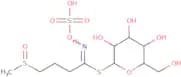
CAS:<p>Glucoiberin is a natural compound that has been shown to possess anticancer properties. It works by inhibiting the activity of certain proteins and enzymes that are involved in tumor growth and development. Glucoiberin has been found to be a potent inhibitor of chitinase, which is an enzyme that is often overexpressed in cancer cells. Additionally, it has been shown to induce apoptosis (programmed cell death) in human cancer cells, making it a promising candidate for cancer treatment. Glucoiberin is commonly found in Chinese medicinal herbs and can be detected in human urine after ingestion. It may also have potential as a kinase inhibitor and as an alternative to heparin therapy.</p>Formula:C11H21NO10S3Purity:Min. 95%Molecular weight:423.5 g/molGPR68 antibody
<p>GPR68 antibody was raised in rabbit using a synthetic peptide conjugated to KLH as the immunogen.</p>Purity:Min. 95%Mouse Serum Albumin antibody
<p>Mouse serum albumin antibody was raised in rabbit using mouse serum as the immunogen.</p>Purity:Min. 95%FMO5 antibody
<p>FMO5 antibody was raised using the middle region of FMO5 corresponding to a region with amino acids NKYLEKKINQRFDHEMFGLKPKHRALSQHPTLNDDLPNRIISGLVKVKGN</p>Purity:Min. 95%(-)-OSU 6162
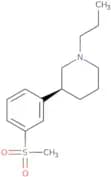
CAS:<p>Dopamine (D2) receptor stabilizer</p>Formula:C15H23NO2SPurity:Min. 95%Molecular weight:281.41 g/molDrebrin antibody
<p>Drebrin antibody was raised in guinea ig using a synthetic human peptide correesponding to residues 254-272 coupled to KHL as the immunogen.</p>Purity:Min. 95%PERLD1 antibody
<p>PERLD1 antibody was raised using the N terminal of PERLD1 corresponding to a region with amino acids AGLAARLVLLAGAAALASGSQGDREPVYRDCVLQCEEQNCSGGALNHFRS</p>Purity:Min. 95%IDS antibody
<p>IDS antibody is an intraocular antibody that plays a crucial role in the immune response. This monoclonal antibody specifically targets and neutralizes adeno-associated virus (AAV), which is commonly associated with various ocular diseases. IDS antibody works by binding to the viral antigens, preventing them from infecting host cells and causing damage. Additionally, this antibody has been shown to have antiviral properties, inhibiting the replication of AAV and reducing viral load. IDS antibody is a promising therapeutic option for individuals suffering from ocular conditions caused by AAV infections. Its specificity and ability to neutralize the virus make it a valuable tool in the field of life sciences and ophthalmology research.</p>CIB1 antibody
<p>CIB1 antibody was raised in mouse using recombinant human CIB1 (1-191aa) purified from E. coli as the immunogen.</p>JMJD2A antibody
<p>JMJD2A antibody was raised in mouse using recombinant Omo Sapiens Jumonji Domain Containing 2A</p>S1PR1 antibody
<p>The S1PR1 antibody is a monoclonal antibody that targets the S1P receptor 1, a cell surface receptor involved in various cellular processes such as growth factor signaling and chemokine-induced migration. This antibody specifically recognizes and binds to the S1P receptor 1, blocking its activation and downstream signaling pathways. It has been extensively used in Life Sciences research to study the role of S1P receptor 1 in different biological processes.</p>Caspase 9 antibody
<p>The Caspase 9 antibody is a highly effective monoclonal antibody that targets caspase-9, an enzyme involved in programmed cell death. This antibody is commonly used in life sciences research and diagnostic applications. It specifically recognizes the caspase-9 antigen and can be immobilized for various experimental purposes.</p>Purity:Min. 95%CYP11A1 antibody
<p>CYP11A1 antibody was raised using the N terminal of CYP11A1 corresponding to a region with amino acids QKGSVHHDYRGILYRLLGDSKMSFEDIKANVTEMLAGGVDTTSMTLQWHL</p>DBT antibody
<p>DBT antibody was raised using the N terminal of DBT corresponding to a region with amino acids NYVCFFGYPSFKYSHPHHFLKTTAALRGQVVQFKLSDIGEGIREVTVKEW</p>SEC5 antibody
<p>SEC5 antibody is a highly versatile growth factor that plays a crucial role in various biological processes. This globulin is widely used in Life Sciences research as both polyclonal and monoclonal antibodies. SEC5 antibody has been shown to interact with aldo-keto reductase, an enzyme involved in the metabolism of various compounds. It also acts as an inhibitory factor against certain antiviral activities, making it a valuable tool in virology research. Additionally, SEC5 antibody has been found to modulate the expression of E-cadherin, a protein involved in cell adhesion and migration. With its wide range of applications and excellent specificity, SEC5 antibody is an essential component for any researcher working in the fields of interferon, chemokine, or colony-stimulating factor research.</p>XRCC5 antibody
<p>The XRCC5 antibody is a polyclonal antibody that specifically targets XRCC5, also known as Ku80. XRCC5 is a glycoprotein that plays a crucial role in DNA repair and maintenance of genomic stability. This antibody is commonly used in life sciences research to study the function and localization of XRCC5 in various cellular processes.</p>NSE antibody
<p>The NSE antibody is a powerful tool in the field of life sciences. It is an interferon that exhibits cytotoxic properties and specifically targets transthyretin. This antibody binds to transthyretin, a protein that plays a crucial role in various biological processes. By binding to transthyretin, the NSE antibody can modulate its activity and function.</p>ITLN2 Blocking Peptide
<p>A synthetic peptide for use as a blocking control in assays to test for specificity of ITLN2 antibody, catalog no. 70R-4496</p>Purity:Min. 95%RDX antibody
<p>RDX antibody was raised using the middle region of RDX corresponding to a region with amino acids MSAPPPPPPPPVIPPTENEHDEHDENNAEASAELSNEGVMNHRSEEERVT</p>WNK1 antibody
<p>The 6-Fluoro-3-indoxyl-beta-D-galactopyranoside is a powerful antituberculosis drug that falls under the class of rifamycins. This drug is highly effective in treating tuberculosis infections as it contains active compounds with bactericidal activity. It works by inhibiting bacterial growth through binding to DNA-dependent RNA polymerase, preventing transcription and replication. The effectiveness of this drug has been demonstrated through extensive research using advanced techniques such as the patch-clamp technique on human erythrocytes. It undergoes various metabolic transformations, including hydrolysis by esterases or glucuronidases, oxidation by cytochrome P450 enzymes, reduction by glutathione reductase, or conjugation with glucuronic acid. Additionally, it specifically targets markers expressed at high levels in Mycobacterium tuberculosis strains and inhibits cell growth in culture.</p>ANKRD11 antibody
<p>ANKRD11 antibody was raised in mouse using recombinant Human Ankyrin Repeat Domain 11 (Ankrd11)</p>SLC11A2 antibody
<p>SLC11A2 antibody was raised using the N terminal Of Slc11A2 corresponding to a region with amino acids VLGPEQKMSDDSVSGDHGESASLGNINPAYSNPSLSQSPGDSEEYFATYF</p>Purity:Min. 95%BAD antibody
<p>BAD antibody was raised in rabbit using the C terminal of BAD as the immunogen</p>Purity:Min. 95%ZNF266 antibody
<p>ZNF266 antibody was raised in rabbit using the N terminal of ZNF266 as the immunogen</p>Purity:Min. 95%KLK6 antibody
<p>KLK6 antibody was raised using the N terminal of KLK6 corresponding to a region with amino acids KHNLRQRESSQEQSSVVRAVIHPDYDAASHDQDIMLLRLARPAKLSELIQ</p>GMPPA antibody
<p>GMPPA antibody was raised using the N terminal of GMPPA corresponding to a region with amino acids LKAVILIGGPQKGTRFRPLSFEVPKPLFPVAGVPMIQHHIEACAQVPGMQ</p>Influenza A antibody
<p>Influenza A antibody was raised in mouse using Influenza A nucleoprotein as the immunogen.</p>OXCT1 Blocking Peptide
<p>A synthetic peptide for use as a blocking control in assays to test for specificity of OXCT1 antibody, catalog no. 70R-5319</p>Purity:Min. 95%SLC44A3 antibody
<p>SLC44A3 antibody was raised using the middle region of SLC44A3 corresponding to a region with amino acids TFAILIFFWVLWVAVLLSLGTAGAAQVMEGGQVEYKPLSGIRYMWSYHLI</p>Purity:Min. 95%CAT antibody
<p>The CAT antibody is a monoclonal antibody used in the field of Life Sciences. It specifically targets and neutralizes the activity of chemokines involved in adipose tissue function. This antibody has been extensively studied and has shown high affinity for its target, making it a valuable tool for research purposes. Additionally, it does not cross-react with other proteins or interfere with cellular processes. The CAT antibody is produced using advanced techniques and undergoes rigorous quality control to ensure its purity and effectiveness. It can be used in various applications such as immunofluorescence, immunohistochemistry, and Western blotting. Researchers rely on the CAT antibody to gain insights into the role of chemokines in adipose tissue biology and their potential therapeutic applications.</p>FBXL2 antibody
<p>FBXL2 antibody was raised using the N terminal of FBXL2 corresponding to a region with amino acids NISKRCGGFLRKLSLRGCIGVGDSSLKTFAQNCRNIEHLNLNGCTKITDS</p>Rat RBC antibody (FITC)
<p>Rat RBC antibody (FITC) was raised in rabbit using rat erythrocytes as the immunogen.</p>EIF4A3 antibody
<p>EIF4A3 antibody was raised in rabbit using the N terminal of EIF4A3 as the immunogen</p>Purity:Min. 95%AVIL antibody
<p>AVIL antibody was raised in rabbit using the middle region of AVIL as the immunogen</p>Purity:Min. 95%ZNF683 antibody
<p>ZNF683 antibody was raised in rabbit using the N terminal of ZNF683 as the immunogen</p>Purity:Min. 95%TP53INP1 antibody
<p>TP53INP1 antibody was raised in rabbit using the C terminal of TP53INP1 as the immunogen</p>Purity:Min. 95%Clcn1 antibody
<p>Clcn1 antibody was raised in rabbit using the C terminal of Clcn1 as the immunogen</p>Purity:Min. 95%FANCE antibody
<p>FANCE antibody was raised using the middle region of FANCE corresponding to a region with amino acids SPQAPDPEEEENRDSQQPGKRRKDSEEEAASPEGKRVPKRLRCWEEEEDH</p>Ttbk2 antibody
<p>Ttbk2 antibody was raised in rabbit using the N terminal of Ttbk2 as the immunogen</p>Purity:Min. 95%GPR182 antibody
<p>GPR182 antibody was raised in rabbit using a synthetic peptide conjugated to KLH as the immunogen.</p>Purity:Min. 95%LASP1 antibody
<p>LASP1 antibody was raised using the middle region of LASP1 corresponding to a region with amino acids IKKTQDQISNIKYHEEFEKSRMGPSGGEGMEPERRDSQDGSSYRRPLEQQ</p>MOGAT1 antibody
<p>MOGAT1 antibody was raised using the C terminal of MOGAT1 corresponding to a region with amino acids PIPVRQTLNPTQEQIEELHQTYMEELRKLFEEHKGKYGIPEHETLVLK</p>Purity:Min. 95%Tollip antibody
<p>Tollip antibody was raised in mouse using recombinant human Tollip (61-274aa) purified from E. coli as the immunogen.</p>LDLRAP1 antibody
<p>LDLRAP1 antibody was raised using the N terminal of LDLRAP1 corresponding to a region with amino acids WTDTRETLLEGMLFSLKYLGMTLVEQPKGEELSAAAIKRIVATAKASGKK</p>PCDH17 antibody
<p>PCDH17 antibody was raised using the C terminal of PCDH17 corresponding to a region with amino acids SEMGAVLEQLDHPNRDLGRESVDAEEVVREIDKLLQDCRGNDPVAVRK</p>SNAI1 antibody
<p>The SNAI1 antibody is a highly specific monoclonal antibody that targets the protein Snail1. This antibody has been extensively studied for its ability to inhibit the growth and metastasis of cancer cells. It works by binding to Snail1, preventing its interaction with other proteins involved in cell migration and invasion. The SNAI1 antibody has also been shown to neutralize the activity of growth factors that promote tumor progression. In addition, this antibody can be used in various research applications, such as Western blotting, immunohistochemistry, and flow cytometry. Its high affinity and specificity make it an invaluable tool for researchers in the field of life sciences.</p>MPG antibody
<p>MPG antibody was raised using the middle region of MPG corresponding to a region with amino acids QRDLAQDEAVWLERGPLEPSEPAVVAAARVGVGHAGEWARKPLRFYVRGS</p>Purity:Min. 95%SLK antibody
<p>The 6-Fluoro-3-indoxyl-beta-D-galactopyranoside is an effective antituberculosis drug belonging to the rifamycins class. It is specifically designed to combat tuberculosis infection by targeting active compounds with bactericidal activity. This drug works by binding to DNA-dependent RNA polymerase, which inhibits bacterial growth and prevents transcription and replication. Its high frequency of human activity has been proven through extensive testing using a patch-clamp technique on human erythrocytes. Additionally, it undergoes various metabolic transformations, including hydrolysis by esterases or glucuronidases, oxidation by cytochrome P450 enzymes, reduction by glutathione reductase, or conjugation with glucuronic acid. Rifapentine also shows specific binding to markers expressed at high levels in Mycobacterium tuberculosis strains and effectively inhibits cell growth in culture.</p>Purity:Min. 95%BSA Cohn Fraction V (Microbiological Grade)
<p>Microbiological Grade Bovine Serum Albumin, Cohn Fraction V, (99% pure)</p>Purity:Min. 95%HSD3B1 antibody
<p>HSD3B1 antibody was raised using the N terminal of HSD3B1 corresponding to a region with amino acids TGWSCLVTGAGGFLGQRIIRLLVKEKELKEIRVLDKAFGPELREEFSKLQ</p>Purity:Min. 95%GPC4 antibody
<p>The GPC4 antibody is a highly specialized monoclonal antibody that targets the glycine-proline-cysteine 4 (GPC4) protein. This antibody has been extensively studied and proven to be effective in various applications within the field of Life Sciences. It has shown significant potential as a therapeutic agent for diseases such as cancer, autoimmune disorders, and inflammatory conditions.</p>