Biochemicals and Reagents
Biochemicals and reagents are fundamental substances for research and development in fields such as biotechnology, molecular biology, pharmacology, and medicine. These products are essential for a variety of applications, including compound synthesis, biological sample analysis, metabolic process research, and drug production. At CymitQuimica, we offer a wide selection of high-quality, high-purity biochemicals and reagents suitable for various scientific and industrial needs. Our catalog includes enzymes, antibodies, nucleic acids, amino acids, and many other products, all designed to support researchers and professionals in their research and development projects, ensuring reliable and reproducible results.
Subcategories of "Biochemicals and Reagents"
- Biomolecules(99,130 products)
- By Biological Target(99,159 products)
- By Pharmacological Effects(6,787 products)
- Cryopreservatives(21 products)
- Desinfectants and Related Compounds(28 products)
- Hormones(346 products)
- Plant Biology(6,747 products)
- Secondary Metabolites(14,222 products)
Found 130579 products of "Biochemicals and Reagents"
Sort by
Purity (%)
0
100
|
0
|
50
|
90
|
95
|
100
Goat anti mouse IgG1
<p>Mouse IgG1 antibody was raised in goat using mouse IgG1 in freunds adjuvant as the immunogen.</p>Purity:Min. 95%MPP5 antibody
<p>MPP5 antibody was raised using a synthetic peptide corresponding to a region with amino acids AVDCPGDLGTRMMPIRRSAQLERIRQQQEDMRRRREEEGKKQELDLNSSM</p>ANP32B antibody
<p>ANP32B antibody was raised using a synthetic peptide corresponding to a region with amino acids GLTAEFVNLEFLSLINVGLISVSNLPKLPKLKKLELSENRIFGGLDMLAE</p>ADA antibody
<p>ADA antibody was raised using the middle region of ADA corresponding to a region with amino acids ANYSLNTDDPLIFKSTLDTDYQMTKRDMGFTEEEFKRLNINAAKSSFLPE</p>Purity:Min. 95%ZNF529 antibody
<p>ZNF529 antibody was raised in rabbit using the middle region of ZNF529 as the immunogen</p>Purity:Min. 95%CD3 antibody (Spectral Red)
<p>CD3 antibody (Spectral Red) was raised in mouse using the epsilon chain of CD3/T-cell antigen receptor complex as the immunogen.</p>SULT2B1 antibody
<p>SULT2B1 antibody was raised using the middle region of SULT2B1 corresponding to a region with amino acids YSKIAGQLKDPGTPDQFLRDFLKGEVQFGSWFDHIKGWLRMKGKDNFLFI</p>Chymotrypsin antibody
<p>Chymotrypsin antibody was raised in rabbit using human pancreatic chymotrypsin as the immunogen.</p>Purity:Min. 95%Septin 10 antibody
<p>Septin 10 antibody was raised using the C terminal of 40431 corresponding to a region with amino acids ERMKLEEKRRLLEEEIIAFSKKKATSEIFHSQSFLATGSNLRKDKDRKNS</p>Nanog antibody
<p>Nanog antibody was raised using the N terminal of NANOG corresponding to a region with amino acids ESSLTPVTCGPEENYPSLQMSSAEMPHAETVSPLPSSMDLLIQDSPDSST</p>ACD antibody
<p>ACD antibody was raised using a synthetic peptide corresponding to a region with amino acids KNRPPFPRTGATRGAQEPCSVWEPPKRHRDGSAFQYEYEPPCTSLCARVQ</p>TNFSF13B antibody
<p>TNFSF13B antibody was raised using a synthetic peptide corresponding to a region with amino acids ALQGDLASLRAELQGHHAEKLPAGAGAPKAGLEEAPAVTAGLKIFEPPAP</p>Purity:Min. 95%SOHLH2 antibody
<p>SOHLH2 antibody was raised in rabbit using the middle region of SOHLH2 as the immunogen</p>Purity:Min. 95%KLHL13 antibody
<p>KLHL13 antibody was raised in rabbit using the N terminal of KLHL13 as the immunogen</p>Purity:Min. 95%Desmoplakin 1+2 antibody
<p>Desmoplakin 1+2 antibody was raised in mouse using synthetic peptide of human desmoplakin 2 as the immunogen.</p>ZNF598 antibody
<p>ZNF598 antibody was raised in rabbit using the middle region of ZNF598 as the immunogen</p>Purity:Min. 95%PNMA5 antibody
<p>The PNMA5 antibody is an activated agent that targets autoantibodies against the PNMA5 protein. This protein is involved in various biological processes, including methylation and regulation of gene expression. The PNMA5 antibody can be used as a diagnostic tool to detect the presence of these autoantibodies in patient serum, making it a valuable serum marker for certain diseases. Additionally, this antibody can be used in research settings to study the function and role of PNMA5 in different cell types, including pluripotent stem cells. Its ability to bind specifically to the glycoprotein allows for accurate detection and analysis of PNMA5 levels. With its wide range of applications in Life Sciences, this antibody is a powerful tool for scientists studying interferon-stimulated genes, interleukins, dopamine receptors, acetylcholine receptors, and transmembrane conductance.</p>MCM8 antibody
<p>The MCM8 antibody is a highly specialized monoclonal antibody that targets the MCM8 protein, which plays a crucial role in DNA replication and cell cycle regulation. This antibody is derived from human serum and has been extensively tested for its efficacy and specificity.</p>SNX17 antibody
<p>The SNX17 antibody is a monoclonal antibody that specifically targets the interferon-activated autoantibodies present in adipose tissue. This antibody has cytotoxic properties and can neutralize the effects of these autoantibodies, making it a valuable tool in Life Sciences research. SNX17 antibody is also capable of binding to galectin-3, a biomolecule involved in various cellular processes. By targeting galectin-3, this antibody can potentially modulate its function and provide insights into its role in disease progression. Whether you need a reliable tool for immunohistochemistry or Western blotting, the SNX17 antibody offers high specificity and sensitivity for your research needs. Additionally, it is available as both monoclonal and polyclonal antibodies, providing flexibility for different experimental setups. Trust the SNX17 antibody to deliver accurate and reproducible results in your studies.</p>MLLT3 antibody
<p>MLLT3 antibody was raised in rabbit using the N terminal of MLLT3 as the immunogen</p>Purity:Min. 95%KDS2010
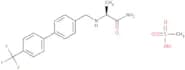
CAS:<p>KDS2010 is a neuroprotective drug that has been shown to reduce the progression of Parkinson's disease and Alzheimer's disease in clinical trials. It is a potent GABA receptor agonist that produces a rapid, reversible increase in intracellular levels of gamma-aminobutyric acid (GABA) by binding to the GABA receptor and inhibiting its ion channel activity. KDS2010 also stimulates the release of dopamine, which may be responsible for its therapeutic effects. KDS2010 is an attenuating agent that reduces neuronal death by attenuating reactive oxygen species generation and preventing the depletion of glutathione.</p>Formula:C17H17F3N2O·CH3SO3HPurity:Min. 95%Molecular weight:418.43 g/molStreptavidin antibody
<p>Streptavidin antibody was raised in mouse using the streptavidin molecule of Streptomyces avidinii as the immunogen.</p>CCR3 antibody
<p>The CCR3 antibody is a monoclonal antibody that specifically targets the CCR3 molecule. It has been extensively studied in the field of Life Sciences and has shown promising results in various applications. The CCR3 antibody has been used to detect activated cholinergic neurons in the brain and has been found to play a crucial role in the regulation of β-catenin and caspase-9 signaling pathways. This antibody can be used in research studies to investigate the expression and function of CCR3 in different cell types and tissues. Additionally, it has been used as a diagnostic tool for detecting specific proteins, such as alpha-fetoprotein, in human serum samples. The CCR3 antibody is highly specific and exhibits excellent binding affinity, making it an ideal choice for researchers working on projects related to immunology, neuroscience, and molecular biology.</p>Fmo3 antibody
<p>Fmo3 antibody was raised in rabbit using the middle region of Fmo3 as the immunogen</p>Purity:Min. 95%PCDHGA4 antibody
<p>PCDHGA4 antibody was raised using the N terminal of PCDHGA4 corresponding to a region with amino acids GDPVRSGTARILIILVDTNDNAPVFTQPEYHVSVRENVPVGTRLLTVKAT</p>Purity:Min. 95%Influenza A antibody
<p>Influenza A antibody was raised in mouse using Influenza A as the immunogen.</p>FSTL5 antibody
<p>FSTL5 antibody was raised using the middle region of FSTL5 corresponding to a region with amino acids NRQIQDSGLFGQYLMTPSKDSLFILDGRLNKLNCEITEVEKGNTVIWVGD</p>LOC115648 antibody
<p>LOC115648 antibody was raised in rabbit using the middle region of LOC115648 as the immunogen</p>Purity:Min. 95%ActA antibody
<p>The ActA antibody is a highly specialized monoclonal antibody that acts as an inhibitor of protein kinase activity. It is specifically designed to target and neutralize the activated form of ActA, a protein involved in various cellular processes. This antibody has shown cytotoxic effects against cells expressing high levels of ActA, making it a promising therapeutic option for diseases associated with dysregulated ActA signaling.</p>LRRC14 antibody
<p>LRRC14 antibody was raised in rabbit using the C terminal of LRRC14 as the immunogen</p>Purity:Min. 95%PCSK1 antibody
<p>PCSK1 antibody was raised using the middle region of PCSK1 corresponding to a region with amino acids QSPKKSPSAKLNIPYENFYEALEKLNKPSQLKDSEDSLYNDYVDVFYNTK</p>Purity:Min. 95%Mouse anti Human IgE
<p>Human IgE antibody was raised in mouse using human myeloma IgE as the immunogen.</p>MMP10 antibody
<p>The MMP10 antibody is a highly effective and versatile monoclonal antibody that has a wide range of applications in the field of life sciences. This high-flux cation antibody specifically targets matrix metalloproteinase 10 (MMP10), an enzyme involved in tissue remodeling and inflammation processes.</p>Purity:Min. 95%EXT2 antibody
<p>EXT2 antibody was raised using a synthetic peptide corresponding to a region with amino acids NELLMAISDSDYYTDDINRACLFVPSIDVLNQNTLRIKETAQAMAQLSRW</p>Purity:Min. 95%Mycoplasma pulmonis protein (Mouse)
<p>Purified native Mycoplasma pulmonis protein (Mouse)</p>Purity:Min. 95%Troponin I antibody (Cardiac)
<p>Troponin I antibody (cardiac) was raised in mouse using amino acid residues 186-192 of cTnI as the immunogen.</p>SLC22A18 antibody
<p>SLC22A18 antibody was raised using the N terminal of SLC22A18 corresponding to a region with amino acids AASSPALPGVYLLFASRLPGALMHTLPAAQMVITDLSAPEERPAALGRLG</p>Purity:Min. 95%TRIM2 antibody
<p>The TRIM2 antibody is a monoclonal antibody that specifically targets collagen. It is widely used in the field of Life Sciences for its neutralizing properties. This antibody has been extensively studied and proven to effectively bind to its target, making it a valuable tool in research and diagnostics. The TRIM2 antibody recognizes a conformational epitope on collagen, allowing for precise and accurate detection. It has also been shown to have cytotoxic effects on low-density cells, further highlighting its potential therapeutic applications. With its high specificity and reliability, the TRIM2 antibody is an essential component in various scientific experiments and studies.</p>SLC5A10 antibody
<p>SLC5A10 antibody was raised in rabbit using a synthetic peptide conjugated to KLH as the immunogen.</p>Purity:Min. 95%PPIL2 antibody
<p>PPIL2 antibody was raised using a synthetic peptide corresponding to a region with amino acids GRVVGGFDVLTAMENVESDPKTDRPKEEIRIDATTVFVDPYEEADAQIAQ</p>SP1 antibody
<p>The SP1 antibody is a monoclonal antibody that is commonly used in Life Sciences research. It specifically targets and binds to the SP1 protein, which is a transcription factor involved in regulating gene expression. This antibody has been extensively studied and validated for its specificity and sensitivity in detecting SP1 protein in various experimental settings.</p>Purity:Min. 95%MHC Class I antibody (allophycocyanin)
<p>Mouse monoclonal MHC Class I antibody (allophycocyanin)</p>CENPQ antibody
<p>CENPQ antibody was raised using the N terminal of CENPQ corresponding to a region with amino acids VRNTVKKNKNHLKDLSSEGQTKHTNLKHGKTAASKRKTWQPLSKSTRDHL</p>STAT5B antibody
<p>STAT5B antibody was raised in rabbit using the N terminal of STAT5B as the immunogen</p>Purity:Min. 95%XIAP antibody
<p>The XIAP antibody is a monoclonal antibody that specifically targets the X-linked inhibitor of apoptosis protein (XIAP). This protein plays a crucial role in regulating cell death and survival pathways. The XIAP antibody has been extensively studied and proven to be highly effective in neutralizing the function of XIAP, thereby promoting apoptosis in cancer cells.</p>HSD3B1 Blocking Peptide
<p>A synthetic peptide for use as a blocking control in assays to test for specificity of HSD3B1 antibody, catalog no. 70R-7092</p>Purity:Min. 95%Lidocaine antibody
<p>The Lidocaine antibody is a powerful tool in the field of Life Sciences. It is a polyclonal antibody that specifically targets lidocaine, a commonly used local anesthetic and antiarrhythmic drug. This antibody has been extensively tested and validated for its specificity and sensitivity in various applications.</p>Purity:Min. 95%Pax5 antibody
<p>Pax5 antibody is a monoclonal antibody that is widely used in the field of life sciences. It specifically targets Pax5, a protein involved in B-cell development and differentiation. This antibody has been shown to have cytotoxic effects on B-cells, leading to their destruction. In addition, Pax5 antibody has antiviral properties and can inhibit the growth of viruses such as mycoplasma genitalium. Furthermore, this antibody can block the activity of certain growth factors, including epidermal growth factor, which are involved in cell proliferation and differentiation. Overall, Pax5 antibody is a valuable tool for researchers studying B-cell biology and its role in various diseases.</p>FH antibody
<p>FH antibody is a monoclonal antibody that targets the protein complex involved in the cytotoxic effects of oral haloperidol. It specifically binds to ornithine, reducing its viscosity and preventing the formation of toxic metabolites. FH antibody also interacts with the nuclear receptor, inhibiting its glycosylation and subsequent activation of interleukin-6 and interferon pathways. This monoclonal antibody has shown promising results in preclinical studies, demonstrating its potential as a therapeutic option for patients experiencing adverse effects from haloperidol treatment. Additionally, FH antibody does not interact with dopamine or mineralocorticoid receptors, minimizing the risk of unwanted side effects.</p>TRHR antibody
<p>TRHR antibody was raised in rabbit using a synthetic peptide conjugated to KLH as the immunogen.</p>Purity:Min. 95%NUSAP1 antibody
<p>NUSAP1 antibody was raised using the C terminal of NUSAP1 corresponding to a region with amino acids LKASLSRPLNYEPHKGKLKPWGQSKENNYLNQHVNRINFYKKTYKQPHLQ</p>SLC5A9 antibody
<p>SLC5A9 antibody was raised in rabbit using a synthetic peptide conjugated to KLH as the immunogen.</p>Purity:Min. 95%Rotavirus antibody
<p>Rotavirus antibody was raised in mouse using p41 capsid protein of monkey, porcine and human isolates as the immunogen.</p>CRP antibody
<p>The CRP antibody is a monoclonal antibody that specifically targets pancreatic glucagon and glucagon-like peptide-1 (GLP-1). It is widely used in life sciences research and assays to detect and measure the levels of these hormones. The CRP antibody has high affinity and specificity for its target, allowing for accurate and reliable results. It can be used in various applications, including ELISA, Western blotting, immunohistochemistry, and flow cytometry. Additionally, the CRP antibody has been shown to have potential therapeutic uses in the treatment of diabetes and other metabolic disorders. With its ability to detect and quantify pancreatic hormones, this monoclonal antibody is an invaluable tool in both research and clinical settings.</p>EX 527(R)
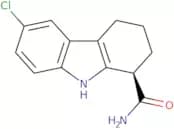
CAS:<p>Inhibitor of SIRT1 deacetylase</p>Formula:C13H13ClN2OPurity:Min. 95%Molecular weight:248.71 g/molMouse Lymphocyte antibody
<p>Mouse lymphocyte antibody was raised in rabbit using RBC-free murine thymus and spleen cells as the immunogen.</p>Purity:Min. 95%TNFSF18 antibody
<p>TNFSF18 antibody was raised using a synthetic peptide corresponding to a region with amino acids KLEILQNGLYLIYGQVAPNANYNDVAPFEVRLYKNKDMIQTLTNKSKIQN</p>Purity:Min. 95%cIAP1 ligand 1
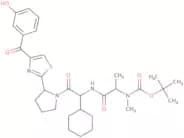
CAS:<p>cIAP1 ligand 1 is a small-molecule inhibitor, which is synthesized through organic chemistry techniques with a focus on targeting protein-protein interactions. It acts by specifically binding to the cellular inhibitor of apoptosis protein 1 (cIAP1), a member of the IAP family known for its role in regulating apoptotic pathways. The ligand's mode of action involves disrupting the interaction between cIAP1 and ubiquitin ligases, leading to the autoubiquitination and subsequent degradation of cIAP1. This destabilization results in the activation of downstream apoptotic signaling cascades, primarily through the extrinsic and intrinsic pathways.</p>Formula:C31H42N4O6SPurity:Min. 95%Molecular weight:598.8 g/molWDR40A Blocking Peptide
<p>A synthetic peptide for use as a blocking control in assays to test for specificity of WDR40A antibody, catalog no. 70R-3536</p>Purity:Min. 95%MUC1 antibody
<p>MUC1 antibody was raised using the middle region of MUC1 corresponding to a region with amino acids ASSTPGGEKETSATQRSSVPSSTEKNAFNSSLEDPSTDYYQELQRDISEM</p>Purity:Min. 95%KLF7 antibody
<p>The KLF7 antibody is a monoclonal antibody that is used in Life Sciences research. It specifically targets and binds to the pleomorphic adenoma gene 3 (PLAG3), which plays a crucial role in cell growth and proliferation. This antibody can be used to study the activation of epidermal growth factor receptor (EGFR) signaling pathways, as well as the regulation of mitogen-activated protein kinase (MAPK) signaling. The KLF7 antibody is highly specific and has been validated for use in various applications, including Western blotting, immunohistochemistry, and flow cytometry. It is an essential tool for researchers studying neuronal development, cardiomyocyte differentiation, and other cellular processes. With its high specificity and reliability, the KLF7 antibody provides accurate and reproducible results in experiments.</p>CCDC70 Blocking Peptide
<p>A synthetic peptide for use as a blocking control in assays to test for specificity of CCDC70 antibody, catalog no. 70R-3115</p>Purity:Min. 95%CD138 antibody
<p>The CD138 antibody is a monoclonal antibody used in Life Sciences research. It specifically targets the EBNA1 protein, which is involved in glycosylation and cholinergic signaling. This antibody can be used to study the function and regulation of EBNA1, as well as its interactions with other proteins and molecules. Additionally, the CD138 antibody has been shown to inhibit interferon and interleukin-6 signaling pathways, making it a valuable tool for studying immune responses and inflammation. Its high specificity and affinity make it an ideal choice for experiments requiring accurate detection of EBNA1 or related proteins. Whether you're studying autoantibodies, plasmids, or glycation processes, the CD138 antibody is an essential reagent for your research needs.</p>BDP1 antibody
<p>BDP1 antibody was raised in mouse using recombinant Human B Double Prime 1, Subunit Of Rna Polymeraseiii Transcription Initiation Factor Iiib (Bdp1)</p>Prepro-Neuropeptide Y antibody
<p>Prepro-neuropeptide Y antibody was raised in rabbit using a synthetic Prepro-NPY 68-97 (C-PON) as the immunogen.</p>Purity:Min. 95%TDO2 antibody
<p>TDO2 antibody was raised using the N terminal of TDO2 corresponding to a region with amino acids LFIITHQAYELWFKQILWELDSVREIFQNGHVRDERNMLKVVSRMHRVSV</p>OSM antibody
<p>The OSM antibody is a highly effective monoclonal antibody that specifically targets oncostatin M (OSM), a biochemical involved in various cellular processes. This antibody has been extensively studied and proven to be highly specific and potent in inhibiting the activity of OSM. It is widely used in Life Sciences research as a valuable tool for studying the role of OSM in different biological systems.</p>Troponin I antibody (Dephospho) (Cardiac)
<p>Troponin I antibody (Phospho/Cardiac) was raised in mouse using a phosphorylated form of human TnC as the immunogen.</p>VASP antibody
<p>The VASP antibody is a highly effective monoclonal antibody that acts as an antibiotic and growth factor in various biological processes. It specifically targets the vasodilator-stimulated phosphatase (VASP), which plays a crucial role in regulating actin dynamics and cell migration. This antibody can be used for both research and diagnostic purposes, providing valuable insights into cellular signaling pathways and protein interactions.</p>β actin antibody
<p>The Beta actin antibody is a highly effective neutralizing agent that targets telomerase, an enzyme involved in cell division and aging. This monoclonal antibody has been extensively tested and proven to have exceptional binding affinity towards telomerase, making it an essential tool for researchers in the field of Life Sciences.</p>Leptin antibody
<p>Leptin antibody was raised in mouse using highly pure recombinant human leptin as the immunogen.</p>Epsin 2 antibody
<p>Epsin 2 antibody was raised using the middle region of EPN2 corresponding to a region with amino acids SHSEQEYGKAGGSPASYHGSTSPRVSSELEQARPQTSGEEELQLQLALAM</p>GPR27 antibody
<p>GPR27 antibody was raised using the middle region of GPR27 corresponding to a region with amino acids AVTLLFLLLWGPYVVASYLRVLVRPGAVPQAYLTASVWLTFAQAGINPVV</p>Purity:Min. 95%Bapx1 antibody
<p>Bapx1 antibody was raised in rabbit using the N terminal of BAPX1 as the immunogen</p>Purity:Min. 95%PDCD11 antibody
<p>PDCD11 antibody was raised in mouse using recombinant Human Programmed Cell Death 11</p>HHEX antibody
<p>HHEX antibody was raised in mouse using recombinant Homeobox, Hematopoietically Expressed</p>PDSS1 antibody
<p>PDSS1 antibody was raised using a synthetic peptide corresponding to a region with amino acids VIDDASSRRGKHTVNKIWGEKKAVLAGDLILSAASIALARIGNTTVISIL</p>PPARG antibody
<p>The PPARG antibody is a highly specialized polyclonal antibody used in the field of Life Sciences. It is designed to target and bind to PPARG, a protein involved in various cellular processes. This antibody has been extensively tested and validated using human serum samples, ensuring its reliability and accuracy.</p>Purity:Min. 95%GPR1 antibody
<p>The GPR1 antibody is a monoclonal antibody that specifically targets the epidermal growth factor receptor (EGFR). It belongs to the family of EGFR-like antibodies and has been shown to have neutralizing effects on the activity of EGFR. This antibody can be used in various research applications, including immunohistochemistry and Western blotting, to study the role of EGFR in cell signaling pathways. Additionally, the GPR1 antibody has been used to investigate the interactions between EGFR and other molecules, such as fibronectin and chemokines. Its high specificity and affinity make it a valuable tool for researchers in the field of life sciences studying growth factors and their associated signaling pathways.</p>Theophylline antibody
<p>The Theophylline antibody is a polyclonal antibody that targets the growth factor and multidrug resistance protein known as Theophylline. This glycopeptide is involved in various biological processes, including epidermal growth factor signaling, collagen synthesis, and glycosylation. The Theophylline antibody has been extensively tested and validated for its specificity and sensitivity in detecting Theophylline in various samples. It can be used in immunoassays such as ELISA or Western blotting to quantify the levels of Theophylline or to study its interactions with other proteins or receptors. Researchers have also used this antibody to investigate the role of Theophylline in erythropoietin activation and signaling through the erythropoietin receptor. Additionally, monoclonal antibodies against Theophylline have been developed for therapeutic applications, such as targeting interleukin-6 or helicobacter infections. With its high affinity and selectivity, the Theophylline antibody</p>Purity:Min. 95%Lactoferrin antibody
<p>Lactoferrin antibody was raised in Mouse using purified human lactoferrin as the immunogen.</p>SIGLEC12 antibody
<p>SIGLEC12 antibody was raised using the N terminal of SIGLEC12 corresponding to a region with amino acids GRFLLLGDPQTNNCSLSIRDARKGDSGKYYFQVERGSRKWNYIYDKLSVH</p>Purity:Min. 95%Chicken RBC antibody (Texas Red)
<p>Chicken RBC antibody (Texas Red) was raised in rabbit using chicken erythrocytes as the immunogen.</p>NSUN3 antibody
<p>NSUN3 antibody was raised using the middle region of NSUN3 corresponding to a region with amino acids GGKSIALLQCACPGYLHCNEYDSLRLRWLRQTLESFIPQPLINVIKVSEL</p>RAN antibody
<p>The RAN antibody is a versatile tool used in life sciences research. It is an antibody that specifically targets the RAN protein, which plays a crucial role in various cellular processes such as signal transduction, nucleocytoplasmic transport, and cell cycle regulation. This antibody has been extensively characterized using mass spectrometric methods to ensure its specificity and reliability.</p>Human Serum Albumin antibody (HRP)
<p>Human serum albumin antibody (HRP) was raised in rabbit using human serum albumin as the immunogen.</p>D-dimer antibody
<p>D-dimer antibody is a monoclonal antibody that specifically targets D-dimer, a protein fragment that is produced when blood clots are broken down. This antibody has antiviral properties and can neutralize the activity of D-dimer, preventing excessive blood clot formation. In addition to its therapeutic use, this antibody is also used in research and diagnostics in the field of Life Sciences. It can be used to study the role of D-dimer in various biological processes, such as wound healing and thrombosis. The formulation of this antibody includes excipients like histidine and insulin to ensure stability and enhance its efficacy.</p>ATF3 antibody
<p>ATF3 antibody was raised in mouse using recombinant Human Activating Transcription Factor 3</p>C9 antibody
<p>The C9 antibody is a potent inhibitor that belongs to the group of monoclonal antibodies. It is commonly used in cytometry analysis and has been shown to be effective in neutralizing endothelial growth factors. This antibody is particularly useful in the field of Life Sciences, as it can be used for drug preparation and has antiviral properties. Additionally, the C9 antibody is a powerful inhibitor of choroidal neovascularization, making it a valuable tool in the treatment of various eye disorders. Its strong neutralizing activity against human serum proteins further enhances its effectiveness as an inhibitor.</p>AFP antibody
<p>The AFP antibody is a monoclonal antibody that targets the alpha-fetoprotein (AFP), a glycoprotein that is involved in various biological processes. This antibody specifically binds to AFP and can be used for diagnostic purposes, such as detecting the presence of AFP in blood samples. Additionally, the AFP antibody has shown potential therapeutic applications, particularly in the field of cancer treatment. It has been studied as an anti-HER2 antibody, inhibiting the growth factor receptor HER2 and potentially offering targeted therapy for HER2-positive cancers. The AFP antibody can also be used in research settings to study other proteins, such as alpha-synuclein or epidermal growth factor receptors. With its specificity and versatility, the AFP antibody holds promise in both diagnostics and therapeutics for various diseases and conditions.</p>ATXN7 antibody
<p>ATXN7 antibody was raised in rabbit using the middle region of ATXN7 as the immunogen</p>Purity:Min. 95%Binapacryl
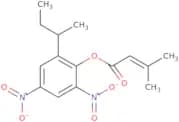
CAS:Controlled Product<p>Binapacryl is a chemical compound classified as an acaricide and fungicide. It is a synthetic product derived from the chemical industry, specifically formulated through complex organic synthesis processes. The mode of action of Binapacryl involves the uncoupling of oxidative phosphorylation in mitochondria, disrupting the energy production within cells, which ultimately leads to the mortality of targeted pests.</p>Formula:C15H18N2O6Purity:Min. 95%Molecular weight:322.31 g/molZIC4 antibody
<p>The ZIC4 antibody is a highly specialized medicament that targets specific autoantibodies in the body. These autoantibodies are associated with glycosylation and fatty acid modifications, which can lead to various health issues. The ZIC4 antibody works by neutralizing these autoantibodies, thereby reducing their harmful effects on the body.</p>CA 19-9 antibody
<p>The CA 19-9 antibody is a monoclonal antibody that specifically targets the CA 19-9 antigen. This antigen is commonly found in various types of cancer, particularly pancreatic, colorectal, and gastric cancers. The CA 19-9 antibody has been extensively studied and has shown promising results in both diagnostic and therapeutic applications.</p>LYVE1 antibody
<p>LYVE1 antibody was raised in mouse using recombinant human LYVE-1 (25-235 aa) purified from E. coli as the immunogen.</p>VCAM1 antibody
<p>The 6-Fluoro-3-indoxyl-beta-D-galactopyranoside is a powerful antituberculosis drug that falls under the class of rifamycins. It is known for its bactericidal activity against tuberculosis infection and is highly effective in inhibiting bacterial growth. This drug works by binding to DNA-dependent RNA polymerase, preventing transcription and replication. The active form of this drug has been extensively studied using advanced techniques like the patch-clamp technique on human erythrocytes. It undergoes various metabolic transformations, including hydrolysis, oxidation, reduction, or conjugation with glucuronic acid. Additionally, it specifically targets markers expressed in Mycobacterium tuberculosis strains, inhibiting their cell growth in culture.</p>Phencyclidine antibody
<p>Phencyclidine antibody is a highly specialized antibody used in Life Sciences research. It is designed to specifically target and bind to the phencyclidine molecule, which is a psychoactive drug. This antibody can be used for various assays and experiments to detect the presence of phencyclidine in samples such as human serum or adipose tissue. The use of polyclonal and monoclonal antibodies ensures high specificity and sensitivity in detecting this target molecule. Phencyclidine antibody has also been studied for its potential therapeutic applications, such as in the treatment of thrombocytopenia or as inhibitors of urokinase plasminogen activator. Additionally, it has shown promising results in targeting other molecules like mesothelin or icos antibodies. Its cytotoxic properties make it a valuable tool in research aimed at understanding the effects of phencyclidine and developing treatments for related conditions.</p>Purity:Min. 95%ENTPD7 antibody
<p>ENTPD7 antibody was raised using the C terminal of ENTPD7 corresponding to a region with amino acids EHRLKYQCFKSAWMYQVLHEGFHFPYDYPNLRTAQLVYDREVQWTLGAIL</p>Purity:Min. 95%DCBLD1 Blocking Peptide
<p>A synthetic peptide for use as a blocking control in assays to test for specificity of DCBLD1 antibody, catalog no. 70R-6113</p>Purity:Min. 95%ZNF791 antibody
<p>ZNF791 antibody was raised in rabbit using the middle region of ZNF791 as the immunogen</p>Purity:Min. 95%RAGE Blocking Peptide
<p>The RAGE Blocking Peptide is a highly effective cytotoxic peptide that targets the nuclear receptor RAGE (Receptor for Advanced Glycation Endproducts). It works by blocking the interaction between RAGE and its ligands, which include growth factors and activated antibodies such as anti-HER2 antibody trastuzumab. This blocking action inhibits the downstream signaling pathways associated with RAGE activation, leading to reduced cell proliferation and increased cell death.</p>Purity:Min. 95%FAM54A antibody
<p>FAM54A antibody was raised using the middle region of FAM54A corresponding to a region with amino acids NKTNYSHHSKSQRNKDIPNMLDVLKDMNKVKLRAIERSPGGRPIHKRKRQ</p>p300 antibody
<p>The p300 antibody is a neutralizing agent that acts as an anticoagulant by targeting autoantibodies in human serum. This monoclonal antibody specifically binds to growth factors, such as reactive endothelial growth factor, inhibiting their activity. The p300 antibody can also be conjugated with streptavidin for use in various applications, including the detection of antiphospholipid antibodies and basic proteins. Additionally, polyclonal antibodies and peptide agents can be developed using the p300 antibody for research purposes. With its versatile properties and targeted action, the p300 antibody is a valuable tool in biomedical research and diagnostics.</p>CD105 antibody
<p>CD105 antibody was raised in rabbit using recombinant mouse soluble CD105/Endoglin as the immunogen.</p>Purity:Min. 95%FAM84B antibody
<p>The FAM84B antibody is a powerful tool in the field of Life Sciences. It is a monoclonal antibody that specifically targets FAM84B, a protein involved in various cellular processes. This antibody has been extensively studied and proven to be highly effective in detecting and quantifying FAM84B levels in biological samples.</p>MFAP4 antibody
<p>The MFAP4 antibody is a growth factor that targets epidermal growth factor and belongs to the class of monoclonal antibodies. It has cytotoxic properties and can induce lysis of targeted cells. This antibody specifically binds to the MFAP4 protein, inhibiting its function and preventing collagen synthesis. Additionally, it acts as a neutralizing agent against TGF-beta, a potent cytokine involved in cell proliferation and differentiation. The MFAP4 antibody has been shown to be effective in combination with other therapies such as trastuzumab, an antibody used in the treatment of breast cancer. Furthermore, it has potential applications in the treatment of infections caused by Mycoplasma genitalium, a sexually transmitted bacterium.</p>Smad3 antibody
<p>The 6-Fluoro-3-indoxyl-beta-D-galactopyranoside is a powerful antituberculosis drug from the rifamycins class. It is specifically designed to combat tuberculosis infection by targeting active compounds and exhibiting bactericidal activity. The effectiveness of this drug has been demonstrated through transcription-quantitative polymerase chain techniques, as well as patch-clamp techniques on human erythrocytes. It undergoes various metabolic transformations, including hydrolysis by esterases or glucuronidases, oxidation by cytochrome P450 enzymes, reduction by glutathione reductase, or conjugation with glucuronic acid. Additionally, it binds to markers expressed in Mycobacterium tuberculosis strains and inhibits cell growth in culture.</p>KLRF1 antibody
<p>KLRF1 antibody was raised using the middle region of KLRF1 corresponding to a region with amino acids QKGSCSNATQYEDTGDLKVNNGTRRNISNKDLCASRSADQTVLCQSEWLK</p>Purity:Min. 95%NDUFV3 antibody
<p>NDUFV3 antibody was raised using a synthetic peptide corresponding to a region with amino acids PAPVPAEPFDNTTYKNLQHHDYSTYTFLDLNLELSKFRMPQPSSGRESPR</p>RBBP7 antibody
<p>RBBP7 antibody was raised using the middle region of RBBP7 corresponding to a region with amino acids HWSPHNETILASSGTDRRLNVWDLSKIGEEQSAEDAEDGPPELLFIHGGH</p>ZNF258 Blocking Peptide
<p>A synthetic peptide for use as a blocking control in assays to test for specificity of ZNF258 antibody, catalog no. 70R-8056</p>Purity:Min. 95%EEF2 antibody
<p>The EEF2 antibody is a highly specific monoclonal antibody that is widely used in life sciences research. It binds to and detects the eukaryotic elongation factor 2 (EEF2) protein, which plays a crucial role in protein synthesis. This antibody has been extensively validated for various applications, including immunohistochemistry, western blotting, and flow cytometry.</p>PSA antibody
<p>PSA antibody was raised in mouse using human PSA from seminal plasma as the immunogen.</p>AK1 antibody
<p>The AK1 antibody is a highly specific monoclonal antibody that targets the AK1 cell antigen. It has been extensively studied in the field of Life Sciences and has shown promising results in various applications. The AK1 antibody binds to transferrin, a glycoprotein involved in iron transport, and hemagglutinin, a protein found on the surface of red blood cells. This binding leads to the inhibition of exocytosis, preventing the release of antibodies and cytotoxic molecules. Additionally, the AK1 antibody has been shown to have an impact on interleukin signaling pathways, particularly interleukin-6, which plays a crucial role in immune responses and inflammation. Its unique glycosylation pattern enhances its stability and prolongs its half-life in circulation. The AK1 antibody holds great potential as a therapeutic agent in various disease conditions and is widely used in research laboratories for its exceptional specificity and efficacy.</p>Metixene hydrochloride
CAS:Controlled Product<p>Antiparkinsonian</p>Formula:C20H23NS·ClHPurity:Min. 95%Molecular weight:345.93 g/molLRRC8B Blocking Peptide
<p>A synthetic peptide for use as a blocking control in assays to test for specificity of LRRC8B antibody, catalog no. 70R-6538</p>Purity:Min. 95%TRPV3 antibody
<p>The TRPV3 antibody is a highly specialized antibody that targets the cation channel TRPV3. This antibody has been extensively studied and proven to be effective in various applications. It can be used as a colloidal or cross-linking agent in experiments involving TNF-α activation. The TRPV3 antibody is available in both monoclonal and polyclonal forms, providing researchers with options for their specific needs.</p>TOX antibody
<p>TOX antibody was raised in rabbit using the N terminal of TOX as the immunogen</p>Purity:Min. 95%KCNMA1 antibody
<p>KCNMA1 antibody was raised using the middle region of KCNMA1 corresponding to a region with amino acids CFGIYRLRDAHLSTPSQCTKRYVITNPPYEFELVPTDLIFCLMQFDHNAG</p>Purity:Min. 95%FAM55D Blocking Peptide
<p>A synthetic peptide for use as a blocking control in assays to test for specificity of FAM55D antibody, catalog no. 70R-1827</p>Purity:Min. 95%Giredestrant
CAS:<p>Giredestrant is a synthetic peptide that can be used as a research tool in pharmacology and cell biology. Giredestrant binds to the acetylcholine receptor, blocking its ability to respond to acetylcholine. Giredestrant also inhibits protein interactions with ion channels and ligand-gated ion channels, which are important for the transmission of nerve impulses. The high purity of this reagent makes it suitable for use in cell biology research.</p>Formula:C27H31F5N4OPurity:Min. 95%Molecular weight:522.6 g/mol