Biochemicals and Reagents
Biochemicals and reagents are fundamental substances for research and development in fields such as biotechnology, molecular biology, pharmacology, and medicine. These products are essential for a variety of applications, including compound synthesis, biological sample analysis, metabolic process research, and drug production. At CymitQuimica, we offer a wide selection of high-quality, high-purity biochemicals and reagents suitable for various scientific and industrial needs. Our catalog includes enzymes, antibodies, nucleic acids, amino acids, and many other products, all designed to support researchers and professionals in their research and development projects, ensuring reliable and reproducible results.
Subcategories of "Biochemicals and Reagents"
- Biomolecules(99,179 products)
- By Biological Target(99,902 products)
- By Pharmacological Effects(6,790 products)
- Cryopreservatives(21 products)
- Desinfectants and Related Compounds(28 products)
- Hormones(346 products)
- Plant Biology(6,846 products)
- Secondary Metabolites(14,327 products)
Found 130590 products of "Biochemicals and Reagents"
Sort by
Purity (%)
0
100
|
0
|
50
|
90
|
95
|
100
PR antibody
<p>PR antibody is a highly specialized product in the field of Life Sciences. It is a polyclonal antibody that specifically targets glutamate and has monoclonal antibody properties. This antibody has been extensively studied for its role in regulating various biological processes, including the TGF-beta signaling pathway, collagen synthesis, and the modification of sugar moieties on proteins.</p>NIT1 antibody
<p>NIT1 antibody was raised using the N terminal of NIT1 corresponding to a region with amino acids VREAARLGACLAFLPEAFDFIARDPAETLHLSEPLGGKLLEEYTQLAREC</p>Penicillin antibody
<p>Penicillin antibody was raised in mouse using penicillin-BSA as the immunogen.</p>USP7 antibody
<p>The USP7 antibody is a highly specialized biomolecule used in Life Sciences research. It is a monoclonal antibody that has been developed for chromatographic applications, specifically for the immobilization of collagen and other biomolecules. This antibody exhibits high affinity and specificity towards its target antigen, making it an excellent tool for various laboratory techniques.</p>MAPK3 antibody
<p>MAPK3 antibody was raised using the middle region of MAPK3 corresponding to a region with amino acids LDQLNHILGILGSPSQEDLNCIINMKARNYLQSLPSKTKVAWAKLFPKSD</p>Purity:Min. 95%Donkey anti Sheep IgG (H + L) (rhodamine)
<p>This antibody reacts with heavy (gamma) chains on sheep IgG and light chains on all sheep immunoglobulins.</p>Purity:Min. 95%DISC1 antibody
<p>DISC1 antibody is a highly specialized product used in the field of Life Sciences. It is a polyclonal antibody that targets the DISC1 protein, which plays a crucial role in various cellular processes. This antibody has been extensively studied and proven to be effective in detecting and quantifying DISC1 levels in human serum, albumin, lipoprotein lipase, and growth factor samples.</p>RBP1 antibody
<p>The RBP1 antibody is a highly specialized monoclonal antibody used in the field of Life Sciences. It has antiviral properties and specifically targets the RBP1 protein, which plays a crucial role in various cellular processes. This antibody has been extensively studied and proven to be effective in neutralizing the activity of RBP1.</p>CIRBP antibody
<p>CIRBP antibody was raised using the middle region of CIRBP corresponding to a region with amino acids GYGGNRFESRSGGYGGSRDYYSSRSQSGGYSDRSSGGSYRDSYDSYATHN</p>Cytokeratin 84 antibody
<p>Cytokeratin 84 antibody was raised using the middle region of KRT84 corresponding to a region with amino acids ESYITNLRRQLEVLVSDQARLQAERNHLQDVLEGFKKKYEEEVVCRANAE</p>IgG Isotype Control antibody (biotin)
<p>Armenian Hamster monoclonal IgG Isotype Control antibody (biotin)</p>Purity:Min. 95%HBsAg antibody
HBsAg antibody was raised in rabbit using subtypes ad and ay of human HBsAg as the immunogen.Purity:Min. 95%Dynamin 1 antibody
<p>Dynamin 1 antibody was raised using the middle region of DNM1 corresponding to a region with amino acids PPVDDSWLQVQSVPAGRRSPTSSPTPQRRAPAVPPARPGSRGPAPGPPPA</p>SLC7A5 antibody
<p>SLC7A5 antibody was raised in rabbit using a synthetic peptide conjugated to KLH as the immunogen.</p>Purity:Min. 95%AMIGO3 antibody
<p>AMIGO3 antibody was raised using the N terminal of AMIGO3 corresponding to a region with amino acids MTWLVLLGTLLCMLRVGLGTPDSEGFPPRALHNCPYKCICAADLLSCTGL</p>Purity:Min. 95%BRAK antibody
<p>BRAK antibody was raised in rabbit using highly pure recombinant human BRAK as the immunogen.</p>Purity:Min. 95%Chlamydophila pneumoniae Antigen
<p>Chlamydophila pneumoniae Antigen is a native protein and antigen that is used for the detection of antibodies against C. pneumoniae. It is commonly used in life sciences research and microbiological culture studies. The antigen can be detected using immunofluorescence techniques, allowing for the identification and characterization of C. pneumoniae infections. This antigen does not cross-react with other bacterial antigens, such as Staphylococcus aureus, Mycobacterium, or Moraxella. Additionally, it has been shown to have neutralizing activity against amyloid-beta, which may have implications in the field of Alzheimer's disease research. By detecting this antigen, researchers can gain insights into the role of C. pneumoniae as an initiator or contributor to various diseases and conditions.</p>Purity:Min. 95%OVOL1 antibody
<p>The OVOL1 antibody is a highly activated polyclonal antibody that specifically targets the chemokine OVOL1. This antibody has been extensively studied for its role in oxidative damage and its potential therapeutic applications. It has been shown to interact with various proteins, including erythropoietin, actin filaments, collagen, cationic peptides, superoxide, ketanserin, monoclonal antibodies, endothelial growth factors, androgen receptors, dopamine receptors, and E-cadherin. The OVOL1 antibody offers a promising avenue for further research into the mechanisms of oxidative damage and its potential treatment options.</p>ELOVL7 antibody
<p>ELOVL7 antibody was raised using a synthetic peptide corresponding to a region with amino acids MAFSDLTSRTVHLYDNWIKDADPRVEDWLLMSSPLPQTILLGFYVYFVTS</p>Haptoglobin antibody
<p>Haptoglobin antibody was raised using the middle region of HP corresponding to a region with amino acids NANFKFTDHLKYVMLPVADQDQCIRHYEGSTVPEKKTPKSPVGVQPILNE</p>Purity:Min. 95%Aprotinin antibody
<p>The Aprotinin antibody is a monoclonal antibody that targets the glycopeptide Aprotinin. This antibody has been shown to have a significant impact on various aspects of Life Sciences research. It has been found to inhibit the expression of E-cadherin, a protein involved in cell adhesion and migration. Additionally, the Aprotinin antibody has been used in studies investigating the role of interferon in adipose tissue and adipocyte function. It has also been utilized as a tool for studying insulin signaling and inhibitors of fatty acid metabolism. With its wide range of applications, this Aprotinin antibody is an essential tool for researchers in the field of Life Sciences.</p>DUX3 antibody
<p>DUX3 antibody was raised in rabbit using the N terminal of DUX3 as the immunogen</p>Purity:Min. 95%CDH1 antibody
<p>CDH1 antibody was raised in Mouse using a purified recombinant fragment of human CDH1 expressed in E. coli as the immunogen.</p>SP110 antibody
<p>The SP110 antibody is a monoclonal antibody that specifically targets the SP110 protein. This protein is involved in various cellular processes, including fibrinogen metabolism and regulation of mesenchymal stem cells. The SP110 antibody has been shown to have cytotoxic effects on cancer cells by activating caspase-9, a key enzyme involved in apoptosis. Additionally, this antibody can inhibit the activity of certain kinases, making it a potential therapeutic option for diseases related to kinase dysregulation. The SP110 antibody is widely used in life sciences research and has applications in fields such as immunology and oncology. It offers researchers a valuable tool for studying the function and regulation of the SP110 protein and its involvement in various biological pathways.</p>C13ORF7 antibody
<p>C13ORF7 antibody was raised using the N terminal Of C13Orf7 corresponding to a region with amino acids LVTDNPSKINPETVAEWKKKLRTANEIYEKVKDDVDKLKEANKKLKLENG</p>CD80 antibody
<p>The CD80 antibody is a growth factor that consists of acid residues. It belongs to the class of antibodies and specifically targets TGF-beta. This monoclonal antibody can be used in various applications in the Life Sciences field. It has been shown to neutralize the activity of CD80, which is involved in the regulation of immune responses. The CD80 antibody can be used in experiments involving transferrin or streptavidin as it binds specifically to these molecules. Additionally, it has been shown to have a trifunctional effect on mesenchymal stem cells, including promoting their proliferation, differentiation, and migration. This monoclonal antibody is highly specific and exhibits high affinity for its target molecule. Researchers can use the CD80 antibody as a valuable tool in their studies focused on understanding immune responses and developing therapeutic inhibitors.</p>PNMT antibody
<p>The PNMT antibody is a powerful tool used in Life Sciences research. It is a monoclonal antibody that specifically targets the enzyme phenylethanolamine N-methyltransferase (PNMT). This enzyme plays a crucial role in the synthesis of the neurotransmitter norepinephrine.</p>ARV1 antibody
<p>ARV1 antibody was raised using a synthetic peptide corresponding to a region with amino acids QAIRVTLNINRKLSFLAVLSGLLLESIMVYFFQSMEWDVGSDYAIFKSQD</p>Purity:Min. 95%IL16 antibody
<p>IL16 antibody was raised in rabbit using highly pure recombinant hIL-16 as the immunogen.</p>Purity:Min. 95%SULT1B1 antibody
<p>SULT1B1 antibody was raised using the N terminal of SULT1B1 corresponding to a region with amino acids MLSPKDILRKDLKLVHGYPMTCAFASNWEKIEQFHSRPDDIVIATYPKSG</p>PREP Blocking Peptide
<p>A synthetic peptide for use as a blocking control in assays to test for specificity of PREP antibody, catalog no. 70R-4323</p>Purity:Min. 95%CD5 antibody
<p>CD5 antibody is a monoclonal antibody that targets CD5, a protein expressed on the surface of certain cells, including MDA-MB-231 breast cancer cells. This antibody can be used in various life science applications, such as cell-based assays and immunohistochemistry. CD5 antibody has been shown to have cytotoxic effects on cancer cells and may be useful in combination with other anti-cancer drugs. Additionally, this antibody can be used in studies involving cardiac muscle troponin and glucagon. Its specificity and effectiveness make it a valuable tool for researchers in the field of molecular biology and drug discovery.</p>STAT2 antibody
<p>The STAT2 antibody is a polyclonal antibody that is used in life sciences research. It specifically targets the STAT2 protein, which plays a crucial role in signal transduction and immune response. This antibody can be used to study various cellular processes such as growth factor signaling, fatty acid metabolism, and phosphatase activity. The STAT2 antibody is highly specific and has been validated for use in different applications including Western blotting, immunohistochemistry, and immunofluorescence. It is produced using state-of-the-art techniques to ensure high quality and reliability. Additionally, this antibody has been purified using serum albumin-binding cellulose columns to eliminate any non-specific binding. Trust the STAT2 antibody for accurate and reproducible results in your research experiments.</p>Human Growth Hormone (> 95% pure)
<p>Purified native Human Human Growth Hormone (> 95% pure)</p>Purity:Purity ≥95% By Sds-PageCD41 antibody
<p>The CD41 antibody is a monoclonal antibody that is widely used in the field of Life Sciences. It specifically targets the CD41 protein, which is involved in various biological processes such as collagen binding and TGF-beta signaling. This antibody is highly effective in detecting and quantifying CD41 expression levels in different cell types.</p>DNASE2B antibody
<p>DNASE2B antibody was raised using the middle region of DNASE2B corresponding to a region with amino acids QKGTKNRWTCIGDLNRSPHQAFRSGGFICTQNWQIYQAFQGLVLYYESCK</p>Purity:Min. 95%ISLR2 antibody
<p>ISLR2 antibody was raised using the N terminal of ISLR2 corresponding to a region with amino acids PFHCGCGLVWLQAWAASTRVSLPEPDSIACASPPALQGVPVYRLPALPCA</p>Purity:Min. 95%TNFRSF11B antibody
<p>TNFRSF11B antibody was raised in Mouse using a purified recombinant fragment of human TNFRSF11B expressed in E. coli as the immunogen.</p>Cytokeratin 19 antibody
<p>Cytokeratin 19 antibody is a low-molecular-weight monoclonal antibody that specifically binds to cytokeratin 19, a protein found in epithelial cells. This antibody has been used in various applications in the field of life sciences, including research and diagnostics. It can be used to detect and quantify cytokeratin 19 expression in tissues and cells, making it a valuable tool for studying epithelial cell biology. The dextran sulfate conjugated to the antibody enhances its stability and allows for efficient binding to target molecules. Whether you're conducting experiments or developing new diagnostic assays, this cytokeratin 19 antibody is an essential component for your research toolkit. Trust its high specificity and sensitivity to deliver accurate and reliable results.</p>Binding/Coating Buffer (10X)
<p>ELISA buffer for optimal coating and binding of antibodies and antigens</p>Purity:Min. 95%SMAD3 antibody
<p>The SMAD3 antibody is a powerful tool in the field of molecular biology and immunology. It is a polyclonal antibody that specifically targets the SMAD3 protein, which plays a crucial role in various cellular processes such as chemokine signaling, multidrug resistance, and growth factor regulation. This antibody binds to the SMAD3 protein with high affinity and specificity, allowing researchers to study its function and interactions in different experimental settings.</p>TSP1 antibody
<p>The TSP1 antibody is a powerful tool used in Life Sciences. It is an antibody that specifically targets and binds to fibrinogen, a glycoprotein involved in blood clotting. This polyclonal antibody can be used in various applications, such as immunohistochemistry and Western blotting, to detect and quantify the presence of fibrinogen in biological samples. Additionally, the TSP1 antibody has been shown to have cytotoxic effects on cells expressing TNF-related apoptosis-inducing ligand (TRAIL), making it a valuable tool for studying cell death pathways. This monoclonal antibody has also been used in combination with other inhibitors, such as adalimumab, to block the activity of TNF-α, a key mediator of inflammation. With its high specificity and versatility, the TSP1 antibody is an essential component for any researcher working in the field of Life Sciences.</p>FBXO10 antibody
<p>FBXO10 antibody was raised using the middle region of FBXO10 corresponding to a region with amino acids SSSPKPGSKAGSQEAEVGSDGERVAQTPDSSDGGLSPSGEDEDEDQLMYR</p>NAT12 antibody
<p>NAT12 antibody was raised using the middle region of NAT12 corresponding to a region with amino acids EQVRLLSSSLTADCSLRSPSGREVEPGEDRTIRYVRYESELQMPDIMRLI</p>ZNF546 antibody
<p>ZNF546 antibody was raised in rabbit using the N terminal of ZNF546 as the immunogen</p>Purity:Min. 95%Kcnip3 antibody
<p>Kcnip3 antibody was raised in rabbit using the middle region of Kcnip3 as the immunogen</p>Purity:Min. 95%PGM1 protein
<p>PGM1 protein is an EGF-like protein that exhibits growth factor activity. It has been shown to promote the growth and differentiation of hepatocyte-like cells. Monoclonal antibodies specific to PGM1 have been developed and can be used for various applications, including hybridization assays and radionuclide imaging. These antibodies have neutralizing properties, which means they can inhibit the biological activity of PGM1. In addition, PGM1 has been found to have a stimulatory effect on TGF-beta signaling pathway and collagen production in liver microsomes. Overall, PGM1 protein plays a crucial role in cellular growth and tissue development.</p>Purity:Min. 95%CDKN1B antibody
<p>CDKN1B antibody was raised in Mouse using a purified recombinant fragment of human CDKN1B expressed in E. coli as the immunogen.</p>SLC25A21 antibody
<p>SLC25A21 antibody was raised using a synthetic peptide corresponding to a region with amino acids LLSGTIASVINIPFDVAKSRIQGPQPVPGEIKYRTCFKTMATVYQEEGIL</p>Purity:Min. 95%Phenylbutazone antibody
<p>Phenylbutazone antibody is a polyclonal antibody that specifically targets and binds to phenylbutazone, a nonsteroidal anti-inflammatory drug (NSAID). This antibody has been extensively tested for its inhibition concentration against other NSAIDs such as ibuprofen, aminopyrine, piroxicam, and indomethacin. It is widely used in the field of Life Sciences for research purposes. The structural formula of phenylbutazone is available upon request. Phenylbutazone antibody is a valuable tool for studying the pharmacokinetics and pharmacodynamics of this drug and its interactions with other compounds. With its high specificity and sensitivity, this antibody ensures accurate and reliable results in various immunoassays.</p>Purity:Min. 95%TDO2 antibody
<p>TDO2 antibody was raised using the N terminal of TDO2 corresponding to a region with amino acids MSGCPFLGNNFGYTFKKLPVEGSEEDKSQTGVNRASKGGLIYGNYLHLEK</p>Purity:Min. 95%Goat anti Human IgG (H + L) (biotin)
<p>Goat anti-human IgG (H + L) (biotin) was raised in goat using hamster IgG (H & L) as the immunogen.</p>Purity:Min. 95%KIF3C antibody
<p>KIF3C antibody was raised using the middle region of KIF3C corresponding to a region with amino acids LQEQKERLEEEKAAIQDDRSLVSEEKQKLLEEKEKMLEDLRREQQATELL</p>Purity:Min. 95%IGSF1 antibody
<p>IGSF1 antibody was raised using the middle region of IGSF1 corresponding to a region with amino acids PRLRTRGSETDGRDQTIALEECNQEGEPGTPANSPSSTSQRISVELPVPI</p>Purity:Min. 95%GPR182 antibody
<p>GPR182 antibody was raised in rabbit using a synthetic peptide conjugated to KLH as the immunogen.</p>Purity:Min. 95%HCFC1R1 antibody
<p>HCFC1R1 antibody was raised using a synthetic peptide corresponding to a region with amino acids LRGAVPMSTKRRLEEEQEPLRKQFLSEENMATHFSQLSLHNDHPYCSPPM</p>EHD4 antibody
<p>EHD4 antibody was raised using the middle region of EHD4 corresponding to a region with amino acids LMNLISQEETSTPTQLVQGGAFDGTTEGPFNQGYGEGAKEGADEEEWVVA</p>KIF25 antibody
<p>KIF25 antibody was raised using the C terminal of KIF25 corresponding to a region with amino acids VLGALLEHRGHAPYRNSRLTHLLQDCLGGDAKLLVILCISPSQRHLAQTL</p>PLXDC2 antibody
<p>The PLXDC2 antibody is a highly specialized monoclonal antibody that has been developed for use in the field of Life Sciences. It is designed to specifically target and neutralize the activity of PLXDC2, a glycoconjugate receptor involved in various cellular processes. This antibody has been shown to be cytotoxic against cells expressing high levels of PLXDC2, making it a promising tool for targeted therapy.</p>APP antibody
<p>APP antibody was raised in goat using a peptide; RGRTSSKELAI, as the immunogen.</p>Purity:Min. 95%RASGEF1A Blocking Peptide
<p>A synthetic peptide for use as a blocking control in assays to test for specificity of RASGEF1A antibody, catalog no. 70R-5738</p>Purity:Min. 95%CYP1A2 antibody
<p>The CYP1A2 antibody is a highly specialized monoclonal antibody used in Life Sciences research. It specifically targets the cytochrome P450 1A2 enzyme, which plays a crucial role in drug metabolism and detoxification. This antibody is commonly used to study the effects of various inhibitors on CYP1A2 activity and expression levels. Additionally, it has been shown to be effective in detecting TGF-β1-induced changes in CYP1A2 expression and activity. The CYP1A2 antibody can also be used to investigate the role of this enzyme in insulin signaling pathways, growth factor regulation, and chemokine metabolism. Furthermore, it has been utilized in studies involving liver microsomes, neurotrophic factors, tyrosine metabolism, and nuclear receptors. With its high specificity and sensitivity, this antibody is an invaluable tool for researchers studying the intricate mechanisms of drug metabolism and cellular signaling pathways.</p>Clathrin antibody
<p>Clathrin antibody was raised in mouse using Coated vesicles (clathrin) of bovine brain as the immunogen.</p>PEDF protein (His tag)
<p>20-418 amino acids: MGSSHHHHHH SSGLVPRGSH MQNPASPPEE GSPDPDSTGA LVEEEDPFFK VPVNKLAAAV SNFGYDLYRV RSSMSPTTNV LLSPLSVATA LSALSLGAEQ RTESIIHRAL YYDLISSPDI HGTYKELLDT VTAPQKNLKS ASRIVFEKKL RIKSSFVAPL EKSYGTRPRV LTGNPRLDLQ EINNWVQAQM KGKLARSTKE IPDEISILLL GVAHFKGQWV TKFDSRKTSL EDFYLDEERT VRVPMMSDPK AVLRYGLDSD LSCKIAQLPL TGSMSIIFFL PLKVTQNLTL IEESLTSEFI HDIDRELKTV QAVLTVPKLK LSYEGEVTKS LQEMKLQSLF DSPDFSKITG KPIKLTQVEH RAGFEWNEDG AGTTPSPGLQ PAHLTFPLDY HLNQPFIFVL RDTDTGALLF IGKILDPRGP</p>Purity:Min. 95%EEF2 antibody
<p>EEF2 antibody was raised using the N terminal of EEF2 corresponding to a region with amino acids TDSLVCKAGIIASARAGETRFTDTRKDEQERCITIKSTAISLFYELSEND</p>CD4 antibody
<p>The CD4 antibody is a monoclonal antibody that specifically targets and binds to the CD4 protein. This protein plays a crucial role in the immune system, as it is expressed on the surface of helper T cells. By binding to CD4, this antibody can modulate immune responses and has potential applications in various fields of life sciences.</p>VAPA protein (His tag)
<p>1-227 amino acids: MRGSHHHHHH GMASMTGGQQ MGRDLYDDDD KDRWGSHMAS ASGAMAKHEQ ILVLDPPTDL KFKGPFTDVV TTNLKLRNPS DRKVCFKVKT TAPRRYCVRP NSGIIDPGST VTVSVMLQPF DYDPNEKSKH KFMVQTIFAP PNTSDMEAVW KEAKPDELMD SKLRCVFEMP NENDKLNDME PSKAVPLNAS KQDGPMPKPH SVSLNDTETR KLMEECKRLQ GEMMKLSEEN RHLRDEGLRL RKVAHSDKPG STSTASFRDN VTSP</p>Purity:Min. 95%Cytokeratin 19 Blocking Peptide
<p>A synthetic peptide for use as a blocking control in assays to test for specificity of KRT19 antibody, catalog no. 70R-2947</p>Purity:Min. 95%ZNF365 Blocking Peptide
<p>A synthetic peptide for use as a blocking control in assays to test for specificity of ZNF365 antibody, catalog no. 20R-1067</p>Purity:Min. 95%IL2 antibody
<p>IL2 antibody was raised in mouse using highly pure recombinant rat IL-2 as the immunogen.</p>Transferrin Receptor antibody
<p>Transferrin receptor antibody was raised in mouse using human soluble transferrin receptor as the immunogen.</p>Purity:>92% By Gel Electrophoresis And Gel ScanningCFTR antibody
<p>CFTR antibody was raised in rabbit using a synthetic peptide, G(103) R I I A S Y D P D N K E E R(117), as the immunogen.</p>Purity:Min. 95%Alkaline Phosphatase antibody
<p>The Alkaline Phosphatase antibody is a powerful tool in the field of Life Sciences. This antibody is specifically designed to target and bind to alkaline phosphatase, an enzyme that plays a crucial role in various biological processes. By targeting alkaline phosphatase, this antibody can be used to study its function and localization in different tissues and cell types.</p>MSH6 antibody
<p>MSH6 antibody was raised using a synthetic peptide corresponding to a region with amino acids ISDSESDIGGSDVEFKPDTKEEGSSDEISSGVGDSESEGLNSPVKVARKR</p>Purity:Min. 95%NFkB regulatory factor antibody
<p>Rabbit polyclonal NFkB antibody (Regulatory Factor)</p>Purity:Min. 95%Caspase 3 antibody
<p>The Caspase 3 antibody is a polyclonal antibody that is used in Life Sciences research. It is commonly used to study apoptosis, the process of programmed cell death. This antibody specifically targets caspase 3, an enzyme involved in the execution phase of apoptosis. It can be used in various applications such as immunohistochemistry, western blotting, and flow cytometry.</p>SKF 83822
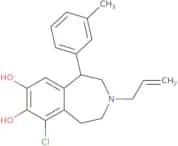
CAS:<p>SKF 83822 is a medicinal compound that acts as a cyclin-dependent kinase inhibitor. It has been shown to have potential as an anticancer agent, particularly for the treatment of leukemia and other tumors. This compound inhibits the activity of cyclin-dependent kinases, which play a crucial role in cell cycle regulation and proliferation. By blocking this process, SKF 83822 induces apoptosis (programmed cell death) in cancer cells, leading to their destruction. In addition to its effects on cancer cells, this compound has also been found to have anti-inflammatory properties in Chinese hamster ovary cells. Overall, SKF 83822 shows promise as a potent inhibitor of protein kinases and may be useful in the development of new cancer therapies.</p>Formula:C20H22ClNO2Purity:Min. 95%Molecular weight:343.8 g/molMinoxidil sulfate-d10
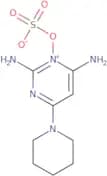
CAS:<p>Please enquire for more information about Minoxidil sulfate-d10 including the price, delivery time and more detailed product information at the technical inquiry form on this page</p>Formula:C9H15N5O4SPurity:Min. 95%Molecular weight:299.38 g/molTetraspanin 6 antibody
<p>Tetraspanin 6 antibody was raised using the N terminal of TSPAN6 corresponding to a region with amino acids VGIWGKVSLENYFSLLNEKATNVPFVLIATGTVIILLGTFGCFATCRASA</p>Purity:Min. 95%ARSH antibody
<p>ARSH antibody was raised using the middle region of ARSH corresponding to a region with amino acids FIERYKREPFLLFFSFLHVHTPLISKKKFVGRSKYGRYGDNVEEMDWMVG</p>Purity:Min. 95%Rabbit anti Mouse IgG (H + L) (Alk Phos)
<p>This antibody reacts with heavy (gamma) chains on mouse IgG and light chains on all mouse immunoglobulins.</p>Purity:Min. 95%IRS1 antibody
<p>The IRS1 antibody is a highly specialized antibody that targets the insulin receptor substrate 1 (IRS1). This antibody is widely used in research and diagnostic applications to study various cellular processes and signaling pathways.</p>MUM1 antibody
<p>MUM1 antibody was raised in Mouse using a purified recombinant fragment of human MUM1 expressed in E. coli as the immunogen.</p>BXDC1 antibody
<p>BXDC1 antibody was raised in mouse using recombinant Human Brix Domain Containing 1 (Bxdc1)</p>ANGPTL2 antibody
<p>ANGPTL2 antibody was raised using the N terminal of ANGPTL2 corresponding to a region with amino acids NSKEPEVLLENRVHKQELELLNNELLKQKRQIETLQQLVEVDGGIVSEVK</p>Purity:Min. 95%PRG3 antibody
<p>PRG3 antibody was raised in rabbit using residues 170-185 [VTLIHSQVALADKELL] of the 41 kDa human PRG3 protein as the immunogen.</p>Purity:Min. 95%PPP1R15A antibody
<p>The PPP1R15A antibody is a powerful tool used in various research applications. This antibody specifically targets the PPP1R15A protein, which plays a crucial role in cellular responses to stress and the regulation of protein synthesis.</p>VGLL1 antibody
<p>The VGLL1 antibody is a highly specific monoclonal antibody that targets mesothelin, a serum albumin protein. It is widely used in the field of Life Sciences for various research applications. This antibody has been shown to effectively detect and quantify mesothelin levels in biological samples, making it an invaluable tool for studying its expression and function. Additionally, the VGLL1 antibody has been proven to modulate glutamate signaling and regulate e-cadherin expression, which are essential processes in cellular communication and adhesion. Furthermore, this antibody has demonstrated interactions with other important proteins such as osteopontin, oncostatin, and β-catenin, suggesting its involvement in multiple signaling pathways. The VGLL1 antibody is available as both monoclonal and polyclonal antibodies and is compatible with human serum samples. With its high specificity and ability to activate downstream signaling pathways, the VGLL1 antibody is an indispensable resource for researchers in various fields of study.</p>Rab11B antibody
<p>Rab11B antibody was raised in Rat using Mouse RAB11B and GST fusion protein as the immunogen.</p>CLIC3 antibody
<p>CLIC3 antibody was raised in rabbit using the N terminal of CLIC3 as the immunogen</p>Purity:Min. 95%CD4 antibody (allophycocyanin)
<p>Rat monoclonal CD4 antibody (allophycocyanin); IgG2a kappa; clone RM4-5</p>IL16 antibody
<p>The IL16 antibody is a powerful tool in the field of Life Sciences. It is an interferon that plays a crucial role in various biological processes. This polyclonal antibody targets IL16, which is involved in the regulation of immune responses and inflammation. The IL16 antibody can be used for applications such as immunoassays, immunohistochemistry, and Western blotting.</p>Purity:Min. 95%FYN antibody
<p>FYN antibody was raised using the N terminal of FYN corresponding to a region with amino acids GCVQCKDKEATKLTEERDGSLNQSSGYRYGTDPTPQHYPSFGVTSIPNYN</p>Purity:Min. 95%BTK antibody
<p>The 6-Fluoro-3-indoxyl-beta-D-galactopyranoside is a powerful antituberculosis drug that falls under the class of rifamycins. It is highly effective in treating tuberculosis infections and contains active compounds that exhibit bactericidal activity. This drug works by binding to DNA-dependent RNA polymerase, preventing transcription and replication, thereby inhibiting bacterial growth. Its efficacy has been demonstrated through extensive research using techniques like patch-clamp on human erythrocytes. The drug undergoes various metabolic transformations, including hydrolysis by esterases or glucuronidases, oxidation by cytochrome P450 enzymes, reduction by glutathione reductase, or conjugation with glucuronic acid. Additionally, it specifically targets markers expressed at high levels in Mycobacterium tuberculosis strains and inhibits their growth in culture.</p>Arntl2 antibody
<p>Arntl2 antibody was raised in rabbit using the C terminal of Arntl2 as the immunogen</p>Purity:Min. 95%Normal Donkey Serum
<p>Normal Donkey Serum is a valuable biospecimen used in various life science and veterinary applications. Derived from donkeys, this serum contains a range of important components that make it useful for research purposes. Normal Donkey Serum is commonly used as a blocking agent to prevent non-specific binding of antibodies in immunohistochemistry and immunocytochemistry experiments. It also serves as an essential component in the development of monoclonal antibodies and other cell-based assays. This serum contains various growth factors, such as epidermal growth factor, which can promote cell proliferation and differentiation. Additionally, Normal Donkey Serum contains inhibitors that can modulate specific signaling pathways, including the interferon pathway and the phosphoinositide 3-kinase (PI3K) pathway. Researchers often use Normal Donkey Serum as a control or reference sample in their experiments. Its acidic pH and low hemolysis rate make it suitable for a wide range of applications. Furthermore, its immobilization properties allow for stable electrode</p>NAT2 antibody
<p>NAT2 antibody was raised using a synthetic peptide corresponding to a region with amino acids CLTEERGIWYLDQIRREQYITNKEFLNSHLLPKKKHQKIYLFTLEPRTIE</p>RPS16 antibody
<p>RPS16 antibody was raised in rabbit using the N terminal of RPS16 as the immunogen</p>Purity:Min. 95%BBC3 Blocking Peptide
<p>A synthetic peptide for use as a blocking control in assays to test for specificity of BBC3 antibody, catalog no. 70R-9636</p>Purity:Min. 95%WFDC1 antibody
<p>WFDC1 antibody was raised using the N terminal of WFDC1 corresponding to a region with amino acids WKRALPARLAEKSRAEEAGAPGGPRQPRADRCPPPPRTLPPGACQAARCQ</p>CYP2J2 antibody
<p>The CYP2J2 antibody is a powerful tool used in the field of life sciences. It is a monoclonal antibody that specifically targets the CYP2J2 enzyme, which plays a crucial role in the metabolism of arachidonic acid. This antibody has high bioavailability and can effectively neutralize the activity of CYP2J2.</p>GNRHR antibody
<p>The GNRHR antibody is a monoclonal antibody that specifically targets the gonadotropin-releasing hormone receptor (GNRHR). This antibody is produced using advanced technology and high-quality materials to ensure its effectiveness. It has been extensively tested and proven to be reactive against GNRHR in various applications.</p>GPRC5C antibody
<p>The GPRC5C antibody is a biomolecule that acts as a neutralizing agent against chemokines. It is commonly used in DNA vaccines and has shown efficacy in targeting the interleukin-15 receptor. This antibody, available in both polyclonal and monoclonal forms, has been extensively studied in the field of life sciences. It has also been found to have an impact on protein kinase activity and lipoprotein lipase function. Additionally, it has potential applications in adipose tissue research and as a tool for studying the effects of carbamazepine. With its wide range of uses, the GPRC5C antibody is an essential component for researchers and professionals working in various fields of study.</p>Serpin A5 protein (His tag)
<p>20-406 amino acids: MGSSHHHHHH SSGLVPRGSH MHRHHPREMK KRVEDLHVGA TVAPSSRRDF TFDLYRALAS AAPSQNIFFS PVSISMSLAM LSLGAGSSTK MQILEGLGLN LQKSSEKELH RGFQQLLQEL NQPRDGFQLS LGNALFTDLV VDLQDTFVSA MKTLYLADTF PTNFRDSAGA MKQINDYVAK QTKGKIVDLL KNLDSNAVVI MVNYIFFKAK WETSFNHKGT QEQDFYVTSE TVVRVPMMSR EDQYHYLLDR NLSCRVVGVP YQGNATALFI LPSEGKMQQV ENGLSEKTLR KWLKMFKKRQ LELYLPKFSI EGSYQLEKVL PSLGISNVFT SHADLSGISN HSNIQVSEMV HKAVVEVDES GTRAAAATGT IFTFRSARLN SQRLVFNRPF LMFIVDNNIL FLGKVNRP</p>Purity:Min. 95%TRIM22 antibody
<p>TRIM22 antibody was raised in rabbit using the middle region of TRIM22 as the immunogen</p>Purity:Min. 95%DLC27-14
CAS:<p>DLC27-14 is an inhibitor of Protein interactions, Activator, Ligand. This drug binds to the receptor and blocks the binding of a ligand to the receptor. It is a research tool that can be used for studying protein interactions and protein-ligand binding. DLC27-14 has been shown to inhibit ion channels in cells. It has also been shown to activate receptors by inducing conformational changes in the receptor protein. DLC27-14 is a high purity peptide with CAS number 1360869-92-6 that is used as a research tool for life science and cell biology studies, as well as antibody production.</p>Formula:C25H25NO4Purity:Min. 95%Molecular weight:403.5 g/molCD61 antibody
<p>The CD61 antibody is a highly specialized polyclonal antibody used in Life Sciences research. It is commonly used for the detection and analysis of specific glycoproteins, particularly those expressed on the surface of platelets. The CD61 antibody has been extensively studied and validated for its high specificity and sensitivity.</p>Rubella virus protein
<p>Rubella virus protein is a monoclonal antibody that has been activated to exhibit inhibitory properties. It targets various proteins and antigens in the body, including insulin and collagen. This protein acts as an inhibitor, preventing the activity of certain molecules such as TGF-β1, nuclear proteins, chemokines, and neurotrophic factors. Rubella virus protein is commonly used in immunoassays and life sciences research to study the effects of these molecules and their interactions with other cellular components. Additionally, this protein has shown potential as a therapeutic agent for conditions related to natriuretic peptides and protein kinases.</p>DACT3 antibody
<p>DACT3 antibody was raised in mouse using recombinant human DACT3 (89-202aa) purified from E. coli as the immunogen.</p>SMUG1 antibody
<p>SMUG1 antibody was raised using the middle region of SMUG1 corresponding to a region with amino acids IVGPVLTPPQEHPKRPVLGLECPQSEVSGARFWGFFRNLCGQPEVFFHHC</p>DHEA antibody
<p>The DHEA antibody is a polyclonal antibody that is used for the quantitation and detection of dehydroepiandrosterone (DHEA) in various biological samples. DHEA antibody was raised in sheep using DHEA-BTG as the immunogen. Supplied at 13.8mg/ml, 10ng/ml DHEA produces 78% inhibition in a competitive ELISA employing DHEA polyclonal antibody</p>Purity:Min. 95%CNTF protein
<p>CNTF protein is a valuable substance in the field of Life Sciences. It is a protein that belongs to the family of neurotrophic factors and has various functions and applications. CNTF protein can be used as a test substance in research studies, as it has been shown to have neutralizing effects on certain proteins and antigens. Additionally, CNTF protein has been found to promote the growth and development of collagen, which is essential for maintaining healthy tissues.</p>Purity:Min. 95%NDUFS3 antibody
<p>NDUFS3 antibody was raised using the middle region of NDUFS3 corresponding to a region with amino acids ANHPDLRRILTDYGFEGHPFRKDFPLSGYVELRYDDEVKRVVAEPVELAQ</p>