Biochemicals and Reagents
Biochemicals and reagents are fundamental substances for research and development in fields such as biotechnology, molecular biology, pharmacology, and medicine. These products are essential for a variety of applications, including compound synthesis, biological sample analysis, metabolic process research, and drug production. At CymitQuimica, we offer a wide selection of high-quality, high-purity biochemicals and reagents suitable for various scientific and industrial needs. Our catalog includes enzymes, antibodies, nucleic acids, amino acids, and many other products, all designed to support researchers and professionals in their research and development projects, ensuring reliable and reproducible results.
Subcategories of "Biochemicals and Reagents"
- Biomolecules(99,118 products)
- By Biological Target(99,156 products)
- By Pharmacological Effects(6,788 products)
- Cryopreservatives(21 products)
- Desinfectants and Related Compounds(28 products)
- Hormones(346 products)
- Plant Biology(6,748 products)
- Secondary Metabolites(14,233 products)
Found 130579 products of "Biochemicals and Reagents"
Sort by
Purity (%)
0
100
|
0
|
50
|
90
|
95
|
100
AMN Blocking Peptide
<p>A synthetic peptide for use as a blocking control in assays to test for specificity of AMN antibody, catalog no. 70R-8847</p>Purity:Min. 95%CHERP Blocking Peptide
<p>A synthetic peptide for use as a blocking control in assays to test for specificity of CHERP antibody, catalog no. 70R-5262</p>Purity:Min. 95%ASNA1 antibody
<p>ASNA1 antibody was raised in rabbit using the C terminal of ASNA1 as the immunogen</p>EGFR antibody
<p>The EGFR antibody is a highly specialized monoclonal antibody used in life sciences research. It is designed to specifically target and neutralize the epidermal growth factor receptor (EGFR), an enzyme that plays a crucial role in cell growth and division. This cytotoxic antibody has been extensively tested for its efficacy and safety, making it a reliable tool for studying EGFR-related processes.</p>Purity:Min. 95%Rabbit anti Dog IgG (HRP)
<p>Rabbit anti-dog IgG (HRP) was raised in rabbit using canine IgG F(ab')2 fragment as the immunogen.</p>Purity:Min. 95%PH4 Blocking Peptide
<p>A synthetic peptide for use as a blocking control in assays to test for specificity of PH-4 antibody, catalog no. 70R-7088</p>Purity:Min. 95%RDM1 Blocking Peptide
<p>A synthetic peptide for use as a blocking control in assays to test for specificity of RDM1 antibody, catalog no. 70R-2896</p>Purity:Min. 95%Vps45 antibody
<p>Vps45 antibody was raised in rabbit using the C terminal of Vps45 as the immunogen</p>Purity:Min. 95%RLBP1 antibody
<p>The RLBP1 antibody is a highly specific monoclonal antibody used in Life Sciences research. It targets the RLBP1 protein, which plays a crucial role in various biological processes. This antibody has been extensively validated and is widely used in studies involving collagen, liver microsomes, insulin, growth factors, inhibitors, TGF-β1, antibodies, tyrosine, nuclear signaling pathways, chemokines, and insulin antibodies. Its high specificity and affinity make it an ideal tool for detecting and quantifying RLBP1 protein levels in various experimental settings. Whether you are studying cellular signaling pathways or investigating the role of RLBP1 in disease progression, the RLBP1 antibody is an invaluable resource that will provide accurate and reliable results. Trust this monoclonal antibody to deliver exceptional performance and help advance your research to new heights.</p>Factor XIII antibody
<p>Factor XIII antibody was raised in sheep using human Factor XIII purified from plasma as the immunogen.</p>Purity:Min. 95%FTO antibody
<p>FTO antibody is a synthetic polyclonal antibody that targets the FTO protein. This protein plays a crucial role in various biological processes, including coagulation, tyrosine activation, and the regulation of gene expression. The FTO antibody is widely used in life sciences research to study the function and localization of FTO protein in different cell types and tissues. It can be used for techniques such as immunohistochemistry to visualize the distribution of FTO protein in tissue samples. Moreover, this antibody has been shown to inhibit the activity of FTO, making it a valuable tool for studying the effects of FTO inhibition on cellular processes. Researchers also use this antibody to investigate the role of FTO in diseases such as endotoxemia and explore its potential as a therapeutic target. With its high specificity and sensitivity, the FTO antibody is an essential tool for scientists working in various fields of biology and medicine.</p>RAPGEF1 Blocking Peptide
<p>A synthetic peptide for use as a blocking control in assays to test for specificity of RAPGEF1 antibody, catalog no. 70R-5717</p>Purity:Min. 95%LAB Blocking Peptide
<p>A synthetic peptide for use as a blocking control in assays to test for specificity of lab antibody, catalog no. 70R-2191</p>Purity:Min. 95%BBS5 Blocking Peptide
<p>A synthetic peptide for use as a blocking control in assays to test for specificity of BBS5 antibody, catalog no. 70R-2989</p>Purity:Min. 95%EGFR antibody
<p>The EGFR antibody is a highly specialized microsphere that targets and binds to the epidermal growth factor receptor (EGFR). This receptor plays a crucial role in cell growth, division, and survival. By binding to EGFR, the antibody inhibits the activation of downstream signaling pathways that promote tumor growth and progression.</p>14-3-3 γ antibody
<p>The 6-Fluoro-3-indoxyl-beta-D-galactopyranoside is a powerful antituberculosis drug that falls under the category of rifamycins. It is highly effective in treating tuberculosis infections due to its bactericidal activity. By binding to DNA-dependent RNA polymerase, it inhibits bacterial growth by preventing transcription and replication. This drug has been extensively studied using advanced techniques like the patch-clamp technique, which confirms its high frequency of human activity. The active form of this drug undergoes various metabolic transformations, including hydrolysis by esterases or glucuronidases, oxidation by cytochrome P450 enzymes, reduction by glutathione reductase, or conjugation with glucuronic acid. Moreover, it specifically targets markers expressed at high levels in Mycobacterium tuberculosis strains and inhibits their cell growth in culture.</p>GPR81 antibody
<p>The GPR81 antibody is a powerful tool used in Life Sciences research. It is a polyclonal antibody that specifically targets GPR81, a receptor involved in various cellular processes. This antibody has been extensively validated through cytotoxic assays and transcription-polymerase chain reaction (PCR) experiments.</p>Claudin 18 Blocking Peptide
<p>A synthetic peptide for use as a blocking control in assays to test for specificity of CLDN18 antibody, catalog no. 70R-6157</p>Purity:Min. 95%Newcastle disease virus antibody
<p>Newcastle disease virus antibody is a monoclonal antibody that is used in the field of Life Sciences. It is a multispecific antibody that specifically targets heat-shock proteins and metal-binding proteins. This antibody has been shown to be effective in neutralizing the activity of Newcastle disease virus, a highly contagious viral infection that affects birds. The antibody works by binding to specific antigenic sites on the virus, preventing its attachment and entry into host cells. Additionally, this antibody has been found to activate interferon production and induce necrosis factor-related apoptosis-inducing effects in infected cells. The use of magnetic particles conjugated with this antibody allows for easy separation and purification of infected cells or viral particles. With its high specificity and potent antiviral properties, the Newcastle disease virus antibody is an essential tool for researchers studying viral infections and developing therapeutic strategies against them.</p>FLJ13798 Blocking Peptide
<p>A synthetic peptide for use as a blocking control in assays to test for specificity of FLJ13798 antibody, catalog no. 70R-7998</p>Purity:Min. 95%PEBP1 protein
<p>1-187 amino acids: MPVDLSKWSG PLSLQEVDEQ PQHPLHVTYA GAAVDELGKV LTPTQVKNRP TSISWDGLDS GKLYTLVLTD PDAPSRKDPK YREWHHFLVV NMKGNDISSG TVLSDYVGSG PPKGTGLHRY VWLVYEQDRP LKCDEPILSN RSGDHRGKFK VASFRKKYEL RAPVAGTCYQ AEWDDYVPKL YEQLSGK</p>Purity:Min. 95%FLJ12529 Blocking Peptide
<p>A synthetic peptide for use as a blocking control in assays to test for specificity of FLJ12529 antibody, catalog no. 70R-1303</p>Purity:Min. 95%PRMT5 Blocking Peptide
<p>A synthetic peptide for use as a blocking control in assays to test for specificity of PRMT5 antibody, catalog no. 70R-1032</p>Purity:Min. 95%M-CSF protein
<p>Region of M-CSF protein corresponding to amino acids MEVSEHCSHM IGNGHLQILQ QLIDSQMETA CLIEYKFVDQ EQLDDPVCYL KKAFVLVQVI IEETMRFKDN TPNANATERL QELSMKLNSC FIKDYKEQNE ACVQTYKESP LRLLEKIKNF FNETKNFLEK DWNIFSKNCN DSLAKCSSRD VVTKP.</p>Purity:Min. 95%RAB9B Blocking Peptide
<p>A synthetic peptide for use as a blocking control in assays to test for specificity of RAB9B antibody, catalog no. 70R-9454</p>Purity:Min. 95%CDH1 Blocking Peptide
<p>A synthetic peptide for use as a blocking control in assays to test for specificity of CDH1 antibody, catalog no. 70R-6172</p>Purity:Min. 95%TRDMT1 Blocking Peptide
<p>A synthetic peptide for use as a blocking control in assays to test for specificity of TRDMT1 antibody, catalog no. 70R-2240</p>Purity:Min. 95%GAPDH antibody
<p>GAPDH antibody was raised in Mouse using a purified recombinant fragment of human GAPDH expressed in E. coli as the immunogen.</p>HDAC2 antibody
<p>The HDAC2 antibody is a highly specialized antibody that targets the human folate receptor. It is commonly used in research and diagnostic applications to detect and analyze the expression of HDAC2 in various tissues and cell types. This monoclonal antibody specifically binds to HDAC2, a key enzyme involved in gene regulation and chromatin remodeling. The binding of the HDAC2 antibody allows for the visualization and quantification of HDAC2 levels, providing valuable insights into cellular processes such as cell growth, differentiation, and apoptosis. With its high specificity and sensitivity, this antibody is an essential tool for researchers studying epigenetics, cancer biology, and drug discovery. Whether you are conducting basic research or developing new therapeutics, the HDAC2 antibody is a reliable choice for accurate and reproducible results.</p>Purity:Min. 95%PP2A antibody
<p>The PP2A antibody is a highly specialized electrode used for the detection and analysis of Polyclonal Antibodies. This antibody is specifically designed to target and bind to adipocyte markers, allowing for accurate identification and characterization of these cells. The PP2A antibody has been shown to be effective in detecting acidic glycosylation patterns on adipocytes, which play a crucial role in their function and metabolism. Additionally, this antibody has been found to modulate superoxide production in adipocytes, suggesting a potential therapeutic application in oxidative stress-related disorders. Furthermore, studies have shown that the PP2A antibody can enhance e-cadherin expression in adipocytes, promoting cellular adhesion and insulin sensitivity. With its high specificity and sensitivity, the PP2A antibody is an invaluable tool for researchers in the field of Life Sciences studying interferon signaling pathways, adipose tissue biology, fatty acid metabolism, and more.</p>CLRN1 Blocking Peptide
<p>A synthetic peptide for use as a blocking control in assays to test for specificity of CLRN1 antibody, catalog no. 70R-9821</p>Purity:Min. 95%JOSD2 antibody
<p>JOSD2 antibody was raised using the N terminal of JOSD2 corresponding to a region with amino acids QQLFSQEAADEICKRLAPDSRLNPHRSLLGTGNYDVNVIMAALQGLGLAA</p>RPL14 Blocking Peptide
<p>A synthetic peptide for use as a blocking control in assays to test for specificity of RPL14 antibody, catalog no. 70R-10352</p>Purity:Min. 95%GOLGA1 antibody
<p>GOLGA1 antibody was raised in rabbit using the N terminal of GOLGA1 as the immunogen</p>Purity:Min. 95%LIN28 antibody
<p>LIN28 antibody was raised in Mouse using a purified recombinant fragment of LIN28 (aa93-209) expressed in E. coli as the immunogen.</p>PSMC4 Blocking Peptide
<p>A synthetic peptide for use as a blocking control in assays to test for specificity of PSMC4 antibody, catalog no. 70R-4334</p>Purity:Min. 95%Thrombin antibody
<p>Thrombin antibody was raised in sheep using Thrombin prepared from purified rabbit Prothrombin as the immunogen.</p>Purity:Min. 95%Estrogen Receptor α antibody
<p>The Estrogen Receptor alpha antibody is a powerful tool used in Life Sciences research. It is an inhibitor that specifically targets and binds to the estrogen receptor alpha, a nuclear receptor involved in various biological processes. This antibody is commonly used in assays to study the activity of estrogen receptor alpha and its role in gene regulation.</p>HSP27 antibody
<p>The HSP27 antibody is a highly specialized monoclonal antibody that is used in the field of Life Sciences. It has been extensively studied for its cytotoxic effects on human serum and its ability to neutralize the growth factor TGF-beta. This antibody specifically targets HSP27, a low-molecular-weight protein that plays a crucial role in cellular stress response and protection against apoptosis. The HSP27 antibody can be immobilized onto an electrode or used in conjunction with streptavidin for various research applications. Whether you are studying mesenchymal stem cells or investigating the signaling pathways involved in cell growth and differentiation, the HSP27 antibody is an invaluable tool for your experiments. Trust in its high specificity and reliability to deliver accurate results and advance your scientific discoveries.</p>TPD52 antibody
<p>TPD52 antibody was raised in rabbit using the C terminal of TPD52 as the immunogen</p>Purity:Min. 95%XAB2 antibody
<p>XAB2 antibody was raised in rabbit using the C terminal of XAB2 as the immunogen</p>Purity:Min. 95%α Actinin 4 antibody
<p>alpha Actinin 4 antibody was raised using the N terminal of ACTN4 corresponding to a region with amino acids LIHRHRPELIEYDKLRKDDPVTNLNNAFEVAEKYLDIPKMLDAEDIVNTA</p>FBXO3 Blocking Peptide
<p>A synthetic peptide for use as a blocking control in assays to test for specificity of FBXO3 antibody, catalog no. 70R-2789</p>Purity:Min. 95%CXORF26 antibody
<p>CXORF26 antibody was raised using the middle region of Cxorf26 corresponding to a region with amino acids KFNGIVEDFNYGTLLRLDCSQGYTEENTIFAPRIQFFAIEIARNREGYNK</p>ZNF598 Blocking Peptide
<p>A synthetic peptide for use as a blocking control in assays to test for specificity of ZNF598 antibody, catalog no. 70R-8224</p>Purity:Min. 95%MAGEA5 antibody
<p>MAGEA5 antibody was raised using the N terminal of MAGEA5 corresponding to a region with amino acids MSLEQKSQHCKPEEGLDTQEEALGLVGVQAATTEEQEAVSSSSPLVPGTL</p>Genistein-d4 diglucuronide
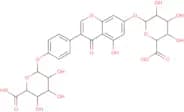
CAS:<p>Genistein-d4 diglucuronide is a metabolite of genistein, an isoflavone found in soybeans. It has been shown to have low oral bioavailability and can be detected in the urine of infants who are fed soy formula. Genistein-d4 diglucuronide may act as a conjugate for other drugs, but this has not been studied. Genistein-d4 diglucuronide has been shown to inhibit human breast cancer cells from proliferating by interfering with the production of estrogen hormones and inhibiting protein synthesis. This compound also inhibits the growth of animal prostate cells. The benefits and risks of genistein-d4 diglucuronide have not yet been studied in humans.</p>Formula:C27H22D4O17Purity:Min. 95%Molecular weight:626.51 g/molFocal Adhesion Kinase antibody
<p>The Focal Adhesion Kinase antibody is a powerful tool for researchers studying cellular adhesion and signaling pathways. This polyclonal antibody specifically targets the focal adhesion kinase (FAK) protein, which plays a crucial role in cell migration, proliferation, and survival.</p>ZBTB22 Blocking Peptide
<p>A synthetic peptide for use as a blocking control in assays to test for specificity of ZBTB22 antibody, catalog no. 70R-8083</p>Purity:Min. 95%EMX1 antibody
<p>EMX1 antibody was raised in rabbit using the middle region of EMX1 as the immunogen</p>Purity:Min. 95%Dynamin 1 Blocking Peptide
<p>A synthetic peptide for use as a blocking control in assays to test for specificity of DNM1 antibody, catalog no. 70R-2341</p>Purity:Min. 95%GST antibody
<p>The GST antibody is a cholinergic monoclonal antibody used in Life Sciences research. It specifically targets and binds to the glutathione S-transferase (GST) protein, which is involved in various cellular processes. This antibody is commonly used in studies related to alpha-fetoprotein, cryptosporidium, adeno-associated virus, activated epidermal growth factor, β-catenin, steroid acetyltransferase, and electrode research. The GST antibody has been extensively tested and validated for its specificity and sensitivity in detecting GST protein in various samples, including human serum. Researchers rely on this antibody to accurately analyze the expression and localization of GST protein in their experiments. Its high-quality performance makes it an essential tool for studying the functions and interactions of GST in different biological systems.</p>GNGT2 Blocking Peptide
<p>A synthetic peptide for use as a blocking control in assays to test for specificity of GNGT2 antibody, catalog no. 70R-3637</p>Purity:Min. 95%RNF44 Blocking Peptide
<p>A synthetic peptide for use as a blocking control in assays to test for specificity of RNF44 antibody, catalog no. 70R-2251</p>Purity:Min. 95%EPO Blocking Peptide
<p>A synthetic peptide for use as a blocking control in assays to test for specificity of EPO antibody, catalog no. 70R-6540</p>Purity:Min. 95%CENTG1 antibody
<p>CENTG1 antibody was raised using the middle region of CENTG1 corresponding to a region with amino acids AHARHGPLDTSVEDPQLRSPLHLAAELAHVVITQLLLWYGADVAARDAQG</p>α Synuclein antibody
<p>The alpha Synuclein antibody is a valuable tool in Life Sciences research. This antibody specifically targets and inhibits the activity of alpha-synuclein, a protein that plays a crucial role in neurodegenerative diseases such as Parkinson's disease. The antibody has been extensively tested and validated for its efficacy in human serum samples. It effectively neutralizes the activated form of alpha-synuclein, preventing its interaction with other proteins and mitigating its toxic effects on neurons.</p>Purity:Min. 95%CTDSP2 Blocking Peptide
<p>A synthetic peptide for use as a blocking control in assays to test for specificity of CTDSP2 antibody, catalog no. 70R-3879</p>Purity:Min. 95%EPS8L1 Blocking Peptide
<p>A synthetic peptide for use as a blocking control in assays to test for specificity of EPS8L1 antibody, catalog no. 70R-1259</p>Purity:Min. 95%BNP antibody
<p>The BNP antibody is a monoclonal antibody that specifically targets brain natriuretic peptide (BNP). It is designed to neutralize the activity of BNP in human serum. The antibody can be used in various assays and tests, including electrode-based assays, to measure the levels of BNP. Brain natriuretic peptide is a hormone that is involved in regulating blood pressure and fluid balance. By targeting BNP, this antibody can help researchers and clinicians better understand its role in various physiological processes. Additionally, the BNP antibody may have potential therapeutic applications as an antibody-drug conjugate or as a tool for studying tissue transglutaminase and other membrane-spanning polypeptides. With its high specificity and affinity for BNP, this monoclonal antibody offers a valuable tool for research and diagnostic purposes.</p>NR3C2 antibody
<p>NR3C2 antibody was raised using the middle region of NR3C2 corresponding to a region with amino acids RRKNCPACRLQKCLQAGMNLGARKSKKLGKLKGIHEEQPQQQQPPPPPPP</p>TPPP antibody
<p>TPPP antibody was raised in rabbit using the N terminal of TPPP as the immunogen</p>Troponin T antibody
<p>The Troponin T antibody is an immunosuppressant that belongs to the group of polyclonal antibodies. It specifically targets calmodulin, a protein involved in muscle contraction and relaxation. This antibody is buffered and has neutralizing properties, making it highly effective in inhibiting the activity of calmodulin. In addition to its immunosuppressive effects, the Troponin T antibody has been shown to promote the growth of factors that regulate cell proliferation and differentiation. It also exhibits diuretic properties by enhancing the excretion of fluids from the body. This antibody is widely used in life sciences research, particularly in studies involving interleukin-6 and other cytokines. The Troponin T antibody is available as a monoclonal antibody, which ensures high specificity and affinity for its target antigen. Its versatility extends beyond research applications, as it can also be used for diagnostic purposes, such as detecting influenza hemagglutinin or monitoring signaling pathways involving PI3-kinase</p>C11ORF53 Blocking Peptide
<p>A synthetic peptide for use as a blocking control in assays to test for specificity of C11orf53 antibody, catalog no. 70R-3724</p>Purity:Min. 95%Goat anti Guinea Pig IgG
<p>Goat anti-guinea pig IgG was raised in goat using highly pure normal guinea pig serum as the immunogen.</p>Purity:Min. 95%GIMAP5 Blocking Peptide
<p>A synthetic peptide for use as a blocking control in assays to test for specificity of GIMAP5 antibody, catalog no. 70R-6383</p>Purity:Min. 95%PSA antibody
<p>PSA antibody is a monoclonal antibody that specifically targets prostate-specific antigen (PSA) in human serum. It is widely used in Life Sciences research and diagnostics, particularly in the field of prostate cancer. This antibody recognizes and binds to PSA, a glycoprotein that is produced by the prostate gland. The binding of the PSA antibody to PSA can be used for various applications, including immunoassays, immunohistochemistry, and western blotting. Additionally, this antibody has been modified with fatty acid or other acid modifications to improve its stability and performance. The PSA antibody can be immobilized on surfaces such as electrodes or cellulose for use in biosensors or diagnostic devices. It has also shown potential therapeutic effects, as it can interfere with the growth factor signaling pathways associated with prostate cancer progression.</p>NOX1 Blocking Peptide
<p>A synthetic peptide for use as a blocking control in assays to test for specificity of NOX1 antibody, catalog no. 70R-7398</p>Purity:Min. 95%PKC zeta antibody
<p>The PKC zeta antibody is a highly specialized monoclonal antibody that is used for ultrasensitive detection in various immunoassays. It specifically targets and binds to protein kinase C zeta (PKCζ), an enzyme involved in signal transduction pathways. This antibody has been extensively validated and proven to provide accurate and reliable results in research and diagnostic applications.</p>Purity:Min. 95%DYSFIP1 Blocking Peptide
<p>A synthetic peptide for use as a blocking control in assays to test for specificity of DYSFIP1 antibody, catalog no. 70R-4114</p>Purity:Min. 95%ATXN7L2 Blocking Peptide
<p>A synthetic peptide for use as a blocking control in assays to test for specificity of ATXN7L2 antibody, catalog no. 70R-4184</p>Purity:Min. 95%SENP1 antibody
<p>SENP1 antibody was raised using the middle region of SENP1 corresponding to a region with amino acids PQQMNGSDCGMFACKYADCITKDRPINFTQQHMPYFRKRMVWEILHRKLL</p>ISX Blocking Peptide
<p>A synthetic peptide for use as a blocking control in assays to test for specificity of ISX antibody, catalog no. 70R-8693</p>Purity:Min. 95%PRDX1 antibody
<p>The PRDX1 antibody is a nuclear antibody that is commonly used in the field of Life Sciences. It plays a crucial role in various biological processes, including collagen synthesis and electrode regulation. This antibody has been shown to have neutralizing effects on alpha-fetoprotein, making it an important tool in cancer research. Additionally, the PRDX1 antibody has been used as a monoclonal antibody for anti-mesothelin therapy and as an antiviral agent. It also acts as an inhibitor for certain growth factors in human serum. With its wide range of applications, the PRDX1 antibody is a valuable tool for researchers in various fields.</p>GPCR5A Blocking Peptide
<p>A synthetic peptide for use as a blocking control in assays to test for specificity of GPCR5A antibody, catalog no. 70R-6472</p>Purity:Min. 95%MCM5 antibody
<p>The MCM5 antibody is a polyclonal antibody that is used for immobilization in various assays. It can be used to detect the presence of MCM5 protein in human serum or other samples. This antibody can be immobilized on an electrode surface, allowing for the detection and quantification of MCM5 protein levels. The MCM5 antibody recognizes specific hormone peptides and fatty acids that are associated with the activation of MCM5. It can also be used as a tool to study the interaction between MCM5 and other molecules, such as tyrosine inhibitors or monoclonal antibodies. Molecular docking studies have shown that this antibody has a high affinity for activated MCM5, making it an effective tool for research purposes. Additionally, colloidal gold-labeled versions of this antibody can be used for immunohistochemical staining to visualize the expression of MCM5 in tissue samples.</p>Factor XIII B Polypeptide Blocking Peptide
<p>A synthetic peptide for use as a blocking control in assays to test for specificity of F13B antibody, catalog no. 70R-5446</p>Purity:Min. 95%WRNIP1 Blocking Peptide
<p>A synthetic peptide for use as a blocking control in assays to test for specificity of WRNIP1 antibody, catalog no. 70R-5646</p>Purity:Min. 95%SLC35C1 antibody
<p>SLC35C1 antibody was raised using the N terminal of SLC35C1 corresponding to a region with amino acids TSISMVFLNKYLLDSPSLRLDTPIFVTFYQCLVTTLLCKGLSALAACCPG</p>PARP6 antibody
<p>PARP6 antibody was raised using a synthetic peptide corresponding to a region with amino acids HINISFLDEEVSTAWKVLRTEPIVLRLRFSLSQYLDGPEPSIEVFQPSNK</p>SPATA16 Blocking Peptide
<p>A synthetic peptide for use as a blocking control in assays to test for specificity of SPATA16 antibody, catalog no. 70R-3856</p>Purity:Min. 95%AKTIP Blocking Peptide
<p>A synthetic peptide for use as a blocking control in assays to test for specificity of AKTIP antibody, catalog no. 70R-2220</p>Purity:Min. 95%PTK2B Blocking Peptide
<p>A synthetic peptide for use as a blocking control in assays to test for specificity of PTK2B antibody, catalog no. 70R-1706</p>Purity:Min. 95%TTC12 Blocking Peptide
<p>A synthetic peptide for use as a blocking control in assays to test for specificity of TTC12 antibody, catalog no. 70R-3356</p>Purity:Min. 95%LRRC8B Blocking Peptide
<p>A synthetic peptide for use as a blocking control in assays to test for specificity of LRRC8B antibody, catalog no. 70R-6875</p>Purity:Min. 95%JOSD2 Blocking Peptide
<p>A synthetic peptide for use as a blocking control in assays to test for specificity of JOSD2 antibody, catalog no. 70R-4142</p>Purity:Min. 95%Wdr8 Blocking Peptide
<p>A synthetic peptide for use as a blocking control in assays to test for specificity of Wdr8 antibody, catalog no. 70R-8500</p>Purity:Min. 95%RPS14 antibody
<p>The 6-Fluoro-3-indoxyl-beta-D-galactopyranoside is a powerful antituberculosis drug that falls under the class of rifamycins. It is known to effectively treat tuberculosis infections by targeting and inhibiting bacterial growth. This active compound works by binding to DNA-dependent RNA polymerase, preventing transcription and replication within bacteria. In addition, it has been extensively studied using advanced techniques such as patch-clamp, which have confirmed its high efficacy in human erythrocytes. The drug undergoes various metabolic transformations, including hydrolysis, oxidation, reduction, and conjugation with glucuronic acid. Moreover, it specifically targets markers expressed in Mycobacterium tuberculosis strains and inhibits their growth. With its bactericidal activity and proven effectiveness, the 6-Fluoro-3-indoxyl-beta-D-galactopyranoside is a reliable choice for combating tuberculosis infections.</p>C20ORF141 Blocking Peptide
<p>A synthetic peptide for use as a blocking control in assays to test for specificity of C20orf141 antibody, catalog no. 70R-3827</p>Purity:Min. 95%PCDHGB1 Blocking Peptide
<p>A synthetic peptide for use as a blocking control in assays to test for specificity of PCDHGB1 antibody, catalog no. 70R-6147</p>Purity:Min. 95%IL11 antibody
<p>IL11 antibody was raised in rabbit using highly pure recombinant hIL-11 as the immunogen.</p>14.3.3 ε protein
<p>1-255 amino acids: MDDREDLVYQ AKLAEQAERY DEMVESMKKV AGMDVELTVE ERNLLSVAYK NVIGARRASW RIISSIEQKE ENKGGEDKLK MIREYRQMVE TELKLICCDI LDVLDKHLIP AANTGESKVF YYKMKGDYHR YLAEFATGND RKEAAENSLV AYKAASDIAM TELPPTHPIR LGLALNFSVF YYEILNSPDR ACRLAKAAFD DAIAELDTLS EESYKDSTLI MQLLRDNLTL WTSDMQGDGE EQNKEALQDV EDENQ</p>Purity:Min. 95%Lzts1 Blocking Peptide
<p>A synthetic peptide for use as a blocking control in assays to test for specificity of Lzts1 antibody, catalog no. 70R-7951</p>Purity:Min. 95%CD298 antibody
<p>The CD298 antibody is a highly specific monoclonal antibody that targets DNA-binding proteins. It is widely used in the field of Life Sciences for various applications, including research and diagnostics. This antibody binds specifically to the surface glycoprotein CD298, forming a specific complex that can be detected using techniques such as electrochemical impedance spectroscopy. The CD298 antibody has been shown to have high affinity and specificity for its target, making it a valuable tool for studying the function and localization of DNA-binding proteins in various biological systems. Additionally, this antibody has been used in studies investigating the role of CD298 in processes such as glutamate signaling and proteolytic activity. With its versatility and reliability, the CD298 antibody is an essential tool for researchers working in the field of DNA-binding proteins.</p>Purity:Min. 95%CCR10 antibody
<p>The CCR10 antibody is a monoclonal antibody that specifically targets CCR10, a chemokine receptor involved in immune responses. This antibody can be used for various applications in the field of Life Sciences, including research and diagnostics. It has been shown to effectively neutralize the activity of CCR10 by binding to its natural ligand and preventing its interaction with other molecules. The CCR10 antibody can be used in hybridization experiments to detect the presence of CCR10 mRNA or protein in different tissues or cell types. Additionally, it can be used in immunohistochemistry or flow cytometry assays to study the expression pattern of CCR10 in various biological samples. This antibody is highly specific and exhibits low cross-reactivity with other related receptors. It is available as both monoclonal and polyclonal antibodies, providing researchers with options based on their specific experimental needs. The CCR10 antibody is a valuable tool for studying immune responses, inflammation, and adipose tissue biology.</p>PGR antibody
<p>PGR antibody was raised in Mouse using a purified recombinant fragment of PGR(aa730-871) expressed in E. coli as the immunogen.</p>IRS1 antibody
<p>The IRS1 antibody is a highly specialized antibody used in the field of Life Sciences. It acts as a neutralizing agent against cholinergic activity, specifically targeting the β-catenin pathway. This antibody is designed to bind to and inhibit the function of IRS1, a human protein involved in insulin signaling. By blocking IRS1, this antibody disrupts downstream signaling pathways and prevents the activation of key enzymes such as acetyltransferase.</p>ZP2 antibody
<p>ZP2 antibody was raised using a synthetic peptide corresponding to a region with amino acids PDSFPQWNVVVDGCAYDLDNYQTTFHPVGSSVTHPDHYQRFDMKAFAFVS</p>GABRB2 antibody
<p>GABRB2 antibody was raised using a synthetic peptide corresponding to a region with amino acids MWRVRKRGYFGIWSFPLIIAAVCAQSVNDPSNMSLVKETVDRLLKGYDIR</p>FAM20C Blocking Peptide
<p>A synthetic peptide for use as a blocking control in assays to test for specificity of FAM20C antibody, catalog no. 70R-6353</p>Purity:Min. 95%Bin1 Blocking Peptide
<p>A synthetic peptide for use as a blocking control in assays to test for specificity of Bin1 antibody, catalog no. 70R-9326</p>Purity:Min. 95%Biotin reagent (Glucose Oxidase)
<p>Glucose Oxidase conjugated biotin labelling reagent</p>Purity:Min. 95%TMEM195 Blocking Peptide
<p>A synthetic peptide for use as a blocking control in assays to test for specificity of TMEM195 antibody, catalog no. 70R-6813</p>Purity:Min. 95%C14ORF172 Blocking Peptide
<p>A synthetic peptide for use as a blocking control in assays to test for specificity of C14orf172 antibody, catalog no. 70R-2828</p>Purity:Min. 95%AES Blocking Peptide
<p>A synthetic peptide for use as a blocking control in assays to test for specificity of AES antibody, catalog no. 70R-7912</p>Purity:Min. 95%Glycogen Synthase antibody
<p>The Glycogen Synthase antibody is a versatile tool used in various research applications. It plays a crucial role in the regulation of glycogen synthesis, making it an essential factor in understanding metabolic processes and diseases related to glucose metabolism.</p>SCNN1B Blocking Peptide
<p>A synthetic peptide for use as a blocking control in assays to test for specificity of SCNN1B antibody, catalog no. 70R-5194</p>Purity:Min. 95%eIF4B antibody
<p>The eIF4B antibody is a highly specialized product used in the field of Life Sciences. It is a polyclonal antibody that specifically targets and binds to eIF4B, a protein involved in the regulation of protein synthesis. This antibody has been extensively tested and validated for its specificity and sensitivity.</p>CLIC4 Blocking Peptide
<p>A synthetic peptide for use as a blocking control in assays to test for specificity of CLIon Channel4 antibody, catalog no. 70R-1498</p>Purity:Min. 95%Akt antibody
<p>Also known as Protein Kinase B (PKB), Akt is a signaling protein in cells that regulates important processes like cell growth, survival, metabolism, and proliferation. It functions within the PI3K/Akt pathway, one of the primary pathways for cell survival and growth. This pathway is activated by growth factors and hormones such as insulin. Upon activation, Akt is recruited to the cell membrane, where it is phosphorylated by kinases like PDK1, triggering its full activation. Akt can then influence downstream processes, inhibiting apoptosis to promote cell survival, supporting cell growth via pathways like mTOR, and enhancing glucose metabolism.Akt plays a key role in diseases like cancer and diabetes. Dysregulation of the Akt pathway is frequently observed in cancer, often due to mutations in pathway components such as PI3K, PTEN, or Akt itself, resulting in increased cell survival, growth, and resistance to therapies. In diabetes, insulin resistance diminishes Akt pathway responsiveness, reducing glucose uptake and leading to elevated blood glucose levels. Thus, the Akt pathway is a focal point in therapeutic research, particularly for diseases where its regulatory effects on cell growth and metabolism are implicated.</p>DGCR6L antibody
<p>DGCR6L antibody was raised in rabbit using the C terminal of DGCR6L as the immunogen</p>Haptoglobin antibody
<p>Haptoglobin antibody is a highly versatile and potent growth factor that acts as an angiogenic inducer. It plays a crucial role in various biological processes such as reactive oxygen species regulation, cytotoxic activity, chemokine modulation, and transmembrane conductance. This polyclonal antibody is specifically designed for use in Life Sciences research, making it an essential tool for scientists studying various aspects of cellular function. In addition to its broad range of applications, haptoglobin antibody has been extensively studied and validated in different experimental settings. Its high specificity and affinity make it a valuable tool for detecting and quantifying haptoglobin levels in various samples. Whether you are conducting basic research or developing diagnostic assays, this monoclonal antibody will provide accurate and reliable results. With its ability to bind to the glycoprotein haptoglobin with exceptional precision, this antibody enables researchers to gain deeper insights into the mechanisms underlying disease progression and therapeutic interventions. Don't miss out on the opportunity to enhance your research capabilities with</p>MIP1 γ protein (Mouse)
<p>Region of MIP1 gamma protein corresponding to amino acids QITHATETKE VQSSLKAQQG LEIEMFHMGF QDSSDCCLSY NSRIQCSRFI GYFPTSGGCT RPGIIFISKR GFQVCANPSD RRVQRCIERL EQNSQPRTYK Q.</p>Purity:Min. 95%LRRC8E Blocking Peptide
<p>A synthetic peptide for use as a blocking control in assays to test for specificity of LRRC8E antibody, catalog no. 70R-6993</p>Purity:Min. 95%CYP4V2 Blocking Peptide
<p>A synthetic peptide for use as a blocking control in assays to test for specificity of CYP4V2 antibody, catalog no. 70R-7012</p>Purity:Min. 95%TXNIP Blocking Peptide
<p>A synthetic peptide for use as a blocking control in assays to test for specificity of TXNIP antibody, catalog no. 70R-9661</p>Purity:Min. 95%Donkey anti Sheep IgG (H + L) (Texas Red)
<p>Donkey anti-sheep IgG (H+L) was raised in donkey using sheep IgG whole molecule as the immunogen.</p>Purity:Min. 95%Goat anti Human IgG (HRP)
<p>Goat anti-human IgG (HRP) was raised in goat using human IgG F(ab')2 fragment as the immunogen.</p>Purity:Min. 95%GATA1 antibody
<p>The GATA1 antibody is a protein inhibitor that specifically targets the GATA1 element-binding protein. It plays a crucial role in regulating gene expression and cell differentiation in various biological processes. The GATA1 antibody can be used in Life Sciences research to study the function and interactions of GATA1 with other proteins, nucleotides, and elements. It is also being explored for its potential therapeutic applications, such as targeted drug delivery using nanoparticles conjugated with the GATA1 antibody. By inhibiting the activity of GATA1, this antibody offers a promising avenue for developing novel treatments in various fields of medicine.</p>Caldesmon 1 Blocking Peptide
<p>A synthetic peptide for use as a blocking control in assays to test for specificity of CALD1 antibody, catalog no. 70R-3420</p>Purity:Min. 95%FHIT antibody
<p>The FHIT antibody is a highly specialized antibody used in the field of Life Sciences. It is a monoclonal antibody that specifically targets the fragile histidine triad (FHIT) protein. This protein plays a crucial role in various cellular processes, including DNA repair, cell cycle regulation, and tumor suppression.</p>CEND1 Blocking Peptide
<p>A synthetic peptide for use as a blocking control in assays to test for specificity of CEND1 antibody, catalog no. 70R-6482</p>Purity:Min. 95%SF3B1 Blocking Peptide
<p>A synthetic peptide for use as a blocking control in assays to test for specificity of SF3B1 antibody, catalog no. 70R-1333</p>Purity:Min. 95%PSME1 Blocking Peptide
<p>A synthetic peptide for use as a blocking control in assays to test for specificity of PSME1 antibody, catalog no. 70R-5746</p>Purity:Min. 95%Goat anti Human IgG
<p>This antibody reacts with heavy chains on human IgG (gamma chain).</p>Purity:Min. 95%HMGB4 Blocking Peptide
<p>A synthetic peptide for use as a blocking control in assays to test for specificity of HMGB4 antibody, catalog no. 70R-8414</p>Purity:Min. 95%THYN1 Blocking Peptide
<p>A synthetic peptide for use as a blocking control in assays to test for specificity of THYN1 antibody, catalog no. 70R-3715</p>Purity:Min. 95%CIDEB antibody
<p>CIDEB antibody was raised in rabbit using the middle region of CIDEB as the immunogen</p>LOC641765 antibody
<p>LOC641765 antibody was raised in rabbit using the C terminal of LOC641765 as the immunogen</p>Purity:Min. 95%MGC46336 Blocking Peptide
<p>A synthetic peptide for use as a blocking control in assays to test for specificity of MGC46336 antibody, catalog no. 70R-8466</p>Purity:Min. 95%GNAS Blocking Peptide
<p>A synthetic peptide for use as a blocking control in assays to test for specificity of GNAS antibody, catalog no. 70R-5756</p>Purity:Min. 95%SULT1B1 Blocking Peptide
<p>A synthetic peptide for use as a blocking control in assays to test for specificity of SULT1B1 antibody, catalog no. 70R-2335</p>Purity:Min. 95%RDHE2 antibody
<p>RDHE2 antibody was raised using the middle region of RDHE2 corresponding to a region with amino acids AGLSGVNGLADYCASKFAAFGFAESVFVETFVQKQKGIKTTIVCPFFIKT</p>RBM5 antibody
<p>The RBM5 antibody is a powerful antiviral agent that belongs to the family of antibodies. It specifically targets proteins such as anti-mesothelin and alpha-fetoprotein, which are known to play a crucial role in various diseases. The RBM5 antibody has been shown to have neutralizing effects on these proteins, preventing them from causing harm to the body.</p>CENPA Blocking Peptide
<p>A synthetic peptide for use as a blocking control in assays to test for specificity of CENPA antibody, catalog no. 70R-1035</p>Purity:Min. 95%AChE Blocking Peptide
<p>A synthetic peptide for use as a blocking control in assays to test for specificity of ACHE antibody, catalog no. 70R-6077</p>Purity:Min. 95%