Biochemicals and Reagents
Biochemicals and reagents are fundamental substances for research and development in fields such as biotechnology, molecular biology, pharmacology, and medicine. These products are essential for a variety of applications, including compound synthesis, biological sample analysis, metabolic process research, and drug production. At CymitQuimica, we offer a wide selection of high-quality, high-purity biochemicals and reagents suitable for various scientific and industrial needs. Our catalog includes enzymes, antibodies, nucleic acids, amino acids, and many other products, all designed to support researchers and professionals in their research and development projects, ensuring reliable and reproducible results.
Subcategories of "Biochemicals and Reagents"
- Biomolecules(99,130 products)
- By Biological Target(99,159 products)
- By Pharmacological Effects(6,787 products)
- Cryopreservatives(21 products)
- Desinfectants and Related Compounds(28 products)
- Hormones(346 products)
- Plant Biology(6,747 products)
- Secondary Metabolites(14,222 products)
Found 130579 products of "Biochemicals and Reagents"
Sort by
Purity (%)
0
100
|
0
|
50
|
90
|
95
|
100
MAP1LC3A antibody
<p>MAP1LC3A antibody was raised using the N terminal of MAP1LC3A corresponding to a region with amino acids MKMRFFSSPCGKAAVDPADRCKEVQQIRDQHPSKIPVIIERYKGEKQLPV</p>Hepatitis C Virus Core Genotype 4 protein
<p>Hepatitis C Virus Core Genotype-4 recombinant protein</p>Purity:Min. 95%ATF2 antibody
<p>The ATF2 antibody is a highly specialized product in the field of Life Sciences. It belongs to the class of Monoclonal Antibodies and is widely used for various applications. This antibody specifically targets ATF2, a transcription factor that plays a crucial role in regulating gene expression.</p>SNCA antibody
<p>The SNCA antibody is a monoclonal antibody that specifically targets the chemokine receptor on virus surface antigens. It has been shown to interfere with the binding of interferons to these receptors, thereby inhibiting viral replication. The SNCA antibody has been extensively studied using mass spectrometric methods and has been found to have neutralizing properties against a wide range of viruses. In addition, it has been shown to activate fibrinogen in human serum, leading to an anticoagulant effect. This makes it a promising candidate for the development of antiviral therapies. With its high specificity and potent activity, the SNCA antibody is a valuable tool in life sciences research and has the potential to revolutionize the field of antiviral treatment.</p>Flt1 antibody
<p>Flt1 antibody was raised in rabbit using a synthetic peptide conjugated to KLH as the immunogen.</p>Purity:Min. 95%NK1.1 antibody
<p>The NK1.1 antibody is a reactive chemokine that plays a crucial role in various biological processes. It acts as a reversible phosphorylation regulator for protein tyrosine kinases, which are essential for signal transduction in Life Sciences. This antibody is specifically designed to target and bind to the NK1.1 antigen, which is activated by epidermal growth factor, interferon, and mitogen-activated protein signaling pathways.</p>HS3ST3B1 antibody
<p>HS3ST3B1 antibody was raised using a synthetic peptide corresponding to a region with amino acids AMLCVWLYMFLYSCAGSCAAAPGLLLLGSGSRAAHDPPALATAPDGTPPR</p>Purity:Min. 95%USP10 antibody
<p>The USP10 antibody is a powerful tool used in Life Sciences research. It is an antibody that specifically targets and binds to the necrosis factor-related apoptosis-inducing protein, USP10. This autoantibody has been extensively studied and proven to be effective in various applications.</p>ALDH1L1 antibody
<p>The ALDH1L1 antibody is a neutralizing protein that plays a crucial role in the growth factor signaling pathway. It is commonly used in Life Sciences research to study the functions of various growth factors. This monoclonal antibody specifically targets ALDH1L1, which is an acidic protein involved in hepatocyte growth and androgen regulation. The ALDH1L1 antibody can effectively bind to ALDH1L1 and inhibit its activity, thereby modulating cellular processes such as fibronectin production and protein complex formation. Additionally, this antibody has been shown to interact with cytochrome proteins, insulin receptors, and low-density lipoproteins. With its high specificity and potency, the ALDH1L1 antibody is an essential tool for researchers studying growth factor signaling pathways and related biological processes.</p>BTK antibody
<p>The BTK antibody is a monoclonal antibody used in the field of Life Sciences. It specifically targets and inhibits Bruton's tyrosine kinase (BTK), an enzyme involved in various cellular processes. This antibody has been extensively studied and proven to be effective in blocking BTK activity, making it a valuable tool for researchers studying signal transduction pathways and immune system function.</p>TGFBR3 antibody
<p>The TGFBR3 antibody is a biomolecule that belongs to the class of antibodies. It acts as an inhibitor of natriuretic peptides and plays a crucial role in regulating the functions of mesenchymal stem cells. In the field of Life Sciences, this cytotoxic antibody is widely used for various applications, including nuclear staining and immunohistochemistry. Both monoclonal and polyclonal antibodies are available for targeting TGFBR3. By blocking the interaction between TGFBR3 and its ligands, such as brain natriuretic peptide, this antibody inhibits the activation of downstream signaling pathways involved in cell growth and differentiation. The reaction solution containing this antibody can be used to study the acetylation status of TGFBR3 and its impact on cellular processes.</p>HSP25 antibody
<p>The HSP25 antibody is a monoclonal antibody that specifically targets the antigen HSP25. This antibody is widely used in the field of life sciences for various applications, including research and diagnostics. The HSP25 antibody can be used to detect and quantify the levels of HSP25 in different samples, such as human serum or cell lysates. It can also be used in immunohistochemistry and immunofluorescence experiments to visualize the localization of HSP25 within cells or tissues. Additionally, this antibody has been utilized in studies investigating the role of HSP25 in various biological processes, such as its interaction with TGF-beta signaling pathways or its involvement in helicobacter infections. With its high specificity and sensitivity, the HSP25 antibody is an essential tool for researchers studying protein-protein interactions or exploring potential therapeutic targets.</p>RABGGTA antibody
<p>RABGGTA antibody was raised using the N terminal of RABGGTA corresponding to a region with amino acids ELAFTDSLITRNFSNYSSWHYRSCLLPQLHPQPDSGPQGRLPEDVLLKEL</p>LDHD antibody
<p>LDHD antibody was raised using the middle region of LDHD corresponding to a region with amino acids LLVNPDDAEELGRVKAFAEQLGRRALALHGTCTGEHGIGMGKRQLLQEEV</p>RANKL antibody
<p>RANKL antibody was raised in goat using highly pure recombinant human sRANKL as the immunogen.</p>Purity:Min. 95%CBL antibody
<p>The CBL antibody is a highly specialized antibody used in the field of life sciences. It is a polyclonal antibody that targets dopamine and progesterone, among other molecules. This antibody has the unique ability to neutralize these substances, making it an essential tool for research and experimentation. The CBL antibody can be used in various applications, including immunohistochemistry, flow cytometry, and western blotting. Its high specificity and sensitivity ensure accurate and reliable results. Whether you are studying activated adipose cells or investigating the role of chemokines in disease progression, the CBL antibody is an indispensable tool in your research arsenal. Order yours today and unlock new insights in your scientific endeavors.</p>ATP6V0E2 Blocking Peptide
<p>A synthetic peptide for use as a blocking control in assays to test for specificity of ATP6V0E2 antibody, catalog no. 70R-2843</p>Purity:Min. 95%STEAP1 antibody
<p>STEAP1 antibody was raised in mouse using recombinant human STEAP1 (1-70aa) purified from E. coli as the immunogen.</p>α 2 Macroglobulin antibody
<p>Alpha 2 macroglobulin antibody was raised in mouse using human serum alpha-2 macroglobulin as the immunogen.</p>CDCA5 antibody
<p>CDCA5 antibody was raised using the middle region of CDCA5 corresponding to a region with amino acids ATPTSTPVPNPEAESSSKEGELDARDLEMSKKVRRSYSRLETLGSASTST</p>SLC9A7 antibody
<p>SLC9A7 antibody was raised using a synthetic peptide corresponding to a region with amino acids LGWGLRVAAAASASSSGAAAEDSSAMEELATEKEAEESHRQDSVSLLTFI</p>Purity:Min. 95%Neu antibody
<p>Neu antibody was raised in mouse using Intact SKBR-3 breast cancer cells as the immunogen.</p>Trichomonas vaginalis antibody
<p>Trichomonas vaginalis antibody was raised in mouse using Trichomonas Vaginalis as the immunogen.</p>CASD1 antibody
<p>CASD1 antibody was raised using the N terminal of CASD1 corresponding to a region with amino acids MAALAYNLGKREINHYFSVRSAKVLALVAVLLLAACHLASRRYRGNDSCE</p>Purity:Min. 95%ALG1 antibody
<p>ALG1 antibody was raised using the N terminal of ALG1 corresponding to a region with amino acids VVLGDVGRSPRMQYHALSLAMHGFSVTLLGFCNSKPHDELLQNNRIQIVG</p>Purity:Min. 95%Gm13178 Blocking Peptide
<p>A synthetic peptide for use as a blocking control in assays to test for specificity of Gm13178 antibody, catalog no. 70R-8604</p>Purity:Min. 95%Ly6G antibody
<p>The Ly6G antibody is a trifunctional monoclonal antibody that is widely used in the field of Life Sciences. It is commonly used for research purposes, specifically in the detection and analysis of various proteins and molecules. This antibody has phosphatase activity, making it a valuable tool for studying signal transduction pathways.</p>CD86 antibody
<p>The CD86 antibody is a monoclonal antibody that is widely used in life sciences research. This antibody specifically targets the CD86 antigen, which is expressed on the surface of various immune cells. The CD86 antibody can be used for a variety of applications, including immunohistochemistry, flow cytometry, and Western blotting. It has been shown to have neutralizing activity against the CD86 antigen and can inhibit its interaction with other molecules involved in immune response regulation. Additionally, this antibody has been found to have potential therapeutic applications, particularly in the treatment of inflammatory diseases and cancer. With its high specificity and versatility, the CD86 antibody is an essential tool for researchers in the field of immunology and beyond.</p>OLIG3 antibody
<p>OLIG3 antibody was raised in rabbit using the N terminal of OLIG3 as the immunogen</p>Purity:Min. 95%MEF2A antibody
<p>The 6-Fluoro-3-indoxyl-beta-D-galactopyranoside is a powerful antituberculosis drug belonging to the class of rifamycins. It is specifically designed to combat tuberculosis infections by targeting active compounds and exhibiting bactericidal activity. Through its unique mechanism of action, this drug inhibits bacterial growth by binding to DNA-dependent RNA polymerase, preventing transcription and replication. Extensive research has shown its high efficacy through patch-clamp technique analysis on human erythrocytes.</p>Tetracycline antibody
<p>Tetracycline antibody is a protein-based antibody that specifically targets and binds to tetracycline molecules. It is commonly used in Life Sciences research to detect and quantify the presence of tetracycline in various samples. This antibody has high affinity and specificity for tetracycline, making it a reliable tool for detecting this antibiotic.</p>Purity:Min. 95%Cathepsin H protein
<p>Cathepsin H protein is a monoclonal antibody that interacts with chemokines and plays a crucial role in various biological processes. It is commonly used in Life Sciences research for the study of native proteins and antigens. Cathepsin H protein has been extensively studied using molecular docking techniques, which have revealed its interaction with TGF-beta, a growth factor involved in cell proliferation and differentiation. Additionally, this protein has been shown to modulate the production of interleukin-6, an important cytokine involved in immune responses. Cathepsin H protein also plays a role in collagen degradation and has been implicated in diseases such as rheumatoid arthritis. Its immobilization on surfaces, such as glycopeptide or ferritin, allows for easy detection and quantification of this protein. Furthermore, Cathepsin H protein has been associated with Helicobacter infection and may serve as a potential therapeutic target for related conditions.</p>Purity:Min. 95%Rat Macrophage antibody
<p>Rat macrophage antibody was raised in rabbit using rat macrophages as the immunogen.</p>Purity:Min. 95%SARS-CoV-2 spike glycoprotein RBD protein
<p>SARS-CoV-2 coronavirus spike glycoprotein RBD protein</p>Purity:Min. 95%XK antibody
<p>XK antibody was raised using a synthetic peptide corresponding to a region with amino acids QMPKNGLSEEIEKEVGQAEGKLITHRSAFSRASVIQAFLGSAPQLTLQLY</p>Purity:Min. 95%Influenza B protein
<p>The Influenza B protein is a native protein and antigen that plays a crucial role in the life sciences field. It has been extensively studied for its association with various autoantibodies found in human serum. Additionally, this protein has been shown to interact with gapdh and androgen, making it an important target for research in the field of adipose biology. Monoclonal antibodies specific to the Influenza B protein have been developed, further highlighting its significance in scientific investigations. Moreover, this protein has been found to be involved in nuclear functions within adipocytes, suggesting its potential role in regulating cellular processes. With its diverse applications and interactions, the Influenza B protein continues to be a valuable tool for researchers studying various aspects of life sciences.</p>RIN1 antibody
<p>The RIN1 antibody is a highly specialized antibody that plays a crucial role in various biological processes. It belongs to the family of antibodies known as polyclonal antibodies, which are capable of recognizing and binding to multiple targets. This particular antibody has been extensively studied in the field of life sciences and has shown remarkable potential in various applications.</p>TXNDC16 antibody
<p>TXNDC16 antibody was raised using the N terminal of TXNDC16 corresponding to a region with amino acids EVAEDPQQVSTVHLQLGLPLVFIVSQQATYEADRRTAEWVAWRLLGKAGV</p>Purity:Min. 95%JNJ-54175446
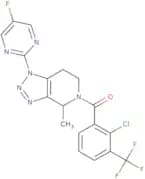
CAS:<p>JNJ-54175446 is a novel antidepressant drug that has a high uptake in the brain. It is an investigational drug that has been shown to have a rapid onset of action and to be effective across multiple depression symptom domains, including mood, anxiety, and cognitive symptoms. JNJ-54175446 binds to the serotonin transporter (SERT) with higher affinity than other antidepressants, which may contribute to its rapid onset of action. The compound also penetrates the blood-brain barrier more easily than other antidepressants and does not show signs of tolerance or withdrawal when used for up to 12 weeks. Clinical studies have shown that JNJ-54175446 has pharmacokinetic properties suitable for once-daily administration. In addition, this drug has been shown to increase levels of brain-derived neurotrophic factor (BDNF) in rats and mice, as well as microglia cells in animal models. This suggests that JNJ-54175446 may have beneficial effects on the brain's microenvironment</p>Formula:C18H13ClF4N6OPurity:Min. 95%Molecular weight:440.8 g/molPAPPA antibody
<p>PAPPA antibody was raised in mouse using purified human PAPP-A/proMBP complex or purified human atherosclerotic tissue form of PAPP-A as the immunogen.</p>ADAR1 antibody
<p>The ADAR1 antibody is a highly specific monoclonal antibody used in Life Sciences research. It has been extensively studied for its biochemical properties and reactivity. This antibody specifically targets ADAR1, an enzyme involved in RNA editing processes. It has been shown to have a high affinity for the chloride monomer and can be used for the immunohistochemical detection of ADAR1 in various tissues. Additionally, this antibody has been found to interact with epidermal growth factor and glucan synthase, indicating its potential role in growth factor signaling pathways. The ADAR1 antibody is a valuable tool for researchers studying RNA editing processes and its impact on cellular function.</p>Purity:Min. 95%NANP antibody
<p>The NANP antibody is a monoclonal antibody that specifically targets the catechol-o-methyltransferase (COMT) enzyme. This antibody has been extensively studied in the field of Life Sciences and has shown promising results as a potential therapeutic agent. The NANP antibody binds to COMT and inhibits its activity, leading to increased levels of vasoactive intestinal peptide (VIP). VIP is an important regulatory peptide involved in various physiological processes, including immune response modulation and cell survival.</p>CRABP2 antibody
<p>CRABP2 antibody was raised in mouse using recombinant human CRABP2 (1-138aa) purified from E. coli as the immunogen.</p>FGF2 protein
<p>The 6-Fluoro-3-indoxyl-beta-D-galactopyranoside is an effective antituberculosis drug that belongs to the class of rifamycins. This powerful compound is specifically designed to combat tuberculosis infection by targeting active compounds and exhibiting bactericidal activity. Its mechanism of action involves binding to DNA-dependent RNA polymerase, inhibiting transcription and replication, thus hindering bacterial growth. Extensive studies have shown its high frequency of human activity using a patch-clamp technique on human erythrocytes. In terms of metabolism, this drug undergoes various transformations such as hydrolysis by esterases or glucuronidases, oxidation by cytochrome P450 enzymes, reduction by glutathione reductase, or conjugation with glucuronic acid. Additionally, it exhibits specific binding properties to markers expressed in Mycobacterium tuberculosis strains, inhibiting their cell growth in culture.</p>Purity:Min. 95%SPAG8 antibody
<p>The SPAG8 antibody is a monoclonal antibody that targets the growth factor SPAG8. It has been shown to bind specifically to SPAG8 and inhibit its activity. SPAG8 is involved in various biological processes, including cell growth, development, and differentiation. The antibody can be used in research and diagnostic applications to detect and quantify SPAG8 levels in samples such as human serum or tissue. Its specificity and high affinity make it a valuable tool for studying the role of SPAG8 in various physiological and pathological conditions. Additionally, the antibody can be used for therapeutic purposes, such as targeting SPAG8-expressing cancer cells or modulating its activity to treat certain diseases.</p>ATP5F1 antibody
<p>ATP5F1 antibody was raised using the middle region of ATP5F1 corresponding to a region with amino acids VTYRERLYRVYKEVKNRLDYHISVQNMMRRKEQEHMINWVEKHVVQSIST</p>ACBD4 antibody
<p>ACBD4 antibody was raised using the N terminal of ACBD4 corresponding to a region with amino acids MGTEKESPEPDCQKQFQAAVSVIQNLPKNGSYRPSYEEMLRFYSYYKQAT</p>Purity:Min. 95%RPS15 antibody
<p>RPS15 antibody was raised using the middle region of RPS15 corresponding to a region with amino acids GVYNGKTFNQVEIKPEMIGHYLGEFSITYKPVKHGRPGIGATHSSRFIPL</p>Csk antibody
<p>The Csk antibody is a highly specialized polyclonal antibody that targets the protein kinase Csk. It has been shown to have neutralizing effects on IFN-gamma and tyrosine phosphorylation, making it a valuable tool for studying the immune response and endotoxemia. This antibody can be used in various applications, including immunohistochemistry and Western blotting, to detect the presence of Csk in different cell types and tissues. Additionally, it has been used as a research tool in the study of antiphospholipid antibodies and their role in autoimmune diseases. The Csk antibody is also available as a monoclonal antibody, providing researchers with options for their specific experimental needs.</p>C16ORF61 antibody
<p>C16ORF61 antibody was raised using the middle region of C16Orf61 corresponding to a region with amino acids NILKFFGYCNDVDRELRKCLKNEYVENRTKSREHGIAMRKKLFNPPEESE</p>ERCC8 antibody
<p>ERCC8 antibody was raised in mouse using recombinant Human Excision Repair Cross-Complementing Rodent Repair Deficiency, Complementation Group 8</p>C10ORF38 antibody
<p>C10ORF38 antibody was raised using the middle region of C10Orf38 corresponding to a region with amino acids ARKSMEREGYESSGNDDYRGSYNTVLSQPLFEKQDREGPASTGSKLTIQE</p>Purity:Min. 95%KLHL5 antibody
<p>KLHL5 antibody was raised in rabbit using the n terminal of KLHL5 as the immunogen</p>Purity:Min. 95%Tetraspanin 31 antibody
<p>Tetraspanin 31 antibody was raised using the middle region of TSPAN31 corresponding to a region with amino acids CTAICKSQSPTCQMCGEKFLKHSDEALKILGGVGLFFSFTEILGVWLAMR</p>Purity:Min. 95%Angiopoietin 2 antibody
<p>The Angiopoietin 2 antibody is a highly effective neutralizing agent that targets annexin A2. It is widely used in Life Sciences research and is a valuable tool for studying the role of angiopoietin 2 in various biological processes. This antibody belongs to the class of Polyclonal Antibodies and has been extensively tested for its specificity and potency.</p>FLJ20674 antibody
<p>FLJ20674 antibody was raised using the N terminal of FLJ20674 corresponding to a region with amino acids LNVTQWFQVWLQVASGPYQIEVHIVATGTLPNGTLYAARGSQVDFSCNSS</p>Purity:Min. 95%Arginase 2 antibody
<p>Arginase 2 antibody was raised using the C terminal of ARG2 corresponding to a region with amino acids SALDLVEVNPQLATSEEEAKTTANLAVDVIASSFGQTREGGHIVYDQLPT</p>Fgf1 antibody
<p>Fgf1 antibody was raised in rabbit using the N terminal of Fgf1 as the immunogen</p>Purity:Min. 95%p16 antibody
<p>The p16 antibody is a diagnostic reagent in the field of Life Sciences. It is an antibody that specifically targets and binds to p16, a protein involved in cell cycle regulation. The p16 antibody is commonly used in research and clinical settings for the detection and analysis of p16 expression levels.</p>CYP4A1 + CYP4A2 + CYP4A3 antibody
<p>CYP4A1/CYP4A2/CYP4A3 antibody was raised in rabbit using a synthetic peptide as the immunogen.</p>Purity:Min. 95%SMARCA2 antibody
<p>SMARCA2 antibody was raised in rabbit using the middle region of SMARCA2 as the immunogen</p>ADAM19 antibody
<p>ADAM19 antibody was raised using a synthetic peptide corresponding to a region with amino acids VADYLEFQKNRRDQDATKHKLIEIANYVDKFYRSLNIRIALVGLEVWTHG</p>Purity:Min. 95%P4HB Blocking Peptide
<p>A synthetic peptide for use as a blocking control in assays to test for specificity of P4HB antibody, catalog no. 70R-5389</p>Purity:Min. 95%Bax antibody
<p>The Bax antibody is a highly effective monoclonal antibody that is widely used in Life Sciences research. It is specifically designed to target and inhibit the pro-angiogenic activity of Bax, a protein that plays a crucial role in angiogenesis. This antibody has been extensively tested and validated using polymerase chain techniques, demonstrating its high specificity and potency.</p>DCX antibody
<p>The DCX antibody is a highly specialized monoclonal antibody that targets CD33, a protein expressed on the surface of certain cells. This antibody has been extensively studied and has shown promising results in various applications.</p>Hemoglobin A1c protein
<p>6-Fluoro-3-indoxyl-beta-D-galactopyranoside: Enhance your tuberculosis treatment with 6-Fluoro-3-indoxyl-beta-D-galactopyranoside. This powerful antituberculosis drug belongs to the class of rifamycins and is specifically designed to combat tuberculosis infections. Its bactericidal activity inhibits bacterial growth by binding to DNA-dependent RNA polymerase, preventing transcription and replication. Tested on human erythrocytes using a patch-clamp technique, this active compound has shown high efficacy. Metabolized through various metabolic transformations, including hydrolysis by esterases or glucuronidases and oxidation by cytochrome P450 enzymes, it ensures optimal results in treating mycobacterium infections. With its ability to bind to markers expressed at high levels in Mycobacterium tuberculosis strains, it effectively inhibits cell growth in culture. Tilmicosin: For effective veterinary treatment of respiratory disorders</p>Purity:>85% By HplcGANP antibody
<p>The GANP antibody is a highly specific monoclonal antibody that is used in various assays to detect and quantify the presence of GANP (glycosylation-associated nuclear protein) in samples. It specifically recognizes the tyrosine phosphorylated form of GANP, which is activated under certain conditions. This antibody has been extensively validated and has shown high sensitivity and specificity in detecting GANP in nuclear extracts from various cell types.</p>Hydrocodone antibody
<p>The Hydrocodone antibody is a monoclonal antibody that specifically targets and binds to glial fibrillary acidic protein (GFAP), an important marker for astrocytes. It has been shown to inhibit the hydroxylase activity of GFAP, which plays a key role in cholinergic neurotransmission. This antibody is widely used in Life Sciences research to study the function and regulation of astrocytes in various physiological and pathological conditions.</p>Purity:Min. 95%FAK antibody
<p>The FAK antibody is a powerful tool in the field of Life Sciences. It is an antiviral antibody that specifically targets and neutralizes a cell antigen known as focal adhesion kinase (FAK). FAK is a key regulator of cell growth, migration, and survival, making it an important target for research and therapeutic applications.</p>β Tubulin antibody
<p>beta Tubulin antibody was raised in mouse using recombinant human beta-Tubulin (1-445aa) purified from E. coli as the immunogen.</p>RAD17 antibody
<p>The RAD17 antibody is a highly specialized growth factor that plays a crucial role in various cellular processes. It has been shown to interact with epidermal growth factor (EGF) and TGF-beta, neutralizing their effects on cell proliferation and differentiation. This monoclonal antibody specifically targets the activated form of RAD17, inhibiting its interaction with β-catenin and other proteins involved in cell signaling pathways. The RAD17 antibody is widely used in Life Sciences research to study the function of this important cell antigen. Additionally, it has been shown to have potential therapeutic applications in diseases related to abnormal cell growth, such as cancer and adipose tissue disorders. With its high specificity and potency, the RAD17 antibody is an invaluable tool for researchers looking to gain deeper insights into cellular processes and develop innovative treatments.</p>MMP1 antibody
<p>The MMP1 antibody is a polyclonal antibody commonly used in life sciences research. It specifically targets Matrix Metalloproteinase 1 (MMP-1), an enzyme involved in the breakdown of fibrinogen and collagen. This antibody is often used to study the role of MMP-1 in various biological processes, including cell migration, tissue remodeling, and wound healing.</p>ZNF607 antibody
<p>ZNF607 antibody was raised in rabbit using the middle region of ZNF607 as the immunogen</p>Purity:Min. 95%DGKA antibody
<p>The DGKA antibody is a highly specialized immunohistochemistry product designed for Life Sciences research. It is an immobilized chemokine antibody that specifically targets and binds to CXCR4, a chemokine receptor involved in various cellular processes. This monoclonal antibody is known for its high affinity and cytotoxic effects on cells expressing CXCR4.</p>A2BP1 antibody
<p>A2BP1 antibody was raised in rabbit using the N terminal of A2BP1 as the immunogen</p>Purity:Min. 95%COPZ1 antibody
<p>The COPZ1 antibody is a highly specialized antibody that targets epidermal growth factor (EGF) and its related molecules. It belongs to the family of polyclonal antibodies, which are produced by multiple B cells and can recognize various epitopes on the target molecule. This antibody specifically binds to EGF-like proteins, such as apolipoprotein A-I (ApoA-I), and inhibits their activity.</p>Calsyntenin 3 antibody
<p>Calsyntenin 3 antibody was raised using the N terminal of CLSTN3 corresponding to a region with amino acids QICYYEILTPNTPFLIDNDGNIENTEKLQYSGERLYKFTVTAYDCGKKRA</p>Purity:Min. 95%Yersinia pestis antibody
<p>The Yersinia pestis antibody is a highly specialized antibody used in the field of Life Sciences. It is known for its neutralizing properties, which means it can effectively block the harmful effects of Yersinia pestis, a bacterium responsible for causing the plague. The antibody works by binding to specific antigens on the surface of Yersinia pestis, triggering an antigen-antibody reaction that prevents the bacterium from infecting host cells.</p>AK3L1 antibody
<p>AK3L1 antibody was raised using the N terminal of AK3L1 corresponding to a region with amino acids MASKLLRAVILGPPGSGKGTVCQRIAQNFGLQHLSSGHFLRENIKASTEV</p>CYP3A1 antibody
<p>CYP3A1 antibody was raised in rabbit using a synthetic peptide as the immunogen.</p>Purity:Min. 95%MLF1 antibody
<p>The MLF1 antibody is a therapeutically important protein inhibitor that targets nucleotide element binding proteins. This antibody is designed to specifically bind to MLF1, a protein involved in various cellular processes. By inhibiting the activity of MLF1, this antibody can potentially regulate gene expression and cellular functions. The MLF1 antibody is highly specific and can be used in various life science research applications. It is commonly used in studies involving protein-protein interactions, signal transduction pathways, and gene regulation. With its high affinity and specificity, this antibody offers researchers a valuable tool for understanding the role of MLF1 in cellular processes.</p>PARD6A antibody
<p>PARD6A antibody was raised using a synthetic peptide corresponding to a region with amino acids MARPQRTPARSPDSIVEVKSKFDAEFRRFALPRASVSGFQEFSRLLRAVH</p>SIRT7 antibody
<p>SIRT7 antibody was raised in rabbit using the middle region of SIRT7 as the immunogen</p>Purity:Min. 95%FAM70A antibody
<p>FAM70A antibody was raised using the N terminal of FAM70A corresponding to a region with amino acids IVDGVFAARHIDLKPLYANRCHYVPKTSQKEAEEVISSSTKNSPSTRVMR</p>Purity:Min. 95%ZBTB26 antibody
<p>ZBTB26 antibody was raised in rabbit using the middle region of ZBTB26 as the immunogen</p>Purity:Min. 95%PLK2 antibody
<p>The PLK2 antibody is a highly specialized monoclonal antibody used in Life Sciences research. It is specifically designed to target and bind to activated PLK2, a protein involved in various cellular processes. This antibody can be immobilized on an electrode for use in assays and experiments. It has been shown to have cytotoxic effects, leading to the lysis of cells when exposed to human serum. Additionally, the PLK2 antibody has antiangiogenic properties, neutralizing the activity of growth factors involved in blood vessel formation. With its high specificity and potency, this antibody is a valuable tool for studying PLK2 and its role in cellular signaling pathways.</p>ROS antibody
<p>The ROS antibody is a highly specialized monoclonal antibody that targets reactive oxygen species (ROS) in the body. It is commonly used in life sciences research to study the effects of ROS on various cellular processes. This antibody specifically binds to ROS, neutralizing their harmful effects and preventing oxidative damage to cells. It has been shown to inhibit the activation of TGF-beta, a key signaling molecule involved in cell growth and differentiation. Additionally, the ROS antibody can be used in combination with other antibodies such as phalloidin to visualize actin filaments and collagen in tissues. This versatile antibody is widely used in research laboratories and is an essential tool for studying oxidative stress and its impact on human health.</p>RNF186 antibody
<p>RNF186 antibody was raised using the N terminal of RNF186 corresponding to a region with amino acids MACTKTLQQSQPISAGATTTTTAVAPAGGHSGSTECDLECLVCREPYSCP</p>Purity:Min. 95%Epiandrosterone antibody
<p>The Epiandrosterone antibody is a highly specialized biomolecule used in ophthalmic formulations. It is an antibody that specifically targets and binds to epiandrosterone, a hormone involved in various physiological processes. This monoclonal antibody has been extensively studied and proven to have high affinity and specificity for epiandrosterone.</p>Purity:Min. 95%GSG1 antibody
<p>GSG1 antibody was raised using the C terminal of GSG1 corresponding to a region with amino acids VLEFKCKHSKSFKENPNCLPHHHQCFPRRLSSAAPTVGPLTSYHQYHNQP</p>Purity:Min. 95%NUP98 antibody
<p>NUP98 antibody was raised using the N terminal of NUP98 corresponding to a region with amino acids EELRLEDYQANRKGPQNQVGAGTTTGLFGSSPATSSATGLFSSSTTNSGF</p>Purity:Min. 95%GSK3β antibody
<p>GSK3beta antibody was raised using the C terminal of GSK3B corresponding to a region with amino acids AIALCSRLLEYTPTARLTPLEACAHSFFDELRDPNVKLPNGRDTPALFNF</p>Archain 1 antibody
<p>Archain 1 antibody was raised using the middle region of ARCN1 corresponding to a region with amino acids GGLQNMELHGMIMLRISDDKYGRIRLHVENEDKKGVQLQTHPNVDKKLFT</p>MBP antibody
<p>The MBP antibody is a monoclonal antibody that specifically targets the antigen known as epidermal growth factor (EGF). This antibody is widely used in Life Sciences research to study the role of EGF in various biological processes. It has been shown to have neutralizing activity against EGF, inhibiting its binding to receptors and blocking downstream signaling pathways. Additionally, the MBP antibody has been used to detect and quantify EGF levels in samples, making it a valuable tool for researchers studying growth factors and their effects. With its high specificity and affinity, this monoclonal antibody offers reliable and accurate results. It is formulated with excipients to ensure stability and long shelf life. The MBP antibody is suitable for use in various applications such as ELISA, Western blotting, immunohistochemistry, and flow cytometry.</p>His Tag antibody
<p>The His Tag antibody is a low-molecular-weight antibody that is widely used in Life Sciences research. It specifically recognizes and binds to the histidine-tagged proteins, which are commonly used as fusion partners in recombinant protein expression systems. The structural formula of the His Tag antibody allows it to easily bind to the activated histidine residues on the target proteins.</p>Cyclin H antibody
<p>The 6-Fluoro-3-indoxyl-beta-D-galactopyranoside is an antituberculosis drug that falls under the class of rifamycins. It is known for its bactericidal activity against tuberculosis infection. This active compound works by inhibiting bacterial growth through its binding to DNA-dependent RNA polymerase, preventing transcription and replication. It has been extensively studied using a patch-clamp technique on human erythrocytes, demonstrating its high frequency of human activity. The drug undergoes various metabolic transformations, including hydrolysis by esterases or glucuronidases, oxidation by cytochrome P450 enzymes, reduction by glutathione reductase, or conjugation with glucuronic acid. Additionally, it specifically binds to markers expressed in Mycobacterium tuberculosis strains and inhibits cell growth in culture.</p>CTCF antibody
<p>CTCF antibody was raised in Rat using Mouse CTCF-C-terminal fragment as the immunogen.</p>Tropomyosin antibody
<p>The Tropomyosin antibody is a highly specialized monoclonal antibody that has neutralizing, cytotoxic, and growth factor properties. It is commonly used in Life Sciences research and as an immunomodulatory agent in the development of anticancer agents. This monoclonal antibody specifically targets tropomyosin, a glycoprotein involved in cell motility and muscle contraction.</p>IFN β antibody
<p>IFN beta antibody was raised in mouse using human interferon gamma as the immunogen.</p>SGCB antibody
<p>SGCB antibody was raised using a synthetic peptide corresponding to a region with amino acids FSTDYETHEFHLPSGVKSLNVQKASTERITSNATSDLNIKVDGRAIVRGN</p>Purity:Min. 95%ADRB3 antibody
<p>The 6-Fluoro-3-indoxyl-beta-D-galactopyranoside is a powerful antituberculosis drug that falls under the class of rifamycins. It is specifically designed to combat tuberculosis infections by targeting active compounds and exhibiting bactericidal activity. The drug works by binding to DNA-dependent RNA polymerase, effectively preventing transcription and replication, thus inhibiting bacterial growth. Its efficacy has been demonstrated through extensive testing using the patch-clamp technique on human erythrocytes. Additionally, this drug undergoes various metabolic transformations, including hydrolysis by esterases or glucuronidases, oxidation by cytochrome P450 enzymes, reduction by glutathione reductase, or conjugation with glucuronic acid. Moreover, it possesses the unique ability to bind to markers expressed at high levels in Mycobacterium tuberculosis strains and inhibit their cell growth in culture.</p>YIPF1 antibody
<p>YIPF1 antibody was raised using the middle region of YIPF1 corresponding to a region with amino acids HLGEKTYHYVPEFRKVSIAATIIYAYAWLVPLALWGFLMWRNSKVMNIVS</p>Purity:Min. 95%IL6 antibody
<p>IL6 antibody is a monoclonal antibody that specifically targets interleukin-6 (IL-6), a cytokine involved in various inflammatory processes. This antibody has been developed as a therapeutic agent for the treatment of conditions associated with IL-6 overexpression, such as rheumatoid arthritis and certain types of cancer. IL6 antibody works by binding to IL-6 and neutralizing its activity, thereby reducing inflammation and inhibiting tumor growth. It has been shown to have high specificity and affinity for IL-6, making it an effective tool for immunoassays in Life Sciences research. Additionally, IL6 antibody can be used in vitro to measure IL-6 levels in biological samples, providing valuable insights into disease progression and response to treatment. With its unique properties and potential therapeutic applications, IL6 antibody is a valuable tool for researchers and clinicians alike.</p>PARP16 antibody
<p>PARP16 antibody was raised using a synthetic peptide corresponding to a region with amino acids KRDSVLRPFPASYARGDCKDFEALLADASKLPNLKELLQSSGDNHKRAWD</p>Purity:Min. 95%Resistin antibody
<p>Resistin antibody was raised in mouse using highly pure recombinant human resistin as the immunogen.</p>SIGLEC7 antibody
<p>SIGLEC7 antibody was raised using the middle region of SIGLEC7 corresponding to a region with amino acids WRSLTLYPSQPSNPLVLELQVHLGDEGEFTCRAQNSLGSQHVSLNLSLQQ</p>Purity:Min. 95%MRPL48 antibody
<p>MRPL48 antibody was raised using the middle region of MRPL48 corresponding to a region with amino acids KKGKVEVRAINLGTDYEYGVLNIHLTAYDMTLAESYAQYVHNLCNSLSIK</p>Androgen Receptor antibody
<p>Androgen receptor antibody was raised in rabbit using a synthetic peptide corresponding to residues M(1) E V Q L G L G R V Y P R P P S K T Y R G(21) C of human androgen receptor as the immunogen.</p>Purity:Min. 95%Keratin K18 antibody
<p>Keratin K18 antibody was raised in mouse using human keratin preparation as the immunogen.</p>ATXN7 antibody
<p>ATXN7 antibody was raised in rabbit using the middle region of ATXN7 as the immunogen</p>Purity:Min. 95%Binapacryl
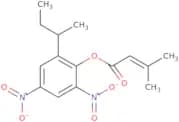
CAS:Controlled Product<p>Binapacryl is a chemical compound classified as an acaricide and fungicide. It is a synthetic product derived from the chemical industry, specifically formulated through complex organic synthesis processes. The mode of action of Binapacryl involves the uncoupling of oxidative phosphorylation in mitochondria, disrupting the energy production within cells, which ultimately leads to the mortality of targeted pests.</p>Formula:C15H18N2O6Purity:Min. 95%Molecular weight:322.31 g/molZIC4 antibody
<p>The ZIC4 antibody is a highly specialized medicament that targets specific autoantibodies in the body. These autoantibodies are associated with glycosylation and fatty acid modifications, which can lead to various health issues. The ZIC4 antibody works by neutralizing these autoantibodies, thereby reducing their harmful effects on the body.</p>CA 19-9 antibody
<p>The CA 19-9 antibody is a monoclonal antibody that specifically targets the CA 19-9 antigen. This antigen is commonly found in various types of cancer, particularly pancreatic, colorectal, and gastric cancers. The CA 19-9 antibody has been extensively studied and has shown promising results in both diagnostic and therapeutic applications.</p>LYVE1 antibody
<p>LYVE1 antibody was raised in mouse using recombinant human LYVE-1 (25-235 aa) purified from E. coli as the immunogen.</p>VCAM1 antibody
<p>The 6-Fluoro-3-indoxyl-beta-D-galactopyranoside is a powerful antituberculosis drug that falls under the class of rifamycins. It is known for its bactericidal activity against tuberculosis infection and is highly effective in inhibiting bacterial growth. This drug works by binding to DNA-dependent RNA polymerase, preventing transcription and replication. The active form of this drug has been extensively studied using advanced techniques like the patch-clamp technique on human erythrocytes. It undergoes various metabolic transformations, including hydrolysis, oxidation, reduction, or conjugation with glucuronic acid. Additionally, it specifically targets markers expressed in Mycobacterium tuberculosis strains, inhibiting their cell growth in culture.</p>Phencyclidine antibody
<p>Phencyclidine antibody is a highly specialized antibody used in Life Sciences research. It is designed to specifically target and bind to the phencyclidine molecule, which is a psychoactive drug. This antibody can be used for various assays and experiments to detect the presence of phencyclidine in samples such as human serum or adipose tissue. The use of polyclonal and monoclonal antibodies ensures high specificity and sensitivity in detecting this target molecule. Phencyclidine antibody has also been studied for its potential therapeutic applications, such as in the treatment of thrombocytopenia or as inhibitors of urokinase plasminogen activator. Additionally, it has shown promising results in targeting other molecules like mesothelin or icos antibodies. Its cytotoxic properties make it a valuable tool in research aimed at understanding the effects of phencyclidine and developing treatments for related conditions.</p>Purity:Min. 95%ENTPD7 antibody
<p>ENTPD7 antibody was raised using the C terminal of ENTPD7 corresponding to a region with amino acids EHRLKYQCFKSAWMYQVLHEGFHFPYDYPNLRTAQLVYDREVQWTLGAIL</p>Purity:Min. 95%DCBLD1 Blocking Peptide
<p>A synthetic peptide for use as a blocking control in assays to test for specificity of DCBLD1 antibody, catalog no. 70R-6113</p>Purity:Min. 95%ZNF791 antibody
<p>ZNF791 antibody was raised in rabbit using the middle region of ZNF791 as the immunogen</p>Purity:Min. 95%RAGE Blocking Peptide
<p>The RAGE Blocking Peptide is a highly effective cytotoxic peptide that targets the nuclear receptor RAGE (Receptor for Advanced Glycation Endproducts). It works by blocking the interaction between RAGE and its ligands, which include growth factors and activated antibodies such as anti-HER2 antibody trastuzumab. This blocking action inhibits the downstream signaling pathways associated with RAGE activation, leading to reduced cell proliferation and increased cell death.</p>Purity:Min. 95%