Biochemicals and Reagents
Biochemicals and reagents are fundamental substances for research and development in fields such as biotechnology, molecular biology, pharmacology, and medicine. These products are essential for a variety of applications, including compound synthesis, biological sample analysis, metabolic process research, and drug production. At CymitQuimica, we offer a wide selection of high-quality, high-purity biochemicals and reagents suitable for various scientific and industrial needs. Our catalog includes enzymes, antibodies, nucleic acids, amino acids, and many other products, all designed to support researchers and professionals in their research and development projects, ensuring reliable and reproducible results.
Subcategories of "Biochemicals and Reagents"
- Biomolecules(99,104 products)
- By Biological Target(99,074 products)
- By Pharmacological Effects(6,784 products)
- Cryopreservatives(21 products)
- Desinfectants and Related Compounds(28 products)
- Hormones(346 products)
- Plant Biology(6,693 products)
- Secondary Metabolites(14,218 products)
Found 130576 products of "Biochemicals and Reagents"
Sort by
Purity (%)
0
100
|
0
|
50
|
90
|
95
|
100
TGFBR2 antibody
<p>The TGFBR2 antibody is a polyclonal antibody that specifically targets the growth factor receptor known as TGFBR2. This antibody has been extensively studied and has shown promising results in various applications. It has been used in combination with other antibodies, such as trastuzumab, to enhance the cytotoxic effects against cancer cells. Additionally, the TGFBR2 antibody has been used to detect and quantify specific antibodies, including anti-ACTH antibodies, in various samples. It has also been utilized in research studies involving mycoplasma genitalium and collagen inhibitors. The TGFBR2 antibody is a valuable tool for researchers studying EGF-like growth factors, TGF-beta signaling pathways, chemokines, and other related areas of study. With its high specificity and neutralizing capabilities, this monoclonal antibody is an essential asset for any researcher in need of reliable and accurate results.</p>Purity:Min. 95%ApoA-I protein
<p>ApoA-I protein is a collagen-like protein that plays a crucial role in various biological processes. It is commonly used in research and diagnostic applications. This native protein can be targeted with monoclonal antibodies to detect autoantibodies or used as a control in experiments. ApoA-I protein contains amide groups, which are important for its structure and function. It interacts with phosphatases, growth factors, and endothelial growth inhibitors to regulate endothelial cell proliferation. Additionally, it can activate tyrosine kinase receptors, leading to downstream signaling pathways. ApoA-I protein is widely used in life sciences research for studying cardiovascular diseases, lipid metabolism, and other related fields.</p>Purity:Min. 95%RXRB antibody
<p>The RXRB antibody is a highly specialized antibody that targets the RXR-beta protein, which is a cation channel and methyl transferase found in the nucleus of cells. This antibody is widely used in various research fields, including life sciences and medicine. It can be used in assays to detect the presence of RXR-beta protein or to study its function in different cellular processes.</p>NUP155 antibody
<p>NUP155 antibody was raised using the middle region of NUP155 corresponding to a region with amino acids ISLHLQDICPLLYSTDDAICSKANELLQRSRQVQNKTEKERMLRESLKEY</p>DHRS2 antibody
<p>DHRS2 antibody was raised using a synthetic peptide corresponding to a region with amino acids LEHCGGVDFLVCSAGVNPLVGSTLGTSEQIWDKILSVNVKSPALLLSQLL</p>MMP16 antibody
<p>MMP16 antibody was raised using a synthetic peptide corresponding to a region with amino acids ALAAMQQFYGINMTGKVDRNTIDWMKKPRCGVPDQTRGSSKFHIRRKRYA</p>Purity:Min. 95%α Actinin 3 antibody
<p>alpha Actinin 3 antibody was raised using the N terminal of ACTN3 corresponding to a region with amino acids VQNFHTSWKDGLALCALIHRHRPDLIDYAKLRKDDPIGNLNTAFEVAEKY</p>RAD51 antibody
<p>The RAD51 antibody is a highly specialized monoclonal antibody that is used in Life Sciences research. It specifically targets the RAD51 protein, which plays a crucial role in DNA repair and recombination. This antibody has been extensively tested and validated for use in various applications, including Western blotting, immunoprecipitation, and immunofluorescence.</p>SLCO1A2 antibody
<p>SLCO1A2 antibody was raised using the middle region of SLCO1A2 corresponding to a region with amino acids AIIGPLIGLLLASFCANVYVDTGFVNTDDLIITPTDTRWVGAWWFGFLIC</p>Purity:Min. 95%JARID2 Blocking Peptide
<p>A synthetic peptide for use as a blocking control in assays to test for specificity of JARID2 antibody, catalog no. 70R-5246</p>Purity:Min. 95%GTF2A1 antibody
<p>GTF2A1 antibody was raised in mouse using recombinant Human General Transcription Factor Iia, 1, 19/37Kda (Gtf2A1)</p>RSV protein
<p>RSV protein is a multifunctional protein that possesses various characteristics and plays important roles in different biological processes. It functions as an endonuclease, cleaving DNA at specific sites. Additionally, RSV protein contains sugar moieties that contribute to its stability and function. Monoclonal antibodies targeting RSV protein have been developed for research purposes in the field of Life Sciences. These antibodies have been used to study the expression and localization of RSV protein in various tissues and cell types. Studies have shown that RSV protein is involved in regulating microvessel density, which is important for angiogenesis and tissue development. It has also been found to possess EGF-like domains, suggesting a potential role in cell signaling pathways. Furthermore, RSV protein exhibits hyaluronidase activity, which allows it to degrade hyaluronic acid, an important component of the extracellular matrix. This activity may contribute to tissue remodeling processes. In human serum, RSV protein has been found to interact</p>Purity:> 90% By Sds-PageID1 antibody
<p>The ID1 antibody is a powerful tool in the field of Life Sciences. It is a neutralizing antibody that targets TGF-β1, a key protein involved in various cellular processes. This antibody can effectively block the activity of TGF-β1, preventing its interaction with receptors and downstream signaling pathways. Additionally, the ID1 antibody has been shown to inhibit the binding of TGF-β1 to fibrinogen, further highlighting its potential therapeutic applications.</p>CYP1A1 antibody
<p>CYP1A1 antibody was raised using the middle region of CYP1A1 corresponding to a region with amino acids FKDLNEKFYSFMQKMVKEHYKTFEKGHIRDITDSLIEHCQEKQLDENANV</p>Purity:Min. 95%Perilipin antibody
<p>Perilipin antibody was raised in mouse using synthetic peptide of perilipin as the immunogen.</p>ATM antibody
<p>The ATM antibody is a highly specialized monoclonal antibody that targets specific antigens in the human body. It is primarily used in the field of life sciences for research purposes and has shown great potential in various applications.</p>SRPRB antibody
<p>SRPRB antibody was raised using the middle region of SRPRB corresponding to a region with amino acids QDIAMAKSAKLIQQQLEKELNTLRVTRSAAPSTLYSSSTAPAQLGKKGKE</p>Purity:Min. 95%Caspase 3 antibody
<p>The Caspase 3 antibody is a highly effective neutralizing agent that belongs to the class of monoclonal antibodies. It is widely used in Life Sciences research and has proven to be invaluable in various applications. The Caspase 3 antibody works by binding to the enzyme caspase 3, which plays a crucial role in the process of programmed cell death (apoptosis). By neutralizing caspase 3, this antibody effectively prevents the activation of downstream apoptotic pathways.</p>Dog RBC antibody (FITC)
<p>Canine RBC antibody (FITC) was raised in rabbit using canine erythrocytes as the immunogen.</p>LAX1 antibody
<p>LAX1 antibody was raised using the middle region of LAX1 corresponding to a region with amino acids LFVLPSTQKLEFTEERDEGCGDAGDCTSLYSPGAEDSDSLSNGEGSSQIS</p>Purity:Min. 95%FGF21 antibody
<p>FGF21 antibody is a monoclonal antibody that belongs to the class of antibodies used in Life Sciences. It specifically targets and inhibits the activity of vascular endothelial growth factor (VEGF), a growth factor involved in angiogenesis. This antibody has been shown to be effective in blocking the activation of VEGF, thereby preventing the formation of new blood vessels. FGF21 antibody also exhibits anticoagulant properties by inhibiting platelet aggregation, making it useful for conditions such as heparin-induced thrombocytopenia. Additionally, this antibody has natriuretic effects and can regulate fluid balance in the body. With its antiangiogenic properties, FGF21 antibody holds great potential for therapeutic applications in various diseases related to abnormal blood vessel growth.</p>Slc6a9 antibody
<p>Slc6a9 antibody was raised in rabbit using the C terminal of Slc6a9 as the immunogen</p>Purity:Min. 95%LIAS antibody
<p>LIAS antibody was raised using the C terminal of LIAS corresponding to a region with amino acids EYITPEKFKYWEKVGNELGFHYTASGPLVRSSYKAGEFFLKNLVAKRKTK</p>SERPINA1 antibody
<p>The SERPINA1 antibody is an insulin-like monoclonal antibody that has been immobilized for use in various applications. It can be used to detect and quantify interferon (IFN)-gamma, a growth factor involved in immune response. The antibody can also be used to study the function of recombinant proteins and their interactions with alpha-synuclein, a protein associated with neurodegenerative disorders. Additionally, the SERPINA1 antibody can be used to detect and measure activated antibodies and monitor antigen-antibody interactions. It has also been shown to play a role in sumoylation and fatty acid metabolism. With its versatile applications, this antibody is a valuable tool for researchers in various fields.</p>HAS3 antibody
<p>HAS3 antibody was raised using the N terminal of HAS3 corresponding to a region with amino acids GQALKLPSPRRGSVALCIAAYQEDPDYLRKCLRSAQRISFPDLKVVMVVD</p>Purity:Min. 95%ZMYND8 antibody
<p>The ZMYND8 antibody is a highly specialized monoclonal antibody that is used in the field of Life Sciences. It is designed to target a specific molecule called ZMYND8, which has been found to be associated with thrombocytopenia. This condition is characterized by low levels of platelets in the blood, leading to increased risk of bleeding and bruising.</p>CD15 antibody
<p>The CD15 antibody is a highly specialized monoclonal antibody that targets the chemokine receptor CD15. It has been extensively studied for its potential therapeutic applications in various fields, including autoantibodies, interferon, and growth factor research. This antibody has shown great promise in neutralizing the effects of CD15, thereby inhibiting the activity of this chemokine receptor.</p>HACE1 antibody
<p>HACE1 antibody was raised using the middle region of HACE1 corresponding to a region with amino acids DVSDWIKNTEYTSGYEREDPVIQWFWEVVEDITQEERVLLLQFVTGSSRV</p>ZBTB43 antibody
<p>ZBTB43 antibody was raised in rabbit using the N terminal of ZBTB43 as the immunogen</p>Purity:Min. 95%FAM120A antibody
<p>FAM120A antibody was raised using the middle region of FAM120A corresponding to a region with amino acids SGGATNHISGNKIGWEKTGSHSEPQARGDPGDQTKAEGSSTASSGSQLAE</p>Nod2 antibody
<p>The Nod2 antibody is a highly specialized monoclonal antibody that binds to the Nod2 receptor. This receptor is involved in various cellular processes and plays a crucial role in immune responses. The Nod2 antibody has been extensively studied and proven to have high affinity and specificity for its target.</p>DHPS antibody
<p>The DHPS antibody is a highly specific monoclonal antibody that targets the epidermal growth factor receptor (EGFR) pathway. It plays a crucial role in regulating cell growth, proliferation, and survival. This antibody has been extensively studied in Life Sciences research and has proven to be an invaluable tool for studying various cellular processes.</p>BAG3 antibody
<p>BAG3 antibody was raised using the middle region of BAG3 corresponding to a region with amino acids NVTRPAAQPSFHQAQKTHYPAQQGEYQTHQPVYHKIQGDDWEPRPLRAAS</p>Purity:Min. 95%Chlamydia antibody
<p>Chlamydia antibody was raised in mouse using Chlamydia antigen as the immunogen.</p>gAcrp30 antibody
<p>gAcrp30 antibody was raised in goat using highly pure recombinant human gAcrp30/adipolean as the immunogen.</p>Purity:Min. 95%CREB antibody
<p>The CREB antibody is a highly specialized monoclonal antibody that is designed to target and bind to the CREB protein. It is commonly used in research laboratories and medical settings for its ability to detect and measure levels of CREB in various biological samples. The antibody is produced using advanced techniques, including hybridization of human hepatocytes with chimeric proteins and subsequent purification steps. It is conjugated with bovine γ-globulin for enhanced stability and reliability.</p>hnRNP A1 antibody
<p>The hnRNP A1 antibody is a monoclonal antibody used in Life Sciences research. It specifically targets hnRNP A1, a protein involved in various cellular processes including RNA metabolism and splicing. This antibody is commonly used in assays to study the function and localization of hnRNP A1 in different cell types and tissues. Additionally, it has been shown to have potential therapeutic applications in antiestrogen therapy, as it can inhibit the growth factor signaling pathway mediated by hnRNP A1. The hnRNP A1 antibody is highly specific and has been extensively validated for its performance in various experimental settings. With its ability to detect and quantify hnRNP A1 levels, this antibody is an essential tool for researchers studying adipose biology, fatty acid metabolism, and protein kinase signaling pathways.</p>ARAF antibody
<p>The ARAF antibody is a peptide receptor that is widely used in Life Sciences. It is available as both monoclonal and polyclonal antibodies, making it a versatile tool for researchers. This antibody specifically targets the ARAF protein, which plays a crucial role in various cellular processes. The ARAF antibody can be used as a diagnostic reagent to detect the expression of ARAF in different cell types or tissues. Additionally, it has been shown to be effective in studying tumor-related macrophages and their interactions with hematopoietic cells. The ARAF antibody is also useful for studying the extracellular environment and its impact on cellular behavior. Whether you are conducting research in cancer biology, immunology, or other fields, the ARAF antibody is an essential tool for investigating cellular signaling pathways and understanding disease mechanisms.</p>NEDD4L Blocking Peptide
<p>A synthetic peptide for use as a blocking control in assays to test for specificity of NEDD4L antibody, catalog no. 70R-2633</p>Purity:Min. 95%BAG2 antibody
<p>The BAG2 antibody is a highly specialized monoclonal antibody that targets specific antigens in the field of Life Sciences. This antibody specifically recognizes lysine residues on its target antigen, allowing for precise and accurate detection. The BAG2 antibody has been extensively studied for its ability to inhibit syncytia formation, a process involved in cell fusion. Additionally, this antibody has shown promising results as an inhibitor of growth factors and non-phosphorylated proteins. With its unique properties, the BAG2 antibody is a valuable tool for researchers studying various cellular processes, including the nuclear localization of β-catenin.</p>Serotonin receptor 3C antibody
<p>Serotonin receptor 3C antibody was raised using a synthetic peptide corresponding to a region with amino acids CCPTAPQKGNKGLGLTLTHLPGPKEPGELAGKKLGPRETEPDGGSGWTKT</p>Purity:Min. 95%SETBP1 antibody
<p>SETBP1 antibody was raised in rabbit using the middle region of SETBP1 as the immunogen</p>Purity:Min. 95%CXCR2 antibody
<p>CXCR2 antibody was raised in rabbit using a synthetic peptide conjugated to KLH as the immunogen.</p>Purity:Min. 95%Rotavirus SA11 protein
<p>The Rotavirus SA11 protein is a native protein that plays a crucial role in the antigen-antibody reaction. It has been widely used in research and diagnostic applications for its natriuretic properties. The Rotavirus SA11 protein can be utilized in various assays such as hybridization, phosphatase labeling, and neutralizing antibody assays. Additionally, it has shown potential therapeutic benefits in the treatment of conditions related to dopamine dysregulation and autoantibodies. This protein is also being explored for its ability to inhibit the growth factor and anti-beta amyloid activities. With its versatility and diverse applications, the Rotavirus SA11 protein is an essential component for researchers and scientists working in the field of Proteins and Antigens.</p>Purity:Min. 95%HADH antibody
<p>HADH antibody was raised using the C terminal of HADH corresponding to a region with amino acids YPMGPFELLDYVGLDTTKFIVDGWHEMDAENPLHQPSPSLNKLVAENKFG</p>BTNL9 antibody
<p>BTNL9 antibody was raised using the N terminal of BTNL9 corresponding to a region with amino acids EIRWFRSQTFNVVHLYQEQQELPGRQMPAFRNRTKLVKDDIAYGSVVLQL</p>Purity:Min. 95%p38 MAPK antibody
<p>The p38 MAPK antibody is a highly effective tool used in Life Sciences research. It is a polyclonal antibody that specifically targets and neutralizes the activity of p38 MAPK, a protein involved in various cellular processes. This antibody has been extensively tested and validated for its specificity and reliability.</p>Perforin antibody
<p>The Perforin antibody is a monoclonal antibody that acts as an immunosuppressant in the field of Life Sciences. It specifically targets and neutralizes perforin, a protein involved in immune cell function. This antibody has been extensively studied and proven effective in inhibiting the activity of perforin, which plays a crucial role in cell-mediated cytotoxicity. By blocking perforin, this antibody helps regulate immune responses and has potential applications in various research areas such as cancer, autoimmune diseases, and transplantation. With its high specificity and potency, the Perforin antibody is a valuable tool for scientists studying immune system regulation and related pathways.</p>SLC26A4 antibody
<p>SLC26A4 antibody was raised using the middle region of SLC26A4 corresponding to a region with amino acids ELNDRFRHKIPVPIPIEVIVTIIATAISYGANLEKNYNAGIVKSIPRGFL</p>Purity:Min. 95%PLK1 antibody
<p>The PLK1 antibody is a cyclic peptide that is widely used in Life Sciences research. It has a low pH and is able to penetrate cell membranes, making it an effective tool for studying protein kinase activity. This antibody has a stimulatory effect on cellular processes and can be used to investigate the role of specific proteins in various biological pathways.</p>Abcb10 antibody
<p>Abcb10 antibody was raised in rabbit using the middle region of Abcb10 as the immunogen</p>Purity:Min. 95%MRPS12 antibody
<p>MRPS12 antibody was raised using the N terminal of MRPS12 corresponding to a region with amino acids LVPRLWATCSMATLNQMHRLGPPKRPPRKLGPTEGRPQLKGVVLCTFTRK</p>EDAR antibody
<p>EDAR antibody is a cytotoxic monoclonal antibody that targets the EDAR protein. It contains disulfide bonds and has been shown to inhibit the binding of c-myc to its target DNA sequence. This antibody can be used for hybridization studies, as well as in vitro and in vivo experiments to investigate the role of EDAR in various biological processes. The EDAR antibody has been used as an inhibitor in studies investigating the function of EDAR signaling pathways. It has also been used in combination with other antibodies or drugs, such as ketamine, to enhance its cytotoxic effects. This monoclonal antibody specifically binds to the extracellular domain of EDAR and has been used as a tool in life sciences research to study the function and regulation of this protein.</p>Rat Macrophage antibody
<p>Rat macrophage antibody was raised in rabbit using rat macrophages as the immunogen.</p>Purity:Min. 95%Diphtheria toxin antibody
<p>Diphtheria toxin antibody was raised in mouse using the A subunit (free & bound) of diphtheria toxin as the immunogen.</p>RRAGD antibody
<p>RRAGD antibody was raised using the middle region of RRAGD corresponding to a region with amino acids CDMIDVVIDISCIYGLKEDGAGTPYDKESTAIIKLNNTTVLYLKEVTKFL</p>GPR27 antibody
<p>GPR27 antibody was raised using the N terminal of GPR27 corresponding to a region with amino acids MANASEPGGSGGGEAAALGLKLATLSLLLCVSLAGNVLFALLIVRERSLH</p>Purity:Min. 95%PFKP antibody
<p>The PFKP antibody is a monoclonal antibody used in the field of Life Sciences. It is specifically designed to target and bind to the PFKP protein, which plays a crucial role in regulating glucose metabolism. This antibody is produced through advanced techniques that ensure high specificity and purity.</p>PML antibody
<p>The PML antibody is a monoclonal antibody that specifically targets the protein known as promyelocytic leukemia (PML). It has been extensively studied in the field of Life Sciences and is widely used in research and diagnostic applications. The PML antibody binds to PML, inhibiting its activity and preventing its interaction with other proteins. This antibody has been shown to have neutralizing effects on PML function, making it a valuable tool for studying the role of PML in various cellular processes. Additionally, the PML antibody has been conjugated with different tags such as fluorescein isothiocyanate (FITC) or horseradish peroxidase (HRP), allowing for easy detection and visualization of PML in cells and tissues. With its high specificity and affinity, the PML antibody provides researchers with a reliable tool for investigating the function of PML and its potential involvement in disease processes.</p>NFATc2 antibody
<p>NFATc2 antibody was raised in rabbit using residues 269-281 [ASPQRSRSPSPQP] of the human NFATc2 protein as the immunogen.</p>Purity:Min. 95%Ferritin light chain antibody
<p>The Ferritin light chain antibody is a monoclonal antibody that targets the ferritin light chain protein. This antibody has been shown to have various characteristics and functions, including its ability to modulate vasoactive intestinal peptide (VIP) and growth factor signaling pathways. Additionally, it has been found to interact with dopamine and regulate copper concentrations in cells.</p>LCK antibody
<p>The LCK antibody is a highly specialized antibody used in Life Sciences research. It belongs to the group of Monoclonal Antibodies and is known for its cytotoxic and neutralizing properties. The LCK antibody specifically targets β-catenin, a protein involved in cell adhesion and signaling pathways.</p>HIV1 gp41 antibody
<p>HIV1 gp41 antibody was raised in goat using recombinant ectodomain of gp41 as the immunogen.</p>Purity:Min. 95%Vaspin antibody
<p>Vaspin antibody was raised in mouse using recombinant human Vaspin (21-414aa) purified from E. coli as the immunogen.</p>VPS4A antibody
<p>VPS4A antibody was raised using a synthetic peptide corresponding to a region with amino acids LRSKEKHGKKPVKENQSEGKGSDSDSEGDNPEKKKLQEQLMGAVVMEKPN</p>Nuclear Pore Complex antibody
<p>The Nuclear Pore Complex antibody is a highly specific monoclonal antibody designed for use in Life Sciences research. It is used to detect and study the nuclear pore complex, a structure that regulates the transport of molecules between the nucleus and cytoplasm. This antibody binds specifically to proteins within the nuclear pore complex, allowing researchers to visualize and study its function.</p>YARS antibody
<p>YARS antibody was raised in mouse using recombinant Tyrosyl-Trna Synthetase (Yars)</p>TSH β protein
<p>TSH beta protein is a native protein that belongs to the group of proteins and antigens. It is commonly used in life sciences research, particularly in studies related to colony-stimulating factors. TSH beta protein has been shown to have various functions, including the regulation of metabolism and growth. It can interact with other molecules such as flavobacterium, glucagon, monoclonal antibodies, and inhibitors. Additionally, TSH beta protein has been found to play a role in adipose tissue function and the production of growth factors like GM-CSF (granulocyte-macrophage colony-stimulating factor). Researchers often utilize TSH beta protein in experiments involving electrodes and anti-MERTK antibodies due to its unique properties and interactions.</p>Purity:≥98% By Sds-PageTSTA3 antibody
<p>The 6-Fluoro-3-indoxyl-beta-D-galactopyranoside is a powerful antituberculosis drug that falls under the class of rifamycins. It is specifically designed to combat tuberculosis infections by targeting the active compounds responsible for bactericidal activity. Through its unique mechanism of action, this drug binds to DNA-dependent RNA polymerase, preventing transcription and replication, ultimately inhibiting bacterial growth.</p>PAFAH1B3 antibody
<p>PAFAH1B3 antibody was raised using the middle region of PAFAH1B3 corresponding to a region with amino acids GHTAEQVTGGIKAIVQLVNERQPQARVVVLGLLPRGQHPNPLREKNRQVN</p>Purity:Min. 95%PUS10 antibody
<p>PUS10 antibody was raised using the middle region of PUS10 corresponding to a region with amino acids AVFVAGRYNKYSRNLPQTPWIIDGERKLESSVEELISDHLLAVFKAESFN</p>CD2 antibody
<p>The CD2 antibody is a monoclonal antibody that plays a crucial role in the field of Life Sciences. It interacts with CD2, a cell surface glycoprotein expressed on T cells, natural killer cells, and thymocytes. This antibody has been extensively studied for its potential applications in various areas of research.</p>C11ORF65 antibody
<p>C11ORF65 antibody was raised using the N terminal Of C11Orf65 corresponding to a region with amino acids MPWKEESEFTKQDKAARVIQQAWKSFLNVAIFQHFKSLIDLRRQGEPRQI</p>PLDN antibody
<p>PLDN antibody was raised using a synthetic peptide corresponding to a region with amino acids MSVPGPSSPDGALTRPPYCLEAGEPTPGLSDTSPDEGLIEDLTIEDKAVE</p>Tau antibody
<p>The 6-Fluoro-3-indoxyl-beta-D-galactopyranoside is a powerful antituberculosis drug classified under rifamycins. It is specifically designed to combat tuberculosis infections by targeting the active compounds responsible for bactericidal activity. This drug inhibits bacterial growth by binding to DNA-dependent RNA polymerase, preventing transcription and replication. Its efficacy has been proven through extensive testing using the patch-clamp technique on human erythrocytes. Metabolically, it undergoes various transformations such as hydrolysis by esterases or glucuronidases, oxidation by cytochrome P450 enzymes, reduction by glutathione reductase, or conjugation with glucuronic acid. Additionally, it exhibits high affinity towards markers expressed in Mycobacterium tuberculosis strains, leading to cell growth inhibition in culture.</p>SLC39A5 antibody
<p>SLC39A5 antibody was raised using a synthetic peptide corresponding to a region with amino acids HYLAQLFGLYGENGTLTAGGLARLLHSLGLGRVQGLRLGQHGPLTGRAAS</p>Purity:Min. 95%INSR antibody
<p>INSR antibody was raised in rabbit using a synthetic peptide conjugated to KLH as the immunogen.</p>Purity:Min. 95%ALDH3A1 antibody
<p>The ALDH3A1 antibody is a powerful tool in the field of antiviral research. It belongs to the class of Monoclonal Antibodies, which are highly specific and effective in targeting specific antigens. This antibody has been extensively studied for its ability to neutralize autoantibodies and antibodies that can cause autoimmune diseases. It has also shown promising results in combination with gemcitabine treatment, enhancing the effectiveness of this chemotherapy drug.</p>HAL antibody
<p>HAL antibody was raised using the N terminal of HAL corresponding to a region with amino acids INKLQELQVNLVRSHSSGVGKPLSPERCRMLLALRINVLAKGYSGISLET</p>BAT5 antibody
<p>BAT5 antibody was raised using the middle region of BAT5 corresponding to a region with amino acids RAKLLACDGNEIDTMFVDRRGTAEPQGQKLVICCEGNAGFYEVGCVSTPL</p>Purity:Min. 95%GPT2 antibody
<p>GPT2 antibody was raised using a synthetic peptide corresponding to a region with amino acids EIKGQLVKLLSVRLCPPVSGQAAMDIVVNPPVAGEESFEQFSREKESVLG</p>β-2-microglobulin monoclonal antibody
<p>The Beta-2-microglobulin monoclonal antibody is a highly specialized antibody that targets and interacts with beta-2-microglobulin, a protein found on the surface of various cells. This antibody has been extensively studied in the field of Life Sciences and has shown promising results in different applications.</p>IMPAD1 antibody
<p>IMPAD1 antibody was raised using the N terminal of IMPAD1 corresponding to a region with amino acids VLAAVRGGDEVRRVRESNVLHEKSKGKTREGAEDKMTSGDVLSNRKMFYL</p>Purity:Min. 95%MDM2 antibody
<p>The MDM2 antibody is a neutralizing monoclonal antibody that targets the MDM2 protein. It has been shown to inhibit the activity of interleukin-6 (IL-6) and tumor necrosis factor-alpha (TNF-α), two pro-inflammatory cytokines involved in immune responses. This antibody is reactive against adipose tissue and has been used in studies involving conditions such as obesity and metabolic disorders. Additionally, the MDM2 antibody has shown potential therapeutic effects against Brucella abortus, a bacterial pathogen that causes brucellosis. The colloidal gold-labeled MDM2 antibody can be used for immunohistochemistry or immunocytochemistry applications. This antibody also demonstrates inhibitory activity against certain family kinases and amyloid proteins. Overall, the MDM2 antibody offers a versatile tool for researchers studying various biological processes and diseases related to MDM2 and its associated pathways.</p>δ Catenin antibody
<p>delta Catenin antibody was raised in mouse using synthetic peptide J6 (corresponding to aa 292-309) coupled to KLH as the immunogen.</p>Mouse anti Human IgG1
<p>Human IgG1 antibody was raised in mouse using IgG1 Fc region as the immunogen.</p>GPR61 antibody
<p>GPR61 antibody was raised in rabbit using a synthetic peptide conjugated to KLH as the immunogen.</p>Purity:Min. 95%TNF α antibody
<p>TNF alpha antibody was raised in goat using highly pure recombinant murine TNF-alpha as the immunogen.</p>Purity:Min. 95%MAFK antibody
<p>The MAFK antibody is a highly effective substance used in Life Sciences research. It is a recombinant antigen that specifically targets the polypeptide expression of MAFK, which plays a crucial role in various cellular processes. This antibody has been extensively studied and found to inhibit the activity of arginase, an enzyme involved in the metabolism of arginine. Additionally, it has shown potential as a therapeutic agent for non-alcoholic steatohepatitis (NASH) due to its ability to modulate the function of microvessel endothelial cells.</p>Methamphetamine antibody
<p>Introducing the 6-Fluoro-3-indoxyl-beta-D-galactopyranoside: The Ultimate Antituberculosis Solution</p>Purity:Min. 95%MYD88 antibody
<p>The MYD88 antibody is a highly specialized product used in the field of Life Sciences. It is a monoclonal antibody that specifically targets and binds to MYD88, a protein involved in various cellular processes. This antibody has been extensively tested and validated for its efficacy and specificity.</p>TMB Substrate
<p>TMB Substrate is a highly versatile and effective monoclonal antibody used in Life Sciences research. It is commonly used for the detection of growth factors and neutralizing inhibitors, particularly in studies related to oncostatin. This substrate offers exceptional sensitivity and produces a strong signal, making it ideal for various applications such as ELISA assays.</p>Purity:Min. 95%DARPP32 antibody
<p>The DARPP32 antibody is a powerful tool in the field of Life Sciences and medicine. It is an inhibitor that targets the bromodomain, which plays a crucial role in proteolytic processes. This antibody has been shown to effectively inhibit tumor cell growth and metastasis by blocking the activity of metalloproteinases.</p>PDK2 antibody
<p>PDK2 antibody was raised using the middle region of PDK2 corresponding to a region with amino acids ELFKNAMRATVESHESSLILPPIKVMVALGEEDLSIKMSDRGGGVPLRKI</p>CAV1 antibody
<p>CAV1 antibody was raised in rabbit using a synthetic peptide corresponding to residues M(1) S G G K Y V D S E G H L Y T V P(17) C of human CAV1 as the immunogen.</p>Purity:Min. 95%TRIM46 antibody
<p>The TRIM46 antibody is a highly specialized antibody that targets specific proteins in the body. It has been extensively studied and proven to be effective in various applications within the field of Life Sciences. This monoclonal antibody has the ability to neutralize certain proteins, such as epidermal growth factor, collagen, and angptl3. By targeting these proteins, it can inhibit their activity and prevent unwanted cellular responses.</p>IL17 antibody
<p>IL17 antibody was raised in goat using highly pure recombinant hIL-17A as the immunogen.</p>Purity:Min. 95%CCND1 antibody
<p>CCND1 antibody was raised in rabbit using the N terminal of CCND1 as the immunogen</p>Purity:Min. 95%cMet antibody
<p>The cMet antibody is a highly effective inhibitor that targets low-density receptors in the Life Sciences field. It has been shown to significantly reduce cortisol concentration and inhibit the activity of androgen, thereby providing relief from various hormonal imbalances. This medicament is specifically designed to target antibodies, including trastuzumab and polyclonal antibodies, which are known to play a crucial role in autoimmune disorders. The cMet antibody works by blocking the activation of tyrosine kinases, which are responsible for initiating abnormal cell growth and proliferation. With its exceptional performance in laboratory assays, this antibody has proven to be a valuable tool for researchers and clinicians alike in the pursuit of understanding and combating autoimmune diseases.</p>Purity:Min. 95%USP33 antibody
<p>The USP33 antibody is a highly specialized product in the field of Life Sciences. It is a polyclonal antibody that has been developed specifically for use in human hepatocytes. This antibody is used as a medicament to target specific proteins and molecules within the cells, such as collagen, lectins, cytotoxic elastase, and growth factors like TGF-beta. The USP33 antibody has been extensively tested and validated for its efficacy in detecting and quantifying these targets in various biological samples, including human serum and pancreatic elastase. Its high specificity and sensitivity make it an essential tool for researchers and scientists working in the field of molecular biology and biochemistry.</p>ABCC8 antibody
<p>ABCC8 antibody was raised using a synthetic peptide corresponding to a region with amino acids PLAFCGSENHSAAYRVDQGVLNNGCFVDALNVVPHVFLLFITFPILFIGW</p>Purity:Min. 95%UMODL1 antibody
<p>UMODL1 antibody was raised in rabbit using the middle region of UMODL1 as the immunogen</p>Purity:Min. 95%DPF1 antibody
<p>DPF1 antibody was raised in rabbit using the middle region of DPF1 as the immunogen</p>Purity:Min. 95%VZV Gpl antibody
<p>VZV gpl antibody was raised in mouse using varicella zoster virus HZ strain as the immunogen.</p>ACOT11 antibody
<p>ACOT11 antibody was raised using the middle region of ACOT11 corresponding to a region with amino acids AEKTRVESVELVLPPHANHQGNTFGGQIMAWMENVATIAASRLCRAHPTL</p>Purity:Min. 95%Goat anti Mouse IgG + IgM (HRP)
<p>Goat anti-Mouse IgG + IgM (HRP) was raised in goat using purified Mouse IgG + IgM as the immunogen.</p>RC3H2 antibody
<p>RC3H2 antibody was raised using the middle region of RC3H2 corresponding to a region with amino acids YSRKGHETPQPQPNSKYKTSMCRDLRQQGGCPRGTNCTFAHSQEELEKYR</p>ALS2CR12 antibody
<p>ALS2CR12 antibody was raised using a synthetic peptide corresponding to a region with amino acids SSKLTPLVPAPKNHNYLQPTKPVVSPKMKIHSARQEETNKSFYEVINVSP</p>VU 0361737
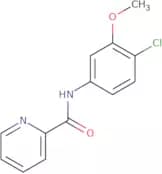
CAS:<p>VU 0361737 is a small molecule that has been shown to have anti-inflammatory properties. It binds to glutamate receptors, which are involved in the regulation of inflammatory responses and pain. VU 0361737 also blocks microglia activation, prevents glutamate toxicity, and inhibits tumor progression in a mouse model of melanoma. It was also found to be neuroprotective against glutamate-induced neurotoxicity in primary hippocampal neurons and cerebellar granule cells. The molecular mode of action of VU 0361737 is not completely understood, but it may be due to its ability to block the adenosine receptor A2A signaling pathway.</p>Formula:C13H11ClN2O2Purity:Min. 95%Molecular weight:262.69 g/molBAX antibody
<p>The 6-Fluoro-3-indoxyl-beta-D-galactopyranoside is a powerful antituberculosis drug that falls under the category of rifamycins. It is specifically designed to target tuberculosis infections and contains active compounds that exhibit bactericidal activity. This drug works by inhibiting bacterial growth through binding to DNA-dependent RNA polymerase, thereby preventing transcription and replication. Extensive studies have shown its high efficacy in human erythrocytes using a patch-clamp technique.</p>Purity:Min. 95%