Biochemicals and Reagents
Biochemicals and reagents are fundamental substances for research and development in fields such as biotechnology, molecular biology, pharmacology, and medicine. These products are essential for a variety of applications, including compound synthesis, biological sample analysis, metabolic process research, and drug production. At CymitQuimica, we offer a wide selection of high-quality, high-purity biochemicals and reagents suitable for various scientific and industrial needs. Our catalog includes enzymes, antibodies, nucleic acids, amino acids, and many other products, all designed to support researchers and professionals in their research and development projects, ensuring reliable and reproducible results.
Subcategories of "Biochemicals and Reagents"
- Biomolecules(99,104 products)
- By Biological Target(99,074 products)
- By Pharmacological Effects(6,784 products)
- Cryopreservatives(21 products)
- Desinfectants and Related Compounds(28 products)
- Hormones(346 products)
- Plant Biology(6,693 products)
- Secondary Metabolites(14,218 products)
Found 130576 products of "Biochemicals and Reagents"
Sort by
Purity (%)
0
100
|
0
|
50
|
90
|
95
|
100
ADAMDEC1 antibody
<p>ADAMDEC1 antibody was raised using the middle region of ADAMDEC1 corresponding to a region with amino acids GMPDVPFNTKCPSGSCVMNQYLSSKFPKDFSTSCRAHFERYLLSQKPKCL</p>Purity:Min. 95%β tubulin antibody
<p>The Beta tubulin antibody is a highly specific monoclonal antibody used in the field of Life Sciences. It is widely recognized for its ability to target and bind to beta tubulin, a protein involved in cell division and intracellular transport. This antibody plays a crucial role in various research applications, including the study of amyloid plaque formation, growth factor signaling pathways, antiangiogenic therapies, and the development of inhibitors such as taxol.</p>Human Serum Albumin antibody
<p>Human serum albumin antibody was raised in mouse using human serum albumin as the immunogen.</p>RGS6 antibody
<p>RGS6 antibody was raised using the C terminal of RGS6 corresponding to a region with amino acids SAINLDSHSYEITSQNVKDGGRYTFEDAQEHIYKLMKSDSYARFLRSNAY</p>Purity:Min. 95%Cytokeratin 18 antibody
<p>The Cytokeratin 18 antibody is a specific antibody used in Life Sciences research. It is commonly used to detect and measure the levels of Cytokeratin 18, a protein that is found in epithelial cells. This antibody can be used in various applications such as immunohistochemistry, immunofluorescence, and Western blotting. It has been shown to have high affinity and specificity for Cytokeratin 18, making it a valuable tool for studying the function and expression of this protein. The Cytokeratin 18 antibody can also be used to study diseases such as cancer, where abnormal levels of Cytokeratin 18 may be present. Overall, this antibody is an essential tool for researchers working in the field of Life Sciences.</p>RFC3 antibody
<p>RFC3 antibody was raised using a synthetic peptide corresponding to a region with amino acids IIMKGLLSELLHNCDGQLKGEVAQMAAYYEHRLQLGSKAIYHLEAFVAKF</p>Purity:Min. 95%PES1 antibody
<p>PES1 antibody was raised using a synthetic peptide corresponding to a region with amino acids KKREKYLYQKIMFGKRRKIREANKLAEKRKAHDEAVRSEKKAKKARPE</p>CD4 antibody (FITC)
<p>Rat monoclonal CD4 antibody (FITC); mouse target; IgG2a kappa; clone RM4-5</p>16:0-06:0 NBD pg
CAS:<p>16:0-06:0 NBD PG is a fluorescently labeled phosphatidylglycerol analog, which is sourced from synthesized lipid molecules conjugated with a nitrobenzoxadiazole (NBD) fluorophore. The mode of action involves incorporation into lipid bilayers where the NBD moiety emits fluorescence upon excitation at specific wavelengths. This emission can be detected and measured, allowing scientists to explore the dynamics and organization of lipid membranes.</p>Formula:C34H60N5O13PPurity:Min. 95%Molecular weight:777.84 g/molSH2B3 antibody
<p>The SH2B3 antibody is a powerful tool in Life Sciences research. This antibody is specifically designed to target and bind to the SH2B3 protein, which plays a crucial role in various cellular processes. It can be used in antiviral studies to investigate the interaction between SH2B3 and viral proteins. Additionally, this antibody is useful in studying the effects of irradiation, chemotherapy, and other hematopoietic or antitumor drugs on SH2B3 expression and function. As a monoclonal antibody, it offers high specificity and sensitivity for detecting SH2B3 both intra- and extracellularly. Researchers can rely on this reliable reagent to advance their understanding of the intricate mechanisms involving the SH2B3 protein.</p>Cytokeratin AE1+AE3 antibody (Prediluted for IHC)
<p>Mouse monoclonal Cytokeratin AE1+AE3 antibody (Prediluted for IHC)</p>Purity:Min. 95%CDK9 antibody
<p>The CDK9 antibody is a growth factor that targets specific acid residues to inhibit the activity of cyclin-dependent kinase 9 (CDK9). This monoclonal antibody is designed to specifically bind to CDK9 and prevent its interaction with other proteins, thereby disrupting protein-protein interactions necessary for cell growth and proliferation. The CDK9 antibody can be used in various research applications, such as Western blotting, immunoprecipitation, and immunofluorescence. It has also shown potential therapeutic benefits in the treatment of diseases characterized by abnormal cell growth, such as cancer. Additionally, this antibody has been studied for its anti-angiogenic properties, which may contribute to its ability to inhibit tumor growth by preventing the formation of new blood vessels. With its high specificity and low-molecular-weight design, the CDK9 antibody offers a powerful tool for studying protein function and developing targeted therapies.</p>ZNF550 antibody
<p>ZNF550 antibody was raised in rabbit using the N terminal of ZNF550 as the immunogen</p>Purity:Min. 95%Mitofusin 2 antibody
<p>Mitofusin 2 antibody was raised using the C terminal of MFN2 corresponding to a region with amino acids LEQEIAAMNKKIEVLDSLQSKAKLLRNKAGWLDSELNMFTHQYLQPSR</p>Purity:Min. 95%UBE2L6 antibody
<p>UBE2L6 antibody was raised using the middle region of UBE2L6 corresponding to a region with amino acids QVLEALNVLVNRPNIREPLRMDLADLLTQNPELFRKNAEEFTLRFGVDRP</p>CGB antibody
<p>CGB antibody was raised in rabbit using the C terminal of CGB as the immunogen</p>Purity:Min. 95%IFN β antibody
<p>IFN beta antibody was raised in rabbit using mouse interferon beta as the immunogen.</p>Purity:Min. 95%JCP174
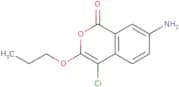
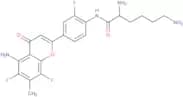
CAS:<p>JCP174 is a small molecule that inhibits the life cycle of Toxoplasma gondii. It encompasses the development of toxoplasmosis, which is a disease caused by this organism. JCP174 has been shown to be an achievable drug candidate for the treatment of toxoplasmosis and other diseases. The nature of JCP174's action against Toxoplasma gondii is unknown, but it may involve the disruption of the parasite's fatty acid synthesis. There are many techniques for profiling JCP174, including fluorogenic substrates and cellular assays. These techniques are useful in determining how to improve its potency, selectivity, and pharmacokinetics.</p>Formula:C12H12ClNO3Purity:Min. 95%Molecular weight:253.68 g/molRabbit anti Goat IgG Fc (HRP)
<p>This antibody reacts with heavy chains on Guinea Pig IgG and light chains on all Guinea Pig immunoglobulins.</p>Purity:Min. 95%GINS2 antibody
<p>GINS2 antibody was raised using a synthetic peptide corresponding to a region with amino acids VRQQEAHAKLDNLTLMEINTSGTFLTQALNHMYKLRTNLQPLESTQSQDF</p>Purity:Min. 95%CLPTM1L antibody
<p>CLPTM1L antibody was raised using the middle region of CLPTM1L corresponding to a region with amino acids KAFTYKAFNTFIDDVFAFIITMPTSHRLACFRDDVVFLVYLYQRWLYPVD</p>Purity:Min. 95%VDAC1 antibody
<p>The VDAC1 antibody is a highly specific and activated antibody that targets the voltage-dependent anion channel 1 (VDAC1). It is commonly used in research and laboratory settings for various applications, including immunoassays, protein detection, and Western blotting. The hydroxy group of the VDAC1 antibody enables it to efficiently bind to its target, providing accurate and reliable results.</p>Cyclin Y-Like 1 antibody
<p>Cyclin Y-Like 1 antibody was raised using the N terminal of CCNYL1 corresponding to a region with amino acids TVKCVTLAIYYHIKNRDANRSLDIFDERSHPLTREKVPEEYFKHDPEHKF</p>Purity:Min. 95%ALDH5A1 antibody
<p>ALDH5A1 antibody was raised in rabbit using the middle region of ALDH5A1 as the immunogen</p>Purity:Min. 95%Caspase 10 antibody
<p>Caspase 10 antibody was raised in rabbit using N terminal sequence MKSQGQHWYSSSDKN of all isoforms of human caspase-10 as the immunogen.</p>Purity:Min. 95%STAT3 antibody
<p>The STAT3 antibody is a highly effective cytotoxic agent used in Life Sciences research. It belongs to the class of Monoclonal Antibodies and is specifically designed to target and inhibit the activity of STAT3, a key protein involved in cell growth and survival. This antibody has been extensively tested and shown to effectively block the activation of STAT3 by growth factors such as helicobacter. By inhibiting STAT3, this antibody prevents the downstream signaling pathways that promote cell proliferation and survival. Additionally, it has been found that the STAT3 antibody can enhance the expression of E-cadherin, an important protein involved in cell adhesion. This monoclonal antibody is available in a convenient microsphere format, making it easy to use in various experimental settings. With its high specificity and potency, the STAT3 antibody is an essential tool for researchers studying signal transduction pathways and developing targeted therapies for cancer and other diseases.</p>NFKB C-rel antibody
<p>NFKB C-rel antibody was raised in rabbit using NFkB cRel peptide corresponding to a region near the C-terminus of the human protein conjugated to KLH as the immunogen.</p>Purity:Min. 95%SLC35A4 antibody
<p>SLC35A4 antibody was raised in rabbit using the middle region of SLC35A4 as the immunogen</p>Purity:Min. 95%KITLG Blocking Peptide
<p>A synthetic peptide for use as a blocking control in assays to test for specificity of KITLG antibody, catalog no. 70R-6096</p>Purity:Min. 95%ε Tubulin 1 antibody
<p>Epsilon Tubulin 1 antibody was raised using the middle region of TUBE1 corresponding to a region with amino acids PSGEDDVITSPYNSILAMKELNEHADCVLPIDNQSLFDIISKIDLMVNSG</p>Purity:Min. 95%ILK antibody
<p>The ILK antibody is a powerful tool used in scientific research and diagnostics. This monoclonal antibody specifically targets ILK (Integrin-Linked Kinase), a key protein involved in various cellular processes. It plays a crucial role in cell adhesion, migration, proliferation, and survival.</p>APLNR antibody
<p>APLNR antibody was raised in rabbit using the N terminal of APLNR as the immunogen</p>Purity:Min. 95%GATA4 antibody
<p>The GATA4 antibody is a highly reactive antibody used in Life Sciences research. It is specifically designed to target and bind to the GATA4 protein, which plays a crucial role in various cellular processes. This antibody has been extensively tested and validated for its effectiveness in detecting and quantifying GATA4 levels in liver microsomes.</p>CCPG1 antibody
<p>CCPG1 antibody was raised using the middle region of CCPG1 corresponding to a region with amino acids TNLATENQYLRVSLEKEEKALSSLQEELNKLREQIRILEDKGTSTELVKE</p>Purity:Min. 95%α 2 Macroglobulin protein
<p>Alpha 2 Macroglobulin protein is a versatile molecule that plays a crucial role in various biological processes. In the field of Life Sciences, it is widely recognized for its ability to neutralize proteases, thereby protecting tissues from degradation. Additionally, alpha 2 Macroglobulin protein has been found to be involved in adipose tissue function and regulation.</p>Purity:>95% By Sds-PageBCAP31 antibody
<p>BCAP31 antibody was raised using the middle region of BCAP31 corresponding to a region with amino acids STKQKLEKAENQVLAMRKQSEGLTKEYDRLLEEHAKLQAAVDGPMDKKEE</p>Purity:Min. 95%HGS antibody
<p>HGS antibody is a polyclonal antibody that specifically targets endosomes. This antibody is used in various applications, including immunological research and therapeutic purposes. It has been shown to have an inhibiting effect on the antigen-presenting function of endosomes, making it a valuable tool for studying immunomodulation. Additionally, HGS antibody has demonstrated antinociceptive properties, suggesting its potential use in pain management. With its wide range of applications and proven effectiveness, HGS antibody is a crucial component in the field of Life Sciences.</p>AK1 antibody
<p>The AK1 antibody is a highly specialized monoclonal antibody used in Life Sciences research. It is specifically designed to target and detect collagen, making it an essential tool for studying collagen-related processes. This antibody is commonly used in immunoassays and other experimental techniques to detect the presence of collagen in various samples.</p>MAP2 antibody
<p>MAP2 antibody was raised in rabbit using residues 2-15 [ADERKDEGKAPHWT] of the 72 kDa and 280 kDa forms of the human MAP2 as the immunogen.</p>Purity:Min. 95%AFP 464
CAS:<p>AFP 464 is an activating agent that binds to the molecular target, which is thought to be growth rate. AFP 464 has been shown to increase the activation of cancer cells and cause a change in their phenotype. It also has anti-tumor effects on kidney cancer cells and other carcinoma cells. AFP 464 is potently activated by spontaneous sequestration or postulated mechanisms. Treatment with AFP 464 has been shown to produce a decrease in tumor size and weight as well as an increase in life span for mice with kidney cancer.</p>Formula:C22H23F3N4O3Purity:Min. 95%Molecular weight:448.4 g/molLAMP2 antibody
<p>LAMP2 antibody was raised in Rabbit using Human LAMP2 as the immunogen.<br>Functions by binding target proteins, such as GAPDH and MLLT11, and targeting them for lysosomal degradation. Plays a role in lysosomal protein degradation in response to starvation.</p>MC4R antibody
<p>MC4R antibody is a polyclonal antibody that specifically targets the melanocortin 4 receptor (MC4R). It is widely used in life sciences research to study adipose tissue and its related functions. This antibody has been shown to have neutralizing properties against angptl3, a protein involved in lipid metabolism. The MC4R antibody can be used in various applications such as immunohistochemistry, western blotting, and enzyme-linked immunosorbent assay (ELISA). It is available in both monoclonal and polyclonal forms, allowing researchers to choose the most suitable option for their experiments. With its high specificity and sensitivity, the MC4R antibody is an essential tool for studying the role of MC4R in various physiological processes and developing potential therapeutic interventions.</p>PAR4 antibody
<p>The PAR4 antibody is a potent antiviral agent that belongs to the class of antibodies. It is available in both polyclonal and monoclonal forms, with the monoclonal antibody being highly neutralizing. This antibody specifically targets the PAR4 receptor, which is involved in various cellular processes such as cyclase-activating and ketamine signaling. In the field of Life Sciences, this antibody is widely used for research purposes due to its high specificity and affinity for PAR4. It can be utilized for studying biomolecules like transferrin, low density lipoprotein (LDL), globulin, and erythropoietin. The PAR4 antibody is also commonly used in immunoassays and other analytical techniques to detect and quantify PAR4 levels. Its colloidal properties make it suitable for various applications in the biomedical field.</p>AR antibody
<p>The AR antibody is a monoclonal antibody that specifically targets the androgen receptor (AR). It has been extensively studied and proven to be highly effective in various research applications within the Life Sciences field. The AR antibody can be used for experiments involving alpha-fetoprotein, endogenous hematopoietic cells, epidermal growth factor signaling, actin filaments, growth factors, fibronectin, chemokines, antibodies, interferon-gamma (IFN-gamma), human folate metabolism, and many other areas of study.</p>Goat anti Rabbit IgG (H + L) (HRP)
<p>This antibody reacts with heavy (gamma) chains on rabbit IgG and light chains on all rabbit immunoglobulins.</p>Purity:Min. 95%B3GALTL antibody
<p>B3GALTL antibody was raised using the middle region of B3GALTL corresponding to a region with amino acids DYPKDYLSHQVPISFHKHWNIDPVKVYFTWLAPSDEDKARQETQKGFREE</p>Purity:Min. 95%AURKA antibody
<p>The AURKA antibody is a highly effective neutralizing agent used in Life Sciences research. It belongs to a class of inhibitors that target specific proteins involved in cellular processes. This monoclonal antibody has been extensively tested and proven to be highly cytotoxic against various cancer cell lines. In addition, it has shown promising results in inhibiting the growth factor signaling pathway and blocking the activity of leukemia inhibitory factor. The AURKA antibody is derived from human serum and exhibits excellent specificity and affinity for its target protein. Its colloidal nature allows for easy handling and application in various experimental setups. Researchers can rely on this monoclonal antibody to accurately detect and quantify the presence of hormone peptides, autoantibodies, and other biomolecules of interest.</p>HAO2 antibody
<p>HAO2 antibody was raised using a synthetic peptide corresponding to a region with amino acids DDNIAAFKRIRLRPRYLRDVSEVDTRTTIQGEEISAPICIAPTGFHCLVW</p>Feline Leukemia Virus p27 protein
<p>The 6-Fluoro-3-indoxyl-beta-D-galactopyranoside is a powerful antituberculosis drug belonging to the class of rifamycins. It is highly effective in treating tuberculosis infections due to its bactericidal activity. This active compound works by binding to DNA-dependent RNA polymerase, preventing transcription and replication, thus inhibiting bacterial growth. Its efficacy has been demonstrated through patch-clamp technique studies on human erythrocytes. The drug undergoes various metabolic transformations, including hydrolysis by esterases or glucuronidases, oxidation by cytochrome P450 enzymes, reduction by glutathione reductase, or conjugation with glucuronic acid. Additionally, it specifically targets markers expressed in Mycobacterium tuberculosis strains and inhibits cell growth in culture. Tilmicosin is a macrolide antibiotic widely used in veterinary medicine for the treatment of respiratory disorders caused by bacteria such as Clostridium perfr</p>Purity:>90% By Sds-PageZNF582 antibody
<p>ZNF582 antibody was raised in rabbit using the N terminal of ZNF582 as the immunogen</p>Purity:Min. 95%KIF5B antibody
<p>KIF5B antibody was raised using the N terminal of KIF5B corresponding to a region with amino acids CNIKVMCRFRPLNESEVNRGDKYIAKFQGEDTVVIASKPYAFDRVFQSST</p>Purity:Min. 95%COX4I1 antibody
<p>COX4I1 antibody was raised in Mouse using a purified recombinant fragment of human COX4I1 expressed in E. coli as the immunogen.</p>GFP antibody (HRP)
<p>GFP antibody (HRP) was raised in goat using a GFP fusion protein corresponding to the full length amino acid sequence (246aa) derived from the jellyfish Aequorea victoria as the immunogen.</p>PNMT antibody
<p>PNMT antibody was raised in guinea pig using phenylethanolamine-N-methyltransferase from bovine adrenal medulla as the immunogen.</p>Purity:Min. 95%Podoplanin antibody
<p>Podoplanin antibody was raised using the N terminal of PDPN corresponding to a region with amino acids EGASTGQPEDDTETTGLEGGVAMPGAEDDVVTPGTSEDRYKSGLTTLVAT</p>Purity:Min. 95%WDR1 antibody
<p>The WDR1 antibody is a highly specialized monoclonal antibody used in the field of Life Sciences. This antibody specifically targets and binds to WDR1, a protein involved in growth factor signaling pathways. By neutralizing the activity of WDR1, this antibody can inhibit the growth and proliferation of cells.</p>GLUR2 antibody
<p>The GLUR2 antibody is a monoclonal antibody that has been developed to target atypical hemolytic. It specifically binds to low-density lipoprotein receptor-related protein 2 (GLUR2) and inhibits its protease activity. This antibody can be used in various life science applications, including research on epidermal growth factor and other growth factors. Additionally, the GLUR2 antibody can also be used to study autoantibodies and nuclear antibodies. It is a valuable tool for researchers in the field of life sciences and can be used in conjunction with other inhibitors or monoclonal antibodies such as trastuzumab.</p>MBNL1 antibody
<p>MBNL1 antibody was raised using a synthetic peptide corresponding to a region with amino acids AMTQSAVKSLKRPLEATFDLGIPQAVLPPLPKRPALEKTNGATAVFNTGI</p>CYP17A1 antibody
<p>The CYP17A1 antibody is a monoclonal antibody that is designed to specifically target and bind to the CYP17A1 enzyme. This enzyme plays a crucial role in the biosynthesis of steroid hormones, making it an important target for research in the field of Life Sciences. The CYP17A1 antibody has been extensively validated and proven to have high specificity and sensitivity in detecting and quantifying CYP17A1 levels.</p>Estriol 6-CMO
<p>Estriol 6-CMO is a carbonic antiviral compound that exhibits inhibitory activity against tumor necrosis factor-alpha (TNF-α) and other growth factors, such as transforming growth factor-beta (TGF-beta). It has been shown to interact with proteins and antigens, including adalimumab, an immunosuppressive monoclonal antibody. Estriol 6-CMO also demonstrates neutralizing effects on interferon and epidermal growth factor. Additionally, it has been found to inhibit the chemokine response in pneumococcus infections. With its broad range of activities, Estriol 6-CMO shows promise as a potential therapeutic agent for various viral and inflammatory conditions.</p>CD72 antibody
<p>CD72 antibody was raised in rabbit using residues 305-317 [KDWKLTDDTQRTRI] of the 42 kDa human CD72 protein as the immunogen.</p>Purity:Min. 95%ZNF488 antibody
<p>ZNF488 antibody was raised in rabbit using the C terminal of ZNF488 as the immunogen</p>Purity:Min. 95%Rabphilin 3A antibody
<p>Rabphilin 3A antibody is a polyclonal antibody that is used in the field of Life Sciences. It plays a crucial role in melanogenesis and has anti-VEGF (vascular endothelial growth factor) properties. This antibody is highly specific and can bind to various binding proteins, growth factors, hormone peptides, and cytotoxic antigens. It has been extensively studied for its effectiveness in immunoassays and antigen-antibody reactions. Rabphilin 3A antibody has shown promising results in targeting HL-60 cells and has also been used in combination with anti-CD33 antibodies for therapeutic purposes. With its wide range of applications, this antibody is a valuable tool for researchers in the field of Life Sciences.</p>IFN γ antibody
<p>IFN gamma antibody is a glycoprotein that belongs to the family of interferons. It is a monoclonal antibody used in Life Sciences research for its ability to neutralize IFN-gamma, an important cytokine involved in immune responses. This antibody specifically binds to IFN-gamma and prevents its interaction with cell surface receptors, thereby inhibiting its signaling pathway. The binding of IFN gamma antibody to IFN-gamma can also lead to the formation of dimers or complexes, which further enhances its neutralizing activity. Additionally, this antibody has been shown to have potential therapeutic applications in viral infections, as it can target virus surface antigens and inhibit their function. Its specificity and high affinity make it a valuable tool for studying the role of IFN-gamma in various biological processes.</p>CD29 antibody
<p>The CD29 antibody is a monoclonal antibody that has neutralizing properties. It is used in various life sciences applications, including immunoassays and antigen-antibody reactions. This antibody specifically targets CD29, a cell surface protein found on cardiomyocytes and other cell types. By inhibiting the interaction between CD29 and its ligands, the CD29 antibody can modulate cellular processes such as adhesion, migration, and signaling. In addition to its role in research, this antibody may have potential therapeutic applications in conditions involving abnormal CD29 activity or expression. The CD29 antibody is highly specific and reliable, making it an essential tool for scientists and researchers in the field of molecular biology.</p>TRPV5 antibody
<p>TRPV5 antibody was raised using the N terminal of TRPV5 corresponding to a region with amino acids MLQQKRILESPLLRASKENDLSVLRQLLLDCTCDVRQRGALGETALHIAA</p>Purity:Min. 95%TAGLN antibody
<p>The TAGLN antibody is a monoclonal antibody that is widely used in the field of Life Sciences. It is specifically designed to target and detect TAGLN, an important protein involved in various cellular processes. This antibody has been extensively studied and proven to be highly effective in detecting TAGLN in atherosclerotic plaques, making it a valuable tool for researchers studying cardiovascular diseases.</p>IAPP antibody
<p>IAPP antibody was raised in rabbit using the N terminal of IAPP as the immunogen</p>Purity:Min. 95%GAK antibody
<p>The GAK antibody is a growth factor that has various applications in the field of Life Sciences. It is commonly used in immunoassays and research studies. This antibody, available as both polyclonal and monoclonal forms, targets specific proteins involved in cellular processes such as phosphatase activity, collagen production, and fibronectin binding. By binding to these proteins, the GAK antibody can modulate their functions and provide valuable insights into cell signaling pathways. Additionally, this antibody has been studied for its potential therapeutic use as a medicament in targeting tyrosine kinase receptors and adeno-associated virus (AAV) activated pathways. With its versatility and wide range of applications, the GAK antibody is an essential tool for researchers in the Life Sciences field.</p>UGT8 antibody
<p>UGT8 antibody was raised using the middle region of UGT8 corresponding to a region with amino acids GILLEWKTVTEKELYEALVKVINNPSYRQRAQKLSEIHKDQPGHPVNRTI</p>Purity:Min. 95%PNMT antibody
<p>The PNMT antibody is a highly specialized product in the field of Life Sciences. It is a monoclonal antibody that specifically targets and binds to the enzyme phenylethanolamine N-methyltransferase (PNMT). This enzyme plays a crucial role in the synthesis of norepinephrine, a neurotransmitter involved in various physiological processes.</p>SPARC antibody
<p>The SPARC antibody is a non-phosphorylated monoclonal antibody that acts as a COX-2 inhibitor. It specifically targets the acidic leukocyte antigen, which is expressed in various cell types. The SPARC antibody has been extensively studied and proven to be effective in inhibiting the growth of cancer cells by targeting specific markers such as nuclear β-catenin and collagen. Additionally, it has been shown to regulate the expression of growth factors and inhibit angiogenesis. This specific antibody can be used for research purposes and has potential applications in cancer therapy. With its high specificity and potency, the SPARC antibody is a valuable tool for scientists studying cellular processes and developing new treatments.</p>Purity:Min. 95%LEMD2 antibody
<p>LEMD2 antibody was raised using the middle region of LEMD2 corresponding to a region with amino acids SRRRMKRVWDRAVEFLASNESRIQTESHRVAGEDMLVWRWTKPSSFSDSE</p>Purity:Min. 95%Valproate antibody
<p>Valproate antibody was raised in Mouse using Valproic acid conjugated to KLH. as the immunogen.</p>Luteinizing Hormone (Intact) (> 98% pure)
<p>Purified native Human Luteinizing Hormone (Intact) (> 98% pure)</p>Purity:≥98% (By Sds - Page)SIRT6 antibody
<p>The SIRT6 antibody is a highly specialized and versatile growth factor that plays a crucial role in various biological processes. It has been extensively studied for its potential therapeutic applications in the fields of oncology, cardiology, and regenerative medicine.</p>CAT antibody
<p>The CAT antibody is a highly specialized monoclonal antibody used in Life Sciences research. It is commonly used for intraocular studies and bioassays. This antibody specifically targets the acetyltransferase enzyme, which plays a crucial role in various biological processes. The CAT antibody has been extensively tested and validated for its specificity and sensitivity in detecting and quantifying acetyltransferase activity.</p>Pro-Collagen I antibody
<p>Pro-Collagen I antibody was raised in rat using human procollagen I as the immunogen.</p>ApoC-I protein
<p>ApoC-I protein is a catalase enzyme that plays a crucial role in various biological processes. It exhibits catalase activity, which helps in the breakdown of hydrogen peroxide into water and oxygen. Additionally, ApoC-I protein has been found to have neutralizing effects on antiphospholipid antibodies, making it a potential therapeutic target for autoimmune disorders. This protein can also be used as a peptide agent for research purposes, as it has been shown to react with specific monoclonal antibodies. Furthermore, ApoC-I protein acts as a growth factor and is involved in regulating cell growth and development. Its glycoprotein nature makes it an essential component in various Life Sciences applications. Streptavidin can be used to detect and bind ApoC-I protein due to its high affinity for biotinylated molecules. With its multifunctional properties, ApoC-I protein is a valuable tool in Proteins and Antigens research.</p>Purity:≥95% By Sds-PageRBM5 antibody
<p>RBM5 antibody was raised in rabbit using the N terminal of RBM5 as the immunogen</p>Purity:Min. 95%LIMK1 antibody
<p>The LIMK1 antibody is a highly effective test substance that acts as an inhibitor, exerting a cytotoxic effect on various cell types. It has been shown to have an inhibitory effect on glucagon-induced phosphorylation of cardiac muscle troponin. This antibody is widely used in the field of Life Sciences for research purposes, including studies involving polymers and electrophoresis. Additionally, it can be utilized as an antibiotic or reactive agent in specific applications. The LIMK1 antibody has demonstrated its effectiveness in cardiomyocyte and MDA-MB-231 cell lines. As a Monoclonal Antibody, it offers high specificity and reliability for scientific experiments and assays.</p>KCNMB3 antibody
<p>KCNMB3 antibody was raised using the middle region of KCNMB3 corresponding to a region with amino acids SLTLLGGALIVGMVRLTQHLSLLCEKYSTVVRDEVGGKVPYIEQHQFKLC</p>Purity:Min. 95%BRAF antibody
<p>The BRAF antibody is a highly specific monoclonal antibody used for immunohistochemical detection in Life Sciences. It is commonly used in research and industrial applications for its ability to detect the activated form of the oncogene homolog B-Raf, which is involved in various cellular processes. This antibody has a high affinity and specificity towards the target protein, making it an ideal tool for studying the expression and localization of BRAF in different tissues and cell types. Its use in immunoassays allows for accurate quantification of BRAF levels, providing valuable insights into its role in cancer development and progression. The BRAF antibody can be utilized by researchers and scientists working in various fields, including oncology, molecular biology, and drug discovery. With its reliable performance and consistent results, this antibody is a valuable asset for any laboratory or research facility aiming to investigate the function of BRAF or develop targeted therapies against BRAF-driven cancers.</p>SNAP25 antibody
<p>The SNAP25 antibody is a highly specialized virus surface antigen that is used in Life Sciences research. It is a colloidal solution containing monoclonal antibodies that specifically bind to the SNAP25 protein. This antibody has been extensively studied and shown to have high affinity and specificity for its target. The SNAP25 antibody can be used in various applications, including Western blotting, immunohistochemistry, and flow cytometry.</p>AUH antibody
<p>AUH antibody was raised using the C terminal of AUH corresponding to a region with amino acids IGMSLAKELIFSARVLDGKEAKAVGLISHVLEQNQEGDAAYRKALDLARE</p>WDR5 antibody
<p>WDR5 antibody was raised in Mouse using a purified recombinant fragment of human WDR5 expressed in E. coli as the immunogen.</p>MPHOSPH6 antibody
<p>MPHOSPH6 antibody was raised in Rabbit using Human MPHOSPH6 as the immunogen</p>MYBPC3 antibody
<p>The MYBPC3 antibody is a cytotoxic monoclonal antibody that specifically targets the MYBPC3 protein. This protein plays a crucial role in regulating cardiac muscle contraction and is associated with various cardiac disorders. The MYBPC3 antibody has been extensively studied in Life Sciences research and has shown promising results in inhibiting the activity of this target molecule.</p>Thymopoietin antibody
<p>Thymopoietin antibody was raised using the N terminal of TMPO corresponding to a region with amino acids PEFLEDPSVLTKDKLKSELVANNVTLPAGEQRKDVYVQLYLQHLTARNRP</p>Purity:Min. 95%MAD2 antibody
<p>The MAD2 antibody is a powerful tool for ultrasensitive detection and neutralizing protein carbonyls. This antibody, available in both polyclonal and monoclonal forms, specifically targets fibrinogen and can be immobilized on an electrode for easy use in various applications. It has been extensively validated for its effectiveness in detecting reactive protein carbonyls in human serum samples. Additionally, the MAD2 antibody has shown promising results in the field of stem cell research, particularly with mesenchymal stem cells. Its high specificity and sensitivity make it an ideal choice for researchers looking to study protein carbonylation or develop diagnostic assays for diseases such as carbamazepine-induced hypersensitivity reactions.</p>GPR101 antibody
<p>The GPR101 antibody is a powerful tool in the field of biomedical research. This polyclonal antibody specifically targets GPR101, a surface glycoprotein that plays a crucial role in various physiological processes. The antibody is conjugated with an isothiocyanate, allowing for easy detection and visualization of GPR101 in experimental settings.</p>Chl1 antibody
<p>The Chl1 antibody is a polyclonal antibody that specifically targets β-catenin, a key protein involved in cell adhesion and signaling pathways. This antibody has neutralizing properties, meaning it can block the activity of β-catenin and prevent its interaction with other proteins. It can be used for various applications such as immobilization on surfaces for protein-protein interaction studies or as a tool to detect β-catenin levels in human samples. Additionally, the Chl1 antibody has been shown to have cytotoxic effects on certain cancer cells, making it a potential therapeutic agent. With its specificity and versatility, this antibody is an invaluable tool for researchers in the Life Sciences field.</p>FABP7 antibody
<p>FABP7 antibody was raised in mouse using recombinant human FABP7 (1-132aa) purified from E. coli as the immunogen.</p>CLIC6 antibody
<p>The CLIC6 antibody is a highly specific monoclonal antibody that targets β-catenin, a key protein involved in various cellular processes. This antibody has been developed using cutting-edge technology and has shown exceptional binding affinity and specificity for β-catenin. It is derived from Gynura procumbens, a plant known for its medicinal properties.</p>PDE3A antibody
<p>PDE3A antibody was raised using the N terminal of PDE3A corresponding to a region with amino acids LLADPSLPPNVCTSLRAVSNLLSTQLTFQAIHKPRVNPVTSLSENYTCSD</p>Purity:Min. 95%ZNF485 antibody
<p>ZNF485 antibody was raised in rabbit using the C terminal of ZNF485 as the immunogen</p>Purity:Min. 95%TFR2 antibody
<p>TFR2 antibody was raised using the N terminal of TFR2 corresponding to a region with amino acids RAALSRQKLDHVWTDTHYVGLQFPDPAHPNTLHWVDEAGKVGEQLPLEDP</p>Purity:Min. 95%FCRLA antibody
<p>FCRLA antibody was raised using the middle region of FCRLA corresponding to a region with amino acids PTLNPAPQKSAAPGTAPEEAPGPLPPPPTPSSEDPGFSSPLGMPDPHLYH</p>Purity:Min. 95%Angiopoietin 2 antibody
<p>Angiopoietin 2 antibody was raised in rabbit using 20-aa peptide from mouse Ang-2 as the immunogen.</p>Purity:Min. 95%MCOLN3 antibody
<p>MCOLN3 antibody was raised in rabbit using the middle region of MCOLN3 as the immunogen</p>Purity:Min. 95%GPR158 antibody
<p>The GPR158 antibody is a monoclonal antibody that specifically targets GPR158, a cationic receptor involved in various biological processes. This antibody has been extensively tested and validated for its specificity and effectiveness in scientific research. It can be used in a wide range of applications, including immunohistochemistry, Western blotting, and ELISA.</p>H-SLYNTVATL-OH
<p>HIV-1 p17 Gag (77-85), also called SL9, is a short part of the Human Immunodeficiency Virus 1 especially a short peptide of matrix composed of the viral protein p17 ensuring the integrity of the virion particle. HIV-1 p17 Gag (77-85) HLA-A*02:01-restricted was one of the first cytotoxic T lymphocytes epitope identified for HIV-1. It produces a specific cytotoxic T cells response in 75% of chronically infected adults but a rare activity in acute infection. Therefore, HIV-1 p17 Gag (77-85) may serve as target for anticancer immunotherapeutic strategies especially for vaccine development.<br>Applications of HIV-1 p17 Gag (77-85):<br>HIV-1 p17 Gag (77-85) is used to stimulate CTL responses in peripheral blood mononuclear cells (PBMCs). Then, ELISPOT assay is used to quantify peptide epitope specificity and IFN-γ releasing effector cells.<br>Potential cross-reactivities with FluM1 (58-66) and HCV NS5B (2594-2602):<br>Moreover, HIV-1 p17 Gag (77-85) share similarities with FluM1 (58-66) which can potentially show a cross-reactivity between these epitopes. It has been demonstrated a cross-reactivity and results suggest that immunity following infection by Influenza virus causes specific immune response to HIV-1 p17 Gag (77-85).<br>Similarities between two others HLA-A2-restricted epitopes of two viruses have been demonstrated too: the amino acid sequence of HIV-1 p17 Gag (77-85) (SLYNTVATL) and of HCV NS5B (2594-2602) (ALYDVVTKL). Therefore, researches are conducted to know if during HCV/HIV co-infection it could be exist a T cell cross reactivity.</p>Mouse Brain antibody (FITC)
<p>Mouse brain antibody (FITC) was raised in rabbit using brain tissue from C3H mice as the immunogen.</p>RCC1 antibody
<p>The RCC1 antibody is a crucial tool in the field of Life Sciences. It is an autoantibody that specifically targets RCC1, a nuclear protein involved in cell cycle regulation. This antibody is widely used as a research tool to study the function and localization of RCC1 in various cellular processes. The RCC1 antibody is available as both polyclonal and monoclonal antibodies, allowing researchers to choose the most suitable option for their experiments. It has been extensively validated for its specificity and sensitivity, making it a reliable tool for detecting and quantifying RCC1 levels in different samples. Whether you are studying cell division, chromatin organization, or other related processes, the RCC1 antibody is an essential component of your research toolkit.</p>UCP2 antibody
<p>UCP2 antibody was raised in rabbit using a 14 amino acid peptide from mouse UCP2 as the immunogen.</p>Purity:Min. 95%CD279 antibody
<p>The CD279 antibody is a polyclonal antibody that targets the growth factor CD279. It plays a crucial role in regulating actin filaments and has cytotoxic and neutralizing properties. This antibody is commonly used in Life Sciences research to study endothelial growth and other related processes. It is available as both polyclonal and monoclonal antibodies, providing researchers with options for their specific needs. The CD279 antibody specifically binds to CD279, inhibiting its function and allowing for further investigation into its role in various biological processes. Whether you are studying actin or glucagon, this antibody is an essential tool for your research.</p>FBXO24 antibody
<p>FBXO24 antibody was raised using the N terminal of FBXO24 corresponding to a region with amino acids MGEKAVPLLRRRRVKRSCPSCGSELGVEEKRGKGNPISIQLFPPELVEHI</p>FABP3 antibody
<p>The FABP3 antibody is a highly specialized monoclonal antibody that plays a crucial role in various biological processes. It acts as a growth factor and is involved in the immobilization of biomolecules. This antibody specifically targets FABP3, also known as alpha-fetoprotein, which is found in human serum. By binding to FABP3, this antibody exhibits cytotoxic effects, making it a valuable tool in research and diagnostics within the Life Sciences field. Its unique composition and histidine amide structure allow for precise targeting and efficient detection of FABP3. Whether you're conducting experiments or developing new therapies, the FABP3 antibody is an essential component for your scientific endeavors.</p>Calmodulin antibody
<p>Calmodulin antibody was raised in mouse using calmodulin purified from Dictyostelium discoideum as the immunogen.</p>E130307M08RIK antibody
<p>E130307M08RIK antibody was raised in rabbit using the middle region of E130307M08RIK as the immunogen</p>Purity:Min. 95%FUT6 antibody
<p>FUT6 antibody was raised using the C terminal of FUT6 corresponding to a region with amino acids YITEKLWRNALEAWAVPVVLGPSRSNYERFLPPDAFIHVDDFQSPKDLAR</p>Purity:Min. 95%FN3KRP antibody
<p>FN3KRP antibody was raised using the N terminal of FN3KRP corresponding to a region with amino acids MDPGDPAGDPAAGERHRMGRDPLLLLQALQTLWSTRERKQLREEAWRGFA</p>SERPINI2 antibody
<p>SERPINI2 antibody was raised using a synthetic peptide corresponding to a region with amino acids LPRFKVEQKVDFKDVLYSLNITEIFSGGCDLSGITDSSEVYVSQVTQKVF</p>Purity:Min. 95%PCDHGC4 antibody
<p>PCDHGC4 antibody was raised using the N terminal of PCDHGC4 corresponding to a region with amino acids VKKRSDGSLVPELLLEKPLDREKQSDYRLVLTAVDGGNPPRSGTAELRVS</p>Purity:Min. 95%SKP2 antibody
<p>The SKP2 antibody is a monoclonal antibody that specifically targets and inhibits the activity of SKP2 (S-phase kinase-associated protein 2). SKP2 is a nuclear protein that plays a crucial role in regulating cell cycle progression by promoting the degradation of key cell cycle inhibitors. By blocking the function of SKP2, this antibody helps to prevent uncontrolled cell growth and proliferation.</p>EMID1 antibody
<p>EMID1 antibody was raised using the C terminal of EMID1 corresponding to a region with amino acids TMIGLYEPELGSGAGPAGTGTPSLLRGKRGGHATNYRIVAPRSRDERG</p>Purity:Min. 95%KCNA3 antibody
<p>The KCNA3 antibody is a specific antibody that targets the KCNA3 protein. This protein plays a crucial role in various cellular processes, including cell signaling and ion channel regulation. The KCNA3 antibody is widely used in life sciences research to study the function of this protein and its involvement in different diseases.</p>