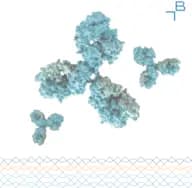
Biochemicals and Reagents
Biochemicals and reagents are fundamental substances for research and development in fields such as biotechnology, molecular biology, pharmacology, and medicine. These products are essential for a variety of applications, including compound synthesis, biological sample analysis, metabolic process research, and drug production. At CymitQuimica, we offer a wide selection of high-quality, high-purity biochemicals and reagents suitable for various scientific and industrial needs. Our catalog includes enzymes, antibodies, nucleic acids, amino acids, and many other products, all designed to support researchers and professionals in their research and development projects, ensuring reliable and reproducible results.
Subcategories of "Biochemicals and Reagents"
- Biomolecules(99,104 products)
- By Biological Target(99,074 products)
- By Pharmacological Effects(6,784 products)
- Cryopreservatives(21 products)
- Desinfectants and Related Compounds(28 products)
- Hormones(346 products)
- Plant Biology(6,693 products)
- Secondary Metabolites(14,218 products)
Found 130576 products of "Biochemicals and Reagents"
Sort by
Purity (%)
0
100
|
0
|
50
|
90
|
95
|
100
Astrovirus antibody
<p>Astrovirus antibody was raised in mouse using group antigen of astrovirus as the immunogen.</p>HAGH Blocking Peptide
<p>A synthetic peptide for use as a blocking control in assays to test for specificity of HAGH antibody, catalog no. 70R-4214</p>Purity:Min. 95%PTHR1 antibody
<p>The PTHR1 antibody is a monoclonal antibody used in Life Sciences research. It specifically targets the PTHR1 molecule, which is activated by carbonic anhydrase and plays a crucial role in various physiological processes. This antibody can be used to study the interaction between PTHR1 and other molecules, such as virus surface antigens or growth factors. Additionally, the PTHR1 antibody has been shown to have anticoagulant properties and can neutralize fibrinogen-induced platelet aggregation. Its efficacy has been confirmed using mass spectrometric methods, making it a reliable tool for researchers in the field.</p>hCG β antibody (HRP)
<p>hCG beta antibody (HRP) was raised in mouse using hCG beta as the immunogen.</p>DYSFIP1 antibody
<p>DYSFIP1 antibody was raised using the middle region of DYSFIP1 corresponding to a region with amino acids CSDGYPDIARYLISLGADRDATNDDGDLPSDLIDPDYKELVELFKGTTMD</p>COPG2 Blocking Peptide
<p>A synthetic peptide for use as a blocking control in assays to test for specificity of COPG2 antibody, catalog no. 70R-3831</p>Purity:Min. 95%MAT2B Blocking Peptide
<p>A synthetic peptide for use as a blocking control in assays to test for specificity of MAT2B antibody, catalog no. 70R-3571</p>Purity:Min. 95%PGBD3 Blocking Peptide
<p>A synthetic peptide for use as a blocking control in assays to test for specificity of PGBD3 antibody, catalog no. 70R-1365</p>Purity:Min. 95%Jund antibody
<p>Jund antibody was raised in rabbit using the N terminal of Jund as the immunogen</p>Purity:Min. 95%MUS81 antibody
<p>MUS81 antibody was raised in rabbit using the C terminal of MUS81 as the immunogen</p>LTBR antibody
<p>The LTBR antibody is a highly specialized Polyclonal Antibody that targets the LTBR protein. This antibody is essential in various Life Sciences research applications, including the study of cholinergic signaling, fibronectin interactions, and autoantibodies. The LTBR antibody has been shown to have neutralizing properties, inhibiting the activity of LTBR and its downstream signaling pathways.</p>ATXN10 antibody
<p>ATXN10 antibody was raised in rabbit using the N terminal of ATXN10 as the immunogen</p>TRAF5 antibody
<p>The TRAF5 antibody is a biomolecule that belongs to the group of polyclonal antibodies. It can be used as a diagnostic reagent in the field of Life Sciences. This antibody specifically binds to TRAF5, which is an important protein involved in various cellular processes, including signaling pathways and immune responses. The TRAF5 antibody has been shown to have high affinity for TRAF5 and can be used for detection and quantification of this protein in biological samples.</p>FER antibody
<p>FER antibody was raised in Mouse using a purified recombinant fragment of human FER expressed in E. coli as the immunogen.</p>KCNRG antibody
<p>KCNRG antibody was raised using the N terminal of KCNRG corresponding to a region with amino acids MSSQELVTLNVGGKIFTTRFSTIKQFPASRLARMLDGRDQEFKMVGGQIF</p>SLC6A5 antibody
<p>SLC6A5 antibody was raised using a synthetic peptide corresponding to a region with amino acids LIVTCTNSATSIFAGFVIFSVIGFMANERKVNIENVADQGPGIAFVVYPE</p>Purity:Min. 95%SLC26A10 Blocking Peptide
<p>A synthetic peptide for use as a blocking control in assays to test for specificity of SLC26A10 antibody, catalog no. 70R-8407</p>Purity:Min. 95%PON1 antibody
<p>PON1 antibody was raised using the C terminal of PON1 corresponding to a region with amino acids ASEVLRIQNILTEEPKVTQVYAENGTVLQGSTVASVYKGKLLIGTVFHKA</p>Purity:Min. 95%RPL37A Blocking Peptide
<p>A synthetic peptide for use as a blocking control in assays to test for specificity of RPL37A antibody, catalog no. 70R-3004</p>Purity:Min. 95%Human Growth Hormone antibody (HRP)
<p>Human growth hormone antibody (HRP) was raised in mouse using human growth hormone as the immunogen.</p>IRS1 antibody
<p>The IRS1 antibody is a highly specialized molecule drug used in the field of Life Sciences. It belongs to the class of Polyclonal Antibodies and is primarily used for targeting insulin signaling pathways. This antibody specifically binds to the IRS1 protein, which plays a crucial role in mediating insulin's effects on glucose metabolism and growth factor signaling.</p>Purity:Min. 95%Mouse anti Human IgA
<p>IgA antibody was raised in Mouse using recombinant human IgA2 as the immunogen.</p>Purity:Min. 95%SHH antibody
<p>The SHH antibody is a monoclonal antibody that targets the Sonic Hedgehog (SHH) protein. This protein is involved in various cellular processes, including cell growth and differentiation. The SHH antibody specifically binds to the SHH protein, neutralizing its activity.</p>MPPED2 antibody
<p>MPPED2 antibody was raised using the N terminal of MPPED2 corresponding to a region with amino acids RFQPPHVHMVDPIPYDTPKPAGHTRFVCISDTHSRTDGIQMPYGDILLHT</p>Purity:Min. 95%C21orf66 antibody
<p>C21orf66 antibody was raised in rabbit using the N terminal of C21ORF66 as the immunogen</p>Purity:Min. 95%TAF7L Blocking Peptide
<p>A synthetic peptide for use as a blocking control in assays to test for specificity of TAF7L antibody, catalog no. 20R-1187</p>Purity:Min. 95%ApoA-I antibody
<p>APOA-I antibody was raised in rabbit using human apoliprotein A-I as the immunogen.</p>Purity:Min. 95%GLUR1 antibody
<p>The GLUR1 antibody is a reactive antibody that specifically targets the IL-1 receptor, an important component of the interleukin signaling pathway. This antibody is widely used in Life Sciences research to study the role of IL-1 in various biological processes. Additionally, it has been shown to inhibit the production of pancreatic glucagon, a hormone involved in regulating blood sugar levels.</p>RL10 antibody
<p>The RL10 antibody is a highly effective antibiotic that is widely used in the field of Life Sciences. It belongs to the class of monoclonal antibodies and has been specifically designed to target triglyceride lipase, a key enzyme involved in lipid metabolism. This antibody exhibits potent neutralizing activity against triglyceride lipase, making it an invaluable tool for researchers studying adipose tissue and lipoprotein metabolism.</p>ZNF19 Blocking Peptide
<p>A synthetic peptide for use as a blocking control in assays to test for specificity of ZNF19 antibody, catalog no. 70R-1055</p>Purity:Min. 95%GSTA5 Blocking Peptide
<p>A synthetic peptide for use as a blocking control in assays to test for specificity of GSTA5 antibody, catalog no. 70R-2975</p>Purity:Min. 95%PRDX5 antibody
<p>PRDX5 antibody was raised using the middle region of PRDX5 corresponding to a region with amino acids TDLLLDDSLVSIFGNRRLKRFSMVVQDGIVKALNVEPDGTGLTCSLAPNI</p>Purity:Min. 95%Galectin 1 protein
<p>Region of Galectin 1 protein corresponding to amino acids ACGLVASNLN LKPGECLRVR GEVAPDAKSF VLNLGKDSNN LCLHFNPRFN AHGDANTIVC NSKDGGAWGT EQREAVFPFQ PGSVAEVCIT FDQANLTVKL PDGYEFKFPN RLNLEAINYM AADGDFKIKC VAFD.</p>Purity:Min. 95%LCN2 antibody
<p>The LCN2 antibody is a highly specialized antibody that targets sclerostin. It is available in both polyclonal and monoclonal forms, offering a wide range of options for researchers. The antibody has been shown to neutralize prorenin and inhibit glucose-6-phosphate activation, making it a valuable tool for studying these processes. Additionally, the LCN2 antibody can be used in various assays and experiments, thanks to its high specificity and affinity for the target antigen. Its activated colloidal gold conjugate allows for easy visualization and detection using techniques such as immunohistochemistry or Western blotting. Researchers can rely on the LCN2 antibody to provide accurate and reliable results in their studies.</p>ABCC1 Blocking Peptide
<p>A synthetic peptide for use as a blocking control in assays to test for specificity of ABCC1 antibody, catalog no. 70R-6981</p>Purity:Min. 95%TNFSF13B antibody
<p>The TNFSF13B antibody is a monoclonal antibody that specifically targets transthyretin. It binds to transthyretin and prevents it from interacting with its binding proteins, thereby inhibiting its activity. This antibody has been shown to be effective in various applications, including electrode immobilization for the detection of transthyretin in human hepatocytes, as well as in research in the field of Life Sciences. Additionally, the TNFSF13B antibody can be used in combination with other antibodies, such as anti-glial fibrillary acidic protein (GFAP) antibodies, to study cytotoxic effects and cellular responses. Its high specificity and affinity make it a valuable tool for researchers working with transthyretin-related studies.</p>EIF3S4 Blocking Peptide
<p>A synthetic peptide for use as a blocking control in assays to test for specificity of EIF3S4 antibody, catalog no. 70R-1402</p>Purity:Min. 95%COMMD1 antibody
<p>COMMD1 antibody was raised in rabbit using the C terminal of COMMD1 as the immunogen</p>ID3 antibody
<p>The ID3 antibody is a highly specialized monoclonal antibody that targets alpha-synuclein, c-myc, and other activated proteins in the Life Sciences field. It has been extensively studied for its cytotoxic effects on cancer cells and has shown promising results in preclinical trials. The ID3 antibody is similar to trastuzumab, another monoclonal antibody used in the treatment of certain types of cancer. It works by binding to specific growth factors such as interleukin-6 and endothelial growth factor, inhibiting their activity and preventing tumor growth. Additionally, the ID3 antibody has been found to reduce viscosity in blood samples, making it a valuable tool for diagnostic purposes. Its potential applications extend beyond oncology, as it may also be useful in studying epidermal growth and other biological processes.</p>WDR1 Blocking Peptide
<p>A synthetic peptide for use as a blocking control in assays to test for specificity of WDR1 antibody, catalog no. 70R-2501</p>Purity:Min. 95%Lipase Blocking Peptide (Pancreatic)
<p>A synthetic peptide for use as a blocking control in assays to test for specificity of PNLIP antibody, catalog no. 70R-1583</p>Purity:Min. 95%SLC25A34 antibody
<p>SLC25A34 antibody was raised using the middle region of SLC25A34 corresponding to a region with amino acids TDCMVKIWRQEGPLALYKGLGPAYLRLGPHTILSMLFWDELRKLAGRAQH</p>Purity:Min. 95%HIV1 p24 protein
<p>The 6-Fluoro-3-indoxyl-beta-D-galactopyranoside is an effective antituberculosis drug that falls under the class of rifamycins. It is specifically designed to combat tuberculosis infection by targeting active compounds and exhibiting bactericidal activity. This drug works by binding to DNA-dependent RNA polymerase, thereby inhibiting bacterial growth and preventing transcription and replication. With its high frequency of human activity, it has been proven effective through patch-clamp technique on human erythrocytes. The metabolization process involves hydrolysis by esterases or glucuronidases, oxidation by cytochrome P450 enzymes, reduction by glutathione reductase, or conjugation with glucuronic acid. Additionally, it binds to markers expressed at high levels in Mycobacterium tuberculosis strains, inhibiting cell growth in culture.</p>Purity:Min. 95%PPBP antibody
<p>The PPBP antibody is a highly specialized neutralizing monoclonal antibody. It belongs to the class of globulins and exhibits cytotoxic and cyclase-activating properties. This antibody is used for the detection and quantification of PPBP (Platelet Basic Protein) in various biological samples. It can be used in research applications, such as ELISA (Enzyme-Linked Immunosorbent Assay), immunohistochemistry, and Western blotting.</p>Plasminogen antibody
<p>Plasminogen antibody was raised in sheep using human plasminogen purified from plasma as the immunogen.</p>Purity:Min. 95%MEF2A antibody
<p>The MEF2A antibody is a monoclonal antibody that targets the nuclear protein MEF2A. It plays a crucial role in endothelial growth and fibronectin production, making it a valuable tool in Life Sciences research. This antibody can be used as a medicament to treat various conditions related to protein dysregulation. Additionally, it can be used in immunohistochemistry studies to detect the expression of MEF2A in different tissues. The MEF2A antibody is also useful for studying the interaction between MEF2A and other proteins, such as human chorionic gonadotropin (hCG) and vascular endothelial growth factor-C (VEGF-C). With its high specificity and sensitivity, this antibody is an essential tool for researchers working in the field of collagen biology and angiogenesis.</p>Purity:Min. 95%ATF2 antibody
<p>The ATF2 antibody is a highly specialized antibody that targets the vascular endothelial growth factor (VEGF), a key growth factor involved in angiogenesis. This antibody specifically binds to the epidermal growth factor receptor (EGFR) and inhibits its signaling pathway, thereby suppressing the growth and proliferation of cancer cells. Additionally, the ATF2 antibody has been shown to induce apoptosis, or programmed cell death, in cancer cells by activating the fas-mediated apoptosis pathway. This monoclonal antibody is produced using state-of-the-art techniques and is highly specific for its target antigen. It can be used for various research applications, including immunohistochemistry, western blotting, and flow cytometry. The ATF2 antibody is a valuable tool for researchers studying cancer biology and developing novel therapeutic strategies against cancer.</p>Purity:Min. 95%MASP2 Blocking Peptide
<p>A synthetic peptide for use as a blocking control in assays to test for specificity of MASP2 antibody, catalog no. 70R-5919</p>Purity:Min. 95%HPGD antibody
<p>HPGD antibody was raised in rabbit using the N terminal of HPGD as the immunogen</p>SKAP1 antibody
<p>SKAP1 antibody was raised using the N terminal of SKAP1 corresponding to a region with amino acids RDHILRGFQQIKARYYWDFQPQGGDIGQDSSDDNHSGTLGLSLTSDAPFL</p>Purity:Min. 95%OMG antibody
<p>OMG antibody was raised using the N terminal of OMG corresponding to a region with amino acids ANNNIKLLDKSDTAYQWNLKYLDVSKNMLEKVVLIKNTLRSLEVLNLSSN</p>Purity:Min. 95%GRSF1 antibody
<p>GRSF1 antibody was raised using the middle region of GRSF1 corresponding to a region with amino acids IRNGENGIHFLLNRDGKRRGDALIEMESEQDVQKALEKHRMYMGQRYVEV</p>GRIP1 antibody
<p>GRIP1 antibody was raised in rabbit using the N terminal of GRIP1 as the immunogen</p>Purity:Min. 95%IGF1R antibody
<p>IGF1R antibody was raised in Mouse using a purified recombinant fragment of IGF1R expressed in E. coli as the immunogen.</p>UBE2D2 antibody
<p>UBE2D2 antibody was raised using a synthetic peptide corresponding to a region with amino acids SQWSPALTISKVLLSICSLLCDPNPDDPLVPEIARIYKTDREKYNRIARE</p>CD22 antibody
<p>CD22 antibody was raised in rabbit using the C terminal of CD22 as the immunogen</p>Purity:Min. 95%RAB25 antibody
<p>RAB25 antibody was raised in Mouse using a purified recombinant fragment of RAB25 expressed in E. coli as the immunogen.</p>TUBA1C Blocking Peptide
<p>A synthetic peptide for use as a blocking control in assays to test for specificity of TUBA1C antibody, catalog no. 70R-10126</p>Purity:Min. 95%KCNH3 Blocking Peptide
<p>A synthetic peptide for use as a blocking control in assays to test for specificity of KCNH3 antibody, catalog no. 70R-5174</p>Purity:Min. 95%ATP5F1 Blocking Peptide
<p>A synthetic peptide for use as a blocking control in assays to test for specificity of ATP5F1 antibody, catalog no. 70R-2455</p>Purity:Min. 95%HIST1H3A Blocking Peptide
<p>A synthetic peptide for use as a blocking control in assays to test for specificity of HIST1H3A antibody, catalog no. 70R-10217</p>Purity:Min. 95%RP11-269F19.9 antibody
<p>RP11-269F19.9 antibody was raised using the middle region of RP11-269F19.9 corresponding to a region with amino acids VCSVVLGPRAGQGVHVVSRALWDVARDGLASVSYTNTSLFAVATVHGLYC</p>SNRPA1 Blocking Peptide
<p>A synthetic peptide for use as a blocking control in assays to test for specificity of SNRPA1 antibody, catalog no. 70R-1350</p>Purity:Min. 95%CD49d Antibody
<p>The CD49d Antibody is a highly effective monoclonal antibody that targets the CD49d protein, which is expressed in various cells including MCF-7 cells. This antibody has been extensively studied and proven to be an active agent in inhibiting the growth and proliferation of cancer cells. It works by binding to the CD49d protein on the cell surface and blocking its function, thereby preventing the activation of pathways involved in cell survival and growth.</p>USP37 Blocking Peptide
<p>A synthetic peptide for use as a blocking control in assays to test for specificity of USP37 antibody, catalog no. 70R-4059</p>Purity:Min. 95%GABRP antibody
<p>GABRP antibody was raised in rabbit using the N terminal of GABRP as the immunogen</p>OLR1 Blocking Peptide
<p>A synthetic peptide for use as a blocking control in assays to test for specificity of OLR1 antibody, catalog no. 70R-1739</p>Purity:Min. 95%SORL1 antibody
<p>SORL1 antibody was raised in Mouse using a purified recombinant fragment of SORL1(aa2159-2214) expressed in E. coli as the immunogen.</p>RAB14 antibody
<p>RAB14 antibody was raised in rabbit using the C terminal of RAB14 as the immunogen</p>OMG Blocking Peptide
<p>A synthetic peptide for use as a blocking control in assays to test for specificity of OMG antibody, catalog no. 70R-6384</p>Purity:Min. 95%KIF22 antibody
<p>KIF22 antibody was raised using the N terminal of KIF22 corresponding to a region with amino acids CSLEIANWRNHQETLKYQFDAFYGERSTQQDIYAGSVQPILRHLLEGQNA</p>Purity:Min. 95%Rabbit anti Bovine IgG (biotin)
<p>Rabbit anti-bovine IgG (biotin) was raised in rabbit using bovine IgG F(ab')2 fragment as the immunogen.</p>C12ORF24 antibody
<p>C12ORF24 antibody was raised using the N terminal Of C12Orf24 corresponding to a region with amino acids AVAGTEGGGGGSAGYSCYQNSKGSDRIKDGYKVNSHIAKLQELWKTPQNQ</p>TMPRSS4 antibody
<p>The 6-Fluoro-3-indoxyl-beta-D-galactopyranoside is a powerful antituberculosis drug belonging to the rifamycins class. It is specifically designed to combat tuberculosis infection by targeting active compounds and exhibiting bactericidal activity. Through extensive research using transcription-quantitative polymerase chain and patch-clamp technique, it has been proven to effectively inhibit bacterial growth by binding to DNA-dependent RNA polymerase, thereby preventing transcription and replication. Additionally, this drug undergoes various metabolic transformations, including hydrolysis by esterases or glucuronidases, oxidation by cytochrome P450 enzymes, reduction by glutathione reductase, or conjugation with glucuronic acid. Moreover, it specifically targets Mycobacterium tuberculosis strains and inhibits cell growth in culture. With its unique mechanisms of action and potent properties, the 6-Fluoro-3-indoxyl-beta-D-galactopyranoside is</p>GJA1 Blocking Peptide
<p>A synthetic peptide for use as a blocking control in assays to test for specificity of GJA1 antibody, catalog no. 70R-6087</p>Purity:Min. 95%CD206 antibody
<p>The CD206 antibody is a highly specialized antibody that belongs to the family of polyclonal antibodies. It is commonly used in life sciences research and has been proven to be effective in various applications. This antibody specifically targets the CD206 protein, which plays a crucial role in cell growth and development. The CD206 antibody has shown great potential as a growth factor, particularly in promoting the growth and proliferation of mesenchymal stem cells. Additionally, it has been found to have activated fatty acid metabolism and collagen synthesis pathways, making it an essential tool for studying these processes. Researchers have also discovered that the CD206 antibody can inhibit the activity of certain kinases, making it a valuable family kinase inhibitor. Whether you're studying chemokines or investigating epidermal growth factors, the CD206 antibody is an indispensable resource that will undoubtedly yield insightful results.</p>CASP3 Blocking Peptide
<p>A synthetic peptide for use as a blocking control in assays to test for specificity of CASP3 antibody, catalog no. 70R-9649</p>Purity:Min. 95%SYK antibody
<p>SYK antibody was raised in Mouse using a purified recombinant fragment of SYK(aa296-484) expressed in E. coli as the immunogen.</p>HEL308 antibody
<p>HEL308 antibody was raised in mouse using recombinant Human Dna Helicase Hel308</p>ATP5B Blocking Peptide
<p>A synthetic peptide for use as a blocking control in assays to test for specificity of ATP5B antibody, catalog no. 70R-1100</p>Purity:Min. 95%ZMYND17 antibody
<p>ZMYND17 antibody was raised in rabbit using the C terminal of ZMYND17 as the immunogen</p>Purity:Min. 95%FBG5 antibody
<p>FBG5 antibody was raised in rabbit using residues 163-175 (KKQVLDLEEEGLW) of the human FBG5 protein as the immunogen.</p>Purity:Min. 95%Mitofilin antibody
<p>The Mitofilin antibody is a highly specialized product in the field of Life Sciences. It is an essential tool for researchers studying various aspects of cellular function, particularly related to fatty acid metabolism and energy production. This monoclonal antibody specifically targets Mitofilin, a protein found in the inner mitochondrial membrane.</p>RRM2 Blocking Peptide
<p>A synthetic peptide for use as a blocking control in assays to test for specificity of RRM2 antibody, catalog no. 70R-5609</p>Purity:Min. 95%FDFT1 Blocking Peptide
<p>A synthetic peptide for use as a blocking control in assays to test for specificity of FDFT1 antibody, catalog no. 70R-1132</p>Purity:Min. 95%ICAM1 antibody
<p>The ICAM1 antibody is a highly effective inhibitor that targets the vascular endothelial growth factor (VEGF) and other growth factors. It works by blocking the binding of these factors to their receptors, thereby preventing the activation of downstream signaling pathways. This antibody has been shown to inhibit the production of superoxide, a reactive oxygen species that plays a key role in inflammation and oxidative stress. Additionally, it inhibits protein kinase activity, which is involved in various cellular processes such as cell proliferation and survival. The ICAM1 antibody is a polyclonal antibody that has been extensively tested and validated for use in research studies in the field of life sciences. It can be used in various applications, including Western blotting, immunohistochemistry, and flow cytometry. This antibody specifically binds to ICAM1, a cell surface glycoprotein that is involved in cell adhesion and immune response regulation. Its binding properties have been optimized to ensure high specificity and sensitivity. The ICAM1 antibody is an</p>RAD17 antibody
<p>RAD17 antibody was raised in rabbit using the C terminal of RAD17 as the immunogen</p>Purity:Min. 95%ALKBH1 antibody
<p>ALKBH1 antibody was raised in rabbit using the N terminal of ALKBH1 as the immunogen</p>MAP2K4 antibody
<p>MAP2K4 antibody was raised in Mouse using a purified recombinant fragment of MAP2K4 expressed in E. coli as the immunogen.</p>TEX9 antibody
<p>TEX9 antibody was raised using the middle region of TEX9 corresponding to a region with amino acids QAASSQSATEVRLNRALEEAEKYKLELSKLRQNNKDIANEEHKKIEVLKS</p>Sonic hedgehog protein
<p>Sonic Hedgehog Protein is a multifunctional protein that plays a crucial role in various cellular processes. It has been shown to interact with interferon and tyrosine, indicating its involvement in immune response modulation. Additionally, Sonic Hedgehog Protein has been found to inhibit the activity of human serum inhibitory factor, suggesting its potential therapeutic use in autoimmune diseases associated with antiphospholipid antibodies. In the field of Life Sciences, this protein is widely studied for its ability to regulate dopamine levels and act as an antigen for the development of antibodies. Researchers often utilize recombinant Sonic Hedgehog Protein to investigate its functions and interactions with other proteins. Furthermore, it has been implicated in the regulation of leukemia inhibitory factor and the production of autoantibodies. Its amide structure makes it suitable for electrode applications in various scientific experiments.</p>Purity:Min. 95%NOSIP Blocking Peptide
<p>A synthetic peptide for use as a blocking control in assays to test for specificity of NOSIP antibody, catalog no. 70R-9442</p>Purity:Min. 95%C21ORF13 Blocking Peptide
<p>A synthetic peptide for use as a blocking control in assays to test for specificity of C21orf13 antibody, catalog no. 70R-3197</p>Purity:Min. 95%HACE1 Blocking Peptide
<p>A synthetic peptide for use as a blocking control in assays to test for specificity of HACE1 antibody, catalog no. 70R-2804</p>Purity:Min. 95%PLXDC1 antibody
<p>The PLXDC1 antibody is a monoclonal antibody that specifically targets the PLXDC1 protein. This protein is involved in various cellular processes, including platelet fibrinogen binding and arginase activity. The PLXDC1 antibody can be used in research and diagnostics to study the expression and function of PLXDC1.</p>Chicken anti Rabbit IgG (H + L)
<p>This antibody reacts with heavy (gamma) chains on rabbit IgG and light chains on all rabbit immunoglobulins.</p>Purity:Min. 95%PAQR6 Blocking Peptide
<p>A synthetic peptide for use as a blocking control in assays to test for specificity of PAQR6 antibody, catalog no. 70R-6329</p>Purity:Min. 95%CDH5 antibody
<p>The CDH5 antibody is a highly specialized antibody that targets the CDH5 protein. This protein is involved in various cellular processes, including cell adhesion and growth factor signaling. The CDH5 antibody can be used to detect the presence of CDH5 in nuclear extracts, making it a valuable tool for research in the field of molecular biology.</p>Carbonyl Reductase 1 Blocking Peptide
<p>A synthetic peptide for use as a blocking control in assays to test for specificity of CBR1 antibody, catalog no. 70R-1026</p>Purity:Min. 95%Goat anti Rabbit IgG (H + L) (Alk Phos)
<p>Goat anti-rabbit IgG (H + L) (Alk Phos) was raised in goat using rabbit IgG whole molecule as the immunogen.</p>Purity:Min. 95%Ahi1 Blocking Peptide
<p>A synthetic peptide for use as a blocking control in assays to test for specificity of Ahi1 antibody, catalog no. 70R-9466</p>Purity:Min. 95%LTB4DH Blocking Peptide
<p>A synthetic peptide for use as a blocking control in assays to test for specificity of LTB4DH antibody, catalog no. 70R-4227</p>Purity:Min. 95%FAM47A antibody
<p>FAM47A antibody was raised using the middle region of FAM47A corresponding to a region with amino acids SEPPKTRRTSSLRSEPPKTRRTSSLGPEPPKTRRVSSLRPELPKSRRVSS</p>CAPS Blocking Peptide
<p>A synthetic peptide for use as a blocking control in assays to test for specificity of CAPS antibody, catalog no. 70R-5864</p>Purity:Min. 95%DRG1 Blocking Peptide
<p>A synthetic peptide for use as a blocking control in assays to test for specificity of DRG1 antibody, catalog no. 70R-2953</p>Purity:Min. 95%CATSPER2 antibody
<p>CATSPER2 antibody was raised using the C terminal of CATSPER2 corresponding to a region with amino acids LMEMDQDDRVWPRDSLFRYFELLEKLQYNLEERKKLQEFAVQALMNLEDK</p>Human Serum Albumin antibody
<p>Human serum albumin antibody was raised in rabbit using human serum albumin as the immunogen.</p>Purity:Min. 95%ZNF682 antibody
<p>ZNF682 antibody was raised in rabbit using the N terminal of ZNF682 as the immunogen</p>Purity:Min. 95%PSG3 Blocking Peptide
<p>A synthetic peptide for use as a blocking control in assays to test for specificity of PSG3 antibody, catalog no. 70R-1279</p>Purity:Min. 95%Bnc2 Blocking Peptide
<p>A synthetic peptide for use as a blocking control in assays to test for specificity of Bnc2 antibody, catalog no. 70R-8331</p>Purity:Min. 95%ICAM5 Blocking Peptide
<p>A synthetic peptide for use as a blocking control in assays to test for specificity of ICAM5 antibody, catalog no. 70R-6140</p>Purity:Min. 95%CTSK Blocking Peptide
<p>A synthetic peptide for use as a blocking control in assays to test for specificity of CTSK antibody, catalog no. 70R-10206</p>Purity:Min. 95%LOX antibody
<p>The LOX antibody is a glycoprotein that is found in human serum and has been shown to have various functions. It plays a role in regulating the activity of mesenchymal stem cells and can interact with fibrinogen. The LOX antibody is a monoclonal antibody that is capable of neutralizing the effects of LOX. Monoclonal antibodies are highly specific and can be used for various applications in the field of Life Sciences. The LOX antibody can be produced using an expression plasmid and can be immobilized on a carbon electrode for use in electrochemical assays. This antibody has potential applications in research, diagnostics, and therapeutics, particularly in the study of chemokines and their role in various diseases.</p>KCNC3 Blocking Peptide
<p>A synthetic peptide for use as a blocking control in assays to test for specificity of KCNC3 antibody, catalog no. 70R-5136</p>Purity:Min. 95%ACVR1C Blocking Peptide
<p>A synthetic peptide for use as a blocking control in assays to test for specificity of ACVR1C antibody, catalog no. 70R-7481</p>Purity:Min. 95%XYLT1 Blocking Peptide
<p>A synthetic peptide for use as a blocking control in assays to test for specificity of XYLT1 antibody, catalog no. 70R-8826</p>Purity:Min. 95%SCFD1 Blocking Peptide
<p>A synthetic peptide for use as a blocking control in assays to test for specificity of SCFD1 antibody, catalog no. 70R-3833</p>Purity:Min. 95%TOB1 Blocking Peptide
<p>A synthetic peptide for use as a blocking control in assays to test for specificity of TOB1 antibody, catalog no. 20R-1130</p>Purity:Min. 95%GALK1 Blocking Peptide
<p>A synthetic peptide for use as a blocking control in assays to test for specificity of GALK1 antibody, catalog no. 70R-10394</p>Purity:Min. 95%β catenin antibody
<p>The Beta catenin antibody is a protein that plays a crucial role in various biological processes, including cell adhesion and signaling. It interacts with other proteins such as fibronectin, alpha-fetoprotein, and interferon to regulate cell growth and development. This antibody is widely used in Life Sciences research to study the function of β-catenin and its involvement in different cellular pathways.</p>Purity:Min. 95%Goat anti Human IgG (H + L) (FITC)
<p>This antibody reacts with heavy chains on human IgG (gamma chain) and light chains on all human immunoglobulins.</p>Purity:Min. 95%C11orf16 antibody
<p>C11orf16 antibody was raised in rabbit using the middle region of C11orf16 as the immunogen</p>Purity:Min. 95%BAG4 antibody
<p>The BAG4 antibody is a highly specialized antibody used in the field of Life Sciences. It is a polyclonal antibody that has been extensively studied and proven to be effective in various research applications. This antibody specifically targets BAG family molecular chaperone regulator 4 (BAG4), which plays a crucial role in cell signaling and regulation.</p>Goat anti Mouse IgM (Fab'2) (Texas Red)
<p>Goat anti-mouse IgM (Fab'2) was raised in goat using murine IgM mu chain as the immunogen.</p>Purity:Min. 95%LIN9 Blocking Peptide
<p>A synthetic peptide for use as a blocking control in assays to test for specificity of LIN9 antibody, catalog no. 70R-9005</p>Purity:Min. 95%