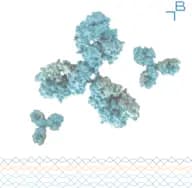
Biochemicals and Reagents
Biochemicals and reagents are fundamental substances for research and development in fields such as biotechnology, molecular biology, pharmacology, and medicine. These products are essential for a variety of applications, including compound synthesis, biological sample analysis, metabolic process research, and drug production. At CymitQuimica, we offer a wide selection of high-quality, high-purity biochemicals and reagents suitable for various scientific and industrial needs. Our catalog includes enzymes, antibodies, nucleic acids, amino acids, and many other products, all designed to support researchers and professionals in their research and development projects, ensuring reliable and reproducible results.
Subcategories of "Biochemicals and Reagents"
- Biomolecules(99,084 products)
- By Biological Target(99,070 products)
- By Pharmacological Effects(6,784 products)
- Cryopreservatives(21 products)
- Desinfectants and Related Compounds(28 products)
- Hormones(346 products)
- Plant Biology(6,693 products)
- Secondary Metabolites(14,217 products)
Found 130573 products of "Biochemicals and Reagents"
Sort by
Purity (%)
0
100
|
0
|
50
|
90
|
95
|
100
IMPAD1 Blocking Peptide
<p>A synthetic peptide for use as a blocking control in assays to test for specificity of IMPAD1 antibody, catalog no. 70R-6370</p>Purity:Min. 95%cMyc antibody
<p>The cMyc antibody is a monoclonal antibody that specifically targets the c-myc protein. This antibody has been shown to have bace1 inhibitory properties, which may be beneficial in the treatment of certain diseases. Additionally, it has a high affinity for 5-hydroxymethylcytosine, making it an effective diagnostic agent for detecting this DNA modification. The cMyc antibody is also known for its low density lipoprotein stabilization activity and neutralizing capabilities against cyanobacterial toxins. With its wide range of applications in life sciences, this antibody is a valuable tool for researchers and clinicians alike. Whether you need monoclonal or polyclonal antibodies, the cMyc antibody is a reliable choice for your research needs.</p>DAPP1 antibody
<p>DAPP1 antibody was raised using the middle region of DAPP1 corresponding to a region with amino acids SLSVRAKDSVKHFHVEYTGYSFKFGFNEFSSLKDFVKHFANQPLIGSETG</p>IGF2 protein
<p>Region of IGF2 protein corresponding to amino acids AYRPSETLCG GELVDTLQFV CGDRGFYFSR PASRVSRRSR GIVEECCFRS CDLALLETYC ATPAKSE.</p>Purity:>98% By Sds Page And Hplc.HLF antibody
<p>HLF antibody was raised in rabbit using the C terminal of HLF as the immunogen</p>Purity:Min. 95%USP16 Blocking Peptide
<p>A synthetic peptide for use as a blocking control in assays to test for specificity of USP16 antibody, catalog no. 70R-1014</p>Purity:Min. 95%NOB1 antibody
<p>NOB1 antibody was raised using a synthetic peptide corresponding to a region with amino acids LPTPKGGKYAINPHLTEDQRFPQLRLSQKARQKTNVFAPDYIAGVSPFVE</p>ATCAY Blocking Peptide
<p>A synthetic peptide for use as a blocking control in assays to test for specificity of ATCAY antibody, catalog no. 70R-10197</p>Purity:Min. 95%STAT2 antibody
<p>The STAT2 antibody is a polyclonal antibody that targets the STAT2 molecule. It is commonly used in research and assays related to androgen signaling, low-density lipoprotein metabolism, autoantibodies, and inhibitors. This antibody has been shown to be effective in detecting and quantifying STAT2 expression in various cell types, including MCF-7 cells. In addition, it is widely used in life sciences research to study the regulation of cortisol concentration and the role of STAT2 in immune responses. The STAT2 antibody is a valuable tool for researchers looking to investigate the function and activation of this important signaling molecule.</p>P2RX2 Blocking Peptide
<p>A synthetic peptide for use as a blocking control in assays to test for specificity of P2RX2 antibody, catalog no. 70R-5081</p>Purity:Min. 95%FYN antibody
<p>FYN antibody was raised using the middle region of FYN corresponding to a region with amino acids CPQDCPISLHELMIHCWKKDPEERPTFEYLQSFLEDYFTATEPQYQPGEN</p>Purity:Min. 95%IL12RB1 protein
<p>The IL12RB1 protein is a crucial component in the field of Life Sciences. It plays a significant role in various biological processes, including immune responses and cell signaling. IL12RB1 interacts with CXCR4, a chemokine receptor, and acts as a receptor for colony-stimulating factors and TNF-α. This protein has been extensively studied and utilized in research and therapeutic applications.</p>Purity:Min. 95%...C-peptide antibody
<p>The C-peptide antibody is a synthetic, recombinant protein that has been activated for use in various life sciences assays. This antibody is specifically designed to detect and bind to C-peptide, a protein fragment that is cleaved from proinsulin during insulin synthesis. The C-peptide antibody can be used in electrophoresis and other laboratory techniques to study the presence and function of C-peptide in human serum samples. This monoclonal antibody is highly specific and has been extensively characterized for its performance and reliability. It can be used as a valuable tool in research and diagnostic applications related to diabetes, insulin secretion, and related disorders. With its buffered formulation and high sensitivity, the C-peptide antibody ensures accurate and reproducible results in various experimental settings. Trust this antibody for your research needs in the field of endocrinology and beyond.</p>WNT4 antibody
<p>The WNT4 antibody is a highly specialized monoclonal antibody that targets the WNT4 protein, a growth factor involved in various cellular processes. This antibody is designed to specifically bind to WNT4 dimers, inhibiting their activity and preventing downstream signaling pathways.</p>FGL2 antibody
<p>FGL2 antibody was raised using the middle region of FGL2 corresponding to a region with amino acids WTVLQARLDGSTNFTRTWQDYKAGFGNLRREFWLGNDKIHLLTKSKEMIL</p>Rabbit anti Goat IgG (H + L) (Fab'2)
<p>This antibody reacts with heavy chains on Goat IgG and light chains on all Goat immunoglobulins.</p>Purity:Min. 95%CRP antibody
<p>CRP antibody was raised in mouse using recombinant human CRP (19-224aa) purified from E. coli as the immunogen.</p>RFX5 Blocking Peptide
<p>A synthetic peptide for use as a blocking control in assays to test for specificity of RFX5 antibody, catalog no. 20R-1188</p>Purity:Min. 95%Scamp5 Blocking Peptide
<p>A synthetic peptide for use as a blocking control in assays to test for specificity of Scamp5 antibody, catalog no. 70R-9786</p>Purity:Min. 95%C-peptide antibody
<p>The C-peptide antibody is a monoclonal antibody that specifically targets the C-peptide protein in human serum. This antibody has been extensively studied for its potential role in cellular protein synthesis and as an inhibitor of certain reactions. In laboratory settings, the C-peptide antibody has demonstrated cytotoxic effects on cells expressing high levels of the target protein. Additionally, this antibody has been used to investigate calcium binding and mineralization processes in various experimental models, including liver microsomes. The C-peptide antibody can be a valuable tool for researchers studying autoantibodies or histidine-related biological processes. Its high specificity and affinity make it an excellent choice for applications requiring precise detection and quantification of the C-peptide protein.</p>PDK1 antibody
<p>The PDK1 antibody is a monoclonal antibody that targets the growth factor receptor PDK1. It specifically binds to the antigen expressed on the surface of cells and inhibits the activation of PDK1, which plays a crucial role in cell growth and survival. This antibody has been shown to block the binding of vitronectin, glucagon, galactose, and chemokines to PDK1, thereby preventing downstream signaling pathways associated with cell proliferation. The PDK1 antibody is a potent family kinase inhibitor that can be used in research studies to investigate the role of PDK1 in various cellular processes. It has also shown promising results in preclinical studies as a potential therapeutic target for diseases such as cancer. Additionally, this antibody can be used in combination with other targeted therapies, such as cetuximab or epidermal growth factor receptor (EGFR) inhibitors, to enhance their efficacy. The PDK1 antibody is available as a high-quality monoclonal antibody</p>PDXK antibody
<p>PDXK antibody was raised using a synthetic peptide corresponding to a region with amino acids PLQVLGFEIDAVNSVQFSNHTGYAHWKGQVLNSDELQELYEGLRLNNMNK</p>TMEM16C Blocking Peptide
<p>A synthetic peptide for use as a blocking control in assays to test for specificity of TMEM16C antibody, catalog no. 70R-6548</p>Purity:Min. 95%PIK3IP1 antibody
<p>PIK3IP1 antibody was raised using the middle region of PIK3IP1 corresponding to a region with amino acids QALPAFTTEIQEASEGPGADEVQVFAPANALPARSEAAAVQPVIGISQRV</p>Purity:Min. 95%CD18 antibody
<p>The CD18 antibody is a monoclonal antibody that targets endothelial growth and erythropoietin. It specifically binds to low density lipoprotein (LDL) receptors on the surface of cells, inhibiting their uptake of LDL cholesterol. This antibody has been extensively studied in the field of Life Sciences and has shown promising results in various applications.</p>Mouse PMN antibody
<p>Mouse PMN antibody was raised in rabbit using mouse PMNs as the immunogen.</p>Purity:Min. 95%SGMS2 antibody
<p>SGMS2 antibody was raised using the N terminal of SGMS2 corresponding to a region with amino acids KFPLEWWKTGIAFIYAVFNLVLTTVMITVVHERVPPKELSPPLPDKFFDY</p>Purity:Min. 95%GNL3 antibody
<p>GNL3 antibody was raised using a synthetic peptide corresponding to a region with amino acids RKQEEREDDKDSDQETVDEEVDENSSGMFAAEETGEALSEETTAGEQSTR</p>HIV1 antibody (HTLV3) (HRP)
<p>HIV1 antibody (HTLV3) (HRP) was raised in goat using human isolate as the immunogen.</p>EEN antibody
<p>The EEN antibody is a glycoprotein that has cytotoxic properties and is known for its anti-glial fibrillary acidic protein (GFAP) activity. It belongs to the family of antibodies that target specific proteins involved in various biological processes. This antibody has been extensively studied in the field of Life Sciences and has shown promising results in research related to adipocytes, endothelial growth factors, and fatty acid metabolism. The EEN antibody is widely used in scientific studies and experiments to investigate the role of GFAP and its potential therapeutic applications. It is available as polyclonal antibodies, ensuring high specificity and sensitivity for accurate detection and analysis.</p>RGS16 antibody
<p>RGS16 antibody is a monoclonal antibody that specifically targets and inhibits the activity of RGS16 protein. RGS16 is involved in various cellular processes, including growth factor signaling, apoptosis, and immune response. By binding to RGS16, this antibody prevents its activation and cytotoxic effects. It also interferes with the formation of RGS16 dimers, which are necessary for its function. This monoclonal antibody has been shown to be effective in inhibiting the growth of Mycoplasma genitalium, a bacterium associated with various reproductive disorders. Additionally, it has potential therapeutic applications in autoimmune diseases where autoantibodies target RGS16 or its interacting proteins. The use of this antibody may provide insights into the role of RGS16 in different cellular pathways and contribute to the development of novel treatments.</p>Rabbit anti Dog IgG (biotin)
<p>Rabbit anti-dog IgG (biotin) was raised in rabbit using canine IgG F(c) fragment as the immunogen.</p>Purity:Min. 95%ADAMTS4 Blocking Peptide
<p>A synthetic peptide for use as a blocking control in assays to test for specificity of ADAMTS4 antibody, catalog no. 70R-2304</p>Purity:Min. 95%RAD51AP1 Blocking Peptide
<p>A synthetic peptide for use as a blocking control in assays to test for specificity of RAD51AP1 antibody, catalog no. 70R-4861</p>Purity:Min. 95%UCP5 antibody
<p>UCP5 antibody was raised in rabbit using a 16 amino acid peptide from rat UCP5 as the immunogen.</p>Purity:Min. 95%LDL protein
<p>LDL protein is a crucial component in the field of Life Sciences. It is commonly used for various research purposes, including the development of monoclonal antibodies and proteins. LDL protein is known for its low density and colloidal properties, making it an ideal candidate for experiments involving natriuretic activities or electrode studies.</p>Purity:Min. 95%TOM1 antibody
<p>TOM1 antibody was raised using a synthetic peptide corresponding to a region with amino acids SGRLEDEFDMFALTRGSSLADQRKEVKYEAPQATDGLAGALDARQQSTGA</p>Warfarin antibody
<p>The Warfarin antibody is a specialized polyclonal antibody that targets and neutralizes the effects of Warfarin, a commonly used anticoagulant medication. This antibody specifically binds to Warfarin and prevents its interaction with collagen, which is essential for the formation of blood clots. It has been extensively tested in both in vitro and in vivo studies, demonstrating high affinity and specificity for Warfarin. The Warfarin antibody can be used in various research applications within the field of life sciences, including but not limited to the study of atypical hemolytic disorders, human serum albumin interactions, and growth factor signaling pathways. With its unique properties and potential therapeutic applications, this antibody is a valuable tool for researchers in need of reliable and effective means to study and manipulate Warfarin-related processes.</p>Purity:Min. 95%PACSIN1 antibody
<p>The PACSIN1 antibody is a highly specific monoclonal antibody that has been extensively tested and validated for use in various life science research applications. This antibody is particularly useful for studying the role of PACSIN1, a protein involved in diverse cellular processes such as endocytosis, vesicle trafficking, and cytoskeletal dynamics.</p>FBXL5 Blocking Peptide
<p>A synthetic peptide for use as a blocking control in assays to test for specificity of FBXL5 antibody, catalog no. 70R-2735</p>Purity:Min. 95%MAP2K7 antibody
<p>MAP2K7 antibody was raised using the middle region of MAP2K7 corresponding to a region with amino acids ERIDPPDPTKPDYDIRADVWSLGISLVELATGQFPYKNCKTDFEVLTKVL</p>YPEL5 antibody
<p>YPEL5 antibody was raised in rabbit using the N terminal of YPEL5 as the immunogen</p>Purity:Min. 95%ZNF624 Blocking Peptide
<p>A synthetic peptide for use as a blocking control in assays to test for specificity of ZNF624 antibody, catalog no. 70R-8957</p>Purity:Min. 95%ACTH antibody
<p>The ACTH antibody is a monoclonal antibody used in Life Sciences research. It specifically targets and binds to adrenocorticotropic hormone (ACTH), a peptide hormone involved in the regulation of steroid synthesis in the adrenal glands. This antibody has been extensively studied and validated for its high specificity and affinity towards ACTH.</p>TSKS antibody
<p>TSKS antibody was raised in rabbit using residues 577-592 of the human TSKS protein as the immunogen.</p>Purity:Min. 95%ZNF14 antibody
<p>ZNF14 antibody was raised using the N terminal of ZNF14 corresponding to a region with amino acids IYYQPFQRHERTHAGQKPYECKQCGKTFIYYQSFQKHAHTGKKPYECKQC</p>RABGGTB antibody
<p>RABGGTB antibody was raised using the middle region of RABGGTB corresponding to a region with amino acids PGDMVDPFHTLFGIAGLSLLGEEQIKPVNPVFCMPEEVLQRVNVQPELVS</p>Estrogen Receptor α antibody
<p>The Estrogen Receptor alpha antibody is a highly specialized antibody that specifically targets and binds to the estrogen receptor alpha. This antibody is reactive and acidic in nature, allowing it to effectively bind to the receptor and modulate its activity. It has a strong affinity for the receptor binding site, ensuring efficient and specific interaction.</p>Purity:Min. 95%KDM1A (360-372) Light
<p>Lysine-specific histone demethylase 1A (LSD1) or lysine (K)-specific demethylase 1A (KDM1A) is a protein in humans that encodes a flavin-dependent monoamine oxidase. The KDM1A protein can demethylate mono- and di-methylated lysines, specifically histone 3, lysines 4 and 9. KDM1A has crucial roles in embryogenesis and tissue-specific differentiation, as well as oocyte growth. KDM1A also appears to play a clinically important role in epigenetic reprogramming zygote formation. Deletion of the gene for KDM1A can have effects on the growth and differentiation of embryonic stem cells. KDM1A is also thought to play a role in cancer, as poorer outcomes can be correlated with higher expression of this gene. Therefore, the inhibition of KDM1A may be a possible treatment for cancer.</p>Purity:Min. 95%Molecular weight:1,445.7 g/molAnti-Müllerian hormone antibody
<p>The Anti-Müllerian hormone antibody is a monoclonal antibody that targets the phosphatase isoenzyme. It has been shown to immobilize and neutralize the activity of the anti-Müllerian hormone in human serum. This antibody is commonly used in immunoassays to detect and quantify levels of anti-Müllerian hormone, which is important for assessing ovarian reserve and fertility potential in women. Additionally, this antibody has applications in research involving mesenchymal stem cells, collagen, and sorafenib. Its high specificity and affinity make it a valuable tool for studying the role of anti-Müllerian hormone in various biological processes.</p>KIF2A antibody
<p>KIF2A antibody was raised using the N terminal of KIF2A corresponding to a region with amino acids IEPSPETPPPPASSAKVNKIVKNRRTVASIKNDPPSRDNRVVGSARARPS</p>Purity:Min. 95%HMGB2 antibody
<p>The HMGB2 antibody is a highly specialized antibody used in Life Sciences research. It is capable of detecting autoantibodies and can be used in various applications such as immunoassays, immunohistochemistry, and Western blotting. This polyclonal antibody specifically targets the HMGB2 protein, which plays a crucial role in DNA binding and gene regulation. It has been widely used to study the function of HMGB2 in various biological processes, including pancreatic glucagon production, cardiomyocyte development, and myostatin signaling. The HMGB2 antibody is highly reliable and provides accurate results when used with appropriate detection methods. Whether you are studying gene expression or protein localization, this monoclonal antibody is an essential tool for your research needs.</p>Mad2L1 Antibody
<p>The Mad2L1 Antibody is a highly specialized monoclonal antibody that targets the CXCR4 protein. This antibody has been extensively studied and proven to be activated upon binding to its target, leading to cytotoxic effects on cancer cells. The Mad2L1 Antibody can be used in various applications such as immunohistochemistry, western blotting, and flow cytometry.</p>PABPC5 Blocking Peptide
<p>A synthetic peptide for use as a blocking control in assays to test for specificity of PABPC5 antibody, catalog no. 70R-4840</p>Purity:Min. 95%LIAS antibody
<p>LIAS antibody was raised using the N terminal of LIAS corresponding to a region with amino acids LLQNGPDLQDFVSGDLADRSTWDEYKGNLKRQKGERLRLPPWLKTEIPMG</p>TLE3 antibody
<p>The TLE3 antibody is a polyclonal antibody that is commonly used in life sciences research. It specifically targets the cation channel and octanoyltransferase known as TLE3. This antibody is widely utilized in studies related to nuclear function, cation transport, and carnitine metabolism. Researchers use the TLE3 antibody to investigate the role of this protein in various cellular processes and pathways. Whether you are studying autoantibodies or developing new medicines, the TLE3 antibody can be a valuable tool in your research arsenal. With its high specificity and sensitivity, it provides reliable results for your experiments. Choose the TLE3 antibody for accurate detection and analysis in your scientific endeavors.</p>SPATA9 antibody
<p>SPATA9 antibody was raised using the N terminal of SPATA9 corresponding to a region with amino acids FKDEFPTILRLSQSNQKREPAQKTSKIRMAIALAKINRATLIRGLNSISR</p>Purity:Min. 95%Ku70 antibody
<p>The Ku70 antibody is a monoclonal antibody that specifically targets potassium channels in human serum. It is widely used in Life Sciences research and is a valuable tool for studying various aspects of potassium channel function. This antibody can be used to detect the presence of retigabine, a potent activator of potassium channels, in biological samples. Additionally, the Ku70 antibody has been shown to interact with growth factors and other biomolecules, making it an essential component in ultrasensitive detection assays. Its high specificity and sensitivity make it a reliable tool for researchers working on cytotoxicity studies and biomolecule analysis. Whether you are studying protein-protein interactions or investigating the role of potassium channels in disease pathways, the Ku70 antibody is an indispensable resource for your research needs.</p>Akt2 antibody
<p>The Akt2 antibody is a highly specific monoclonal antibody that targets Akt2, a protein involved in various cellular processes. This antibody is widely used in life sciences research to study the role of Akt2 in cell signaling pathways and its association with diseases such as cancer.</p>Purity:Min. 95%VEGFR2 antibody
<p>The VEGFR2 antibody is a high-quality monoclonal antibody that is used in Life Sciences research. It specifically targets and binds to the vascular endothelial growth factor receptor 2 (VEGFR2), a protein that plays a crucial role in angiogenesis and blood vessel development. This antibody has been extensively tested and validated for its specificity and low cross-reactivity with other proteins.</p>Purity:Min. 95%ZNF583 antibody
<p>ZNF583 antibody was raised in rabbit using the N terminal of ZNF583 as the immunogen</p>Purity:Min. 95%ATP6V0A1 Blocking Peptide
<p>A synthetic peptide for use as a blocking control in assays to test for specificity of ATP6V0A1 antibody, catalog no. 70R-6858</p>Purity:Min. 95%AK3 antibody
<p>The AK3 antibody is a highly specialized monoclonal antibody used in Life Sciences research. It has been developed to target and bind to specific proteins involved in various cellular processes. This antibody specifically binds to glucagon, a hormone that regulates glucose metabolism, and can be used for studying its function and signaling pathways. Additionally, the AK3 antibody has been shown to interact with other binding proteins, growth factors, and colony-stimulating factors, making it a versatile tool for investigating different cellular mechanisms. Its high specificity and affinity make it an essential component in experiments involving protein-protein interactions, signal transduction pathways, and actin filament dynamics. Researchers can utilize the AK3 antibody to gain insights into these complex biological processes and further advance scientific knowledge in the field of Life Sciences.</p>CDCP1 antibody
<p>The CDCP1 antibody is a highly specialized monoclonal antibody used in Life Sciences research. It specifically targets and binds to the cell surface protein CDCP1, which plays a crucial role in various cellular processes such as cell migration, adhesion, and invasion. This antibody has been extensively studied and shown to effectively inhibit the activation of CDCP1 by blocking its interaction with other molecules.</p>RRP1 antibody
<p>RRP1 antibody was raised using a synthetic peptide corresponding to a region with amino acids IPEKACRRLLEGRRQKKTKKQKRLLRLQQERGKGEKEPPSPGMERKRSRR</p>EPS8 antibody
<p>The 6-Fluoro-3-indoxyl-beta-D-galactopyranoside is a powerful antituberculosis drug that falls under the class of rifamycins. It is specifically designed to combat tuberculosis infections by targeting active compounds and exhibiting bactericidal activity. The effectiveness of this drug has been demonstrated through transcription-quantitative polymerase chain reactions, as well as patch-clamp techniques on human erythrocytes. Its active form undergoes various metabolic transformations, including hydrolysis by esterases or glucuronidases, oxidation by cytochrome P450 enzymes, reduction by glutathione reductase, or conjugation with glucuronic acid. Moreover, it specifically binds to markers expressed at high levels in Mycobacterium tuberculosis strains, inhibiting their growth in culture.</p>TSSK2 Blocking Peptide
<p>A synthetic peptide for use as a blocking control in assays to test for specificity of TSSK2 antibody, catalog no. 70R-9256</p>Purity:Min. 95%HS2ST1 Blocking Peptide
<p>A synthetic peptide for use as a blocking control in assays to test for specificity of HS2ST1 antibody, catalog no. 70R-5276</p>Purity:Min. 95%BMP2 antibody
<p>The BMP2 antibody is a highly specific diagnostic reagent that belongs to the class of antibodies. It is used to detect and analyze protein complexes involved in various biological processes, including the TGF-beta signaling pathway. This antibody has been shown to have specific reactivity towards inflammasome proteins, making it a valuable tool for studying the immune response. The BMP2 antibody can be used in various assays, such as fluorescent assays or polymerase chain reactions, to detect and quantify the presence of target proteins. In addition to its diagnostic applications, this monoclonal antibody has also been found to have immunomodulatory effects, potentially affecting cell function and promoting opsonophagocytic activity. With its wide range of applications in life sciences research, the BMP2 antibody is an essential tool for scientists studying protein interactions and cellular processes.</p>Cant1 protein
<p>The Cant1 protein is a crucial component in the fight against Cryptosporidium parvum, a parasite that causes severe gastrointestinal infections. This protein has been extensively studied and is now available as a recombinant protein for various research purposes.</p>Purity:Min. 95%RCV1 antibody
<p>RCV1 antibody was raised in rabbit using the C terminal of RCV1 as the immunogen</p>Purity:Min. 95%ZNF138 Blocking Peptide
<p>A synthetic peptide for use as a blocking control in assays to test for specificity of ZNF138 antibody, catalog no. 70R-8720</p>Purity:Min. 95%CREG2 Blocking Peptide
<p>A synthetic peptide for use as a blocking control in assays to test for specificity of CREG2 antibody, catalog no. 70R-5475</p>Purity:Min. 95%USP18 Blocking Peptide
<p>A synthetic peptide for use as a blocking control in assays to test for specificity of USP18 antibody, catalog no. 70R-4407</p>Purity:Min. 95%ODF4 antibody
<p>ODF4 antibody was raised using the N terminal of ODF4 corresponding to a region with amino acids MDAEYSGNEFPRSEGERDQHQRPGKERKSGEAGWGTGELGQDGRLLSSTL</p>Purity:Min. 95%TRMT6 Blocking Peptide
<p>A synthetic peptide for use as a blocking control in assays to test for specificity of TRMT6 antibody, catalog no. 70R-9439</p>Purity:Min. 95%TSR1 Blocking Peptide
<p>A synthetic peptide for use as a blocking control in assays to test for specificity of TSR1 antibody, catalog no. 70R-3165</p>Purity:Min. 95%ANKRD7 antibody
<p>ANKRD7 antibody was raised using the middle region of ANKRD7 corresponding to a region with amino acids EYEADLEAKNKDGYTPLLVAVINNNPKMVKFLLEKGADVNASDNYQRTAL</p>Giardia lamblia Antibody
<p>The Giardia lamblia Antibody is a highly effective monoclonal antibody used in Life Sciences research. It is designed to specifically target and neutralize the growth factor of Giardia lamblia, a parasitic protozoan that causes gastrointestinal infections in humans. This antibody has been extensively tested and proven to be effective in inhibiting the growth and replication of Giardia lamblia. It works by binding to the target molecule on the surface of the parasite, preventing its interaction with host cells and disrupting its life cycle. Additionally, this antibody has shown potential as an antiviral agent due to its ability to inhibit protein kinases involved in viral replication. With its exceptional specificity and potency, the Giardia lamblia Antibody is an invaluable tool for researchers studying this pathogen and developing novel therapeutic approaches.</p>ZNF619 antibody
<p>ZNF619 antibody was raised in rabbit using the N terminal of ZNF619 as the immunogen</p>Purity:Min. 95%LRFN5 Blocking Peptide
<p>A synthetic peptide for use as a blocking control in assays to test for specificity of LRFN5 antibody, catalog no. 70R-7539</p>Purity:Min. 95%Atp11c Blocking Peptide
<p>A synthetic peptide for use as a blocking control in assays to test for specificity of Atp11c antibody, catalog no. 70R-8603</p>Purity:Min. 95%Goat anti Mouse IgG (H + L) (Fab'2) (HRP)
<p>Goat anti-mouse IgG (H+L) (Fab'2) (HRP) was raised in goat using murine IgG whole molecule as the immunogen.</p>Purity:Min. 95%ApoB Blocking Peptide
<p>A synthetic peptide for use as a blocking control in assays to test for specificity of APOB antibody, catalog no. 70R-7483</p>Purity:Min. 95%FGFR2 antibody
<p>FGFR2 antibody is a monoclonal antibody that targets the fibroblast growth factor receptor 2 (FGFR2), a protein involved in cell signaling and growth. This antibody specifically binds to FGFR2 and inhibits its activity, preventing the activation of downstream signaling pathways. FGFR2 antibody has shown promising results in preclinical studies as a potential treatment for various diseases, including certain types of cancer. It can be used in research laboratories for studying the role of FGFR2 in cellular processes and as a tool for developing therapeutic strategies targeting this receptor. With its high specificity and efficacy, FGFR2 antibody is a valuable tool for researchers in the field of Life Sciences.</p>SULT1C2 antibody
<p>SULT1C2 antibody was raised using the C terminal of SULT1C2 corresponding to a region with amino acids LDQSISSFMRKGTVGDWKNHFTVAQNERFDEIYRRKMEGTSINFCMEL</p>LL-24-29 Heavy
<p>A tryptic peptide consisting of residues 24-29 of the LL-37 peptide. The arginine residue at position 6 of this peptide is isotopically labelled with carbon-13 (6) and nitrogen-15 (4), giving this peptide a mass increase of 10 compared to the unlabelled peptide. This peptide can be used for quantification and optimisation in LC-MS/MS assays.LL-37 is a member of the large cationic family of anti-microbial peptides called cathelicidins which have broad-spectrum anti-microbial activity and are expressed in many species. The only cathelicidin found in humans is LL-37- this is produced in epithelial cells, by proteolytic cleavage from the C-terminal of the hCAP-18 protein. LL-37 can be processed into different forms of anti-microbial peptides. As well as its anti-microbial properties LL-37 also has anti-cancer properties and regulates many aspects of the innate immune system. Overexpression of LL-37 has been linked to autoimmune diseases such as asthma and psoriasis making LL-37 the most studied form of the human cathelicidin peptides.</p>Purity:Min. 95%Molecular weight:800.5 g/molIRAK2 Blocking Peptide
<p>A synthetic peptide for use as a blocking control in assays to test for specificity of IRAK2 antibody, catalog no. 70R-10272</p>Purity:Min. 95%KLHDC2 antibody
<p>KLHDC2 antibody was raised using the N terminal of KLHDC2 corresponding to a region with amino acids VSDGRHMFVWGGYKSNQVRGLYDFYLPREELWIYNMETGRWKKINTEGDV</p>FBXW11 antibody
<p>FBXW11 antibody was raised using the N terminal of FBXW11 corresponding to a region with amino acids EPDSVIEDKTIELMNTSVMEDQNEDESPKKNTLWQISNGTSSVIVSRKRP</p>Cdc2 antibody
<p>Cdc2 antibody was raised in Mouse using a purified recombinant fragment of Cdc2 expressed in E. coli as the immunogen.</p>TRIM55 antibody
<p>TRIM55 antibody was raised using the N terminal of TRIM55 corresponding to a region with amino acids SGGRFRCPSCRHEVVLDRHGVYGLQRNLLVENIIDIYKQESTRPEKKSDQ</p>KLHL32 Blocking Peptide
<p>A synthetic peptide for use as a blocking control in assays to test for specificity of KLHL32 antibody, catalog no. 70R-3205</p>Purity:Min. 95%Fibronectin antibody
<p>The Fibronectin antibody is a specific antibody used in Life Sciences research. It is a monoclonal antibody that specifically targets fibronectin, a protein involved in cell adhesion and migration. This antibody can be used for various applications, such as immunohistochemistry, Western blotting, and flow cytometry. The Fibronectin antibody has been extensively validated and is highly specific, ensuring accurate and reliable results in your experiments. It is supplied in a buffered solution for easy handling and storage. Whether you are studying cell signaling pathways, growth factors, or collagen deposition, the Fibronectin antibody is an essential tool for your research. Trust this high-quality antibody to provide accurate and reproducible results in your immunoassays.</p>ODF2 Blocking Peptide
<p>A synthetic peptide for use as a blocking control in assays to test for specificity of ODF2 antibody, catalog no. 70R-2636</p>Purity:Min. 95%SRFBP1 antibody
<p>SRFBP1 antibody was raised in rabbit using the middle region of SRFBP1 as the immunogen</p>Purity:Min. 95%IL9 antibody
<p>The IL9 antibody is a polyclonal antibody used in Life Sciences research. It specifically binds to IL9, a cytokine that plays a crucial role in immune response and allergic reactions. The IL9 antibody can be used for various applications, including immunohistochemistry, Western blotting, and ELISA assays. It has been shown to neutralize the activity of IL9 by blocking its binding to its receptor. This antibody can be used to study the function of IL9 in different biological processes and may have potential therapeutic applications in diseases involving abnormal IL9 signaling.</p>Carboxypeptidase B1 Blocking Peptide
<p>A synthetic peptide for use as a blocking control in assays to test for specificity of CPB1 antibody, catalog no. 70R-5447</p>Purity:Min. 95%SHC1 antibody
<p>The SHC1 antibody is a monoclonal antibody used in Life Sciences research. It specifically targets and binds to the SHC1 protein, which plays a crucial role in cellular signaling pathways. This antibody can be used to study the function of SHC1 and its involvement in various biological processes.</p>SLC10A1 Blocking Peptide
<p>A synthetic peptide for use as a blocking control in assays to test for specificity of SLC10A1 antibody, catalog no. 70R-7046</p>Purity:Min. 95%Leptin antibody
<p>Leptin antibody was raised in rabbit using highly pure recombinant human leptin as the immunogen.</p>Purity:Min. 95%Raf1 antibody
<p>The Raf1 antibody is a cytotoxic monoclonal antibody that targets the Raf1 protein, a key component of the MAPK signaling pathway. This antibody specifically binds to tyrosine-phosphorylated Raf1 and inhibits its activity, leading to the suppression of downstream signaling events. The Raf1 antibody has been extensively used in research studies to investigate the role of Raf1 in various cellular processes, such as cell proliferation, differentiation, and survival. It is commonly used in techniques like immunohistochemistry and Western blotting to detect the expression and activation status of Raf1 in different tissues and cell types. Additionally, this antibody has been employed in drug development efforts to test the efficacy of Raf1 inhibitors as potential cancer therapeutics. Its high specificity and sensitivity make it an invaluable tool for scientists working in the field of Life Sciences who aim to understand the complex mechanisms underlying cellular function and disease progression.</p>RAB27A protein (His tag)
<p>1-221 amino acids: MGSSHHHHHH SSGLVPRGSH MSDGDYDYLI KFLALGDSGV GKTSVLYQYT DGKFNSKFIT TVGIDFREKR VVYRASGPDG ATGRGQRIHL QLWDTAGQER FRSLTTAFFR DAMGFLLLFD LTNEQSFLNV RNWISQLQMH AYCENPDIVL CGNKSDLEDQ RVVKEEEAIA LAEKYGIPYF ETSAANGTNI SQAIEMLLDL IMKRMERCVD KSWIPEGVVR SNGHASTDQL SEEKEKGACG C</p>Purity:Min. 95%GRLF1 antibody
<p>GRLF1 antibody was raised in rabbit using the N terminal of GRLF1 as the immunogen</p>Purity:Min. 95%PCYT2 antibody
<p>PCYT2 antibody was raised using the C terminal of PCYT2 corresponding to a region with amino acids KVDLVCHGKTEIIPDRDGSDPYQEPKRRGIFRQIDSGSNLTTDLIVQRII</p>CENTB5 Blocking Peptide
<p>A synthetic peptide for use as a blocking control in assays to test for specificity of CENTB5 antibody, catalog no. 70R-4129</p>Purity:Min. 95%FGFR2 antibody
<p>The FGFR2 antibody is a monoclonal antibody that specifically targets the Flavobacterium heparinum growth factor receptor 2 (FGFR2). This antibody has been extensively studied in the field of life sciences and has shown promising results in various experiments. It has been found to inhibit the binding of transferrin to FGFR2, thereby disrupting the growth factor signaling pathway. The FGFR2 antibody has also been shown to block the activation of GM-CSF (colony-stimulating factor) and TGF-β1, which are important factors for cell proliferation and differentiation. Additionally, this antibody exhibits anti-MERTK activity, further highlighting its potential therapeutic applications. Researchers have successfully used the FGFR2 antibody in immunofluorescence studies by conjugating it with phalloidin, an actin-specific probe. This allows for visualization and analysis of cellular structures under a microscope. With its specific targeting capabilities and diverse range of applications, the FGFR2</p>SERPINI2 Blocking Peptide
<p>A synthetic peptide for use as a blocking control in assays to test for specificity of SERPINI2 antibody, catalog no. 70R-5480</p>Purity:Min. 95%H-Met-Gly-Pro-[AMC].HCl
<p>Substrate peptide for methionine aminopeptidases 1D (MetAP1D) and MetAP2 with aminomethylcoumarin (AMC) fluorophore. When the N-terminal methionine is leaved form this peptide by MetAP 1D/2 the remaining peptide GP-AMC is then rapidly degraded in cytosolic extracts to release the AMC fluorophore so fluorescence can be measured. This peptide is therefore a useful tool for analysing the activity MetAP1D and MetAP2. MetAPs are intracellular metalloproteases which remove the N-terminal methionine from eukaryotic proteins translationally, the removal of which is required for proper protein function, as it may affect their activity, localisation, and stability.MAP1D (or MetAP3) is localised in the mitochondria and has high amino acid homology to MetAP1. MetAP2 expression is associated with cell proliferation and is implicated in tumour growth. AMC is a fluorescent dye with excitation maxima at around 360 nm and emission maxima at around 450 nm. AMC can be excited with a mercury lamp and observed using a UV filter set.</p>Molecular weight:460.2 g/molCYCS Blocking Peptide
<p>A synthetic peptide for use as a blocking control in assays to test for specificity of CYCS antibody, catalog no. 70R-10215</p>Purity:Min. 95%ATXN1 antibody
<p>The ATXN1 antibody is a highly specialized diagnostic agent that belongs to the class of monoclonal antibodies. It is used in various applications within the Life Sciences field, particularly in research and diagnostics. This monoclonal antibody has been specifically designed to target and bind to ATXN1, a protein involved in certain neurological disorders.</p>A4GNT Blocking Peptide
<p>A synthetic peptide for use as a blocking control in assays to test for specificity of A4GNT antibody, catalog no. 70R-7409</p>Purity:Min. 95%Goat anti Mouse IgG + IgA + IgM (H + L) (Texas Red)
<p>Goat anti-mouse IgG/IgA/IgM (H+L) was raised in goat using murine IgG, IgA and IgM whole molecules as the immunogen.</p>Purity:Min. 95%PKC zeta antibody
<p>PKC zeta antibody is an interferon that belongs to the class of antibodies. It specifically targets PKC zeta, a protein involved in various cellular processes. This antibody has been shown to bind to myelin-associated glycoprotein (MAG), a glycoprotein found in the central nervous system. It also binds to galectin-3, a biomolecule involved in cell adhesion and signaling. Furthermore, this antibody has been proven effective against basic protein, collagen, and glucagon. PKC zeta antibody is available in both monoclonal and polyclonal forms, providing options for different research needs. Whether you're studying Life Sciences or conducting experiments in other fields, this antibody can be a valuable tool for your research. With its neutralizing properties and high specificity towards the target molecule, PKC zeta antibody is a reliable choice for researchers looking to investigate the role of PKC zeta in various biological processes.</p>MAP2 antibody
<p>The MAP2 antibody is a highly specialized monoclonal antibody that targets the glial fibrillary acidic protein (GFAP). This antibody has been extensively studied in the field of Life Sciences and has shown remarkable efficacy in various research applications.</p>GSTT1 protein (His tag)
<p>1-240 amino acids: MRGSHHHHHH GMASMTGGQQ MGRDLYDDDD KDRWGSHMGL ELYLDLLSQP CRAVYIFAKK NDIPFELRIV DLIKGQHLSD ACAQVNPLKK VPALKDGDFT LTESVAILLY LTRKYKVPDY WYPQDLQARA RVDEYLAWQH TTLRRSCLRA LWHKVMFPVF LGEPVSPQTL AATLAELDVT LQLLEDKFLQ NKAFLTGPHI SLADLVAITE LMHPVGAGCQ VFEGRPKLAT WRQRVEAAVG EDLFQEAHEV ILKAKDFPPA DPTIKQKLMP WVLAMIR</p>Purity:Min. 95%GABAB Receptor antibody
<p>The GABAB Receptor antibody is a protein-based product that has chromatographic characteristics. It is a neutralizing antibody that targets the angptl3 protein, which is involved in various biological processes such as collagen synthesis and growth factor regulation. This monoclonal antibody specifically binds to the GABAB receptor, an important component of the central nervous system. By targeting this receptor, the antibody can modulate neurotransmission and potentially have therapeutic effects in neurological disorders. The GABAB Receptor antibody is activated upon binding to its target and can induce cytotoxic effects on cells expressing the receptor. Additionally, it may interact with other binding proteins such as epidermal growth factor and hepatocyte growth factor, further expanding its potential applications in research and medicine.</p>PSMA3 antibody
<p>PSMA3 antibody was raised using a synthetic peptide corresponding to a region with amino acids VKDKAFELELSWVGELTNGRHEIVPKDIREEAEKYAKESLKEEDESDDDN</p>PAPOLG Blocking Peptide
<p>A synthetic peptide for use as a blocking control in assays to test for specificity of PAPOLG antibody, catalog no. 70R-4710</p>Purity:Min. 95%BCKDK antibody
<p>The BCKDK antibody is a polyclonal antibody that targets the hepatocyte growth factor, which is a growth factor involved in liver development and regeneration. This antibody is highly specific and cytotoxic, making it an effective tool for research in the field of life sciences. It can be used in various applications such as immunohistochemistry, western blotting, and flow cytometry. The BCKDK antibody has been shown to react with collagen in activated cells and can be immobilized using chromatographic techniques at low pH. With its high affinity and specificity, this monoclonal antibody is a valuable resource for studying the role of hepatocyte growth factors in various biological processes.</p>CD4 antibody (Ser433)
<p>Synthetic human phosphopeptide CD4 (Ser433) region immunogen; rabbit polyclonal CD4 antibody (Ser433)</p>TIMP2 antibody
<p>The TIMP2 antibody is a monoclonal antibody that inhibits the activity of epidermal growth factor (EGF) family kinases. It is used in Life Sciences research to study the role of EGF signaling pathways in various cellular processes. This antibody specifically targets and neutralizes the activity of TIMP2, a protein that regulates the activity of matrix metalloproteinases (MMPs), which are involved in tissue remodeling and cell migration. By inhibiting TIMP2, this antibody can enhance MMP activity and promote cell proliferation and migration. Additionally, this antibody has been shown to have cytotoxic effects on certain cancer cells by activating apoptosis pathways. The TIMP2 antibody is a valuable tool for researchers studying signal transduction, growth factors, and cancer biology.</p>






























![H-Met-Gly-Pro-[AMC].HCl](/_next/image/?url=https%3A%2Fstatic.cymitquimica.com%2Fproducts%2F3D%2Fthumb-webp%2FCRB1110380.webp&w=3840&q=75)