Biochemicals and Reagents
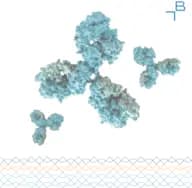
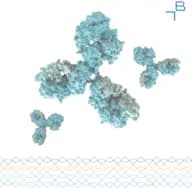
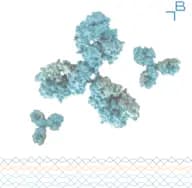
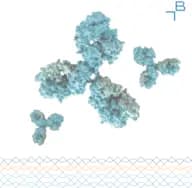
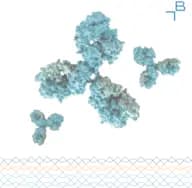
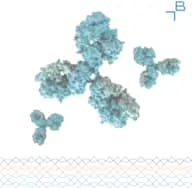
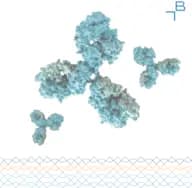
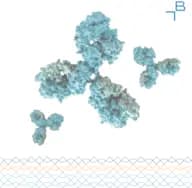
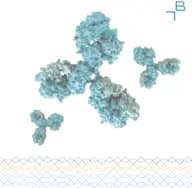
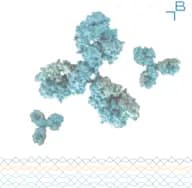
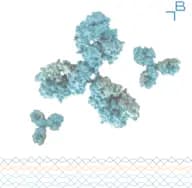
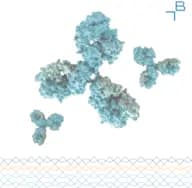
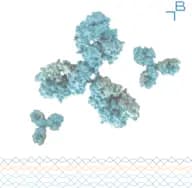
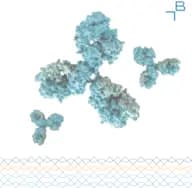
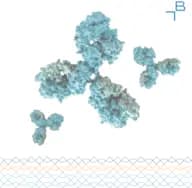
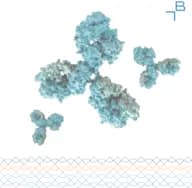
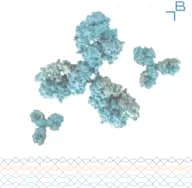
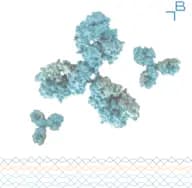
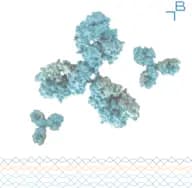
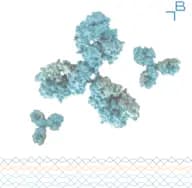
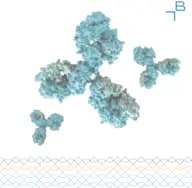
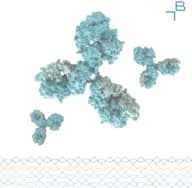
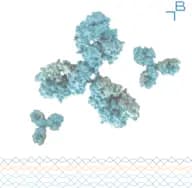
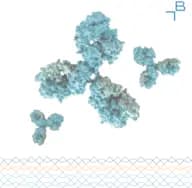
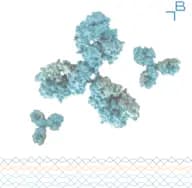
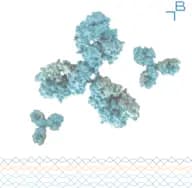
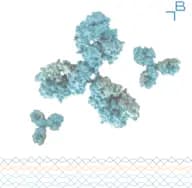
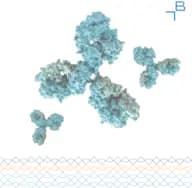
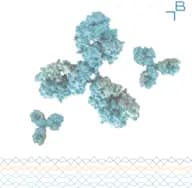
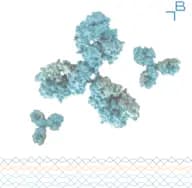
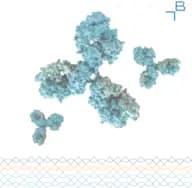
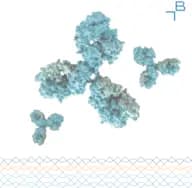
Biochemicals and reagents are fundamental substances for research and development in fields such as biotechnology, molecular biology, pharmacology, and medicine. These products are essential for a variety of applications, including compound synthesis, biological sample analysis, metabolic process research, and drug production. At CymitQuimica, we offer a wide selection of high-quality, high-purity biochemicals and reagents suitable for various scientific and industrial needs. Our catalog includes enzymes, antibodies, nucleic acids, amino acids, and many other products, all designed to support researchers and professionals in their research and development projects, ensuring reliable and reproducible results.
Subcategories of "Biochemicals and Reagents"
- Biomolecules(99,130 products)
- By Biological Target(99,159 products)
- By Pharmacological Effects(6,787 products)
- Cryopreservatives(21 products)
- Desinfectants and Related Compounds(28 products)
- Hormones(346 products)
- Plant Biology(6,747 products)
- Secondary Metabolites(14,222 products)
Found 130579 products of "Biochemicals and Reagents"
Sort by
Purity (%)
0
100
|
0
|
50
|
90
|
95
|
100
HSPA1L Blocking Peptide
<p>A synthetic peptide for use as a blocking control in assays to test for specificity of HSPA1L antibody, catalog no. 70R-4431</p>Purity:Min. 95%RBM6 antibody
<p>RBM6 antibody was raised in rabbit using the N terminal of RBM6 as the immunogen</p>Purity:Min. 95%HDAC4 antibody
<p>The HDAC4 antibody is a highly specific antibody that targets the histone deacetylase 4 (HDAC4) protein. HDAC4 is involved in the regulation of gene expression and plays a crucial role in various cellular processes, including cell growth, differentiation, and apoptosis. This antibody can be used for research purposes in the field of Life Sciences to study the function and localization of HDAC4 in different cell types.</p>Purity:Min. 95%Rabbit anti Whole Bovine serum antibody (IgG fraction)
<p>Whole bovine serum antibody (IgG fraction) was raised in rabbit using bovine serum as the immunogen.</p>Purity:Min. 95%Granulocytes antibody
<p>The Granulocytes antibody is a highly specialized monoclonal antibody used in Life Sciences research. It is commonly utilized in various assays, including the agglutination assay, to study the behavior and functions of granulocytes. This antibody has shown antiangiogenic properties by inhibiting the formation of new blood vessels. Additionally, it binds to actin filaments and disrupts their organization, leading to changes in cell morphology. The Granulocytes antibody also interacts with fibrinogen and growth factors, affecting their signaling pathways. In studies, this antibody has been shown to modulate chemokine receptors and inhibit the binding of ketanserin and dopamine. Furthermore, it has demonstrated its effectiveness as an endothelial growth inhibitor and has implications in erythropoietin production. Its interaction with collagen has also been observed, suggesting a potential role in extracellular matrix remodeling.</p>BHMT antibody
<p>The BHMT antibody is a monoclonal antibody that targets the cation channel inhibitors. It is used to detect autoantibodies against octanoyltransferase, which is an enzyme involved in the metabolism of carnitine. BHMT antibody can be used as part of diagnostic tests to identify individuals with deficiencies in this enzyme or those who may benefit from targeted therapies. This antibody is also commonly used in research settings to study the role of cation channels and methyl transferases in various diseases and conditions. With its high specificity and sensitivity, the BHMT antibody is a valuable tool for scientists and healthcare professionals alike.</p>Osteocalcin antibody
<p>The Osteocalcin antibody is a highly specialized product in the field of Life Sciences. It plays a crucial role in various biological processes, including bone formation and regulation of energy metabolism. This antibody specifically targets osteocalcin, a glycoprotein that is predominantly found in bone tissues.</p>VTN Blocking Peptide
<p>A synthetic peptide for use as a blocking control in assays to test for specificity of VTN antibody, catalog no. 70R-9584</p>Purity:Min. 95%AFAP1L2 antibody
<p>AFAP1L2 antibody was raised in rabbit using the N terminal of AFAP1L2 as the immunogen</p>BIN3 antibody
<p>BIN3 antibody is a monoclonal antibody that specifically targets the BIN3 protein complex. This antibody has been shown to have cytotoxic effects on cancer cells by interfering with the interaction between BIN3 and other biomolecules involved in cell survival and proliferation. The BIN3 antibody also modulates the activity of nuclear receptors, including mineralocorticoid receptors, which play a role in regulating blood pressure and electrolyte balance. Additionally, this antibody has been found to inhibit the release of pro-inflammatory cytokines such as interferon and interleukin-6. The glycosylation of the BIN3 antibody enhances its stability and bioavailability, making it an effective therapeutic option for various diseases.</p>TUBB3 antibody
<p>The TUBB3 antibody is a highly specialized product in the field of Life Sciences. It belongs to the family of monoclonal antibodies and has been designed to specifically target and neutralize natriuretic growth factor. This antibody is widely used in research laboratories and pharmaceutical companies for its ability to inhibit the activity of low-density family kinase inhibitors.</p>CD44 antibody
<p>The CD44 antibody is a highly versatile polyclonal antibody that has various applications in the field of Life Sciences. It is commonly used for immobilization and detection purposes in immunoassays. This antibody specifically targets the CD44 protein, which is involved in cell adhesion, migration, and signaling.</p>Purity:Min. 95%pan Cytokeratin antibody
<p>pan Cytokeratin antibody was raised in Mouse using a purified recombinant fragment of Cytokeratin 5 expressed in E. coli as the immunogen.</p>Inhibin α antibody
<p>Inhibin Alpha antibody was raised using the N terminal of INHA corresponding to a region with amino acids GLAQEAEEGLFRYMFRPSQHTRSRQVTSAQLWFHTGLDRQGTAASNSSEP</p>Purity:Min. 95%NUDT12 antibody
<p>NUDT12 antibody was raised using a synthetic peptide corresponding to a region with amino acids LALAVSTEIKVDKNEIEDARWFTREQVLDVLTKGKQQAFFVPPSRAIAHQ</p>PDGFRb antibody
<p>The PDGFRb antibody is a highly specialized medicament used in the field of Life Sciences. It is a monoclonal antibody that specifically targets and inhibits the protein kinase activity of PDGFRb (Platelet-Derived Growth Factor Receptor Beta). This antibody has been extensively studied and proven to be effective in various research applications.</p>Liraglutide
<p>Liraglutide is sold under the brand name €˜Victoza' and is a medication used to treat diabetes mellitus type 2 and obesity.Liraglutide binds to and activates the GLP-1 (glucagon-like peptide-1) receptor to bring about an increase in insulin secretion and a decrease in glucagon secretion and gastric emptying.</p>Molecular weight:3,748.9 g/molCD86 antibody
<p>The CD86 antibody is a pegylated monoclonal antibody that specifically binds to CD86, a protein involved in immune response regulation. This antibody has been extensively studied in the field of Life Sciences and has shown promising results in various applications.</p>HECTD2 antibody
<p>HECTD2 antibody was raised using the middle region of HECTD2 corresponding to a region with amino acids ALMLLRPEEVEILVCGSPDLDMHALQRSTQYDGYAKTDLTIKYFWDVVLG</p>PPM1G antibody
<p>PPM1G antibody was raised in mouse using recombinant human PPM1G (317-546aa) purified from E. coli as the immunogen.</p>SUSD3 antibody
<p>SUSD3 antibody was raised using the N terminal of SUSD3 corresponding to a region with amino acids LRLPPQATFQVLRGNGASVGTVLMFRCPSNHQMVGSGLLTCTWKGSIAEW</p>Purity:Min. 95%BSG antibody
<p>The BSG antibody is a low-molecular-weight monoclonal antibody that specifically targets transferrin, a growth factor involved in various biological processes. This antibody has been developed using a DNA aptamer derived from flavobacterium heparinum. It has shown high affinity and specificity for transferrin and can be used in various applications in the Life Sciences field.</p>RPS9 Blocking Peptide
<p>A synthetic peptide for use as a blocking control in assays to test for specificity of RPS9 antibody, catalog no. 70R-10369</p>Purity:Min. 95%PHYH Blocking Peptide
<p>A synthetic peptide for use as a blocking control in assays to test for specificity of PHYH antibody, catalog no. 70R-9423</p>Purity:Min. 95%KHK antibody
<p>KHK antibody was raised using a synthetic peptide corresponding to a region with amino acids FQSAEEALRGLYGRVRKGAVLVCAWAEEGADALGPDGKLLHSDAFPPPRV</p>p63 antibody
<p>The p63 antibody is a powerful tool in the field of Life Sciences. It is an activated antibody that specifically targets and binds to the her2 protein, making it an effective anti-her2 antibody. This antibody plays a crucial role in various research applications, including studying epidermal growth factor signaling pathways, growth factor interactions, and cellular processes.</p>TRIM59 antibody
<p>TRIM59 antibody was raised using the middle region of TRIM59 corresponding to a region with amino acids LEKVDDVRQHVQILKQRPLPEVQPVEIYPRVSKILKEEWSRTEIGQIKNV</p>HMBS Blocking Peptide
<p>A synthetic peptide for use as a blocking control in assays to test for specificity of HMBS antibody, catalog no. 70R-3343</p>Purity:Min. 95%Serum amyloid A protein
<p>Serum amyloid A protein is a neutralizing and reactive protein that plays a crucial role in various life sciences applications. It acts as a growth factor and can be used in buffered solutions for research purposes. Serum amyloid A protein interacts with calmodulin and can be detected using specific monoclonal antibodies. It has been shown to have immunosuppressant properties and can inhibit the activity of influenza hemagglutinin. Recombinant forms of serum amyloid A protein are available for use in experiments, providing a reliable source of this important protein. Researchers studying amyloid-related diseases may find serum amyloid A protein particularly valuable for their studies.</p>Purity:Min. 95%CRYBA4 antibody
<p>CRYBA4 antibody was raised in rabbit using the middle region of CRYBA4 as the immunogen</p>Purity:Min. 95%GFAP antibody
<p>The GFAP antibody is a monoclonal antibody that specifically targets glial fibrillary acidic protein (GFAP). It is widely used in life sciences research for various applications, including immunohistochemistry, western blotting, and flow cytometry. This antibody has been shown to be highly specific and sensitive in detecting activated astrocytes, which express high levels of GFAP. Additionally, the GFAP antibody can be used for immobilization of interferon in human serum samples and as an anti-glial fibrillary acidic protein agent in studies involving transthyretin or connexin. With its high affinity and specificity, this monoclonal antibody is a valuable tool for researchers in the field of neuroscience and related disciplines.</p>Cytokeratin 4+5+6+8+10+13+18 antibody (FITC)
<p>Mouse monoclonal Cytokeratin 4+5+6+8+10+13+18 antibody (FITC)</p>CHKB antibody
<p>The CHKB antibody is a highly specialized product in the field of Life Sciences. It belongs to the category of activated monoclonal antibodies and is designed to target specific proteins involved in various biological processes. This antibody specifically interacts with androgen, fatty acid, and growth factor receptors, inhibiting their activity and modulating cellular signaling pathways.</p>Atp4b antibody
<p>Atp4b antibody was raised in rabbit using the C terminal of Atp4b as the immunogen</p>Purity:Min. 95%KCNJ5 antibody
<p>KCNJ5 antibody was raised using the N terminal of KCNJ5 corresponding to a region with amino acids AGDSRNAMNQDMEIGVTPWDPKKIPKQARDYVPIATDRTRLLAEGKKPRQ</p>ENA78 protein
<p>Region of ENA78 protein corresponding to amino acids AAVLRELRCV CLQTTQGVHP KMISNLQVFA IGPQCSKVEV VASLKNGKEI CLDPEAPFLK KVIQKILDGG NKEN.</p>Purity:Min. 95%RPA4 Blocking Peptide
<p>A synthetic peptide for use as a blocking control in assays to test for specificity of RPA4 antibody, catalog no. 70R-5577</p>Purity:Min. 95%Goat anti Rat IgG (H + L) (HRP)
<p>This antibody reacts with heavy (gamma) chains on rat IgG and light chains on all rat immunoglobulins.</p>Purity:Min. 95%Goat anti Rat IgG (H + L) (Alk Phos)
<p>This antibody reacts with heavy (gamma) chains on rat IgG and light chains on all rat immunoglobulins.</p>Purity:Min. 95%Bcr antibody
<p>The Bcr antibody is a cytotoxic monoclonal antibody that specifically targets the Bcr protein. It has been widely used in life sciences research to study the role of Bcr in various cellular processes. This antibody can be used in assays to detect the presence of Bcr, as well as to inhibit its activity. The Bcr antibody has also been used in studies involving human serum, glp-1, and human chorionic gonadotropin. Additionally, this antibody has shown activated extracellular electrode inhibitors against racemase. Its high specificity and potency make it a valuable tool for researchers studying Bcr-related pathways and diseases.</p>Purity:Min. 95%Goat anti Rabbit IgG (rhodamine)
<p>Goat anti-rabbit IgG (Rhodamine) was raised in goat using rabbit IgG F(c) fragment as the immunogen.</p>Purity:Min. 95%MAP4K2 antibody
<p>MAP4K2 antibody was raised using the N terminal of MAP4K2 corresponding to a region with amino acids HLHPMRALMLMSKSSFQPPKLRDKTRWTQNFHHFLKLALTKNPKKRPTAE</p>Purity:Min. 95%TSTA3 antibody
<p>TSTA3 antibody was raised using the N terminal of TSTA3 corresponding to a region with amino acids MGEPQGSMRILVTGGSGLVGKAIQKVVADGAGLPGEDWVFVSSKDADLTD</p>Purity:Min. 95%Dengue NS1 protein (N-terminal)
<p>Purified recombinant Dengue NS1 protein (N-terminal) (GST tag)</p>Purity:Min. 95%SRRD antibody
<p>SRRD antibody was raised using the middle region of SRRD corresponding to a region with amino acids DIFNDTSVHWFPVQKLEQLSIDIWEFREEPDYQDCEDLEIIRNKREDPSA</p>BTK antibody
<p>The BTK antibody is a monoclonal antibody that plays a crucial role in the field of Life Sciences. It interacts with Bruton's tyrosine kinase (BTK) and interferes with its function. BTK is involved in various cellular processes, including the activation of B cells and the regulation of immune responses.</p>COL8A2 Blocking Peptide
<p>A synthetic peptide for use as a blocking control in assays to test for specificity of COL8A2 antibody, catalog no. 70R-9965</p>Purity:Min. 95%EXOSC3 antibody
<p>EXOSC3 antibody was raised using the C terminal of EXOSC3 corresponding to a region with amino acids PLEIVFGMNGRIWVKAKTIQQTLILANILEACEHMTSDQRKQIFSRLAES</p>CDK2 antibody
<p>The CDK2 antibody is a chemokine that has shown promising results as an anticancer agent. This cytotoxic antibody works by targeting and neutralizing the growth factor CDK2, which is activated in certain cancer cells. The CDK2 antibody is a monoclonal antibody, meaning it is produced from a single clone of immune cells and has high specificity for its target. It has been extensively studied in Life Sciences research and has shown great potential in inhibiting cancer cell growth. The CDK2 antibody can be used for various applications, including immobilization on electrodes for detection purposes or as a tool for studying the role of CDK2 in cell signaling pathways. With its high affinity and specificity, this monoclonal antibody holds promise as a valuable tool in cancer research and therapy.</p>IL10 antibody
<p>IL10 antibody is an antibody that specifically targets interleukin-10 (IL-10), a chemokine involved in immune response regulation. This antibody can be used in various research applications, such as studying the role of IL-10 in inflammation, autoimmune diseases, and cancer. It can also be used as a diagnostic tool to detect IL-10 levels in patient samples. IL10 antibody is available in both polyclonal and monoclonal forms, offering researchers different options based on their specific needs. The polyclonal antibodies are generated by immunizing animals with IL-10 protein, while the monoclonal antibodies are produced from a single clone of cells that recognize a specific epitope on IL-10. Both types of antibodies have been extensively validated for their specificity and sensitivity. Whether you're conducting experiments in Life Sciences or working on developing new therapeutics, IL10 antibody can provide valuable insights into the functions of IL-10 and its potential as a therapeutic target.</p>STAT1 antibody
<p>The STAT1 antibody is a highly specialized antibody used in the field of Life Sciences. It is designed to target and bind to the STAT1 protein, which plays a crucial role in cellular signaling pathways. This antibody can be used for various applications such as immunohistochemistry, western blotting, and flow cytometry.</p>Purity:Min. 95%MDS032 antibody
<p>MDS032 antibody was raised in rabbit using the N terminal of MDS032 as the immunogen</p>Purity:Min. 95%Tyrosinase antibody
<p>The Tyrosinase antibody is an activated antibody that specifically targets tyrosinase, an enzyme involved in melanin synthesis. This monoclonal antibody is widely used in Life Sciences research and diagnostics. It can be used to detect and quantify tyrosinase levels in various samples, including tissues, cells, and body fluids. The Tyrosinase antibody can also be conjugated with enzymes such as alkaline phosphatases for detection purposes. In addition, this antibody has been used to study the role of tyrosinase in insulin-like growth factor signaling pathways and glycosylation processes. It is a valuable tool for researchers studying melanoma, skin pigmentation disorders, and other related fields.</p>POLR3H antibody
<p>POLR3H antibody was raised using the middle region of POLR3H corresponding to a region with amino acids AHDLYMDTGEEIRFRVVDESFVDTSPTGPSSADATTSSEELPKKEAPYTL</p>Phenobarbital antibody
<p>Phenobarbital antibody was raised in mouse using phenobarbital-KLH as the immunogen.</p>SPATA7 antibody
<p>SPATA7 antibody was raised using the middle region of SPATA7 corresponding to a region with amino acids FLSQYRYYTPAKRKKDFTDQRIEAETQTELSFKSELGTAETKNMTDSEMN</p>XRCC5 Blocking Peptide
<p>A synthetic peptide for use as a blocking control in assays to test for specificity of XRCC5 antibody, catalog no. 70R-1235</p>Purity:Min. 95%VNN2 Blocking Peptide
<p>A synthetic peptide for use as a blocking control in assays to test for specificity of VNN2 antibody, catalog no. 70R-10375</p>Purity:Min. 95%ELOVL5 antibody
<p>ELOVL5 antibody was raised using a synthetic peptide corresponding to a region with amino acids EHFDASLSTYFKALLGPRDTRVKGWFLLDNYIPTFICSVIYLLIVWLGPK</p>Purity:Min. 95%BNIPL antibody
<p>BNIPL antibody was raised in rabbit using the middle region of BNIPL as the immunogen</p>Purity:Min. 95%Caspase 9 antibody
<p>The Caspase 9 antibody is a highly specialized product used in Life Sciences research. It is an essential tool for studying apoptosis, or programmed cell death. This antibody specifically targets caspase-9, a key enzyme involved in the apoptotic pathway.</p>HEXDC antibody
<p>HEXDC antibody was raised using a synthetic peptide corresponding to a region with amino acids CQMAWAIRAHVGVVPSGPAVSCPHSVPEGPGQPLGERLENTEGSSTGRPA</p>Goat anti Bovine IgG (Texas Red)
<p>Goat anti-bovine IgG was raised in goat using bovine IgG F(ab')2 fragment as the immunogen.</p>Purity:Min. 95%SLC35A3 Blocking Peptide
<p>A synthetic peptide for use as a blocking control in assays to test for specificity of SLC35A3 antibody, catalog no. 70R-7368</p>Purity:Min. 95%TCP10L antibody
<p>TCP10L antibody was raised using a synthetic peptide corresponding to a region with amino acids ASPHAGQESHTLALEPAFGKISPLSADEETIPKYAGHKNQSATLLGQRSS</p>DUXA Blocking Peptide
<p>A synthetic peptide for use as a blocking control in assays to test for specificity of DUXA antibody, catalog no. 70R-8697</p>Purity:Min. 95%ZNF681 antibody
<p>ZNF681 antibody was raised in rabbit using the N terminal of ZNF681 as the immunogen</p>Purity:Min. 95%FCRL4 Blocking Peptide
<p>A synthetic peptide for use as a blocking control in assays to test for specificity of FCRL4 antibody, catalog no. 70R-7229</p>Purity:Min. 95%QTRTD1 Blocking Peptide
<p>A synthetic peptide for use as a blocking control in assays to test for specificity of QTRTD1 antibody, catalog no. 70R-2066</p>Purity:Min. 95%HSV1 gD protein
<p>The HSV1 gD protein is a nuclear protein that is activated during the infection of herpes simplex virus type 1 (HSV1). It is commonly used in research and diagnostic applications as a recombinant protein. The HSV1 gD protein can be used in various studies, such as the development of anti-CD20 antibodies or monoclonal antibodies. It has also been studied for its role in glucose transporter inhibitors and protein kinase inhibitors. In the field of life sciences, the HSV1 gD protein is widely used for its ability to induce cytotoxicity and stimulate immune responses. This recombinant protein is often used in conjunction with human serum or other proteins and antigens to study viral infections and develop new therapeutic strategies.</p>Purity:Min. 95%ZNF205 antibody
<p>ZNF205 antibody was raised in rabbit using the N terminal of ZNF205 as the immunogen</p>Purity:Min. 95%BTBD12 antibody
<p>BTBD12 antibody was raised in rabbit using the N terminal of BTBD12 as the immunogen</p>Purity:Min. 95%SLC39A10 antibody
<p>SLC39A10 antibody was raised using a synthetic peptide corresponding to a region with amino acids LHRQHRGMTELEPSKFSKQAAENEKKYYIEKLFERYGENGRLSFFGLEKL</p>Purity:Min. 95%STAT6 antibody
<p>The STAT6 antibody is a highly specialized diagnostic agent that belongs to the class of monoclonal antibodies. It is designed to specifically target and neutralize dimers of the STAT6 protein, which plays a critical role in cellular signaling pathways. This monoclonal antibody has been extensively studied for its receptor binding properties and has shown great potential as a therapeutic medicament.</p>Purity:Min. 95%USP39 antibody
<p>USP39 antibody was raised in rabbit using the N terminal of USP39 as the immunogen</p>Purity:Min. 95%Cacng8 Blocking Peptide
<p>A synthetic peptide for use as a blocking control in assays to test for specificity of Cacng8 antibody, catalog no. 70R-8073</p>Purity:Min. 95%Scg2 Blocking Peptide
<p>A synthetic peptide for use as a blocking control in assays to test for specificity of Scg2 antibody, catalog no. 70R-8629</p>Purity:Min. 95%DYNLL1 Blocking Peptide
<p>A synthetic peptide for use as a blocking control in assays to test for specificity of DYNLL1 antibody, catalog no. 70R-2573</p>GLS2 Blocking Peptide
<p>A synthetic peptide for use as a blocking control in assays to test for specificity of GLS2 antibody, catalog no. 70R-1110</p>Purity:Min. 95%MAGEB1 antibody
<p>MAGEB1 antibody was raised using the middle region of MAGEB1 corresponding to a region with amino acids EFLAKMNGATPRDFPSHYEEALRDEEERAQVRSSVRARRRTTATTFRARS</p>HMGB1 protein
<p>1-215 amino acids: MGKGDPKKPR GKMSSYAFFV QTCREEHKKK HPDASVNFSE FSKKCSERWK TMSAKEKGKF EDMAKADKAR YEREMKTYIP PKGETKKKFK DPNAPKRPPS AFFLFCSEYR PKIKGEHPGL SIGDVAKKLG EMWNNTAADD KQPYEKKAAK LKEKYEKDIA AYRAKGKPDA AKKGVVKAEK SKKKKEEEED EEDEEDEEEE EDEEDEDEEE DDDDELEHHH HHH</p>Purity:Min. 95%GABRD antibody
<p>GABRD antibody was raised in rabbit using the N terminal of GABRD as the immunogen</p>HERC6 Blocking Peptide
<p>A synthetic peptide for use as a blocking control in assays to test for specificity of HERC6 antibody, catalog no. 70R-2770</p>Purity:Min. 95%Goat anti Human IgG (H + L) (biotin)
<p>This antibody reacts with heavy chains on human IgG (gamma chain) and light chains on all human immunoglobulins.</p>Purity:Min. 95%EGF antibody
<p>EGF antibody was raised in goat using highly pure recombinant murine EGF as the immunogen.</p>Purity:Min. 95%GPR20 antibody
<p>The GPR20 antibody is a highly effective antibody-drug that belongs to the class of antibodies. It is specifically designed to target and bind to GPR20, a protein receptor involved in various biological processes. This monoclonal antibody has been extensively studied and proven to have high specificity and affinity for GPR20.</p>U2AF1 Blocking Peptide
<p>A synthetic peptide for use as a blocking control in assays to test for specificity of U2AF1 antibody, catalog no. 70R-4817</p>Purity:Min. 95%PRDM13 Blocking Peptide
<p>A synthetic peptide for use as a blocking control in assays to test for specificity of PRDM13 antibody, catalog no. 20R-1222</p>Purity:Min. 95%Estriol protein
<p>Estriol protein is a monoclonal antibody that interacts with chemokines and glycoproteins to inhibit their activity. It is commonly used in the field of Life Sciences for research purposes. Estriol protein has been shown to have cytotoxic effects on certain cancer cells by inhibiting the growth factors necessary for their survival. Additionally, it has been found to interact with interferon and androgen receptors, which play important roles in various biological processes. This recombinant protein can also bind to collagen and other binding proteins, making it a versatile tool for studying protein-protein interactions.</p>Purity:Min. 95%G6pc Blocking Peptide
<p>A synthetic peptide for use as a blocking control in assays to test for specificity of G6pc antibody, catalog no. 70R-8595</p>Purity:Min. 95%RPIA antibody
<p>RPIA antibody was raised using a synthetic peptide corresponding to a region with amino acids MQRPGPFSTLYGRVLAPLPGRAGGAASGGGGNSWDLPGSHVRLPGRAQSG</p>INPP5B antibody
<p>The INPP5B antibody is a highly effective substance used in the field of Life Sciences. It belongs to the class of Polyclonal Antibodies and is widely used as a test substance in various research applications. This antibody specifically targets INPP5B, an enzyme involved in the metabolism of inositol phosphates. By inhibiting the activity of INPP5B, this antibody can modulate cellular signaling pathways and provide valuable insights into various cellular processes.</p>LRP1 Blocking Peptide
<p>A synthetic peptide for use as a blocking control in assays to test for specificity of LRP1 antibody, catalog no. 70R-2480</p>Purity:Min. 95%CXORF20 Blocking Peptide
<p>A synthetic peptide for use as a blocking control in assays to test for specificity of CXorf20 antibody, catalog no. 70R-4186</p>Purity:Min. 95%TRAF6 antibody
<p>The TRAF6 antibody is a highly specialized protein that specifically targets TNF-α, a key cytokine involved in inflammation and immune response. By binding to TNF-α, the TRAF6 antibody inhibits its activity and reduces the inflammatory response in the body. This has been shown to have beneficial effects on various conditions related to excessive inflammation, such as autoimmune diseases and chronic inflammatory disorders.</p>AKR1B1 Blocking Peptide
<p>A synthetic peptide for use as a blocking control in assays to test for specificity of AKR1B1 antibody, catalog no. 70R-2252</p>Purity:Min. 95%Tau antibody
<p>The Tau antibody is a polyclonal antibody that is used in Life Sciences research. It specifically targets and binds to the tau protein, which plays a crucial role in the development of neurodegenerative diseases such as Alzheimer's disease. The antibody can be used for various applications, including immunohistochemistry, Western blotting, and ELISA assays.</p>FOXM1 antibody
<p>FOXM1 antibody was raised in rabbit using the middle region of FOXM1 as the immunogen</p>CXCL16 antibody
<p>CXCL16 antibody was raised using a synthetic peptide corresponding to a region with amino acids TARTSATVPVLCLLAIIFILTAALSYVLCKRRRGQSPQSSPDLPVHYIPV</p>Purity:Min. 95%CYP2E1 antibody
<p>The CYP2E1 antibody is a monoclonal antibody used in life sciences research. It specifically targets the CYP2E1 enzyme, which is primarily found in the liver microsomes. This antibody has been widely used to study the role of CYP2E1 in various physiological processes, including drug metabolism, alcohol metabolism, and oxidative stress. It can be used for immunohistochemistry, western blotting, and other molecular biology techniques to detect and quantify the expression levels of CYP2E1 in different tissues and cell types. The CYP2E1 antibody is highly specific and sensitive, making it an essential tool for researchers studying the function and regulation of this important enzyme.</p>LYZ Blocking Peptide
<p>A synthetic peptide for use as a blocking control in assays to test for specificity of LYZ antibody, catalog no. 70R-10029</p>Purity:Min. 95%SDHB antibody
<p>SDHB antibody was raised using a synthetic peptide corresponding to a region with amino acids YRWMIDSRDDFTEERLAKLQDPFSLYRCHTIMNCTRTCPKGLNPGKAIAE</p>SARS antibody
<p>SARS antibody was raised using the C terminal of SARS corresponding to a region with amino acids PEKLKEFMPPGLQELIPFVKPAPIEQEPSKKQKKQHEGSKKKAAARDVTL</p>GLUT5 antibody
<p>The GLUT5 antibody is a highly effective and versatile tool used in various scientific and medical research applications. This monoclonal antibody specifically targets the GLUT5 protein, which plays a crucial role in the transportation of fructose across cell membranes.</p>SERCA2 antibody
<p>The SERCA2 antibody is a highly specialized monoclonal antibody used in Life Sciences research. It specifically targets the nuclear protein SERCA2, which is involved in the regulation of calcium ion transport. This antibody is commonly used to study the role of SERCA2 in various biological processes such as glucose-6-phosphate metabolism and tyrosine phosphorylation. Additionally, it has been utilized in the detection and quantification of autoantibodies, including antiphospholipid antibodies, which are associated with autoimmune disorders. The SERCA2 antibody can also be used as an anti-connexin agent to block gap junction communication and investigate its impact on cellular signaling pathways. Furthermore, this antibody has potential applications as an anticoagulant due to its ability to inhibit collagen-induced platelet aggregation. With its high specificity and versatility, the SERCA2 antibody is a valuable tool for researchers in multiple fields of study.</p>Ctsd antibody
<p>Ctsd antibody was raised in rabbit using the C terminal of Ctsd as the immunogen</p>Purity:Min. 95%SEPP1 antibody
<p>SEPP1 antibody was raised using the N terminal of SEPP1 corresponding to a region with amino acids LGLALALCLLPSGGTESQDQSSLCKQPPAWSIRDQDPMLNSNGSVTVVAL</p>Mouse Serum Albumin protein
<p>Mouse Serum Albumin protein is a highly versatile and widely used protein in the field of Life Sciences. It serves as an essential component for various research applications. This native protein is commonly used as a control or standard in experiments involving monoclonal antibody development, anti-DNP antibodies, and the study of actin filaments.</p>Purity:Min. 95%AKR1B1 antibody
<p>The AKR1B1 antibody is a glycoprotein that targets a specific human protein. It is widely used in the field of Life Sciences for its antiviral properties. This antibody is commonly used in immunoassays, where it plays a crucial role in detecting and quantifying the presence of the target protein. The AKR1B1 antibody can also be used as a tool in various research applications, such as studying fatty acid metabolism or investigating the role of progesterone in cellular processes. It is available as both polyclonal and monoclonal antibodies, providing researchers with options to suit their specific needs. The AKR1B1 antibody has been extensively tested and validated, ensuring reliable and accurate results in experiments. Whether you are conducting basic research or developing diagnostic assays, this antibody is an essential tool for your scientific endeavors.</p>Focal Adhesion Kinase antibody
<p>The Focal Adhesion Kinase antibody is a highly effective monoclonal antibody that targets and inhibits the activity of focal adhesion kinase (FAK). FAK is an important protein involved in cell signaling, cell adhesion, and cell migration. This antibody is specifically designed to bind to FAK and prevent its activation, thereby inhibiting the downstream signaling pathways that contribute to cancer progression.</p>FAM113A Blocking Peptide
<p>A synthetic peptide for use as a blocking control in assays to test for specificity of FAM113A antibody, catalog no. 70R-4107</p>Purity:Min. 95%RPS6 antibody
<p>RPS6 antibody was raised in rabbit using the C terminal of RPS6 as the immunogen</p>Rabbit anti Goat IgG (H + L) (biotin)
<p>Rabbit anti-goat IgG (H+L) (biotin) was raised in rabbit using goat IgG whole molecule as the immunogen.</p>Purity:Min. 95%GPSN2 antibody
<p>GPSN2 antibody was raised using the C terminal of GPSN2 corresponding to a region with amino acids LRPAGSKTRKIPYPTKNPFTWLFLLVSCPNYTYEVGSWIGFAIMTQCLPV</p>Purity:Min. 95%Mouse Thymocyte antibody
<p>Mouse thymocyte antibody was raised in rabbit using RBC-free murine thymocytes as the immunogen.</p>AKT antibody
<p>Akt, also known as Protein Kinase B (PKB), is a serine/threonine-specific protein kinase that plays a vital role in cellular processes such as growth, survival, metabolism, and proliferation. As a central player in the PI3K/Akt/mTOR pathway, it integrates signals essential for cellular adaptation and function. Humans have three main Akt isoforms—Akt1, Akt2, and Akt3—each encoded by separate genes. Akt activation begins when external signals, such as growth factors or insulin, bind to cell surface receptors, activating phosphoinositide 3-kinase (PI3K). This leads to the production of PIP3 on the cell membrane, recruiting Akt and initiating two crucial phosphorylation steps at Thr308 and Ser473, after which Akt becomes fully activated and moves within the cell to phosphorylate its target proteins.Akt’s core functions include promoting cell survival by inhibiting apoptosis through phosphorylation of pro-apoptotic proteins like BAD and Caspase-9, and supporting cell growth and proliferation by activating mTOR, a key regulator of protein synthesis. It also plays a significant role in metabolic regulation, increasing glucose uptake and glycolysis through GLUT4 translocation and hexokinase activation, particularly in muscle and fat tissues. Additionally, Akt promotes angiogenesis by enhancing VEGF expression, which aids tissue repair, and supports cell migration, aiding wound healing but also facilitating cancer cell spread. Due to its extensive role in cell survival and growth, Akt is often hyperactivated in cancers, driving unchecked cell division and tumor progression, making it a target for cancer therapies. Its influence on glucose metabolism also connects Akt to insulin signaling, where pathway defects can impair glucose uptake, contributing to insulin resistance and type 2 diabetes.</p>SLC39A2 Blocking Peptide
<p>A synthetic peptide for use as a blocking control in assays to test for specificity of SLC39A2 antibody, catalog no. 70R-7340</p>Purity:Min. 95%MIOX antibody
<p>The MIOX antibody is a diagnostic biomarker that plays a crucial role in the field of medicine. It is a Monoclonal Antibody that specifically targets proline-rich proteins. This antibody has been extensively studied and proven to be an effective tool in various therapeutic applications, including as inhibitors and theranostics.</p>GPRC5B antibody
<p>GPRC5B antibody was raised in rabbit using the N terminal of GPRC5B as the immunogen</p>Purity:Min. 95%CREB3L1 Blocking Peptide
<p>A synthetic peptide for use as a blocking control in assays to test for specificity of CREB3L1 antibody, catalog no. 20R-1103</p>Purity:Min. 95%EFHA2 Blocking Peptide
<p>A synthetic peptide for use as a blocking control in assays to test for specificity of EFHA2 antibody, catalog no. 70R-3476</p>Purity:Min. 95%Goat anti Rabbit IgG (H + L) (Alk Phos)
<p>This antibody reacts with heavy (gamma) chains on rabbit IgG and light chains on all rabbit immunoglobulins.</p>Purity:Min. 95%MLKL antibody
<p>MLKL antibody was raised using the N terminal of MLKL corresponding to a region with amino acids DVWKELSLLLQVEQRMPVSPISQGASWAQEDQQDADEDRRAFQMLRRDNE</p>