Biochemicals and Reagents
Biochemicals and reagents are fundamental substances for research and development in fields such as biotechnology, molecular biology, pharmacology, and medicine. These products are essential for a variety of applications, including compound synthesis, biological sample analysis, metabolic process research, and drug production. At CymitQuimica, we offer a wide selection of high-quality, high-purity biochemicals and reagents suitable for various scientific and industrial needs. Our catalog includes enzymes, antibodies, nucleic acids, amino acids, and many other products, all designed to support researchers and professionals in their research and development projects, ensuring reliable and reproducible results.
Subcategories of "Biochemicals and Reagents"
- Biomolecules(99,130 products)
- By Biological Target(99,159 products)
- By Pharmacological Effects(6,787 products)
- Cryopreservatives(21 products)
- Desinfectants and Related Compounds(28 products)
- Hormones(346 products)
- Plant Biology(6,747 products)
- Secondary Metabolites(14,222 products)
Found 130579 products of "Biochemicals and Reagents"
Sort by
Purity (%)
0
100
|
0
|
50
|
90
|
95
|
100
PML antibody
<p>The PML antibody is a monoclonal antibody that specifically targets the protein known as promyelocytic leukemia (PML). It has been extensively studied in the field of Life Sciences and is widely used in research and diagnostic applications. The PML antibody binds to PML, inhibiting its activity and preventing its interaction with other proteins. This antibody has been shown to have neutralizing effects on PML function, making it a valuable tool for studying the role of PML in various cellular processes. Additionally, the PML antibody has been conjugated with different tags such as fluorescein isothiocyanate (FITC) or horseradish peroxidase (HRP), allowing for easy detection and visualization of PML in cells and tissues. With its high specificity and affinity, the PML antibody provides researchers with a reliable tool for investigating the function of PML and its potential involvement in disease processes.</p>NFATc2 antibody
<p>NFATc2 antibody was raised in rabbit using residues 269-281 [ASPQRSRSPSPQP] of the human NFATc2 protein as the immunogen.</p>Purity:Min. 95%Ferritin light chain antibody
<p>The Ferritin light chain antibody is a monoclonal antibody that targets the ferritin light chain protein. This antibody has been shown to have various characteristics and functions, including its ability to modulate vasoactive intestinal peptide (VIP) and growth factor signaling pathways. Additionally, it has been found to interact with dopamine and regulate copper concentrations in cells.</p>LCK antibody
<p>The LCK antibody is a highly specialized antibody used in Life Sciences research. It belongs to the group of Monoclonal Antibodies and is known for its cytotoxic and neutralizing properties. The LCK antibody specifically targets β-catenin, a protein involved in cell adhesion and signaling pathways.</p>HIV1 gp41 antibody
<p>HIV1 gp41 antibody was raised in goat using recombinant ectodomain of gp41 as the immunogen.</p>Purity:Min. 95%ATF2 antibody
<p>The ATF2 antibody is a highly specialized antibody that is used in Life Sciences research. It is an inhibitor of the epidermal growth factor and acts as a cytotoxic agent against specific cells. This monoclonal antibody specifically targets ATF2, a transcription factor involved in cell growth and development. The ATF2 antibody can be used for various applications, including Western blotting, immunohistochemistry, and flow cytometry. It is available as both a recombinant antigen and as polyclonal antibodies. The neutralizing properties of this antibody make it an essential tool for studying the role of ATF2 in cellular processes. With its high specificity and affinity to the target protein, the ATF2 antibody provides accurate and reliable results in research experiments.</p>Purity:Min. 95%KIFC3 antibody
<p>KIFC3 antibody was raised using the C terminal of KIFC3 corresponding to a region with amino acids EHLEWEPACQTPQPSARAHSAPSSGTSSRPGSIRRKLQPSGKSRPLPV</p>Purity:Min. 95%TMEM126B antibody
<p>TMEM126B antibody was raised using the N terminal of TMEM126B corresponding to a region with amino acids AASMHGQPSPSLEDAKLRRPMVIEIIEKNFDYLRKEMTQNIYQMATFGTT</p>Purity:Min. 95%SLC5A4 antibody
<p>SLC5A4 antibody was raised in rabbit using a synthetic peptide conjugated to KLH as the immunogen.</p>Purity:Min. 95%ULBP1 antibody
<p>ULBP1 antibody was raised using the N terminal of ULBP1 corresponding to a region with amino acids MAAAASPAFLLCLPLLHLLSGWSRAGWVDTHCLCYDFIITPKSRPEPQWC</p>Purity:Min. 95%Histone H3 antibody
<p>The Histone H3 antibody is a monoclonal antibody that specifically targets histone H3, a protein involved in the packaging of DNA into chromatin. This antibody is commonly used in research studies to investigate histone modifications and their impact on gene expression. It is particularly useful for techniques such as chromatin immunoprecipitation assay (ChIP) which allows researchers to study the interactions between proteins and DNA. The Histone H3 antibody has been extensively validated and is known for its high specificity and sensitivity. It has been successfully used in various applications including Western blotting, immunofluorescence, and immunohistochemistry. Researchers can rely on this antibody to accurately detect histone H3 acetylation levels and gain insights into epigenetic regulation of gene expression.</p>Purity:Min. 95%MAP3K11 antibody
<p>MAP3K11 antibody was raised using the middle region of MAP3K11 corresponding to a region with amino acids PVGQRSAKSPRREEEPRGGTVSPPPGTSRSAPGTPGTPRSPPLGLISRPR</p>Purity:Min. 95%DPPA2 antibody
<p>The DPPA2 antibody is a monoclonal antibody that targets and neutralizes the growth factor DPPA2. It has been shown to inhibit caspase-9 activity, which plays a crucial role in apoptosis. This antibody is formulated with excipients such as histidine and colloidal globulin to enhance stability and efficacy. It can be used in various applications in Life Sciences, including research on mesenchymal stem cells and alpha-fetoprotein. The DPPA2 antibody is a highly specific and potent tool for studying the function of DPPA2 and its role in cellular processes.</p>ZNF644 antibody
<p>ZNF644 antibody was raised in rabbit using the middle region of ZNF644 as the immunogen</p>Purity:Min. 95%MPL antibody
<p>The MPL antibody is a powerful tool in the field of life sciences. It is a polyclonal antibody that specifically targets the myeloproliferative leukemia (MPL) receptor, which is a tyrosine kinase receptor involved in the regulation of hematopoiesis. This antibody has been extensively studied and has shown neutralizing activity against MPL ligands such as thrombopoietin, resulting in the inhibition of downstream signaling pathways.</p>Purity:Min. 95%ANP32A antibody
<p>ANP32A antibody was raised using a synthetic peptide corresponding to a region with amino acids FNCEVTNLNDYRENVFKLLPQLTYLDGYDRDDKEAPDSDAEGYVEGLDDE</p>Purity:Min. 95%BSG antibody
<p>The BSG antibody is a monoclonal antibody that specifically targets tumor necrosis factor-alpha (TNF-α). It is designed to bind to the glycan moiety of TNF-α, preventing its interaction with cell surface receptors. This antibody can be used in various research applications, such as immunohistochemistry and flow cytometry, to detect and quantify TNF-α levels. The BSG antibody has been extensively validated and shown to have high specificity and affinity for TNF-α. Its neutralizing properties make it a valuable tool for studying the role of TNF-α in various physiological and pathological processes. Additionally, this antibody has been used in therapeutic settings, such as the treatment of inflammatory diseases like rheumatoid arthritis, where excessive TNF-α production plays a key role in disease progression.</p>PHACTR3 antibody
<p>PHACTR3 antibody was raised using the C terminal of PHACTR3 corresponding to a region with amino acids IEMKLSKRLSQRPAVEELERRNILKQRNDQTEQEERREIKQRLTRKLNQR</p>BRAF antibody
<p>The BRAF antibody is a highly specialized and reactive antibody that targets the activated form of the BRAF protein. This protein is involved in cell growth and plays a crucial role in various biological processes. The BRAF antibody is cytotoxic, meaning it has the ability to kill cells that express high levels of the activated BRAF protein.</p>Aquaporin 7 antibody
<p>Aquaporin 7 antibody was raised using the C terminal of AQP7 corresponding to a region with amino acids DSVAYEDHGITVLPKMGSHEPTISPLTPVSVSPANRSSVHPAPPLHESMA</p>TIE1 antibody
<p>The TIE1 antibody is a highly specific antibody that targets the TIE1 protein, which is an important receptor involved in various biological processes. This monoclonal antibody is widely used in life sciences research to study the role of TIE1 in insulin signaling, adiponectin signaling, and growth factor regulation.</p>CYP3A43 antibody
<p>CYP3A43 antibody was raised using the C terminal of CYP3A43 corresponding to a region with amino acids IYALHHDPKYWTEPEKFCPESRFSKKNKDSIDLYRYIPFGAGPRNCIGMR</p>Purity:Min. 95%SERPINE1 antibody
<p>The SERPINE1 antibody is a highly specialized antibody that targets the glutamate receptor. It belongs to the class of polyclonal antibodies and has been extensively studied in the field of Life Sciences. This antibody specifically interacts with β-catenin, a protein involved in cell adhesion and signaling pathways. It also inhibits the activity of colony-stimulating factors, which are important for immune response regulation. The SERPINE1 antibody has been shown to be reactive against various monoclonal antibodies, making it a versatile tool for research purposes. Additionally, it exhibits cytotoxic effects on pluripotent cells and can inhibit the activity of protein kinases, including oncogenic kinases. This monoclonal antibody is non-phosphorylated, ensuring its stability and effectiveness in experimental settings. With its wide range of applications in molecular biology and immunology research, the SERPINE1 antibody is an invaluable tool for scientists seeking to unravel complex cellular mechanisms.</p>ALDOC antibody
<p>ALDOC antibody was raised using the C terminal of ALDOC corresponding to a region with amino acids CPLPRPWALTFSYGRALQASALNAWRGQRDNAGAATEEFIKRAEVNGLAA</p>Keratin 18 antibody
<p>The Keratin 18 antibody is a nanocomposite that consists of a DNA aptamer with an amino group. It can be used in Life Sciences research to study the growth factor and protein kinases involved in various cellular processes. The antibody specifically targets Keratin 18, which is a protein expressed in epithelial cells. This monoclonal antibody allows for the detection and visualization of Keratin 18 through an antigen-antibody reaction. It can be used in applications such as immunofluorescence staining, western blotting, and polymerase chain reactions (PCR). The Keratin 18 antibody is highly specific and sensitive, making it a valuable tool for researchers studying cellular biology and disease mechanisms.</p>FSH antibody
<p>FSH antibody was raised in mouse using high purity intact FSH from human pituitary gland as the immunogen.</p>Haptoglobin antibody
<p>Haptoglobin antibody was raised against Human Haptoglobin.</p>Purity:Min. 95%PIGQ antibody
<p>PIGQ antibody was raised using the N terminal of PIGQ corresponding to a region with amino acids PTVLPDRQAGATTASTGGLAAVFDTVARSEVLFRSDRFDEGPVRLSHWQS</p>Purity:Min. 95%RPL37A antibody
<p>RPL37A antibody was raised using the middle region of RPL37A corresponding to a region with amino acids CGKTKMKRRAVGIWHCGSCMKTVAGGAWTYNTTSAVTVKSAIRRLKELKD</p>SNAP25 protein (His tag)
<p>MGSSHHHHHH SSGLVPRGSH MAEDADMRNE LEEMQRRADQ LADESLESTR RMLQLVEESK DAGIRTLVML DEQGEQLERI EEGMDQINKD MKEAEKNLTD LGKFCGLCVC PCNKLKSSDA YKKAWGNNQD GVVASQPARV VDEREQMAIS GGFIRRVTND ARENEMDENL EQVSGIIGNL RHMALDMGNE IDTQNRQIDR IMEKADSNKT RIDEANQRAT KMLGSG</p>Purity:Min. 95%TFR2 antibody
<p>The TFR2 antibody is a highly effective tool in antiestrogen therapy. It specifically targets the histamine H4 receptor, which plays a crucial role in estrogen signaling pathways. By blocking this receptor, the TFR2 antibody effectively inhibits the growth and proliferation of estrogen-dependent tumors.</p>UBE2M antibody
<p>UBE2M antibody was raised using a synthetic peptide corresponding to a region with amino acids IKLFSLKQQKKEEESAGGTKGSSKKASAAQLRIQKDINELNLPKTCDISF</p>NDUFA9 antibody
<p>NDUFA9 antibody was raised using a synthetic peptide corresponding to a region with amino acids QLHHALMPHGKGGRSSVSGIVATVFGATGFLGRYVVNHLGRMGSQVIIPY</p>nNOS antibody
<p>The nNOS antibody is a highly effective tool in the field of atypical hemolytic research. It is specifically designed to target and detect brucella abortus, a bacterium that causes serious infections in animals and humans. This antibody belongs to the class of polyclonal antibodies, which means it can recognize multiple epitopes on the target protein.</p>Toxoplasma gondii protein
<p>Toxoplasma gondii protein is a versatile and essential component in the field of Life Sciences. This protein exhibits various characteristics that make it highly valuable for research purposes. It possesses epidermal growth factor properties, making it an excellent candidate for studying cellular growth and development. Additionally, Toxoplasma gondii protein has been found to have neutralizing effects, which can be utilized in the development of therapeutic interventions.</p>Purity:Wbc ≤ 3% Rbc ≤ 1%Tead4 antibody
<p>Tead4 antibody was raised in rabbit using the middle region of Tead4 as the immunogen</p>Purity:Min. 95%Myozenin 1 Blocking Peptide
<p>A synthetic peptide for use as a blocking control in assays to test for specificity of MYOZ1 antibody, catalog no. 70R-2197</p>Purity:Min. 95%Cathepsin B protein
<p>Cathepsin B protein is a versatile enzyme that plays a crucial role in various biological processes. It is commonly used in research and diagnostic applications. Cathepsin B protein can be easily activated using an electrode or other suitable methods. It is often used in studies involving human serum, where it helps to understand the mechanisms of certain diseases. Monoclonal antibodies specific to Cathepsin B protein are available, which enable researchers to study its functions and interactions with other proteins. Recombinant proteins of Cathepsin B are also widely used in various experiments and assays.</p>Purity:Min. 95%BAT5 antibody
<p>BAT5 antibody was raised using the middle region of BAT5 corresponding to a region with amino acids RAKLLACDGNEIDTMFVDRRGTAEPQGQKLVICCEGNAGFYEVGCVSTPL</p>Purity:Min. 95%GPT2 antibody
<p>GPT2 antibody was raised using a synthetic peptide corresponding to a region with amino acids EIKGQLVKLLSVRLCPPVSGQAAMDIVVNPPVAGEESFEQFSREKESVLG</p>β-2-microglobulin monoclonal antibody
<p>The Beta-2-microglobulin monoclonal antibody is a highly specialized antibody that targets and interacts with beta-2-microglobulin, a protein found on the surface of various cells. This antibody has been extensively studied in the field of Life Sciences and has shown promising results in different applications.</p>IMPAD1 antibody
<p>IMPAD1 antibody was raised using the N terminal of IMPAD1 corresponding to a region with amino acids VLAAVRGGDEVRRVRESNVLHEKSKGKTREGAEDKMTSGDVLSNRKMFYL</p>Purity:Min. 95%MDM2 antibody
<p>The MDM2 antibody is a neutralizing monoclonal antibody that targets the MDM2 protein. It has been shown to inhibit the activity of interleukin-6 (IL-6) and tumor necrosis factor-alpha (TNF-α), two pro-inflammatory cytokines involved in immune responses. This antibody is reactive against adipose tissue and has been used in studies involving conditions such as obesity and metabolic disorders. Additionally, the MDM2 antibody has shown potential therapeutic effects against Brucella abortus, a bacterial pathogen that causes brucellosis. The colloidal gold-labeled MDM2 antibody can be used for immunohistochemistry or immunocytochemistry applications. This antibody also demonstrates inhibitory activity against certain family kinases and amyloid proteins. Overall, the MDM2 antibody offers a versatile tool for researchers studying various biological processes and diseases related to MDM2 and its associated pathways.</p>δ Catenin antibody
<p>delta Catenin antibody was raised in mouse using synthetic peptide J6 (corresponding to aa 292-309) coupled to KLH as the immunogen.</p>Mouse anti Human IgG1
<p>Human IgG1 antibody was raised in mouse using IgG1 Fc region as the immunogen.</p>GPR61 antibody
<p>GPR61 antibody was raised in rabbit using a synthetic peptide conjugated to KLH as the immunogen.</p>Purity:Min. 95%TNF α antibody
<p>TNF alpha antibody was raised in goat using highly pure recombinant murine TNF-alpha as the immunogen.</p>Purity:Min. 95%MAFK antibody
<p>The MAFK antibody is a highly effective substance used in Life Sciences research. It is a recombinant antigen that specifically targets the polypeptide expression of MAFK, which plays a crucial role in various cellular processes. This antibody has been extensively studied and found to inhibit the activity of arginase, an enzyme involved in the metabolism of arginine. Additionally, it has shown potential as a therapeutic agent for non-alcoholic steatohepatitis (NASH) due to its ability to modulate the function of microvessel endothelial cells.</p>Methamphetamine antibody
<p>Introducing the 6-Fluoro-3-indoxyl-beta-D-galactopyranoside: The Ultimate Antituberculosis Solution</p>Purity:Min. 95%MYD88 antibody
<p>The MYD88 antibody is a highly specialized product used in the field of Life Sciences. It is a monoclonal antibody that specifically targets and binds to MYD88, a protein involved in various cellular processes. This antibody has been extensively tested and validated for its efficacy and specificity.</p>TMB Substrate
<p>TMB Substrate is a highly versatile and effective monoclonal antibody used in Life Sciences research. It is commonly used for the detection of growth factors and neutralizing inhibitors, particularly in studies related to oncostatin. This substrate offers exceptional sensitivity and produces a strong signal, making it ideal for various applications such as ELISA assays.</p>Purity:Min. 95%DARPP32 antibody
<p>The DARPP32 antibody is a powerful tool in the field of Life Sciences and medicine. It is an inhibitor that targets the bromodomain, which plays a crucial role in proteolytic processes. This antibody has been shown to effectively inhibit tumor cell growth and metastasis by blocking the activity of metalloproteinases.</p>PDK2 antibody
<p>PDK2 antibody was raised using the middle region of PDK2 corresponding to a region with amino acids ELFKNAMRATVESHESSLILPPIKVMVALGEEDLSIKMSDRGGGVPLRKI</p>CAV1 antibody
<p>CAV1 antibody was raised in rabbit using a synthetic peptide corresponding to residues M(1) S G G K Y V D S E G H L Y T V P(17) C of human CAV1 as the immunogen.</p>Purity:Min. 95%TRIM46 antibody
<p>The TRIM46 antibody is a highly specialized antibody that targets specific proteins in the body. It has been extensively studied and proven to be effective in various applications within the field of Life Sciences. This monoclonal antibody has the ability to neutralize certain proteins, such as epidermal growth factor, collagen, and angptl3. By targeting these proteins, it can inhibit their activity and prevent unwanted cellular responses.</p>IL17 antibody
<p>IL17 antibody was raised in goat using highly pure recombinant hIL-17A as the immunogen.</p>Purity:Min. 95%CCND1 antibody
<p>CCND1 antibody was raised in rabbit using the N terminal of CCND1 as the immunogen</p>Purity:Min. 95%cMet antibody
<p>The cMet antibody is a highly effective inhibitor that targets low-density receptors in the Life Sciences field. It has been shown to significantly reduce cortisol concentration and inhibit the activity of androgen, thereby providing relief from various hormonal imbalances. This medicament is specifically designed to target antibodies, including trastuzumab and polyclonal antibodies, which are known to play a crucial role in autoimmune disorders. The cMet antibody works by blocking the activation of tyrosine kinases, which are responsible for initiating abnormal cell growth and proliferation. With its exceptional performance in laboratory assays, this antibody has proven to be a valuable tool for researchers and clinicians alike in the pursuit of understanding and combating autoimmune diseases.</p>Purity:Min. 95%USP33 antibody
<p>The USP33 antibody is a highly specialized product in the field of Life Sciences. It is a polyclonal antibody that has been developed specifically for use in human hepatocytes. This antibody is used as a medicament to target specific proteins and molecules within the cells, such as collagen, lectins, cytotoxic elastase, and growth factors like TGF-beta. The USP33 antibody has been extensively tested and validated for its efficacy in detecting and quantifying these targets in various biological samples, including human serum and pancreatic elastase. Its high specificity and sensitivity make it an essential tool for researchers and scientists working in the field of molecular biology and biochemistry.</p>ABCC8 antibody
<p>ABCC8 antibody was raised using a synthetic peptide corresponding to a region with amino acids PLAFCGSENHSAAYRVDQGVLNNGCFVDALNVVPHVFLLFITFPILFIGW</p>Purity:Min. 95%UMODL1 antibody
<p>UMODL1 antibody was raised in rabbit using the middle region of UMODL1 as the immunogen</p>Purity:Min. 95%Mouse Brain antibody
<p>Mouse brain antibody was raised in rabbit using brain tissue from BALB/c mice as the immunogen.</p>Purity:Min. 95%LDL Receptor antibody (biotin)
<p>LDL receptor antibody (biotin) was raised in rabbit using a specific synthetic peptide (sequence not conserved in VLDL receptor and LRP) of the LDL receptor extracellular domain as the immunogen.</p>Leukocyte protein
<p>Leukocyte protein is a versatile and essential component of the immune system. It plays a crucial role in the body's defense against pathogens and foreign substances. This protein is involved in various processes, including antigen recognition, antibody production, and immune response regulation.</p>Purity:Min. 95%HBP1 antibody
<p>The HBP1 antibody is a powerful tool in the field of Life Sciences. It specifically targets epidermal growth factor and IL-17A, which are important factors in various biological processes. This antibody acts as an inhibitory factor, neutralizing the activity of these growth factors. With its high specificity and affinity, the HBP1 antibody is ideal for research purposes, such as studying cell signaling pathways and investigating the role of IL-17A in disease development. It is a polyclonal antibody produced from multiple sources, ensuring reliable and consistent results. The HBP1 antibody recognizes specific amino groups and hydroxyl groups on the target proteins, making it a valuable tool for detecting and quantifying their presence in samples. Whether you are studying leukemia inhibitory factor or interleukin-6 activation, the HBP1 antibody will provide accurate and reproducible data to advance your research.</p>Purity:Min. 95%Troponin I protein (Cardiac) (Rabbit)
<p>Purified native Rabbit Troponin I protein (Cardiac)</p>Purity:Min. 95%FGF basic antibody
<p>bFGF antibody was raised in Mouse using recombinant human bFGF as the immunogen.</p>Mouse anti Human IgM (HRP)
<p>IgM antibody was raised in Mouse using recombinant human IgM as the immunogen.</p>Purity:Min. 95%Lapaquistat acetate
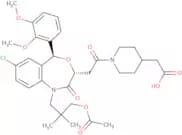
CAS:<p>LAPAQ is a hydroxyl-containing fatty acid that is synthesized by the liver and is used as a co-therapy for lowering low-density lipoprotein cholesterol. LAPAQ has been shown to have a chemical stability that is 8 times higher than that of other drugs, which may be due to its ester linkages. This drug also has anti-inflammatory properties, which are due to its ability to inhibit the production of high-sensitivity c-reactive protein (hsCRP). LAPAQ inhibits the activity of 3 enzymes involved in cholesterol synthesis, including 3-hydroxy-3-methylglutaryl coenzyme A reductase (HMG CoA reductase), acetyl coenzyme A cholesterol acyltransferase (ACAT), and lysophospholipid acyltransferase. It also inhibits the transcriptional regulation of low density lipoprotein cholesterols.</p>Formula:C33H41ClN2O9Purity:Min. 95%Molecular weight:645.14 g/molhCG β protein
<p>hCG beta protein is an activated protein that plays a crucial role in various biological processes. It has been shown to induce the production of interleukin-6 (IL-6) in human serum, which is important for immune responses and inflammation regulation. In Life Sciences, hCG beta protein is used as a target antigen in DNA vaccine development and collagen research. Specific antibodies against hCG beta protein can be used for ultrasensitive detection in diagnostic assays. Additionally, hCG beta protein can be immobilized on a carbon electrode to enhance the sensitivity of electrochemical biosensors. This versatile protein is also used as a reference standard for the quantification of other proteins, such as alpha-fetoprotein. With its wide range of applications, hCG beta protein is an essential tool for researchers working with Native Proteins & Antigens, DNA aptamers, and monoclonal antibodies.</p>Purity:≥98% By Sds-PagePOLK antibody
<p>POLK antibody was raised using a synthetic peptide corresponding to a region with amino acids ATECTLEKTDKDKFVKPLEMSHKKSFFDKKRSERKWSHQDTFKCEAVNKQ</p>Purity:Min. 95%CLPP antibody
<p>The 6-Fluoro-3-indoxyl-beta-D-galactopyranoside is a powerful antituberculosis drug belonging to the rifamycins class. It is specifically designed to target tuberculosis infections and contains active compounds that exhibit bactericidal activity. Through its unique mechanism of action, this drug inhibits bacterial growth by binding to DNA-dependent RNA polymerase, preventing transcription and replication. Extensive research has shown its high efficacy in human erythrocytes using a patch-clamp technique. The metabolization process involves various transformations such as hydrolysis by esterases or glucuronidases, oxidation by cytochrome P450 enzymes, reduction by glutathione reductase, or conjugation with glucuronic acid. Additionally, it selectively binds to markers expressed in Mycobacterium tuberculosis strains, leading to inhibition of cell growth in culture.</p>SERPIND1 antibody
<p>SERPIND1 antibody was raised using a synthetic peptide corresponding to a region with amino acids VSMMQTKGNFLAANDQELDCDILQLEYVGGISMLIVVPHKMSGMKTLEAQ</p>Purity:Min. 95%C2ORF25 antibody
<p>C2ORF25 antibody was raised using the middle region of C2Orf25 corresponding to a region with amino acids RAEGYWADFIDPSSGLAFFGPYTNNTLFETDERYRHLGFSVDDLGCCKVI</p>ERBB2 antibody
<p>The ERBB2 antibody is a monoclonal antibody that acts as a family kinase inhibitor. It specifically targets the epidermal growth factor receptor 2 (ERBB2), which is known to play a critical role in the growth and proliferation of cancer cells. This antibody effectively inhibits the binding of growth factors, such as epidermal growth factor and interleukin-6, to the ERBB2 receptor, thereby preventing the activation of downstream signaling pathways that promote tumor growth.</p>Ubiquilin 3 antibody
<p>Ubiquilin 3 antibody was raised using the N terminal of UBQLN3 corresponding to a region with amino acids LMRQHVSVPEFVTQLIDDPFIPGLLSNTGLVRQLVLDNPHMQQLIQHNPE</p>DEFB1 antibody
<p>The DEFB1 antibody is a growth factor and family kinase inhibitor protein that is widely used in Life Sciences research. This specific antibody is designed to bind to DEFB1, also known as human beta-defensin 1. It has been extensively validated for its high specificity and affinity towards DEFB1, making it an essential tool for studying the function and regulation of this important protein.</p>S6 antibody
<p>The S6 antibody is a highly specialized monoclonal antibody used in the field of Life Sciences. It is specifically designed to target and neutralize collagen, a protein that plays a crucial role in various biological processes. This antibody has been extensively tested and proven to be effective in inhibiting collagen's genotoxic effects.</p>Borrelia burgdorferi antibody
<p>Borrelia burgdorferi antibody was raised in rabbit using a whole cell preparation from Borrelia burgdorferi as the immunogen.</p>Purity:Min. 95%NUDC antibody
<p>NUDC antibody was raised using a synthetic peptide corresponding to a region with amino acids DAENHEAQLKNGSLDSPGKQDTEEDEEEDEKDKGKLKPNLGNGADLPNYR</p>Purity:Min. 95%HES1 antibody
<p>The HES1 antibody is a highly specific monoclonal antibody used in Life Sciences research. It targets the HES1 protein, which plays a crucial role in various cellular processes such as cell differentiation and proliferation. This antibody is commonly utilized in studies involving collagen, alpha-fetoprotein, helicobacter, androgen, annexin, and epidermal growth factor.</p>STK38 antibody
<p>STK38 antibody was raised using the C terminal of STK38 corresponding to a region with amino acids IGAPGVEEIKSNSFFEGVDWEHIRERPAAISIEIKSIDDTSNFDEFPESD</p>Purity:Min. 95%Claudin 19 antibody
<p>Claudin 19 antibody was raised using the C terminal of CLDN19 corresponding to a region with amino acids AVLGGSFLCCTCPEPERPNSSPQPYRPGPSAAAREPVVKLPASAKGPLGV</p>Purity:Min. 95%HYAL1 Blocking Peptide
<p>A synthetic peptide for use as a blocking control in assays to test for specificity of HYAL1 antibody, catalog no. 70R-9002</p>Purity:Min. 95%ARGFX Blocking Peptide
<p>A synthetic peptide for use as a blocking control in assays to test for specificity of ARGFX antibody, catalog no. 70R-8696</p>Purity:Min. 95%TRIM36 antibody
<p>TRIM36 antibody was raised using the middle region of TRIM36 corresponding to a region with amino acids GYIMELIAKGKASAMGLQQTHEHSRLTSKGGEARCPFEISEVGKQSLPRR</p>Calponin antibody
<p>The Calponin antibody is a highly specialized product in the field of Life Sciences. It belongs to the category of Monoclonal Antibodies and is designed for use in human serum. This antibody is specifically designed to target and bind to calponin, a protein involved in various cellular processes.</p>HAV VP1 antibody
<p>HAV VP1 antibody is a monoclonal antibody that specifically targets the HAV VP1 protein. This antibody can be used in various applications, including immunoassays and protein detection. The HAV VP1 antibody is highly specific and exhibits strong binding affinity to the target protein, ensuring accurate and reliable results.</p>TNF α antibody
<p>TNF alpha antibody was raised in rabbit using highly pure recombinant murine TNF-alpha as the immunogen.</p>Purity:Min. 95%C9ORF4 antibody
<p>C9ORF4 antibody was raised using the middle region of C9Orf4 corresponding to a region with amino acids HDDNGRVRIQHFYNVGQWAKEIQRNPARDEEGVFENNRVTCRFKRPVNVP</p>Purity:Min. 95%WDR55 antibody
<p>WDR55 antibody was raised using the middle region of WDR55 corresponding to a region with amino acids AKKLLLTASGDGCLGIFNIKRRRFELLSEPQSGDLTSVTLMKWGKKVACG</p>Histone H1 antibody
<p>The Histone H1 antibody is a powerful tool used in Life Sciences research. This monoclonal antibody specifically targets and neutralizes histone H1, an important protein involved in chromatin structure and gene regulation. It has been extensively tested and validated for use in various applications, including Western blotting, immunohistochemistry, and immunofluorescence.</p>06:0-06:0 NBD pc
CAS:<p>06:0-06:0 NBD pc is a mouse monoclonal antibody that recognizes the extracellular domain of the human protein, calcitonin receptor-like receptor (CLR). CLR is a GPCR that is activated by calcitonin and mediates Ca2+ signaling. 06:0-06:0 NBD pc has been used to study protein interactions, ion channels, and cell biology. 06:0-06:0 NBD pc has also been used as a research tool in pharmacology and life sciences.</p>Formula:C26H42N5O11PPurity:Min. 95%Molecular weight:631.61 g/molEVX2 antibody
<p>EVX2 antibody was raised in rabbit using the middle region of EVX2 as the immunogen</p>Purity:Min. 95%PPM1K antibody
<p>PPM1K antibody was raised using a synthetic peptide corresponding to a region with amino acids AHAVTEQAIQYGTEDNSTAVVVPFGAWGKYKNSEINFSFSRSFASSGRWA</p>SLC22A12 antibody
<p>SLC22A12 antibody was raised using a synthetic peptide corresponding to a region with amino acids SMLENFSAAVPSHRCWAPLLDNSTAQASILGSLSPEALLAISIPPGPNQR</p>Purity:Min. 95%Influenza B antibody
<p>The Influenza B antibody is a hormone peptide that possesses antiviral properties. It is widely used in the field of Life Sciences to study various aspects of influenza infection. This antibody specifically targets and neutralizes the Influenza B virus, preventing its replication and spread within the body. It has been extensively studied for its ability to inhibit the activity of autoantibodies and other immune factors associated with viral infections.</p>IL11 protein
<p>Region of IL11 protein corresponding to amino acids MPGPPPGPPR VSPDPRAELD STVLLTRSLL ADTRQLAAQL RDKFPADGDH NLDSLPTLAM SAGALGALQL PGVLTRLRAD LLSYLRHVQW LRRAGGSSLK TLEPELGTLQ ARLDRLLRRL QLLMSRLALP QPPPDPPAPP LAPPSSAWGG IRAAHAILGG LHLTLDWAVR GLLLLKTRL.</p>Purity:Min. 95%Streptavidin protein
<p>Streptavidin protein is a glycoprotein commonly used in Life Sciences research. It has a high affinity for biotin, making it an ideal tool for various applications such as immunohistochemistry, Western blotting, and protein purification. Streptavidin protein is often used in conjunction with biotinylated monoclonal antibodies to detect specific biomolecules in samples.</p>Purity:Min. 95%SDCBP2 antibody
<p>SDCBP2 antibody was raised using a synthetic peptide corresponding to a region with amino acids VAPVTGYSLGVRRAEIKPGVREIHLCKDERGKTGLRLRKVDQGLFVQLVQ</p>Purity:Min. 95%Rhodopsin antibody
<p>Rhodopsin antibody is a monoclonal antibody that specifically targets and binds to rhodopsin, an important protein involved in vision. This antibody has been extensively studied and shown to have a high affinity for rhodopsin, making it an effective tool for research and diagnostics. It can be used in various applications, such as immunohistochemistry, where it helps visualize the distribution and localization of rhodopsin in tissues. Additionally, this antibody has neutralizing properties, meaning it can block the activity of rhodopsin and inhibit its function. This makes it a valuable tool for studying the role of rhodopsin in various biological processes. Whether you're conducting research in Life Sciences or working on diagnostic applications, this rhodopsin antibody is a reliable choice that delivers accurate and reproducible results.</p>IFN γ R2 antibody
<p>IFN Gamma R2 antibody was raised using a synthetic peptide corresponding to a region with amino acids WEKGGIQQVKGPFRSNSISLDNLKPSRVYCLQVQAQLLWNKSNIFRVGHL</p>Purity:Min. 95%SMAD4 antibody
<p>SMAD4 antibody was raised in Mouse using a purified recombinant fragment of human SMAD4 expressed in E. coli as the immunogen.</p>MTUS1 antibody
<p>MTUS1 antibody was raised using the middle region of MTUS1 corresponding to a region with amino acids KRLSMENEELLWKLHNGDLCSPKRSPTSSAIPLQSPRNSGSFPSPSISPR</p>Purity:Min. 95%Cyclin D1 antibody
<p>The Cyclin D1 antibody is a highly specialized Polyclonal Antibody used in immunoassays within the Life Sciences field. It specifically targets endothelial growth factors, such as fibronectin and collagen, to provide accurate and reliable results. This antibody is available in both polyclonal and monoclonal forms, giving researchers the flexibility to choose the best option for their experiments.</p>NGAL antibody
<p>The NGAL antibody is a monoclonal antibody that specifically targets and binds to activated human serum. It has been extensively studied in the field of Life Sciences for its potential therapeutic applications. The NGAL antibody has shown promising results in inhibiting the activity of sclerostin, a protein involved in bone metabolism. Additionally, it has been found to bind to nuclear antigens and collagen, making it a valuable tool for research in various areas such as immunology and oncology. The NGAL antibody also exhibits cytotoxic effects, making it suitable for antibody-drug conjugate (ADC) development. With its high specificity and versatility, the NGAL antibody is an essential component in the arsenal of researchers and scientists working towards advancements in medical science.</p>CD56 antibody
<p>The CD56 antibody is a highly specialized Monoclonal Antibody that plays a crucial role in various biological processes. This antibody specifically targets the CD56 protein, which is found on the surface of human cells. CD56 antibody has been extensively studied and proven to have significant effects on immune response modulation.</p>