Biochemicals and Reagents
Biochemicals and reagents are fundamental substances for research and development in fields such as biotechnology, molecular biology, pharmacology, and medicine. These products are essential for a variety of applications, including compound synthesis, biological sample analysis, metabolic process research, and drug production. At CymitQuimica, we offer a wide selection of high-quality, high-purity biochemicals and reagents suitable for various scientific and industrial needs. Our catalog includes enzymes, antibodies, nucleic acids, amino acids, and many other products, all designed to support researchers and professionals in their research and development projects, ensuring reliable and reproducible results.
Subcategories of "Biochemicals and Reagents"
- Biomolecules(99,104 products)
- By Biological Target(99,074 products)
- By Pharmacological Effects(6,784 products)
- Cryopreservatives(21 products)
- Desinfectants and Related Compounds(28 products)
- Hormones(346 products)
- Plant Biology(6,693 products)
- Secondary Metabolites(14,218 products)
Found 130576 products of "Biochemicals and Reagents"
Sort by
Purity (%)
0
100
|
0
|
50
|
90
|
95
|
100
3-Bodipy-propanoylaminocaproic Acid, N-Hydroxysuccinimide Ester
CAS:Controlled Product<p>Stability Temperature Sensitive<br>Applications An amine reactive fluorescent labeling reagent.<br></p>Formula:C24H29BF2N4O5Color and Shape:NeatMolecular weight:502.32Disperse Yellow 64 (Technical)
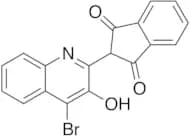
CAS:Controlled ProductFormula:C18H10BrNO3Color and Shape:NeatMolecular weight:368.18Disperse Blue 106
CAS:Controlled Product<p>Applications Disperse Blue 106 is a textile dye that causes allergic contact dermatitis. It is very rarely used in textiles nowadays.<br>References Wentworth, Ashley B., et al.: Dermatitis, 23(6), 269-274 (2012); Malinauskiene, Laura., et al.: Contact Dermititis, 67(3), 141-148 (2012)<br></p>Formula:C14H17N5O3SColor and Shape:BlueMolecular weight:335.38BAPTA-TMFM (>85%)
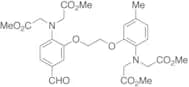
CAS:Controlled Product<p>Stability Light Sensitive<br>Applications BAPTA-TMFM is a fluorescent chelating indicator used to study the role of cytosolic free calcium.Fluorescence: max. Abs. 284nm; e x 10-3: 5.1<br>References Grynkiewicz, G., et al.: J. Biol. Chem., 260, 6, 3440 (1985), Li, B., et al.: Brain Res., 1226, 199 (2008), Chen, W., et al.: Mol. Endocrinol., 22, 1754 (2008), Tonkikh, A., et al.: Neurosci., 159, 1300 (2009),<br></p>Formula:C28H34N2O11Purity:>85%Color and Shape:NeatMolecular weight:574.58Sulfo-N-succinimidyl (N-Iodoacetyl)aminobenzoate Sodium 90%
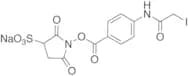
CAS:Controlled Product<p>Applications A water soluble sulfhydryl and amino reactive heterobifunctional protein crosslinking reagent. Spacer Arm: 10.6 Angstroms<br>References Weltman, J.K., et al.: Biotechniques, 1, 148 (1983)<br></p>Formula:C13H10IN2O8S·NaPurity:90%Color and Shape:Off-White To Light YellowMolecular weight:504.19Hexadecanal
CAS:Controlled Product<p>Stability Air and Moisture sensitive<br>Applications It is used in the production of lipid and fatty acids.<br>References Cerniglia, C., et al.: J. Bacteriol., 118, 844 (1974), Leahy, J., et al.: Microbiolog. Rev., 54, 305 (1990),<br></p>Formula:C16H32OColor and Shape:NeatMolecular weight:240.42Kollisolv PEG 300
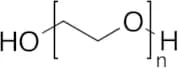
CAS:Controlled Product<p>Applications Kollisolv PEG 300 is used as a thickening agent and gel binder in the pharmaceutical industry.<br></p>Formula:H2O(C2H4O)nColor and Shape:ColourlessMolecular weight:62.07Poly(ethylene Glycol) ~6000
CAS:Controlled Product<p>Applications Poly(ethylene Glycol) molecules of an average molecular mass of 6000. Poly(ethylene Glycol) is used in various applications from industrial chemistry to biological chemistry. Recent research has shown PEG maintains the ability to aid the spinal cord injury recovery process, helping the nerve impulse conduction process in animals. In rats, it has been shown to aid in the repair of severed sciatic axons, helping with nerve damage recovery. It is industrially produced as a lubricating substance for various surfaces to reduce friction. PEG is also used in the preparation of vesicle transport systems in with application towards diagnostic procedures or drug delivery methods.<br>References Borgens, R. et al.: J. Neurosci. Res., 66, 1179 (2001); Stavisky, R. et al.: Neurosci. Lett., 376, 98 (2005); Nalam, P. et al.: Tribiol. Lett., 37, 541 (2010); Steinmetz, N. et al.: J. Am. Chem. Soc., 131, 17093 (2009); Li, X. et al.: J. Am. Chem. Soc., 133, 11147 (2011); Li, L. et al.: Int. J. Pharm., 447, 192 (2013)<br></p>Formula:H2O(C2H4O)nColor and Shape:White To Off-WhiteMolecular weight:62.073-Aminobiphenyl
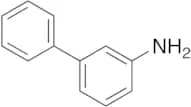
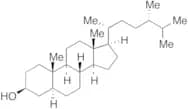
CAS:Controlled Product<p>Applications 3-Aminobiphenyl<br> Not a dangerous good if item is equal to or less than 1g/ml and there is less than 100g/ml in the package<br></p>Formula:C12H11NColor and Shape:YellowMolecular weight:169.22(24S)-Campestanol
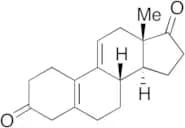
CAS:Controlled Product<p>Applications A phytosterol content in plant food which showed hypocholesterolemic and hypotriglyceridemic effects in hypercholesterolemic overweight volunteers. Used in the treatment of metabolic disorders.<br>References Kasamo, K., et al.: Plant Physiol., 93, 1049 (1990), Davey, M., et al.: J. Sci. Food Agric., 80, 825 (2000), Nomura, T., et al.: J. Biol. Chem., 280, 17873 (2005), Matos, L., et al.: Food Chem., 102, 406 (2007),<br></p>Formula:C28H50OColor and Shape:NeatMolecular weight:402.70Estra-5(10),9(11)-diene-3,17-dione
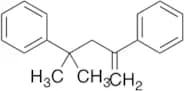
CAS:<p>Applications Estra-5(10),9(11)-diene-3,17-dione, can be used as an intermediate for the synthesis of 3-keto-desogestrel.<br>References Wang, R., et al.: Zhongguo Yaowu Huaxue Zazhi, 4, 187 (1994);<br></p>Formula:C18H22O2Color and Shape:NeatMolecular weight:270.366Nofmer MSD
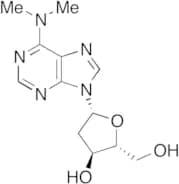
CAS:<p>Applications Nofmer MSD is chain transfer agent; is used in preparation of Polyvinyl Acetate.<br>References Zheng, Q., et al.: Faming Zhuanli Shenqing, (2019);<br></p>Formula:C18H20Color and Shape:NeatMolecular weight:236.35N6-Dimethyldeoxyadenosine
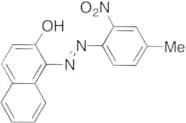
CAS:Controlled ProductFormula:C12H17N5O3Color and Shape:NeatMolecular weight:279.295Toluidine Red
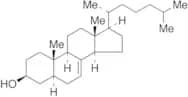
CAS:Controlled Product<p>Applications Toluidine Red is a oil soluble dye. Toluidine Red has been shown to cause hematopoietic cell proliferation in the spleen, liver, and bone marrow of rats. Dyes and metabolites, Environmental Testing<br> Not a dangerous good if item is equal to or less than 1g/ml and there is less than 100g/ml in the package<br>References Zhu, Y., et. al.: Food Chem., 145, 956 (2014); Morgan, D.L., et. al.: Food Chem. Toxicol., 27, 793 (1989)<br></p>Formula:C17H13N3O3Color and Shape:Dark RedMolecular weight:307.30Lathosterol
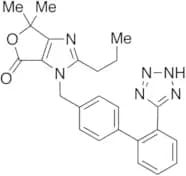
CAS:<p>Applications A Cholesterol (C432501) metabolite. Lathosterol (indicating cholesterol synthesis) and Sitosterol (indicating cholesterol absorption) also decreased with deteriorating health. Low Lathosterol, Sitosterol (S497050), and Cholesterol (C432501) predicted mortality additively and independently of each other.<br>References Chyou, P., et al.: Age Ageing, 29, 69 (2000), Schatz, I., et al.: Lancet, 358, 351 (2001), Bjorkman, M., et al.: Eur. J. Endocrinol., 158, 749 (2008),<br></p>Formula:C27H46OColor and Shape:White To Off-WhiteMolecular weight:386.65Olmesartan Lactone Impurity
CAS:<p>Impurity Olmesartan EP Impurity B/ Olmesartan Medoximil USP Related Compound A<br>Applications Olmesartan Lactone Impurity (Olmesartan EP Impurity B) is a cyclic ester impurity of Olmesartan (O550000).<br></p>Formula:C24H24N6O2Color and Shape:WhiteMolecular weight:428.49n-Tetradecane
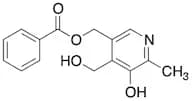
CAS:<p>Applications Tetradecane is a biomarker in dog hair for visceral leishmaniasis.<br>References Magalhaes-Junior, J.T., et. al.: Anal. Bioanal. Chem., 406, 6691 (2014)<br></p>Formula:C14H30Color and Shape:ColourlessMolecular weight:198.39Pyridoxol-3-benzoate
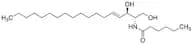
CAS:Controlled ProductFormula:C15H15NO4Color and Shape:NeatMolecular weight:273.284C6 Ceramide
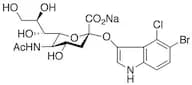
CAS:Controlled Product<p>Applications A biologically active, cell permeable, but nonphysiologic ceramide analog. It stimulates protein phosphatase 2A at concentrations as low as 10 nM and activiates MAP kinase. It induces apoptosis and inhibits glycoproptein traffic by the secretory pathway.<br>References Liu, Z., et al.: J. Neurochem., 106, 2463 (2008), Heakal, Y., et al.: Mol. Cancer Res., 7, 724 (2009), Chen-Quay, S., et al.: J. Pharm. Sci., 98, 606 (2009), Mahdy, A., et al.: Mol. Ther., 17, 430 (2009),<br></p>Formula:C24H47NO3Color and Shape:White To Off-WhiteMolecular weight:397.635-Bromo-4-chloro-3-indolyl-α-D-N-acetylneuraminic Acid, Sodium Salt
CAS:Controlled Product<p>Stability Moisture, Temperature sensitive<br>Applications Used as a substrate for the detection of sialidase-like enzyme in screening of enzymes, studying physiological activities of gangliosides, and recombinant technologies.<br>References Biorg. Med. Chem., 1, 147 (1993)<br></p>Formula:C19H21BrClN2O9·NaColor and Shape:NeatMolecular weight:559.72Demethyldihydrolanosterol
CAS:Controlled Product<p>Applications Demethyldihydrolanosterol, is a derivative of Lanosterol (L174580). It is also a sterol that activate oocyte meiosis.<br>References Byskov, A., et al.: Nature (London), 374, 559 (1995); Ma, L., et. al.: Food Chem., 139, 503 (2013);<br></p>Formula:C29H50OColor and Shape:NeatMolecular weight:414.71Ethyl Olivetolate
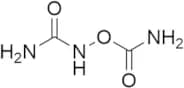
CAS:Controlled Product<p>Applications Ethyl Olivetolate is used for preparation of crystalline Cannabidiol for pharmaceutical formulations.<br>References Dickman, D., et al.: U.S. Pat. Appl. Publ., (2017);<br></p>Formula:C14H20O4Color and Shape:NeatMolecular weight:252.31(Aminocarbonyl)azanyl Carbamic Acid Ester
CAS:Controlled ProductFormula:C2H5N3O3Color and Shape:NeatMolecular weight:119.0793,5-Dihydroxyphenylpropanoic Acid 3-Sulfate Disodium Hydrate
CAS:Formula:C9H8Na2O7S·xH2OColor and Shape:NeatGentian Violet (~90%)
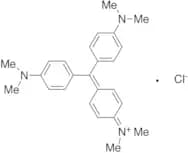
CAS:Controlled Product<p>Stability Light Sensitive<br>Applications Anti-infective (topical). Has been used as anthelmintic (Nematodes). Dyes and metabolites, Environmental Testing.<br> Not a dangerous good if item is equal to or less than 1g/ml and there is less than 100g/ml in the package<br>References Hodge, H.C., et al.: Toxicol. Appl. Pharmacol., 22, 1 (1972), Docampo, R., et al.: Drug Metab. Rev., 22, 161 (1990),<br></p>Formula:C25H30N3·ClPurity:~90%Color and Shape:Dark GreenMolecular weight:407.9821-Dehydrocorticosterone Glycerol Acetal (Mixture of Diastereomers)
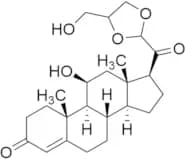
Formula:C24H34O6Color and Shape:Neatm-Toluidine
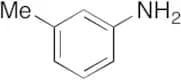
CAS:Controlled Product<p>Applications m-Toluidine is a reagent that is used in the synthesis of torsemide and its derivatives which are used as a diuretic.<br> Not a dangerous good if item is equal to or less than 1g/ml and there is less than 100g/ml in the package<br>References Lesne, M., et al.: In. J. Clin. Pharmacol. Ther. Toxicol., 20, 382 (1982), Brater, D.C., et al.: Clin. Pharmacol. Ther., 42, 187 (1987),<br></p>Formula:C7H9NColor and Shape:Yellow To BrownMolecular weight:107.15N-Acetyl-L-cysteine-d3
CAS:Controlled Product<p>Stability Hygroscopic<br>Applications A labelled metabolite of Methyl isocyanate.<br>References Slatter, J. G., et al.: Chem. Res. Toxicol., 4, 157 (1991),<br></p>Formula:C52H3H6NO3SColor and Shape:Off-WhiteMolecular weight:166.21Menthyl Anthranilate
CAS:Controlled ProductFormula:C17H25NO2Color and Shape:Off-WhiteMolecular weight:275.39Butyrylglycine
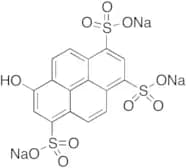
CAS:<p>Applications Butyrylglycine is one of the acylglycines, an important class of metabolites that have been used in the diagnosis of several inborn errors of metabolism (IEM).<br>References Costa, C., et al.: J. Pharmaceut. Biomed. Anal., 21, 1215 (2000), Garcia-Villoria, J., et al.: Clin. Biochem., 42, 2 (2009), Scalbert, A., et al.: Metabolomics, 5, 435 (2009),<br></p>Formula:C6H11NO3Color and Shape:NeatMolecular weight:145.168-Hydroxypyrene-1,3,6-trisulfonic Acid Trisodium Salt (Technical Grade)
CAS:Controlled Product<p>Applications 8-Hydroxypyrene-1,3,6-trisulfonic Acid, Trisodium Salt is or 6358-69-6), a fluorescent pH indicator. It is a salt form of 8-Hydroxypyrene-1,3,6-trisulfonic Acid (CAS 27928-00-3) which can be used in biological study of phenylene vinylene macrocycles as artificial transmembrane transporters. Dyes and metabolites, Environmental Testing.<br>References Hu, X., et al.: Chem Commun, 52, 5848 (2016)<br></p>Formula:C16H7O10S3·3NaColor and Shape:NeatMolecular weight:524.39Nicotianamine
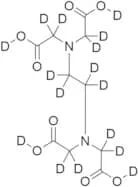
CAS:Controlled Product<p>Applications Phytosiderophores are produced in higher plants as iron chelating amino acids that promote uptake of iron from soil.<br>References Klair, S., et al.: J. Plant Nutr., 19, 1295 (1996),<br></p>Formula:C11H19N3O6Color and Shape:NeatMolecular weight:289.29Ethylenediaminetetraacetic Acid-d16
CAS:Controlled Product<p>Applications Ethylenediaminetetraacetic Acid-d16 (CAS# 203805-96-3) is a useful isotopically labeled research compound.<br></p>Formula:C10D16N2O8Color and Shape:White To Off-WhiteMolecular weight:308.342,6-Diaminopimelic Acid
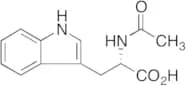
CAS:Controlled Product<p>Applications 2,6-Diaminopimelic Acid is useful in biological studies involving amino acids and amino sugars as molecular indicators of the origins of organic matter in buried tephra soils.<br>References Hobara, S., et al.: Geoderma, 373, 114449 (2020)<br></p>Formula:C7H14N2O4Color and Shape:NeatMolecular weight:190.20N-Acetyl-L-Tryptophan
CAS:Controlled Product<p>Applications N-Acetyl-L-Tryptophan, is a derivative of L-Tryptophan (T947210), that can be used as competitive inhibitor to identify and characterize tryptophanases. It can also be used as an NK1 tachykinin receptor antagonist, that may help to develop a novel therapeutic intervention for the treatment of reperfusion injury in acute ischemic stroke.<br>References Turner, R. J., et al.: Neuroscience, 220, 1 (2012);<br></p>Formula:C13H14N2O3Color and Shape:White To Off-WhiteMolecular weight:246.26Menaquinone 7, Synthetic (90%)
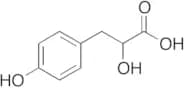
CAS:<p>Stability Light and Temperature Sensitive<br>Applications Menaquinones are isoprenoid quinones of the naphthalene series and belongs to the K2 Vitamin homologs. Menaquinones were originally discovered as the anti-hemorrhagic factor and now encompasses a variety of physiological processes. Menaquinone 7 belongs to the class of K2-Vitamins homologs. Menaquinone 7 has been identified as the most bioactive cofactor for the carboxylation reaction of Gla-proteins such as osteocalcin and matrix-Gla protein, which plays a crucial role in building and maintaining overall bone health.<br>References Hugenholtz, P., et al.: J. Bacteriol., 180, 4765 (1998), Ginet, N., et al.: Biochemistry, 40, 1812 (2001), Cape, J., et al.: J. Biol. Chem., 280, 34654 (2005),<br></p>Formula:C46H64O2Purity:90%Color and Shape:Light YellowMolecular weight:649.00DL-p-Hydroxyphenyllactic Acid
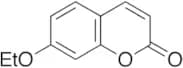
CAS:Controlled Product<p>Applications DL-p-Hydroxyphenyllactic Acid is used as a reagent in the synthesis of 2-O-(4-coumaroyl)-3-(4-hydroxyphenyl)lactic acid, an important intermediate of rosmarinic acid biosynthesis.<br>References Matsuno, M., et al.: Chem. Pharm. Bull., 49, 1644 (2001)<br></p>Formula:C9H10O4Color and Shape:Off-WhiteMolecular weight:182.177-Ethoxycoumarin
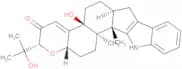
CAS:Controlled Product<p>Applications A substrate for cytochrome CYP2B6.<br>References Kabumoto, H., et al.: Biosci., Biotechnol., Biochem., 73, 1922 (2009), Maresca, A., et al.: J. Med. Chem., 53, 335 (2010), Si-Ahmed, K., et al.: J. Pharm. Biomed. Anal., 51, 225 (2010),<br></p>Formula:C11H10O3Color and Shape:NeatMolecular weight:190.20Paxilline, Penicillium paxilli
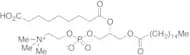
CAS:<p>M02243 - Paxilline, Penicillium paxilli</p>Formula:C27H33NO4Purity:>98%Color and Shape:Solid, Off-white powderMolecular weight:435.564PazePC (>90%)
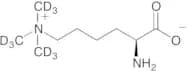
CAS:Controlled ProductFormula:C33H64NO10PPurity:>90%Color and Shape:NeatMolecular weight:665.84Nε,Nε,Nε-Trimethyllysine-d9
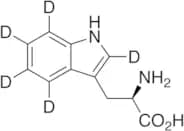
CAS:Controlled Product<p>Stability Very Hygroscopic<br>Applications 6-N-Trimethyl L-Lysine-d9, is the labeled analogue of Nε,Nε,Nε-Trimethyllysine, a metabolite and cofactor on the metabolic pathways.<br>References Rebouche C.J., et. al, J. Nutrition, 116(5), 751-759 (1986); Vaz, F.M et. al, J. Bio. Chem., 276(36), 33512-33517 (2001);<br></p>Formula:C9H11D9N2O2Color and Shape:NeatMolecular weight:197.32D-Tryptophan-d5
CAS:Controlled Product<p>Applications Labelled analogue of an essential amino acid found in naturally produced peptides. Unlike its stereoisomer, L-tryptophan, it is not used in structural or enzyme proteins.<br>References Karunakaran, S.et al.: Bochem. J., 414, 343 (2008); Pallaghy, P.K. et al.: Biochem., 38, 11553 (1999);<br></p>Formula:C112H5H7N2O2Color and Shape:NeatMolecular weight:209.26Azido-PEG3-alcohol
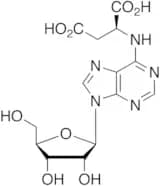
CAS:Controlled ProductFormula:C6H13N3O3Color and Shape:NeatMolecular weight:175.19N6-Succinyl Adenosine
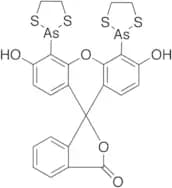
CAS:<p>Applications Succinyladenosine (S-Ado) is a biochemical marker of adenylosuccinase deficiency - the genetic defect of purine de novo synthesis. S-Ado has been previously reported as normally undetectable in cerebrospinal fluid (CSF) of children not suffering from this defect.<br>References Wevers, R., et al.: Clin. Chem., 41, 744 (1995), Nassogne, M., et al.: Brain Dev., 22, 383 (2000), Jurecka, A., et al.: Mol. Genet., 94, 435 (2008),<br></p>Formula:C14H17N5O8Color and Shape:White To Light YellowMolecular weight:383.31FlAsH-EDT2
CAS:Controlled Product<p>Applications The Fluorescein Arsenical Hairpin Binder (FlAsH) method is presented for fluorescence labeling of proteins in living cells. Labeling proteins with the membrane-permeant fluorogenic biarsenical dye fluorescein arsenical hairpin binder-ethanedithiol (FlAsH-EDT2). The membrane-permeant fluorogenic biarsenicals FlAsH-EDT2 and ReAsH-EDT2 can be prepared in good yields by a straightforward two-step procedure from the inexpensive precursor dyes fluorescein and resorufin.<br> Not a dangerous good if item is equal to or less than 1g/ml and there is less than 100g/ml in the package<br>References Gaietta, G., et al.: Science, 296, 503 (2002), Hoffmann, C., et al.: Nature Methods, 2, 171 (2005), Dyachok, O., et al.: Nature, 439, 349 (2006), Gautier, A., et al.: Chem. Biol., 15, 128 (2008),<br></p>Formula:C24H18As2O5S4Color and Shape:White To Light OrangeMolecular weight:664.50Danofloxacin
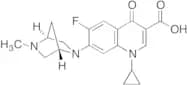
CAS:<p>Applications Danofloxacin is a broad spectrum fluoroquinolone antibacterial compound.<br>References Golet, E., et al.: Anal. Chem., 73, 3632 (2001); Golet, E., et al.: Environ. Sci. Technol., 36, 3645 (2002); Huet, A., et al.: J. Agric. Food Chem., 54, 2822 (2006);<br></p>Formula:C19H20FN3O3Color and Shape:Off-WhiteMolecular weight:357.38