Hydrocarbon Building Blocks
Subcategories of "Hydrocarbon Building Blocks"
Found 5584 products of "Hydrocarbon Building Blocks"
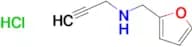
(furan-2-ylmethyl)(prop-2-yn-1-yl)amine hydrochloride
CAS:Formula:C8H10ClNOPurity:95+%Molecular weight:171.627-Octyn-1-ol
CAS:Controlled ProductApplications 7-Octyn-1-ol is used in the synthesis of the sex pheromone of the citrus leafminer, Phyllocnistis citrella.
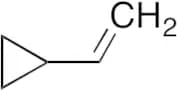
References Ando, T., et al.: Agric. Biol. Chem., 49, 3633 (1985), Beevor, P., et al.: J. Chem. Ecol., 12, 1 (1986), Kerr, D., et al.: J. Med. Chem., 33, 1958 (1990), McElfresh, J., et al.: Ecology, 82, 3505 (2002),Formula:C8H14OColor and Shape:NeatMolecular weight:126.2Vinylcyclopropane
CAS:Controlled ProductStability Highly Volatile
Applications Vinylcyclopropane is a useful synthetic intermediate. Vinylcyclopropane and its derivatives can participate in a variety of transition-metal-catalyzed multicomponent cycloadditions to produce five- to eight-membered carbocycles.
References Jiao, L., et al.: J. Org. Chem., 78, 6842 (2013); Pasto, D., et al.: Tetrahedron Lett., 9, 713 (1979); Larock, R., et al.: Tetrahedron, 52, 2743 (1996)Formula:C5H8Color and Shape:NeatMolecular weight:68.121,4,7-Triazacyclononane trihydrochloride
CAS:1,4,7-Triazacyclononane trihydrochloride is a coordination compound that belongs to the class of ligands. It is a chelate ring with six phosphate groups and six nitrogen atoms. It has been shown to behave as an irreversible oxidation catalyst for carboxylate and amine molecules. This molecule also has redox potentials in the range of -0.35 to -0.5 volts and can reversibly oxidize inorganic acids with strong electron-donating properties such as phosphoric acid, nitric acid, and sulfuric acid. 1,4,7-Triazacyclononane trihydrochloride has been shown to be effective as a hydrogen bonding agent in x-ray crystal structures.Formula:C6H15N3·3HClPurity:Min. 95%Color and Shape:Off-White PowderMolecular weight:238.59 g/molTriisopropylsilyl trifluoromethanesulphonate
CAS:Triisopropylsilyl trifluoromethanesulphonate (TIPS) is a naturally occurring compound that inhibits the enzyme dipeptidyl peptidase IV (DPP-IV). It has been shown to be active against alopecia areata in a mouse model and may have therapeutic potential for other autoimmune diseases. TIPS also has an inhibitory effect on sodium-dependent glucose transport, which may be useful in the treatment of hypertension. The reactive group of TIPS is hydroxyl, which can form a covalent bond with serine proteases and inhibit their activity. This reaction mechanism provides a new way to treat disorders such as metabolic diseases and infectious diseases. TIPS also has an inhibitory effect on ns3 protease, which is involved in the replication of human immunodeficiency virus type 1 (HIV-1) and other retroviruses.
Formula:C10H21F3O3SSiPurity:Min. 95%Color and Shape:Colourless Clear LiquidMolecular weight:306.42 g/mol1,2-Ethanedithiol
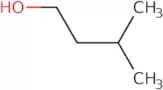
CAS:1,2-Ethanedithiol is a molecule that consists of a sulfur atom and two ethyl groups. It can form stable complexes with hydrogen fluoride and trifluoroacetic acid as well as hydrochloric acid. 1,2-Ethanedithiol is reactive with nucleophiles such as amines, thiols, and alcohols. The molecule has an electrochemical impedance spectroscopy (EIS) model system that has shown to react with the electron flow from the electrode to the solution of a compound. The EIS model system also showed that a conformational change in the molecule could result in light emission.Formula:C2H6S2Purity:Min. 95%Color and Shape:Colorless Clear LiquidMolecular weight:94.2 g/mol3-Methyl-1-butanol
CAS:Volatile compound with banana scentFormula:C5H12OPurity:Min. 95%Color and Shape:Clear LiquidMolecular weight:88.15 g/molN-Methyl-1,1,1-trifluoro-2-propylamine hydrochloride
CAS:Please enquire for more information about N-Methyl-1,1,1-trifluoro-2-propylamine hydrochloride including the price, delivery time and more detailed product information at the technical inquiry form on this page
Formula:C4H9ClF3NPurity:Min. 95%Molecular weight:163.57 g/molMethanesulfonic anhydride
CAS:Methanesulfonic anhydride is a white crystalline solid that is soluble in water and ethanol. It has been shown to be a potent inhibitor of acetaminophen metabolism and the formation of reactive metabolites. Methanesulfonic anhydride inhibits the metabolic activity of cytochrome P450 enzymes, which are responsible for the oxidation of acetaminophen. This inhibition leads to lower levels of toxic metabolites and less tissue damage. Methanesulfonic anhydride also modulates other assays, such as those for nitric oxide synthase and prostaglandin E2 receptors. Methanesulfonic anhydride is used as a catalyst in chemical reactions, including those that produce hydrogen sulfide gas for use in gold mining. It has also been used to study the localization of various proteins by using probes labeled with methanesulfonic anhydride. Methanesulfonic anhydride may cause hypertension due to its ability to inhibit the degradation of norepinephrine, leading to increasedFormula:C2H6O5S2Purity:Min. 95%Color and Shape:PowderMolecular weight:174.2 g/mol2-(2-Phenoxyethoxy)ethanol
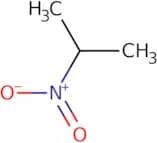
CAS:2-(2-Phenoxyethoxy)ethanol (BPE) is a polycarboxylic acid that is used as an additive in the production of coatings, adhesives and plastics. It is a colorless liquid with a mild odor. BPE has synergic effect with cationic polymers and surfactants, which results in high resistance to water, oil and gas. This product can be used as an additive for cationic polymerization, which will increase the hydrophobicity of the material. BPE also has a high degree of resistance to biological treatment (e.g., potassium dichromate).Formula:C10H14O3Purity:Min. 95%Color and Shape:Clear LiquidMolecular weight:182.22 g/mol2-Nitropropane
CAS:2-Nitropropane is a pharmacological agent that is used for the treatment of bacterial infections. It is a nitroalkane, which are compounds with nitro groups in their molecular structure. 2-Nitropropane has been shown to inhibit DNA synthesis by binding to nuclear dna and inhibiting enzyme activities in vitro. Toxicological studies on 2-nitropropane have been conducted and show that it does not cause any adverse effects at low doses. The mechanism of action for 2-nitropropane has been investigated and found to inhibit the enzyme activity of nitrate reductase, which leads to an accumulation of the toxic nitrite ion (NO2-) in cells.Formula:C3H7NO2Purity:Min. 95%Color and Shape:Colorless PowderMolecular weight:89.09 g/molHexabromoethane
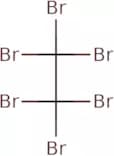
CAS:Hexabromoethane is a metal chelate that has been shown to activate the polymerization of cyclohexane rings. It is often used as a light-sensitive initiator for the production of polymers, such as polyethylene. Hexabromoethane can also be found in some halogenated compounds and hydroxyl groups. The molecule is made up of six bromine atoms, an ethane chain, and one hydrogen atom. Hexabromoethane has significant interactions with other functional groups, including hydroxyls and monomers.Formula:C2Br6Purity:Min. 95%Color and Shape:PowderMolecular weight:503.45 g/mol1-Bromo-3-chloropropane
CAS:1-Bromo-3-chloropropane is a chemical that has been used in the synthesis of various organic compounds. It has been shown to exhibit neurotoxicity, as well as to be carcinogenic and mutagenic. The compound can also affect the central nervous system by decreasing locomotor activity. It has also been shown to cause respiratory problems in rats, and may be toxic if inhaled or ingested. 1-Bromo-3-chloropropane exhibits cytotoxic effects on human cells grown in vitro, which may be due to its ability to bind nucleophilic groups on proteins. This reaction is thought to yield an acylated product with a chloride ion at one terminus and a methyl anthranilate at the other terminus.Formula:C3H6BrClPurity:Min. 98 Area-%Color and Shape:Colorless Clear LiquidMolecular weight:157.44 g/molTrifluoromethanesulfonic acid
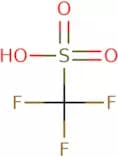
CAS:Trifluoromethanesulfonic acid is a strong oxidizing agent that is used as a catalyst for the synthesis of organic compounds. It is an excellent solvent for many types of reactions and has been shown to be an effective catalyst for the synthesis of triflate, which can be used in cationic polymerization. Trifluoromethanesulfonic acid also has potential applications in carbohydrate chemistry and asymmetric synthesis, due to its ability to reduce carboxylic acids and nitriles. Trifluoromethanesulfonic acid can be synthesized by reacting potassium hexafluorophosphate with amines or nitrogen atoms under activated conditions.Formula:CHF3O3SPurity:Min. 95%Color and Shape:Clear LiquidMolecular weight:150.08 g/moltert-Butylisocyanate
CAS:Please enquire for more information about tert-Butylisocyanate including the price, delivery time and more detailed product information at the technical inquiry form on this pageFormula:C5H9NOPurity:Min. 98.5 Area-%Molecular weight:99.13 g/mol