Hydrazines
Found 1383 products for "Hydrazines". Showing the first 500.
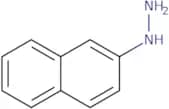
2-Naphthylhydrazine
CAS:2-Naphthylhydrazine is a synthetic chemical that has an affinity for substrate binding sites. It is used as an inhibitor of monoamine oxidase (MAO) and can be used to study the function of MAO. 2-Naphthylhydrazine binds to the enzyme MAO, preventing it from breaking down amines, an important class of neurotransmitters. 2-Naphthylhydrazine also inhibits the activity of cytochrome P450 reductase, which is involved in drug metabolism. This chemical can be used in the synthesis of indocyanine green and methylbenzene. The reactivity of hydrazines with carbonyl groups in amines and anhydrous sodium phosphate leads to bond cleavage and release of ammonia gas.
Formula:C10H10N2Purity:Min. 95%Color and Shape:PowderMolecular weight:158.20 g/mol(3-Benzyloxy-phenyl)hydrazine hydrochloride
CAS:3-Benzyloxy-phenyl)hydrazine hydrochloride is a chemical used in the synthesis of other organic compounds. It is a versatile building block that can be used in the preparation of complex compounds and useful intermediates. 3-Benzyloxy-phenyl)hydrazine hydrochloride is an excellent reagent for reactions involving electron-deficient alkenes, alkynes, and cyclic ethers. This compound also has applications as a pharmaceutical intermediate and as an analytical reference standard for chemical analyses.
Formula:C13H14N2O·HClPurity:Min. 95%Color and Shape:PowderMolecular weight:250.72 g/mol(4-Iodophenyl)hydrazine hydroiodide
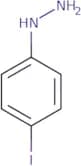
CAS:(4-Iodophenyl)hydrazine hydroiodide is a synthetic compound that has shown anti-viral activity against HIV and cytomegalovirus. It also has anticancer properties and can be used to treat colon cancer. The compound binds to the nucleic acid in a number of ways, including by forming reversible covalent bonds with functional groups on the nucleic acid. These interactions are primarily due to its pyrazole ring and hydrazine moiety. (4-Iodophenyl)hydrazine hydroiodide is structurally similar to phenyldiazenyl, which exhibits photochromism and fluorescence properties. This similarity may account for the observed photochemical changes in the molecule when exposed to light.
Formula:C6H7IN2Purity:Min. 95%Molecular weight:234.04 g/mol4-Bromophenylhydrazine hydrochloride
CAS:4-Bromophenylhydrazine hydrochloride is a hydroxylated phenylhydrazine derivative that is used as an inhibitor of the enzyme tyrosinase. It has been shown to have significant antiproliferative activity against various cancer cell lines in vitro. 4-Bromophenylhydrazine hydrochloride has undergone extensive chemical study and its molecular structure has been elucidated by means of computational methods. The compound inhibits human tyrosinase by cleaving the C-C bond between the hydroxyl group and the phenyl ring, inhibiting tyrosinase activity and preventing melanin production. This process is reversible, so it can be used to maintain skin pigmentation at a desired level. 4-Bromophenylhydrazine hydrochloride also inhibits other enzymes that are related to pigment production, such as chymotrypsin and trypsin.Formula:C6H7BrN2•HClPurity:Min. 95%Molecular weight:223.5 g/mol3,5-Dimethylphenylhydrazine hydrochloride
CAS:3,5-Dimethylphenylhydrazine hydrochloride is a chemical compound that is used as a reagent in biochemistry and molecular biology. It reacts with proteins to form stable covalent bonds. This reaction can be used to modify the active site of an enzyme or to create affinity labels for protein purification. 3,5-Dimethylphenylhydrazine hydrochloride can also react with a pyrrole group on the side chain of phenylalanine residues to form an affinity label that allows it to bind specifically to myoglobin. The modification of myoglobin alters its structure and its ability to bind oxygen, which results in a shift in the wavelength at which it absorbs light.
Formula:C8H12N2·HClPurity:Min. 95%Color and Shape:PowderMolecular weight:172.66 g/molDansyl hydrazine
CAS:Dansyl hydrazine is a fluorescent probe that is used in the investigation of energy metabolism. It reacts with α1-acid glycoprotein, which is an important component in blood serum and urine. Dansyl hydrazine can be added to a solution containing water vapor and metabolic disorders to produce a fluorescent signal. This reaction has been shown to be linear over a range of concentrations for both model systems and human serum. Dansyl hydrazine has also been used as an analytical method for dinucleotide phosphate and maduramicin ammonium.
Dansyl hydrazine reacts with k562 cells when it comes into contact with sugar or other biological samples containing antimicrobial agents, producing fluorescent signals.Formula:C12H15N3O2SPurity:Min. 97 Area-%Color and Shape:PowderMolecular weight:265.33 g/mol4-Methyl-1-hydrazino-phthalazine HCl
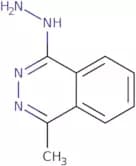
CAS:4-Methyl-1-hydrazino-phthalazine HCl is a fine chemical that is used as a building block for complex compounds. It can be used as a reagent or speciality chemical and also has applications in research. 4-Methyl-1-hydrazino-phthalazine HCl reacts with nitric acid to produce an orange liquid, which can then be reacted with hydrochloric acid to produce the desired product. 4-Methyl-1-hydrazino-phthalazine HCl is also a versatile building block for many reactions and is useful as an intermediate in the synthesis of other chemicals. CAS No. 91520-81-9Formula:C9H10N4·xHClPurity:Min. 95%Color and Shape:SolidMolecular weight:174.2 g/mol4-Benzyloxyphenylhydrazine hydrochloride
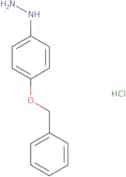
CAS:4-Benzyloxyphenylhydrazine HCl is a pro-apoptotic agent that is used in the treatment of cancer. It induces apoptosis by binding to estrogen receptors and modulating their activity. This drug has been shown to induce apoptosis in breast cancer cells (MCF-7) and inhibit the growth of prostate cancer cells (LNCaP). 4-Benzyloxyphenylhydrazine HCl binds to the estrogen receptor, which causes it to dimerize with other estrogen receptors, resulting in increased transcription of genes that regulate programmed cell death. It also inhibits the production of proteins that are vital for cell division, leading to apoptosis. Hydrolysis by hydrochloric acid or chloride leads to phenylhydrazone formation, which may react with diazo compounds such as benzaldehyde and nitrosyl chloride to form an aromatic hydrocarbon product.Formula:C13H14N2O•HClPurity:Min. 96 Area-%Color and Shape:PowderMolecular weight:250.72 g/mol3-Chloro-6-hydrazinopyridazine
CAS:3-Chloro-6-hydrazinopyridazine is a redox potential probe that has high cytotoxicity. It is used in the detection of the redox potential of hydrogen peroxide and nitric oxide by a turbidimetric method. 3-Chloro-6-hydrazinopyridazine can be used as a fluorogenic probe for the detection of chlorine atoms in biological systems. 3-Chloro-6-hydrazinopyridazine has been shown to enhance cancer cell growth and inhibit matrix metalloproteinase (MMP) activity. The biological properties of this compound are due to its ability to form intermolecular hydrogen bonds with nitrogen atoms, which leads to a dihedral angle that favors its binding to proteins.Formula:C4H5ClN4Purity:Min. 95%Color and Shape:Brown PowderMolecular weight:144.56 g/mol2-Nitrophenylhydrazine
CAS:2-Nitrophenylhydrazine is a drug that is used as an anti-inflammatory agent. It is a nonsteroidal anti-inflammatory drug (NSAID) that acts by blocking the production of prostaglandins in the body, preventing inflammation and pain. 2-Nitrophenylhydrazine can be used to treat conditions such as arthritis, gout, and rheumatoid arthritis. This drug also has the ability to remove organic contaminants from water. 2-Nitrophenylhydrazine binds with fatty acids in wastewater treatment plants, forming an insoluble complex that precipitates out of solution. The compound inhibits the activity of hydrogen bond and methyl ethyl groups, which are needed for the biosynthesis of polyunsaturated fatty acids like phytanic acid and diphenyl ether.
Formula:C6H7N3O2Purity:Min. 95%Color and Shape:PowderMolecular weight:153.14 g/mol1-Boc-2-[4-(2-pyridinyl)benzylidene]hydrazine
CAS:1-Boc-2-[4-(2-pyridinyl)benzylidene]hydrazine is a compound that is used in the recycling of organic compounds. The sodium formate, which is a byproduct of biodiesel production, can be recycled using this compound. It can also be used to recycle tert-butyl carbazate, which is an intermediate in the synthesis of pharmaceuticals and agrochemicals. 1-Boc-2-[4-(2-pyridinyl)benzylidene]hydrazine has been shown to be effective at high pressures and temperatures, which make it useful for synchrotron experiments on cell parameters. This compound has been shown to have anisotropic properties due to its coordination with magnesium.Formula:C17H21N3O2Purity:Min. 95%Color and Shape:White PowderMolecular weight:299.37 g/mol3-(1-Methylhydrazino)-1,2-benzisothiazole 1,1-dioxide
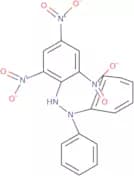
CAS:3-(1-Methylhydrazino)-1,2-benzisothiazole 1,1-dioxide is a fine chemical that is used as a building block for more complex compounds. This molecule has been shown to be an effective intermediate in the production of research chemicals. 3-(1-Methylhydrazino)-1,2-benzisothiazole 1,1-dioxide can be used as a reagent and is available at high quality.Formula:C8H9N3O2SPurity:Min. 95%Color and Shape:White PowderMolecular weight:211.24 g/mol1,1-Diphenyl-2-picrylhydrazine
CAS:1,1-Diphenyl-2-picrylhydrazine is a hydrazine derivative that has been shown to have antioxidant properties. This drug has also been found to inhibit the growth of cancer cells in vitro and to reduce blood glucose levels in mice. It is not yet known how 1,1-Diphenyl-2-picrylhydrazine works to kill cancer cells, but it may be due to its ability to bind with other molecules, such as hydrogen peroxide or superoxide radicals. Hydrazines are also known for their antimicrobial properties and can be used against bacteria and fungi. The use of this drug for regenerative medicine is still being explored, but it has shown some pluripotent cell activity.
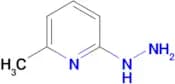
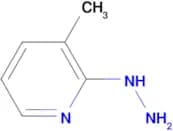
Formula:C18H13N5O6Purity:Min. 95%Color and Shape:Red PowderMolecular weight:395.33 g/mol2-Hydrazino-3-methylpyridine
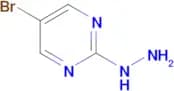
CAS:Formula:C6H9N3Purity:95%Color and Shape:Solid, PlateletsMolecular weight:123.1595-Bromo-2-hydrazinopyrimidine
CAS:Formula:C4H5BrN4Purity:95.0%Color and Shape:Solid, PowderMolecular weight:189.0165-Fluoro-2-hydrazinylpyridine dihydrochloride
CAS:Formula:C5H8Cl2FN3Purity:95%Color and Shape:SolidMolecular weight:200.04






![1-Boc-2-[4-(2-pyridinyl)benzylidene]hydrazine](/_next/image/?url=https%3A%2Fstatic.cymitquimica.com%2Fproducts%2F3D%2Fthumb-webp%2FFB18876.webp&w=3840&q=75)