Building Blocks
This section contains fundamental products for the synthesis of organic and biological compounds. Building blocks are the essential starting materials used to construct complex molecules through various chemical reactions. They play a critical role in drug discovery, material science, and chemical research. At CymitQuimica, we offer a diverse range of high-quality building blocks to support your innovative research and industrial projects, ensuring you have the essential components for successful synthesis.
Subcategories of "Building Blocks"
- Boronic Acids & Boronic Acid Derivatives(5,756 products)
- Chiral Building Blocks(1,242 products)
- Hydrocarbon Building Blocks(6,095 products)
- Organic Building Blocks(61,051 products)
Found 199813 products of "Building Blocks"
Sort by
Purity (%)
0
100
|
0
|
50
|
90
|
95
|
100
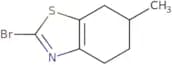
2-Bromo-6-methyl-4,5,6,7-tetrahydro-1,3-benzothiazole
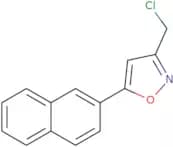
CAS:<p>Versatile small molecule scaffold</p>Formula:C8H10BrNSPurity:Min. 95%Molecular weight:232.14 g/mol3-(Chloromethyl)-5-(2-naphthalenyl)isoxazole
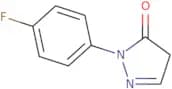
CAS:<p>Versatile small molecule scaffold</p>Formula:C14H10ClNOPurity:Min. 95%Molecular weight:243.69 g/mol1-(4-Fluorophenyl)-4,5-dihydro-1H-pyrazol-5-one
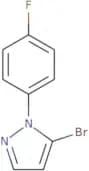
CAS:<p>Versatile small molecule scaffold</p>Formula:C9H7FN2OPurity:Min. 95%Molecular weight:178.16 g/mol5-Bromo-1-(4-fluorophenyl)-1H-pyrazole
CAS:Versatile small molecule scaffoldFormula:C9H6BrFN2Purity:Min. 95%Molecular weight:241.06 g/moltert-Butylisocyanate
CAS:Please enquire for more information about tert-Butylisocyanate including the price, delivery time and more detailed product information at the technical inquiry form on this pageFormula:C5H9NOPurity:Min. 98.5 Area-%Molecular weight:99.13 g/mol2-Ethyl-3(5 or 6)-dimethylpyrazine, mixture of isomers
CAS:<p>2-Ethyl-3(5 or 6)-dimethylpyrazine, mixture of isomers is a high quality chemical. It has been used as an intermediate in the synthesis of pharmaceuticals, agricultural chemicals, and other speciality chemicals. 2-Ethyl-3(5 or 6)-dimethylpyrazine, mixture of isomers is a versatile building block that can be used to synthesize complex compounds. It can also act as a reagent for the synthesis of other compounds. The CAS number for this compound is 27043-05-6.</p>Formula:C8H12N2Purity:Min. 99.0 Area-%Molecular weight:136.19 g/molRef: 3D-W-108294
1kgTo inquire100gTo inquire250gTo inquire500gTo inquire2500gTo inquire-Unit-kgkgTo inquire2-(2-Phenoxyethoxy)ethanol
CAS:<p>2-(2-Phenoxyethoxy)ethanol is a fine chemical and a useful building block. It is an important intermediate in the synthesis of other chemicals, such as pharmaceuticals, herbicides, and pesticides. 2-(2-Phenoxyethoxy)ethanol can be used as a research chemical or reagent. It can also be used to prepare complex compounds and versatile scaffolds. CAS No. 104-68-7</p>Formula:C10H14O3Purity:Min. 95.0 Area-%Molecular weight:182.24 g/mola-Cyano-4-hydroxycinnamic acid
CAS:<p>a-Cyano-4-hydroxycinnamic acid is a high quality chemical that is useful as a reagent, intermediate and building block. This compound has been used in the synthesis of various complex compounds including the fine chemicals, useful scaffolds and research chemicals. The versatility of this compound makes it an important reaction component for many reactions.</p>Formula:C10H7NO3Purity:Min. 98 Area-%Molecular weight:189.17 g/molRef: 3D-W-200275
1kgTo inquire50gTo inquire100gTo inquire250gTo inquire500gTo inquire-Unit-kgkgTo inquire4-Bromo-2-hydroxybenzaldehyde
CAS:<p>4-Bromo-2-hydroxybenzaldehyde is a versatile building block that can be used as a reaction component to synthesize other compounds. 4-Bromo-2-hydroxybenzaldehyde is a useful intermediate in the manufacture of pharmaceuticals, pesticides, and herbicides. This chemical also has various applications in research and industry. It is an important reagent for the production of polymers and resins, as well as being an essential raw material for the synthesis of pharmaceuticals and agrochemicals.</p>Formula:C7H5BrO2Molecular weight:201.02 g/molRef: 3D-W-201939
25gTo inquire50gTo inquire100gTo inquire250gTo inquire500gTo inquire-Unit-ggTo inquire4,4'-Dinitro-2,2'-bipyridine-N,N'-dioxide
CAS:<p>4,4'-Dinitro-2,2'-bipyridine-N,N'-dioxide is a high quality reagent that can be used for a variety of purposes including as a building block for the synthesis of complex compounds or as an intermediate in fine chemicals. The CAS number is 51595-55-2 and it has a molecular weight of 138.10 g/mol. This reagent can be used to synthesize useful scaffolds, useful building blocks, speciality chemicals and research chemicals. It also has versatile applications that allow it to react with other compounds to form different products.</p>Formula:C10H6N4O6Purity:Min. 94.0 Area-%Molecular weight:278.18 g/molLinoleic acid
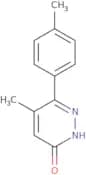
CAS:<p>Linoleic acid is an organic compound that is a polyunsaturated omega-6 fatty acid. It is a common lipid and reaction component in the chemical industry. Linoleic acid has been shown to be useful as a building block in organic synthesis, as well as in the production of speciality chemicals, such as surfactants. Linoleic acid can be used to prepare many types of products, including pharmaceuticals, pesticides, and plastics. The CAS number for linoleic acid is 60-33-3.</p>Formula:C18H32O2Molecular weight:280.45 g/mol5-Methyl-6-(4-methylphenyl)-2,3-dihydropyridazin-3-one
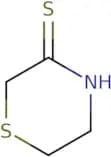
CAS:<p>Versatile small molecule scaffold</p>Formula:C12H12N2OPurity:Min. 95%Molecular weight:200.24 g/molThiomorpholine-3-thione
CAS:<p>Thiomorpholine-3-thione is a crystalline compound that has the molecular formula C8H6N2S. It belongs to the group of thiomorpholine derivatives and has been shown to interact with ligands and other compounds in the environment. Thiomorpholine-3-thione has been found to act as a ligand for nitrobenzene, diamagnetic, halogen, and spectra. It can also form molecular complexes with halides and yellow inorganic ions.</p>Formula:C4H7NS2Purity:Min. 95%Molecular weight:133.2 g/mol6-(Thiophen-2-yl)hexanoic acid
CAS:<p>Versatile small molecule scaffold</p>Formula:C10H14O2SPurity:Min. 95%Molecular weight:198.28 g/mol3-(3-Chloropropyl)pyridine
CAS:<p>Versatile small molecule scaffold</p>Formula:C8H10ClNPurity:Min. 95%Molecular weight:155.62 g/mol(e)-3-cyclopropyl-acrylic acid ethyl ester
CAS:<p>Versatile small molecule scaffold</p>Formula:C8H12O2Purity:Min. 95%Molecular weight:140.18 g/molEthyl 3-cyclopropylbut-2-enoate
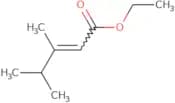
CAS:<p>Versatile small molecule scaffold</p>Formula:C9H14O2Purity:Min. 95%Molecular weight:154.21 g/molEthyl 3,4-dimethylpent-2-enoate
CAS:<p>Versatile small molecule scaffold</p>Formula:C9H16O2Purity:Min. 95%Molecular weight:156.22 g/mol3-[(4-Methoxyphenyl)amino]propanamide
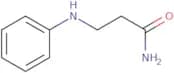
CAS:<p>Versatile small molecule scaffold</p>Formula:C10H14N2O2Purity:Min. 95%Molecular weight:194.23 g/mol3-(Phenylamino)propanamide
CAS:<p>3-(Phenylamino)propanamide is an alkali agent that is used to hydrolyze esters and dihydrouracils. 3-(Phenylamino)propanamide is a potent inhibitor of the enzyme uracil-DNA glycosylase, which repairs DNA damage caused by UV light or other forms of radiation. This drug also inhibits the enzyme DNA polymerase, which is needed to replicate damaged DNA. The inhibition of these enzymes leads to cell death.</p>Formula:C9H12N2OPurity:Min. 95%Molecular weight:164.2 g/molN,5-Dimethyl-1,3-thiazolidin-2-imine
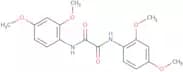
CAS:<p>Versatile small molecule scaffold</p>Formula:C5H10N2SPurity:Min. 95%Molecular weight:130.21 g/molN,N'-Bis(2,4-dimethoxyphenyl)ethanediamide
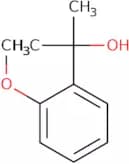
CAS:<p>Versatile small molecule scaffold</p>Formula:C18H20N2O6Purity:Min. 95%Molecular weight:360.4 g/mol2-(2-Methoxyphenyl)propan-2-ol
CAS:<p>Versatile small molecule scaffold</p>Formula:C10H14O2Purity:Min. 95%Molecular weight:166.22 g/molrac-2-[(1R,2S)-2-Phenylcyclopropyl]acetic acid
CAS:<p>Versatile small molecule scaffold</p>Formula:C11H12O2Purity:Min. 95%Molecular weight:176.2 g/molEthyl 3-[(2-aminophenyl)amino]-2-cyanoprop-2-enoate
CAS:<p>Versatile small molecule scaffold</p>Formula:C12H13N3O2Purity:Min. 95%Molecular weight:231.25 g/mol3-Bromobut-3-enoic acid
CAS:<p>Versatile small molecule scaffold</p>Formula:C4H5BrO2Purity:Min. 95%Molecular weight:164.99 g/molEthyl 3-bromobut-3-enoate
CAS:<p>Ethyl 3-bromobut-3-enoate is a synthetic compound that can be used to synthesize a variety of organic compounds. It is prepared by the reaction of ethyl bromoacetate and butyraldehyde in the presence of an acid catalyst. This product has been shown to have anticancer activity against human epidermoid carcinoma cells. The reactivity of this compound has been demonstrated using NMR spectroscopy, which showed that it undergoes highly stereoselective reactions with chloride ions. Ethyl 3-bromobut-3-enoate also reacts rapidly with imines and tissue culture cells, making it useful for research into these types of reactions.</p>Formula:C6H9BrO2Purity:Min. 95%Molecular weight:193.04 g/mol4-(3-Methyl-1-benzothiophen-2-yl)-1,3-thiazol-2-amine
CAS:<p>Versatile small molecule scaffold</p>Formula:C12H10N2S2Purity:Min. 95%Molecular weight:246.4 g/mol2H-Pyrido[2,3-d][1,3]oxazine-2,4(1H)-dione
CAS:<p>2H-Pyrido[2,3-d][1,3]oxazine-2,4(1H)-dione is a molecule with the chemical formula C8H7N3O2. It has an exothermic reaction with amines and hydroxyl groups. The carbanion of 2H-pyrido[2,3-d][1,3]oxazine-2,4(1H)-dione is a nucleophile that can be used to form organic compounds with alkali metals such as sodium hypochlorite or triphosgene. This molecule also acts as a diagnostic agent for nitro compounds by forming a red dye called 2h-pyrido[2,3-d][1,3]oxazine-2,4(1H)-dione dianion.</p>Formula:C7H4N2O3Purity:Min. 95%Molecular weight:164.12 g/molPyrido[2,3-d]pyrimidine-2,4(1h,3h)-dione
CAS:Pyrido[2,3-d]pyrimidine-2,4(1h,3h)-dione is a synthetic molecule that has been shown to inhibit the production of necrosis factor alpha (TNFα) in human monocytes. Pyrido[2,3-d]pyrimidine-2,4(1h,3h)-dione has also been shown to cause DNA cleavage mediated by an aldehyde group. This chemical is being developed as an inhibitor of tumor necrosis factor and other cytokines with similar activities. Pyrido[2,3-d]pyrimidine-2,4(1h,3h)-dione is under investigation for its potential to prevent breast cancer metastasis. The molecule has been optimized for binding affinity and selectivity against TNFα and other cytokines with similar activity. Pyrido[2,3-d]pyrimidine-2,4(1h,3h)-dFormula:C7H5N3O2Purity:Min. 95%Molecular weight:163.14 g/mol1-Cycloheptylpiperazine
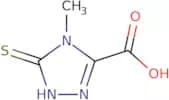
CAS:<p>1-Cycloheptylpiperazine is a drug substance that can be used as an active ingredient in medicines. It is used to treat inflammatory diseases, such as psoriasis, and neurodegenerative diseases, such as Parkinson's disease. 1-Cycloheptylpiperazine has a liposomal formulation and is soluble in organic solvents. The compound has been shown to be bioactive when administered at high doses and may have therapeutic effects on cardiovascular diseases, cancer and adp-ribose metabolism.</p>Formula:C11H22N2Purity:Min. 95%Molecular weight:182.31 g/mol4-Methyl-5-sulfanyl-4H-1,2,4-triazole-3-carboxylic acid
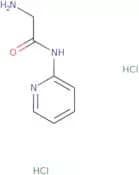
CAS:<p>Versatile small molecule scaffold</p>Formula:C4H5N3O2SPurity:Min. 95%Molecular weight:159.17 g/mol2-Amino-N-(pyridin-2-yl)acetamide dihydrochloride
CAS:<p>Versatile small molecule scaffold</p>Formula:C7H11Cl2N3OPurity:Min. 95%Molecular weight:224.08 g/mol3-Amino-N-(pyridin-3-yl)propanamide dihydrochloride
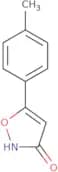
CAS:<p>Versatile small molecule scaffold</p>Formula:C8H13Cl2N3OPurity:Min. 95%Molecular weight:238.11 g/mol5-(4-Methylphenyl)-1,2-oxazol-3-ol
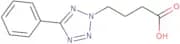
CAS:<p>Versatile small molecule scaffold</p>Formula:C10H9NO2Purity:Min. 95%Molecular weight:175.18 g/mol4-(5-Phenyl-2H-1,2,3,4-tetrazol-2-yl)butanoic acid
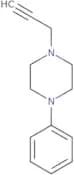
CAS:<p>Versatile small molecule scaffold</p>Formula:C11H12N4O2Purity:Min. 95%Molecular weight:232.24 g/mol1-phenyl-4-(prop-2-yn-1-yl)piperazine
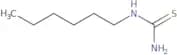
CAS:<p>1-phenyl-4-(prop-2-yn-1-yl)piperazine is a dihalogenated compound with an azide substituent. It was first synthesized from potassium t-butoxide and cyclopropane in the presence of acetic acid. The synthesis was then completed by adding the 1,4-dihaloethane to the intermediate. This reaction proceeds via a sequential, two step cycloaddition reaction that produces a triazole ring system. This compound has been shown to be effective against Giardia lamblia trophozoites and Coccidia trophozoites. 1-phenyl-4-(prop-2-yn-1-yl)piperazine also has antihistamine activity, which may be due to its inhibition of histamine release from mast cells or basophils. It is also capable of inhibiting proliferation of human prostate cancer cells in culture at low concentrations and can induce apoptosis</p>Formula:C13H16N2Purity:Min. 95%Molecular weight:200.27 g/mol1-Hexyl-2-thiourea
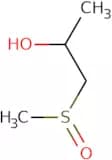
CAS:<p>1-Hexyl-2-thiourea is an aromatic hydrocarbon that has been used as an antidiabetic agent, although its mechanism of action is not well defined. This drug binds to the carboxy group in the receptor site of amines and blocks their activity, which may be related to its antidepressant effects. The reactive nature of 1-hexyl-2-thiourea means it can react with other compounds to form a variety of products, including pharmaceutical preparations.</p>Formula:C7H16N2SPurity:Min. 95%Molecular weight:160.28 g/mol1-Methanesulfinylpropan-2-ol
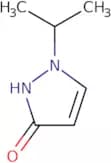
CAS:<p>Versatile small molecule scaffold</p>Formula:C4H10O2SPurity:Min. 95%Molecular weight:122.19 g/mol1-Isopropyl-1,2-dihydro-3H-pyrazol-3-one
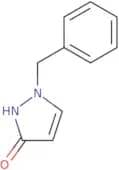
CAS:<p>Versatile small molecule scaffold</p>Formula:C6H10N2OPurity:Min. 95%Molecular weight:126.16 g/mol1-Benzyl-2,3-dihydro-1H-pyrazol-3-one
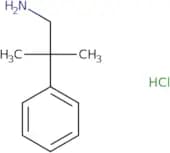
CAS:<p>Versatile small molecule scaffold</p>Formula:C10H10N2OPurity:Min. 95%Molecular weight:174.2 g/mol2-Methyl-2-phenylpropan-1-amine hydrochloride
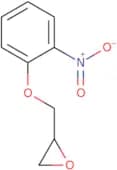
CAS:<p>Versatile small molecule scaffold</p>Formula:C10H16ClNPurity:Min. 95%Molecular weight:185.69 g/mol2-(2-Nitrophenoxymethyl)oxirane
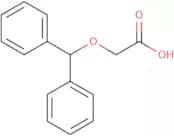
CAS:<p>Versatile small molecule scaffold</p>Formula:C9H9NO4Purity:Min. 95%Molecular weight:195.17 g/mol2-(Diphenylmethoxy)acetic acid
CAS:<p>2-(Diphenylmethoxy)acetic acid is a tetramic herbicide that acts primarily by inhibiting the enzyme target of 2,4-dichlorophenoxyacetic acid. It has been used extensively as an analog for 2,4-dichlorophenoxyacetic acid in studies investigating the biological effects of this herbicide on plants and animals. 2-(Diphenylmethoxy)acetic acid has been shown to be effective against nematodes and some plant pests. It also inhibits the growth of microorganisms such as fungi and bacteria. This herbicide has been shown to have significant interactions with other pesticides, including prothioconazole, which is a fungicide used to control fungal diseases in plants.</p>Formula:C15H14O3Purity:Min. 95%Molecular weight:242.27 g/mol6-Chlorotetrazolo[1,5-b]pyridazine
CAS:<p>6-Chlorotetrazolo[1,5-b]pyridazine is a heterocyclic compound that belongs to the morpholine class. It is an important building block for the synthesis of many other heterocycles. The compound can be used as a chiral reagent in organic chemistry, due to its ability to form an enantiomeric pair with itself. 6-Chlorotetrazolo[1,5-b]pyridazine is also useful in the production of x-ray contrast agents that are used in radiography and computed tomography. In addition, it can be used as a substrate for the formation of carbohydrates through substitution reactions with methyl groups. 6-Chlorotetrazolo[1,5-b]pyridazine has been shown to be able to bind nucleophiles such as water and dimethylamine, which can lead to stereoselective reactions.</p>Formula:C4H2ClN5Purity:Min. 95%Molecular weight:155.55 g/mol3-Chloro-6,7,8,9-tetrahydro-5H-benzo[7]annulen-5-one
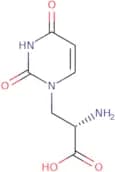
CAS:Versatile small molecule scaffoldFormula:C11H11ClOPurity:Min. 95%Molecular weight:194.66 g/mol(S)-Willardiine
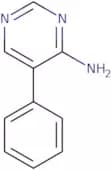
CAS:<p>(S)-Willardiine is a sodium salt that belongs to the group of pharmacological agents. It is used as a chemical intermediate, but has been found to have some biological properties. In vivo studies in rats have shown that (S)-willardiine inhibits the release of glutamate and GABA in the cortex and hippocampus, which may be related to its ability to increase locomotor activity. Disulfide bond formation is required for biological activity, which has been observed using human serum. The structure of (S)-willardiine was determined by x-ray crystallography at 1.5 Å resolution, revealing that it contains an asymmetric unit consisting of one molecule each of (S)-willardiine and sodium chloride.</p>Formula:C7H9N3O4Purity:Min. 95%Molecular weight:199.17 g/mol5-Phenyl-4-pyrimidinamine
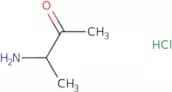
CAS:<p>Versatile small molecule scaffold</p>Formula:C10H9N3Purity:Min. 95%Molecular weight:171.2 g/mol4-Aminobutan-2-one hydrochloride
CAS:<p>4-Aminobutan-2-one hydrochloride is a reagent that is used in organic synthesis. It can be used as an electrophile to form β-unsaturated sulfides and sulfones. 4-Aminobutan-2-one hydrochloride reacts with sodium sulfide to form 2,4-dichlorophenylsulfane, which is a precursor for the synthesis of phenyldiazonium salts. The nucleophilicity of 4-aminobutan-2-one hydrochloride is due to its sulfur atom, which can act as a nucleophile in the presence of chloride ion. This reaction leads to the formation of methylketones from nitriles and condensation products from methyl groups and chlorides.</p>Formula:C4H10ClNOPurity:Min. 95%Molecular weight:123.58 g/mol1-Amino-3-methylbutan-2-one hydrochloride
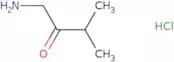
CAS:<p>Phenyl 1-amino-3-methylbutan-2-one hydrochloride is a phenyl compound that has been shown to be an efficient hypolipidemic agent. It has been shown to reduce lipid levels in the blood and can be used as a drug discovery tool for the creation of new drugs. Phenyl 1-amino-3-methylbutan-2-one hydrochloride mediates advances in drug discovery by promoting the formation of carbon atoms, which are necessary for the synthesis of many drugs.</p>Formula:C5H12ClNOPurity:Min. 95%Molecular weight:137.61 g/mol1-Amino-4-methyl-2-pentanone hydrochloride
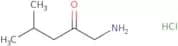
CAS:<p>1-Amino-4-methyl-2-pentanone hydrochloride is a phenyl derivative that is used as an antihyperlipidemic agent. It has been shown to reduce the concentration of cholesterol, triglycerides, phospholipids, and free fatty acids in the blood by inhibiting the synthesis of these lipids in the liver. This drug may be useful for the treatment of patients with type II diabetes mellitus or other types of hyperlipidemia.</p>Formula:C6H14ClNOPurity:Min. 95%Molecular weight:151.63 g/mol3-(Carbamoylamino)-3-phenylpropanoic acid
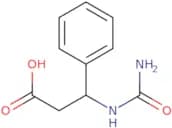
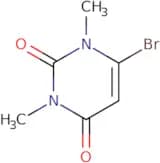
CAS:<p>Versatile small molecule scaffold</p>Formula:C10H12N2O3Purity:Min. 95%Molecular weight:208.21 g/mol6-Bromo-1,3-dimethyl-1,2,3,4-tetrahydropyrimidine-2,4-dione
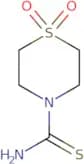
CAS:Versatile small molecule scaffoldFormula:C6H7BrN2O2Purity:Min. 95%Molecular weight:219.04 g/mol4-Thiomorpholinecarbothioamide 1,1-dioxide
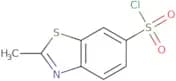
CAS:<p>Versatile small molecule scaffold</p>Formula:C5H10N2O2S2Purity:Min. 95%Molecular weight:194.3 g/mol2-Methyl-benzothiazole-6-sulfonyl chloride
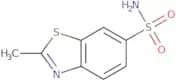
CAS:<p>Versatile small molecule scaffold</p>Formula:C8H6ClNO2S2Purity:Min. 95%Molecular weight:247.72 g/mol2-Methyl-1,3-benzothiazole-6-sulfonamide
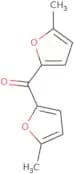
CAS:Versatile small molecule scaffoldFormula:C8H8N2O2S2Purity:Min. 95%Molecular weight:228.3 g/molBis-(5-methyl-furan-2-yl)-methanone
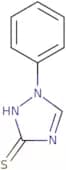
CAS:<p>Versatile small molecule scaffold</p>Formula:C11H10O3Purity:Min. 95%Molecular weight:190.2 g/mol1-Phenyl-1H-1,2,4-triazole-3-thiol
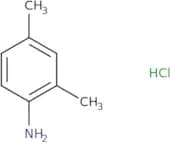
CAS:<p>Versatile small molecule scaffold</p>Formula:C8H7N3SPurity:Min. 95%Molecular weight:177.23 g/mol2,4-Dimethylaniline Hydrochloride
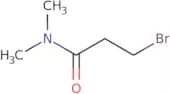
CAS:<p>2,4-Dimethylaniline hydrochloride is a nitrogen containing compound that can be found in the environment. It has been shown to have antimicrobial activity against gram-positive bacteria and fungi. The mechanism of 2,4-dimethylaniline hydrochloride is through the transfer of electrons from cytochrome c oxidase to molecular oxygen (O2). This electron transfer results in the oxidation of 2,4-dimethylaniline hydrochloride and the reduction of molecular oxygen (O2) to water (H2O). 2,4-Dimethylaniline hydrochloride also has a basic structure with two nitrogen atoms that are able to form intermolecular hydrogen bonding interactions. The matrix effect may have an impact on the analytical method used for this compound. The kinetic studies were done at low temperature and high concentrations. Solid phase microextraction was used as an analytical method for this compound. Coordination geometry was not discussed in this article</p>Formula:C8H11N·HClPurity:Min. 95%Molecular weight:157.64 g/mol3-Bromo-N,N-dimethylpropanamide
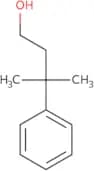
CAS:<p>Versatile small molecule scaffold</p>Formula:C5H10BrNOPurity:Min. 95%Molecular weight:180.04 g/mol3-Methyl-3-phenylbutan-1-ol
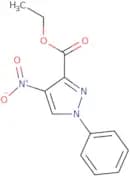
CAS:<p>3-Methyl-3-phenylbutan-1-ol is an intramolecular compound that has a cationic center. It is the result of cycloalkylation of phenyl group with a deuterium atom at the 3 position of the molecule. The cationic center can be substituted with other alkyl groups to form isomeric compounds. 3-Methyl-3-phenylbutan-1-ol can also be synthesized using deuterated cations in place of hydrogen ions, which are called deuterated compounds.</p>Formula:C11H16OPurity:Min. 95%Molecular weight:164.24 g/molEthyl 4-nitro-1-phenyl-1H-pyrazole-3-carboxylate
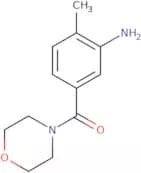
CAS:<p>Ethyl 4-nitro-1-phenyl-1H-pyrazole-3-carboxylate (NPC) is a potent and selective antagonist of the a3 adenosine receptor. It binds to the receptor with high affinity and has been shown to inhibit adenosine-mediated activation of the phosphoinositide 3 (PI3) kinase pathway. NPC is in preclinical development for use as an antihypertensive agent, and has also been investigated as a potential treatment for asthma.</p>Formula:C12H11N3O4Purity:Min. 95%Molecular weight:261.23 g/mol2-Methyl-5-(morpholine-4-carbonyl)aniline
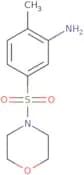
CAS:<p>Versatile small molecule scaffold</p>Formula:C12H16N2O2Purity:Min. 95%Molecular weight:220.27 g/mol2-Methyl-5-(morpholine-4-sulfonyl)-phenylamine
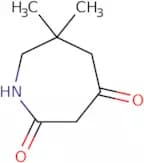
CAS:<p>Versatile small molecule scaffold</p>Formula:C11H16N2O3SPurity:Min. 95%Molecular weight:256.32 g/mol6,6-Dimethylazepane-2,4-dione
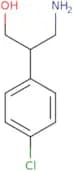
CAS:<p>Versatile small molecule scaffold</p>Formula:C8H13NO2Purity:Min. 95%Molecular weight:155.19 g/mol3-Amino-2-(4-chlorophenyl)propan-1-ol
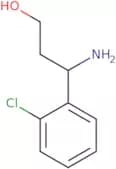
CAS:<p>Versatile small molecule scaffold</p>Formula:C9H12ClNOPurity:Min. 95%Molecular weight:185.65 g/mol(S)-3-(2-Chlorophenyl)-beta-alaninol
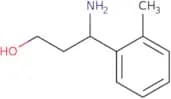
CAS:<p>Versatile small molecule scaffold</p>Formula:C9H12ClNOPurity:Min. 95%Molecular weight:185.65 g/mol3-Amino-3-(2-methylphenyl)propan-1-ol
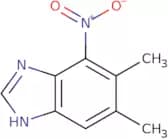
CAS:<p>Versatile small molecule scaffold</p>Formula:C10H15NOPurity:Min. 95%Molecular weight:165.23 g/mol5,6-Dimethyl-4-nitro-1H-1,3-benzimidazole
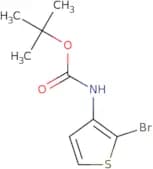
CAS:<p>5,6-Dimethyl-4-nitro-1H-1,3-benzimidazole is a photoactive compound that reacts with ultraviolet light to form photoproducts. It has a strong absorption band at 335 nm and can be used as a reference in spectroscopic analysis. The compound has been shown to react with methanol in the presence of light to produce hydrogen cyanide and formaldehyde. 5,6-Dimethyl-4-nitrobenzimidazole can also react with water to produce hydrogen cyanide and formaldehyde.</p>Formula:C9H9N3O2Purity:Min. 95%Molecular weight:191.19 g/mol3-(Boc-amino)-2-bromothiophene
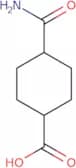
CAS:<p>Versatile small molecule scaffold</p>Formula:C9H12BrNO2SPurity:Min. 95%Molecular weight:278.17 g/molrac-(1R,4R)-4-Carbamoylcyclohexane-1-carboxylic acid
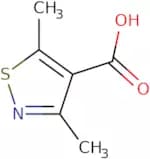
CAS:<p>Versatile small molecule scaffold</p>Formula:C8H13NO3Purity:Min. 95%Molecular weight:171.19 g/molDimethyl-1,2-thiazole-4-carboxylic acid
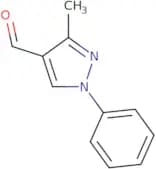
CAS:<p>Versatile small molecule scaffold</p>Formula:C6H7NO2SPurity:Min. 95%Molecular weight:157.19 g/mol3-Methyl-1-phenyl-1H-pyrazole-4-carboxaldehyde
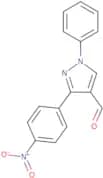
CAS:<p>3-Methyl-1-phenyl-1H-pyrazole-4-carboxaldehyde is a reactant that can be used in the synthesis of salicylaldehyde and phenyl isocyanate. It reacts with a variety of reagents, including salicylic acid, phenyl isocyanate, and isocyanates to produce high yields. This product also reacts with transaminases to produce pyrazole derivatives.</p>Formula:C11H10N2OPurity:Min. 95%Molecular weight:186.21 g/mol3-(4-Nitrophenyl)-1-phenyl-1H-pyrazole-4-carbaldehyde
CAS:Versatile small molecule scaffoldFormula:C16H11N3O3Purity:Min. 95%Molecular weight:293.28 g/mol(2R)-2-[(Ethoxycarbonyl)amino]-3-phenylpropanoic acid
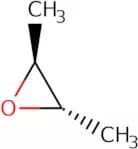
CAS:<p>Versatile small molecule scaffold</p>Formula:C12H15NO4Purity:Min. 95%Molecular weight:237.25 g/moltrans-2,3-Epoxybutane
CAS:<p>Pinostrobin is a chalcone that has been shown to inhibit the growth of certain fungi by inhibiting the enzyme activities involved in cell walls synthesis. Pinostrobin is converted to trans-2,3-epoxybutane (EPB) by intramolecular hydrogen transfer. EPB has an antifungal activity that is stronger than pinostrobin and it can be used as a fungicide against certain fungal diseases. This compound may also have anticancer effects. EPB binds to mammalian cells by forming hydrogen bonds with the amino acids, glutamine and asparagine, which are found in abundance on the surface of mammalian cells. EPB's binding to these amino acids prevents the formation of hydrogen bonds between glutamine and asparagine residues on adjacent protein molecules, leading to destabilization of the cell membrane and cell death.</p>Purity:Min. 95%Methyl 3-chloro-2,2-dimethylpropanoate
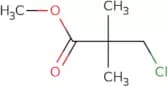
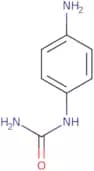
CAS:<p>Methyl 3-chloro-2,2-dimethylpropanoate is a drug that inhibits the sodium-dependent glucose cotransporter. It is used as a pharmaceutical to treat diabetes mellitus type 2. Methyl 3-chloro-2,2-dimethylpropanoate binds to the cotransporter and prevents it from transporting glucose into cells. The stereoisomers of this drug are enantiomers and have opposite effects on the cotransporter.<br>Methyl 3-chloro-2,2-dimethylpropanoate is also used for other medical purposes such as to prevent kidney damage in children with renal failure and to treat seizures in children with epilepsy.</p>Formula:C6H11ClO2Purity:Min. 95%Molecular weight:150.6 g/mol(4-Amino-phenyl)-urea
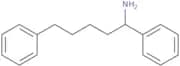
CAS:<p>Versatile small molecule scaffold</p>Formula:C7H9N3OPurity:Min. 95%Molecular weight:151.17 g/mol1,5-Diphenylpentan-1-amine
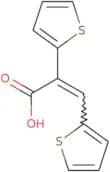
CAS:<p>Versatile small molecule scaffold</p>Formula:C17H21NPurity:Min. 95%Molecular weight:239.35 g/mol2,3-Bis(thiophen-2-yl)prop-2-enoic acid
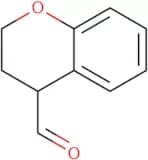
CAS:<p>Versatile small molecule scaffold</p>Formula:C11H8O2S2Purity:Min. 95%Molecular weight:236.3 g/mol3,4-Dihydro-2H-1-benzopyran-4-carbaldehyde
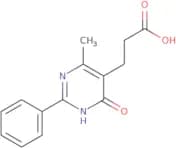
CAS:Versatile small molecule scaffoldFormula:C10H10O2Purity:Min. 95%Molecular weight:162.18 g/mol3-(4-Methyl-6-oxo-2-phenyl-1,6-dihydropyrimidin-5-yl)propanoic acid
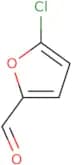
CAS:<p>Versatile small molecule scaffold</p>Formula:C14H14N2O3Purity:Min. 95%Molecular weight:258.27 g/mol5-Chloro-2-furaldehyde
CAS:<p>5-Chloro-2-furaldehyde is a chemical compound that belongs to the group of furanic compounds. It is a reactive intermediate in the palladium-catalyzed coupling of aryl chlorides with alcohols to form benzofurans. 5-Chloro-2-furaldehyde has been shown to induce apoptotic cell death in HL60 cells, which may be due to its ability to produce methoxylated chemical species. The mechanism by which 5-chloro-2-furaldehyde induces apoptosis is not known.</p>Formula:C5H3ClO2Purity:Min. 95%Molecular weight:130.53 g/mol2,4-Dichloro-5-[(4-fluorophenyl)sulfamoyl]benzoic acid
CAS:<p>Versatile small molecule scaffold</p>Formula:C13H8Cl2FNO4SPurity:Min. 95%Molecular weight:364.2 g/mol2,4-Dichloro-5-[(3-chlorophenyl)sulfamoyl]benzoic acid
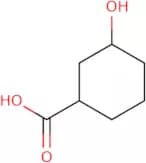
CAS:<p>Versatile small molecule scaffold</p>Formula:C13H8Cl3NO4SPurity:Min. 95%Molecular weight:380.6 g/mol(1S,3R)-3-Hydroxycyclohexane-1-carboxylic acid
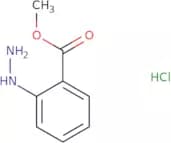
CAS:Versatile small molecule scaffoldFormula:C7H12O3Purity:Min. 95%Molecular weight:144.17 g/molMethyl 2-hydrazinylbenzoate hydrochloride
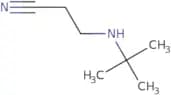
CAS:<p>Versatile small molecule scaffold</p>Formula:C8H11ClN2O2Purity:Min. 95%Molecular weight:202.64 g/mol3-(tert-Butylamino)propionitrile
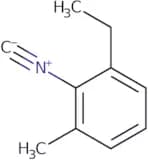
CAS:<p>3-(tert-Butylamino)propionitrile is a n-substituted dipole with a molecular weight of 131.2. It has two conformations, the axial conformation and the conformational conformation. It is an electron rich compound with a positive charge on one end and a negative charge on the other end of the molecule that can be attributed to the tert-butyl group. 3-(tert-Butylamino)propionitrile is used in the preparation of hexahydropyrimidines, which are heterocycles that have been used as antihypertensive agents and anticonvulsants.</p>Formula:C7H14N2Purity:Min. 95%Molecular weight:126.2 g/mol1-Ethyl-2-isocyano-3-methylbenzene
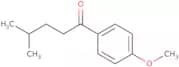
CAS:<p>Versatile small molecule scaffold</p>Formula:C10H11NPurity:Min. 95%Molecular weight:145.2 g/mol1-(4-Methoxyphenyl)-4-methylpentan-1-one
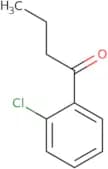
CAS:<p>Versatile small molecule scaffold</p>Formula:C13H18O2Purity:Min. 95%Molecular weight:206.28 g/mol1-(2-Chlorophenyl)butan-1-one
CAS:<p>Versatile small molecule scaffold</p>Formula:C10H11ClOPurity:Min. 95%Molecular weight:182.65 g/mol1,2,3,3a-Tetrahydropyrrolo[1,2-a]quinoxalin-4(5H)-one
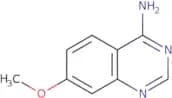
CAS:<p>Versatile small molecule scaffold</p>Formula:C11H12N2OPurity:Min. 95%Molecular weight:188.22 g/mol4-amino-7-methoxyquinazoline
CAS:<p>Versatile small molecule scaffold</p>Formula:C9H9N3OPurity:Min. 95%Molecular weight:175.19 g/mol2-Chloro-N1-(4,5-dihydro-1H-imidazol-2-yl)benzene-1,4-diamine dihydrochloride
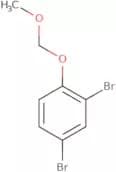
CAS:<p>Versatile small molecule scaffold</p>Formula:C9H13Cl3N4Purity:Min. 95%Molecular weight:283.6 g/mol2,4-Dibromo-1-(methoxymethoxy)benzene
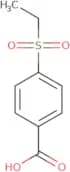
CAS:<p>Versatile small molecule scaffold</p>Formula:C8H8Br2O2Purity:Min. 95%Molecular weight:295.96 g/mol4-(Ethanesulfonyl)benzoic acid
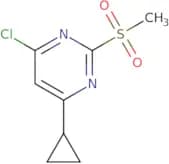
CAS:<p>Versatile small molecule scaffold</p>Formula:C9H10O4SPurity:Min. 95%Molecular weight:214.24 g/mol4-Chloro-6-cyclopropyl-2-(methylsulfonyl)pyrimidine
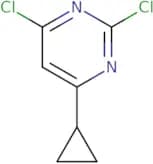
CAS:<p>Versatile small molecule scaffold</p>Formula:C8H9ClN2O2SPurity:Min. 95%Molecular weight:232.69 g/mol2,4-dichloro-6-cyclopropylpyrimidine
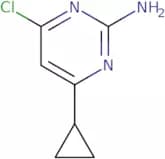
CAS:<p>Versatile small molecule scaffold</p>Formula:C7H6Cl2N2Purity:Min. 95%Molecular weight:189 g/mol4-Chloro-6-cyclopropylpyrimidin-2-amine
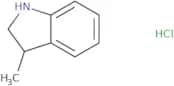
CAS:Versatile small molecule scaffoldFormula:C7H8ClN3Purity:Min. 95%Molecular weight:169.61 g/mol3-Methyl-2,3-dihydroindole hydrochloride
CAS:<p>Versatile small molecule scaffold</p>Formula:C9H12ClNPurity:Min. 95%Molecular weight:169.65 g/mol





![3-[(4-Methoxyphenyl)amino]propanamide](/_next/image/?url=https%3A%2Fstatic.cymitquimica.com%2Fproducts%2F3D%2Fthumb-webp%2FWAA01746.webp&w=3840&q=75)

![rac-2-[(1R,2S)-2-Phenylcyclopropyl]acetic acid](/_next/image/?url=https%3A%2Fstatic.cymitquimica.com%2Fproducts%2F3D%2Fthumb-webp%2FWAA02466.webp&w=3840&q=75)
![Ethyl 3-[(2-aminophenyl)amino]-2-cyanoprop-2-enoate](/_next/image/?url=https%3A%2Fstatic.cymitquimica.com%2Fproducts%2F3D%2Fthumb-webp%2FWAA02547.webp&w=3840&q=75)


![2H-Pyrido[2,3-d][1,3]oxazine-2,4(1H)-dione](/_next/image/?url=https%3A%2Fstatic.cymitquimica.com%2Fproducts%2F3D%2Fthumb-webp%2FWAA03863.webp&w=3840&q=75)
![Pyrido[2,3-d]pyrimidine-2,4(1h,3h)-dione](/_next/image/?url=https%3A%2Fstatic.cymitquimica.com%2Fproducts%2F3D%2Fthumb-webp%2FWAA03866.webp&w=3840&q=75)


![6-Chlorotetrazolo[1,5-b]pyridazine](/_next/image/?url=https%3A%2Fstatic.cymitquimica.com%2Fproducts%2F3D%2Fthumb-webp%2FWAA41315.webp&w=3840&q=75)
![3-Chloro-6,7,8,9-tetrahydro-5H-benzo[7]annulen-5-one](/_next/image/?url=https%3A%2Fstatic.cymitquimica.com%2Fproducts%2F3D%2Fthumb-webp%2FWAA41377.webp&w=3840&q=75)
![(2R)-2-[(Ethoxycarbonyl)amino]-3-phenylpropanoic acid](/_next/image/?url=https%3A%2Fstatic.cymitquimica.com%2Fproducts%2F3D%2Fthumb-webp%2FWAA48823.webp&w=3840&q=75)
![2,4-Dichloro-5-[(4-fluorophenyl)sulfamoyl]benzoic acid](/_next/image/?url=https%3A%2Fstatic.cymitquimica.com%2Fproducts%2F3D%2Fthumb-webp%2FWAA52518.webp&w=3840&q=75)
![2,4-Dichloro-5-[(3-chlorophenyl)sulfamoyl]benzoic acid](/_next/image/?url=https%3A%2Fstatic.cymitquimica.com%2Fproducts%2F3D%2Fthumb-webp%2FWAA52521.webp&w=3840&q=75)
![1,2,3,3a-Tetrahydropyrrolo[1,2-a]quinoxalin-4(5H)-one](/_next/image/?url=https%3A%2Fstatic.cymitquimica.com%2Fproducts%2F3D%2Fthumb-webp%2FWAA55086.webp&w=3840&q=75)