Building Blocks
Subcategories of "Building Blocks"
- Boronic Acids & Boronic Acid Derivatives(5,778 products)
- Chiral Building Blocks(1,243 products)
- Hydrocarbon Building Blocks(6,099 products)
- Organic Building Blocks(61,038 products)
Found 205376 products of "Building Blocks"
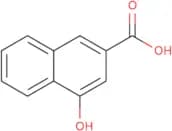
4-Hydroxy-2-naphthoic acid
CAS:4-Hydroxy-2-naphthoic acid is a hydrocarbon with a carboxylic acid group. It can act as an antagonist to the hydrocarbon receptor (HCR). 4-Hydroxy-2-naphthoic acid has been shown to be effective in treating colon cancer cells in vitro, and has been shown to inhibit the growth of cancer cells in vivo. This compound is also effective at inhibiting the proliferation of human colon cancer cells (Caco2) that have been exposed to benzo(a)pyrene, an aromatic hydrocarbon found in cigarette smoke. The mechanism by which this drug inhibits cell proliferation is not fully understood but may involve inhibition of cytochrome P450 1A1 (CYP1A1), which metabolizes benzo(a)pyrene into carcinogenic intermediates. 4-Hydroxy-2-naphthoic acid has also been shown to be anisotropic and microreactor, meaning
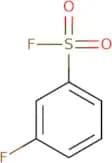
Formula:C11H8O3Purity:Min. 95%Molecular weight:188.17 g/mol3-Fluorobenzene-1-sulfonyl fluoride
CAS:3-Fluorobenzene-1-sulfonyl fluoride is a chemical compound that can be used as a catalyst to synthesize organic compounds. It is a colorless liquid, which is soluble in water and organic solvents. This catalyst has been shown to be more efficient than the traditional catalysts, such as tetraphenylphosphonium chloride, potassium fluoride or sodium borohydride. 3-Fluorobenzene-1-sulfonyl fluoride also reacts with nitro groups to produce dinitro compounds, which are valuable synthetic intermediates for the production of dyes and pharmaceuticals. The synthesis of this compound can be carried out in high yields with stoichiometric amounts of reactants.
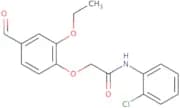
Formula:C6H4F2O2SPurity:Min. 95%Molecular weight:178.16 g/molN-(2-Chlorophenyl)-2-(2-ethoxy-4-formylphenoxy)acetamide
CAS:Versatile small molecule scaffold
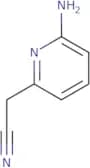
Formula:C17H16ClNO4Purity:Min. 95%Molecular weight:333.8 g/mol2-(6-Aminopyridin-2-yl)acetonitrile
CAS:Versatile small molecule scaffold
Formula:C7H7N3Purity:Min. 95%Molecular weight:133.15 g/molRef: 3D-ARA77668
Discontinued product(4-Aminopyridin-2-yl)methanol
CAS:Versatile small molecule scaffold
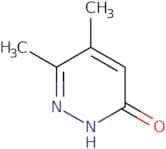
Formula:C6H8N2OPurity:Min. 95%Molecular weight:124.14 g/mol5,6-Dimethylpyridazin-3(2H)-one
CAS:Versatile small molecule scaffold
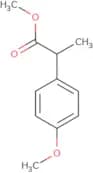
Formula:C6H8N2OPurity:Min. 95%Molecular weight:124.14 g/molMethyl 2-(4-methoxyphenyl)propanoate
CAS:Versatile small molecule scaffold
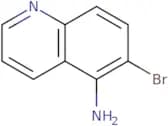
Formula:C11H14O3Purity:Min. 95%Molecular weight:194.23 g/mol5-Amino-6-bromoquinoline
CAS:Versatile small molecule scaffold
Formula:C9H7BrN2Purity:Min. 95%Molecular weight:223.07 g/mol[2-(2-Ethoxyethoxy)ethyl](methyl)amine
CAS:Versatile small molecule scaffold
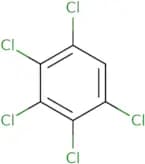
Formula:C7H17NO2Purity:Min. 95%Molecular weight:147.22 g/mol1,2,3,4,5-Pentachlorobenzene
CAS:1,2,3,4,5-Pentachlorobenzene is a chlorinated hydrocarbon that is used in the production of pesticides and herbicides. It is an ingredient in the manufacturing of pentachlorophenol and pentachloronitrobenzene. 1,2,3,4,5-Pentachlorobenzene has been used as a chemical intermediate or solvent for the production of other chemicals. The emissions from this chemical can be harmful to humans and animals because it has been shown to affect enzyme activities at sublethal doses. It also affects rat liver microsomes and causes DNA damage that can lead to cancer.
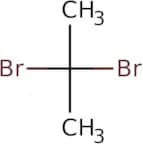
Formula:C6HCl5Purity:Min. 95%Molecular weight:250.34 g/mol2,2-Dibromopropane
CAS:2,2-Dibromopropane is a synthetic chemical that has been used as a precursor in the production of nylon. It is an activator that can be used to form covalent bonds with reactive groups on other molecules. The activation energy for the reaction with piperazine is between 104 and 106 kJ/mol. 2,2-Dibromopropane undergoes acylation reactions under certain conditions, forming reaction products such as 2,2-dibromoethyl acetate and 2,2-dibromoethanol. The molecular weight of 2,2-dibromopropane is 192.19 g/mol and its structural formula is CHBrCHBrCHBrCHBrC≡C≡C≡C≡C≡C≡CC(O)OH.
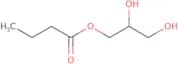
Formula:C3H6Br2Purity:Min. 95%Molecular weight:201.89 g/mol1-Monotetranoin
CAS:1-Monotetranoin is a fatty ester that is involved in the process of lipolysis, which is the breakdown of fat cells. Lipolysis occurs when an enzyme called lipase hydrolyzes triglycerides into glycerol and three fatty acids. 1-Monotetranoin has been shown to be a potent stimulator of growth factor production and cell proliferation in vivo models. It has also been shown to be effective at inhibiting angiogenic processes in vitro, including the release of growth factors from fat cells. The neutral pH optimum for 1-monotetranoin is between 7 and 8, which may be due to its hydrophobic nature.
Formula:C7H14O4Purity:Min. 95%Molecular weight:162.18 g/molRef: 3D-AAA55725
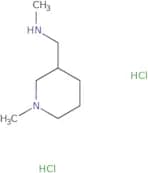
Discontinued productN-Methyl-1-(1-methylpiperidin-3-yl)methanamine
CAS:Versatile small molecule scaffoldFormula:C8H18N2Purity:Min. 95%Molecular weight:142.25 g/mol3-Amino-4-methyl-N-[3-(trifluoromethyl)phenyl]benzene-1-sulfonamide
CAS:Versatile small molecule scaffoldFormula:C14H13F3N2O2SPurity:Min. 95%Molecular weight:330.33 g/molRef: 3D-QXA20922
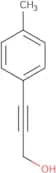
Discontinued product3-(4-Methylphenyl)prop-2-yn-1-ol
CAS:Versatile small molecule scaffold
Formula:C10H10OPurity:Min. 95%Molecular weight:146.19 g/moltert-Butyl 3-amino-2-(oxan-4-yl)propanoate
CAS:Versatile small molecule scaffoldFormula:C12H23NO3Purity:Min. 95%Molecular weight:229.3 g/molBis(N-[2-(pyridin-3-yl)ethyl]guanidine), sulfuric acid
CAS:Versatile small molecule scaffold
Formula:C16H26N8O4SPurity:Min. 95%Molecular weight:426.5 g/molRef: 3D-NKD38418
Discontinued product2-(1-Methylazetidin-3-yl)ethan-1-amine dihydrochloride
CAS:Versatile small molecule scaffold
Formula:C6H16Cl2N2Purity:Min. 95%Molecular weight:187.11 g/mol3-(3-Amino-1H-pyrazol-1-yl)pyrrolidin-2-one
CAS:Versatile small molecule scaffold
Formula:C7H10N4OPurity:Min. 95%Molecular weight:166.18 g/molRef: 3D-NKD27328
Discontinued product2-[2-({[(9H-Fluoren-9-yl)methoxy]carbonyl}amino)-1,2,3,4-tetrahydronaphthalen-2-yl]acetic acid
CAS:Versatile small molecule scaffold
Formula:C27H25NO4Purity:Min. 95%Molecular weight:427.5 g/molRef: 3D-NKD27275
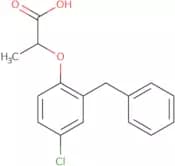
Discontinued product2-(2-Benzyl-4-chlorophenoxy)propanoic acid
CAS:Versatile small molecule scaffoldFormula:C16H15ClO3Purity:Min. 95%Molecular weight:290.74 g/molRef: 3D-NAA79403
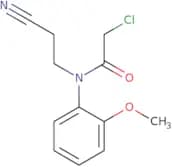
Discontinued product2-Chloro-N-(2-cyanoethyl)-N-(2-methoxyphenyl)acetamide
CAS:Versatile small molecule scaffold
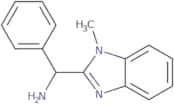
Formula:C12H13ClN2O2Purity:Min. 95%Molecular weight:252.69 g/mol(1-Methyl-1H-1,3-benzodiazol-2-yl)(phenyl)methanamine
CAS:Versatile small molecule scaffold
Formula:C15H15N3Purity:Min. 95%Molecular weight:237.31 g/molRef: 3D-NAA74537
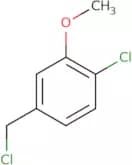
Discontinued product1-Chloro-4-(chloromethyl)-2-methoxybenzene
CAS:Versatile small molecule scaffold
Formula:C8H8Cl2OPurity:Min. 95%Molecular weight:191.05 g/molRef: 3D-NAA72618
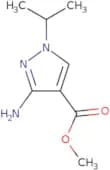
Discontinued productMethyl 3-amino-1-(propan-2-yl)-1H-pyrazole-4-carboxylate
CAS:Versatile small molecule scaffold
Formula:C8H13N3O2Purity:Min. 95%Molecular weight:183.21 g/molRef: 3D-MWC97411
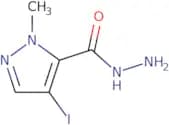
Discontinued product4-Iodo-1-methyl-1H-pyrazole-5-carbohydrazide
CAS:Versatile small molecule scaffold
Formula:C5H7IN4OPurity:Min. 95%Molecular weight:266.04 g/molRef: 3D-MVA81000
Discontinued product6-Ethyl-3-methyl-1-phenyl-1H-pyrazolo[3,4-b]pyridine-4-carboxylic acid
CAS:Versatile small molecule scaffold
Formula:C16H15N3O2Purity:Min. 95%Molecular weight:281.31 g/molRef: 3D-MMB69138
Discontinued product4-[(2-Amino-1,3-thiazol-5-yl)methyl]-3-(trifluoromethyl)benzonitrile
CAS:Versatile small molecule scaffold
Formula:C12H8F3N3SPurity:Min. 95%Molecular weight:283.27 g/molRef: 3D-MMB62900
Discontinued product2-[6-(Furan-2-yl)-3-methyl-4-(trifluoromethyl)-1H-pyrazolo[3,4-b]pyridin-1-yl]acetic acid
CAS:Versatile small molecule scaffoldFormula:C14H10F3N3O3Purity:Min. 95%Molecular weight:325.24 g/molRef: 3D-MMB60578
Discontinued product2-{3-Cyclopropyl-5-methyl-1H-pyrazolo[3,4-b]pyridin-1-yl}acetic acid
CAS:Versatile small molecule scaffoldFormula:C12H13N3O2Purity:Min. 95%Molecular weight:231.25 g/molRef: 3D-MMB60570
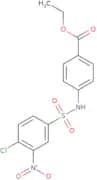
Discontinued productEthyl 4-(4-chloro-3-nitrobenzenesulfonamido)benzoate
CAS:Versatile small molecule scaffoldFormula:C15H13ClN2O6SPurity:Min. 95%Molecular weight:384.8 g/molRef: 3D-RAA36253
Discontinued product[(4-Iodophenyl)methyl](methyl)amine hydrochloride
CAS:Versatile small molecule scaffoldFormula:C8H11ClINPurity:Min. 95%Molecular weight:283.5 g/molRef: 3D-LWD26707
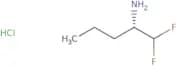
Discontinued product(2S)-1,1-Difluoropentan-2-amine hydrochloride
CAS:Versatile small molecule scaffold
Formula:C5H12ClF2NPurity:Min. 95%Molecular weight:159.6 g/molRef: 3D-LWD18078
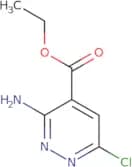
Discontinued productethyl 3-amino-6-chloropyridazine-4-carboxylate
CAS:Versatile small molecule scaffoldFormula:C7H8ClN3O2Purity:Min. 95%Molecular weight:201.6 g/mol5-[2-(Methylsulfanyl)ethyl]-1,3-oxazolidine-2,4-dione
CAS:Versatile small molecule scaffold
Formula:C6H9NO3SPurity:Min. 95%Molecular weight:175.2 g/molRef: 3D-LWB72183
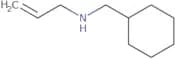
Discontinued product(Cyclohexylmethyl)(prop-2-en-1-yl)amine
CAS:Versatile small molecule scaffold
Formula:C10H19NPurity:Min. 95%Molecular weight:153.26 g/mol6-(Aminooxy)hexanoic acid hydrochloride
CAS:Versatile small molecule scaffold
Formula:C6H14ClNO3Purity:Min. 95%Molecular weight:183.63 g/molRef: 3D-LVA54579
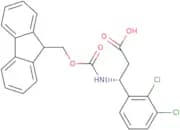
Discontinued product(R)-3-((((9H-Fluoren-9-yl)methoxy)carbonyl)amino)-3-(2,3-dichlorophenyl)propanoic acid
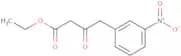
CAS:Versatile small molecule scaffoldFormula:C24H19Cl2NO4Purity:Min. 95%Molecular weight:456.32 g/molEthyl 4-(3-nitrophenyl)-3-oxobutanoate
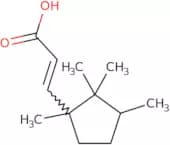
CAS:Versatile small molecule scaffoldFormula:C12H13NO5Purity:Min. 95%Molecular weight:251.23 g/mol3-(1,2,2,3-Tetramethylcyclopentyl)prop-2-enoic acid
CAS:Versatile small molecule scaffold
Formula:C12H20O2Purity:Min. 95%Molecular weight:196.29 g/molRef: 3D-LJB31686
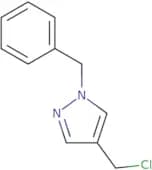
Discontinued product1-Benzyl-4-(chloromethyl)-1H-pyrazole
CAS:Controlled ProductVersatile small molecule scaffoldFormula:C11H11ClN2Purity:Min. 95%Molecular weight:206.67 g/molMethyl[1-(4-methylphenyl)butan-2-yl]amine
CAS:Controlled ProductVersatile small molecule scaffoldFormula:C12H19NPurity:Min. 95%Molecular weight:177.29 g/molRef: 3D-LJB19921
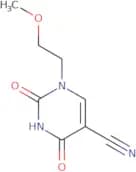
Discontinued product1-(2-Methoxyethyl)-2,4-dioxo-1,2,3,4-tetrahydropyrimidine-5-carbonitrile
CAS:Versatile small molecule scaffoldFormula:C8H9N3O3Purity:Min. 95%Molecular weight:195.18 g/molRef: 3D-RNA96614
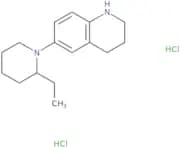
Discontinued product6-(2-Ethylpiperidin-1-yl)-1,2,3,4-tetrahydroquinoline dihydrochloride
CAS:Versatile small molecule scaffoldFormula:C16H26Cl2N2Purity:Min. 95%Molecular weight:317.3 g/molRef: 3D-LIC71538
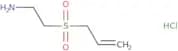
Discontinued product3-(2-Aminoethanesulfonyl)prop-1-ene hydrochloride
CAS:Versatile small molecule scaffold
Formula:C5H12ClNO2SPurity:Min. 95%Molecular weight:185.67 g/molRef: 3D-LIC71387
Discontinued product[3-(Cyclohexyloxy)phenyl]methanamine hydrochloride
CAS:Versatile small molecule scaffoldFormula:C13H20ClNOPurity:Min. 95%Molecular weight:241.76 g/molRef: 3D-LCC31568
Discontinued product2-Bromo-4-tert-butyl-1-methyl-benzene
CAS:2-Bromo-4-tert-butyl-1-methyl-benzene (2BTMB) is a congener of polychlorinated biphenyls (PCBs). It is an oily liquid that is insoluble in water. 2BTMB is metabolized by the liver, and has been found in the blood, adipose tissue, and eggs of salmonids. 2BTMB has shown to have physicochemical properties that are similar to other PCB congeners. The toxicity of 2BTMB is largely unknown because it has not been extensively studied. 2BTMB can magnify up the food chain through bioaccumulation and biomagnification.
Formula:C11H15BrPurity:Min. 95%Color and Shape:PowderMolecular weight:227.14 g/molRef: 3D-LCA02494
Discontinued product2-[(2-Methyl-1H-indol-3-yl)sulfanyl]ethan-1-amine
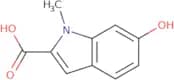
CAS:Versatile small molecule scaffoldFormula:C11H14N2SPurity:Min. 95%Molecular weight:206.31 g/mol6-Hydroxy-1-methyl-1H-indole-2-carboxylic acid
CAS:Versatile small molecule scaffoldFormula:C10H9NO3Purity:Min. 95%Molecular weight:191.18 g/molRef: 3D-RWA52289
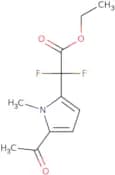
Discontinued productEthyl 2-(5-acetyl-1-methyl-1H-pyrrol-2-yl)-2,2-difluoroacetate
CAS:Versatile small molecule scaffoldFormula:C11H13F2NO3Purity:Min. 95%Molecular weight:245.22 g/molRef: 3D-LBC79284
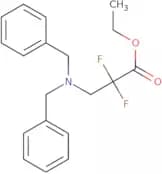
Discontinued productethyl 3-(dibenzylaMino)-2,2-difluoropropanoate
CAS:Versatile small molecule scaffold
Formula:C19H21F2NO2Purity:Min. 95%Molecular weight:333.37 g/molRef: 3D-RWA54736
Discontinued productMethyl 2-[2-(hydroxyimino)cyclohexyl]acetate
CAS:Versatile small molecule scaffold
Formula:C9H15NO3Purity:Min. 95%Molecular weight:185.22 g/molRef: 3D-SAA44849
Discontinued product1-(4-Chlorophenyl)-1H-imidazole-2(3H)-thione
CAS:1-(4-Chlorophenyl)-1H-imidazole-2(3H)-thione is a crystalline solid that belongs to the class of imidazoles. It has been synthesized by reacting 1,2-dibromoethane with sodium methoxide in methanol. The compound was found to have a melting point of about 183°C and a molecular weight of 212.06 g/mol. This compound has been shown to interact with methanol, methoxide, and ethoxy groups. Crystallization occurs when the substance is heated to about 183°C in vacuum and then cooled slowly.
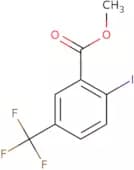
Formula:C9H7ClN2SPurity:Min. 95%Molecular weight:210.68 g/molMethyl 2-iodo-5-(trifluoromethyl)benzoate
CAS:Versatile small molecule scaffold
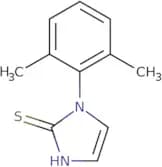
Formula:C9H6F3IO2Purity:Min. 95%Molecular weight:330.04 g/mol1-(2,6-Dimethylphenyl)-2,3-dihydro-1H-imidazole-2-thione
CAS:Versatile small molecule scaffold
Formula:C11H12N2SPurity:Min. 95%Molecular weight:204.29 g/molRef: 3D-SAA45219
Discontinued product2-[1-(2,2-Difluoroethyl)piperidin-4-yl]acetic acid
CAS:Versatile small molecule scaffoldFormula:C9H15F2NO2Purity:Min. 95%Molecular weight:207.22 g/molRef: 3D-KWB24621
Discontinued producttert-Butyl 4-hydroxy-4-(piperidin-4-yl)piperidine-1-carboxylate
CAS:Versatile small molecule scaffold
Formula:C15H28N2O3Purity:Min. 95%Molecular weight:284.4 g/molRef: 3D-KQD93086
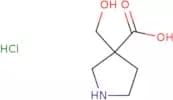
Discontinued product3-(Hydroxymethyl)pyrrolidine-3-carboxylic acid hydrochloride
CAS:Versatile small molecule scaffold
Formula:C6H12ClNO3Purity:Min. 95%Molecular weight:181.6 g/molRef: 3D-KQD93069
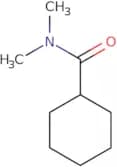
Discontinued productN,N-Dimethylcyclohexanecarboxamide
CAS:N,N-Dimethylcyclohexanecarboxamide is an acid salt of besylate that is used as a drug for the treatment of hyperglycemia. It has been shown to have a rapid onset and short duration of action. The chemical name for N,N-Dimethylcyclohexanecarboxamide is 1-[2-(2-methoxyethoxy)ethyl]-4-methyl-1,4-dihydropyridine 2,4-dicarboxylic acid methyl ester. This compound inhibits insulin release from the pancreas and stimulates glucagon release from the alpha cells in the pancreas. These effects lead to an increase in blood glucose levels.
Formula:C9H17NOPurity:Min. 95%Molecular weight:155.24 g/mol5-Chloro-3-cyclobutyl-1,2,4-oxadiazole
CAS:Versatile small molecule scaffold
Formula:C6H7ClN2OPurity:Min. 95%Molecular weight:158.58 g/molRef: 3D-NXB26496
Discontinued product1-[(2-bromophenyl)methyl]-2,5-dihydro-1H-pyrrole-2,5-dione
CAS:Versatile small molecule scaffold
Formula:C11H8BrNO2Purity:Min. 95%Molecular weight:266.09 g/molRef: 3D-QFA48093
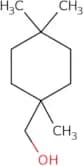
Discontinued product(1,4,4-Trimethylcyclohexyl)methanol
CAS:Versatile small molecule scaffold
Formula:C10H20OPurity:Min. 95%Molecular weight:156.3 g/molRef: 3D-QFA42344
Discontinued product4-(4-Bromophenyl)-2,6-dichloropyrimidine
CAS:Versatile small molecule scaffold
Formula:C10H5BrCl2N2Purity:Min. 95%Molecular weight:303.97 g/molRef: 3D-QJC18981
Discontinued product1-[(4-Bromophenyl)methyl]-3-(2-methylpropyl)-1,4-diazepane
CAS:Versatile small molecule scaffold
Formula:C16H25BrN2Purity:Min. 95%Molecular weight:325.29 g/molRef: 3D-QJC93175
Discontinued product2,4-Dimethylfuran-3-carboxylic acid
CAS:2,4-Dimethylfuran-3-carboxylic acid is a dianion that is used as a fungicide. It has been shown to be effective against many plant diseases, including powdery mildews, rusts, and sooty molds. The methyl ester of 2,4-dimethylfuran-3-carboxylic acid can be synthesized in the laboratory from cyclohexanone and methylamine. The reactive methyl group of the dianion catalyzes the reaction with hydroxyl groups on other molecules, forming an amide or alkylating agent. This reaction occurs stereoselectively when one of the hydrogens on the carbon adjacent to the carboxylate group is also replaced by a methyl group.
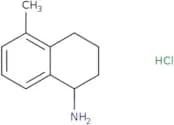
Formula:C7H8O3Purity:Min. 95%Molecular weight:140.14 g/mol5-Methyl-1,2,3,4-tetrahydronaphthalen-1-amine hydrochloride
CAS:Versatile small molecule scaffold
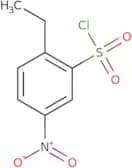
Formula:C11H16ClNPurity:Min. 95%Molecular weight:197.7 g/mol2-Ethyl-5-nitrobenzene-1-sulfonyl chloride
CAS:Versatile small molecule scaffold
Formula:C8H8ClNO4SPurity:Min. 95%Molecular weight:249.67 g/mol1-Hydroxycyclopentane-1-carbonitrile
CAS:1-Hydroxycyclopentane-1-carbonitrile is a monomer that is hydrolyzed to form benzoin and cyanohydrins. It can be used in the production of scifinder as a monomer or dimerizer.
Formula:C6H9NOPurity:Min. 95%Molecular weight:111.14 g/mol2-Bromo-3,3,3-trifluoro-1-propene
CAS:Controlled Product2-Bromo-3,3,3-trifluoro-1-propene is a chemical compound that has been synthesized in an asymmetric reaction. The reactant is bromopropane and the product is 2,2,2-trifluoropropene. The methylene group on the propene molecule is activated by the nucleophilic attack of a fluoride ion from hydrogen fluoride to form a cavity with a highly strained bond. The kinetic study of this reaction revealed that the activation energy for the reaction is 42 kJ/mol. Palladium-catalyzed coupling reactions are catalyzed by palladium and require nonpolar solvents such as toluene or dichloromethane. This type of reaction has been shown to be exothermic with an isolated yield of 1%.
Formula:C3H2BrF3Purity:Min. 95%Color and Shape:Colorless PowderMolecular weight:174.95 g/mol3-Hydroxy-5-methylpyridine
CAS:3-Hydroxy-5-methylpyridine (3HMP) is a chemical substance that has been classified as an amine. It is a product of the metabolism of purines, which are nitrogenous bases found in DNA and RNA. 3HMP is produced by aerogenic bacteria (such as Enterobacter), and can be used to estimate the number of these bacteria present in water samples. 3HMP has been shown to have antiviral properties against influenza virus, and can be used as a biomarker for the presence of other viruses in animals. 3HMP also has mineralization properties, which have been studied extensively, particularly with regards to pancreatic disease.
Formula:C6H7NOPurity:Min. 95%Color and Shape:PowderMolecular weight:109.13 g/molRef: 3D-FH16174
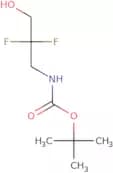
Discontinued producttert-Butyl (2,2-difluoro-3-hydroxypropyl)carbamate
CAS:Versatile small molecule scaffoldFormula:C10H13NO4Purity:Min. 95%Molecular weight:211.21 g/mol4-Chloro-2-hydroxy-6-methylphenylboronic acid
CAS:Versatile small molecule scaffoldFormula:C7H8BClO3Purity:Min. 95%Molecular weight:186.4 g/mol8-Bromo-2-methylimidazo[1,2-a]pyridine
CAS:Versatile small molecule scaffold
Formula:C8H7N2BrPurity:Min. 95%Molecular weight:211.05 g/mol4,5-Dihydro-1H-imidazol-2-amine hydrochloride
CAS:Please enquire for more information about 4,5-Dihydro-1H-imidazol-2-amine hydrochloride including the price, delivery time and more detailed product information at the technical inquiry form on this page
Formula:C3H7N3•HClPurity:Min. 95%Molecular weight:121.57 g/molRef: 3D-FD183639
Discontinued product4,5-Dihydroxy-2,3-Pentanedione
CAS:4,5-Dihydroxy-2,3-pentanedione is a carbonyl compound that is the product of the oxidation of ascorbic acid. It is used in wastewater treatment and has antimicrobial properties against infectious diseases. This compound has been shown to inhibit protein synthesis by binding to the ribosome and preventing the formation of peptide bonds between amino acids. 4,5-Dihydroxy-2,3-pentanedione has also been shown to bind to plasma proteins, which may be due to its acyl chain structure. 4,5-Dihydroxy-2,3-pentanedione can be synthesized in a catalytic mechanism that involves dehydroascorbic acid and molecular oxygen.
Formula:C5H8O4Purity:Min. 95%Color and Shape:PowderMolecular weight:132.11 g/molRef: 3D-FD180770
Discontinued productPiperyline
CAS:Piperyline is an alkanoic acid that has shown to be effective against skin cancer. It also has antimicrobial properties, which may be due to its ability to bind metal ions and form polymeric compounds. Piperyline inhibits microbial growth by inhibiting the synthesis of proteins and nucleic acids. The antimicrobial activity is related to its cationic polymerization with hydroxyl groups, which forms a structure that can inhibit microbial enzymes and disrupt microbial cell membranes. This compound also interacts with the skin's natural lipids, making it difficult for microorganisms to attach and grow on the skin. Piperyline is synthesized in organic chemistry laboratories as an amide precursor of other pharmaceuticals such as penicillin.
Formula:C16H17NO3Purity:Min. 95%Molecular weight:271.31 g/mol

amine](/_next/image/?url=https%3A%2Fstatic.cymitquimica.com%2Fproducts%2F3D%2Fthumb-webp%2FAAC06291.webp&w=3840&q=75)
![3-Amino-4-methyl-N-[3-(trifluoromethyl)phenyl]benzene-1-sulfonamide](/_next/image/?url=https%3A%2Fstatic.cymitquimica.com%2Fproducts%2F3D%2Fthumb-webp%2FQXA20922.webp&w=3840&q=75)

![Bis(N-[2-(pyridin-3-yl)ethyl]guanidine), sulfuric acid](/_next/image/?url=https%3A%2Fstatic.cymitquimica.com%2Fproducts%2F3D%2Fthumb-webp%2FNKD38418.webp&w=3840&q=75)


![2-[2-({[(9H-Fluoren-9-yl)methoxy]carbonyl}amino)-1,2,3,4-tetrahydronaphthalen-2-yl]acetic acid](/_next/image/?url=https%3A%2Fstatic.cymitquimica.com%2Fproducts%2F3D%2Fthumb-webp%2FNKD27275.webp&w=3840&q=75)
![6-Ethyl-3-methyl-1-phenyl-1H-pyrazolo[3,4-b]pyridine-4-carboxylic acid](/_next/image/?url=https%3A%2Fstatic.cymitquimica.com%2Fproducts%2F3D%2Fthumb-webp%2FMMB69138.webp&w=3840&q=75)
![4-[(2-Amino-1,3-thiazol-5-yl)methyl]-3-(trifluoromethyl)benzonitrile](/_next/image/?url=https%3A%2Fstatic.cymitquimica.com%2Fproducts%2F3D%2Fthumb-webp%2FMMB62900.webp&w=3840&q=75)
![2-[6-(Furan-2-yl)-3-methyl-4-(trifluoromethyl)-1H-pyrazolo[3,4-b]pyridin-1-yl]acetic acid](/_next/image/?url=https%3A%2Fstatic.cymitquimica.com%2Fproducts%2F3D%2Fthumb-webp%2FMMB60578.webp&w=3840&q=75)
![2-{3-Cyclopropyl-5-methyl-1H-pyrazolo[3,4-b]pyridin-1-yl}acetic acid](/_next/image/?url=https%3A%2Fstatic.cymitquimica.com%2Fproducts%2F3D%2Fthumb-webp%2FMMB60570.webp&w=3840&q=75)
amine hydrochloride](/_next/image/?url=https%3A%2Fstatic.cymitquimica.com%2Fproducts%2F3D%2Fthumb-webp%2FLWD26707.webp&w=3840&q=75)
![5-[2-(Methylsulfanyl)ethyl]-1,3-oxazolidine-2,4-dione](/_next/image/?url=https%3A%2Fstatic.cymitquimica.com%2Fproducts%2F3D%2Fthumb-webp%2FLWB72183.webp&w=3840&q=75)

![Methyl[1-(4-methylphenyl)butan-2-yl]amine](/_next/image/?url=https%3A%2Fstatic.cymitquimica.com%2Fproducts%2F3D%2Fthumb-webp%2FLJB19921.webp&w=3840&q=75)
![[3-(Cyclohexyloxy)phenyl]methanamine hydrochloride](/_next/image/?url=https%3A%2Fstatic.cymitquimica.com%2Fproducts%2F3D%2Fthumb-webp%2FLCC31568.webp&w=3840&q=75)

![2-[(2-Methyl-1H-indol-3-yl)sulfanyl]ethan-1-amine](/_next/image/?url=https%3A%2Fstatic.cymitquimica.com%2Fproducts%2F3D%2Fthumb-webp%2FLCA02166.webp&w=3840&q=75)
![Methyl 2-[2-(hydroxyimino)cyclohexyl]acetate](/_next/image/?url=https%3A%2Fstatic.cymitquimica.com%2Fproducts%2F3D%2Fthumb-webp%2FSAA44849.webp&w=3840&q=75)

![2-[1-(2,2-Difluoroethyl)piperidin-4-yl]acetic acid](/_next/image/?url=https%3A%2Fstatic.cymitquimica.com%2Fproducts%2F3D%2Fthumb-webp%2FKWB24621.webp&w=3840&q=75)

![1-[(2-bromophenyl)methyl]-2,5-dihydro-1H-pyrrole-2,5-dione](/_next/image/?url=https%3A%2Fstatic.cymitquimica.com%2Fproducts%2F3D%2Fthumb-webp%2FQFA48093.webp&w=3840&q=75)

![1-[(4-Bromophenyl)methyl]-3-(2-methylpropyl)-1,4-diazepane](/_next/image/?url=https%3A%2Fstatic.cymitquimica.com%2Fproducts%2F3D%2Fthumb-webp%2FQJC93175.webp&w=3840&q=75)





![8-Bromo-2-methylimidazo[1,2-a]pyridine](/_next/image/?url=https%3A%2Fstatic.cymitquimica.com%2Fproducts%2F3D%2Fthumb-webp%2FUXB37475.webp&w=3840&q=75)