Building Blocks
Subcategories of "Building Blocks"
- Boronic Acids & Boronic Acid Derivatives(5,778 products)
- Chiral Building Blocks(1,243 products)
- Hydrocarbon Building Blocks(6,099 products)
- Organic Building Blocks(61,038 products)
Found 205376 products of "Building Blocks"
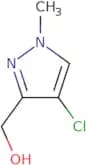
(4-Chloro-1-methyl-1H-pyrazol-3-yl)methanol
CAS:Versatile small molecule scaffold
Formula:C5H7ClN2OPurity:Min. 95%Molecular weight:146.57 g/molRef: 3D-SQB78329
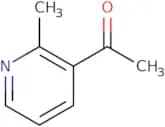
Discontinued product1-(2-Methylpyridin-3-yl)ethanone
CAS:1-(2-Methylpyridin-3-yl)ethanone is a ketone that can be synthesized using the reaction of methyl sulfone, benzyl sulfone, and sulphone. It has been shown to have anti-inflammatory properties by inhibiting prostaglandin synthesis and has been used as a nonsteroidal anti-inflammatory drug (NSAID). 1-(2-Methylpyridin-3-yl)ethanone has also been shown to have analgesic effects in mice. This synthetic compound may be useful in treating inflammation, pain, and fever.
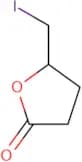
Formula:C8H9NOPurity:Min. 95%Molecular weight:135.16 g/mol5-(Iodomethyl)oxolan-2-one
CAS:Versatile small molecule scaffold
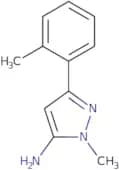
Formula:C5H7IO2Purity:Min. 95%Molecular weight:226.01 g/mol2-Methyl-5-(2-methylphenyl)pyrazol-3-amine
CAS:Versatile small molecule scaffoldFormula:C11H13N3Purity:Min. 95%Molecular weight:187.25 g/molRef: 3D-SQB66559
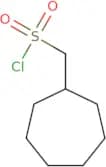
Discontinued productCycloheptylmethanesulfonyl chloride
CAS:Cycloheptylmethanesulfonyl chloride is a heterocyclic compound that has been shown to cause neurotoxicity, or nerve damage. It inhibits the activity of two enzymes, acetylcholinesterase and butyrylcholinesterase, which are responsible for regulating the production of the neurotransmitter acetylcholine in the brain. Cycloheptylmethanesulfonyl chloride also inhibits other enzymes involved in the synthesis of proteins in neurons, leading to neuronal damage. Cycloheptylmethanesulfonyl chloride has been shown to be effective against neurological disorders such as neurodegenerative diseases and nerve damage.Formula:C8H15ClO2SPurity:Min. 95%Molecular weight:210.72 g/molRef: 3D-SJA45987
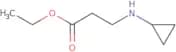
Discontinued productEthyl 3-(cyclopropylamino)propanoate
CAS:Versatile small molecule scaffold
Formula:C8H15NO2Purity:Min. 95%Molecular weight:157.21 g/mol1-Oxaspiro[4.5]dec-2-en-4-one
CAS:Versatile small molecule scaffold
Formula:C9H12O2Purity:Min. 95%Molecular weight:152.19 g/molRef: 3D-BDA95195
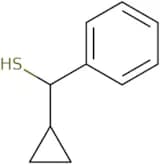
Discontinued productCyclopropyl(phenyl)methanethiol
CAS:Versatile small molecule scaffold
Formula:C10H12SPurity:Min. 95%Molecular weight:164.27 g/molRef: 3D-BGA15346
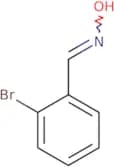
Discontinued product2-Bromobenzaldoxime
CAS:2-Bromobenzaldoxime is a biologically active molecule that has been shown to have significant physiological activities. It is an aldehyde, which is metabolized by the liver or kidneys into the corresponding alcohol, 2-bromoethanol. 2-Bromobenzaldoxime has been shown to be synthesized from diethyl ether and potassium phosphate in the presence of amino acids. The reaction proceeds with dehydration of the intermediate bromohydrin to form an aldoxime. This molecule can be used as a pharmaceutical drug for various diseases such as diabetes mellitus, hypertension, and inflammation.
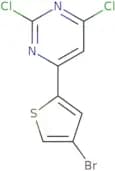
Formula:C7H6BrNOPurity:Min. 95%Molecular weight:200.03 g/mol4-(4-Bromothiophen-2-yl)-2,6-dichloropyrimidine
CAS:Versatile small molecule scaffold
Formula:C8H3BrCl2N2SPurity:Min. 95%Molecular weight:310 g/molRef: 3D-SIC83929
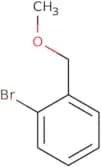
Discontinued product1-Bromo-2-(methoxymethyl)benzene
CAS:1-Bromo-2-(methoxymethyl)benzene is a boronic acid that is used in the synthesis of palladium complexes. It is synthesized by reacting 1-bromobenzene with methanol and methoxymethyl chloride. The 1-bromo-2-(methoxymethyl)benzene has been used as a ligand for palladium complexes, which are often used to catalyze organic reactions, such as the metathesis reaction. Synthetic methods have been developed to produce the compound and NMR spectra have been obtained to provide kinetic data on these reactions.
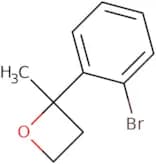
Formula:C8H9BrOPurity:Min. 95%Molecular weight:201.06 g/mol2-(2-Bromophenyl)-2-methyloxetane
CAS:Versatile small molecule scaffold
Formula:C10H11BrOPurity:Min. 95%Molecular weight:227.1 g/molRef: 3D-CGC24401
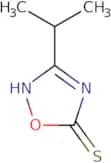
Discontinued product3-(Propan-2-yl)-1,2,4-oxadiazole-5-thiol
CAS:Versatile small molecule scaffold
Formula:C5H8N2OSPurity:Min. 95%Molecular weight:144.2 g/molRef: 3D-SDC62895
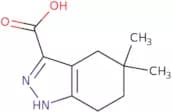
Discontinued product5,5-Dimethyl-4,5,6,7-tetrahydro-1H-indazole-3-carboxylic acid
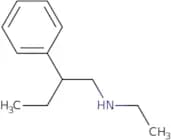
CAS:Versatile small molecule scaffoldFormula:C10H14N2O2Purity:Min. 95%Molecular weight:194.23 g/molEthyl(2-phenylbutyl)amine
CAS:Controlled ProductVersatile small molecule scaffold
Formula:C12H19NPurity:Min. 95%Molecular weight:177.29 g/molRef: 3D-CRA92083
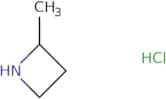
Discontinued product2-Methylazetidine hydrochloride
CAS:Versatile small molecule scaffold
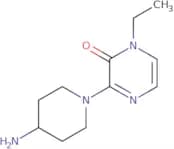
Formula:C4H10ClNPurity:Min. 95%Molecular weight:107.58 g/mol3-(4-Aminopiperidin-1-yl)-1-ethyl-1,2-dihydropyrazin-2-one
CAS:Versatile small molecule scaffold
Formula:C11H18N4OPurity:Min. 95%Molecular weight:222.29 g/molRef: 3D-SDC37693
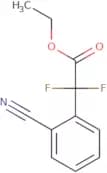
Discontinued productEthyl 2-(2-cyanophenyl)-2,2-difluoroacetate
CAS:Versatile small molecule scaffold
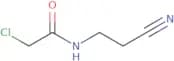
Formula:C11H9F2NO2Purity:Min. 95%Molecular weight:225.19 g/mol2-Chloro-N-(2-cyanoethyl)acetamide
CAS:2-Chloro-N-(2-cyanoethyl)acetamide is a potent and selective inhibitor of the protein kinase C (PKC). The PKC protein kinases are enzymes that regulate the activity of cells in response to stimuli. 2-Chloro-N-(2-cyanoethyl)acetamide has been shown to be effective against some viruses and tumor cells, but not against bacteria. It inhibits the growth of some cancer cells and has been shown to inhibit the replication of animal viruses such as influenza virus. This drug is also used for treatment of abdominal infections, hepatitis, pancreatitis, mesenteric adenitis, and animals with cancer. 2-Chloro-N-(2-cyanoethyl)acetamide can act as a noncompetitive inhibitor by binding to a site on the enzyme that is different from ATP binding site.
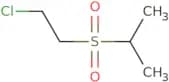
Formula:C5H7ClN2OPurity:Min. 95%Molecular weight:146.57 g/mol2-(2-Chloroethanesulfonyl)propane
CAS:Versatile small molecule scaffold
Formula:C5H11ClO2SPurity:Min. 95%Molecular weight:170.66 g/molRef: 3D-CXB10075
Discontinued product1-Azabicyclo[3.2.1]octan-4-one
CAS:Versatile small molecule scaffold
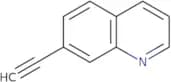
Formula:C7H11NOPurity:Min. 95%Molecular weight:125.17 g/mol7-Ethynylquinoline
CAS:Versatile small molecule scaffold
Formula:C11H7NPurity:Min. 95%Molecular weight:153.18 g/molRef: 3D-DEA98780
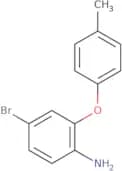
Discontinued product4-Bromo-2-(4-methylphenoxy)aniline
CAS:Versatile small molecule scaffold
Formula:C13H12BrNOPurity:Min. 95%Molecular weight:278.14 g/molRef: 3D-DJC67568
Discontinued product2,6-Dichloropyridine-3-sulfonamide
CAS:Versatile small molecule scaffold
Formula:C5H4Cl2N2O2SPurity:Min. 95%Molecular weight:227.07 g/molRef: 3D-DTB62777
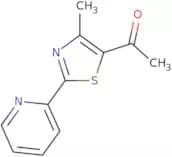
Discontinued product1-(4-Methyl-2-pyridin-2-yl-1,3-thiazol-5-yl)ethanone
CAS:Versatile small molecule scaffold
Formula:C11H10N2OSPurity:Min. 95%Molecular weight:218.28 g/molRef: 3D-DUA25765
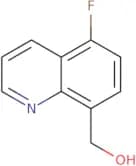
Discontinued product(5-Fluoroquinolin-8-yl)methanol
CAS:Versatile small molecule scaffold
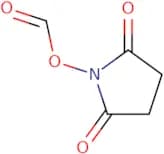
Formula:C10H8FNOPurity:Min. 95%Molecular weight:177.17 g/mol2,5-Dioxopyrrolidin-1-yl formate
CAS:2,5-Dioxopyrrolidin-1-yl formate is a solubilized ATP analog that has been clinically developed for the treatment of cancer. This drug binds to cell membranes and causes alkylation of the acidic phospholipids in the membrane, leading to increased permeability of the membrane and release of intracellular components. 2,5-Dioxopyrrolidin-1-yl formate also interacts with lysosomes and increases their acidity, which may lead to an increase in lysosomal enzyme activity. This drug has been shown to inhibit tumor growth in a mouse model by binding to erythrocytes while it was being simultaneously administered intravenously. The chemical structures of this drug are closely related to those of phaseolus, which is known for its anticancer effects.
Formula:C5H5NO4Purity:Min. 95%Molecular weight:143.1 g/molRef: 3D-SAA59254
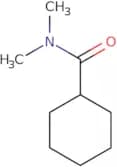
Discontinued productN,N-Dimethylcyclohexanecarboxamide
CAS:N,N-Dimethylcyclohexanecarboxamide is an acid salt of besylate that is used as a drug for the treatment of hyperglycemia. It has been shown to have a rapid onset and short duration of action. The chemical name for N,N-Dimethylcyclohexanecarboxamide is 1-[2-(2-methoxyethoxy)ethyl]-4-methyl-1,4-dihydropyridine 2,4-dicarboxylic acid methyl ester. This compound inhibits insulin release from the pancreas and stimulates glucagon release from the alpha cells in the pancreas. These effects lead to an increase in blood glucose levels.
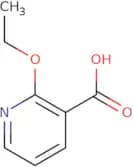
Formula:C9H17NOPurity:Min. 95%Molecular weight:155.24 g/mol2-Ethoxy-nicotinic acid
CAS:2-Ethoxy-nicotinic acid is an inorganic compound that contains oxygen and hydrogen. It has been shown to interact with amines, carboxylates, and other inorganic compounds. 2-Ethoxy-nicotinic acid is a supramolecular complex consisting of naphthyridine and ethoxy groups. The hydrogen bonding interactions between the ethoxy groups and the amine groups are what make this molecule magnetic. The isomers of this compound have been synthesized and diffraction experiments have shown that it has a cyclic structure. Compounds similar to 2-Ethoxy-nicotinic acid include malonate, which has two carboxylate groups. This molecule also reacts with hydrogen gas at high temperatures to produce hydrogen gas and carbon dioxide.
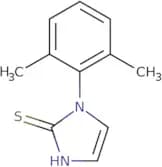
Formula:C8H9NO3Purity:Min. 95%Molecular weight:167.16 g/mol1-(2,6-Dimethylphenyl)-2,3-dihydro-1H-imidazole-2-thione
CAS:Versatile small molecule scaffold
Formula:C11H12N2SPurity:Min. 95%Molecular weight:204.29 g/molRef: 3D-SAA45219
Discontinued product1-(4-Chlorophenyl)-1H-imidazole-2(3H)-thione
CAS:1-(4-Chlorophenyl)-1H-imidazole-2(3H)-thione is a crystalline solid that belongs to the class of imidazoles. It has been synthesized by reacting 1,2-dibromoethane with sodium methoxide in methanol. The compound was found to have a melting point of about 183°C and a molecular weight of 212.06 g/mol. This compound has been shown to interact with methanol, methoxide, and ethoxy groups. Crystallization occurs when the substance is heated to about 183°C in vacuum and then cooled slowly.
Formula:C9H7ClN2SPurity:Min. 95%Molecular weight:210.68 g/molMethyl 2-[2-(hydroxyimino)cyclohexyl]acetate
CAS:Versatile small molecule scaffold
Formula:C9H15NO3Purity:Min. 95%Molecular weight:185.22 g/molRef: 3D-SAA44849
Discontinued product4-(4-Aminophenyl)-1-methyl-1H-pyrazolo[3,4-b]pyridine-3-carboxylic acid
CAS:Versatile small molecule scaffoldFormula:C14H12N4O2Purity:Min. 95%Molecular weight:268.27 g/molRef: 3D-EEC70466
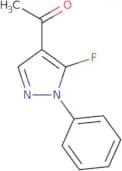
Discontinued product1-(5-Fluoro-1-phenyl-1H-pyrazol-4-yl)ethan-1-one
CAS:Versatile small molecule scaffold
Formula:C11H9FN2OPurity:Min. 95%Molecular weight:204.2 g/molRef: 3D-RSC00051
Discontinued product2,2,2-Trifluoroethyl N-[3-fluoro-4-(1H-pyrazol-1-yl)phenyl]carbamate
CAS:Versatile small molecule scaffoldFormula:C12H9F4N3O2Purity:Min. 95%Molecular weight:303.21 g/molRef: 3D-EEC95905
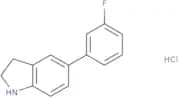
Discontinued product5-(3-Fluorophenyl)-2,3-dihydro-1H-indole hydrochloride
CAS:Versatile small molecule scaffoldFormula:C14H13ClFNPurity:Min. 95%Molecular weight:249.71 g/molRef: 3D-EEC95999
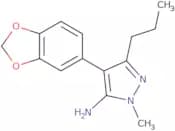
Discontinued product4-(1,3-Dioxaindan-5-yl)-2-methyl-5-propyl-2,3-dihydro-1H-pyrazol-3-imine
CAS:Versatile small molecule scaffold
Formula:C14H17N3O2Purity:Min. 95%Molecular weight:259.3 g/molRef: 3D-EEC96042
Discontinued product2-Methyl-6-nitro-4-(1,2,3,6-tetrahydropyridin-4-yl)aniline hydrochloride
CAS:Versatile small molecule scaffold
Formula:C12H16ClN3O2Purity:Min. 95%Molecular weight:269.73 g/molRef: 3D-EEC96073
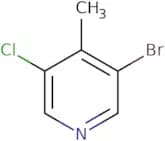
Discontinued product3-Bromo-5-chloro-4-methylpyridine
CAS:Versatile small molecule scaffold
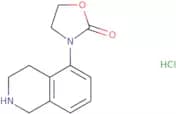
Formula:C6H5BrClNPurity:Min. 95%Molecular weight:206.47 g/mol3-(1,2,3,4-Tetrahydroisoquinolin-5-yl)-1,3-oxazolidin-2-one hydrochloride
CAS:Versatile small molecule scaffold
Formula:C12H15ClN2O2Purity:Min. 95%Molecular weight:254.71 g/molRef: 3D-EEC96303
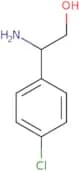
Discontinued productb-Amino-4-chlorobenzeneethanol
CAS:Versatile small molecule scaffold
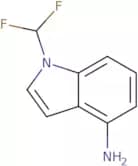
Formula:C8H10ClNOPurity:Min. 95%Molecular weight:171.62 g/mol1-(Difluoromethyl)-1H-indol-4-amine
CAS:Versatile small molecule scaffold
Formula:C9H8F2N2Purity:Min. 95%Molecular weight:182.17 g/molRef: 3D-EHC04306
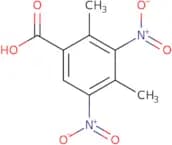
Discontinued product2,4-Dimethyl-3,5-dinitrobenzoic acid
CAS:Versatile small molecule scaffold
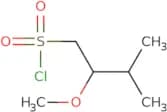
Formula:C9H8N2O6Purity:Min. 95%Molecular weight:240.17 g/mol2-Methoxy-3-methylbutane-1-sulfonyl chloride
CAS:Versatile small molecule scaffold
Formula:C6H13ClO3SPurity:Min. 95%Molecular weight:200.68 g/molRef: 3D-JWC81172
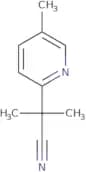
Discontinued product2-Methyl-2-(5-methylpyridin-2-yl)propanenitrile
CAS:Versatile small molecule scaffold
Formula:C10H12N2Purity:Min. 95%Molecular weight:160.22 g/molRef: 3D-EMB02197
Discontinued productN-{1-[4-(1H-1,2,4-Triazol-1-yl)phenyl]ethylidene}hydroxylamine
CAS:Versatile small molecule scaffoldFormula:C10H10N4OPurity:Min. 95%Molecular weight:202.21 g/molRef: 3D-RMB40050
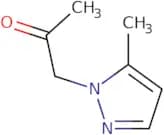
Discontinued product1-(5-Methyl-pyrazol-1-yl)-propan-2-one
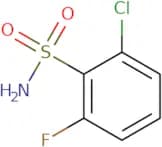
CAS:Versatile small molecule scaffoldFormula:C7H10N2OPurity:Min. 95%Molecular weight:138.17 g/mol2-Chloro-6-fluorobenzene-1-sulfonamide
CAS:2-Chloro-6-fluorobenzene-1-sulfonamide is a pharmacological agent that has been shown to have anticancer activity. It is an inhibitor of sterol regulatory element binding protein 2 (SREBP2) and, as such, inhibits cholesterol synthesis. This inhibition results in the accumulation of fatty acids and downstream metabolites in cancer cells, which leads to apoptosis. 2-Chloro-6-fluorobenzene-1-sulfonamide may also be used to treat neurodegenerative diseases and inflammatory pathways.Formula:C6H5ClFNO2SPurity:Min. 95%Molecular weight:209.63 g/molRef: 3D-EYB57352
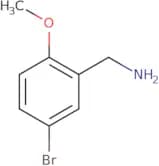
Discontinued product(5-bromo-2-methoxyphenyl)methanamine
CAS:Versatile small molecule scaffold
Formula:C8H10BrNOPurity:Min. 95%Molecular weight:216.1 g/molRef: 3D-RGA53078
Discontinued product4-(Piperazin-1-yl)isoquinoline dihydrochloride
CAS:Versatile small molecule scaffold
Formula:C13H17Cl2N3Purity:Min. 95%Molecular weight:286.2 g/molRef: 3D-ILB29289
Discontinued product(3,4-Dihydro-2H-chromen-6-ylmethyl)ae hydrochloride
CAS:Versatile small molecule scaffold
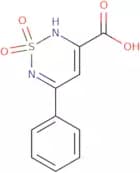
Formula:C10H14ClNOPurity:Min. 95%Molecular weight:199.68 g/mol1,1-Dioxo-5-phenyl-2H-1,2,6-thiadiazine-3-carboxylic acid
CAS:Versatile small molecule scaffoldFormula:C10H8N2O4SPurity:Min. 95%Molecular weight:252.25 g/molRef: 3D-RDA44562
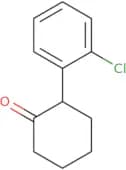
Discontinued product2-(2-Chlorophenyl)cyclohexan-1-one
CAS:Versatile small molecule scaffold
Formula:C12H13ClOPurity:Min. 95%Molecular weight:208.68 g/molRef: 3D-RDA39349
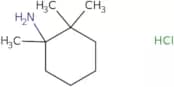
Discontinued product1,2,2-Trimethylcyclohexan-1-amine hydrochloride
CAS:Versatile small molecule scaffoldFormula:C9H20ClNPurity:Min. 95%Molecular weight:177.71 g/molRef: 3D-RDA39168
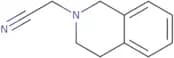
Discontinued product2-(1,2,3,4-Tetrahydroisoquinolin-2-yl)acetonitrile
CAS:Versatile small molecule scaffoldFormula:C11H12N2Purity:Min. 95%Molecular weight:172.23 g/molRef: 3D-RDA34997
Discontinued product3-(4-Acetylphenoxy)propanoic acid
CAS:Versatile small molecule scaffold
Formula:C11H12O4Purity:Min. 95%Molecular weight:208.21 g/molRef: 3D-RDA14372
Discontinued product2-{8-Methyl-8-azabicyclo[3.2.1]octan-3-yl}acetic acid hydrochloride
CAS:Versatile small molecule scaffold
Formula:C10H18ClNO2Purity:Min. 95%Molecular weight:219.71 g/molRef: 3D-RDA12978
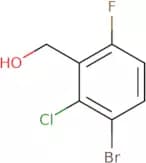
Discontinued product3-Bromo-2-chloro-6-fluorobenzyl alcohol
CAS:Versatile small molecule scaffold
Formula:C7H5BrClFOPurity:Min. 95%Molecular weight:239.47 g/molRef: 3D-JWC62856
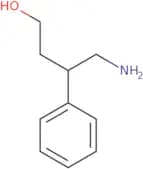
Discontinued product4-Amino-3-phenylbutan-1-ol
CAS:Versatile small molecule scaffold
Formula:C10H15NOPurity:Min. 95%Molecular weight:165.23 g/molRef: 3D-RBA17540
Discontinued product5-Methyl-2-sulfanyl-4H,7H-[1,2,4]triazolo[1,5-a]pyrimidin-7-one
CAS:Versatile small molecule scaffold
Formula:C6H6N4OSPurity:Min. 95%Molecular weight:182.2 g/molRef: 3D-RBA12281
Discontinued product1',2'-Dihydrospiro[cyclopentane-1,3'-indole]-2'-one
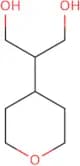
CAS:1',2'-Dihydrospiro[cyclopentane-1,3'-indole]-2'-one is a bromodomain inhibitor that inhibits the function of the bromodomain and prevents it from binding to acetylated lysine residues in the N-terminal domain of histones. This drug has been shown to inhibit the growth and proliferation of cancer cells in vitro. 1',2'-Dihydrospiro[cyclopentane-1,3'-indole]-2'-one is used as an excipient or diluent in pharmaceutical formulations. The drug is also used therapeutically as bromodomain inhibitors for cancers including breast, prostate, and colorectal cancers.Formula:C12H13NOPurity:Min. 95%Molecular weight:187.24 g/mol2-(Oxan-4-yl)propane-1,3-diol
CAS:Versatile small molecule scaffold
Formula:C8H16O3Purity:Min. 95%Molecular weight:160.21 g/molRef: 3D-RAD15754
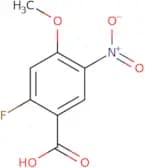
Discontinued product2-Fluoro-4-methoxy-5-nitrobenzoic acid
CAS:Versatile small molecule scaffoldFormula:C8H6FNO5Purity:Min. 95%Molecular weight:215.13 g/molRef: 3D-QMC49479
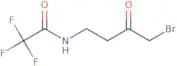
Discontinued productN-(4-Bromo-3-oxobutyl)-2,2,2-trifluoroacetamide
CAS:Versatile small molecule scaffoldFormula:C6H7BrF3NO2Purity:Min. 95%Molecular weight:262.02 g/molRef: 3D-QMC39617
Discontinued product2-Mercaptobenzo[d]thiazole-6-carbonitrile
CAS:Versatile small molecule scaffoldFormula:C8H4N2S2Purity:Min. 95%Molecular weight:192.25 g/molRef: 3D-QMA22879
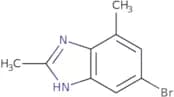
Discontinued product5-Bromo-2,7-dimethyl-1H-1,3-benzodiazole
CAS:Versatile small molecule scaffoldFormula:C9H9BrN2Purity:Min. 95%Molecular weight:225.08 g/mol2-Bromo-6-chloroimidazo[1,2-a]pyridine
CAS:Versatile small molecule scaffold
Formula:C7H4BrClN2Purity:Min. 95%Molecular weight:231.48 g/molRef: 3D-QHA07448
Discontinued product4,5-Dihydro-1H-imidazol-2-amine hydrochloride
CAS:Please enquire for more information about 4,5-Dihydro-1H-imidazol-2-amine hydrochloride including the price, delivery time and more detailed product information at the technical inquiry form on this page
Formula:C3H7N3•HClPurity:Min. 95%Molecular weight:121.57 g/molRef: 3D-FD183639
Discontinued product1-Hydroxycyclopentane-1-carbonitrile
CAS:1-Hydroxycyclopentane-1-carbonitrile is a monomer that is hydrolyzed to form benzoin and cyanohydrins. It can be used in the production of scifinder as a monomer or dimerizer.
Formula:C6H9NOPurity:Min. 95%Molecular weight:111.14 g/mol8-Bromo-2-methylimidazo[1,2-a]pyridine
CAS:Versatile small molecule scaffold
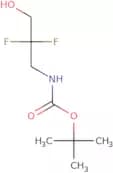
Formula:C8H7N2BrPurity:Min. 95%Molecular weight:211.05 g/moltert-Butyl (2,2-difluoro-3-hydroxypropyl)carbamate
CAS:Versatile small molecule scaffoldFormula:C10H13NO4Purity:Min. 95%Molecular weight:211.21 g/mol2-Bromo-3,3,3-trifluoro-1-propene
CAS:Controlled Product2-Bromo-3,3,3-trifluoro-1-propene is a chemical compound that has been synthesized in an asymmetric reaction. The reactant is bromopropane and the product is 2,2,2-trifluoropropene. The methylene group on the propene molecule is activated by the nucleophilic attack of a fluoride ion from hydrogen fluoride to form a cavity with a highly strained bond. The kinetic study of this reaction revealed that the activation energy for the reaction is 42 kJ/mol. Palladium-catalyzed coupling reactions are catalyzed by palladium and require nonpolar solvents such as toluene or dichloromethane. This type of reaction has been shown to be exothermic with an isolated yield of 1%.
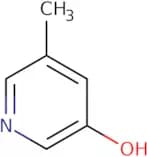
Formula:C3H2BrF3Purity:Min. 95%Color and Shape:Colorless PowderMolecular weight:174.95 g/mol3-Hydroxy-5-methylpyridine
CAS:3-Hydroxy-5-methylpyridine (3HMP) is a chemical substance that has been classified as an amine. It is a product of the metabolism of purines, which are nitrogenous bases found in DNA and RNA. 3HMP is produced by aerogenic bacteria (such as Enterobacter), and can be used to estimate the number of these bacteria present in water samples. 3HMP has been shown to have antiviral properties against influenza virus, and can be used as a biomarker for the presence of other viruses in animals. 3HMP also has mineralization properties, which have been studied extensively, particularly with regards to pancreatic disease.
Formula:C6H7NOPurity:Min. 95%Color and Shape:PowderMolecular weight:109.13 g/molRef: 3D-FH16174
Discontinued product4-Chloro-2-hydroxy-6-methylphenylboronic acid
CAS:Versatile small molecule scaffoldFormula:C7H8BClO3Purity:Min. 95%Molecular weight:186.4 g/mol4,5-Dihydroxy-2,3-Pentanedione
CAS:4,5-Dihydroxy-2,3-pentanedione is a carbonyl compound that is the product of the oxidation of ascorbic acid. It is used in wastewater treatment and has antimicrobial properties against infectious diseases. This compound has been shown to inhibit protein synthesis by binding to the ribosome and preventing the formation of peptide bonds between amino acids. 4,5-Dihydroxy-2,3-pentanedione has also been shown to bind to plasma proteins, which may be due to its acyl chain structure. 4,5-Dihydroxy-2,3-pentanedione can be synthesized in a catalytic mechanism that involves dehydroascorbic acid and molecular oxygen.
Formula:C5H8O4Purity:Min. 95%Color and Shape:PowderMolecular weight:132.11 g/molRef: 3D-FD180770
Discontinued productPiperyline
CAS:Piperyline is an alkanoic acid that has shown to be effective against skin cancer. It also has antimicrobial properties, which may be due to its ability to bind metal ions and form polymeric compounds. Piperyline inhibits microbial growth by inhibiting the synthesis of proteins and nucleic acids. The antimicrobial activity is related to its cationic polymerization with hydroxyl groups, which forms a structure that can inhibit microbial enzymes and disrupt microbial cell membranes. This compound also interacts with the skin's natural lipids, making it difficult for microorganisms to attach and grow on the skin. Piperyline is synthesized in organic chemistry laboratories as an amide precursor of other pharmaceuticals such as penicillin.
Formula:C16H17NO3Purity:Min. 95%Molecular weight:271.31 g/mol

![1-Oxaspiro[4.5]dec-2-en-4-one](/_next/image/?url=https%3A%2Fstatic.cymitquimica.com%2Fproducts%2F3D%2Fthumb-webp%2FBDA95195.webp&w=3840&q=75)
![1-Azabicyclo[3.2.1]octan-4-one](/_next/image/?url=https%3A%2Fstatic.cymitquimica.com%2Fproducts%2F3D%2Fthumb-webp%2FSAA60477.webp&w=3840&q=75)


![Methyl 2-[2-(hydroxyimino)cyclohexyl]acetate](/_next/image/?url=https%3A%2Fstatic.cymitquimica.com%2Fproducts%2F3D%2Fthumb-webp%2FSAA44849.webp&w=3840&q=75)
![4-(4-Aminophenyl)-1-methyl-1H-pyrazolo[3,4-b]pyridine-3-carboxylic acid](/_next/image/?url=https%3A%2Fstatic.cymitquimica.com%2Fproducts%2F3D%2Fthumb-webp%2FEEC70466.webp&w=3840&q=75)
![2,2,2-Trifluoroethyl N-[3-fluoro-4-(1H-pyrazol-1-yl)phenyl]carbamate](/_next/image/?url=https%3A%2Fstatic.cymitquimica.com%2Fproducts%2F3D%2Fthumb-webp%2FEEC95905.webp&w=3840&q=75)

![N-{1-[4-(1H-1,2,4-Triazol-1-yl)phenyl]ethylidene}hydroxylamine](/_next/image/?url=https%3A%2Fstatic.cymitquimica.com%2Fproducts%2F3D%2Fthumb-webp%2FRMB40050.webp&w=3840&q=75)



![2-{8-Methyl-8-azabicyclo[3.2.1]octan-3-yl}acetic acid hydrochloride](/_next/image/?url=https%3A%2Fstatic.cymitquimica.com%2Fproducts%2F3D%2Fthumb-webp%2FRDA12978.webp&w=3840&q=75)
![5-Methyl-2-sulfanyl-4H,7H-[1,2,4]triazolo[1,5-a]pyrimidin-7-one](/_next/image/?url=https%3A%2Fstatic.cymitquimica.com%2Fproducts%2F3D%2Fthumb-webp%2FRBA12281.webp&w=3840&q=75)
![1',2'-Dihydrospiro[cyclopentane-1,3'-indole]-2'-one](/_next/image/?url=https%3A%2Fstatic.cymitquimica.com%2Fproducts%2F3D%2Fthumb-webp%2FRBA05867.webp&w=3840&q=75)
![2-Mercaptobenzo[d]thiazole-6-carbonitrile](/_next/image/?url=https%3A%2Fstatic.cymitquimica.com%2Fproducts%2F3D%2Fthumb-webp%2FQMA22879.webp&w=3840&q=75)
![2-Bromo-6-chloroimidazo[1,2-a]pyridine](/_next/image/?url=https%3A%2Fstatic.cymitquimica.com%2Fproducts%2F3D%2Fthumb-webp%2FQHA07448.webp&w=3840&q=75)

![8-Bromo-2-methylimidazo[1,2-a]pyridine](/_next/image/?url=https%3A%2Fstatic.cymitquimica.com%2Fproducts%2F3D%2Fthumb-webp%2FUXB37475.webp&w=3840&q=75)