


Building Blocks
Subcategories of "Building Blocks"
- Boronic Acids & Boronic Acid Derivatives(5,778 products)
- Chiral Building Blocks(1,243 products)
- Hydrocarbon Building Blocks(6,099 products)
- Organic Building Blocks(61,038 products)
Found 205376 products of "Building Blocks"
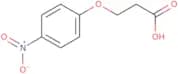
3-(4-Nitrophenoxy)propionic acid
CAS:3-(4-Nitrophenoxy)propionic acid is a promiscuous compound that can be used to synthesize other compounds. It reacts with hydrochloric acid, nitro groups, and phosphorus pentoxide to produce nitro compounds. 3-(4-Nitrophenoxy)propionic acid reacts with benzoylamine in the presence of a cocatalyst to form alkoxycarbonyl products. The cocatalyst is typically a metal such as zinc or magnesium. 3-(4-Nitrophenoxy)propionic acid is also used as an agrochemical for controlling influenza virus and Influenzae bacteria.
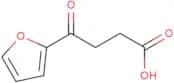
!--Formula:C9H9NO5Purity:Min. 95%Molecular weight:211.17 g/mol4-(Furan-2-yl)-4-oxobutanoic acid
CAS:Versatile small molecule scaffold
Formula:C8H8O4Purity:Min. 95%Molecular weight:168.15 g/molRef: 3D-KAA56400
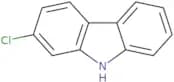
Discontinued product2-Chloro-9H-carbazole
CAS:2-Chloro-9H-carbazole (2CzC) is a heterocyclic compound that belongs to the group of carbazoles. It can be used as medicine and has been shown to be a good control experiment for other carbazoles. The nucleophilicity of 2CzC is affected by the functional groups present in the molecule, and it has been shown to react with anions such as Cl-, Br-, or I-. This heterocycle also has two resonance forms, which are generated by the electron delocalization in the ring system. The gas phase kinetics of 2CzC have been found to follow an Arrhenius relationship, with k = 3.6x10^3 M^-1 s^-1 at 298 K. Yields for this compound have been found to be high, with 90% yield when synthesized from chloroacetone and phenylmagnesium bromide.
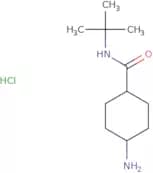
Formula:C12H8ClNPurity:Min. 95%Molecular weight:201.65 g/mol4-Amino-N-tert-butylcyclohexane-1-carboxamide hydrochloride
CAS:Versatile small molecule scaffoldFormula:C11H23ClN2OPurity:Min. 95%Molecular weight:234.8 g/molRef: 3D-JSD46134
Discontinued productEthyl 2-(piperidin-4-yloxy)acetate hydrochloride
CAS:Versatile small molecule scaffold
Formula:C9H18ClNO3Purity:Min. 95%Molecular weight:223.7 g/molRef: 3D-JIA11279
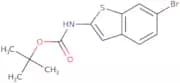
Discontinued producttert-Butyl N-(6-bromo-1-benzothiophen-2-yl)carbamate
CAS:Versatile small molecule scaffold
Formula:C13H14BrNO2SPurity:Min. 95%Molecular weight:328.23 g/molRef: 3D-JBD33689
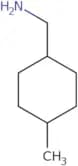
Discontinued product4-Methyl-cyclohexanemethanamine
CAS:Versatile small molecule scaffold
Formula:C8H17NPurity:Min. 95%Molecular weight:127.23 g/mol4-Bromomethyl-4'-methyl-2,2'-bipyridine
CAS:Please enquire for more information about 4-Bromomethyl-4'-methyl-2,2'-bipyridine including the price, delivery time and more detailed product information at the technical inquiry form on this page
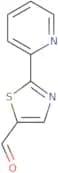
Formula:C12H11BrN2Purity:Min. 91.0 Area-%Molecular weight:263.14 g/mol2-(Pyridin-2-yl)-1,3-thiazole-5-carbaldehyde
CAS:Versatile small molecule scaffoldFormula:C9H6N2OSPurity:Min. 95%Molecular weight:190.22 g/molRef: 3D-ITB31725
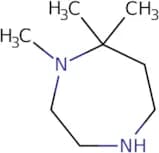
Discontinued product1,7,7-Trimethyl-1,4-diazepane
CAS:Versatile small molecule scaffold
Formula:C8H18N2Purity:Min. 95%Molecular weight:142.24 g/molRef: 3D-IMB71635
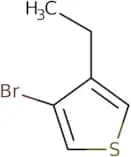
Discontinued product3-Bromo-4-ethylthiophene
CAS:Versatile small molecule scaffold
Formula:C6H7BrSPurity:Min. 95%Molecular weight:191.09 g/molRef: 3D-IDA66339
Discontinued product(4-Amino-phenyl)-acetic acid methyl ester hydrochloride
CAS:Versatile small molecule scaffold
Formula:C9H12ClNO2Purity:Min. 95%Molecular weight:201.65 g/mol3-Bromo-2-methyl-furan
CAS:3-Bromo-2-methyl-furan is a substituted quinoline. It is a synthetic reagent that can be used for the synthesis of bromofuran derivatives. The methyl group on the 3rd carbon atom in 3-bromo-2-methyl-furan is a substituent that can be exchanged with other substituents, such as alkylation, to produce a variety of products.
3-Bromo-2-methyl furan has been shown to be able to extract metal ions from their complexes and form stable complexes. This property makes it an ideal reagent for metalation reactions.Formula:C5H5BrOPurity:Min. 95%Molecular weight:161 g/molRef: 3D-IDA45706
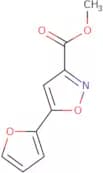
Discontinued productMethyl 5-(2-furyl)isoxazole-3-carboxylate
CAS:Versatile small molecule scaffold
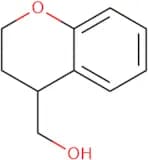
Formula:C9H7NO4Purity:Min. 95%Molecular weight:193.16 g/mol3,4-Dihydro-2H-1-benzopyran-4-ylmethanol
CAS:Versatile small molecule scaffold
Formula:C10H12O2Purity:Min. 95%Molecular weight:164.2 g/molRef: 3D-IBA31382
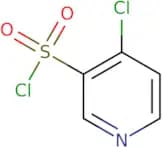
Discontinued product4-chloropyridine-3-sulfonyl chloride
CAS:4-Chloropyridine-3-sulfonyl chloride is a thrombin inhibitor that has been discovered through the use of in vitro screening methods. It is a small molecule with lipophilic properties and oral bioavailability. This compound inhibits thrombin by binding to the active site of the enzyme, which prevents the formation of an enzyme-thrombin complex. The discovery was made using a pharmacophore-based approach and further modifications were made to improve its potency and increase its lipophilicity. This compound also exhibits an acceptable level of bioavailability in vivo, which may be due to its high solubility in water.Formula:C5H3Cl2NO2SPurity:Min. 95%Molecular weight:212.1 g/molRef: 3D-IBA26344
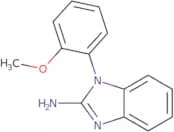
Discontinued product1-(2-Methoxyphenyl)-1H-1,3-benzodiazol-2-amine
CAS:Versatile small molecule scaffoldFormula:C14H13N3OPurity:Min. 95%Molecular weight:239.27 g/molRef: 3D-IBA23539
Discontinued product3-(4-Fluoro-3-methylbenzoyl)pyridine
CAS:Versatile small molecule scaffoldFormula:C13H10FNOPurity:Min. 95%Molecular weight:215.22 g/molRef: 3D-HXB94073
Discontinued product(Cyclopropylmethyl)[(6-methylpyridin-3-yl)methyl]amine
CAS:Versatile small molecule scaffold
Formula:C11H16N2Purity:Min. 95%Molecular weight:176.26 g/molRef: 3D-HXB91986
Discontinued product2-Chloropyridine-4-sulfonamide
CAS:Versatile small molecule scaffold
Formula:C5H5ClN2O2SPurity:Min. 95%Molecular weight:192.62 g/molRef: 3D-HXB76738
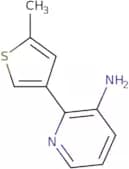
Discontinued product2-(5-Methylthiophen-3-yl)pyridin-3-amine
CAS:Versatile small molecule scaffold
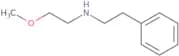
Formula:C10H10N2SPurity:Min. 95%Molecular weight:190.27 g/mol(2-Methoxyethyl)(2-phenylethyl)amine
CAS:Controlled ProductVersatile small molecule scaffold
Formula:C11H17NOPurity:Min. 95%Molecular weight:179.26 g/molRef: 3D-HMB00572
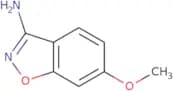
Discontinued product6-Methoxy-1,2-benzoxazol-3-amine
CAS:Versatile small molecule scaffold
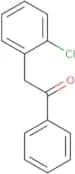
Formula:C8H8N2O2Purity:Min. 95%Molecular weight:164.16 g/mol2-(2-Chlorophenyl)-1-phenylethan-1-one
CAS:Versatile small molecule scaffold
Formula:C14H11ClOPurity:Min. 95%Molecular weight:230.69 g/molRef: 3D-HCA47960
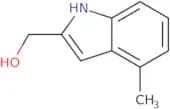
Discontinued product(4-Methyl-1H-indol-2-yl)methanol
CAS:Versatile small molecule scaffold
Formula:C10H11NOPurity:Min. 95%Molecular weight:161.2 g/molRef: 3D-HCA35242
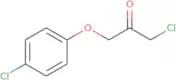
Discontinued product1-Chloro-3-(4-chlorophenoxy)propan-2-one
CAS:Versatile small molecule scaffoldFormula:C9H8Cl2O2Purity:Min. 95%Molecular weight:219.06 g/molRef: 3D-HCA26454
Discontinued product[1-(2-Methoxyethyl)-3,5-dimethyl-1H-pyrazol-4-yl]methanamine
CAS:Versatile small molecule scaffold
Formula:C9H17N3OPurity:Min. 95%Molecular weight:183.25 g/molRef: 3D-FWB59580
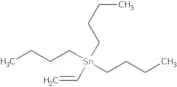
Discontinued productVinyltributyltin
CAS:Controlled ProductVinyltributyltin is a dibutyltin oxide (DBTO) enantiomer that has been shown to inhibit the HIV-1 protease. Vinyltributyltin has also been shown to reduce inflammation in bowel disease, as well as to have synergistic effects with other drugs in the treatment of cancer and inflammatory bowel disease. The mechanism of action of vinyltributyltin is not yet known, but it may be related to its ability to inhibit the quinazolone-dependent formation of reactive oxygen species. Vinyltributyltin also inhibits the NS3 protease, which is an enzyme involved in hepatitis C virus replication.
Formula:C14H30SnPurity:Min. 95%Color and Shape:Colorless Clear LiquidMolecular weight:317.1 g/moltert-Butyl 4-methoxy-3,10-diazabicyclo[4.3.1]dec-3-ene-10-carboxylate
CAS:Versatile small molecule scaffoldFormula:C14H24N2O3Purity:Min. 95%Molecular weight:268.4 g/molRef: 3D-FSD25605
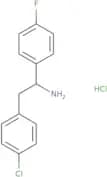
Discontinued product2-(4-Chlorophenyl)-1-(4-fluorophenyl)ethan-1-amine hydrochloride
CAS:Versatile small molecule scaffoldFormula:C14H14Cl2FNPurity:Min. 95%Molecular weight:286.2 g/molRef: 3D-FSD25561
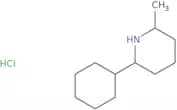
Discontinued product2-Cyclohexyl-6-methylpiperidine hydrochlorides
CAS:Versatile small molecule scaffold
Formula:C12H24ClNPurity:Min. 95%Molecular weight:217.8 g/molRef: 3D-FSD25550
Discontinued product[3-(Propan-2-yl)phenyl]thiourea
CAS:Versatile small molecule scaffold
Formula:C10H14N2SPurity:Min. 95%Molecular weight:194.3 g/molJMS-17-2
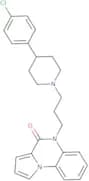
CAS:JMS-17-2 is a small molecule that was shown to have a potent and selective inhibitory effect on the production of chemokines in cancer cells. It blocks the interaction between CXCL12 and its receptor, CXCR4. This interaction is important for normal bone tissue development and function, as well as for chemotaxis and metastasis of cancer cells. JMS-17-2 has been shown to prevent tumor growth in animal models by inhibiting angiogenesis, or the formation of new blood vessels to supply nutrients to tumors. The drug also inhibits tumor growth by decreasing the number of primary tumors, reducing bone lesions, and inhibiting the progression of pancreatic cancer. Clinical trials are currently being conducted to assess the efficacy of JMS-17-2 in humans with advanced solid tumors.
Formula:C25H26ClN3OPurity:Min. 95%Molecular weight:419.95 g/molRef: 3D-FFC39205
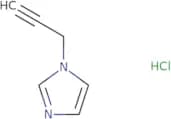
Discontinued product1-(Prop-2-yn-1-yl)-1H-imidazole hydrochloride
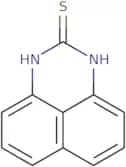
CAS:Versatile small molecule scaffoldFormula:C6H7ClN2Purity:Min. 95%Molecular weight:142.58 g/mol1H-Perimidine-2-thiol
CAS:Versatile small molecule scaffold
Formula:C11H8N2SPurity:Min. 95%Molecular weight:200.26 g/molRef: 3D-FBA83762
Discontinued product4-Chloro-N-[2-(diethylamino)ethyl]aniline
CAS:Versatile small molecule scaffoldFormula:C12H19ClN2Purity:Min. 95%Molecular weight:226.74 g/molRef: 3D-FAA42735
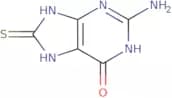
Discontinued product2-Amino-6-hydroxy-8-mercaptopurine
CAS:2-Amino-6-hydroxy-8-mercaptopurine is an antimicrobial agent that inhibits the growth of bacteria by binding to their ribosomes. It has been shown to have a cytotoxic effect in vivo on cancer cells and intestinal parasites, as well as a protective effect against infectious diseases. 2-Amino-6-hydroxy-8-mercaptopurine has also been shown to inhibit the synthesis of proteins in vitro, which may be due to its ability to bind to the ribosomal subunit and inhibit protein synthesis. 2-Amino-6-hydroxy-8-mercaptopurine inhibits bacterial growth by binding to DNA dependent RNA polymerase, thereby preventing transcription and replication. The high frequency of human activity has been shown using a patch clamp technique on human erythrocytes. This active form is metabolized through a number of metabolic transformations, including hydrolysis by esterases or gluc
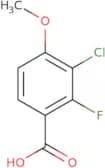
Formula:C5H5N5OSPurity:Min. 95%Color and Shape:PowderMolecular weight:183.19 g/mol3-Chloro-2-fluoro-4-methoxybenzoic acid
CAS:Versatile small molecule scaffold
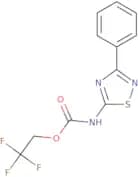
Formula:C8H6ClFO3Purity:Min. 95%Molecular weight:204.58 g/mol2,2,2-Trifluoroethyl N-(3-phenyl-1,2,4-thiadiazol-5-yl)carbamate
CAS:Versatile small molecule scaffold
Formula:C11H8F3N3O2SPurity:Min. 95%Molecular weight:303.26 g/molRef: 3D-EEC95162
Discontinued product3-[4-(1,3-Dioxolan-2-yl)oxan-4-yl]propan-1-amine
CAS:Versatile small molecule scaffoldFormula:C11H21NO3Purity:Min. 95%Molecular weight:215.29 g/molRef: 3D-EEC95155
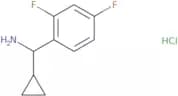
Discontinued productCyclopropyl(2,4-difluorophenyl)methanamine hydrochloride
CAS:Versatile small molecule scaffold
Formula:C10H12ClF2NPurity:Min. 95%Molecular weight:219.66 g/molRef: 3D-EEC95007
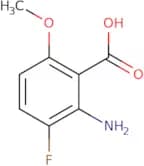
Discontinued product2-Amino-3-fluoro-6-methoxybenzoic acid
CAS:Versatile small molecule scaffoldFormula:C8H8FNO3Purity:Min. 95%Molecular weight:185.15 g/molRef: 3D-EEC94983
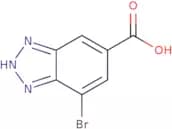
Discontinued product7-Bromo-1H-1,2,3-benzotriazole-5-carboxylic acid
CAS:Versatile small molecule scaffoldFormula:C7H4BrN3O2Purity:Min. 95%Molecular weight:242.03 g/mol4-(3-Aminophenyl)-1-methyl-1H-pyrazolo[3,4-b]pyridine-3-carboxylic acid
CAS:Versatile small molecule scaffoldFormula:C14H12N4O2Purity:Min. 95%Molecular weight:268.27 g/molRef: 3D-EEC70625
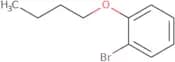
Discontinued product1-Bromo-2-butoxybenzene
CAS:1-Bromo-2-butoxybenzene is a chemical compound that is used in the manufacture of zinc oxide. It is also used as an electrolyte in dye-sensitized solar cells. In these cells, 1-bromo-2-butoxybenzene acts as an electron donor, which provides electrons to the redox dye on the surface of the semiconductor. This process leads to recombination, where electrons and holes recombine to produce electricity. The introduction of alkoxy groups into 1-bromo-2-butoxybenzene molecules allows for increased stability and efficiency in dye-sensitized solar cells.
Formula:C10H13BrOPurity:Min. 95%Molecular weight:229.11 g/molRef: 3D-ECA51430
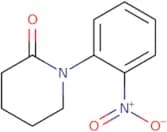
Discontinued product2-Piperidinone, 1-(2-nitrophenyl)-
CAS:Versatile small molecule scaffold
Formula:C11H12N2O3Purity:Min. 95%Molecular weight:220.22 g/molRef: 3D-DIA50992
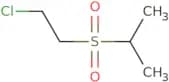
Discontinued product2-(2-Chloroethanesulfonyl)propane
CAS:Versatile small molecule scaffold
Formula:C5H11ClO2SPurity:Min. 95%Molecular weight:170.66 g/molRef: 3D-CXB10075
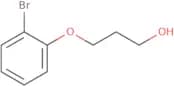
Discontinued product3-(2-Bromophenoxy)propan-1-ol
CAS:Versatile small molecule scaffold
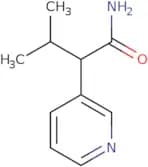
Formula:C9H11BrO2Purity:Min. 95%Molecular weight:231.09 g/mol3-Methyl-2-(pyridin-3-yl)butanamide
CAS:Versatile small molecule scaffold
Formula:C10H14N2OPurity:Min. 95%Molecular weight:178.23 g/molRef: 3D-BFC36176
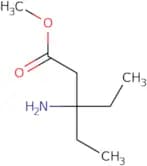
Discontinued productMethyl 3-amino-3-ethylpentanoate
CAS:Versatile small molecule scaffold
Formula:C8H17NO2Purity:Min. 95%Molecular weight:159.23 g/molRef: 3D-BFC28653
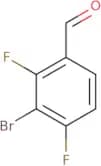
Discontinued product3-Bromo-2,4-difluorobenzaldehyde
CAS:Versatile small molecule scaffold
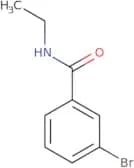
Formula:C7H3BrF2OPurity:Min. 95%Molecular weight:219.93 g/mol3-Bromo-N-ethylbenzamide
CAS:Versatile small molecule scaffold
Formula:C9H10BrNOPurity:Min. 95%Molecular weight:228.09 g/molRef: 3D-BBA81910
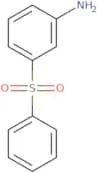
Discontinued product3-(Benzenesulfonyl)aniline
CAS:Versatile small molecule scaffold
Formula:C12H11NO2SPurity:Min. 95%Molecular weight:233.29 g/molRef: 3D-BBA81549
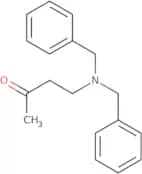
Discontinued product4-(dibenzylamino)butan-2-one
CAS:Versatile small molecule scaffold
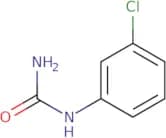
Formula:C18H21NOPurity:Min. 95%Molecular weight:267.37 g/mol3-Chlorophenylurea
CAS:3-Chlorophenylurea is a quinazolinone that inhibits the growth of candida glabrata. This compound has been shown to inhibit efflux pumps, which are proteins that pump out drugs from the cell. 3-Chlorophenylurea has been shown to inhibit the efflux of fluconazole, a drug used to treat fungal infections, and thiourea, a compound that is known for its cytotoxicity. The inhibition of these two compounds suggests that 3-chlorophenylurea could be an efflux pump inhibitor.
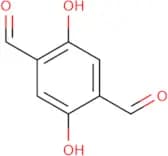
Formula:C7H7ClN2OPurity:Min. 95%Molecular weight:170.6 g/mol2,5-Dihydroxyterephthalaldehyde
CAS:2,5-Dihydroxyterephthalaldehyde (2,5-DTPA) is a sugar alcohol that is used in the production of polyester. It can be synthesized by electrochemical methods and is produced as an intermediate in the synthesis of 2,5-dihydroxypentane-1,5-diyldimethanol. The optical properties and chemical stability of 2,5-DTPA are determined by its protonation state. The protonation state depends on the pH of the solution or solvent. 2,5-DTPA has two isomers: one with an intramolecular hydrogen bond and one without. 2,5-DTPA also exists as an enol form at high pH values and as a keto form at low pH values. This compound has been shown to have liver protective effects against cell death induced by oxidative stress in animal models.
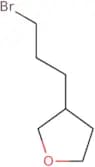
Formula:C8H6O4Purity:Min. 95%Molecular weight:166.13 g/mol3-(3-Bromopropyl)oxolane
CAS:Versatile small molecule scaffold
Formula:C7H13BrOPurity:Min. 95%Molecular weight:193.08 g/molRef: 3D-ASB49655
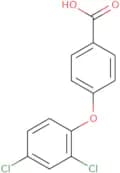
Discontinued product4-(2,4-Dichlorophenoxy)benzoic acid
CAS:Versatile small molecule scaffold
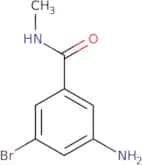
Formula:C13H8Cl2O3Purity:Min. 95%Molecular weight:283.1 g/mol3-Amino-5-bromo-N-methylbenzamide
CAS:Versatile small molecule scaffold
Formula:C8H9BrN2OPurity:Min. 95%Molecular weight:229.07 g/molRef: 3D-AFC06914
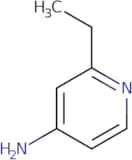
Discontinued product2-Ethylpyridin-4-amine
CAS:2-Ethylpyridin-4-amine is a pyridine that can be synthesized from the amination of 4-nitrophenol. It can also be synthesized by acylation of 2-ethylpyridine with ethyl chloroformate followed by cyclization. This compound has shown to have high yields in reactions involving pyridines and it is often used as a precursor for other compounds.
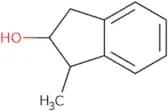
Formula:C7H10N2Purity:Min. 95%Molecular weight:122.17 g/mol1-Methyl-2,3-dihydro-1H-inden-2-ol
CAS:Versatile small molecule scaffold
Formula:C10H12OPurity:Min. 95%Molecular weight:148.2 g/molRef: 3D-ACA82313
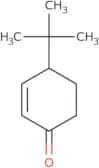
Discontinued product4-tert-Butylcyclohex-2-en-1-one
CAS:Versatile small molecule scaffold
Formula:C10H16OPurity:Min. 95%Molecular weight:152.23 g/molRef: 3D-AAA93707
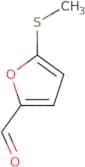
Discontinued product5-(Methylsulfanyl)furan-2-carbaldehyde
CAS:Versatile small molecule scaffold
Formula:C6H6O2SPurity:Min. 95%Molecular weight:142.18 g/molRef: 3D-AAA93294
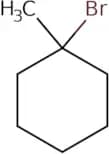
Discontinued product1-Bromo-1-methylcyclohexane
CAS:1-Bromo-1-methylcyclohexane is a monomolecular gas that is used as an intermediate in organic synthesis. It reacts with halides to form cyclopentyl derivatives. This reaction has been shown to be faster than the corresponding reaction of 1-bromocyclohexane with chlorides or bromides. The rate of this reaction may be due to the polarizability and conformational changes of the molecule upon substitution by a methyl group. 1-Bromo-1-methylcyclohexane is also an ionizing reagent, which means it can cause electrophilic reactions to occur on other molecules. It has been found that the solvent effect on this product can affect its reactivity, with solvents such as water having more of an effect than solvents such as benzene. 1-Bromo-1-methylcyclohexane has been shown to interact with other compounds in both transfer and complex
Formula:C7H13BrPurity:Min. 95%Molecular weight:177.08 g/molRef: 3D-AAA93177
Discontinued productN-[Carbamothioyl(phenyl)methyl]benzamide
CAS:Versatile small molecule scaffold
Formula:C15H14N2OSPurity:Min. 95%Molecular weight:270.3 g/molRef: 3D-AAA89278
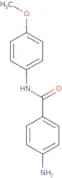
Discontinued product4-Amino-n-(4-methoxyphenyl)benzamide
CAS:4-Amino-N-(4-methoxyphenyl)benzamide is a catalytic sulfamate that has been optimized for use in the synthesis of benzimidazole derivatives. 4-Amino-N-(4-methoxyphenyl)benzamide is used as a reagent for the preparation of aldehydes from sulfamic acid and various types of carboxylic acids. The reaction mechanism involves nucleophilic attack by the hydroxyl group from the sulfamate on the carbonyl carbon atom to form an intermediate, which then reacts with water to release hydrogen sulfate and form a new double bond.
Formula:C14H14N2O2Purity:Min. 95%Molecular weight:242.27 g/molRef: 3D-AAA89135
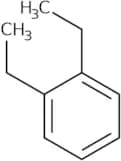
Discontinued product1,2-Diethylbenzene
CAS:1,2-Diethylbenzene is a trifluoroacetic acid derivative that is used as an acylation agent and a solid catalyst. 1,2-Diethylbenzene has been shown to increase the energy metabolism in cultured human cells. It also influences fatty acid synthesis and nmr spectra of plant families. 1,2-Diethylbenzene was found to be safe for use in sciatic nerve regeneration in Sprague-Dawley rats with axonopathy. This chemical can also be used as an analytical reagent for the separation of urine samples by liquid chromatography methods.
Formula:C10H14Purity:Min. 95%Molecular weight:134.22 g/mol4,5-Dihydro-1H-imidazol-2-amine hydrochloride
CAS:Please enquire for more information about 4,5-Dihydro-1H-imidazol-2-amine hydrochloride including the price, delivery time and more detailed product information at the technical inquiry form on this page
Formula:C3H7N3•HClPurity:Min. 95%Molecular weight:121.57 g/molRef: 3D-FD183639
Discontinued product1-Hydroxycyclopentane-1-carbonitrile
CAS:1-Hydroxycyclopentane-1-carbonitrile is a monomer that is hydrolyzed to form benzoin and cyanohydrins. It can be used in the production of scifinder as a monomer or dimerizer.
Formula:C6H9NOPurity:Min. 95%Molecular weight:111.14 g/mol8-Bromo-2-methylimidazo[1,2-a]pyridine
CAS:Versatile small molecule scaffold
Formula:C8H7N2BrPurity:Min. 95%Molecular weight:211.05 g/mol3-Hydroxy-5-methylpyridine
CAS:3-Hydroxy-5-methylpyridine (3HMP) is a chemical substance that has been classified as an amine. It is a product of the metabolism of purines, which are nitrogenous bases found in DNA and RNA. 3HMP is produced by aerogenic bacteria (such as Enterobacter), and can be used to estimate the number of these bacteria present in water samples. 3HMP has been shown to have antiviral properties against influenza virus, and can be used as a biomarker for the presence of other viruses in animals. 3HMP also has mineralization properties, which have been studied extensively, particularly with regards to pancreatic disease.
Formula:C6H7NOPurity:Min. 95%Color and Shape:PowderMolecular weight:109.13 g/molRef: 3D-FH16174
Discontinued product4-Chloro-2-hydroxy-6-methylphenylboronic acid
CAS:Versatile small molecule scaffoldFormula:C7H8BClO3Purity:Min. 95%Molecular weight:186.4 g/mol2-Bromo-3,3,3-trifluoro-1-propene
CAS:Controlled Product2-Bromo-3,3,3-trifluoro-1-propene is a chemical compound that has been synthesized in an asymmetric reaction. The reactant is bromopropane and the product is 2,2,2-trifluoropropene. The methylene group on the propene molecule is activated by the nucleophilic attack of a fluoride ion from hydrogen fluoride to form a cavity with a highly strained bond. The kinetic study of this reaction revealed that the activation energy for the reaction is 42 kJ/mol. Palladium-catalyzed coupling reactions are catalyzed by palladium and require nonpolar solvents such as toluene or dichloromethane. This type of reaction has been shown to be exothermic with an isolated yield of 1%.
Formula:C3H2BrF3Purity:Min. 95%Color and Shape:Colorless PowderMolecular weight:174.95 g/moltert-Butyl (2,2-difluoro-3-hydroxypropyl)carbamate
CAS:Versatile small molecule scaffoldFormula:C10H13NO4Purity:Min. 95%Molecular weight:211.21 g/mol4,5-Dihydroxy-2,3-Pentanedione
CAS:4,5-Dihydroxy-2,3-pentanedione is a carbonyl compound that is the product of the oxidation of ascorbic acid. It is used in wastewater treatment and has antimicrobial properties against infectious diseases. This compound has been shown to inhibit protein synthesis by binding to the ribosome and preventing the formation of peptide bonds between amino acids. 4,5-Dihydroxy-2,3-pentanedione has also been shown to bind to plasma proteins, which may be due to its acyl chain structure. 4,5-Dihydroxy-2,3-pentanedione can be synthesized in a catalytic mechanism that involves dehydroascorbic acid and molecular oxygen.
Formula:C5H8O4Purity:Min. 95%Color and Shape:PowderMolecular weight:132.11 g/molRef: 3D-FD180770
Discontinued productPiperyline
CAS:Piperyline is an alkanoic acid that has shown to be effective against skin cancer. It also has antimicrobial properties, which may be due to its ability to bind metal ions and form polymeric compounds. Piperyline inhibits microbial growth by inhibiting the synthesis of proteins and nucleic acids. The antimicrobial activity is related to its cationic polymerization with hydroxyl groups, which forms a structure that can inhibit microbial enzymes and disrupt microbial cell membranes. This compound also interacts with the skin's natural lipids, making it difficult for microorganisms to attach and grow on the skin. Piperyline is synthesized in organic chemistry laboratories as an amide precursor of other pharmaceuticals such as penicillin.
Formula:C16H17NO3Purity:Min. 95%Molecular weight:271.31 g/mol






![(Cyclopropylmethyl)[(6-methylpyridin-3-yl)methyl]amine](/_next/image/?url=https%3A%2Fstatic.cymitquimica.com%2Fproducts%2F3D%2Fthumb-webp%2FHXB91986.webp&w=3840&q=75)

![[1-(2-Methoxyethyl)-3,5-dimethyl-1H-pyrazol-4-yl]methanamine](/_next/image/?url=https%3A%2Fstatic.cymitquimica.com%2Fproducts%2F3D%2Fthumb-webp%2FFWB59580.webp&w=3840&q=75)
![tert-Butyl 4-methoxy-3,10-diazabicyclo[4.3.1]dec-3-ene-10-carboxylate](/_next/image/?url=https%3A%2Fstatic.cymitquimica.com%2Fproducts%2F3D%2Fthumb-webp%2FFSD25605.webp&w=3840&q=75)
![[3-(Propan-2-yl)phenyl]thiourea](/_next/image/?url=https%3A%2Fstatic.cymitquimica.com%2Fproducts%2F3D%2Fthumb-webp%2FFMB39611.webp&w=3840&q=75)
![4-Chloro-N-[2-(diethylamino)ethyl]aniline](/_next/image/?url=https%3A%2Fstatic.cymitquimica.com%2Fproducts%2F3D%2Fthumb-webp%2FFAA42735.webp&w=3840&q=75)
![3-[4-(1,3-Dioxolan-2-yl)oxan-4-yl]propan-1-amine](/_next/image/?url=https%3A%2Fstatic.cymitquimica.com%2Fproducts%2F3D%2Fthumb-webp%2FEEC95155.webp&w=3840&q=75)
![4-(3-Aminophenyl)-1-methyl-1H-pyrazolo[3,4-b]pyridine-3-carboxylic acid](/_next/image/?url=https%3A%2Fstatic.cymitquimica.com%2Fproducts%2F3D%2Fthumb-webp%2FEEC70625.webp&w=3840&q=75)
![N-[Carbamothioyl(phenyl)methyl]benzamide](/_next/image/?url=https%3A%2Fstatic.cymitquimica.com%2Fproducts%2F3D%2Fthumb-webp%2FAAA89278.webp&w=3840&q=75)


![8-Bromo-2-methylimidazo[1,2-a]pyridine](/_next/image/?url=https%3A%2Fstatic.cymitquimica.com%2Fproducts%2F3D%2Fthumb-webp%2FUXB37475.webp&w=3840&q=75)





