Building Blocks
Subcategories of "Building Blocks"
- Boronic Acids & Boronic Acid Derivatives(5,778 products)
- Chiral Building Blocks(1,243 products)
- Hydrocarbon Building Blocks(6,099 products)
- Organic Building Blocks(61,038 products)
Found 205376 products of "Building Blocks"
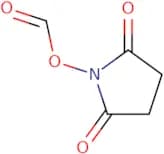
2,5-Dioxopyrrolidin-1-yl formate
CAS:2,5-Dioxopyrrolidin-1-yl formate is a solubilized ATP analog that has been clinically developed for the treatment of cancer. This drug binds to cell membranes and causes alkylation of the acidic phospholipids in the membrane, leading to increased permeability of the membrane and release of intracellular components. 2,5-Dioxopyrrolidin-1-yl formate also interacts with lysosomes and increases their acidity, which may lead to an increase in lysosomal enzyme activity. This drug has been shown to inhibit tumor growth in a mouse model by binding to erythrocytes while it was being simultaneously administered intravenously. The chemical structures of this drug are closely related to those of phaseolus, which is known for its anticancer effects.
Formula:C5H5NO4Purity:Min. 95%Molecular weight:143.1 g/molRef: 3D-SAA59254
Discontinued product1-Azabicyclo[3.2.1]octan-4-one
CAS:Versatile small molecule scaffold
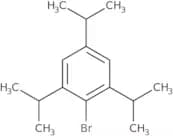
Formula:C7H11NOPurity:Min. 95%Molecular weight:125.17 g/mol2-Bromo-1,3,5-triisopropylbenzene
CAS:2-Bromo-1,3,5-triisopropylbenzene is an ethylene acetal that is prepared by the catalyzed reaction of aryl chlorides and anhydrous zinc bromide in the presence of triethylamine. The selectivities of this method are high because it can produce mainly a single isomer. The stereoselectivity is also high because the reaction proceeds with the formation of only one stereoisomer. The mechanism for this reaction involves a nucleophilic substitution of the halogenated aryl chloride with the trialkylborane, which generates two different products. This product has been used in the synthesis of biphenyls and nitro compounds.
Formula:C15H23BrPurity:Min. 95%Color and Shape:Colorless Clear LiquidMolecular weight:283.25 g/molRef: 3D-FB33867
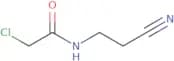
Discontinued product2-Chloro-N-(2-cyanoethyl)acetamide
CAS:2-Chloro-N-(2-cyanoethyl)acetamide is a potent and selective inhibitor of the protein kinase C (PKC). The PKC protein kinases are enzymes that regulate the activity of cells in response to stimuli. 2-Chloro-N-(2-cyanoethyl)acetamide has been shown to be effective against some viruses and tumor cells, but not against bacteria. It inhibits the growth of some cancer cells and has been shown to inhibit the replication of animal viruses such as influenza virus. This drug is also used for treatment of abdominal infections, hepatitis, pancreatitis, mesenteric adenitis, and animals with cancer. 2-Chloro-N-(2-cyanoethyl)acetamide can act as a noncompetitive inhibitor by binding to a site on the enzyme that is different from ATP binding site.
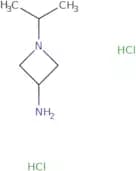
Formula:C5H7ClN2OPurity:Min. 95%Molecular weight:146.57 g/mol1-(1-Methylethyl)-3-azetidinamine, hydrochloride (1:2)
CAS:1-(1-Methylethyl)-3-azetidinamine, hydrochloride (1:2) is a synthetic compound that has been shown to be a potent and selective γ-secretase modulator. It is a triol with an alcohol group at C-3 and two hydroxyl groups at C-4 and C-5. This compound has been shown to inhibit the production of cycloartenol from soybean oil in vitro, which may be due to its inhibition of γ-secretase activity. 1-(1-Methylethyl)-3-azetidinamine, hydrochloride (1:2) also has the potential for use as a target compound for research purposes.Formula:C6H16Cl2N2Purity:Min. 95%Molecular weight:187.11 g/molRef: 3D-SEA54656
Discontinued product6-(Bromomethyl)-3-phenyl-5H,6H-[1,2,4]triazolo[3,4-b][1,3]thiazole
CAS:Versatile small molecule scaffold
Formula:C11H10BrN3SPurity:Min. 95%Molecular weight:296.19 g/molRef: 3D-SEB00446
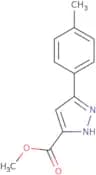
Discontinued productMethyl 3-p-tolyl-1H-pyrazole-5-carboxylate
CAS:Versatile small molecule scaffold
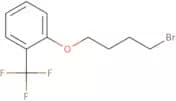
Formula:C12H12N2O2Purity:Min. 95%Molecular weight:216.24 g/mol1-(4-Bromobutoxy)-2-(trifluoromethyl)benzene
CAS:Versatile small molecule scaffold
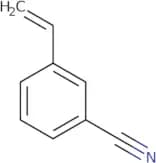
Formula:C11H12BrF3OPurity:Min. 95%Molecular weight:297.11 g/mol3-Ethenylbenzonitrile
CAS:3-Ethenylbenzonitrile is an organic compound that can be prepared by photolysis of 2-bromobenzonitrile in the presence of a nonpolar solvent. It is also synthesized by laser induced exciplex reaction between benzene and ethylene. 3-Ethenylbenzonitrile has a conformation that is dependent on the polarity of the solvent. In polar solvents, it adopts a bent structure while in nonpolar solvents, it adopts a linear structure. The molecule undergoes cyclobutane formation and then reacts with electron acceptors such as cations to form intermediates. These intermediates react with other molecules to form products.
Formula:C9H7NPurity:Min. 95%Molecular weight:129.16 g/molRef: 3D-FAA33896
Discontinued productMethyl 4-chloro-1-ethyl-1H-pyrazole-5-carboxylate
CAS:Versatile small molecule scaffold
Formula:C7H9ClN2O2Purity:Min. 95%Molecular weight:188.61 g/molRef: 3D-SSC71497
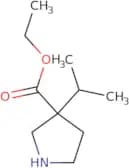
Discontinued productEthyl 3-(propan-2-yl)pyrrolidine-3-carboxylate
CAS:Versatile small molecule scaffold
Formula:C10H19NO2Purity:Min. 95%Molecular weight:185.26 g/molRef: 3D-SSC72215
Discontinued product3-(Propan-2-yl)-3-azabicyclo[3.3.1]nonan-9-one
CAS:Versatile small molecule scaffoldFormula:C11H19NOPurity:Min. 95%Molecular weight:181.27 g/molRef: 3D-TCA06655
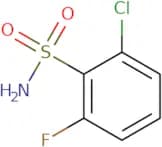
Discontinued product2-Chloro-6-fluorobenzene-1-sulfonamide
CAS:2-Chloro-6-fluorobenzene-1-sulfonamide is a pharmacological agent that has been shown to have anticancer activity. It is an inhibitor of sterol regulatory element binding protein 2 (SREBP2) and, as such, inhibits cholesterol synthesis. This inhibition results in the accumulation of fatty acids and downstream metabolites in cancer cells, which leads to apoptosis. 2-Chloro-6-fluorobenzene-1-sulfonamide may also be used to treat neurodegenerative diseases and inflammatory pathways.Formula:C6H5ClFNO2SPurity:Min. 95%Molecular weight:209.63 g/molRef: 3D-EYB57352
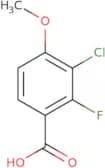
Discontinued product3-Chloro-2-fluoro-4-methoxybenzoic acid
CAS:Versatile small molecule scaffold
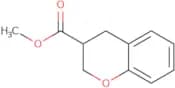
Formula:C8H6ClFO3Purity:Min. 95%Molecular weight:204.58 g/molMethyl chroman-3-carboxylate
CAS:Versatile small molecule scaffold
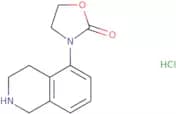
Formula:C11H12O3Purity:Min. 95%Molecular weight:192.21 g/mol3-(1,2,3,4-Tetrahydroisoquinolin-5-yl)-1,3-oxazolidin-2-one hydrochloride
CAS:Versatile small molecule scaffold
Formula:C12H15ClN2O2Purity:Min. 95%Molecular weight:254.71 g/molRef: 3D-EEC96303
Discontinued product2-Methyl-6-nitro-4-(1,2,3,6-tetrahydropyridin-4-yl)aniline hydrochloride
CAS:Versatile small molecule scaffold
Formula:C12H16ClN3O2Purity:Min. 95%Molecular weight:269.73 g/molRef: 3D-EEC96073
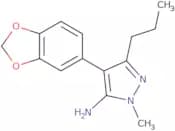
Discontinued product4-(1,3-Dioxaindan-5-yl)-2-methyl-5-propyl-2,3-dihydro-1H-pyrazol-3-imine
CAS:Versatile small molecule scaffold
Formula:C14H17N3O2Purity:Min. 95%Molecular weight:259.3 g/molRef: 3D-EEC96042
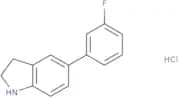
Discontinued product5-(3-Fluorophenyl)-2,3-dihydro-1H-indole hydrochloride
CAS:Versatile small molecule scaffoldFormula:C14H13ClFNPurity:Min. 95%Molecular weight:249.71 g/molRef: 3D-EEC95999
Discontinued product2,2,2-Trifluoroethyl N-[3-fluoro-4-(1H-pyrazol-1-yl)phenyl]carbamate
CAS:Versatile small molecule scaffoldFormula:C12H9F4N3O2Purity:Min. 95%Molecular weight:303.21 g/molRef: 3D-EEC95905
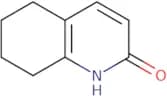
Discontinued product5,6,7,8-Tetrahydroquinolin-2(1H)-one
CAS:Tetrahydroquinolin-2(1H)-one is a hydrobromide that has been found in the environment as an environmental pollutant. Tetrahydroquinolin-2(1H)-one is used to synthesize amides and has been studied by single-crystal x-ray diffraction. The molecule is centrosymmetric, with a molecular weight of 244.06 g/mol. Tetrahydroquinolin-2(1H)-one can be used as a ligand for metals such as chlorine and magnesium. It does not dissolve in water but does dissolve in organic solvents such as ethers, chloroform, or benzene.
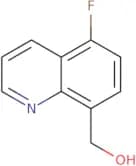
Formula:C9H11NOPurity:Min. 95%Molecular weight:149.19 g/mol(5-Fluoroquinolin-8-yl)methanol
CAS:Versatile small molecule scaffold
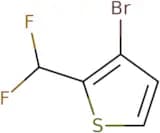
Formula:C10H8FNOPurity:Min. 95%Molecular weight:177.17 g/mol3-Bromo-2-(difluoromethyl)thiophene
CAS:Versatile small molecule scaffold
Formula:C5H3BrF2SPurity:Min. 95%Molecular weight:213.04 g/molrac-(1S,3R)-3-Butylcyclobutan-1-ol
CAS:Versatile small molecule scaffold
Formula:C8H16OPurity:Min. 95%Molecular weight:128.2 g/molRef: 3D-DGA87366
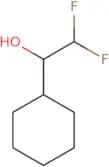
Discontinued product1-Cyclohexyl-2,2-difluoroethan-1-ol
CAS:Versatile small molecule scaffold
Formula:C8H14F2OPurity:Min. 95%Molecular weight:164.19 g/molRef: 3D-DGA80110
Discontinued product8-Chloro-3-methyl-1H-pyrrolo[3,2-c]quinoline
CAS:Versatile small molecule scaffoldFormula:C12H9ClN2Purity:Min. 95%Molecular weight:216.66 g/molRef: 3D-TCA49997
Discontinued product2-(5-Methyl-1H-pyrazol-1-yl)aniline
CAS:Versatile small molecule scaffold
Formula:C10H11N3Purity:Min. 95%Molecular weight:173.21 g/molRef: 3D-CWB58305
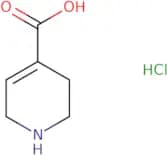
Discontinued productIsoguvacine hydrochloride
CAS:Isoguvacine is an alkaloid that belongs to the group of pharmacological agents. It has been shown to have a synergic effect with other drugs, such as 5-HT2 receptor antagonists and 5-HT3 receptor antagonists, at the level of the plate test. Isoguvacine inhibits the cyclase enzyme, which catalyzes the conversion of ATP into cAMP. The inhibition leads to a decrease in cAMP levels and consequently a decrease in intracellular calcium levels. This drug also blocks glutamate receptors on neurons, preventing their activation by glutamate.
Formula:C6H9NO2•HClPurity:Min. 95%Color and Shape:PowderMolecular weight:163.6 g/mol2-Amino-4-bromo-6-methylphenol
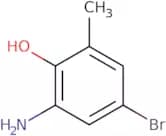
CAS:Versatile small molecule scaffold
Formula:C7H8BrNOPurity:Min. 95%Color and Shape:PowderMolecular weight:202.05 g/mol2-(2-Bromophenyl)-2-methyloxetane
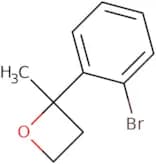
CAS:Versatile small molecule scaffold
Formula:C10H11BrOPurity:Min. 95%Molecular weight:227.1 g/molRef: 3D-CGC24401
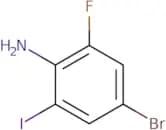
Discontinued product4-Bromo-2-fluoro-6-iodoaniline
CAS:Versatile small molecule scaffold
Formula:C6H4BrFINPurity:Min. 95%Molecular weight:315.91 g/mol1-Oxaspiro[4.5]dec-2-en-4-one
CAS:Versatile small molecule scaffold
Formula:C9H12O2Purity:Min. 95%Molecular weight:152.19 g/molRef: 3D-BDA95195
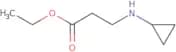
Discontinued productEthyl 3-(cyclopropylamino)propanoate
CAS:Versatile small molecule scaffold
Formula:C8H15NO2Purity:Min. 95%Molecular weight:157.21 g/mol2-[(2S)-Oxiran-2-yl]-1-benzofuran
CAS:Versatile small molecule scaffold
Formula:C10H8O2Purity:Min. 95%Molecular weight:160.17 g/molRef: 3D-TNA61408
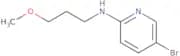
Discontinued product5-Bromo-N-(3-methoxypropyl)pyridin-2-amine
CAS:Versatile small molecule scaffoldFormula:C9H13BrN2OPurity:Min. 95%Molecular weight:245.12 g/molRef: 3D-UTB43313
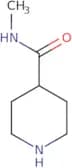
Discontinued productN-Methylpiperidine-4-carboxamide
CAS:Versatile small molecule scaffold
Formula:C7H14N2OPurity:Min. 95%Molecular weight:142.2 g/molRef: 3D-BAA90369
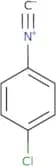
Discontinued product1-Chloro-4-isocyanobenzene
CAS:1-Chloro-4-isocyanobenzene (1CI) is an organic compound that has been used as a chemical probe for the detection of amines and other molecules on metal surfaces. The frequency shift in Raman spectra, which is observed after the addition of 1CI to the metal surface, is used to detect amines. 1CI has also been shown to be a potent inhibitor of mitochondrial function. This molecule binds to nucleophilic sites on metal surfaces and forms covalent bonds with them, leading to a high degree of inhibition.
1CI can be synthesized in three steps from commercially available starting materials and is relatively easy to purify.Formula:C7H4ClNPurity:Min. 95%Molecular weight:137.56 g/mol2-[3-(Propan-2-yl)phenoxy]acetic acid
CAS:2-[3-(Propan-2-yl)phenoxy]acetic acid is a chemical compound that is used as an additive in benzene, and is a phytotoxic chemical. It prevents the formation of chlorophyll by blocking electron transport and inhibiting photosynthesis. 2-[3-(Propan-2-yl)phenoxy]acetic acid is used to induce callus tissue from lettuce, radish, and other plants. This compound also inhibits the growth of various bacteria including Escherichia coli and Pseudomonas aeruginosa.
Formula:C11H14O3Purity:Min. 95%Molecular weight:194.23 g/molRef: 3D-BAA87852
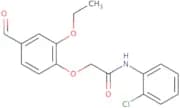
Discontinued productN-(2-Chlorophenyl)-2-(2-ethoxy-4-formylphenoxy)acetamide
CAS:Versatile small molecule scaffold
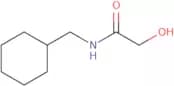
Formula:C17H16ClNO4Purity:Min. 95%Molecular weight:333.8 g/molN-(Cyclohexylmethyl)-2-hydroxyacetamide
CAS:Versatile small molecule scaffoldFormula:C9H17NO2Purity:Min. 95%Molecular weight:171.24 g/molRef: 3D-VAB40530
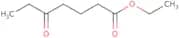
Discontinued productEthyl 5-oxoheptanoate
CAS:Ethyl 5-oxoheptanoate is a clear, colorless liquid that can be synthesized by reacting benzene with acetone. The synthesis of ethyl 5-oxoheptanoate is an example of a Friedel-Crafts reaction. This chemical is soluble in organic solvents such as acetone and cyclohexane and has low toxicity. It can be used as a reagent for the preparation of esters from alcohols, phenols, or carboxylic acids. Ethyl 5-oxoheptanoate can also be used to prepare resorcinol, which is a precursor to polymers and dyes, by hydrogenation of the molecule. Preparative methods are often used to produce this product because it has limited solubility in water.
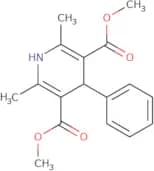
Formula:C9H16O3Purity:Min. 95%Molecular weight:172.22 g/molDimethyl 2,6-dimethyl-4-phenyl-1,4-dihydropyridine-3,5-dicarboxylate
CAS:Dimethyl 2,6-dimethyl-4-phenyl-1,4-dihydropyridine-3,5-dicarboxylate is a radioligand that binds to calcium channels. It is used as a radioligand in binding studies to determine the affinity of various drugs for specific types of calcium channels. Dimethyl 2,6-dimethyl-4-phenyl-1,4-dihydropyridine 3,5 dicarboxylate has been shown to bind specifically to a particular class of calcium channel antagonists (i.e., monosubstituted) and can be used as a pharmacological probe for the study of these compounds.Formula:C17H19NO4Purity:Min. 95%Molecular weight:301.34 g/molRef: 3D-VCA67778
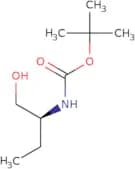
Discontinued productN-Boc-(S)-(ˆ’)-2-amino-1-butanol
CAS:Versatile small molecule scaffold
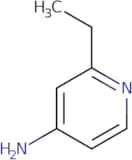
Formula:C9H19NO3Purity:Min. 95%Molecular weight:189.25 g/mol2-Ethylpyridin-4-amine
CAS:2-Ethylpyridin-4-amine is a pyridine that can be synthesized from the amination of 4-nitrophenol. It can also be synthesized by acylation of 2-ethylpyridine with ethyl chloroformate followed by cyclization. This compound has shown to have high yields in reactions involving pyridines and it is often used as a precursor for other compounds.
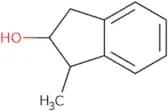
Formula:C7H10N2Purity:Min. 95%Molecular weight:122.17 g/mol1-Methyl-2,3-dihydro-1H-inden-2-ol
CAS:Versatile small molecule scaffold
Formula:C10H12OPurity:Min. 95%Molecular weight:148.2 g/molRef: 3D-ACA82313
Discontinued product[2-(2-Ethoxyethoxy)ethyl](methyl)amine
CAS:Versatile small molecule scaffold
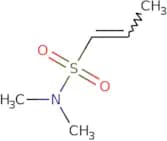
Formula:C7H17NO2Purity:Min. 95%Molecular weight:147.22 g/molN,N-Dimethylprop-1-ene-1-sulfonamide
CAS:Versatile small molecule scaffold
Formula:C5H11NO2SPurity:Min. 95%Molecular weight:149.2 g/molRef: 3D-VCA78500
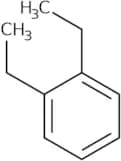
Discontinued product1,2-Diethylbenzene
CAS:1,2-Diethylbenzene is a trifluoroacetic acid derivative that is used as an acylation agent and a solid catalyst. 1,2-Diethylbenzene has been shown to increase the energy metabolism in cultured human cells. It also influences fatty acid synthesis and nmr spectra of plant families. 1,2-Diethylbenzene was found to be safe for use in sciatic nerve regeneration in Sprague-Dawley rats with axonopathy. This chemical can also be used as an analytical reagent for the separation of urine samples by liquid chromatography methods.
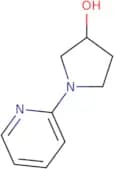
Formula:C10H14Purity:Min. 95%Molecular weight:134.22 g/mol(3S)-1-(Pyridin-2-yl)pyrrolidin-3-ol
CAS:Versatile small molecule scaffold
Formula:C9H12N2OPurity:Min. 95%Molecular weight:164.2 g/molRef: 3D-VKB58871
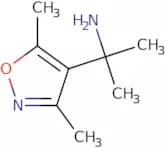
Discontinued product2-(Dimethyl-1,2-oxazol-4-yl)propan-2-amine
CAS:Versatile small molecule scaffold
Formula:C8H14N2OPurity:Min. 95%Molecular weight:154.21 g/molRef: 3D-VKC10832
Discontinued productrac-(3aR,6aS)-Hexahydropyrrolo[3,4-c]pyrrol-1(2H)-one hydrochloride
CAS:Versatile small molecule scaffoldFormula:C6H11ClN2OPurity:Min. 95%Molecular weight:162.62 g/moltert-Butyl 8-oxa-4-azabicyclo[5.1.0]octane-4-carboxylate
CAS:Versatile small molecule scaffoldFormula:C11H19NO3Purity:Min. 95%Molecular weight:213.27 g/molRef: 3D-WGB06215
Discontinued product1-Phenyl-2-(trifluoromethoxy)ethan-1-ol
CAS:Versatile small molecule scaffoldFormula:C9H9F3O2Purity:Min. 95%Molecular weight:206.16 g/mol2-(5-Phenyl-2H-1,2,3,4-tetrazol-2-yl)propanoic acid
CAS:Versatile small molecule scaffoldFormula:C10H10N4O2Purity:Min. 95%Molecular weight:218.21 g/molRef: 3D-XAA30740
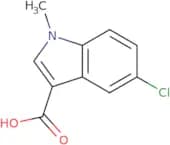
Discontinued product5-Chloro-1-methyl-1H-indole-3-carboxylic acid
CAS:Controlled ProductVersatile small molecule scaffoldFormula:C10H8ClNO2Purity:Min. 95%Molecular weight:209.63 g/molRef: 3D-XGA59662
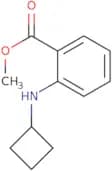
Discontinued productMethyl 2-(cyclobutylamino)benzoate
CAS:Versatile small molecule scaffold
Formula:C12H15NO2Purity:Min. 95%Molecular weight:205.25 g/molRef: 3D-XZB08429
Discontinued product6-Methyl-6,7,8,9-tetrahydro-5H-benzo[7]annulen-5-amine
CAS:Versatile small molecule scaffold
Formula:C12H17NPurity:Min. 95%Molecular weight:175.27 g/molRef: 3D-XZB08898
Discontinued product1-(1-Methylpiperidin-4-yl)-1H-pyrazol-4-amine hydrochloride
CAS:Versatile small molecule scaffold
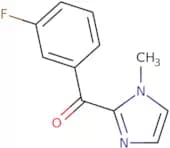
Formula:C9H17ClN4Purity:Min. 95%Molecular weight:216.71 g/mol2-(3-Fluorobenzoyl)-1-methyl-1H-imidazole
CAS:Controlled ProductVersatile small molecule scaffold
Formula:C11H9FN2OPurity:Min. 95%Molecular weight:204.2 g/molRef: 3D-XZB47386
Discontinued product4-[(4-Methylpyrimidin-2-yl)oxy]aniline
CAS:Versatile small molecule scaffold
Formula:C11H11N3OPurity:Min. 95%Molecular weight:201.22 g/molRef: 3D-ZAC86467
Discontinued product1-(3-Methoxyphenyl)-2-methylpropan-2-amine
CAS:Controlled ProductVersatile small molecule scaffold
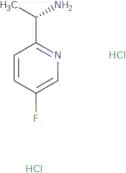
Formula:C11H17NOPurity:Min. 95%Molecular weight:179.26 g/mol(S)-1-(5-Fluoropyridin-2-yl)ethanamine Dihydrochloride
CAS:Versatile small molecule scaffoldFormula:C7H9N2F·2HClPurity:Min. 95%Molecular weight:213.08 g/molRef: 3D-IYB89373
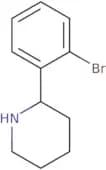
Discontinued product2-(2-Bromophenyl)piperidine
CAS:Versatile small molecule scaffold
Formula:C11H14BrNPurity:Min. 95%Molecular weight:240.14 g/mol2-Chloro-4-methoxy-7-methyl-7H-pyrrolo[2,3-d]pyrimidine
CAS:Versatile small molecule scaffold
Formula:C8H8ClN3OPurity:Min. 95%Molecular weight:197.62 g/molRef: 3D-JDA95534
Discontinued product4-(Piperazin-1-yl)isoquinoline dihydrochloride
CAS:Versatile small molecule scaffold
Formula:C13H17Cl2N3Purity:Min. 95%Molecular weight:286.2 g/molRef: 3D-ILB29289
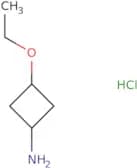
Discontinued productrac-(1R,3R)-3-Ethoxycyclobutan-1-amine hydrochloride
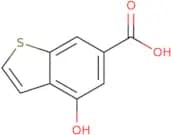
CAS:Versatile small molecule scaffoldFormula:C6H14ClNOPurity:Min. 95%Molecular weight:151.63 g/mol4-Hydroxy-1-benzothiophene-6-carboxylic acid
CAS:Versatile small molecule scaffoldFormula:C9H6O3SPurity:Min. 95%Molecular weight:194.21 g/molRef: 3D-IBA88031
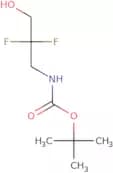
Discontinued producttert-Butyl (2,2-difluoro-3-hydroxypropyl)carbamate
CAS:Versatile small molecule scaffoldFormula:C10H13NO4Purity:Min. 95%Molecular weight:211.21 g/mol8-Bromo-2-methylimidazo[1,2-a]pyridine
CAS:Versatile small molecule scaffold
Formula:C8H7N2BrPurity:Min. 95%Molecular weight:211.05 g/mol4,5-Dihydro-1H-imidazol-2-amine hydrochloride
CAS:Please enquire for more information about 4,5-Dihydro-1H-imidazol-2-amine hydrochloride including the price, delivery time and more detailed product information at the technical inquiry form on this page
Formula:C3H7N3•HClPurity:Min. 95%Molecular weight:121.57 g/molRef: 3D-FD183639
Discontinued product4-Chloro-2-hydroxy-6-methylphenylboronic acid
CAS:Versatile small molecule scaffoldFormula:C7H8BClO3Purity:Min. 95%Molecular weight:186.4 g/mol3-Hydroxy-5-methylpyridine
CAS:3-Hydroxy-5-methylpyridine (3HMP) is a chemical substance that has been classified as an amine. It is a product of the metabolism of purines, which are nitrogenous bases found in DNA and RNA. 3HMP is produced by aerogenic bacteria (such as Enterobacter), and can be used to estimate the number of these bacteria present in water samples. 3HMP has been shown to have antiviral properties against influenza virus, and can be used as a biomarker for the presence of other viruses in animals. 3HMP also has mineralization properties, which have been studied extensively, particularly with regards to pancreatic disease.
Formula:C6H7NOPurity:Min. 95%Color and Shape:PowderMolecular weight:109.13 g/molRef: 3D-FH16174
Discontinued product1-Hydroxycyclopentane-1-carbonitrile
CAS:1-Hydroxycyclopentane-1-carbonitrile is a monomer that is hydrolyzed to form benzoin and cyanohydrins. It can be used in the production of scifinder as a monomer or dimerizer.
Formula:C6H9NOPurity:Min. 95%Molecular weight:111.14 g/mol2-Bromo-3,3,3-trifluoro-1-propene
CAS:Controlled Product2-Bromo-3,3,3-trifluoro-1-propene is a chemical compound that has been synthesized in an asymmetric reaction. The reactant is bromopropane and the product is 2,2,2-trifluoropropene. The methylene group on the propene molecule is activated by the nucleophilic attack of a fluoride ion from hydrogen fluoride to form a cavity with a highly strained bond. The kinetic study of this reaction revealed that the activation energy for the reaction is 42 kJ/mol. Palladium-catalyzed coupling reactions are catalyzed by palladium and require nonpolar solvents such as toluene or dichloromethane. This type of reaction has been shown to be exothermic with an isolated yield of 1%.
Formula:C3H2BrF3Purity:Min. 95%Color and Shape:Colorless PowderMolecular weight:174.95 g/mol4,5-Dihydroxy-2,3-Pentanedione
CAS:4,5-Dihydroxy-2,3-pentanedione is a carbonyl compound that is the product of the oxidation of ascorbic acid. It is used in wastewater treatment and has antimicrobial properties against infectious diseases. This compound has been shown to inhibit protein synthesis by binding to the ribosome and preventing the formation of peptide bonds between amino acids. 4,5-Dihydroxy-2,3-pentanedione has also been shown to bind to plasma proteins, which may be due to its acyl chain structure. 4,5-Dihydroxy-2,3-pentanedione can be synthesized in a catalytic mechanism that involves dehydroascorbic acid and molecular oxygen.
Formula:C5H8O4Purity:Min. 95%Color and Shape:PowderMolecular weight:132.11 g/molRef: 3D-FD180770
Discontinued productPiperyline
CAS:Piperyline is an alkanoic acid that has shown to be effective against skin cancer. It also has antimicrobial properties, which may be due to its ability to bind metal ions and form polymeric compounds. Piperyline inhibits microbial growth by inhibiting the synthesis of proteins and nucleic acids. The antimicrobial activity is related to its cationic polymerization with hydroxyl groups, which forms a structure that can inhibit microbial enzymes and disrupt microbial cell membranes. This compound also interacts with the skin's natural lipids, making it difficult for microorganisms to attach and grow on the skin. Piperyline is synthesized in organic chemistry laboratories as an amide precursor of other pharmaceuticals such as penicillin.
Formula:C16H17NO3Purity:Min. 95%Molecular weight:271.31 g/mol

![1-Azabicyclo[3.2.1]octan-4-one](/_next/image/?url=https%3A%2Fstatic.cymitquimica.com%2Fproducts%2F3D%2Fthumb-webp%2FSAA60477.webp&w=3840&q=75)
![6-(Bromomethyl)-3-phenyl-5H,6H-[1,2,4]triazolo[3,4-b][1,3]thiazole](/_next/image/?url=https%3A%2Fstatic.cymitquimica.com%2Fproducts%2F3D%2Fthumb-webp%2FSEB00446.webp&w=3840&q=75)

![3-(Propan-2-yl)-3-azabicyclo[3.3.1]nonan-9-one](/_next/image/?url=https%3A%2Fstatic.cymitquimica.com%2Fproducts%2F3D%2Fthumb-webp%2FTCA06655.webp&w=3840&q=75)

![2,2,2-Trifluoroethyl N-[3-fluoro-4-(1H-pyrazol-1-yl)phenyl]carbamate](/_next/image/?url=https%3A%2Fstatic.cymitquimica.com%2Fproducts%2F3D%2Fthumb-webp%2FEEC95905.webp&w=3840&q=75)
![8-Chloro-3-methyl-1H-pyrrolo[3,2-c]quinoline](/_next/image/?url=https%3A%2Fstatic.cymitquimica.com%2Fproducts%2F3D%2Fthumb-webp%2FTCA49997.webp&w=3840&q=75)

![1-Oxaspiro[4.5]dec-2-en-4-one](/_next/image/?url=https%3A%2Fstatic.cymitquimica.com%2Fproducts%2F3D%2Fthumb-webp%2FBDA95195.webp&w=3840&q=75)
![2-[(2S)-Oxiran-2-yl]-1-benzofuran](/_next/image/?url=https%3A%2Fstatic.cymitquimica.com%2Fproducts%2F3D%2Fthumb-webp%2FTNA61408.webp&w=3840&q=75)
![2-[3-(Propan-2-yl)phenoxy]acetic acid](/_next/image/?url=https%3A%2Fstatic.cymitquimica.com%2Fproducts%2F3D%2Fthumb-webp%2FBAA87852.webp&w=3840&q=75)
amine](/_next/image/?url=https%3A%2Fstatic.cymitquimica.com%2Fproducts%2F3D%2Fthumb-webp%2FAAC06291.webp&w=3840&q=75)
![rac-(3aR,6aS)-Hexahydropyrrolo[3,4-c]pyrrol-1(2H)-one hydrochloride](/_next/image/?url=https%3A%2Fstatic.cymitquimica.com%2Fproducts%2F3D%2Fthumb-webp%2FVXC58134.webp&w=3840&q=75)
![tert-Butyl 8-oxa-4-azabicyclo[5.1.0]octane-4-carboxylate](/_next/image/?url=https%3A%2Fstatic.cymitquimica.com%2Fproducts%2F3D%2Fthumb-webp%2FWGB06215.webp&w=3840&q=75)


![6-Methyl-6,7,8,9-tetrahydro-5H-benzo[7]annulen-5-amine](/_next/image/?url=https%3A%2Fstatic.cymitquimica.com%2Fproducts%2F3D%2Fthumb-webp%2FXZB08898.webp&w=3840&q=75)
![4-[(4-Methylpyrimidin-2-yl)oxy]aniline](/_next/image/?url=https%3A%2Fstatic.cymitquimica.com%2Fproducts%2F3D%2Fthumb-webp%2FZAC86467.webp&w=3840&q=75)
![2-Chloro-4-methoxy-7-methyl-7H-pyrrolo[2,3-d]pyrimidine](/_next/image/?url=https%3A%2Fstatic.cymitquimica.com%2Fproducts%2F3D%2Fthumb-webp%2FJDA95534.webp&w=3840&q=75)

![8-Bromo-2-methylimidazo[1,2-a]pyridine](/_next/image/?url=https%3A%2Fstatic.cymitquimica.com%2Fproducts%2F3D%2Fthumb-webp%2FUXB37475.webp&w=3840&q=75)