Building Blocks
Subcategories of "Building Blocks"
- Boronic Acids & Boronic Acid Derivatives(5,778 products)
- Chiral Building Blocks(1,243 products)
- Hydrocarbon Building Blocks(6,099 products)
- Organic Building Blocks(61,038 products)
Found 205376 products of "Building Blocks"
1-Oxaspiro[4.5]dec-2-en-4-one
CAS:Versatile small molecule scaffold
Formula:C9H12O2Purity:Min. 95%Molecular weight:152.19 g/molRef: 3D-BDA95195
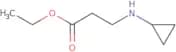
Discontinued productEthyl 3-(cyclopropylamino)propanoate
CAS:Versatile small molecule scaffold
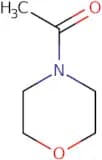
Formula:C8H15NO2Purity:Min. 95%Molecular weight:157.21 g/mol4-Acetylmorpholine
CAS:4-Acetylmorpholine is a recycled amide that is synthesized from an alkanolamine and an acylation reaction. It has been used in the dehydrating of organic compounds, such as reaction solution, and for the preparation of acrylamide. 4-Acetylmorpholine is also used as a viscosity control agent in the extraction of aromatic hydrocarbons. Its chemical structure consists of a carbonyl group and an aromatic hydrocarbon. 4-Acetylmorpholine can be synthesized by reacting acetaldehyde with ammonia or thiourea with methyl chloride or ethylene oxide.
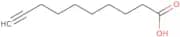
Formula:C6H3D8NO2Purity:Min. 95%Molecular weight:137.21 g/molDec-9-ynoic acid
CAS:Dec-9-ynoic acid is a synthetic fatty acid that is a precursor to several biologically important substances. It is labile and easily oxidized by air, light, or heat. Dec-9-ynoic acid has been shown to be a central metabolic intermediate for the biosynthesis of polyunsaturated fatty acids. It can also be converted into linolenic acid, which is an essential fatty acid that cannot be synthesized by humans. Dec-9-ynoic acid exists in two geometric isomers: cis and trans. The cis form exhibits kinetic properties that are different from the trans form. Dec-9-ynoic acid has been studied as a potential treatment for human diseases such as diabetes mellitus type 2, Parkinson's disease, Alzheimer's disease, schizophrenia, and depression.
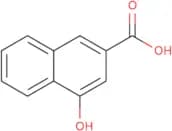
Formula:C10H16O2Purity:Min. 95%Molecular weight:168.23 g/mol4-Hydroxy-2-naphthoic acid
CAS:4-Hydroxy-2-naphthoic acid is a hydrocarbon with a carboxylic acid group. It can act as an antagonist to the hydrocarbon receptor (HCR). 4-Hydroxy-2-naphthoic acid has been shown to be effective in treating colon cancer cells in vitro, and has been shown to inhibit the growth of cancer cells in vivo. This compound is also effective at inhibiting the proliferation of human colon cancer cells (Caco2) that have been exposed to benzo(a)pyrene, an aromatic hydrocarbon found in cigarette smoke. The mechanism by which this drug inhibits cell proliferation is not fully understood but may involve inhibition of cytochrome P450 1A1 (CYP1A1), which metabolizes benzo(a)pyrene into carcinogenic intermediates. 4-Hydroxy-2-naphthoic acid has also been shown to be anisotropic and microreactor, meaning
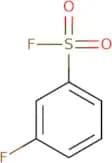
Formula:C11H8O3Purity:Min. 95%Molecular weight:188.17 g/mol3-Fluorobenzene-1-sulfonyl fluoride
CAS:3-Fluorobenzene-1-sulfonyl fluoride is a chemical compound that can be used as a catalyst to synthesize organic compounds. It is a colorless liquid, which is soluble in water and organic solvents. This catalyst has been shown to be more efficient than the traditional catalysts, such as tetraphenylphosphonium chloride, potassium fluoride or sodium borohydride. 3-Fluorobenzene-1-sulfonyl fluoride also reacts with nitro groups to produce dinitro compounds, which are valuable synthetic intermediates for the production of dyes and pharmaceuticals. The synthesis of this compound can be carried out in high yields with stoichiometric amounts of reactants.
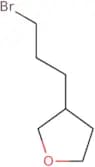
Formula:C6H4F2O2SPurity:Min. 95%Molecular weight:178.16 g/mol3-(3-Bromopropyl)oxolane
CAS:Versatile small molecule scaffold
Formula:C7H13BrOPurity:Min. 95%Molecular weight:193.08 g/molRef: 3D-ASB49655
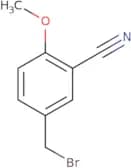
Discontinued product5-(Bromomethyl)-2-methoxybenzonitrile
CAS:Versatile small molecule scaffoldFormula:C9H8BrNOPurity:Min. 95%Molecular weight:226.07 g/molRef: 3D-VMA40791
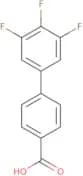
Discontinued product4-(3,4,5-Trifluorophenyl)benzoic acid
CAS:Versatile small molecule scaffold
Formula:C13H7F3O2Purity:Min. 95%Molecular weight:252.19 g/molRef: 3D-AMB90850
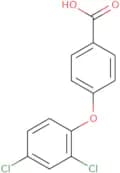
Discontinued product4-(2,4-Dichlorophenoxy)benzoic acid
CAS:Versatile small molecule scaffold
Formula:C13H8Cl2O3Purity:Min. 95%Molecular weight:283.1 g/mol1-[3-(Hydroxymethyl)phenyl]ethan-1-one
CAS:Versatile small molecule scaffold
Formula:C9H10O2Purity:Min. 95%Molecular weight:150.17 g/molRef: 3D-AFA60406
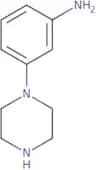
Discontinued product3-(Piperazin-1-yl)aniline
CAS:Versatile small molecule scaffold
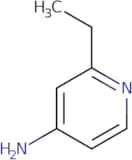
Formula:C10H15N3Purity:Min. 95%Molecular weight:177.25 g/mol2-Ethylpyridin-4-amine
CAS:2-Ethylpyridin-4-amine is a pyridine that can be synthesized from the amination of 4-nitrophenol. It can also be synthesized by acylation of 2-ethylpyridine with ethyl chloroformate followed by cyclization. This compound has shown to have high yields in reactions involving pyridines and it is often used as a precursor for other compounds.
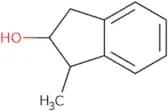
Formula:C7H10N2Purity:Min. 95%Molecular weight:122.17 g/mol1-Methyl-2,3-dihydro-1H-inden-2-ol
CAS:Versatile small molecule scaffold
Formula:C10H12OPurity:Min. 95%Molecular weight:148.2 g/molRef: 3D-ACA82313
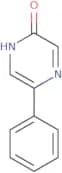
Discontinued product5-Phenyl-1H-pyrazin-2-one
CAS:5-Phenyl-1H-pyrazin-2-one is a potent inhibitor of tyrosine kinase, which is an enzyme that regulates the activity of cells by transferring phosphate groups from ATP to tyrosine residues. This drug binds to the ATP binding site, resulting in inhibition of the enzyme's activity and reduced cell proliferation. 5-Phenyl-1H-pyrazin-2-one has been shown to be effective in treating rheumatoid arthritis and other autoimmune diseases, with no adverse effects on bone metabolism or blood pressure. It also has no effect on platelet aggregation or erythrocytes.
Formula:C10H8N2OPurity:Min. 95%Molecular weight:172.18 g/mol3-{[3-(Methoxycarbonyl)-5-methylthiophen-2-yl]carbamoyl}propanoic acid
CAS:Versatile small molecule scaffold
Formula:C11H13NO5SPurity:Min. 95%Molecular weight:271.29 g/molRef: 3D-VUA37557
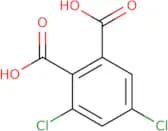
Discontinued product3,5-Dichlorophthalic acid
CAS:3,5-Dichlorophthalic acid is a divalent organic acid that is used as an intermediate in the production of other chemicals. 3,5-Dichlorophthalic acid is used as a regulator of plant growth and development. It can also be used to make different n-substituted compounds, such as naphthalene, phthalic anhydride, and 2,6-dichloro-pyridine.
Formula:C8H4Cl2O4Purity:Min. 95%Molecular weight:235.02 g/molRef: 3D-ABA64198
Discontinued product[2-(2-Ethoxyethoxy)ethyl](methyl)amine
CAS:Versatile small molecule scaffold
Formula:C7H17NO2Purity:Min. 95%Molecular weight:147.22 g/molAmyl Acetate
CAS:Amyl acetate is a reactive, volatile organic compound that is used in the manufacture of plasticizers, resins, and synthetic rubber. It is also used as a solvent for dyes and pigments, as well as a flavoring agent in food processing. Amyl acetate has been shown to have antimicrobial properties against human pathogens such as methicillin-resistant Staphylococcus aureus (MRSA), Escherichia coli, and Salmonella enterica. The antimicrobial activity of this molecule may be due to its ability to react with cellular components such as proteins and lipids. Amyl acetate also inhibits the growth of microorganisms by inhibiting their synthesis of essential biomolecules like amino acids and nucleic acids.
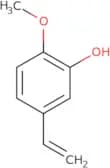
Formula:C7H14O2Purity:Min. 95%Molecular weight:130.19 g/mol5-Ethenyl-2-methoxyphenol
CAS:5-Ethenyl-2-methoxyphenol is a volatile compound that has been isolated from the bark of the cinnamon tree. It has shown anticancer activities "in vitro" and "in vivo". 5-Ethenyl-2-methoxyphenol has been shown to be demethylated by cytochrome P450 enzymes, which may result in its antitumor activity. This active compound can also be detected in postharvested fruit and vegetables as well as processed foods such as apple juice, tomato sauce, and dried fruits. 5-Ethenyl-2-methoxyphenol is responsible for the characteristic flavor of cinnamon, so it is often used as a flavoring agent in food processing.
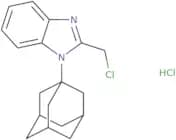
Formula:C9H10O2Purity:Min. 95%Color and Shape:PowderMolecular weight:150.17 g/mol1-(Adamantan-1-yl)-2-(chloromethyl)-1H-1,3-benzodiazole hydrochloride
CAS:Versatile small molecule scaffoldFormula:C18H22Cl2N2Purity:Min. 95%Molecular weight:337.3 g/molRef: 3D-VWB21715
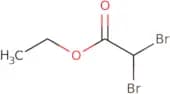
Discontinued productAcetic acid, dibromo-, ethyl ester
CAS:Acetic acid, dibromo-, ethyl ester is a reactive molecule that can be used as a nucleophilic substituent. It has hydroxyl group and ruthenium complex. It is a particle that can be used in the production of monoclonal antibodies. Acetic acid, dibromo-, ethyl ester also has viscosity and polycarboxylic acid. This chemical reacts with β-unsaturated ketones to form polymerization initiator. Acetic acid, dibromo-, ethyl ester also has carbonyl group and monoclonal antibodies. Acetic acid, dibromo-, ethyl ester can be conjugated with ethyl bromoacetate to produce conjugates.
Formula:C4H6Br2O2Purity:Min. 95%Molecular weight:245.9 g/mol2-[(3-Nitrophenyl)formamido]acetic acid
CAS:2-[(3-Nitrophenyl)formamido]acetic acid (2NPA) is a modifying agent that has been used in the modification of carboxyl groups. It can react with nucleophiles to form adducts and with carbodiimides to form ureas. 2NPA reacts with amino acids, peptides, and other nitrogenous compounds at their carboxyl groups to form ester or amide bonds. The nature of the residues after modification varies depending on the nature of the carboxyl group that was modified.
Formula:C9H8N2O5Purity:Min. 95%Molecular weight:224.17 g/molRef: 3D-AAA61710
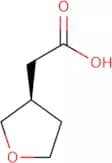
Discontinued product(R)-2-(Tetrahydrofuran-3-yl)acetic Acid
CAS:Versatile small molecule scaffold
Formula:C6H10O3Purity:Min. 95%Molecular weight:130.14 g/molRef: 3D-WFA25525
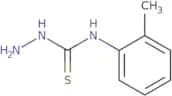
Discontinued product4-(2-Methylphenyl)-3-thiosemicarbazide
CAS:4-(2-Methylphenyl)-3-thiosemicarbazide is a crystalline solid that belongs to the group of benzoic acid derivatives. It has an orthorhombic crystal structure, with a yellow color. The crystals are measured at room temperature, and it has an atomic weight of 197.11 g/mol. 4-(2-Methylphenyl)-3-thiosemicarbazide is stable in air and in solution, but decomposes at temperatures above 250°C. This compound has been studied by using X-ray diffraction measurements and Bruker parameters. Its isotropic radiation is recorded at the following wavelength: 1.5418 Å (1).
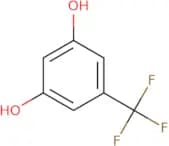
Formula:C8H11N3SPurity:Min. 95%Molecular weight:181.26 g/mol5-(Trifluoromethyl)benzene-1,3-diol
CAS:Versatile small molecule scaffold
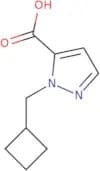
Formula:C7H5F3O2Purity:Min. 95%Molecular weight:178.11 g/mol1-(Cyclobutylmethyl)-1H-pyrazole-5-carboxylic acid
CAS:Versatile small molecule scaffoldFormula:C9H12N2O2Purity:Min. 95%Molecular weight:180.2 g/molRef: 3D-WJC58413
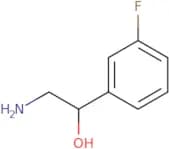
Discontinued product2-Amino-1-(3-fluorophenyl)ethanol
CAS:Versatile small molecule scaffold
Formula:C8H10FNOPurity:Min. 95%Molecular weight:155.17 g/molRef: 3D-AAA40296
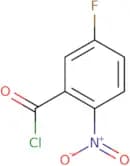
Discontinued product5-Fluoro-2-nitrobenzoyl chloride
CAS:5-Fluoro-2-nitrobenzoyl chloride is a conformationally locked macrocyclic compound that has been synthesized by solid phase synthesis. It is found in two conformational states and can be made to switch between these two states by applying a force to the molecule. This conformation can be controlled by changing the side chain of 5-fluoro-2-nitrobenzoyl chloride, which can be done experimentally. The conformational behavior of this macrocycle was studied using molecular dynamics simulations and it was found that there are four possible conformations for the molecule. The conformations with different side chains were found to have different energies, which could be used as a measure of their relative stability.
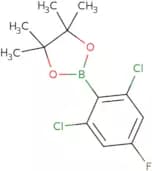
Formula:C7H3ClFNO3Purity:Min. 95%Molecular weight:203.55 g/mol2-(2,6-Dichloro-4-fluorophenyl)-4,4,5,5-tetramethyl-1,3,2-dioxaborolane
CAS:Versatile small molecule scaffold
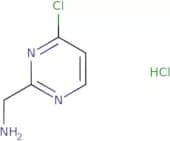
Formula:C12H14BCl2FO2Purity:Min. 95%Molecular weight:291 g/mol2-(Aminomethyl)-4-chloropyrimidine HCl
CAS:Versatile small molecule scaffold
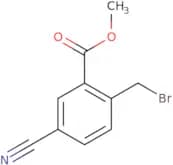
Formula:C5H7Cl2N3Purity:Min. 95%Molecular weight:180.04 g/molMethyl 2-(bromomethyl)-5-cyanobenzoate
CAS:Versatile small molecule scaffold
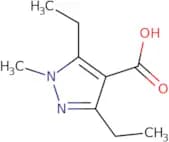
Formula:C10H8BrNO2Purity:Min. 95%Molecular weight:254.08 g/mol3,5-Diethyl-1-methyl-1H-pyrazole-4-carboxylic acid
CAS:Versatile small molecule scaffoldFormula:C9H14N2O2Purity:Min. 95%Molecular weight:182.22 g/molRef: 3D-WWB62740
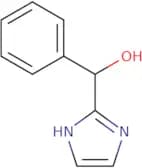
Discontinued product1H-Imidazol-2-yl(phenyl)methanol
CAS:Versatile small molecule scaffold
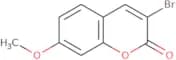
Formula:C10H10N2OPurity:Min. 95%Molecular weight:174.2 g/mol3-Bromo-7-methoxy-2H-1-benzopyran-2-one
CAS:3-Bromo-7-methoxy-2H-1-benzopyran-2-one is a coumarin derivative that has been shown to cause liver lesions in rats. The compound can also inhibit locomotor activity, as well as have a significant effect on the levels of serum prolactin. 3-Bromo-7-methoxy-2H-1-benzopyran-2-one is a ligand for the 5HT2 receptor, and it has been suggested that this may be due to its coordination geometry. In addition, 3BMOP binds to DNA with high affinity and specificity, which suggests that it could be used as an antitumor agent.
Formula:C10H7BrO3Purity:Min. 95%Molecular weight:255.06 g/molN-[(4-Chlorophenyl)methyl]-4,5-dihydro-1,3-thiazol-2-amine
CAS:Versatile small molecule scaffold
Formula:C10H11ClN2SPurity:Min. 95%Molecular weight:226.73 g/mol(9R)-9-Hydroxy-5H,6H,7H,8H,9H-cyclohepta[b]pyridin-5-one hydrochloride
CAS:Versatile small molecule scaffoldFormula:C10H12ClNO2Purity:Min. 95%Molecular weight:213.7 g/mol2-(2-[(Propan-2-yloxy)methyl]phenyl)acetic acid
CAS:Versatile small molecule scaffold
Formula:C12H16O3Purity:Min. 95%Molecular weight:208.3 g/molRef: 3D-XLC02690
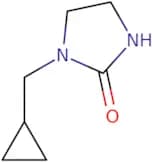
Discontinued product1-(Cyclopropylmethyl)imidazolidin-2-one
CAS:Versatile small molecule scaffold
Formula:C7H12N2OPurity:Min. 95%Molecular weight:140.18 g/molRef: 3D-XLC04672
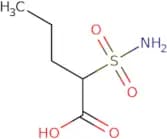
Discontinued product2-Sulfamoylpentanoic acid
CAS:Versatile small molecule scaffold
Formula:C5H11NO4SPurity:Min. 95%Molecular weight:181.21 g/molRef: 3D-XLC81845
Discontinued product3-methylpyridine-2-sulfinate lithium
CAS:Versatile small molecule scaffoldFormula:C6H6LiNO2SPurity:Min. 95%Molecular weight:163.1 g/mol4-Methyl-1,2-oxazolidin-4-ol hydrochloride
CAS:Versatile small molecule scaffold
Formula:C4H10ClNO2Purity:Min. 95%Molecular weight:139.6 g/molRef: 3D-XLD15344
Discontinued product4-[(4-Methylpyrimidin-2-yl)oxy]aniline
CAS:Versatile small molecule scaffold
Formula:C11H11N3OPurity:Min. 95%Molecular weight:201.22 g/molRef: 3D-ZAC86467
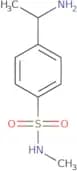
Discontinued product4-(1-Aminoethyl)-N-methylbenzene-1-sulfonamide
CAS:Versatile small molecule scaffold
Formula:C9H14N2O2SPurity:Min. 95%Molecular weight:214.29 g/mol3,6-Dimethyl-1-{[(propan-2-yl)carbamoyl]methyl}-1H-pyrazolo[3,4-b]pyridine-4-carboxylic acid
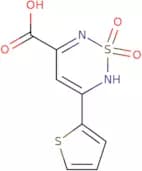
CAS:Versatile small molecule scaffoldFormula:C14H18N4O3Purity:Min. 95%Molecular weight:290.32 g/mol1,1-Dioxo-5-(thiophen-2-yl)-2H-1,2,6-thiadiazine-3-carboxylic acid
CAS:Versatile small molecule scaffoldFormula:C8H6N2O4S2Purity:Min. 95%Molecular weight:258.3 g/molRef: 3D-LQB39755
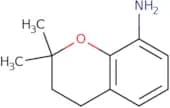
Discontinued product2,2-Dimethyl-3,4-dihydro-2H-1-benzopyran-8-amine
CAS:Versatile small molecule scaffoldFormula:C11H15NOPurity:Min. 95%Molecular weight:177.24 g/molRef: 3D-LJC87188
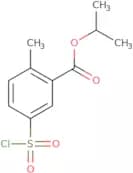
Discontinued productPropan-2-yl 5-(chlorosulfonyl)-2-methylbenzoate
CAS:Versatile small molecule scaffold
Formula:C11H13ClO4SPurity:Min. 95%Molecular weight:276.74 g/molRef: 3D-LJC80463
Discontinued productN-[(Quinolin-8-yl)methyl]methanesulfonamide
CAS:Versatile small molecule scaffold
Formula:C11H12N2O2SPurity:Min. 95%Molecular weight:236.29 g/molRef: 3D-LJC51797
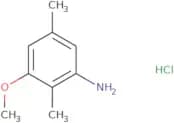
Discontinued product3-Methoxy-2,5-dimethylaniline hydrochloride
CAS:Versatile small molecule scaffold
Formula:C9H14ClNOPurity:Min. 95%Molecular weight:187.66 g/molRef: 3D-LJB55559
Discontinued product4-Chloro-5H,6H,7H-pyrimido[4,5-b][1,4]oxazin-6-one
CAS:Versatile small molecule scaffoldFormula:C6H4ClN3O2Purity:Min. 95%Molecular weight:185.57 g/molRef: 3D-LYB52467
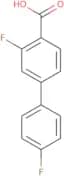
Discontinued product4-(4-Fluorophenyl)-2-fluorobenzoic acid
CAS:Versatile small molecule scaffold
Formula:C13H8F2O2Purity:Min. 95%Molecular weight:234.2 g/molRef: 3D-LGB68586
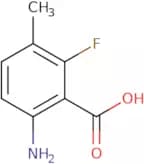
Discontinued product6-Amino-2-fluoro-3-methylbenzoic acid
CAS:Versatile small molecule scaffold
Formula:C8H8FNO2Purity:Min. 95%Molecular weight:169.15 g/molRef: 3D-MAB34784
Discontinued product3-[(3-Methoxypropyl)carbamoyl]propanoic acid
CAS:Versatile small molecule scaffold
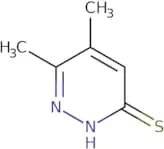
Formula:C8H15NO4Purity:Min. 95%Molecular weight:189.21 g/mol5,6-Dimethylpyridazine-3-thiol
CAS:Versatile small molecule scaffold
Formula:C6H8N2SPurity:Min. 95%Molecular weight:140.2 g/molRef: 3D-JHA21992
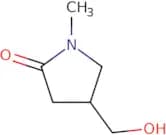
Discontinued product4-(Hydroxymethyl)-1-methylpyrrolidin-2-one
CAS:Versatile small molecule scaffold
Formula:C6H11NO2Purity:Min. 95%Molecular weight:129.16 g/molRef: 3D-JCA88720
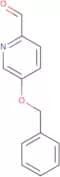
Discontinued product5-(Benzyloxy)pyridine-2-carbaldehyde
CAS:Versatile small molecule scaffold
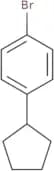
Formula:C13H11NO2Purity:Min. 95%Molecular weight:213.23 g/mol1-Bromo-4-cyclopentylbenzene
CAS:1-Bromo-4-cyclopentylbenzene (1-BCPB) is a chlorinated aromatic compound that can be synthesized by reacting 1-bromo-4-chlorobenzene and cyclopentylmagnesium bromide. The reaction sequence begins with the addition of hydrochloric acid to the first reactant, followed by magnesium chloride and ether. The mixture is heated to produce a liquid solution of ethylhexyloxy pyridine, which reacts with the second reactant in a sequence that leads to the desired product. 1-BCPB is used as an intermediate in organic synthesis. It has been shown to have moderate interaction with paraldehyde and pyridinium salts at room temperature, but it does not react with cycloalkyls or pyridinium salts at elevated temperatures.
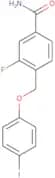
Formula:C11H13BrPurity:Min. 95%Molecular weight:225.13 g/mol3-Fluoro-4-(4-iodophenoxymethyl)benzamide
CAS:Versatile small molecule scaffoldFormula:C14H11FINO2Purity:Min. 95%Molecular weight:371.14 g/molRef: 3D-JBC14709
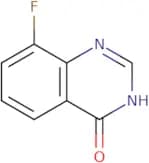
Discontinued product8-Fluoroquinazolin-4(1H)-one
CAS:Versatile small molecule scaffold
Formula:C8H5FN2OPurity:Min. 95%Molecular weight:164.14 g/molRef: 3D-MHA80550
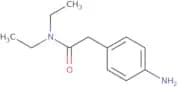
Discontinued product2-(4-Aminophenyl)-N,N-diethylacetamide
CAS:Versatile small molecule scaffoldFormula:C12H18N2OPurity:Min. 95%Molecular weight:206.28 g/mol4-(Piperazin-1-yl)isoquinoline dihydrochloride
CAS:Versatile small molecule scaffold
Formula:C13H17Cl2N3Purity:Min. 95%Molecular weight:286.2 g/molRef: 3D-ILB29289
Discontinued product4-Acetyl-5-methyl-3-(propan-2-yl)-1H-pyrrole-2-carboxylic acid
CAS:Versatile small molecule scaffold
Formula:C11H15NO3Purity:Min. 95%Molecular weight:209.24 g/molRef: 3D-YGC02414
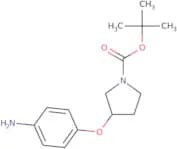
Discontinued product(R)-tert-Butyl 3-(4-aminophenoxy)pyrrolidine-1-carboxylate
CAS:Versatile small molecule scaffold
Formula:C15H22N2O3Purity:Min. 95%Molecular weight:278.35 g/molRef: 3D-LRB48830
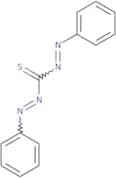
Discontinued product1,3-Bis(phenylimino)thiourea
CAS:Versatile small molecule scaffold
Formula:C13H10N4SPurity:Min. 95%Molecular weight:254.31 g/molRef: 3D-YAA21642
Discontinued productMethyl 5-bromo-3-(bromomethyl)furan-2-carboxylate
CAS:Versatile small molecule scaffold
Formula:C7H6Br2O3Purity:Min. 95%Molecular weight:297.93 g/mol2-(5-Chloro-1-methyl-1H-imidazol-2-yl)-2,2-difluoroacetic acid hydrochloride
CAS:Versatile small molecule scaffoldFormula:C6H6Cl2F2N2O2Purity:Min. 95%Molecular weight:247 g/molRef: 3D-YGC02390
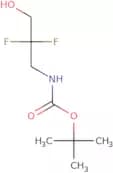
Discontinued producttert-Butyl (2,2-difluoro-3-hydroxypropyl)carbamate
CAS:Versatile small molecule scaffoldFormula:C10H13NO4Purity:Min. 95%Molecular weight:211.21 g/mol8-Bromo-2-methylimidazo[1,2-a]pyridine
CAS:Versatile small molecule scaffold
Formula:C8H7N2BrPurity:Min. 95%Molecular weight:211.05 g/mol4-Chloro-2-hydroxy-6-methylphenylboronic acid
CAS:Versatile small molecule scaffoldFormula:C7H8BClO3Purity:Min. 95%Molecular weight:186.4 g/mol4,5-Dihydro-1H-imidazol-2-amine hydrochloride
CAS:Please enquire for more information about 4,5-Dihydro-1H-imidazol-2-amine hydrochloride including the price, delivery time and more detailed product information at the technical inquiry form on this page
Formula:C3H7N3•HClPurity:Min. 95%Molecular weight:121.57 g/molRef: 3D-FD183639
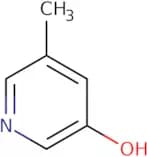
Discontinued product3-Hydroxy-5-methylpyridine
CAS:3-Hydroxy-5-methylpyridine (3HMP) is a chemical substance that has been classified as an amine. It is a product of the metabolism of purines, which are nitrogenous bases found in DNA and RNA. 3HMP is produced by aerogenic bacteria (such as Enterobacter), and can be used to estimate the number of these bacteria present in water samples. 3HMP has been shown to have antiviral properties against influenza virus, and can be used as a biomarker for the presence of other viruses in animals. 3HMP also has mineralization properties, which have been studied extensively, particularly with regards to pancreatic disease.
Formula:C6H7NOPurity:Min. 95%Color and Shape:PowderMolecular weight:109.13 g/molRef: 3D-FH16174
Discontinued product2-Bromo-3,3,3-trifluoro-1-propene
CAS:Controlled Product2-Bromo-3,3,3-trifluoro-1-propene is a chemical compound that has been synthesized in an asymmetric reaction. The reactant is bromopropane and the product is 2,2,2-trifluoropropene. The methylene group on the propene molecule is activated by the nucleophilic attack of a fluoride ion from hydrogen fluoride to form a cavity with a highly strained bond. The kinetic study of this reaction revealed that the activation energy for the reaction is 42 kJ/mol. Palladium-catalyzed coupling reactions are catalyzed by palladium and require nonpolar solvents such as toluene or dichloromethane. This type of reaction has been shown to be exothermic with an isolated yield of 1%.
Formula:C3H2BrF3Purity:Min. 95%Color and Shape:Colorless PowderMolecular weight:174.95 g/mol1-Hydroxycyclopentane-1-carbonitrile
CAS:1-Hydroxycyclopentane-1-carbonitrile is a monomer that is hydrolyzed to form benzoin and cyanohydrins. It can be used in the production of scifinder as a monomer or dimerizer.
Formula:C6H9NOPurity:Min. 95%Molecular weight:111.14 g/mol4,5-Dihydroxy-2,3-Pentanedione
CAS:4,5-Dihydroxy-2,3-pentanedione is a carbonyl compound that is the product of the oxidation of ascorbic acid. It is used in wastewater treatment and has antimicrobial properties against infectious diseases. This compound has been shown to inhibit protein synthesis by binding to the ribosome and preventing the formation of peptide bonds between amino acids. 4,5-Dihydroxy-2,3-pentanedione has also been shown to bind to plasma proteins, which may be due to its acyl chain structure. 4,5-Dihydroxy-2,3-pentanedione can be synthesized in a catalytic mechanism that involves dehydroascorbic acid and molecular oxygen.
Formula:C5H8O4Purity:Min. 95%Color and Shape:PowderMolecular weight:132.11 g/molRef: 3D-FD180770
Discontinued productPiperyline
CAS:Piperyline is an alkanoic acid that has shown to be effective against skin cancer. It also has antimicrobial properties, which may be due to its ability to bind metal ions and form polymeric compounds. Piperyline inhibits microbial growth by inhibiting the synthesis of proteins and nucleic acids. The antimicrobial activity is related to its cationic polymerization with hydroxyl groups, which forms a structure that can inhibit microbial enzymes and disrupt microbial cell membranes. This compound also interacts with the skin's natural lipids, making it difficult for microorganisms to attach and grow on the skin. Piperyline is synthesized in organic chemistry laboratories as an amide precursor of other pharmaceuticals such as penicillin.
Formula:C16H17NO3Purity:Min. 95%Molecular weight:271.31 g/mol
![1-Oxaspiro[4.5]dec-2-en-4-one](/_next/image/?url=https%3A%2Fstatic.cymitquimica.com%2Fproducts%2F3D%2Fthumb-webp%2FBDA95195.webp&w=3840&q=75)

![1-[3-(Hydroxymethyl)phenyl]ethan-1-one](/_next/image/?url=https%3A%2Fstatic.cymitquimica.com%2Fproducts%2F3D%2Fthumb-webp%2FAFA60406.webp&w=3840&q=75)
![3-{[3-(Methoxycarbonyl)-5-methylthiophen-2-yl]carbamoyl}propanoic acid](/_next/image/?url=https%3A%2Fstatic.cymitquimica.com%2Fproducts%2F3D%2Fthumb-webp%2FVUA37557.webp&w=3840&q=75)
amine](/_next/image/?url=https%3A%2Fstatic.cymitquimica.com%2Fproducts%2F3D%2Fthumb-webp%2FAAC06291.webp&w=3840&q=75)

![2-[(3-Nitrophenyl)formamido]acetic acid](/_next/image/?url=https%3A%2Fstatic.cymitquimica.com%2Fproducts%2F3D%2Fthumb-webp%2FAAA61710.webp&w=3840&q=75)
![N-[(4-Chlorophenyl)methyl]-4,5-dihydro-1,3-thiazol-2-amine](/_next/image/?url=https%3A%2Fstatic.cymitquimica.com%2Fproducts%2F3D%2Fthumb-webp%2FXCA23929.webp&w=3840&q=75)
![(9R)-9-Hydroxy-5H,6H,7H,8H,9H-cyclohepta[b]pyridin-5-one hydrochloride](/_next/image/?url=https%3A%2Fstatic.cymitquimica.com%2Fproducts%2F3D%2Fthumb-webp%2FXFC52622.webp&w=3840&q=75)
![2-(2-[(Propan-2-yloxy)methyl]phenyl)acetic acid](/_next/image/?url=https%3A%2Fstatic.cymitquimica.com%2Fproducts%2F3D%2Fthumb-webp%2FXLC02690.webp&w=3840&q=75)


![4-[(4-Methylpyrimidin-2-yl)oxy]aniline](/_next/image/?url=https%3A%2Fstatic.cymitquimica.com%2Fproducts%2F3D%2Fthumb-webp%2FZAC86467.webp&w=3840&q=75)
![3,6-Dimethyl-1-{[(propan-2-yl)carbamoyl]methyl}-1H-pyrazolo[3,4-b]pyridine-4-carboxylic acid](/_next/image/?url=https%3A%2Fstatic.cymitquimica.com%2Fproducts%2F3D%2Fthumb-webp%2FLQB40013.webp&w=3840&q=75)
![N-[(Quinolin-8-yl)methyl]methanesulfonamide](/_next/image/?url=https%3A%2Fstatic.cymitquimica.com%2Fproducts%2F3D%2Fthumb-webp%2FLJC51797.webp&w=3840&q=75)
![4-Chloro-5H,6H,7H-pyrimido[4,5-b][1,4]oxazin-6-one](/_next/image/?url=https%3A%2Fstatic.cymitquimica.com%2Fproducts%2F3D%2Fthumb-webp%2FLYB52467.webp&w=3840&q=75)
![3-[(3-Methoxypropyl)carbamoyl]propanoic acid](/_next/image/?url=https%3A%2Fstatic.cymitquimica.com%2Fproducts%2F3D%2Fthumb-webp%2FLGA78591.webp&w=3840&q=75)


![8-Bromo-2-methylimidazo[1,2-a]pyridine](/_next/image/?url=https%3A%2Fstatic.cymitquimica.com%2Fproducts%2F3D%2Fthumb-webp%2FUXB37475.webp&w=3840&q=75)