Building Blocks
Subcategories of "Building Blocks"
- Boronic Acids & Boronic Acid Derivatives(5,780 products)
- Chiral Building Blocks(1,239 products)
- Hydrocarbon Building Blocks(6,100 products)
- Organic Building Blocks(61,005 products)
Found 205234 products of "Building Blocks"
5-[(4-Methylpiperazin-1-yl)methyl]thiophene-2-carboxylic acid dihydrochloride
CAS:Versatile small molecule scaffold
Formula:C11H18Cl2N2O2SPurity:Min. 95%Molecular weight:313.2 g/molSodium 2-(5-cyclopropyl-1H-1,2,4-triazol-3-yl)acetate
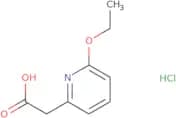
CAS:Versatile small molecule scaffoldFormula:C7H8N3NaO2Purity:Min. 95%Molecular weight:189.15 g/mol2-(6-Ethoxypyridin-2-yl)acetic acid hydrochloride
CAS:Versatile small molecule scaffold
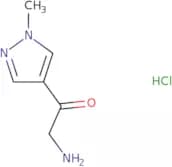
Formula:C9H12ClNO3Purity:Min. 95%Molecular weight:217.65 g/mol2-Amino-1-(1-methyl-1H-pyrazol-4-yl)ethan-1-one hydrochloride
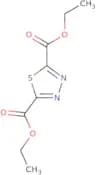
CAS:Versatile small molecule scaffoldFormula:C6H10ClN3OPurity:Min. 95%Molecular weight:175.61 g/mol2,5-Diethyl 1,3,4-thiadiazole-2,5-dicarboxylate
CAS:Versatile small molecule scaffoldFormula:C8H10N2O4SPurity:Min. 95%Molecular weight:230.2 g/molBenzyl[2-(2-methoxynaphthalen-1-yl)ethyl]amine hydrochloride
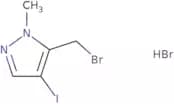
CAS:Controlled ProductVersatile small molecule scaffoldFormula:C20H22ClNOPurity:Min. 95%Molecular weight:327.8 g/mol5-(Bromomethyl)-4-iodo-1-methyl-1H-pyrazole hydrobromide
CAS:Versatile small molecule scaffold
Formula:C5H7Br2IN2Purity:Min. 95%Molecular weight:381.84 g/mol[(Adamantan-2-yl)methyl](benzyl)amine hydrochloride
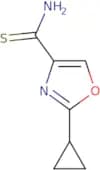
CAS:Versatile small molecule scaffoldFormula:C18H26ClNPurity:Min. 95%Molecular weight:291.9 g/mol2-Cyclopropyl-1,3-oxazole-4-carbothioamide
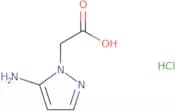
CAS:Versatile small molecule scaffoldFormula:C7H8N2OSPurity:Min. 95%Molecular weight:168.22 g/mol2-(5-Amino-1H-pyrazol-1-yl)acetic acid hydrochloride
CAS:Versatile small molecule scaffoldFormula:C5H8ClN3O2Purity:Min. 95%Molecular weight:177.59 g/mol4-[(3-Amino-3-cyclopropylpropanamido)methyl]benzoic acid hydrochloride
CAS:Versatile small molecule scaffoldFormula:C14H19ClN2O3Purity:Min. 95%Molecular weight:298.8 g/mol1-[4-Hydroxy-5-methyl-1-(propan-2-yl)-1H-pyrazol-3-yl]ethan-1-one
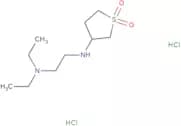
CAS:Versatile small molecule scaffoldFormula:C9H14N2O2Purity:Min. 95%Molecular weight:182.22 g/mol3-((2-(Diethylamino)ethyl)amino)tetrahydrothiophene 1,1-dioxide dihydrochloride
CAS:Versatile small molecule scaffold
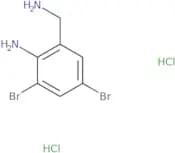
Formula:C10H24Cl2N2O2SPurity:Min. 95%Molecular weight:307.3 g/mol2-(Aminomethyl)-4,6-dibromoaniline dihydrochloride
CAS:Versatile small molecule scaffoldFormula:C7H10Br2Cl2N2Purity:Min. 95%Molecular weight:352.88 g/mol5-[(Methylamino)methyl]furan-2-carboxylic acid hydrochloride
CAS:Versatile small molecule scaffoldFormula:C7H10ClNO3Purity:Min. 95%Molecular weight:191.61 g/mol{5-Oxaspiro[3.5]nonan-6-yl}methanamine hydrochloride
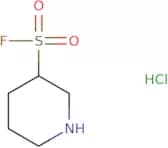
CAS:Versatile small molecule scaffoldFormula:C9H18ClNOPurity:Min. 95%Molecular weight:191.7 g/molPiperidine-3-sulfonyl fluoride hydrochloride
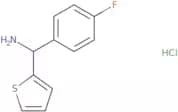
CAS:Versatile small molecule scaffoldFormula:C5H11ClFNO2SPurity:Min. 95%Molecular weight:203.66 g/mol(4-Fluorophenyl)(thiophen-2-yl)methanamine hydrochloride
CAS:Versatile small molecule scaffoldFormula:C11H11ClFNSPurity:Min. 95%Molecular weight:243.73 g/molEthyl 2-[(4Z)-3-ethoxyoxan-4-ylidene]acetate
CAS:Versatile small molecule scaffoldFormula:C11H18O4Purity:Min. 95%Molecular weight:214.3 g/mol(3Z)-3-(Methoxymethylidene)-1-methylpiperidine
CAS:Versatile small molecule scaffoldFormula:C8H15NOPurity:Min. 95%Molecular weight:141.21 g/mol3,4,5,6,7,8-Hexahydro-2H-1-benzopyran-5-one
CAS:Versatile small molecule scaffold
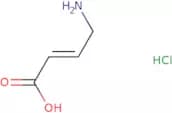
Formula:C9H12O2Purity:Min. 95%Molecular weight:152.2 g/mol4-Aminocrotonic Acid Hydrochloride
CAS:Versatile small molecule scaffoldFormula:C4H7NO2·HClPurity:Min. 95%Molecular weight:137.56 g/mol3,4-Dihydrospiro[1,4-benzoxazine-2,4'-oxane]
CAS:Versatile small molecule scaffoldFormula:C12H15NO2Purity:Min. 95%Molecular weight:205.25 g/mol2,2-Difluoro-3-hydroxypropanoic acid
CAS:Versatile small molecule scaffoldFormula:C3H4F2O3Purity:Min. 95%Molecular weight:126.06 g/mol3,6-Difluorobenzene-1,2-diamine
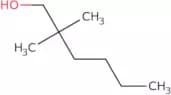
CAS:Versatile small molecule scaffoldFormula:C6H6F2N2Purity:Min. 95%Molecular weight:144.12 g/mol2,2-dimethylhexan-1-ol
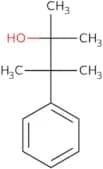
CAS:2,2-dimethylhexan-1-ol is a chemical compound that contains two methyl groups. It has been identified in the atmosphere and in the chromatographic fraction of recycled oils. It is also found in the isopropyl fraction as a result of incomplete alkylation. 2,2-Dimethylhexan-1-ol is used industrially to prepare covalent adducts with tosylates, which are used as reagents for chemical ionization (CI) spectrometry and electron capture detection (ECD). The kinetic energy of 2,2-dimethylhexan-1-ol molecules was measured by atomization velocity and linear regression analysis.Formula:C8H18OPurity:Min. 95%Molecular weight:130.23 g/mol2,3-Dimethyl-3-phenylbutan-2-ol
CAS:Versatile small molecule scaffold
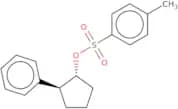
Formula:C12H18OPurity:Min. 95%Molecular weight:178.27 g/molrac-(1R,2S)-2-Phenylcyclopentyl 4-methylbenzene-1-sulfonate
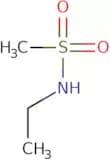
CAS:Versatile small molecule scaffoldFormula:C18H20O3SPurity:Min. 95%Molecular weight:316.4 g/molN-Ethylmethanesulfonamide
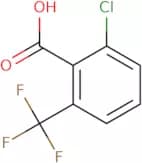
CAS:N-Ethylmethanesulfonamide is an aliphatic compound with a chemical structure containing a benzene ring and an amide group. It has analgesic properties and can be used in pharmaceutical preparations to treat pain. N-Ethylmethanesulfonamide is structurally similar to methadone, but it is not as potent. The drug binds to the opioid receptors in the brain and spinal cord, acting as a bifunctional agonist-antagonist. This binding leads to an increase in neurotransmitter release, which inhibits pain signal transmission. N-Ethylmethanesulfonamide was first synthesized by chemists at Eli Lilly and Company in 1947. The synthesis was based on research performed by scientists at the Mayo Clinic, who were trying to create medicines for animal use that had analgesic effects similar to morphine but were less addictive than morphine itself.Formula:C3H9NO2SPurity:Min. 95%Molecular weight:123.18 g/mol2-Chloro-6-(trifluoromethyl)benzoic acid
CAS:2-Chloro-6-(trifluoromethyl)benzoic acid is a plant growth regulator that inhibits the ethylene synthesis. It is used to stimulate plant growth, particularly in fruit trees and vines. 2-Chloro-6-(trifluoromethyl)benzoic acid binds to an enzyme called ACC synthase that is responsible for converting acetate into ethylene. This binding prevents the formation of ACC, resulting in lower levels of ethylene production.
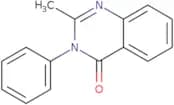
Formula:C8H4ClF3O2Purity:Min. 95%Molecular weight:224.56 g/mol2-Methyl-3-phenyl-3,4-dihydroquinazolin-4-one
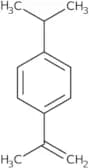
CAS:Controlled Product2-Methyl-3-phenyl-3,4-dihydroquinazolin-4-one is a synthetic compound that has been isolated from natural sources. It is an acetonitrile derivative of the quinazolinones, which are found in plants such as Acacia species and Moringa oleifera. 2-Methyl-3-phenyl-3,4-dihydroquinazolin-4-one has been synthesized using acetylation and ring opening methods. The synthesis of this compound can be achieved by reacting aldehydes with amines or alkylating an amine with carbon source. The reaction mechanism is initiated by the formation of an imine intermediate followed by the addition of a nucleophile to form a second intermediate that undergoes dehydration to produce the desired product. Aluminium powder is used for drying the crude product and removing water.Formula:C15H12N2OPurity:Min. 95%Molecular weight:236.27 g/mol1-(Prop-1-en-2-yl)-4-(propan-2-yl)benzene
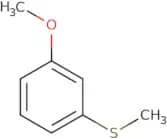
CAS:1-(Prop-1-en-2-yl)-4-(propan-2-yl)benzene is a trinitrate that is used in the polymerization of propylene. It has been shown to stabilize copolymers and bimodal polymers, as well as being able to react with different monomers. 1-(Prop-1-en-2-yl)-4-(propan-2-yl)benzene can be prepared by cationic polymerization of phenylpropionic acid, which is an enantiomer of 1-(prop-1-en-2-yl)-4-(propane -2,3,-diyldioxy)benzene. This drug also has magnetic resonance spectroscopy properties that allow it to be used as a postulated gel permeation chromatography termination agent.Formula:C12H16Purity:Min. 95%Molecular weight:160.25 g/mol3-Methoxythioanisole
CAS:3-Methoxythioanisole is a transfer catalyst that catalyzes the transfer of hydrogen peroxide from an alkali metal salt to an organic substrate. The reaction proceeds via a monoprotonated intermediate. 3-Methoxythioanisole can be used for the synthesis of esters, amides and nitriles. 3-Methoxythioanisole is also a hydrophilic catalyst and can be used in phase transfer catalysis. This compound is derived from the oxidation of thiophene by hydrogen peroxide, which produces a polyoxometalate as a byproduct. 3-Methoxythioanisole has been shown to be effective in catalyzing reactions between ammonium salts and phosphotungstate, yielding ammonium tungstate or hydroxylammonium tungstate as products.
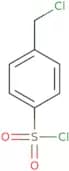
Formula:C8H10OSPurity:Min. 95%Molecular weight:154.23 g/mol4-(Chloromethyl)benzene-1-sulfonyl chloride
CAS:Versatile small molecule scaffoldFormula:C7H6Cl2O2SPurity:Min. 95%Molecular weight:225.09 g/mol4-(Aminomethyl)benzene-1-sulfonic acid
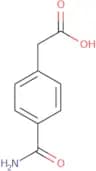
CAS:4-Aminomethylbenzenesulfonic acid is the most potent fluorescent probe for detecting the presence of proteins in cells. It is used as a model protein to study muscle cell biology and in analytical methods to detect protein residues. 4-Aminomethylbenzenesulfonic acid also has degenerative disease-relevant properties because it is reactive with dithionite and can be used as a synthetic amino acid for proteomic studies.Formula:C7H9NO3SPurity:Min. 95%Molecular weight:187.22 g/mol2-(4-Carbamoylphenyl)acetic acid
CAS:Versatile small molecule scaffoldFormula:C9H9NO3Purity:Min. 95%Molecular weight:179.17 g/mol1-Bromo-4-(heptafluoropropan-2-yl)benzene
CAS:Versatile small molecule scaffold
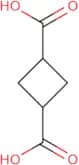
Formula:C9H4BrF7Purity:Min. 95%Molecular weight:325.02 g/molcis-cyclobutane-1,3-dicarboxylic acid
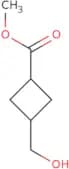
CAS:Cis-cyclobutane-1,3-dicarboxylic acid is a molecule that belongs to the class of cycloalkanes. It is an organic compound with the chemical formula CH2=C(CH3)2COOH. The chemical structure consists of a six-carbon ring in which one carbon atom is bonded to three other carbon atoms and two oxygen atoms. Cis-cyclobutane-1,3-dicarboxylic acid has been used as a starting material for organic synthesis, such as the conversion to malonic acid. This reaction system can be optimized by using techniques such as spectrometry analyses and sustainable methods.Formula:C6H8O4Purity:Min. 95%Molecular weight:144.13 g/molCis-methyl-3-(hydroxymethyl)cyclobutane-1-carboxylate
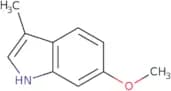
CAS:Versatile small molecule scaffoldFormula:C7H12O3Purity:Min. 95%Molecular weight:144.17 g/mol6-Methoxy-3-methyl-1H-indole
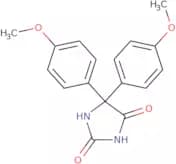
CAS:Versatile small molecule scaffoldFormula:C10H11NOPurity:Min. 95%Molecular weight:161.2 g/mol5,5-Bis(4-methoxyphenyl)imidazolidine-2,4-dione
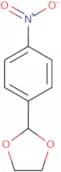
CAS:Versatile small molecule scaffoldFormula:C17H16N2O4Purity:Min. 95%Molecular weight:312.32 g/mol2-(4-Nitrophenyl)-1,3-dioxolane
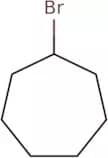
CAS:Versatile small molecule scaffoldFormula:C9H9NO4Purity:Min. 95%Molecular weight:195.17 g/molBromocycloheptane
CAS:Bromocycloheptane is a c6 alkyl that functions as an uptake inhibitor. It is used in the synthesis of other organic compounds, such as imidazole derivatives. Bromocycloheptane has been shown to inhibit uptake in the brain and consequently reduce infarctions in animal models of Alzheimer's disease. Bromocycloheptane inhibits uptake by blocking the function of the carrier protein, which carries neurotransmitters from synapses to axons and dendrites. Bromocycloheptane binds to magnesium ions, which are necessary for hydrolysis of ATP and therefore for uptake into cells. The magnesium ion is found in many enzymes involved in cellular processes, including those that produce ATP, so bromocycloheptane may interfere with cell function by interfering with these enzymes. This drug also blocks the production of lactam, a precursor molecule to GABA, which can be synthesized by glutamic acid decarboxyl
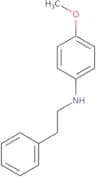
Formula:C7H13BrPurity:Min. 95%Molecular weight:177.09 g/mol4-Methoxy-N-(2-phenylethyl)aniline
CAS:Versatile small molecule scaffold
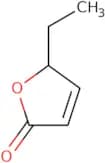
Formula:C15H17NOPurity:Min. 95%Molecular weight:227.3 g/mol5-Ethyl-2,5-dihydrofuran-2-one
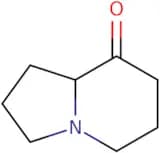
CAS:Versatile small molecule scaffoldFormula:C6H8O2Purity:Min. 95%Molecular weight:112.13 g/molOctahydroindolizin-8-one
CAS:Versatile small molecule scaffold
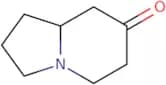
Formula:C8H13NOPurity:Min. 95%Molecular weight:139.19 g/molOctahydroindolizin-7-one
CAS:Octahydroindolizin-7-one is a heterocyclic compound that has been isolated from the fungus Ganoderma lucidum and the bacterium Streptomyces griseus. It has an enamine structure, which can be converted to an amine by reduction with lithium aluminum hydride. Octahydroindolizin-7-one has been shown to inhibit bacterial growth through the inhibition of protein synthesis.
Formula:C8H13NOPurity:Min. 95%Molecular weight:139.19 g/molN-[(4-Butoxy-3-methoxyphenyl)methylidene]hydroxylamine
CAS:Versatile small molecule scaffoldFormula:C12H17NO3Purity:Min. 95%Molecular weight:223.27 g/molN-Methyl-N-[2-(methylamino)ethyl]aniline
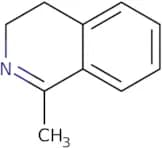
CAS:Versatile small molecule scaffoldFormula:C10H16N2Purity:Min. 95%Molecular weight:164.25 g/mol1-Methyl-3,4-dihydroisoquinoline
CAS:1-Methyl-3,4-dihydroisoquinoline is a chemical compound that is used in the synthesis of 1-methyl-3,4-dihydroisoquinoline N-oxide. 1,2-Dihydroisoquinolines are amine derivatives that are important for their physiological properties. The asymmetric synthesis of 1,2-dihydroisoquinolines is important for the development of new drugs and pharmaceuticals. This reaction scheme includes two steps: the first step involves the condensation of an imine with a catecholamine to form an imine; the second step involves cyclization of this imine to form a 1,2 dihydroisoquinoline. The use of additives such as sodium methoxide or dimethylsulfate can increase selectivity and yield by stabilizing one enantiomer over another. The products from this reaction are methylated with methyl iodide in the presence of potassium
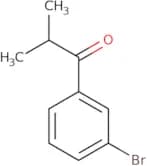
Formula:C10H11NPurity:Min. 95%Molecular weight:145.2 g/mol1-(3-Bromophenyl)-2-methylpropan-1-one
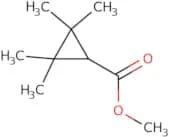
CAS:Versatile small molecule scaffoldFormula:C10H11BrOPurity:Min. 95%Molecular weight:227.1 g/molMethyl 2,2,3,3-tetramethylcyclopropane-1-carboxylate
CAS:Versatile small molecule scaffold
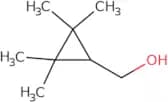
Formula:C9H16O2Purity:Min. 95%Molecular weight:156.22 g/mol(2,2,3,3-Tetramethylcyclopropyl)methanol
CAS:2,2,3,3-Tetramethylcyclopropyl)methanol is a reagent that is used in the synthesis of insecticides and in the preparation of other organic compounds. It is prepared by reacting phosphorus with chlorinating agents such as thionyl chloride or phosphoryl chloride. This chemical can also be synthesized from halogenated alkanes by catalytic chlorination. 2,2,3,3-Tetramethylcyclopropyl)methanol has been employed as a Grignard reagent and Wittig reaction catalyst.
Formula:C8H16OPurity:Min. 95%Molecular weight:128.21 g/mol1-Isopropyl-1H-benzo[d]imidazole-2-thiol
CAS:Versatile small molecule scaffold
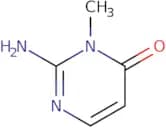
Formula:C10H12N2SPurity:Min. 95%Molecular weight:192.28 g/mol2-Amino-3-methyl-3,4-dihydropyrimidin-4-one
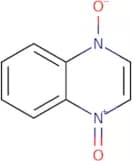
CAS:2-Amino-3-methyl-3,4-dihydropyrimidin-4-one is a compound that belongs to the group of imines. It can exist as two isomers: an enamine and a ketimine. The enamine of 2-amino-3,4-dihydropyrimidin-4-one has been found to be a transition state analogue for ammonolysis reactions. The ketimine form of this compound has been shown to have tautomeric properties that are analogous to those of acetaldehyde. Chemists use spectroscopy to study the magnetic properties, dichroism, and spectra of the compound in order to learn more about its structure and reactivity.Formula:C5H7N3OPurity:Min. 95%Molecular weight:125.13 g/molQuinoxaline-1,4-diium-1,4-bis(olate)
CAS:Quinoxaline-1,4-diium-1,4-bis(olate) is a genotoxic agent that has been shown to cause DNA damage and mutations. In vitro assays have shown that this substance is reactive with human serum in a photochemical reaction, which generates malonic acid and oxidative DNA. It also inhibits bacterial growth by binding to the bacterial 16S ribosomal RNA molecule, thereby inhibiting protein synthesis. This substance has been shown to be active against solid tumours in vivo. The structure of quinoxaline-1,4-diium-1,4-bis(olate) contains a chlorine atom at position 1 and 4 of the aromatic ring system. This chlorine atom can be displaced by an n-oxide group or reduced to form a quinone methide species. These reactions are thought to be responsible for the biological properties of this compound.
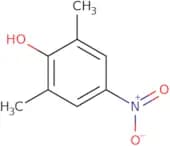
Formula:C8H6N2O2Purity:Min. 95%Molecular weight:162.15 g/mol2,6-Dimethyl-4-nitrophenol
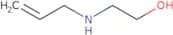
CAS:2,6-Dimethyl-4-nitrophenol is a chemical with the potential to inhibit anions. It has been shown to be active against some medicines and has been used as a reagent in chemical ionization. 2,6-Dimethyl-4-nitrophenol has been found in phosphoric acid solutions that were used to treat blood pressure problems. It also inhibits the production of human estrogen receptors by binding to them and preventing their activation. This inhibition can lead to changes in cellular function that are associated with cancer.Formula:C8H9NO3Purity:Min. 95%Molecular weight:167.16 g/mol2-(Allylamino)ethan-1-ol
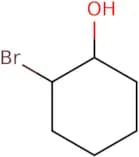
CAS:Versatile small molecule scaffoldFormula:C5H11NOPurity:Min. 95%Molecular weight:101.15 g/molrac-(1R,2R)-2-Bromocyclohexan-1-ol
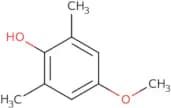
CAS:Racemic 2-bromocyclohexanol is a cyclopentyl compound that has been shown to have experimental and theoretical studies of conformational changes in the hydroxyl group cavity. Racemic 2-bromocyclohexanol has axial stereochemistry and its bromohydrins are alicyclic isomers with different conformations. The population of each conformer depends on the isotopic effects, which can be experimentally determined using molecular simulations.Formula:C6H11BrOPurity:Min. 95%Molecular weight:179.05 g/mol4-Methoxy-2,6-dimethylphenol
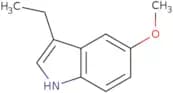
CAS:4-Methoxy-2,6-dimethylphenol is a phenolic compound that has been studied using magnetic resonance spectroscopy and other techniques. The compound can be found in a variety of plants, such as the leaves of the tea plant Camellia sinensis. It is used in some natural products for its antioxidant and antimicrobial properties. 4-Methoxy-2,6-dimethylphenol has been shown to have an effect on cell proliferation by inhibiting mitochondrial respiration and electron transport. This may lead to cancer prevention.Formula:C9H12O2Purity:Min. 95%Molecular weight:152.19 g/mol3-Ethyl-5-methoxy-1H-indole
CAS:Versatile small molecule scaffold
Formula:C11H13NOPurity:Min. 95%Molecular weight:175.23 g/mol6-Amino-1-[2-(diethylamino)ethyl]-1,2,3,4-tetrahydropyrimidine-2,4-dione
CAS:Versatile small molecule scaffold
Formula:C10H18N4O2Purity:Min. 95%Molecular weight:226.3 g/mol4-Phenyl-4H-1,2,4-triazol-3-amine
CAS:Versatile small molecule scaffoldFormula:C8H8N4Purity:Min. 95%Molecular weight:160.18 g/mol5-hydroxynaphthalene-1-carboxylic acid
CAS:5-Hydroxynaphthalene-1-carboxylic acid is a natural product that inhibits the growth of bacteria. It was first isolated from Streptomyces lividans, an actinobacterium, and was shown to be effective against gram positive and gram negative bacteria. 5-Hydroxynaphthalene-1-carboxylic acid has been used to study the molecular structure of benzene derivatives, including biphenyls, which are responsible for the degradation of polychlorinated biphenyls (PCBs). The skeleton structures found in 5-hydroxynaphthalene-1-carboxylic acid were determined to be monosubstituted by substituent effects. This natural product also has antiinflammatory properties.
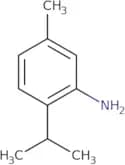
Formula:C11H8O3Purity:Min. 95%Molecular weight:188.18 g/mol2-Isopropyl-5-methylaniline
CAS:Versatile small molecule scaffoldFormula:C10H15NPurity:Min. 95%Molecular weight:149.23 g/mol2,3,5-Trimethylbenzoic acid
CAS:Versatile small molecule scaffoldFormula:C10H12O2Purity:Min. 95%Molecular weight:164.2 g/molcyclohexanesulfonamide
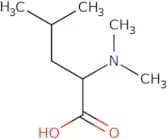
CAS:Cyclohexanesulfonamide is a synthetic high-potency sweetener that has been shown to have the same sweetness as sucrose in water. Cyclohexanesulfonamide can be used as a functional sweetener in foods and beverages. The compound has been shown to inhibit inflammation, which may be due to its ability to bind to the receptor for inflammatory mediators. Cyclohexanesulfonamide has also been shown to have antidepressant properties and may be useful for treating depression, hyperproliferative diseases, and other conditions involving inflammation.Formula:C6H13NO2SPurity:Min. 95%Molecular weight:163.23 g/mol(2S)-2-(Dimethylamino)-4-methylpentanoic acid
CAS:(2S)-2-(Dimethylamino)-4-methylpentanoic acid is a synthetic, stable isotope-labeled, fluorescent probe that is used in proteomics and analytical chemistry. The (2S)-2-(Dimethylamino)-4-methylpentanoic acid reacts with the amine groups of proteins and can be detected using UV-vis absorbance spectroscopy. This probe has been shown to be effective in the detection of cancer cells by measuring the concentration of protein markers such as triazine. This probe is metabolized by the body into 2-(dimethylamino)octanoic acid, which can be detected in urine samples.Formula:C8H17NO2Purity:Min. 95%Molecular weight:159.23 g/mol3-Methyl-2-phenylbutanal
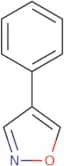
CAS:Versatile small molecule scaffoldFormula:C11H14OPurity:Min. 95%Molecular weight:162.23 g/mol4-Phenyl-1,2-oxazole
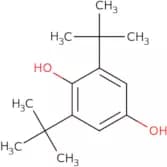
CAS:4-Phenyl-1,2-oxazole is a catalytic anion with a systematic name of 4-phenyl-1,2-dihydro-2H-1,2-oxazole. It belongs to the class of isoxazoles and has been shown to be used as antithrombotic agents in the process of coagulation. It has also been shown that this compound can be used for the synthesis of heterocycles. The kinetic reaction rate is dependent on the concentration of proton and carboxylic acid anions. This reaction is catalysed by metal ions such as copper and nickel. 4-Phenyl-1,2-oxazole has been synthesized from phenylacetic acid through a laborious process involving chlorination and oxidation reactions.Formula:C9H7NOPurity:Min. 95%Molecular weight:145.16 g/mol2,6-Di-tert-butylbenzene-1,4-diol
CAS:2,6-Di-tert-butylbenzene-1,4-diol is a phenoxy radical that can be used to study the kinetics of polymeric biomaterials. It has been used in manometric and kinetic studies of polymerization reactions. 2,6-Di-tert-butylbenzene-1,4-diol is an organic compound with a molecular weight of 170.2 g/mol and a chemical formula of C12H24O2. The compound is soluble in ethanol, ether and chloroform. Spectrophotometry has shown that 2,6-Di-tert-butylbenzene-1,4-diol absorbs light with wavelengths between 200 nm and 400 nm.
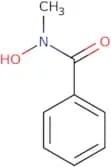
Formula:C14H22O2Purity:Min. 95%Color and Shape:PowderMolecular weight:222.32 g/molN-Hydroxy-N-methylbenzamide
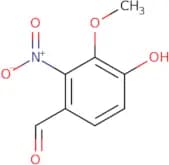
CAS:N-Hydroxy-N-methylbenzamide is an organic compound that contains a radical chain of alkyl substituents. It can react with amines to form N-hydroxy-N-methylbenzamide, which has been shown to inhibit the growth of bacteria. This amide can be synthesized by reacting benzoyl chloride with methanamine and hydroxylamine. The synthesis method is catalyzed by nitric acid, which also forms a ligand complex with the benzoate moiety. The ligand complex is chiral, and therefore the product can exist in two different forms: one containing an R configuration and the other containing an S configuration.Formula:C8H9NO2Purity:Min. 95%Molecular weight:151.16 g/mol4-hydroxy-3-methoxy-2-nitrobenzaldehyde
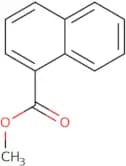
CAS:Versatile small molecule scaffoldFormula:C8H7NO5Purity:Min. 95%Molecular weight:197.1 g/molMethyl 1-Naphthoate
CAS:Methyl 1-naphthoate is an organic molecule that has been shown to inhibit the glycogen synthase kinase-3 (GSK-3), which is a protein involved in the progression of cancer. Methyl 1-naphthoate also inhibits other proteins, such as the mcl-1 protein, which is involved in cell death. This compound has been shown to have anti-inflammatory properties and may be used to treat inflammatory bowel disease or fatty acid oxidation disorders. Methyl 1-naphthoate can be synthesized in a solid catalyst and has been used as an optical sensor for carbonyl groups.Formula:C12H10O2Purity:Min. 95%Molecular weight:186.21 g/mol(S)-Benzyl 2-amino-4-methylpentanoate hydrochloride
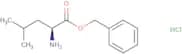
CAS:(S)-Benzyl 2-amino-4-methylpentanoate hydrochloride is a diastereomer of (R)-benzyl 2-amino-4-methylpentanoate hydrochloride. This compound is a ketoxime with the same reactivity as benzoyl peroxide, but it has been shown to be more efficient than benzoyl peroxide in catalytic oxidation reactions. It is also an antibiotic that inhibits the growth of bacteria by binding to DNA and RNA polymerases.Formula:C13H20ClNO2Purity:Min. 95%Molecular weight:257.76 g/molMethyl 9-Octadecenoate
CAS:Methyl 9-Octadecenoate is a fatty acid that belongs to the group of natural compounds. It has been identified as an antidiabetic compound and has shown anti-inflammatory properties. Methyl 9-Octadecenoate has been studied for its use in light-induced dry weight loss and process optimization. This chemical is also a reaction product of acetate extract, which can be used as biodiesel or for other purposes. The methyl ester of this fatty acid is methyl eicosanoate.Formula:C19H36O2Purity:Min. 95%Molecular weight:296.49 g/mol6-Methyl-2-(propan-2-yl)pyrimidine-4-thiol
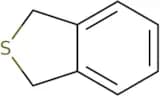
CAS:Versatile small molecule scaffoldFormula:C8H12N2SPurity:Min. 95%Molecular weight:168.26 g/mol1,3-Dihydro-2-benzothiophene
CAS:1,3-Dihydro-2-benzothiophene is a hydroxylated thiophene that binds to the benzothiazole receptor. It has been shown to inhibit the growth of cancer cells in vitro. 1,3-Dihydro-2-benzothiophene also has anti-inflammatory properties and is used to treat chronic bronchitis and inflammatory diseases such as Crohn's disease and ulcerative colitis. This drug may have some side effects, such as allergic reactions and low bioavailability. It can be toxic if taken by an infant or pregnant woman.Formula:C8H8SPurity:Min. 95%Molecular weight:136.22 g/mol2-Amino-5-tert-butylbenzoic acid
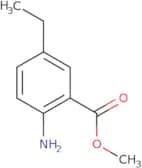
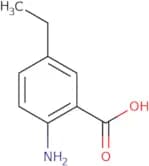
CAS:Versatile small molecule scaffoldFormula:C11H15NO2Purity:90%MinMolecular weight:193.24 g/molMethyl 2-amino-5-ethylbenzoate
CAS:Versatile small molecule scaffoldFormula:C10H13NO2Purity:Min. 95%Molecular weight:179.22 g/mol2-Amino-5-ethylbenzoic acid
CAS:2-Amino-5-ethylbenzoic acid (2A5EB) is a chalcone that has been shown to have antimicrobial and antitumor properties. 2A5EB inhibits the synthesis of proteins by binding to the ribosomal RNA, which prevents the production of proteins vital for cell division. 2A5EB also inhibits protein synthesis by binding to the ribosomal RNA in mammalian cells. 2A5EB has been shown to have anticancer activity against human cancer cell lines and has also been used as a lead compound in drug discovery programs.Formula:C9H11NO2Purity:Min. 95%Molecular weight:165.19 g/molDiheptylae hydrochloride
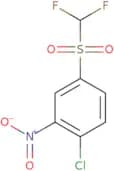
CAS:Versatile small molecule scaffoldFormula:C14H32ClNPurity:Min. 95%Molecular weight:249.86 g/mol1-Chloro-4-difluoromethanesulfonyl-2-nitrobenzene
CAS:Versatile small molecule scaffoldFormula:C7H4ClF2NO4SPurity:Min. 95%Molecular weight:271.63 g/mol5-Isocyanatobicyclo[2.2.1]hept-2-enes
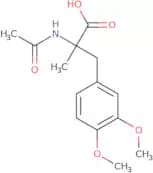
CAS:Versatile small molecule scaffoldFormula:C8H9NOPurity:Min. 95%Molecular weight:135.2 g/mol(2R)-3-(3,4-Dimethoxyphenyl)-2-acetamido-2-methylpropanoic acid
CAS:Versatile small molecule scaffold
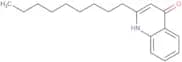
Formula:C14H19NO5Purity:Min. 95%Molecular weight:281.3 g/mol2-Nonylquinolin-4-ol
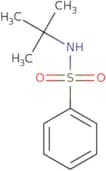
CAS:2-Nonylquinolin-4-ol is a molecule that binds to the human receptor and has a trajectory. It has been shown to be a potent antimicrobial agent against bacteria, fungi, and viruses. The lysing of cells in vitro is an indication of the cytotoxicity of 2-nonylquinolin-4-ol. This molecule is also known for its ability to inhibit HIV infection by binding to CD4 receptors. This compound has an n-oxide group, which is formed from the reaction of oxygen with a hydroxyl group on the C2 position of the quinoline ring. 2-Nonylquinolin-4-ol can be found in chemical structures such as polymers and dyes.Formula:C18H25NOPurity:Min. 95%Molecular weight:271.4 g/molN-Tert-butylbenzenesulfonamide
CAS:N-Tert-butylbenzenesulfonamide is a sulfonamide that reacts with an azide to form a five-membered ring. This reaction is known as the aziridination reaction. N-Tert-butylbenzenesulfonamide is insoluble in water and has a molecular weight of 200 g/mol. It is used in polymerase chain reactions, which are experiments where the enzyme DNA polymerase replicates the DNA molecule by adding nucleotides to each end of the strand. N-Tert-butylbenzenesulfonamide has been shown to inhibit RNA polymerase activity and cellular growth in vitro. This agent also inhibits protein synthesis by interfering with the binding of tRNA molecules to ribosomes, preventing amino acids from being incorporated into proteins.
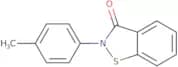
Formula:C10H15NO2SPurity:Min. 95%Molecular weight:213.3 g/mol2-(4-methylphenyl)-1,2-benzisothiazol-3(2H)-one
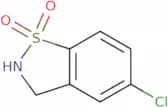
CAS:2-(4-methylphenyl)-1,2-benzisothiazol-3(2H)-one (BMS) is a chemical compound that has been shown to have inhibitory properties against infectious diseases. BMS is an analog of ethylene diamine and selenium compounds, which are known for their inhibitory effects against bowel disease. It has been found to be effective against subcutaneous tumors in mice. In addition, it has been shown to have a beneficial effect on inflammatory bowel disease in mouse models and skin cancer in rats. BMS also inhibits the proliferation of granulosa cells and K562 cells by inhibiting cell signaling pathways.Formula:C14H11NOSPurity:Min. 95%Molecular weight:241.31 g/mol5-Chloro-2,3-dihydro-1,2-benzisothiazole 1,1-dioxide
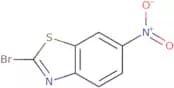
CAS:Versatile small molecule scaffoldFormula:C7H6ClNO2SPurity:Min. 95%Molecular weight:203.65 g/mol2-Bromo-6-nitro-1,3-benzothiazole
CAS:2-Bromo-6-nitro-1,3-benzothiazole is a synthetic compound that is used in optical chemistry. It functions as a coupling agent and has been shown to be efficient in its use. 2-Bromo-6-nitro-1,3-benzothiazole also has magnetic properties, which can be useful for synthesizing polymers. This compound is an organic compound that belongs to the family of heterocycles and has redox properties, electrochemical properties, and structural properties. The synthesis of 2-bromo-6 nitrobenzothiazole involves the following steps:
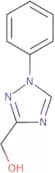
Formula:C7H3BrN2O2SPurity:Min. 95%Molecular weight:259.08 g/mol(1-Phenyl-1H-1,2,4-triazol-3-yl)methanol
CAS:Versatile small molecule scaffoldFormula:C9H9N3OPurity:Min. 95%Molecular weight:175.19 g/mol(R)-2-Acetamido-2-cyclopentylacetic acid
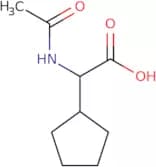
CAS:Versatile small molecule scaffold
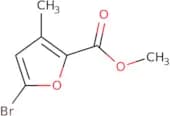
Formula:C9H15NO3Purity:Min. 95%Molecular weight:185.22 g/molMethyl 5-bromo-3-methylfuran-2-carboxylate
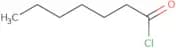
CAS:Methyl 5-bromo-3-methylfuran-2-carboxylate (MBM) is a metabolite that is synthesised from the sesquiterpenoid, furan. MBM is an efficient sponge for atmospheric bromine and has been shown to be an intermediate in the biosynthesis of acyclic compounds.Formula:C7H7BrO3Purity:Min. 95%Molecular weight:219.03 g/molHeptanoyl chloride
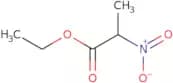
CAS:Heptanoyl chloride is an organic chemical compound that belongs to the group of acyl halides. It is a colorless gas that has a strong, unpleasant smell. Heptanoyl chloride reacts with hydrochloric acid and trifluoroacetic acid to form heptanoic acid and trifluoroacetone. The nucleophilic attack on the carbonyl carbon leads to formation of the corresponding alkyl halide. The reaction of heptanoyl chloride with nitro leads to formation of the corresponding nitroalkane. Heptanoyl chloride can be used in detergent compositions as a fatty acid or galacturonic acid substitute. It is also used in pharmaceutical preparations for the treatment of inflammatory diseases such as arthritis, asthma, and psoriasis.Formula:C7H13ClOPurity:Min. 95%Molecular weight:148.63 g/molEthyl 2-nitropropionate
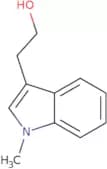
CAS:Ethyl 2-nitropropionate is an organic compound that is a monosubstituted nitroalkane. It is a colorless liquid with a characteristic odor. This compound has been used in the production of polyacrylamide, polyacrylic acid, and polyacrylonitrile resins. It is also used as a chemical intermediate in the production of quaternary ammonium salts or alkylating agents. Ethyl 2-nitropropionate is activated by chloride and reacts with amines to form nitrosamines. The nitro group on this compound can undergo nucleophilic attack by alcohols to form nitrate esters (e.g., ethyl 2-nitropentanoate).Formula:C5H9NO4Purity:Min. 95%Molecular weight:147.13 g/mol2-(1-Methyl-1H-indol-3-yl)-ethanol
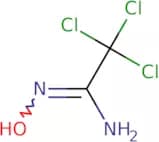
CAS:Controlled ProductVersatile small molecule scaffoldFormula:C11H13NOPurity:Min. 95%Molecular weight:175.23 g/mol2,2,2-Trichloro-N'-hydroxyethanimidamide
CAS:2,2,2-Trichloro-N'-hydroxyethanimidamide (TCEH) is a potent antibacterial agent that has been used in analytical chemistry as a reagent for the determination of anilines. It inhibits bacterial growth by binding to DNA and RNA. The profile of TCEH was determined by ultrasonication and found to be active against most Gram-positive bacteria, but inactive against Gram-negative bacteria. In addition, this drug was shown to be effective against oxadiazole-resistant strains of bacteria. The mechanism of TCEH is based on the reaction with an acyl halide to generate a reactive intermediate which attacks the nucleophilic center of the DNA molecule. This results in strand breakage and subsequent inhibition of bacterial growth. TCEH can be used as a substitute for other more toxic compounds such as mercury or arsenic compounds that are often used in chemical synthesis reactions.
Formula:C2H3Cl3N2OPurity:Min. 95%Molecular weight:177.41 g/mol2-Oxobicyclo[2.2.1]heptane-1-carboxylic acid
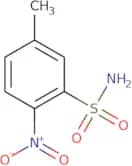
CAS:2-Oxobicyclo[2.2.1]heptane-1-carboxylic acid is an organic compound that belongs to the group of carboxylic acids. It can be synthesized by dehydration of formic acid with ethyl bromoacetate, followed by hydrolysis of the resulting 2-formylbicyclo[2.2.1]heptane-1-carboxylic acid with base. The compound can also be obtained by catalytic demercuration of oxymercuration products of tetrahydrofuran, and has been shown to have analogous reactions as methyl formate and acetone.Formula:C8H10O3Purity:Min. 95%Molecular weight:154.16 g/mol5-Methyl-2-nitrobenzene-1-sulfonamide
CAS:Versatile small molecule scaffoldFormula:C7H8N2O4SPurity:Min. 95%Molecular weight:216.22 g/mol1,2,3-Benzotriazine-4-thiol
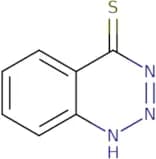
CAS:Versatile small molecule scaffold
Formula:C7H5N3SPurity:Min. 95%Molecular weight:163.2 g/mol
![5-[(4-Methylpiperazin-1-yl)methyl]thiophene-2-carboxylic acid dihydrochloride](/_next/image/?url=https%3A%2Fstatic.cymitquimica.com%2Fproducts%2F3D%2Fthumb-webp%2FBKD17822.webp&w=3840&q=75)

![Benzyl[2-(2-methoxynaphthalen-1-yl)ethyl]amine hydrochloride](/_next/image/?url=https%3A%2Fstatic.cymitquimica.com%2Fproducts%2F3D%2Fthumb-webp%2FBKD17836.webp&w=3840&q=75)
amine hydrochloride](/_next/image/?url=https%3A%2Fstatic.cymitquimica.com%2Fproducts%2F3D%2Fthumb-webp%2FBKD17842.webp&w=3840&q=75)
![4-[(3-Amino-3-cyclopropylpropanamido)methyl]benzoic acid hydrochloride](/_next/image/?url=https%3A%2Fstatic.cymitquimica.com%2Fproducts%2F3D%2Fthumb-webp%2FBKD17854.webp&w=3840&q=75)
![1-[4-Hydroxy-5-methyl-1-(propan-2-yl)-1H-pyrazol-3-yl]ethan-1-one](/_next/image/?url=https%3A%2Fstatic.cymitquimica.com%2Fproducts%2F3D%2Fthumb-webp%2FBKD17869.webp&w=3840&q=75)
![5-[(Methylamino)methyl]furan-2-carboxylic acid hydrochloride](/_next/image/?url=https%3A%2Fstatic.cymitquimica.com%2Fproducts%2F3D%2Fthumb-webp%2FBKD17890.webp&w=3840&q=75)
![{5-Oxaspiro[3.5]nonan-6-yl}methanamine hydrochloride](/_next/image/?url=https%3A%2Fstatic.cymitquimica.com%2Fproducts%2F3D%2Fthumb-webp%2FBKD17898.webp&w=3840&q=75)
![Ethyl 2-[(4Z)-3-ethoxyoxan-4-ylidene]acetate](/_next/image/?url=https%3A%2Fstatic.cymitquimica.com%2Fproducts%2F3D%2Fthumb-webp%2FBKD19020.webp&w=3840&q=75)

![3,4-Dihydrospiro[1,4-benzoxazine-2,4'-oxane]](/_next/image/?url=https%3A%2Fstatic.cymitquimica.com%2Fproducts%2F3D%2Fthumb-webp%2FBKD93575.webp&w=3840&q=75)




![N-[(4-Butoxy-3-methoxyphenyl)methylidene]hydroxylamine](/_next/image/?url=https%3A%2Fstatic.cymitquimica.com%2Fproducts%2F3D%2Fthumb-webp%2FCAA41134.webp&w=3840&q=75)
![N-Methyl-N-[2-(methylamino)ethyl]aniline](/_next/image/?url=https%3A%2Fstatic.cymitquimica.com%2Fproducts%2F3D%2Fthumb-webp%2FCAA41249.webp&w=3840&q=75)
![1-Isopropyl-1H-benzo[d]imidazole-2-thiol](/_next/image/?url=https%3A%2Fstatic.cymitquimica.com%2Fproducts%2F3D%2Fthumb-webp%2FCAA41665.webp&w=3840&q=75)
![6-Amino-1-[2-(diethylamino)ethyl]-1,2,3,4-tetrahydropyrimidine-2,4-dione](/_next/image/?url=https%3A%2Fstatic.cymitquimica.com%2Fproducts%2F3D%2Fthumb-webp%2FCAA43444.webp&w=3840&q=75)









![5-Isocyanatobicyclo[2.2.1]hept-2-enes](/_next/image/?url=https%3A%2Fstatic.cymitquimica.com%2Fproducts%2F3D%2Fthumb-webp%2FCAA49545.webp&w=3840&q=75)
![2-Oxobicyclo[2.2.1]heptane-1-carboxylic acid](/_next/image/?url=https%3A%2Fstatic.cymitquimica.com%2Fproducts%2F3D%2Fthumb-webp%2FCAA53470.webp&w=3840&q=75)