Building Blocks
Subcategories of "Building Blocks"
- Boronic Acids & Boronic Acid Derivatives(5,778 products)
- Chiral Building Blocks(1,243 products)
- Hydrocarbon Building Blocks(6,099 products)
- Organic Building Blocks(61,038 products)
Found 205375 products of "Building Blocks"
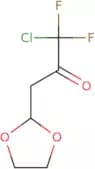
1-Chloro-3-(1,3-dioxolan-2-yl)-1,1-difluoropropan-2-one
CAS:Versatile small molecule scaffold
Formula:C6H7ClF2O3Purity:Min. 95%Molecular weight:200.57 g/molRef: 3D-WMB07899
Discontinued product5,5-Dimethylpyrrolidine-2-carboxylic acid hydrochloride
CAS:Versatile small molecule scaffold
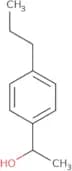
Formula:C7H14ClNO2Purity:Min. 95%Molecular weight:179.64 g/mol(1R)-1-(4-Propylphenyl)ethan-1-ol
CAS:Versatile small molecule scaffold
Formula:C11H16OPurity:Min. 95%Molecular weight:164.24 g/molRef: 3D-FEA36441
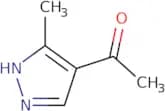
Discontinued product1-(5-Methyl-1H-Pyrazol-4-Yl)Ethanone
CAS:Phenylhydrazine is a white crystalline solid with a molecular weight of 150.25, and the molecular formula C6H5NHN. It is soluble in water, alcohol, ether and chloroform. Phenylhydrazine can react with an acid chloride to form a hydrazone; this reaction is used in the synthesis of some pharmaceuticals. The most common use of phenylhydrazine is as a precursor to various pharmaceuticals, such as antipyretics and anti-inflammatory agents. Phenylhydrazine reacts with zinc chloride to form 1-(5-methyl-1H-pyrazol-4-yl)ethanone.
Formula:C6H8N2OPurity:Min. 95%Molecular weight:124.14 g/molRef: 3D-FEA22404
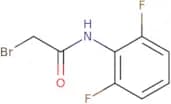
Discontinued product2-Bromo-N-(2,6-difluorophenyl)acetamide
CAS:Versatile small molecule scaffold
Formula:C8H6BrF2NOPurity:Min. 95%Molecular weight:250.04 g/mol1,8-Dioxa-4-azaspiro[4.5]decane
CAS:Versatile small molecule scaffold
Formula:C7H13NO2Purity:Min. 95%Molecular weight:143.18 g/molRef: 3D-XEA82412
Discontinued product5-(3H-Pyrazol-3-ylidene)-1,2,4-triazolidine-3-thione
CAS:Versatile small molecule scaffold
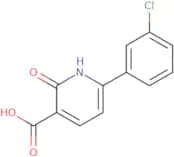
Formula:C5H5N5SPurity:Min. 95%Molecular weight:167.19 g/mol6-(3-Chlorophenyl)-2-oxo-1,2-dihydropyridine-3-carboxylic Acid
CAS:Versatile small molecule scaffoldFormula:C12H8ClNO3Purity:Min. 95%Molecular weight:249.65 g/molRef: 3D-XFA26919
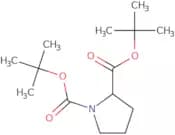
Discontinued product1,2-Di-tert-butyl pyrrolidine-1,2-dicarboxylate
CAS:Versatile small molecule scaffoldFormula:C14H25NO4Purity:Min. 95%Molecular weight:271.35 g/molRef: 3D-XNA18918
Discontinued product5-Fluoropyridine-3-sulfonamide
CAS:Versatile small molecule scaffold
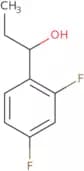
Formula:C5H5FN2O2SPurity:Min. 95%Molecular weight:176.17 g/mol1-(2,4-Difluorophenyl)propan-1-ol
CAS:Versatile small molecule scaffold
Formula:C9H10F2OPurity:Min. 95%Molecular weight:172.17 g/molRef: 3D-XZB99805
Discontinued product1-(2-Methylphenyl)propan-2-amine
CAS:Controlled Product1-(2-Methylphenyl)propan-2-amine is a fatty acid ester that is used as an excipient in pharmaceutical dosage forms. It is used to increase the viscosity of drug solutions and suspensions, and to provide a protective coating for tablets. 1-(2-Methylphenyl)propan-2-amine is insoluble in water, but soluble in organic solvents such as alcohols and acetone. It can be prepared by reacting a primary amine with a fatty acid chloride or anhydride. The compound has been shown to have high affinity for 5HT2A receptors in vitro, which may account for its psychoactive effects.
Formula:C10H15NPurity:Min. 95%Molecular weight:149.23 g/molRef: 3D-FAA58032
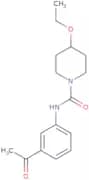
Discontinued productN-(3-Acetylphenyl)-4-ethoxypiperidine-1-carboxamide
CAS:Versatile small molecule scaffold
Formula:C16H22N2O3Purity:Min. 95%Molecular weight:290.36 g/molRef: 3D-ECC89688
Discontinued product2',3'-Dihydro-1'H-spiro[cyclopropane-1,4'-quinoline]
CAS:Versatile small molecule scaffold
Formula:C11H13NPurity:Min. 95%Molecular weight:159.23 g/molRef: 3D-ECC59829
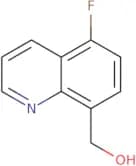
Discontinued product(5-Fluoroquinolin-8-yl)methanol
CAS:Versatile small molecule scaffold
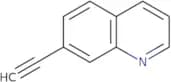
Formula:C10H8FNOPurity:Min. 95%Molecular weight:177.17 g/mol7-Ethynylquinoline
CAS:Versatile small molecule scaffold
Formula:C11H7NPurity:Min. 95%Molecular weight:153.18 g/molRef: 3D-DEA98780
Discontinued product3-(4-Ethylphenyl)butanoic acid
CAS:Versatile small molecule scaffold
Formula:C12H16O2Purity:Min. 95%Molecular weight:192.25 g/molRef: 3D-DCA08649
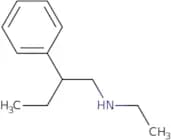
Discontinued productEthyl(2-phenylbutyl)amine
CAS:Controlled ProductVersatile small molecule scaffold
Formula:C12H19NPurity:Min. 95%Molecular weight:177.29 g/molRef: 3D-CRA92083
Discontinued productPB-22 3-carboxyindole metabolite solution
CAS:Controlled ProductPB-22 is a synthetic cannabinoid, which can be classified as a CB1 receptor agonist. It is one of the many cannabinoids that have been created in an attempt to circumvent drug laws by creating compounds that are similar to those found in cannabis but have different chemical structures. PB-22 has shown to increase locomotor activity and stimulate the cb1 receptor in mice. Magnetic resonance spectroscopy (MRS) and assays were used to determine the binding affinity of PB-22 for the CB1 receptor. The MRS data showed that PB-22 bound with high affinity to the CB1 receptor and had a lower affinity for CB2 receptors. This suggests that PB-22 may be more potent than other synthetic cannabinoids, such as JWH-018 and CP 55,940, which bind better with CB2 receptors than CB1 receptors.
PB-22 is an analog of JWH-073 and has been shown to have a stronger effect on locomotor activity than JWHFormula:C14H17NO2Purity:Min. 95%Molecular weight:231.29 g/mol[4-(2-Methoxyethoxy)phenyl]methanamine
CAS:Versatile small molecule scaffold
Formula:C10H15NO2Purity:Min. 95%Molecular weight:181.23 g/mol1-Benzothiophene-5-carbonitrile
CAS:1-Benzothiophene-5-carbonitrile is a heterocyclic compound that is formed by condensation of ethyl azidoacetate with indole under catalysis. It can be used in the synthesis of heterocycles. The yield of 1-benzothiophene-5-carbonitrile is about 56%.
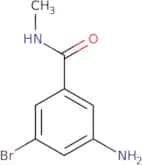
Formula:C9H5NSPurity:Min. 95%Molecular weight:159.21 g/mol3-Amino-5-bromo-N-methylbenzamide
CAS:Versatile small molecule scaffold
Formula:C8H9BrN2OPurity:Min. 95%Molecular weight:229.07 g/molRef: 3D-AFC06914
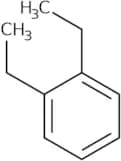
Discontinued product1,2-Diethylbenzene
CAS:1,2-Diethylbenzene is a trifluoroacetic acid derivative that is used as an acylation agent and a solid catalyst. 1,2-Diethylbenzene has been shown to increase the energy metabolism in cultured human cells. It also influences fatty acid synthesis and nmr spectra of plant families. 1,2-Diethylbenzene was found to be safe for use in sciatic nerve regeneration in Sprague-Dawley rats with axonopathy. This chemical can also be used as an analytical reagent for the separation of urine samples by liquid chromatography methods.
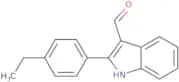
Formula:C10H14Purity:Min. 95%Molecular weight:134.22 g/mol2-(4-Ethylphenyl)-1H-indole-3-carbaldehyde
CAS:Versatile small molecule scaffoldFormula:C17H15NOPurity:Min. 95%Molecular weight:249.31 g/molRef: 3D-QYA39103
Discontinued product2-(2,4-Dimethylphenyl)-1H-indole-3-carbaldehyde
CAS:Versatile small molecule scaffoldFormula:C17H15NOPurity:Min. 95%Molecular weight:249.31 g/molRef: 3D-QYA39099
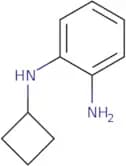
Discontinued productN1-Cyclobutylbenzene-1,2-diamine
CAS:Versatile small molecule scaffold
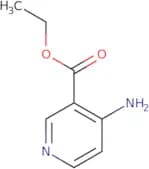
Formula:C10H14N2Purity:Min. 95%Molecular weight:162.23 g/molEthyl 4-aminonicotinate
CAS:Ethyl 4-aminonicotinate is a cyclic amine with a chemical formula of C6H11NO2. It has a molecular weight of 117.07 g/mol, and its molecular structure consists of an ethyl group attached to the amino group. The molecule has three resonance peaks in the infrared spectrum at 2,617cm-1 (ν(C=O)), 1,906cm-1 ((C=N)), and 1,723 cm-1 (ν(NH)). In addition to these peaks, the molecule also has two magnetic resonance peaks at 2.24ppm (δ) and 3.38ppm (δ). This compound is soluble in water and can be used as an intermediate in organic synthesis or pharmaceuticals.
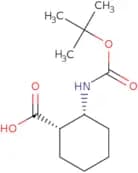
Formula:C8H10N2O2Purity:Min. 95%Molecular weight:166.18 g/mol(1S,2R)-Boc-2-aminocyclohexane carboxylic acid
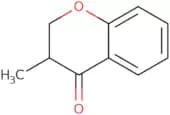
CAS:Versatile small molecule scaffoldFormula:C12H21NO4Purity:Min. 95%Molecular weight:243.3 g/mol3-Methyl-3,4-dihydro-2H-1-benzopyran-4-one
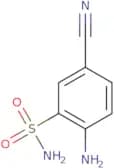
CAS:Versatile small molecule scaffoldFormula:C10H10O2Purity:Min. 95%Molecular weight:162.18 g/mol2-Amino-5-cyanobenzene-1-sulfonamide
CAS:Versatile small molecule scaffoldFormula:C7H7N3O2SPurity:Min. 95%Molecular weight:197.22 g/molRef: 3D-QJA13971
Discontinued product5-bromo-4-chloro-7-methyl-7H-pyrrolo[2,3-d]pyrimidine
CAS:Versatile small molecule scaffold
Formula:C7H5BrClN3Purity:Min. 95%Molecular weight:246.5 g/molRef: 3D-RAC34330
Discontinued productEthyl 5-bromo-1,2-oxazole-4-carboxylate
CAS:Versatile small molecule scaffold
Formula:C6H6BrNO3Purity:Min. 95%Molecular weight:220.02 g/molRef: 3D-QID58265
Discontinued product8-Fluoro-3-methyl-1,2,3,4-tetrahydroquinoline hydrochloride
CAS:Versatile small molecule scaffold
Formula:C10H13ClFNPurity:Min. 95%Molecular weight:201.67 g/molRef: 3D-PID25606
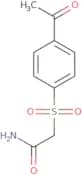
Discontinued product2-(4-Acetylbenzenesulfonyl)acetamide
CAS:Versatile small molecule scaffold
Formula:C10H11NO4SPurity:Min. 95%Molecular weight:241.27 g/molRef: 3D-RAC85436
Discontinued product2-(Pyrrolidin-3-yl)ethanol hydrochloride
CAS:Versatile small molecule scaffoldFormula:C6H13NO·HClPurity:Min. 95%Molecular weight:151.64 g/mol1-(3-Aminophenyl)imidazolidin-2-one
CAS:Versatile small molecule scaffold
Formula:C9H11N3OPurity:Min. 95%Molecular weight:177.21 g/molRef: 3D-NMB45914
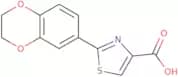
Discontinued product2-(2,3-Dihydro-1,4-benzodioxin-6-yl)-1,3-thiazole-4-carboxylic acid
CAS:Versatile small molecule scaffold
Formula:C12H9NO4SPurity:Min. 95%Molecular weight:263.27 g/molRef: 3D-NMB36346
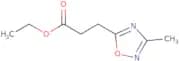
Discontinued productEthyl 3-(3-methyl-1,2,4-oxadiazol-5-yl)propanoate
CAS:Versatile small molecule scaffold
Formula:C8H12N2O3Purity:Min. 95%Molecular weight:184.19 g/molRef: 3D-NLC89698
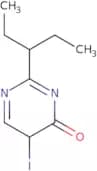
Discontinued product5-Iodo-2-(pentan-3-yl)-3,4-dihydropyrimidin-4-one
CAS:Versatile small molecule scaffold
Formula:C9H13IN2OPurity:Min. 95%Molecular weight:292.12 g/molRef: 3D-NLC80919
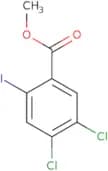
Discontinued productMethyl 4,5-dichloro-2-iodobenzoate
CAS:Versatile small molecule scaffold
Formula:C8H5Cl2IO2Purity:Min. 95%Molecular weight:330.93 g/molRef: 3D-NLC51621
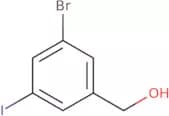
Discontinued product(3-bromo-5-iodophenyl)methanol
CAS:Versatile small molecule scaffold
Formula:C7H6BrIOPurity:Min. 95%Molecular weight:312.9 g/molRef: 3D-NHA81308
Discontinued productCyclopropyl[3-(trifluoromethoxy)phenyl]methanone
CAS:Versatile small molecule scaffold
Formula:C11H9F3O2Purity:Min. 95%Molecular weight:230.18 g/molRef: 3D-RDC06596
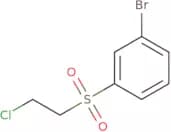
Discontinued product1-Bromo-3-(2-chloroethanesulfonyl)benzene
CAS:Versatile small molecule scaffold
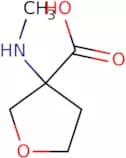
Formula:C8H8BrClO2SPurity:Min. 95%Molecular weight:283.57 g/mol3-(Methylamino)oxolane-3-carboxylic acid
CAS:Versatile small molecule scaffold
Formula:C6H11NO3Purity:Min. 95%Molecular weight:145.16 g/molRef: 3D-RDC12146
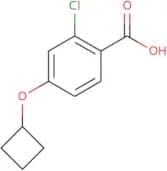
Discontinued product2-Chloro-4-cyclobutoxybenzoic acid
CAS:Versatile small molecule scaffoldFormula:C11H11ClO3Purity:Min. 95%Molecular weight:226.65 g/molRef: 3D-RDC28603
Discontinued product[1-(4-Aminophenyl)cyclopropyl]methanol hydrochloride
CAS:Versatile small molecule scaffoldFormula:C10H14ClNOPurity:Min. 95%Molecular weight:199.7 g/molRef: 3D-LUD67881
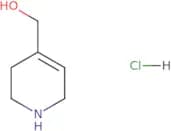
Discontinued product(1,2,3,6-Tetrahydropyridin-4-yl)methanol hydrochloride
CAS:Versatile small molecule scaffold
Formula:C6H12ClNOPurity:Min. 95%Molecular weight:149.6 g/molRef: 3D-LUD67665
Discontinued product3-(Aminomethyl)-2,2-difluoropentane hydrochloride
CAS:Versatile small molecule scaffoldFormula:C6H14ClF2NPurity:Min. 95%Molecular weight:173.6 g/molRef: 3D-LUD64101
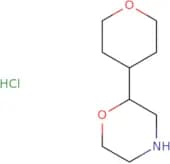
Discontinued product2-(Oxan-4-yl)morpholine hydrochloride
CAS:Versatile small molecule scaffold
Formula:C9H18ClNO2Purity:Min. 95%Molecular weight:207.7 g/molRef: 3D-LUD64089
Discontinued product3-(4-Aminopiperidin-1-yl)propanoic acid dihydrochloride
CAS:Versatile small molecule scaffold
Formula:C8H18Cl2N2O2Purity:Min. 95%Molecular weight:245.14 g/molRef: 3D-LIC70652
Discontinued product3-Bromo-5-chloro-1H-pyrrolo[2,3-b]pyridine
CAS:Versatile small molecule scaffoldFormula:C7H4BrClN2Purity:Min. 95%Molecular weight:231.48 g/molN-(Cyclohexylmethyl)-4-methylbenzene-1-sulfonamide
CAS:Versatile small molecule scaffold
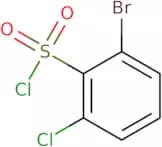
Formula:C14H21NO2SPurity:Min. 95%Molecular weight:267.39 g/mol2-Bromo-6-chlorobenzene-1-sulfonyl chloride
CAS:Versatile small molecule scaffoldFormula:C6H3BrCl2O2SPurity:Min. 95%Molecular weight:289.96 g/molRef: 3D-LAC87416
Discontinued product1-Oxoisoindoline-5-carbonitrile
CAS:Versatile small molecule scaffold
Formula:C9H6N2OPurity:Min. 95%Molecular weight:158.16 g/mol2-[1-(2,2-Difluoroethyl)piperidin-4-yl]acetic acid
CAS:Versatile small molecule scaffoldFormula:C9H15F2NO2Purity:Min. 95%Molecular weight:207.22 g/molRef: 3D-KWB24621
Discontinued productN-{1-[4-(Pyridin-3-ylmethoxy)phenyl]ethylidene}hydroxylamine
CAS:Versatile small molecule scaffold
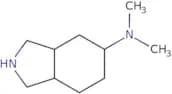
Formula:C14H14N2O2Purity:Min. 95%Molecular weight:242.27 g/molN,N-Dimethyl-octahydro-1H-isoindol-5-amine
CAS:Versatile small molecule scaffold
Formula:C10H20N2Purity:Min. 95%Molecular weight:168.28 g/molRef: 3D-KCD26889
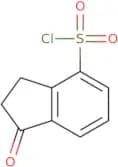
Discontinued product1-Oxo-2,3-dihydro-1H-indene-4-sulfonyl chloride
CAS:Versatile small molecule scaffold
Formula:C9H7ClO3SPurity:Min. 95%Molecular weight:230.67 g/molRef: 3D-KCD24773
Discontinued product4-[(Methylsulfanyl)methyl]benzoic acid
CAS:4-[(Methylsulfanyl)methyl]benzoic acid is a chiral compound with a sulfur atom. It can be prepared by the reaction between methylsulfonyl chloride and benzoyl chloride in chloroform or by the reaction of methoxysulfur trifluoride with benzoic acid. 4-[(Methylsulfanyl)methyl]benzoic acid can also be synthesized by the reaction of sulfone and carboxylic acid derivatives, such as benzyl or cyano. 4-[(Methylsulfanyl)methyl]benzoic acid is used as a fungicide, insecticide, and herbicide. The substituents on this molecule are able to form bonds with other molecules to create an array of different structures. The most common substitution is for methoxy, which has a hydroxy group attached to it. This substitution is found in many different types of molecules including some drugs, hormones, vitamins,
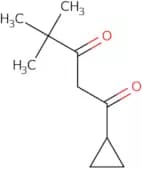
Formula:C9H10O2SPurity:Min. 95%Molecular weight:182.24 g/mol1-Cyclopropyl-4,4-dimethylpentane-1,3-dione
CAS:Versatile small molecule scaffold
Formula:C10H16O2Purity:Min. 95%Molecular weight:168.23 g/molRef: 3D-SCA07876
Discontinued product2-Amino-4-chloro-3-methoxybenzoic acid
CAS:Versatile small molecule scaffold
Formula:C8H8ClNO3Purity:Min. 95%Molecular weight:201.61 g/molRef: 3D-SCA30346
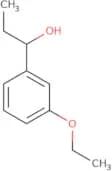
Discontinued product1-(3-Ethoxyphenyl)propan-1-ol
CAS:Versatile small molecule scaffold
Formula:C11H16O2Purity:Min. 95%Molecular weight:180.24 g/molRef: 3D-JLB56759
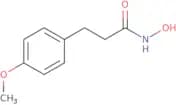
Discontinued productN-Hydroxy-3-(4-methoxyphenyl)propanamide
CAS:Versatile small molecule scaffold
Formula:C10H13NO3Purity:Min. 95%Molecular weight:195.21 g/mol5,6,7,8-Tetrahydroindolizine-1-carbonitrile
CAS:Versatile small molecule scaffold
Formula:C9H10N2Purity:Min. 95%Molecular weight:146.19 g/molRef: 3D-SCA42169
Discontinued product6-Chloro-3-methyl-[1,2,4]triazolo[3,4-a]-phthalazine
CAS:Versatile small molecule scaffold
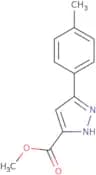
Formula:C10H7ClN4Purity:Min. 95%Molecular weight:218.65 g/molMethyl 3-p-tolyl-1H-pyrazole-5-carboxylate
CAS:Versatile small molecule scaffold
Formula:C12H12N2O2Purity:Min. 95%Molecular weight:216.24 g/mol2-Bromo-3,3,3-trifluoro-1-propene
CAS:Controlled Product2-Bromo-3,3,3-trifluoro-1-propene is a chemical compound that has been synthesized in an asymmetric reaction. The reactant is bromopropane and the product is 2,2,2-trifluoropropene. The methylene group on the propene molecule is activated by the nucleophilic attack of a fluoride ion from hydrogen fluoride to form a cavity with a highly strained bond. The kinetic study of this reaction revealed that the activation energy for the reaction is 42 kJ/mol. Palladium-catalyzed coupling reactions are catalyzed by palladium and require nonpolar solvents such as toluene or dichloromethane. This type of reaction has been shown to be exothermic with an isolated yield of 1%.
Formula:C3H2BrF3Purity:Min. 95%Color and Shape:Colorless PowderMolecular weight:174.95 g/mol8-Bromo-2-methylimidazo[1,2-a]pyridine
CAS:Versatile small molecule scaffold
Formula:C8H7N2BrPurity:Min. 95%Molecular weight:211.05 g/mol4,5-Dihydro-1H-imidazol-2-amine hydrochloride
CAS:Please enquire for more information about 4,5-Dihydro-1H-imidazol-2-amine hydrochloride including the price, delivery time and more detailed product information at the technical inquiry form on this page
Formula:C3H7N3•HClPurity:Min. 95%Molecular weight:121.57 g/molRef: 3D-FD183639
Discontinued product4-Chloro-2-hydroxy-6-methylphenylboronic acid
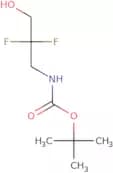
CAS:Versatile small molecule scaffoldFormula:C7H8BClO3Purity:Min. 95%Molecular weight:186.4 g/moltert-Butyl (2,2-difluoro-3-hydroxypropyl)carbamate
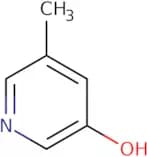
CAS:Versatile small molecule scaffoldFormula:C10H13NO4Purity:Min. 95%Molecular weight:211.21 g/mol3-Hydroxy-5-methylpyridine
CAS:3-Hydroxy-5-methylpyridine (3HMP) is a chemical substance that has been classified as an amine. It is a product of the metabolism of purines, which are nitrogenous bases found in DNA and RNA. 3HMP is produced by aerogenic bacteria (such as Enterobacter), and can be used to estimate the number of these bacteria present in water samples. 3HMP has been shown to have antiviral properties against influenza virus, and can be used as a biomarker for the presence of other viruses in animals. 3HMP also has mineralization properties, which have been studied extensively, particularly with regards to pancreatic disease.
Formula:C6H7NOPurity:Min. 95%Color and Shape:PowderMolecular weight:109.13 g/molRef: 3D-FH16174
Discontinued product1-Hydroxycyclopentane-1-carbonitrile
CAS:1-Hydroxycyclopentane-1-carbonitrile is a monomer that is hydrolyzed to form benzoin and cyanohydrins. It can be used in the production of scifinder as a monomer or dimerizer.
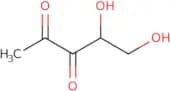
Formula:C6H9NOPurity:Min. 95%Molecular weight:111.14 g/mol4,5-Dihydroxy-2,3-Pentanedione
CAS:4,5-Dihydroxy-2,3-pentanedione is a carbonyl compound that is the product of the oxidation of ascorbic acid. It is used in wastewater treatment and has antimicrobial properties against infectious diseases. This compound has been shown to inhibit protein synthesis by binding to the ribosome and preventing the formation of peptide bonds between amino acids. 4,5-Dihydroxy-2,3-pentanedione has also been shown to bind to plasma proteins, which may be due to its acyl chain structure. 4,5-Dihydroxy-2,3-pentanedione can be synthesized in a catalytic mechanism that involves dehydroascorbic acid and molecular oxygen.
Formula:C5H8O4Purity:Min. 95%Color and Shape:PowderMolecular weight:132.11 g/molRef: 3D-FD180770
Discontinued productPiperyline
CAS:Piperyline is an alkanoic acid that has shown to be effective against skin cancer. It also has antimicrobial properties, which may be due to its ability to bind metal ions and form polymeric compounds. Piperyline inhibits microbial growth by inhibiting the synthesis of proteins and nucleic acids. The antimicrobial activity is related to its cationic polymerization with hydroxyl groups, which forms a structure that can inhibit microbial enzymes and disrupt microbial cell membranes. This compound also interacts with the skin's natural lipids, making it difficult for microorganisms to attach and grow on the skin. Piperyline is synthesized in organic chemistry laboratories as an amide precursor of other pharmaceuticals such as penicillin.
Formula:C16H17NO3Purity:Min. 95%Molecular weight:271.31 g/mol


![1,8-Dioxa-4-azaspiro[4.5]decane](/_next/image/?url=https%3A%2Fstatic.cymitquimica.com%2Fproducts%2F3D%2Fthumb-webp%2FXEA82412.webp&w=3840&q=75)



![2',3'-Dihydro-1'H-spiro[cyclopropane-1,4'-quinoline]](/_next/image/?url=https%3A%2Fstatic.cymitquimica.com%2Fproducts%2F3D%2Fthumb-webp%2FECC59829.webp&w=3840&q=75)


![[4-(2-Methoxyethoxy)phenyl]methanamine](/_next/image/?url=https%3A%2Fstatic.cymitquimica.com%2Fproducts%2F3D%2Fthumb-webp%2FCEA19620.webp&w=3840&q=75)


![5-bromo-4-chloro-7-methyl-7H-pyrrolo[2,3-d]pyrimidine](/_next/image/?url=https%3A%2Fstatic.cymitquimica.com%2Fproducts%2F3D%2Fthumb-webp%2FRAC34330.webp&w=3840&q=75)



![Cyclopropyl[3-(trifluoromethoxy)phenyl]methanone](/_next/image/?url=https%3A%2Fstatic.cymitquimica.com%2Fproducts%2F3D%2Fthumb-webp%2FRDC06596.webp&w=3840&q=75)
![[1-(4-Aminophenyl)cyclopropyl]methanol hydrochloride](/_next/image/?url=https%3A%2Fstatic.cymitquimica.com%2Fproducts%2F3D%2Fthumb-webp%2FLUD67881.webp&w=3840&q=75)


![3-Bromo-5-chloro-1H-pyrrolo[2,3-b]pyridine](/_next/image/?url=https%3A%2Fstatic.cymitquimica.com%2Fproducts%2F3D%2Fthumb-webp%2FRJB54609.webp&w=3840&q=75)


![2-[1-(2,2-Difluoroethyl)piperidin-4-yl]acetic acid](/_next/image/?url=https%3A%2Fstatic.cymitquimica.com%2Fproducts%2F3D%2Fthumb-webp%2FKWB24621.webp&w=3840&q=75)
![N-{1-[4-(Pyridin-3-ylmethoxy)phenyl]ethylidene}hydroxylamine](/_next/image/?url=https%3A%2Fstatic.cymitquimica.com%2Fproducts%2F3D%2Fthumb-webp%2FRQB82630.webp&w=3840&q=75)
![4-[(Methylsulfanyl)methyl]benzoic acid](/_next/image/?url=https%3A%2Fstatic.cymitquimica.com%2Fproducts%2F3D%2Fthumb-webp%2FSCA00348.webp&w=3840&q=75)


![6-Chloro-3-methyl-[1,2,4]triazolo[3,4-a]-phthalazine](/_next/image/?url=https%3A%2Fstatic.cymitquimica.com%2Fproducts%2F3D%2Fthumb-webp%2FSCA45838.webp&w=3840&q=75)

![8-Bromo-2-methylimidazo[1,2-a]pyridine](/_next/image/?url=https%3A%2Fstatic.cymitquimica.com%2Fproducts%2F3D%2Fthumb-webp%2FUXB37475.webp&w=3840&q=75)