Building Blocks
Subcategories of "Building Blocks"
- Boronic Acids & Boronic Acid Derivatives(5,783 products)
- Chiral Building Blocks(1,242 products)
- Hydrocarbon Building Blocks(6,105 products)
- Organic Building Blocks(61,055 products)
Found 205383 products of "Building Blocks"
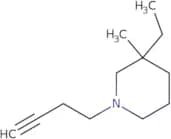
1-(But-3-yn-1-yl)-3-ethyl-3-methylpiperidine
CAS:Versatile small molecule scaffoldFormula:C12H21NPurity:Min. 95%Molecular weight:179.3 g/mol1-Phenyl-2-azaspiro[3.5]nonane
CAS:Versatile small molecule scaffoldFormula:C14H19NPurity:Min. 95%Molecular weight:201.31 g/mol3-(Methylsulfanyl)-1-(1,3-thiazolidin-3-yl)propan-1-one
CAS:Versatile small molecule scaffold
Formula:C7H13NOS2Purity:Min. 95%Molecular weight:191.3 g/mol2-[(Dimethyloxido-λ4-sulfanylidene)amino]-2-oxo-acetic acid
CAS:Versatile small molecule scaffold
Formula:C4H7NO4SPurity:Min. 95%Molecular weight:165.17 g/mol4-Amino-7,8-dihydropteridin-7-one
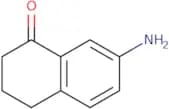
CAS:Versatile small molecule scaffoldFormula:C6H5N5OPurity:Min. 95%Molecular weight:163.14 g/mol7-amino-alpha-tetralone
CAS:Versatile small molecule scaffold
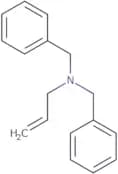
Formula:C10H11NOPurity:Min. 95%Molecular weight:161.2 g/molDibenzyl(prop-2-en-1-yl)amine
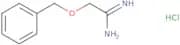
CAS:Dibenzyl(prop-2-en-1-yl)amine is an imidazole compound that can be prepared from the reaction of benzyl chloride with ammonia. It is a heterocyclic compound that contains a benzyl group and is used as an intermediate for the synthesis of other molecules. Dibenzyl(prop-2-en-1-yl)amine has been shown to have antiplatelet effects in vitro and may be useful in the treatment of thrombosis.Formula:C17H19NPurity:Min. 95%Molecular weight:237.34 g/mol2-(Benzyloxy)ethanimidamide hydrochloride
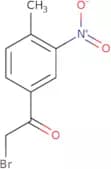
CAS:Versatile small molecule scaffoldFormula:C9H13ClN2OPurity:Min. 95%Molecular weight:200.66 g/mol2-Bromo-1-(3-nitro-4-methylphenyl)ethanone
CAS:Versatile small molecule scaffold
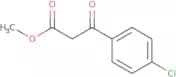
Formula:C9H8BrNO3Purity:Min. 95%Molecular weight:258.07 g/molMethyl (4-chlorobenzoyl)acetate
CAS:Methyl (4-chlorobenzoyl)acetate is a nonlinear optical material with hyperpolarizability. It has a fingerprint spectrum that can be used as an identification tool and it has been shown to have diffraction properties. This compound crystallizes in the orthorhombic crystal structure and its optical properties are determined by its interconnected molecular lattice. Methyl (4-chlorobenzoyl)acetate is used in the preparation of other compounds, such as methoxymethane, which can be used to synthesize pharmaceuticals such as acetaminophen.
Formula:C10H9ClO3Purity:Min. 95%Molecular weight:212.63 g/mol(R)-1-(thiophen-2-yl)ethanamine
CAS:Versatile small molecule scaffoldFormula:C6H9NSPurity:Min. 95%Molecular weight:127.21 g/mol4-(2-Hydroxyethoxy)benzaldehyde
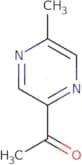
CAS:4-(2-Hydroxyethoxy)benzaldehyde is a growth factor that inhibits the synthesis of isonicotinic acid and erythromycin. It can be used to treat inflammatory diseases, such as arthritis, by inhibiting prostaglandin production. 4-(2-Hydroxyethoxy)benzaldehyde can be synthesized by the reaction of hydroxybenzaldehyde with 2-bromoethanol in the presence of hydrochloric acid or methyl ethyl chloride. The compound forms a deep purple solution when mixed with hydrochloric acid and turns yellow when treated with an aqueous solution of hydroxide ions. Azobenzene can form adducts with 4-(2-hydroxyethoxy)benzaldehyde, which are useful for studying the photochemical properties of this molecule.Formula:C9H10O3Purity:Min. 95%Molecular weight:166.18 g/mol1-(5-Methyl-pyrazin-2-yl)-ethanone
CAS:1-(5-Methyl-pyrazin-2-yl)-ethanone is an acidic compound that has been detected in the headspace of foods such as meat and fish. It is formed by the reaction of hexanal with fatty acids. 1-(5-Methyl-pyrazin-2-yl)-ethanone has been detected in various foods and beverages, including meat, fish, bakery products, and fruit juices. The detection of this compound can be done using a mass spectrometer or a gas chromatograph. This chemical is analysed by solid phase microextraction (SPME) and ionization detector (GC/MS). In some cases it can also be determined by spectrometric analysis.
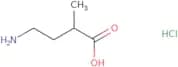
Formula:C7H8N2OPurity:Min. 95%Molecular weight:136.15 g/mol4-Amino-2-methylbutanoic acid hydrochloride
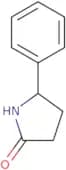
CAS:Versatile small molecule scaffoldFormula:C5H12ClNO2Purity:Min. 95%Molecular weight:153.61 g/mol5-Phenylpyrrolidin-2-one
CAS:5-Phenylpyrrolidin-2-one is a synthetic molecule that optimizes the catalysis of allylamines. This molecule has been shown to be a hydrolysis product of an amide and a carbonyl, and can be oxidized by sodium periodate to generate the allylamine. 5-Phenylpyrrolidin-2-one has also been found to catalyze the transfer of carbonyl groups from one molecule to another, which is useful for photocyclization reactions. This compound can also be used as an oxidant in allylamine reactions.Formula:C10H11NOPurity:Min. 95%Molecular weight:161.2 g/mol1-[(2-Nitrophenyl)sulfanyl]propan-2-one
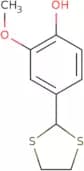
CAS:Versatile small molecule scaffoldFormula:C9H9NO3SPurity:Min. 95%Molecular weight:211.24 g/mol2-(4-Hydroxy-3-methoxyphenyl)-1,3-dithiolane
CAS:2-(4-Hydroxy-3-methoxyphenyl)-1,3-dithiolane is a metabolite of the drug product 2-[4-(hydroxymethyl)phenyl]-1,3-dithiolane. It is used as an analytical standard for drug development and in natural product research and development. The chemical properties of 2-(4-hydroxy-3-methoxyphenyl)-1,3-dithiolane are similar to those of its parent compound, but it has a smaller molecular weight. This compound has been found to be a substrate for CYP2C9 and CYP2C19 in vitro. Metabolism studies have shown that 2-(4-hydroxy-3-methoxyphenyl)-1,3-dithiolane is not converted to the parent compound or any other metabolites when incubated with human liver microsomes at 37°C.Formula:C10H12O2S2Purity:Min. 95%Molecular weight:228.3 g/mol2-Amino-5-phenoxybenzoic acid
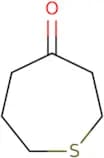
CAS:Versatile small molecule scaffoldFormula:C13H11NO3Purity:Min. 95%Molecular weight:229.23 g/molThiepan-4-one
CAS:Thiepan-4-one is an indole derivative that belongs to the group of unsymmetrical ketones. It is a heterocyclic compound that has been found to be an effective antibiotic against Gram-positive bacteria, such as Streptococcus pyogenes and Staphylococcus aureus. Thiepan-4-one has also shown activity against Mycobacterium tuberculosis and Mycobacterium avium complex.Formula:C6H10OSPurity:Min. 95%Molecular weight:130.21 g/mol1-[4-(Methoxymethyl)phenyl]ethan-1-one
CAS:Versatile small molecule scaffoldFormula:C10H12O2Purity:Min. 95%Molecular weight:164.2 g/mol(7-Aminoheptyl)dimethylamine
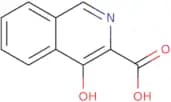
CAS:Versatile small molecule scaffoldFormula:C9H22N2Purity:Min. 95%Color and Shape:Clear LiquidMolecular weight:158.28 g/mol4-Hydroxyisoquinoline-3-carboxylic acid
CAS:Versatile small molecule scaffold
Formula:C10H7NO3Purity:Min. 95%Molecular weight:189.17 g/mol5-(1,2,3,4-Tetrahydroisoquinolin-2-ylmethyl)quinolin-8-ol
CAS:Versatile small molecule scaffoldFormula:C19H18N2OPurity:Min. 95%Molecular weight:290.4 g/molEthyl 4-methylheptanoate
CAS:Ethyl 4-methylheptanoate is a volatile compound that is used as a synthetic pheromone to control populations of Nicrophorus beetles. The compound is synthesized by the reaction of ethyl ester and heptanal, mediated by an organocuprate. It has been shown that this compound has a long-distance mediated effect on the population of Nicrophorus beetles. The phylogeny of this compound was determined using gas chromatography-mass spectrometry (GC-MS) analysis, which indicated that this compound is found in many species in the genus Ethyl 4-methylheptanoate. This substance also has fatty acid esters, which have been shown to have operational and behavioral effects on these beetles.Formula:C10H20O2Purity:Min. 95%Molecular weight:172.26 g/mol(2,2-Dibromocyclopropyl)methanol
CAS:Versatile small molecule scaffoldFormula:C4H6Br2OPurity:Min. 95%Molecular weight:229.9 g/mol2-[2-(4-Chlorophenyl)-1,3-oxazol-4-yl]acetic acid
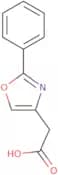
CAS:Versatile small molecule scaffoldFormula:C11H8ClNO3Purity:Min. 95%Molecular weight:237.64 g/mol2-(2-Phenyl-1,3-oxazol-4-yl)acetic acid
CAS:Versatile small molecule scaffoldFormula:C11H9NO3Purity:Min. 95%Molecular weight:203.19 g/mol2-[2-(4-Fluorophenyl)-1,3-oxazol-4-yl]acetonitrile
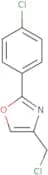
CAS:Versatile small molecule scaffoldFormula:C11H7FN2OPurity:Min. 95%Molecular weight:202.18 g/mol4-(Chloromethyl)-2-(4-chlorophenyl)-1,3-oxazole
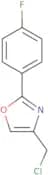
CAS:Versatile small molecule scaffoldFormula:C10H7Cl2NOPurity:Min. 95%Molecular weight:228.07 g/mol4-(chloromethyl)-2-(4-fluorophenyl)-1,3-oxazole
CAS:Versatile small molecule scaffoldFormula:C10H7ClFNOPurity:Min. 95%Molecular weight:211.62 g/mol4-(Chloromethyl)-2-[4-(trifluoromethyl)phenyl]-1,3-oxazole
CAS:Versatile small molecule scaffoldFormula:C11H7ClF3NOPurity:Min. 95%Molecular weight:261.63 g/mol2-[2-(4-Fluorophenyl)-1,3-oxazol-4-yl]acetic acid
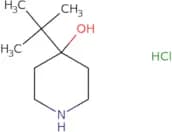
CAS:Versatile small molecule scaffoldFormula:C11H8FNO3Purity:Min. 95%Molecular weight:221.18 g/mol4-(tert-Butyl)piperidin-4-ol hydrochloride
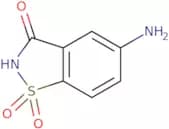
CAS:Versatile small molecule scaffoldFormula:C9H20ClNOPurity:Min. 95%Molecular weight:193.71 g/mol5-Amino-2,3-dihydro-1,2-benzothiazole-1,1,3-trione
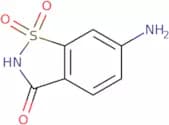
CAS:5-Amino-2,3-dihydro-1,2-benzothiazole-1,1,3-trione is a nitro compound that has been shown to have toxin and sweet taste activity. 5-Amino-2,3-dihydro-1,2-benzothiazole-1,1,3-trione is used in the analysis of sweeteners in food products. It is also used as an intermediate in the synthesis of other compounds. 5AMT has been shown to be mutagenic and cytotoxic in some assays.Formula:C7H6N2O3SPurity:Min. 95%Molecular weight:198.2 g/mol6-Amino-1,1-dioxo-1,2-benzothiazol-3-one
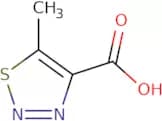
CAS:6-Amino-1,1-dioxo-1,2-benzothiazol-3-one (6ABT) is a diazo compound that has been used in the synthesis of bioconjugates. 6ABT is an intermediate for the preparation of monoclonal antibodies and as an inhibitor of carbonic anhydrase II. 6ABT has been shown to have anti-cancer properties by inhibiting proliferation and inducing apoptosis in human cancer cells. It also inhibits cell growth in human colon cancer cells and human breast cancer cells. 6ABT has been found to inhibit the diphenolase activity of beta-hexosaminidase and alpha-glucosidase, which are enzymes that break down proteins and carbohydrates respectively. This inhibition may lead to metabolic disorders such as diabetes mellitus type 2.Formula:C7H6N2O3SPurity:Min. 95%Color and Shape:PowderMolecular weight:198.19 g/mol5-Methyl-1,2,3-Thiadiazole-4-Carboxylic Acid
CAS:5-Methyl-1,2,3-thiadiazole-4-carboxylic acid is a carboxylic acid that is used as an adjuvant for agricultural purposes. It is used to increase the effectiveness of insecticides and acaricides. This material can be prepared by synthetic methods. 5-Methyl-1,2,3-thiadiazole-4-carboxylic acid is activated by carboxylic acids to form a reactive methyl ester. This activation increases the solubility and stability of this compound. 5MTT provides insecticidal activity with an attack on the insect's nervous system and prevents virus infection in plants by blocking viral replication.Formula:C4H4N2O2SPurity:Min. 95%Molecular weight:144.15 g/mol1,2,3-Benzothiadiazole-6-carboxylic acid
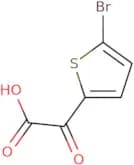
CAS:Versatile small molecule scaffoldFormula:C7H4N2O2SPurity:Min. 95%Color and Shape:PowderMolecular weight:180.19 g/mol2-(5-Bromothiophen-2-yl)-2-oxoacetic acid
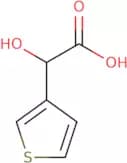
CAS:Versatile small molecule scaffoldFormula:C6H3BrO3SPurity:Min. 95%Molecular weight:235.06 g/mol2-Hydroxy-2-(thiophen-3-yl)acetic acid
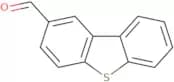
CAS:Versatile small molecule scaffoldFormula:C6H6O3SPurity:Min. 95%Molecular weight:158.18 g/molDibenzothiophene-2-carboxaldehyde
CAS:Dibenzothiophene-2-carboxaldehyde is a colorimetric, nucleophilic, and fluorescent compound. The fluorescence of this compound is activated by UV light and can be used to measure the concentration of other compounds with a high degree of sensitivity. This chemical is used in optical sensing devices such as fluorescent sensors or fluorophores. The fluorescence emission can be induced by an electron transfer reaction, which involves a nucleophilic attack on the carbonyl group. Dibenzothiophene-2-carboxaldehyde is also used in titrations and has low detection limits. It reacts with dmso solution to form a fluorescent sensor for monitoring reactions that require an intramolecular nucleophilic attack.Formula:C13H8OSPurity:Min. 95%Molecular weight:212.27 g/mol2-{[(5-Methylfuran-2-yl)methyl]amino}ethan-1-ol
CAS:Versatile small molecule scaffoldFormula:C8H13NO2Purity:Min. 95%Molecular weight:155.19 g/molBenzyl[3-(dimethylamino)propyl]amine dihydrochloride
CAS:Versatile small molecule scaffoldFormula:C12H22Cl2N2Purity:Min. 95%Molecular weight:265.22 g/mol2-(Propan-2-yl)but-3-ynoic acid
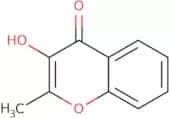
CAS:Versatile small molecule scaffoldFormula:C7H10O2Purity:Min. 95%Molecular weight:126.2 g/mol3-Hydroxy-2-methyl-4H-chromen-4-one
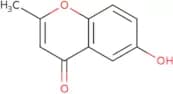
CAS:3-Hydroxy-2-methyl-4H-chromen-4-one is a synthetic compound that has been shown to have potential use as an anticancer agent. It was originally developed for the treatment of cancer, but clinical studies have been limited due to its poor solubility and toxicity. 3-Hydroxy-2-methyl-4H-chromen-4-one has antiangiogenic effects, which means it prevents the formation of new blood vessels that are necessary for tumor growth. This effect may be due to its ability to inhibit the production of substances that stimulate angiogenesis, such as erythropoietin and vascular endothelial growth factor (VEGF). In addition, 3HMMCT inhibits iron homeostasis by binding to ferric iron in the enterocyte lysosome and preventing its absorption from food. This leads to increased excretion of iron in feces and urine.Formula:C10H8O3Purity:Min. 95%Molecular weight:176.17 g/mol6-Hydroxy-2-methyl-4H-chromen-4-one
CAS:Protocetraric acid is a natural product that is found in the bark of Usnea longissima. It can be synthesized by diazotization and oxidation of protocetraric acid with nitrous acid, followed by hydrolysis. Protocetraric acid has been shown to have cytotoxic effects on murine cells and multidimensional structures. The structure of protocetraric acid is similar to that of chromones and flavones, which are also found in Usnea longissima. Protocetraric acid has been shown to inhibit the enzyme catalase, suggesting it may have anti-inflammatory properties.Formula:C10H8O3Purity:Min. 95%Molecular weight:176.17 g/molN-Methyl-N-phenylpyrrolidin-3-amine
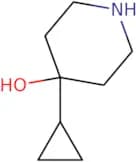
CAS:Versatile small molecule scaffoldFormula:C11H16N2Purity:Min. 95%Molecular weight:176.26 g/mol4-cyclopropylpiperidin-4-ol
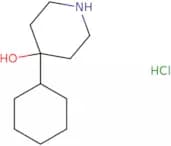
CAS:Versatile small molecule scaffoldFormula:C8H15NOPurity:Min. 95%Molecular weight:141.21 g/mol4-Cyclohexylpiperidin-4-ol hydrochloride
CAS:Versatile small molecule scaffoldFormula:C11H22ClNOPurity:Min. 95%Molecular weight:219.75 g/mol3,5,6-Trichloropicoline
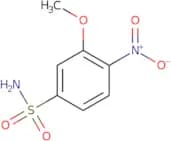
CAS:Versatile small molecule scaffoldFormula:C6H4Cl3NPurity:Min. 95%Molecular weight:196.46 g/mol3-Methoxy-4-nitrobenzene-1-sulfonamide
CAS:Versatile small molecule scaffold
Formula:C7H8N2O5SPurity:Min. 95%Molecular weight:232.22 g/mol2,3-Dimethylindoline
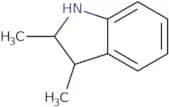
CAS:2,3-Dimethylindoline is a homologous compound that is used in the synthesis of medicines. It has been shown to have selectable properties for the production of Hygromycin B, which is a type of antibiotic. This compound also has the potential to enhance glyceraldehyde-3-phosphate dehydrogenase activity in genetically engineered E. coli strains with this enzyme as a reporter gene. 2,3-Dimethylindoline has been shown to be effective against subcutaneous tissue infections caused by Staphylococcus aureus.
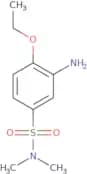
Formula:C10H13NPurity:Min. 95%Molecular weight:147.22 g/mol3-Amino-4-ethoxy-N,N-dimethylbenzene-1-sulfonamide
CAS:Versatile small molecule scaffold
Formula:C10H16N2O3SPurity:Min. 95%Molecular weight:244.31 g/mol2',3'A,4',5',6',7'-Hexahydrospiro[cyclohexane-1,3'-indazole]
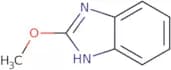
CAS:Versatile small molecule scaffoldFormula:C12H20N2Purity:Min. 95%Molecular weight:192.3 g/mol2-Methoxy-1H-1,3-benzodiazole
CAS:2-Methoxy-1H-1,3-benzodiazole is a small molecule that has been shown to inhibit the activity of the cyclic AMP response element binding protein. This drug can be used in the treatment of hepatitis C, although it is not effective against other viral infections. 2-Methoxy-1H-1,3-benzodiazole is an antihypertensive agent that has been used in clinical trials for the treatment of diabetic patients and patients with insulin resistance. The mechanism by which this drug exerts its effects on blood pressure is not clear. It may act by decreasing vascular resistance or by increasing cardiac output. 2-Methoxy-1H-1,3-benzodiazole also has anticancer activity and inhibits tumor growth in mice with brain infarction. This compound binds to fatty acids and hydroxyl groups to form a reactive intermediate that reacts with DNA bases to form covalent adduct
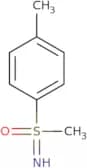
Formula:C8H8N2OPurity:Min. 95%Molecular weight:148.16 g/molS-Methyl-S-(4-methylphenyl)-sulfoximine
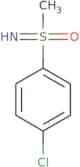
CAS:Versatile small molecule scaffoldFormula:C8H11NOSPurity:Min. 95%Molecular weight:169.25 g/molS-Methyl-S-(4-chlorophenyl) sulfoximine
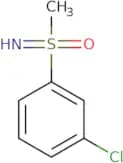
CAS:Versatile small molecule scaffoldFormula:C7H8ClNOSPurity:Min. 95%Molecular weight:189.67 g/molS-(3-Chlorophenyl)-S-methyl-sulfoximine
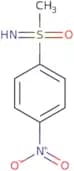
CAS:Versatile small molecule scaffoldFormula:C7H8ClNOSPurity:Min. 95%Molecular weight:189.66 g/molImino(methyl)(4-nitrophenyl)-λ6-sulfanone
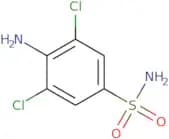
CAS:Versatile small molecule scaffoldFormula:C7H8N2O3SPurity:Min. 95%Molecular weight:200.22 g/mol3,5-Dichlorosulfanilamide
CAS:3,5-Dichlorosulfanilamide is a potent inhibitor of hydrogen peroxide anhydrase. It has been shown to outperform other sulfonamides in the inhibition of anhydrase activity. 3,5-Dichlorosulfanilamide inhibits the enzyme by forming a covalent adduct with the sulfonamide group and carbonic acid. This covalent adduct prevents the enzyme from binding to its substrate, thereby preventing catalysis. 3,5-Dichlorosulfanilamide also shows stereoselective inhibition of anhydrase enzymes. The synthesis of this drug can be efficiently achieved using a synthetic route that features high yields and short reaction times.Formula:C6H6Cl2N2O2SPurity:Min. 95%Molecular weight:241.09 g/mol(R)-2-Hydroxy-3,3-dimethylbutanoic acid
CAS:(R)-2-Hydroxy-3,3-dimethylbutanoic acid is an organic compound that is used as a hypochlorite. It is the stoichiometric reagent for the synthesis of hypochlorous acid and its salts. (R)-2-Hydroxy-3,3-dimethylbutanoic acid can be prepared by the reaction of sodium hypochlorite with chloral or chloroform in alkaline solution. This method yields a high yield of (R)-2-hydroxy-3,3-dimethylbutanoic acid. The optical purity of (R)-2-hydroxydimethylbutanoic acid can be increased by using palladium as a catalyst.Formula:C6H12O3Purity:Min. 95%Molecular weight:132.16 g/mol2-Acetamido-3,3-dimethylbutanoic acid
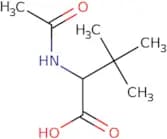
CAS:2-Acetamido-3,3-dimethylbutanoic acid (2ADMBA) is a lipase inhibitor that is structurally related to amides. It is a competitive inhibitor of the enzyme lipase, which catalyzes the hydrolysis of triglycerides. 2ADMBA has been shown to be an efficient and selective inhibitor of this enzyme in both laboratory and industrial tests. The efficacy of 2ADMBA as a lipase inhibitor has also been demonstrated in vivo. In vitro studies have shown that 2ADMBA inhibits the hydrolysis of amino acids, including phenylalanine, tyrosine, and tryptophan, with high potency and selectivity. Cleavage reactions catalyzed by 2ADMBA have also been studied extensively.
Formula:C8H15NO3Purity:Min. 95%Molecular weight:173.21 g/mol(2S)-2-Acetamido-3,3-dimethylbutanoic acid
CAS:Versatile small molecule scaffoldFormula:C8H15NO3Purity:Min. 95%Molecular weight:173.21 g/molMethyl 2-amino-3,3-dimethylbutanoate hydrochloride
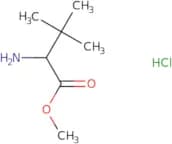
CAS:Versatile small molecule scaffold
Formula:C7H16ClNO2Purity:Min. 95%Molecular weight:181.66 g/mol(2S)-2-methyl-2,3-dihydro-1H-indole
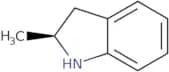
CAS:(2S)-2-methyl-2,3-dihydro-1H-indole is a synthetic antipsychotic drug. It is an atypical antipsychotic drug that has been shown to be effective in the treatment of schizophrenia. The antipsychotic efficacy of this compound may be due to its ability to bind with serotonin receptors and inhibit the reuptake of dopamine. (2S)-2-methyl-2,3-dihydro-1H-indole binds more selectively to dopamine D4 receptors than other dopamine receptors. This compound was synthesized by diazotation, followed by selective reduction with hexafluoroisopropanol, and then asymmetric synthesis with piperazine and d4 as reactants.
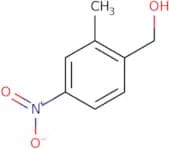
Formula:C9H11NPurity:Min. 95%Molecular weight:133.19 g/mol2-Methyl-4-nitrobenzyl alcohol
CAS:2-Methyl-4-nitrobenzyl alcohol is a toxin that mediates the transfer of electrons from an electron donor to an acceptor. It has been shown to be bioreductive and can be used for the synthesis of nitro compounds. 2-Methyl-4-nitrobenzyl alcohol is also used in the analysis of nitro substituent effects in carbamates and chloroformates. This compound has been shown to be stable under irradiation, which can be used for synthesizing 2-methyl-4-nitrobenzoic acid with high yield.
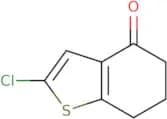
Formula:C8H9NO3Purity:Min. 95%Molecular weight:167.16 g/mol2-Chloro-4,5,6,7-tetrahydro-1-benzothiophen-4-one
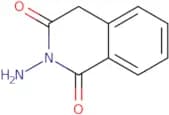
CAS:Versatile small molecule scaffoldFormula:C8H7ClOSPurity:Min. 95%Molecular weight:186.66 g/mol2-Amino-1,2,3,4-tetrahydroisoquinoline-1,3-dione
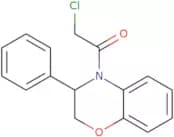
CAS:2-Amino-1,2,3,4-tetrahydroisoquinoline-1,3-dione is a compound that can be used in cell transplantation. It has been shown to have an effect on autoimmune diseases by stimulating the production of insulin. This drug also has a protective effect against pancreatic injury and diabetes. 2-Amino-1,2,3,4-tetrahydroisoquinoline-1,3-dione stimulates β cells and increases the number of langerhans cells found in the pancreas. It also increases glucose transport into cells and increases their ability to produce insulin. 2-Amino-1,2,3,4-tetrahydroisoquinoline-1,3-dione inhibits autoimmunity by suppressing the activity of T lymphocytes and natural killer cells. END>Formula:C9H8N2O2Purity:Min. 95%Molecular weight:176.17 g/mol2-Chloro-1-(3-phenyl-3,4-dihydro-2H-1,4-benzoxazin-4-yl)ethan-1-one
CAS:Versatile small molecule scaffold
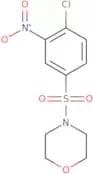
Formula:C16H14ClNO2Purity:Min. 95%Molecular weight:287.74 g/mol4-(4-Chloro-3-nitro-benzenesulfonyl)-morpholine
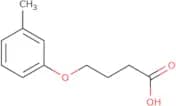
CAS:Versatile small molecule scaffoldFormula:C10H11ClN2O5SPurity:Min. 95%Molecular weight:306.73 g/mol4-(3-Methylphenoxy)butanoic acid
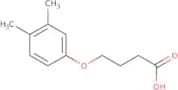
CAS:Controlled ProductVersatile small molecule scaffoldFormula:C11H14O3Purity:Min. 95%Molecular weight:194.23 g/mol4-(3,4-Dimethylphenoxy)butanoic acid
CAS:Controlled ProductVersatile small molecule scaffoldFormula:C12H16O3Purity:Min. 95%Molecular weight:208.25 g/mol(2,5-Dimethylphenyl)methanethiol
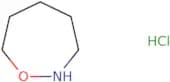
CAS:Versatile small molecule scaffoldFormula:C9H12SPurity:Min. 95%Molecular weight:152.26 g/mol1,2-Oxazepane hydrochloride
CAS:Versatile small molecule scaffoldFormula:C5H12ClNOPurity:Min. 95%Molecular weight:137.61 g/mol4-Amino-3-chloro-N-methylbenzenesulfonamide
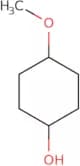
CAS:Versatile small molecule scaffoldFormula:C7H9ClN2O2SPurity:Min. 95%Molecular weight:220.68 g/moltrans-4-Methoxycyclohexanol
CAS:Trans-4-methoxycyclohexanol (TMC) is a cyclohexanol derivative that reacts with hydrogen peroxide to form a reactive intermediate. The reaction of the TMC molecule with hydrogen peroxide forms an unstable bond, which is then cleaved by a nucleophilic attack from water molecules. The reaction time for this process is shorter than that of other cyclohexanol derivatives. This product has been shown to be effective at breaking down organic acids such as acetic acid and formic acid.
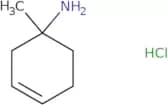
Formula:C7H14O2Purity:Min. 95%Molecular weight:130.18 g/mol1-Methylcyclohex-3-en-1-amine hydrochloride
CAS:Versatile small molecule scaffold
Formula:C7H14ClNPurity:Min. 95%Molecular weight:147.64 g/mol4-(Trifluoromethyl)bicyclo[2.2.2]octan-1-amine hydrochloride
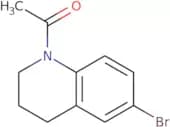
CAS:Versatile small molecule scaffoldFormula:C9H15ClF3NPurity:Min. 95%Molecular weight:229.67 g/mol1-(6-Bromo-3,4-dihydroquinolin-1(2H)-yl)ethanone
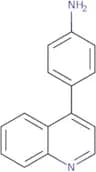
CAS:Versatile small molecule scaffoldFormula:C11H12BrNOPurity:Min. 95%Molecular weight:254.12 g/mol4-(Quinolin-4-yl)aniline
CAS:Versatile small molecule scaffold
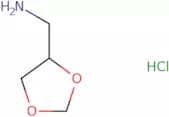
Formula:C15H12N2Purity:Min. 95%Molecular weight:220.27 g/mol(1,3-Dioxolan-4-yl)methanamine hydrochloride
CAS:Versatile small molecule scaffoldFormula:C4H10ClNO2Purity:Min. 95%Molecular weight:139.58 g/mol2-(Chloromethyl)-1,4-dioxaspiro[4.4]nonane
CAS:Versatile small molecule scaffoldFormula:C8H13ClO2Purity:Min. 95%Molecular weight:176.64 g/mol4-[(2-Aminopyrimidin-4-yl)amino]benzene-1-sulfonamide hydrochloride
CAS:Versatile small molecule scaffoldFormula:C10H12ClN5O2SPurity:Min. 95%Molecular weight:301.75 g/mol1,3-Dihydro-benzo[c]thiophene-5-sulfonamide 2,2-dioxide
CAS:Versatile small molecule scaffoldFormula:C8H9NO4S2Purity:Min. 95%Molecular weight:247.3 g/mol1-Ethoxy-1-[(3-methylpent-1-en-4-yn-3-yl)oxy]ethane
CAS:Versatile small molecule scaffoldFormula:C10H16O2Purity:Min. 95%Molecular weight:168.23 g/mol6-Bromo[1,2,5]thiadiazolo[3,4-b]pyridine
CAS:Versatile small molecule scaffold
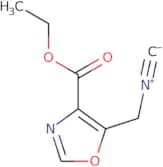
Formula:C5H2BrN3SPurity:Min. 95%Molecular weight:216.06 g/molEthyl 5-(isocyanomethyl)-1,3-oxazole-4-carboxylate
CAS:Versatile small molecule scaffoldFormula:C8H8N2O3Purity:Min. 95%Molecular weight:180.16 g/molEthyl 4-hydroxypent-2-ynoate
CAS:Versatile small molecule scaffold
Formula:C7H10O3Purity:Min. 95%Molecular weight:142.15 g/mol1-(4-Methylphenyl)-2-(pyridin-2-yl)ethan-1-one
CAS:Versatile small molecule scaffoldFormula:C14H13NOPurity:Min. 95%Molecular weight:211.26 g/molMethyl 5-(furan-2-yl)-1H-pyrrole-2-carboxylate
CAS:Versatile small molecule scaffoldFormula:C10H9NO3Purity:Min. 95%Molecular weight:191.18 g/mol5-(Furan-2-yl)-1H-pyrrole-2-carboxylic acid
CAS:Versatile small molecule scaffold
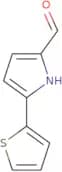
Formula:C9H7NO3Purity:Min. 95%Molecular weight:177.16 g/mol5-(Thiophen-2-yl)-1H-pyrrole-2-carbaldehyde
CAS:Versatile small molecule scaffold
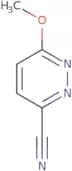
Formula:C9H7NOSPurity:Min. 95%Molecular weight:177.22 g/mol6-methoxypyridazine-3-carbonitrile
CAS:Versatile small molecule scaffoldFormula:C6H5N3OPurity:Min. 95%Molecular weight:135.12 g/mol2-Chloro-3,4-dimethylpyridine
CAS:Versatile small molecule scaffoldFormula:C7H8ClNPurity:Min. 95%Molecular weight:141.6 g/mol6-Chloro-2,3-dimethylpyridine
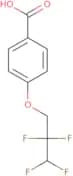
CAS:Versatile small molecule scaffoldFormula:C7H8ClNPurity:Min. 95%Molecular weight:141.6 g/mol4-(2,2,3,3-Tetrafluoropropoxy)benzoic acid
CAS:Versatile small molecule scaffoldFormula:C10H8F4O3Purity:Min. 95%Molecular weight:252.16 g/mol2-Amino-4-methoxybenzene-1-sulfonamide
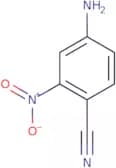
CAS:Versatile small molecule scaffoldFormula:C7H10N2O3SPurity:Min. 95%Molecular weight:202.23 g/mol4-Amino-2-nitrobenzonitrile
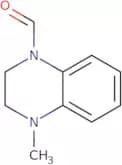
CAS:Versatile small molecule scaffoldFormula:C7H5N3O2Purity:Min. 95%Molecular weight:163.13 g/mol4-Methyl-3,4-dihydroquinoxaline-1(2H)-carbaldehyde
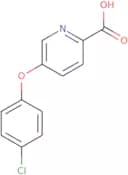
CAS:Versatile small molecule scaffoldFormula:C10H12N2OPurity:Min. 95%Molecular weight:176.21 g/mol5-(4-Chlorophenoxy)pyridine-2-carboxylic acid
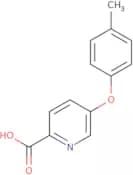
CAS:Versatile small molecule scaffoldFormula:C12H8ClNO3Purity:Min. 95%Molecular weight:249.65 g/mol5-(4-Methylphenoxy)pyridine-2-carboxylic acid
CAS:Versatile small molecule scaffoldFormula:C13H11NO3Purity:Min. 95%Molecular weight:229.23 g/mol

![1-Phenyl-2-azaspiro[3.5]nonane](/_next/image/?url=https%3A%2Fstatic.cymitquimica.com%2Fproducts%2F3D%2Fthumb-webp%2FWZC88941.webp&w=3840&q=75)

![2-[(Dimethyloxido-λ4-sulfanylidene)amino]-2-oxo-acetic acid](/_next/image/?url=https%3A%2Fstatic.cymitquimica.com%2Fproducts%2F3D%2Fthumb-webp%2FWZC99160.webp&w=3840&q=75)



![1-[(2-Nitrophenyl)sulfanyl]propan-2-one](/_next/image/?url=https%3A%2Fstatic.cymitquimica.com%2Fproducts%2F3D%2Fthumb-webp%2FXAA05728.webp&w=3840&q=75)

![1-[4-(Methoxymethyl)phenyl]ethan-1-one](/_next/image/?url=https%3A%2Fstatic.cymitquimica.com%2Fproducts%2F3D%2Fthumb-webp%2FXAA07250.webp&w=3840&q=75)



![2-[2-(4-Chlorophenyl)-1,3-oxazol-4-yl]acetic acid](/_next/image/?url=https%3A%2Fstatic.cymitquimica.com%2Fproducts%2F3D%2Fthumb-webp%2FXAA08688.webp&w=3840&q=75)
![2-[2-(4-Fluorophenyl)-1,3-oxazol-4-yl]acetonitrile](/_next/image/?url=https%3A%2Fstatic.cymitquimica.com%2Fproducts%2F3D%2Fthumb-webp%2FXAA08728.webp&w=3840&q=75)
![4-(Chloromethyl)-2-[4-(trifluoromethyl)phenyl]-1,3-oxazole](/_next/image/?url=https%3A%2Fstatic.cymitquimica.com%2Fproducts%2F3D%2Fthumb-webp%2FXAA09140.webp&w=3840&q=75)
![2-[2-(4-Fluorophenyl)-1,3-oxazol-4-yl]acetic acid](/_next/image/?url=https%3A%2Fstatic.cymitquimica.com%2Fproducts%2F3D%2Fthumb-webp%2FXAA09143.webp&w=3840&q=75)

![2-{[(5-Methylfuran-2-yl)methyl]amino}ethan-1-ol](/_next/image/?url=https%3A%2Fstatic.cymitquimica.com%2Fproducts%2F3D%2Fthumb-webp%2FXAA09962.webp&w=3840&q=75)
![Benzyl[3-(dimethylamino)propyl]amine dihydrochloride](/_next/image/?url=https%3A%2Fstatic.cymitquimica.com%2Fproducts%2F3D%2Fthumb-webp%2FXAA10229.webp&w=3840&q=75)


![2',3'A,4',5',6',7'-Hexahydrospiro[cyclohexane-1,3'-indazole]](/_next/image/?url=https%3A%2Fstatic.cymitquimica.com%2Fproducts%2F3D%2Fthumb-webp%2FXAA12296.webp&w=3840&q=75)




![4-(Trifluoromethyl)bicyclo[2.2.2]octan-1-amine hydrochloride](/_next/image/?url=https%3A%2Fstatic.cymitquimica.com%2Fproducts%2F3D%2Fthumb-webp%2FXAA18991.webp&w=3840&q=75)
![2-(Chloromethyl)-1,4-dioxaspiro[4.4]nonane](/_next/image/?url=https%3A%2Fstatic.cymitquimica.com%2Fproducts%2F3D%2Fthumb-webp%2FXAA19553.webp&w=3840&q=75)
![4-[(2-Aminopyrimidin-4-yl)amino]benzene-1-sulfonamide hydrochloride](/_next/image/?url=https%3A%2Fstatic.cymitquimica.com%2Fproducts%2F3D%2Fthumb-webp%2FXAA19993.webp&w=3840&q=75)
![1,3-Dihydro-benzo[c]thiophene-5-sulfonamide 2,2-dioxide](/_next/image/?url=https%3A%2Fstatic.cymitquimica.com%2Fproducts%2F3D%2Fthumb-webp%2FXCA00745.webp&w=3840&q=75)
![1-Ethoxy-1-[(3-methylpent-1-en-4-yn-3-yl)oxy]ethane](/_next/image/?url=https%3A%2Fstatic.cymitquimica.com%2Fproducts%2F3D%2Fthumb-webp%2FXCA00825.webp&w=3840&q=75)
![6-Bromo[1,2,5]thiadiazolo[3,4-b]pyridine](/_next/image/?url=https%3A%2Fstatic.cymitquimica.com%2Fproducts%2F3D%2Fthumb-webp%2FXCA02375.webp&w=3840&q=75)