Building Blocks
Subcategories of "Building Blocks"
- Boronic Acids & Boronic Acid Derivatives(5,784 products)
- Chiral Building Blocks(1,244 products)
- Hydrocarbon Building Blocks(6,105 products)
- Organic Building Blocks(61,070 products)
Found 205437 products of "Building Blocks"
4-Amino-1H-pyrazolo[3,4-d]pyrimidine-3-carbonitrile
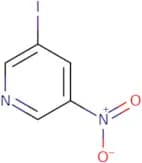
CAS:Versatile small molecule scaffoldFormula:C6H4N6Purity:Min. 95%Molecular weight:160.14 g/mol3-Iodo-5-nitropyridine
CAS:Versatile small molecule scaffold
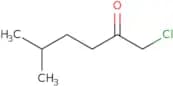
Formula:C5H3IN2O2Purity:Min. 95%Molecular weight:249.99 g/mol1-Chloro-5-methylhexan-2-one
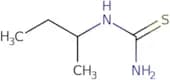
CAS:Versatile small molecule scaffoldFormula:C7H13ClOPurity:Min. 95%Molecular weight:148.63 g/mol(Butan-2-yl)thiourea
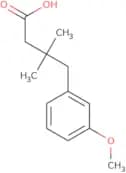
CAS:Versatile small molecule scaffoldFormula:C5H12N2SPurity:Min. 95%Molecular weight:132.23 g/mol4-(3-Methoxyphenyl)-3,3-dimethylbutanoic acid
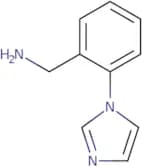
CAS:Versatile small molecule scaffoldFormula:C13H18O3Purity:Min. 95%Molecular weight:222.28 g/mol2-Imidazol-1-yl-benzylamine
CAS:Versatile small molecule scaffoldFormula:C10H11N3Purity:Min. 95%Molecular weight:173.22 g/mol1,4-Dioxa-8-azaspiro[4.5]decan-7-one
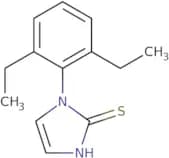
CAS:Versatile small molecule scaffoldFormula:C7H11NO3Purity:Min. 95%Molecular weight:157.17 g/mol1-(2,6-Diethylphenyl)-1H-imidazole-2-thiol
CAS:Versatile small molecule scaffold
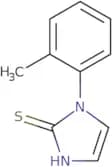
Formula:C13H16N2SPurity:Min. 95%Molecular weight:232.35 g/mol1-(2-methylphenyl)-1H-imidazole-2-thiol
CAS:Versatile small molecule scaffold
Formula:C10H10N2SPurity:Min. 95%Molecular weight:190.26 g/mol4,5,6,7-Tetrahydro-1H-1,2,3-benzotriazole
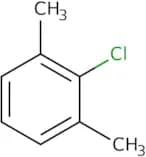
CAS:Versatile small molecule scaffoldFormula:C6H9N3Purity:Min. 95%Molecular weight:123.16 g/mol2-Chloro-m-xylene
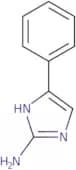
CAS:2-Chloro-m-xylene is a nucleophilic reagent that is used for the Suzuki coupling reaction. It reacts with amines to produce chloroalkyl amines and can be used as a cross-coupling agent for the synthesis of halides or palladium complexes. 2-Chloro-m-xylene has been shown to react with chloride ion to form an optimal reaction, which proceeds at low temperature, in the presence of copper chloride. The chlorine atom in this compound is very reactive and has a nucleophilic nature, which allows it to react with other molecules. This property makes 2-chloro-m-xylene an excellent reagent for the synthesis of organic compounds.Formula:C8H9ClPurity:Min. 95%Molecular weight:140.61 g/mol5-Phenyl-1H-imidazol-2-amine
CAS:5-Phenyl-1H-imidazol-2-amine is a marine alkaloid that has been shown to have antibacterial activity. It is active against both Gram-positive and Gram-negative bacteria, as well as fungi. 5-Phenyl-1H-imidazol-2-amine has also been shown to inhibit the growth of Escherichia coli and Staphylococcus aureus. This compound is not active against Sarcina lutea, Enterobacter cloacae, Pseudomonas aeruginosa, Proteus vulgaris, or Klebsiella pneumoniae.
Formula:C9H9N3Purity:Min. 95%Molecular weight:159.19 g/moltert-Butyl N-methyl-N-[(4-methylbenzenesulfonyl)oxy]carbamate
CAS:Versatile small molecule scaffold
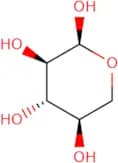
Formula:C13H19NO5SPurity:Min. 95%Molecular weight:301.36 g/molD-Xylopyranose
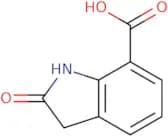
CAS:D-Xylopyranose is a sugar with the chemical formula C5H10O5. It is a potent antagonist of sweet taste, which may be due to its ability to bind to the sweet receptor on the tongue. D-Xylopyranose can also be used as an analytical reagent in analytical chemistry and has been shown to have anti-inflammatory properties. D-Xylopyranose can be hydrolyzed by acid or base into two molecules of l-arabinose and one molecule of water, and is composed of five carbon atoms, 10 hydrogen atoms, one oxygen atom, and one hydroxyl group. The structure of D-xylopyranose contains a terminal residue (e.g., l-arabinose) that can form glycosidic bonds with other sugars such as glucose or sucrose to form disaccharides such as maltose or sucrose.Formula:C5H10O5Purity:Min. 95%Molecular weight:150.13 g/mol2-oxo-Indoline-7-carboxylic acid
CAS:2-Oxo-indoline-7-carboxylic acid is an antiinflammatory agent that belongs to the class of hydrazines. It has been shown to have antiinflammatory activity in stepwise manner, which starts with a hydrazine group attacking the carbonyl group of a carboxylic acid and forming a new heterocyclic ring. 2-Oxo-indoline-7-carboxylic acid also has esterase inhibitory effect and can be used for the treatment of inflammatory diseases such as rheumatoid arthritis.
Formula:C9H7NO3Purity:Min. 95%Molecular weight:177.16 g/mol9-azabicyclo[3.3.1]nonane hcl
CAS:9-azabicyclo[3.3.1]nonane hcl is an aliphatic, alcohol oxidant that has radical mechanism and is mediated by hydroxylamine. It can be used in the oxidation of benzyl alcohol to benzaldehyde. This compound also has a catalytic effect on the oxidation of 5-hydroxytryptamine (5-HT) to 5-hydroxyindoleacetic acid (5-HIAA). The product may be used in pharmaceuticals, such as the treatment of depression or anxiety, as well as in oxidations involving aliphatic alcohols. The activation energy for this reaction is 32 kcal/mol at 25°C and atmospheric pressure.Formula:C8H16ClNPurity:Min. 95%Molecular weight:161.67 g/mol2-Methylquinoline-4-carbaldehyde
CAS:Versatile small molecule scaffold
Formula:C11H9NOPurity:Min. 95%Molecular weight:171.19 g/mol2-Bromoresorcinol
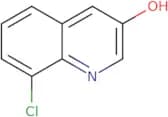
CAS:2-Bromoresorcinol is a carbonyl compound that has been shown to inhibit farnesyltransferase, an enzyme that mediates the transfer of farnesyl groups. The inhibition of this enzyme leads to a decrease in the production of lipids and other substances essential for cancer cell growth. 2-Bromoresorcinol also inhibits the production of furocoumarins by hydroxide solution, trifluoromethanesulfonic acid, and sodium hydroxide solution. This product can be used as a synthetic intermediate for the synthesis of drugs such as benzofuran derivatives.Formula:C6H5BrO2Purity:Min. 95%Molecular weight:189.01 g/mol8-chloroquinolin-3-ol
CAS:Versatile small molecule scaffoldFormula:C9H6ClNOPurity:Min. 95%Molecular weight:179.6 g/mol5-(Methoxycarbonyl)furan-2-carboxylic acid
CAS:5-(Methoxycarbonyl)furan-2-carboxylic acid is a chemical that can be used as a feedstock for the production of chemicals such as polymers, plastics, and pharmaceuticals. It can be synthesized using an oxidation process involving 5-methoxybenzoic acid as a substrate.Formula:C7H6O5Purity:Min. 95%Molecular weight:170.12 g/mol3,7,11-Trimethyldodecan-1-ol
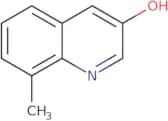
CAS:Versatile small molecule scaffoldFormula:C15H32OPurity:Min. 95%Molecular weight:228.41 g/mol8-Methylquinolin-3-ol
CAS:Versatile small molecule scaffoldFormula:C10H9NOPurity:Min. 95%Molecular weight:159.18 g/mol2-(1-Oxo-1,2,3,4-tetrahydronaphthalen-2-yl)acetic acid
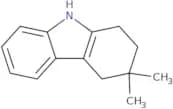
CAS:Versatile small molecule scaffoldFormula:C12H12O3Purity:Min. 95%Molecular weight:204.2 g/mol3,3-Dimethyl-2,3,4,9-tetrahydro-1H-carbazole
CAS:Versatile small molecule scaffold
Formula:C14H17NPurity:Min. 95%Molecular weight:199.29 g/molEthyl 1-Oxo-2,3-Dihydro-1H-Indene-2-Carboxylate
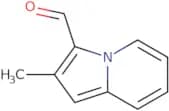
CAS:Ethyl 1-Oxo-2,3-dihydro-1H-indene-2-carboxylate is an organic compound which is an envisaged dicarbonyl. It is also a reagent in the synthesis of naphthoquinones and aldol condensation. It has been used as a tosylating agent and diazo transfer agent. The crystal structure of this compound was determined by XRD analysis.Formula:C12H12O3Purity:Min. 95%Molecular weight:204.22 g/mol2-Methyl-3-indolizinecarboxaldehyde
CAS:Versatile small molecule scaffoldFormula:C10H9NOPurity:Min. 95%Molecular weight:159.18 g/molMethyl 4-(2-oxopyrrolidin-1-yl)butanoate
CAS:Versatile small molecule scaffoldFormula:C9H15NO3Purity:Min. 95%Molecular weight:185.22 g/mol2-cyclopropyl-1-phenylethan-1-one
CAS:2-Cyclopropyl-1-phenylethan-1-one is a drug that has been used in the treatment of psychosis. It has been shown to have growth regulatory properties and to be able to inhibit the conversion of catecholamines and serotonin into their respective metabolites. 2-Cyclopropyl-1-phenylethan-1-one also decreases the level of dopamine, which can lead to symptoms such as psychosis. This drug is used for the treatment of hypofunction and may be effective in patients with Parkinson's disease who have low levels of dopamine in their brains. 2-Cyclopropyl-1-phenylethan-1-one has been shown to produce a number of hydrosilylation products when reacted with an alkene or alkyne substrate. These reactions are catalyzed by platinum complexes, which often undergo formylation, cyclization, or addition reactions during these processes. The 2-, 3-, 4-, 5-,
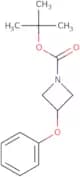
Formula:C11H12OPurity:Min. 95%Molecular weight:160.21 g/moltert-Butyl 3-phenoxyazetidine-1-carboxylate
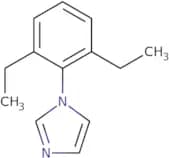
CAS:Tert-butyl 3-phenoxyazetidine-1-carboxylate is a boronate ester that can be used in the coupling of arylboronic acids. It reacts with aryl halides or triflates to form a new carbon-carbon bond. This reaction proceeds through the formation of an intermediate, phenoxyacetylene. The tertiary alcohol group on the tert-butyl 3-phenoxyazetidine-1-carboxylate molecule is then attacked by the carbonyl carbon atom on the phenoxyacetylene intermediate to form a new carbon-carbon bond. This reaction can be catalyzed with palladium and copper catalysis.Formula:C14H19NO3Purity:Min. 95%Molecular weight:249.3 g/mol1-(2,6-Diethylphenyl)-1H-imidazole
CAS:Versatile small molecule scaffoldFormula:C13H16N2Purity:Min. 95%Molecular weight:200.28 g/mol6-Bromo-4,5-dihydro-1H-benzo[b]azepin-2(3H)-one
CAS:Versatile small molecule scaffoldFormula:C10H10BrNOPurity:Min. 95%Molecular weight:240.1 g/molPyrazolo[3,2-c][1,2,4]triazin-4-ol
CAS:Versatile small molecule scaffoldFormula:C5H4N4OPurity:Min. 95%Molecular weight:136.11 g/mol3,3-Dimethyl-1-phenylbutan-2-one
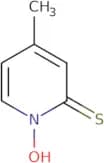
CAS:3,3-Dimethyl-1-phenylbutan-2-one is a ketone that can be prepared by the hydration of acetophenone with toluene. The yield for this reaction is about 56%. This ketone has been shown to undergo photochemical reactions in benzene and dioxane. These reactions are classified as triketones, which are characterized by their electron transfer properties. 3,3-Dimethyl-1-phenylbutan-2-one is also capable of undergoing vicinal dioxan transfer reactions with electron donors like phenols or nitro compounds.Formula:C12H16OPurity:Min. 95%Molecular weight:176.25 g/mol1-Hydroxy-4-methyl-1,2-dihydropyridine-2-thione
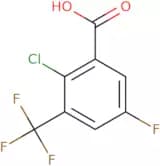
CAS:1-Hydroxy-4-methyl-1,2-dihydropyridine-2-thione is an insoluble compound that is soluble in acidic solutions. It is a white powder that can be found as sodium salts or ethylene acetyl derivatives. The yield of this compound ranges from 0.5 to 1.5%. The product has been shown to be an antibacterial agent and can also be used as a marker for the identification of bacterial colonies. This product reacts with metal ions such as copper and zinc to form coordination complexes. Thiourea is the ligand in these complexes, which are then susceptible to nucleophilic attack by strong bases such as NaOH or KOH.Formula:C6H7NOSPurity:Min. 95%Molecular weight:141.19 g/mol2-Chloro-5-fluoro-3-(trifluoromethyl)benzoic acid
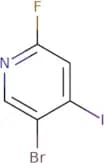
CAS:Versatile small molecule scaffoldFormula:C8H3ClF4O2Purity:Min. 95%Molecular weight:242.55 g/mol5-Bromo-2-fluoro-4-iodopyridine
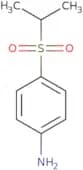
CAS:Versatile small molecule scaffoldFormula:C5H2BrFINPurity:Min. 95%Molecular weight:301.88 g/mol4-(Propane-2-sulfonyl)aniline
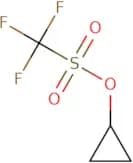
CAS:Versatile small molecule scaffoldFormula:C9H13NO2SPurity:Min. 95%Molecular weight:199.27 g/molCyclopropyl trifluoromethanesulfonate
CAS:Versatile small molecule scaffold
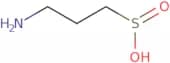
Formula:C4H5F3O3SPurity:Min. 95%Molecular weight:190.14 g/mol3-Aminopropane-1-sulfinic acid
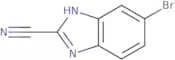
CAS:3-Aminopropane-1-sulfinic acid is a reactive molecule that is found in the body and has been shown to be reactive with pancreatic tissue. It has been shown to activate the enzyme hplc analysis, which hydrolyzes 3-aminopropane-1-sulfinic acid into its metabolites. The sulfonic acids have been found to have an inflammatory effect on the pancreas. This drug has been shown to be effective in treating a number of inflammatory diseases, such as rheumatoid arthritis and ulcerative colitis. 3-Aminopropane-1-sulfinic acid may also act as a regulatory or allosteric modulator by binding to an allosteric site on the enzyme β-cell and inhibiting insulin release.Formula:C3H9NO2SPurity:Min. 95%Molecular weight:123.18 g/mol5-Bromo-1H-1,3-benzodiazole-2-carbonitrile
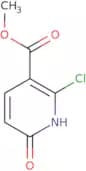
CAS:Versatile small molecule scaffoldFormula:C8H4BrN3Purity:Min. 95%Molecular weight:222.04 g/molMethyl 2-chloro-6-hydroxypyridine-3-carboxylate
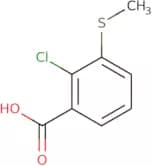
CAS:Versatile small molecule scaffoldFormula:C7H6ClNO3Purity:Min. 95%Molecular weight:187.58 g/mol2-Chloro-3-(methylsulfanyl)benzoic acid
CAS:Versatile small molecule scaffold
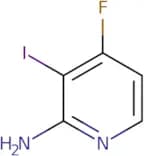
Formula:C8H7ClO2SPurity:Min. 95%Molecular weight:202.66 g/mol4-Fluoro-3-iodopyridin-2-amine
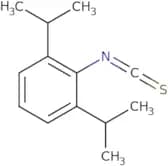
CAS:Versatile small molecule scaffoldFormula:C5H4FIN2Purity:Min. 95%Molecular weight:238 g/mol1,3-Diisopropyl-2-isothiocyanatobenzene
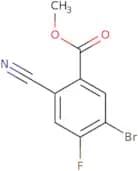
CAS:Versatile small molecule scaffoldFormula:C13H17NSPurity:Min. 95%Molecular weight:219.35 g/molMethyl 5-bromo-2-cyano-4-fluorobenzoate
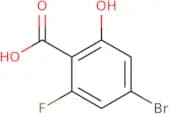
CAS:Versatile small molecule scaffoldFormula:C9H5BrFNO2Purity:Min. 95%Molecular weight:258.04 g/mol4-Bromo-2-fluoro-6-hydroxybenzoic acid
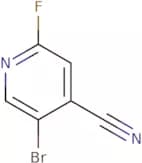
CAS:Versatile small molecule scaffoldFormula:C7H4BrFO3Purity:Min. 95%Molecular weight:235.01 g/mol5-Bromo-2-fluoroisonicotinonitrile
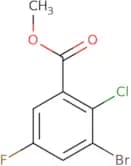
CAS:Versatile small molecule scaffoldFormula:C6H2BrFN2Purity:Min. 95%Molecular weight:201 g/molMethyl 3-bromo-2-chloro-5-fluorobenzoate
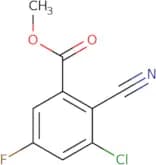
CAS:Versatile small molecule scaffoldFormula:C8H5BrClFO2Purity:Min. 95%Molecular weight:267.48 g/molMethyl 3-chloro-2-cyano-5-fluorobenzoate
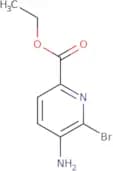
CAS:Versatile small molecule scaffoldFormula:C9H5ClFNO2Purity:Min. 95%Molecular weight:213.59 g/molEthyl 5-amino-6-bromopyridine-2-carboxylate
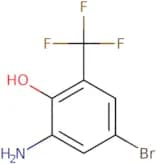
CAS:Versatile small molecule scaffoldFormula:C8H9BrN2O2Purity:Min. 95%Molecular weight:245.07 g/mol2-Amino-4-bromo-6-(trifluoromethyl)phenol
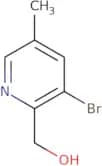
CAS:Versatile small molecule scaffoldFormula:C7H5BrF3NOPurity:Min. 95%Molecular weight:256.02 g/mol(3-Bromo-5-methylpyridin-2-yl)methanol
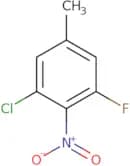
CAS:Versatile small molecule scaffoldFormula:C7H8BrNOPurity:Min. 95%Molecular weight:202.05 g/mol1-Chloro-3-fluoro-5-methyl-2-nitrobenzene
CAS:Versatile small molecule scaffold
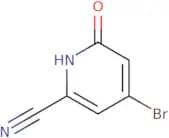
Formula:C7H5ClFNO2Purity:Min. 95%Molecular weight:189.57 g/mol4-Bromo-6-hydroxypyridine-2-carbonitrile
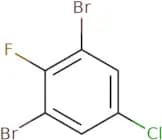
CAS:Versatile small molecule scaffoldFormula:C6H3BrN2OPurity:Min. 95%Molecular weight:199 g/mol1,3-Dibromo-5-chloro-2-fluorobenzene
CAS:Versatile small molecule scaffold
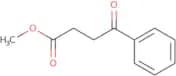
Formula:C6H2Br2ClFPurity:Min. 95%Molecular weight:288.34 g/molMethyl 3-Benzoylpropionate
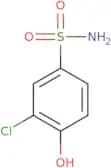
CAS:Methyl 3-benzoylpropionate (MBAP) is an alkylating agent that is used in the synthesis of various drugs. MBAP reacts with an amine to form a pyridinium salt, which undergoes dehydrogenation, followed by alkylation. This reaction is catalyzed by the addition of chloride ions and olefinic compounds. The asymmetric synthesis of MBAP involves bromolactonization, followed by benzoylation. The structural analysis of MBAP was determined using NMR spectroscopy, which provides information about the stereochemistry of the molecule. The catalytic mechanism for MBAP was determined through X-ray crystallography and quantum chemical calculations.Formula:C11H12O3Purity:Min. 95%Molecular weight:192.21 g/mol3-Chloro-4-hydroxybenzene-1-sulfonamide
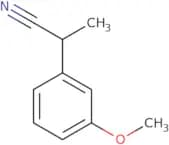
CAS:Versatile small molecule scaffoldFormula:C6H6ClNO3SPurity:Min. 95%Molecular weight:207.64 g/mol2-(3-Methoxyphenyl)propanenitrile
CAS:Versatile small molecule scaffold
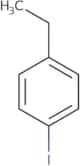
Formula:C10H11NOPurity:Min. 95%Molecular weight:161.2 g/mol1-Ethyl-4-iodobenzene
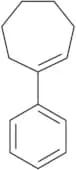
CAS:1-Ethyl-4-iodobenzene is a chemical compound with an aromatic ring that is used as a starting material for the synthesis of other compounds. It is mainly used in cross-coupling reactions, such as the Suzuki reaction, and can be used to link two molecules together to form a new molecule. 1-Ethyl-4-iodobenzene can be used as a low molecular weight solvent and has been shown to have potent inhibitory activity against cell growth. The toxicity of 1-ethyl-4-iodobenzene has been studied by using various imaging techniques, including fluorescence microscopy and electron microscopy.Formula:C8H9IPurity:Min. 95%Molecular weight:232.06 g/mol1-Phenylcyclohept-1-ene
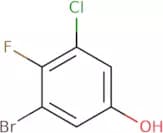
CAS:1-Phenylcyclohept-1-ene is a chemical reagent that is used in the production of polymers. It belongs to the dichlorocarbene class of hypervalent molecules and can be used for the preparation of styrene derivatives, such as iminium ions and halides. 1-Phenylcyclohept-1-ene also reacts with hypobromous acid to form pyridinium chlorochromate, which is a useful oxidizing agent. The rate of 1-phenylcyclohept-1-ene reactions has been studied using kinetics methods. This compound has shown to be an effective sensitizer for radiation polymerization processes.Formula:C13H16Purity:Min. 95%Molecular weight:172.27 g/mol3-Bromo-5-chloro-4-fluorophenol
CAS:Versatile small molecule scaffold
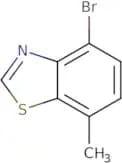
Formula:C6H3BrClFOPurity:Min. 95%Molecular weight:225.44 g/mol4-Bromo-7-methyl-1,3-benzothiazole
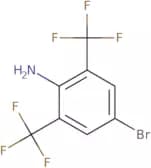
CAS:Versatile small molecule scaffoldFormula:C8H6BrNSPurity:Min. 95%Molecular weight:228.11 g/mol4-Bromo-2,6-bis(trifluoromethyl)aniline
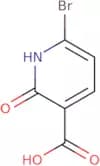
CAS:Versatile small molecule scaffoldFormula:C8H4BrF6NPurity:Min. 95%Molecular weight:308.02 g/mol6-Bromo-2-hydroxypyridine-3-carboxylic acid
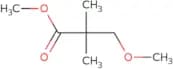
CAS:Versatile small molecule scaffoldFormula:C6H4BrNO3Purity:Min. 95%Molecular weight:218 g/molMethyl 3-methoxy-2,2-dimethylpropanoate
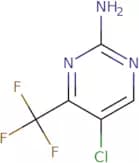
CAS:Versatile small molecule scaffoldFormula:C7H14O3Purity:Min. 95%Molecular weight:146.18 g/mol5-Chloro-4-(trifluoromethyl)pyrimidin-2-amine
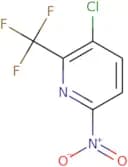
CAS:Versatile small molecule scaffoldFormula:C5H3ClF3N3Purity:Min. 95%Molecular weight:197.54 g/mol3-Chloro-6-nitro-2-(trifluoromethyl)pyridine
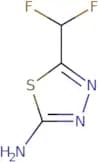
CAS:Versatile small molecule scaffoldFormula:C6H2ClF3N2O2Purity:Min. 95%Molecular weight:226.54 g/mol5-(Difluoromethyl)-1,3,4-thiadiazol-2-amine
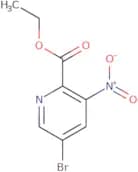
CAS:Versatile small molecule scaffoldFormula:C3H3F2N3SPurity:Min. 95%Molecular weight:151.14 g/molEthyl 5-bromo-3-nitropyridine-2-carboxylate
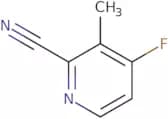
CAS:Versatile small molecule scaffoldFormula:C8H7BrN2O4Purity:Min. 95%Molecular weight:275.06 g/mol4-Fluoro-3-methylpyridine-2-carbonitrile
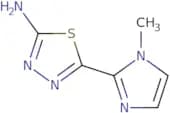
CAS:Versatile small molecule scaffoldFormula:C7H5FN2Purity:Min. 95%Molecular weight:136.13 g/mol5-(1-Methyl-1H-imidazol-2-yl)-1,3,4-thiadiazol-2-amine
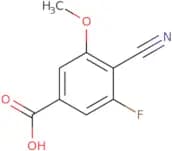
CAS:Versatile small molecule scaffoldFormula:C6H7N5SPurity:Min. 95%Molecular weight:181.22 g/mol4-Cyano-3-fluoro-5-methoxybenzoic acid
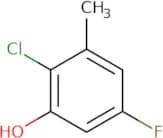
CAS:Versatile small molecule scaffoldFormula:C9H6FNO3Purity:Min. 95%Molecular weight:195.15 g/mol2-Chloro-5-fluoro-3-methylphenol
CAS:Versatile small molecule scaffold
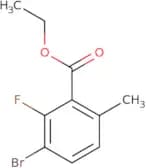
Formula:C7H6ClFOPurity:Min. 95%Molecular weight:160.57 g/molEthyl 3-bromo-2-fluoro-6-methylbenzoate
CAS:Versatile small molecule scaffold
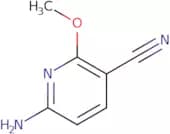
Formula:C10H10BrFO2Purity:Min. 95%Molecular weight:261.09 g/mol6-Amino-2-methoxynicotinonitrile
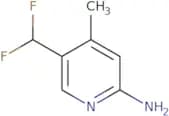
CAS:Versatile small molecule scaffoldFormula:C7H7N3OPurity:Min. 95%Molecular weight:149.15 g/mol5-(Difluoromethyl)-4-methylpyridin-2-amine
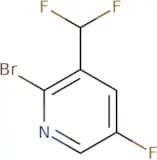
CAS:Versatile small molecule scaffoldFormula:C7H8F2N2Purity:Min. 95%Molecular weight:158.15 g/mol2-Bromo-3-(difluoromethyl)-5-fluoropyridine
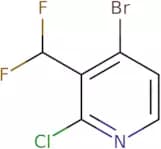
CAS:Versatile small molecule scaffoldFormula:C6H3BrF3NPurity:Min. 95%Molecular weight:225.99 g/mol4-Bromo-2-chloro-3-(difluoromethyl)pyridine
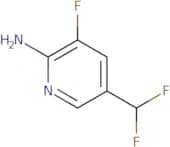
CAS:Versatile small molecule scaffoldFormula:C6H3BrClF2NPurity:Min. 95%Molecular weight:242.45 g/mol5-(Difluoromethyl)-3-fluoropyridin-2-amine
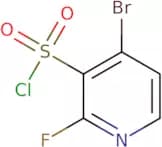
CAS:Versatile small molecule scaffoldFormula:C6H5F3N2Purity:Min. 95%Molecular weight:162.11 g/mol4-Bromo-2-fluoropyridine-3-sulfonyl chloride
CAS:Versatile small molecule scaffoldFormula:C5H2BrClFNO2SPurity:Min. 95%Molecular weight:274.5 g/mol(4-Chloro-2,3-difluorophenyl)methanamine
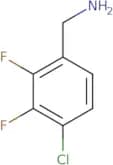
CAS:Versatile small molecule scaffold
Formula:C7H6ClF2NPurity:Min. 95%Molecular weight:177.58 g/mol2-Chloro-1-iodo-3,5-dimethoxybenzene
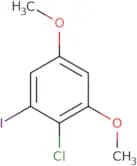
CAS:Versatile small molecule scaffold
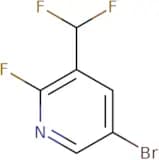
Formula:C8H8ClIO2Purity:Min. 95%Molecular weight:298.5 g/mol5-Bromo-3-(difluoromethyl)-2-fluoropyridine
CAS:Versatile small molecule scaffold
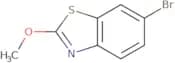
Formula:C6H3BrF3NPurity:Min. 95%Molecular weight:225.99 g/mol6-Bromo-2-methoxy-1,3-benzothiazole
CAS:Versatile small molecule scaffold
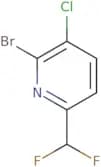
Formula:C8H6BrNOSPurity:Min. 95%Molecular weight:244.11 g/mol2-Bromo-3-chloro-6-(difluoromethyl)pyridine
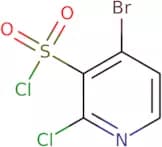
CAS:Versatile small molecule scaffoldFormula:C6H3BrClF2NPurity:Min. 95%Molecular weight:242.45 g/mol4-Bromo-2-chloropyridine-3-sulfonyl chloride
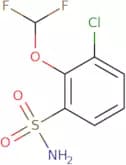
CAS:Versatile small molecule scaffoldFormula:C5H2BrCl2NO2SPurity:Min. 95%Molecular weight:290.95 g/mol3-Chloro-2-(difluoromethoxy)benzene-1-sulfonamide
CAS:Versatile small molecule scaffold
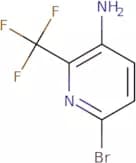
Formula:C7H6ClF2NO3SPurity:Min. 95%Molecular weight:257.64 g/mol6-Bromo-2-(trifluoromethyl)pyridin-3-amine
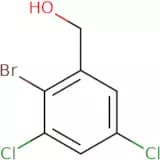
CAS:Versatile small molecule scaffoldFormula:C6H4BrF3N2Purity:Min. 95%Molecular weight:241.01 g/mol(2-Bromo-3,5-dichlorophenyl)methanol
CAS:Versatile small molecule scaffold
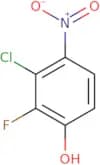
Formula:C7H5BrCl2OPurity:Min. 95%Molecular weight:255.92 g/mol3-Chloro-2-fluoro-4-nitrophenol
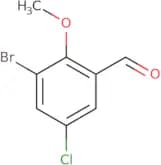
CAS:Versatile small molecule scaffoldFormula:C6H3ClFNO3Purity:Min. 95%Molecular weight:191.54 g/mol3-bromo-5-chloro-2-methoxybenzaldehyde
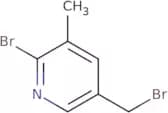
CAS:Versatile small molecule scaffoldFormula:C8H6O2ClBrPurity:Min. 95%Molecular weight:249.49 g/mol2-Bromo-5-(bromomethyl)-3-methylpyridine
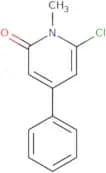
CAS:Versatile small molecule scaffoldFormula:C7H7Br2NPurity:Min. 95%Molecular weight:264.94 g/mol6-Chloro-1-methyl-4-phenyl-1,2-dihydropyridin-2-one
CAS:Versatile small molecule scaffoldFormula:C12H10ClNOPurity:Min. 95%Molecular weight:219.66 g/mol1-[6-(Difluoromethyl)-5-methoxypyridin-2-yl]methanamine
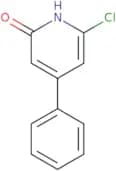
CAS:Versatile small molecule scaffoldFormula:C8H10F2N2OPurity:Min. 95%Molecular weight:188.17 g/mol6-Chloro-4-phenyl-1,2-dihydropyridin-2-one
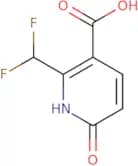
CAS:Versatile small molecule scaffoldFormula:C11H8ClNOPurity:Min. 95%Molecular weight:205.64 g/mol2-(Difluoromethyl)-6-hydroxynicotinic acid
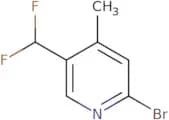
CAS:Versatile small molecule scaffoldFormula:C7H5F2NO3Purity:Min. 95%Molecular weight:189.12 g/mol2-Bromo-5-(difluoromethyl)-4-methylpyridine
CAS:Versatile small molecule scaffold
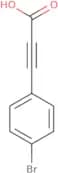
Formula:C7H6BrF2NPurity:Min. 95%Molecular weight:222.03 g/mol3-(4-Bromophenyl)propiolic Acid
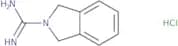
CAS:3-(4-Bromophenyl)propiolic acid is an alkynyl compound that can be synthesized by the catalyzed cross-coupling of triarylbismuth with aryl bromides. This reaction requires a catalyst and is carried out in the presence of a base, such as potassium carbonate. The reaction proceeds rapidly at room temperature and can be performed using either an organic or inorganic solvent. The product is obtained in high yield, but it must be purified to remove any residual starting materials and byproducts. 3-(4-Bromophenyl)propiolic acid has a carboxylic functional group that can undergo further reactions to form other compounds, such as cross-coupling reactions with alkenes or carboxylic acids.Formula:C9H5BrO2Purity:Min. 95%Molecular weight:225.04 g/mol2,3-Dihydro-1H-isoindole-2-carboximidamide hydrochloride
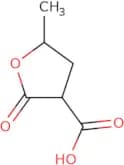
CAS:Versatile small molecule scaffoldFormula:C9H12ClN3Purity:Min. 95%Molecular weight:197.66 g/mol5-Methyl-2-oxooxolane-3-carboxylic acid
CAS:Versatile small molecule scaffoldFormula:C6H8O4Purity:Min. 95%Molecular weight:144.12 g/mol
![4-Amino-1H-pyrazolo[3,4-d]pyrimidine-3-carbonitrile](/_next/image/?url=https%3A%2Fstatic.cymitquimica.com%2Fproducts%2F3D%2Fthumb-webp%2FGAA82696.webp&w=3840&q=75)

![1,4-Dioxa-8-azaspiro[4.5]decan-7-one](/_next/image/?url=https%3A%2Fstatic.cymitquimica.com%2Fproducts%2F3D%2Fthumb-webp%2FGAA81354.webp&w=3840&q=75)

![tert-Butyl N-methyl-N-[(4-methylbenzenesulfonyl)oxy]carbamate](/_next/image/?url=https%3A%2Fstatic.cymitquimica.com%2Fproducts%2F3D%2Fthumb-webp%2FABA37096.webp&w=3840&q=75)
![9-azabicyclo[3.3.1]nonane hcl](/_next/image/?url=https%3A%2Fstatic.cymitquimica.com%2Fproducts%2F3D%2Fthumb-webp%2FGAA76043.webp&w=3840&q=75)








![6-Bromo-4,5-dihydro-1H-benzo[b]azepin-2(3H)-one](/_next/image/?url=https%3A%2Fstatic.cymitquimica.com%2Fproducts%2F3D%2Fthumb-webp%2FGAA72930.webp&w=3840&q=75)
![Pyrazolo[3,2-c][1,2,4]triazin-4-ol](/_next/image/?url=https%3A%2Fstatic.cymitquimica.com%2Fproducts%2F3D%2Fthumb-webp%2FGAA72665.webp&w=3840&q=75)

![1-[6-(Difluoromethyl)-5-methoxypyridin-2-yl]methanamine](/_next/image/?url=https%3A%2Fstatic.cymitquimica.com%2Fproducts%2F3D%2Fthumb-webp%2FFXC03883.webp&w=3840&q=75)