Building Blocks
Subcategories of "Building Blocks"
- Boronic Acids & Boronic Acid Derivatives(5,778 products)
- Chiral Building Blocks(1,243 products)
- Hydrocarbon Building Blocks(6,099 products)
- Organic Building Blocks(61,038 products)
Found 205376 products of "Building Blocks"
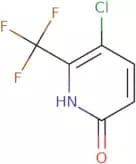
5-Chloro-6-(trifluoromethyl)pyridin-2-ol
CAS:Versatile small molecule scaffoldFormula:C6H3ClF3NOPurity:Min. 95%Molecular weight:197.54 g/mol4-Chloro-3-iodo-2-methylpyridine
CAS:Versatile small molecule scaffold
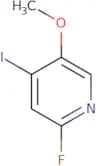
Formula:C6H5ClINPurity:Min. 95%Molecular weight:253.47 g/mol2-Fluoro-4-iodo-5-methoxypyridine
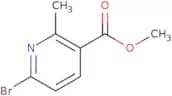
CAS:Versatile small molecule scaffoldFormula:C6H5FINOPurity:Min. 95%Molecular weight:253.01 g/molMethyl 6-bromo-2-methylpyridine-3-carboxylate
CAS:Versatile small molecule scaffold
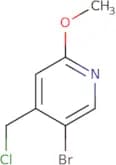
Formula:C8H8BrNO2Purity:Min. 95%Molecular weight:230.06 g/mol5-Bromo-4-(chloromethyl)-2-methoxypyridine
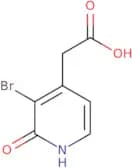
CAS:Versatile small molecule scaffoldFormula:C7H7NOClBrPurity:Min. 95%Molecular weight:236.49 g/mol2-(3-Bromo-2-hydroxypyridin-4-yl)acetic acid
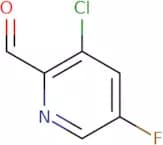
CAS:Versatile small molecule scaffoldFormula:C7H6BrNO3Purity:Min. 95%Molecular weight:232.03 g/mol3-Chloro-5-fluoropicolinaldehyde
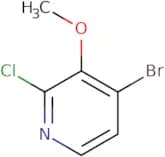
CAS:Versatile small molecule scaffoldFormula:C6H3ClFNOPurity:Min. 95%Molecular weight:159.55 g/mol4-Bromo-2-chloro-3-methoxypyridine
CAS:Versatile small molecule scaffold
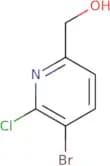
Formula:C6H5BrClNOPurity:Min. 95%Molecular weight:222.47 g/mol(5-Bromo-6-chloropyridin-2-yl)methanol
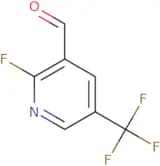
CAS:Versatile small molecule scaffoldFormula:C6H5BrClNOPurity:Min. 95%Molecular weight:222.47 g/mol2-Fluoro-5-(trifluoromethyl)pyridine-3-carbaldehyde
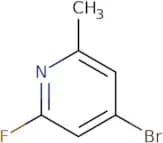
CAS:Versatile small molecule scaffoldFormula:C7H3F4NOPurity:Min. 95%Molecular weight:193.1 g/mol4-Bromo-2-fluoro-6-methylpyridine
CAS:Versatile small molecule scaffold
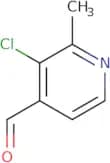
Formula:C6H5BrFNPurity:Min. 95%Molecular weight:190.01 g/mol3-Chloro-2-methylisonicotinaldehyde
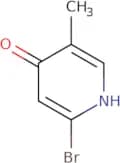
CAS:Versatile small molecule scaffoldFormula:C7H6ClNOPurity:Min. 95%Molecular weight:155.58 g/mol2-Bromo-5-methylpyridin-4-ol
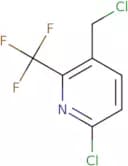
CAS:Versatile small molecule scaffoldFormula:C6H6BrNOPurity:Min. 95%Molecular weight:188.02 g/mol6-Chloro-3-(chloromethyl)-2-(trifluoromethyl)pyridine
CAS:Versatile small molecule scaffold
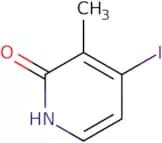
Formula:C7H4Cl2F3NPurity:Min. 95%Molecular weight:230.01 g/mol4-Iodo-3-methylpyridin-2(1H)-one
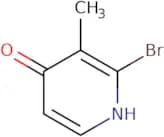
CAS:Versatile small molecule scaffoldFormula:C6H6INOPurity:Min. 95%Molecular weight:235.02 g/mol2-Bromo-3-methylpyridin-4-ol
CAS:Versatile small molecule scaffold
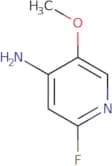
Formula:C6H6BrNOPurity:Min. 95%Molecular weight:188.02 g/mol2-Fluoro-5-methoxypyridin-4-amine
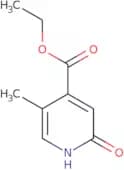
CAS:Versatile small molecule scaffoldFormula:C6H7FN2OPurity:Min. 95%Molecular weight:142.13 g/molEthyl 2-hydroxy-5-methylpyridine-4-carboxylate
CAS:Versatile small molecule scaffold
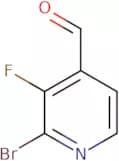
Formula:C9H11NO3Purity:Min. 95%Molecular weight:181.19 g/mol2-Bromo-3-fluoroisonicotinaldehyde
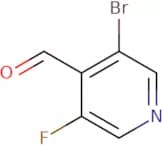
CAS:Versatile small molecule scaffoldFormula:C6H3BrFNOPurity:Min. 95%Molecular weight:204 g/mol3-Bromo-5-fluoropyridine-4-carboxaldehyde
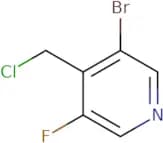
CAS:Versatile small molecule scaffoldFormula:C6H3BrFNOPurity:Min. 95%Molecular weight:204 g/mol3-Bromo-4-(chloromethyl)-5-fluoropyridine
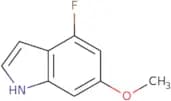
CAS:Versatile small molecule scaffoldFormula:C6H4BrClFNPurity:Min. 95%Molecular weight:224.46 g/mol4-Fluoro-6-methoxy-1H-indole
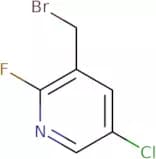
CAS:Versatile small molecule scaffoldFormula:C9H8FNOPurity:Min. 95%Molecular weight:165.16 g/mol3-Bromomethyl-5-chloro-2-fluoropyridine
CAS:Versatile small molecule scaffoldFormula:C6H4BrClFNPurity:Min. 95%Molecular weight:224.46 g/mol5-(Bromomethyl)-2,3-difluoropyridine
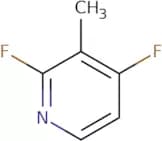
CAS:Versatile small molecule scaffoldFormula:C6H4BrF2NPurity:Min. 95%Molecular weight:208 g/mol2,4-Difluoro-3-methylpyridine
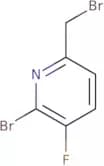
CAS:Versatile small molecule scaffoldFormula:C6H5F2NPurity:Min. 95%Molecular weight:129.11 g/mol2-Bromo-6-(bromomethyl)-3-fluoropyridine
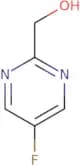
CAS:Versatile small molecule scaffoldFormula:C6H4Br2FNPurity:Min. 95%Molecular weight:268.91 g/mol5-Fluoropyrimidine-2-methanol
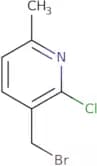
CAS:Versatile small molecule scaffoldFormula:C5H5FN2OPurity:Min. 95%Molecular weight:128.11 g/mol3-(Bromomethyl)-2-chloro-6-methylpyridine
CAS:Versatile small molecule scaffoldFormula:C7H7BrClNPurity:Min. 95%Molecular weight:220.49 g/mol3-Fluoro-2-(trifluoromethyl)isonicotinaldehyde
CAS:Versatile small molecule scaffold
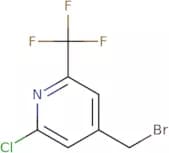
Formula:C7H3F4NOPurity:Min. 95%Molecular weight:193.1 g/mol4-(Bromomethyl)-2-chloro-6-(trifluoromethyl)pyridine
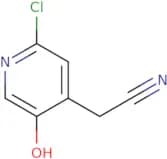
CAS:Versatile small molecule scaffoldFormula:C7H4BrClF3NPurity:Min. 95%Molecular weight:274.46 g/mol2-(2-Chloro-5-hydroxypyridin-4-yl)acetonitrile
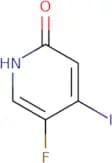
CAS:Versatile small molecule scaffoldFormula:C7H5ClN2OPurity:Min. 95%Molecular weight:168.58 g/mol5-Fluoro-4-iodopyridin-2(1H)-one
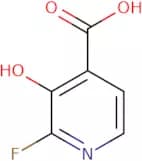
CAS:Versatile small molecule scaffoldFormula:C5H3FINOPurity:Min. 95%Molecular weight:238.99 g/mol2-Fluoro-3-hydroxyisonicotinic acid
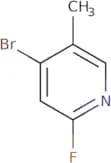
CAS:Versatile small molecule scaffoldFormula:C6H4FNO3Purity:Min. 95%Molecular weight:157.1 g/mol4-Bromo-2-fluoro-5-methyl-pyridine
CAS:Versatile small molecule scaffold
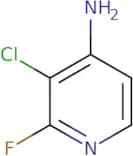
Formula:C6H5BrFNPurity:Min. 95%Molecular weight:190.01 g/mol3-Chloro-2-fluoropyridin-4-amine
CAS:Versatile small molecule scaffold
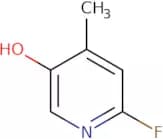
Formula:C5H4ClFN2Purity:Min. 95%Molecular weight:146.55 g/mol2-Fluoro-5-hydroxy-4-methylpyridine
CAS:Versatile small molecule scaffold
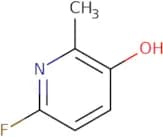
Formula:C6H6FNOPurity:Min. 95%Molecular weight:127.12 g/mol6-Fluoro-3-hydroxy-2-methylpyridine
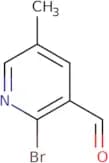
CAS:Versatile small molecule scaffoldFormula:C6H6FNOPurity:Min. 95%Molecular weight:127.12 g/mol2-Bromo-5-methylpyridine-3-carbaldehyde
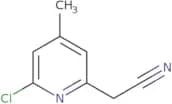
CAS:Versatile small molecule scaffoldFormula:C7H6BrNOPurity:Min. 95%Molecular weight:200.03 g/mol2-(6-Chloro-4-methylpyridin-2-yl)acetonitrile
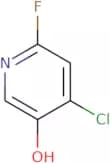
CAS:Versatile small molecule scaffoldFormula:C8H7ClN2Purity:Min. 95%Molecular weight:166.61 g/mol4-Chloro-6-fluoropyridin-3-ol
CAS:Versatile small molecule scaffold
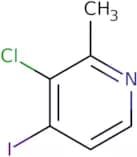
Formula:C5H3ClFNOPurity:Min. 95%Molecular weight:147.53 g/mol3-Chloro-4-iodo-2-methylpyridine
CAS:Versatile small molecule scaffold
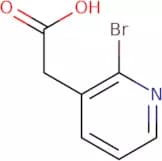
Formula:C6H5ClINPurity:Min. 95%Molecular weight:253.47 g/mol2-(2-Bromopyridin-3-yl)acetic acid
CAS:Versatile small molecule scaffoldFormula:C7H6BrNO2Purity:Min. 95%Molecular weight:216.03 g/mol4-Chloro-2-iodo-5-(trifluoromethyl)pyridine
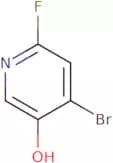
CAS:Versatile small molecule scaffoldFormula:C6H2ClF3INPurity:Min. 95%Molecular weight:307.44 g/mol4-Bromo-6-fluoro-pyridin-3-ol
CAS:Versatile small molecule scaffold
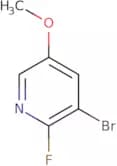
Formula:C5H3BrFNOPurity:Min. 95%Molecular weight:191.99 g/mol3-Bromo-2-fluoro-5-methoxypyridine
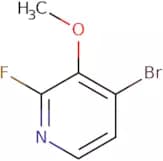
CAS:Versatile small molecule scaffoldFormula:C6H5BrFNOPurity:Min. 95%Molecular weight:206.01 g/mol4-Bromo-2-fluoro-3-methoxypyridine
CAS:Versatile small molecule scaffold
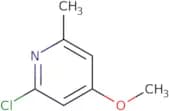
Formula:C6H5BrFNOPurity:Min. 95%Molecular weight:206.01 g/mol2-Chloro-4-methoxy-6-methylpyridine
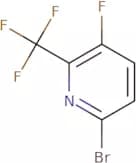
CAS:Versatile small molecule scaffoldFormula:C7H8ClNOPurity:Min. 95%Molecular weight:157.6 g/mol6-Bromo-3-fluoro-2-(trifluoromethyl)pyridine
CAS:Versatile small molecule scaffoldFormula:C6H2BrF4NPurity:Min. 95%Molecular weight:243.98 g/mol2-Bromo-4-methylpyridin-3-ol
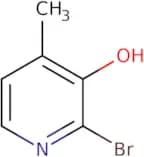
CAS:Versatile small molecule scaffold
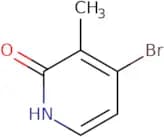
Formula:C6H6BrNOPurity:Min. 95%Molecular weight:188.02 g/mol4-bromo-3-methyl-1,2-dihydropyridin-2-one
CAS:Versatile small molecule scaffoldFormula:C6H6BrNOPurity:Min. 95%Molecular weight:188.02 g/mol2,3-Difluoro-4-hydroxypyridine
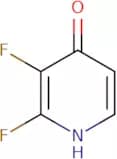
CAS:Versatile small molecule scaffold
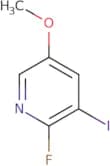
Formula:C5H3F2NOPurity:Min. 95%Molecular weight:131.08 g/mol2-Fluoro-3-iodo-5-methoxypyridine
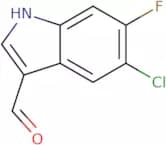
CAS:Versatile small molecule scaffoldFormula:C6H5FINOPurity:Min. 95%Molecular weight:253.01 g/mol5-Chloro-6-fluoro-1H-indole-3-carbaldehyde
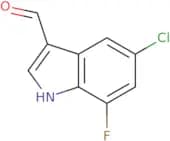
CAS:Versatile small molecule scaffoldFormula:C9H5ClFNOPurity:Min. 95%Molecular weight:197.59 g/mol5-Chloro-7-fluoro-1H-indole-3-carbaldehyde
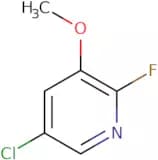
CAS:Versatile small molecule scaffoldFormula:C9H5ClFNOPurity:Min. 95%Molecular weight:197.59 g/mol5-Chloro-2-fluoro-3-methoxypyridine
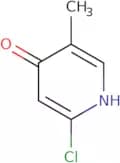
CAS:Versatile small molecule scaffoldFormula:C6H5NOFClPurity:Min. 95%Molecular weight:161.56 g/mol2-Chloro-5-methylpyridin-4-ol
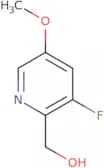
CAS:Versatile small molecule scaffoldFormula:C6H6ClNOPurity:Min. 95%Molecular weight:143.57 g/mol(3-Fluoro-5-methoxypyridin-2-yl)methanol
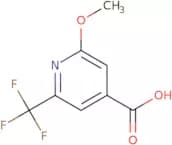
CAS:Versatile small molecule scaffoldFormula:C7H8FNO2Purity:Min. 95%Molecular weight:157.14 g/mol2-methoxy-6-(trifluoromethyl)isonicotinic acid
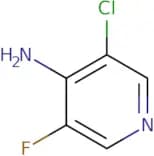
CAS:Versatile small molecule scaffoldFormula:C8H6F3NO3Purity:Min. 95%Molecular weight:221.13 g/mol3-Chloro-5-fluoropyridin-4-amine
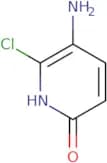
CAS:Versatile small molecule scaffoldFormula:C5H4ClFN2Purity:Min. 95%Molecular weight:146.55 g/mol5-Amino-6-chloropyridin-2-ol
CAS:Versatile small molecule scaffoldFormula:C5H5ClN2OPurity:Min. 95%Molecular weight:144.56 g/mol6-Chloro-2-(trifluoromethyl)pyridine-3-carbaldehyde
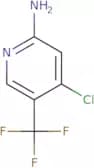
CAS:Versatile small molecule scaffoldFormula:C7H3ClF3NOPurity:Min. 95%Molecular weight:209.55 g/mol4-Chloro-5-(trifluoromethyl)pyridin-2-amine
CAS:Versatile small molecule scaffoldFormula:C6H4ClF3N2Purity:Min. 95%Molecular weight:196.56 g/mol4-Bromo-6-chloropyridin-2(1H)-one
CAS:Versatile small molecule scaffold
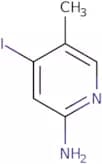
Formula:C5H3BrClNOPurity:Min. 95%Molecular weight:208.44 g/mol4-Iodo-5-methylpyridin-2-amine
CAS:Versatile small molecule scaffoldFormula:C6H7IN2Purity:Min. 95%Molecular weight:234.04 g/mol5-Bromo-3-hydroxypyridine-2-carbaldehyde
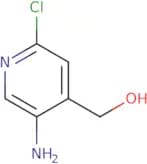
CAS:Versatile small molecule scaffoldFormula:C6H4BrNO2Purity:Min. 95%Molecular weight:202.01 g/mol(5-Amino-2-chloropyridin-4-yl)methanol
CAS:Versatile small molecule scaffoldFormula:C6H7ClN2OPurity:Min. 95%Molecular weight:158.58 g/mol5,6-Dibromopyridine-2-carbaldehyde
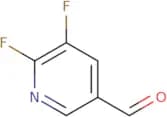
CAS:Versatile small molecule scaffoldFormula:C6H3Br2NOPurity:Min. 95%Molecular weight:264.9 g/mol5,6-Difluoronicotinaldehyde
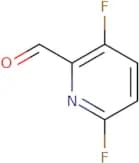
CAS:Versatile small molecule scaffoldFormula:C6H3F2NOPurity:Min. 95%Molecular weight:143.09 g/mol3,6-Difluoro-2-pyridinecarboxaldehyde
CAS:Versatile small molecule scaffoldFormula:C6H3F2NOPurity:Min. 95%Molecular weight:143.09 g/mol5-Bromo-6-chloro-pyridine-2-carbaldehyde
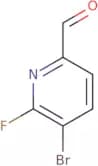
CAS:Versatile small molecule scaffoldFormula:C6H3BrClNOPurity:Min. 95%Molecular weight:220.45 g/mol5-Bromo-6-fluoropyridine-2-carbaldehyde
CAS:Versatile small molecule scaffoldFormula:C6H3BrFNOPurity:Min. 95%Molecular weight:204 g/mol5-Bromo-3-chloromethyl-2-fluoropyridine
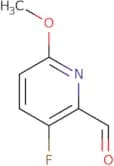
CAS:Versatile small molecule scaffoldFormula:C6H4BrClFNPurity:Min. 95%Molecular weight:224.46 g/mol3-Fluoro-6-methoxypyridine-2-carbaldehyde
CAS:Versatile small molecule scaffoldFormula:C7H6FNO2Purity:Min. 95%Molecular weight:155.13 g/mol(2-Bromo-3-chloropyridin-4-yl)methanol
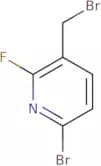
CAS:Versatile small molecule scaffoldFormula:C6H5BrClNOPurity:Min. 95%Molecular weight:222.47 g/mol6-Bromo-3-(bromomethyl)-2-fluoropyridine
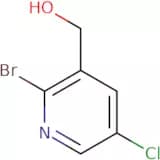
CAS:Versatile small molecule scaffoldFormula:C6H4Br2FNPurity:Min. 95%Molecular weight:268.91 g/mol(2-Bromo-5-chloropyridin-3-yl)methanol
CAS:Versatile small molecule scaffoldFormula:C6H5BrClNOPurity:Min. 95%Molecular weight:222.47 g/mol4-bromo-3-methylpyridin-2-amine
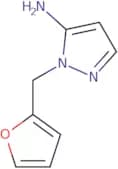
CAS:Versatile small molecule scaffoldFormula:C6H7BrN2Purity:Min. 95%Molecular weight:187 g/mol2-Furan-2-ylmethyl-2H-pyrazol-3-ylamine
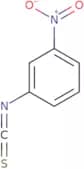
CAS:Versatile small molecule scaffoldFormula:C8H9N3OPurity:Min. 95%Molecular weight:163.18 g/mol3-Nitrophenyl isothiocyanate
CAS:3-Nitrophenyl isothiocyanate (3NPITC) is a trifluoroacetic acid derivative that can be used as an anticancer agent. 3NPITC is synthesized in a solid-phase synthesis process, which involves the use of amines and provides a high detection sensitivity. 3NPITC inhibits the proliferation of glioma cells by inhibiting the growth of cells that are in the G1/S phase of the cell cycle. It also has cytostatic effects on other cancer cells, such as leukemia and lymphoma, due to its ability to inhibit DNA synthesis. 3NPITC does not exhibit chemical instability and has been shown to have an isolated yield of 83%.
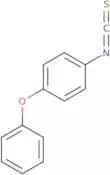
Formula:O2NC6H4NCSPurity:Min. 95%Molecular weight:180.18 g/mol4-Phenoxyphenyl isothiocyanate
CAS:4-Phenoxyphenyl isothiocyanate is a potent anthelmintic drug that has been shown to produce mutations in the DNA of animals. It is a nitro compound that may cause mutagenicity, which is a heritable change in the genetic material. 4-Phenoxyphenyl isothiocyanate has been shown to be mutagenic and has hydroxylamine and thiourea as metabolites. The hydroxylamine metabolite has been shown to be an anthelmintic, whereas the thiourea metabolite was found to be mutagenic. 4-Phenoxyphenyl isothiocyanate is biotransformed into diphenyl ether, which also possesses antimicrobial properties.
Formula:C13H9NOSPurity:Min. 95%Molecular weight:227.28 g/molN-Phenyl-1,3,4-thiadiazol-2-amine
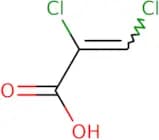
CAS:Versatile small molecule scaffoldFormula:C8H7N3SPurity:Min. 95%Molecular weight:177.23 g/mol(2Z)-2,3-Dichloroprop-2-enoic acid
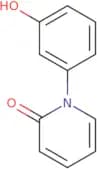
CAS:Versatile small molecule scaffoldFormula:C3H2Cl2O2Purity:Min. 95%Molecular weight:140.95 g/mol1-(3-Hydroxyphenyl)-1,2-dihydropyridin-2-one
CAS:Versatile small molecule scaffold
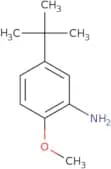
Formula:C11H9NO2Purity:Min. 95%Molecular weight:187.19 g/mol5-tert-Butyl-2-methoxyaniline
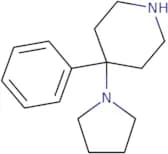
CAS:Versatile small molecule scaffoldFormula:C11H17NOPurity:Min. 95%Molecular weight:179.26 g/mol4-Phenyl-4-(pyrrolidin-1-yl)piperidine
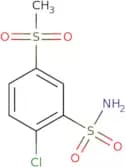
CAS:Controlled ProductVersatile small molecule scaffoldFormula:C15H22N2Purity:Min. 95%Molecular weight:230.35 g/mol2-Chloro-5-methanesulfonylbenzene-1-sulfonamide
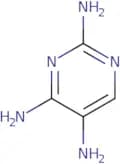
CAS:Versatile small molecule scaffoldFormula:C7H8ClNO4S2Purity:Min. 95%Molecular weight:269.7 g/molpyrimidine-2,4,5-triamine
CAS:Pyrimidine-2,4,5-triamine is a nucleotide derivative that is used to study the effects of extracellular Ca2+ on cell growth. It has anticancer activity and is used in the treatment of human immunodeficiency virus (HIV) infection and other inflammatory diseases. Pyrimidine-2,4,5-triamine has been shown to inhibit phosphatases, including malonic acid phosphatase and nitro phosphatase. This inhibition leads to an accumulation of malonic acid and nitro compounds which are cytotoxic. The drug also inhibits the production of hydrogen peroxide by inhibiting surface methodology enzymes such as peroxidase or catalase. Pyrimidine-2,4,5-triamine has been shown to be resistant to hydrolysis by hydrophobic effect enzymes such as esterases or glucuronidases. The drug also causes irreversible inhibition of DNA gyrase and topoisomerase
Formula:C4H7N5Purity:Min. 95%Molecular weight:125.13 g/mol2-(Octylsulfanyl)ethan-1-ol
CAS:2-(Octylsulfanyl)ethan-1-ol (2SSE) is an organic solvent that is used as a polymer film to coat surfaces. It is also used in vitro tests to determine the effects of ethylene on environmental pollution. This compound has been shown to be reactive with chlorine and sodium carbonate, which causes bond cleavage and ring opening. 2SSE has nmr spectra that can be used for identification of the compound. The reaction time for this polymerization process is important in order to prevent complications such as incomplete polymerization or crosslinking. A chromatographic method can be used to identify the presence of 2SSE in a sample, including its purity.Formula:C10H22OSPurity:Min. 95%Molecular weight:190.35 g/mol2-[(Morpholin-4-yl)methyl]-3,4-dihydroquinazolin-4-one
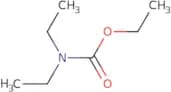
CAS:Versatile small molecule scaffoldFormula:C13H15N3O2Purity:Min. 95%Molecular weight:245.28 g/molEthyl N,N-diethylcarbamate
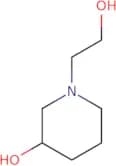
CAS:Ethyl N,N-diethylcarbamate is a potent inducer of the CYP3A4 enzyme and has been shown to cause cell lysis. It is a cyclic peptide that belongs to the antimicrobial peptides group. Ethyl N,N-diethylcarbamate has been shown to bind to bacterial dna and human liver cells as well as human erythrocytes. This drug also induces DNA strand breaks in both wild-type and mutant strains of Escherichia coli. Ethyl N,N-diethylcarbamate also causes an increase in nitrite levels in mouse models. The chemical structure of this compound is C6H11NO2 with a molecular weight of 149.18 g/mol. It has three diastereomers: R-(+), S-(+), and R-(−).Formula:C7H15NO2Purity:Min. 95%Molecular weight:145.2 g/mol1-(2-Hydroxyethyl)piperidin-3-ol
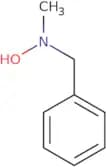
CAS:Versatile small molecule scaffoldFormula:C7H15NO2Purity:Min. 95%Molecular weight:145.2 g/molN-Benzyl-N-methylhydroxylamine
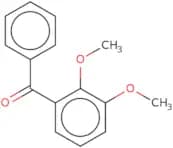
CAS:N-Benzyl-N-methylhydroxylamine is a compound that has been shown to react with carbon disulfide, forming an adduct. The structure of the adduct has been reinvestigated by electron spin resonance spectroscopy and magnetic resonance spectroscopy. The NMR spectrum of the adduct showed resonances at δ 1.05 (s, 6H), δ 2.50 (s, 3H), δ 4.78 (s, 3H) and δ 7.80 ppm (t, J = 9 Hz, 2H). The resonance spectrum of the adduct showed resonances at δ 1.05 ppm and δ 4.78 ppm. When reacted with carbon disulfide in benzene solution, the NMR spectrum of the product was observed to have resonances at δ 1.05 ppm and δ 4.78 ppm, which are similar to those observed in the resonance spectrum of the adduct when reactedFormula:C8H11NOPurity:Min. 95%Molecular weight:137.2 g/mol(2,4-Dimethoxyphenyl)(phenyl)methanone
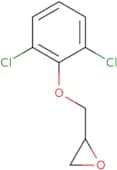
CAS:2,4-Dimethoxyphenyl)(phenyl)methanone (DMPM) is a quencher of light with an absorber capacity of approximately 2.5%. It is used in vitro as a marker for cationic polymerization and UV absorption. DMPM has also been shown to inhibit the mitochondrial membrane potential, which may be due to its ability to induce pro-apoptotic proteins. DMPM binds to fatty acids and can be extracted using dispersive solid-phase extraction, which allows for its detection by gas chromatography. This drug has been shown to react with radiation and produce reactive oxygen species that may lead to cellular damage.Formula:C15H14O3Purity:Min. 95%Molecular weight:242.3 g/mol2-(2,6-Dichlorophenoxymethyl)oxirane
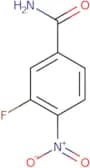
CAS:Versatile small molecule scaffoldFormula:C9H8Cl2O2Purity:Min. 95%Molecular weight:219.06 g/mol3-Fluoro-4-nitrobenzamide
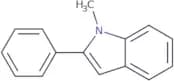
CAS:Versatile small molecule scaffoldFormula:C7H5FN2O3Purity:Min. 95%Molecular weight:184.13 g/mol1-Methyl-2-phenylindole
CAS:1-Methyl-2-phenylindole (1MPI) is an adenine nucleotide analog, which has been shown to cause oxidative injury in the cervical cancer cells. The hydrochloric acid present in 1MPI reacts with the hydroxyl group on the indole ring to form a reactive species that can damage cellular macromolecules and DNA. 1MPI also causes mitochondrial dysfunction and reduced ATP levels, leading to cell death. It has been shown to be effective against diabetic neuropathy and reduce the production of malondialdehyde in tissue culture experiments. This drug is also capable of inducing apoptosis by releasing nitrous oxide and activating caspases.
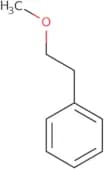
Formula:C15H13NPurity:Min. 95%Molecular weight:207.27 g/molPhenylethyl Methyl Ether
CAS:Phenylethyl methyl ether is an organic compound that is commonly used as a cross-linking agent for the preparation of polymers. It reacts with an unsaturated polymer to form a covalent bond, which improves the polymer's mechanical properties. Phenylethyl methyl ether also has acidic properties and can react with chloride ions to produce chloride salts, such as phenyl etherates, which can be detected using spectroscopy. The phenyl groups are alicyclic, whereas the product is particle in shape. Phenylethyl methyl ether is structurally similar to terpinen-4-ol and has been shown to have anti-inflammatory activities in mice. This compound forms a particle and has been shown to have anti-inflammatory activities in mice.Formula:C9H12OPurity:Min. 95%Molecular weight:136.19 g/molMethyl 2-methoxy-2-phenylacetate
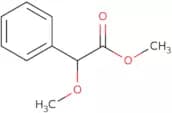
CAS:Methyl 2-methoxy-2-phenylacetate is a tautomer of the flavin mononucleotide. It has been shown to have mechanistic and metabolic properties that are similar to those of other flavins. Methyl 2-methoxy-2-phenylacetate can be obtained by UV irradiation of methyl 2,4-dimethoxyphenylacetate or by irradiating methyl 2,4,6-trimethoxyphenylacetate with UV light. This compound can be used as a flavin analogue for the study of flavin compounds in nature. Methyl 2-methoxy-2-phenylacetate was also used in a method to synthesize carbanions by reacting with alkoxycarbonyl groups.Formula:C10H12O3Purity:Min. 95%Molecular weight:180.2 g/molEmbramine
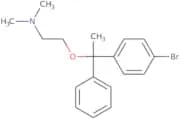
CAS:Controlled ProductEmbramine is a drug that belongs to the group of maleate salts and is used in the treatment of idiopathic urticaria. It has been shown to inhibit nitrite levels in the body and reduce inflammation by inhibiting fatty acid release from cells. The drug has also been found to have a general inhibitory effect on the release of histamine, leukotrienes, and prostaglandins that are associated with allergic reactions. Embramine has also been shown to have antioxidative properties, which may be due to its aldehyde groups.Formula:C18H22BrNOPurity:Min. 95%Molecular weight:348.28 g/mol3,4-Dihydroxy-5-methyl-2,5-dihydrofuran-2-one
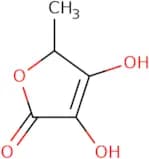
CAS:3,4-Dihydroxy-5-methyl-2,5-dihydrofuran-2-one is a chemical compound that has a colorless crystal appearance. It is an oxidative and nonoxidative compound with the chemical formula C8H10O3. The chromatogram shows the overlap of different compounds which are separated by their colored bands. This overlapped banding pattern indicates the presence of 3,4-dihydroxy-5-methyl-2,5-dihydrofuran-2one in the mixture.Formula:C5H6O4Purity:Min. 95%Molecular weight:130.1 g/mol











![2-[(Morpholin-4-yl)methyl]-3,4-dihydroquinazolin-4-one](/_next/image/?url=https%3A%2Fstatic.cymitquimica.com%2Fproducts%2F3D%2Fthumb-webp%2FDAA55264.webp&w=3840&q=75)