Building Blocks
This section contains fundamental products for the synthesis of organic and biological compounds. Building blocks are the essential starting materials used to construct complex molecules through various chemical reactions. They play a critical role in drug discovery, material science, and chemical research. At CymitQuimica, we offer a diverse range of high-quality building blocks to support your innovative research and industrial projects, ensuring you have the essential components for successful synthesis.
Subcategories of "Building Blocks"
- Boronic Acids & Boronic Acid Derivatives(5,778 products)
- Chiral Building Blocks(1,243 products)
- Hydrocarbon Building Blocks(6,097 products)
- Organic Building Blocks(61,052 products)
Found 201390 products of "Building Blocks"
Sort by
Purity (%)
0
100
|
0
|
50
|
90
|
95
|
100
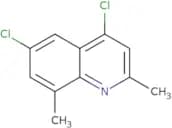
4,6-Dichloro-2,8-dimethylquinoline
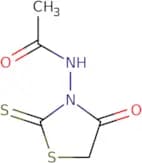
CAS:<p>Versatile small molecule scaffold</p>Formula:C11H9NCl2Purity:Min. 95%Molecular weight:226.1 g/molN-(4-Oxo-2-sulfanylidene-1,3-thiazolidin-3-yl)acetamide
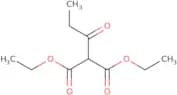
CAS:Versatile small molecule scaffoldFormula:C5H6N2O2S2Purity:Min. 95%Molecular weight:190.2 g/mol1,3-Diethyl 2-propanoylpropanedioate
CAS:1,3-Diethyl 2-propanoylpropanedioate is a chiral drug that can be used for the treatment of respiratory diseases. It acts by inhibiting the muscarinic acetylcholine receptors in the lungs, which prevents bronchoconstriction and reduces mucus production. 1,3-Diethyl 2-propanoylpropanedioate is an active substance that belongs to a group of c1-6 alkyl drugs labeled with radioactive iodine-131. The labeling process involves substituting an atom of either carbon or hydrogen with an atom of iodine-131 to create a radioactive compound. This process can be used to identify substances that have similar properties, such as immunoassays and pharmacophores. The main difference between 1,3-diethyl 2-propanoylpropanedioate and its geometric isomers is the orientation of two methyl groups on the propanediol molecule. TheFormula:C10H16O5Purity:Min. 95%Molecular weight:216.23 g/molPyridine-3,5-diyldimethanol
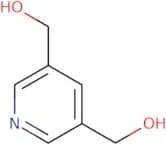
CAS:<p>Pyridine-3,5-diyldimethanol is a supramolecular compound that can be encapsulated in the form of palladium macrocycles. It has been shown to have high regioisomeric purity and excellent ligand efficiency. Pyridine-3,5-diyldimethanol is also a coordination compound with tridentate ligands. It can be used as a catalyst for organic reactions. Pyridine-3,5-diyldimethanol has been shown to react with various anions and halides in the presence of palladium as a catalyst. The reaction mixture is then purified by column chromatography or recrystallization. This chemical is also known by keywords such as "pyridinium", "pyridinium chloride", and "pyridine".</p>Formula:C7H9NO2Purity:Min. 95%Molecular weight:139.15 g/mol3-Methyl-1-azabicyclo[2.2.2]octan-3-amine
CAS:<p>Versatile small molecule scaffold</p>Formula:C8H17BrN2Purity:Min. 95%Molecular weight:221.14 g/mol3-Methyl-1-azabicyclo[2.2.2]octan-3-amine dihydrochloride
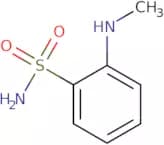
CAS:Versatile small molecule scaffoldFormula:C8H18Cl2N2Purity:Min. 95%Molecular weight:213.15 g/mol2-(Methylamino)benzene-1-sulfonamide
CAS:<p>Versatile small molecule scaffold</p>Formula:C7H10N2O2SPurity:Min. 95%Molecular weight:186.23 g/mol2H-1,2,3-Benzothiadiazine 1,1-dioxide
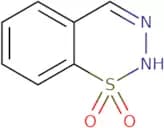
CAS:2H-1,2,3-Benzothiadiazine 1,1-dioxide is a molecule that binds to and inhibits the activity of the glutamatergic N-methyl-D-aspartate (NMDA) receptor. It is a stereoselective agent that binds to the receptor in a specific orientation. 2H-1,2,3-Benzothiadiazine 1,1-dioxide is an allosteric modulator that has been shown to attenuate glutamate excitotoxicity in vitro and in vivo. In animal studies it has been shown to reverse cognitive deficits induced by NMDA antagonists and potentiates the effects of aniracetam. 2H-1,2,3-Benzothiadiazine 1,1-dioxide is also a competitive inhibitor of cholinesterase with IC50 values of 4.5 µM and 3 µM for acetylcholinesterase and butFormula:C7H6N2O2SPurity:Min. 95%Molecular weight:182.2 g/mol2-Formylbenzene-1-sulfonyl chloride
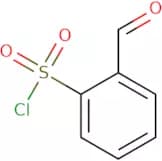
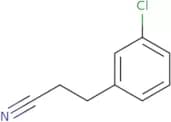
CAS:<p>2-Formylbenzene-1-sulfonyl chloride is a molecule that contains sulfur. It is used as an intermediate in the synthesis of other molecules. 2-Formylbenzene-1-sulfonyl chloride has been shown to be able to react with primary amines and chlorides, sulfuryl chloride, or alcohols to form azides, imidazoles, and sulfonates respectively. This reaction was studied using spectroscopic techniques.</p>Formula:C7H5ClO3SPurity:Min. 95%Molecular weight:204.63 g/mol3-(3-Chlorophenyl)propionitrile
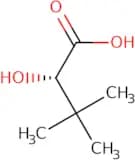
CAS:<p>Versatile small molecule scaffold</p>Formula:C9H8ClNPurity:Min. 95%Molecular weight:165.62 g/mol(S)-(-)-2-Hydroxy-3,3-dimethylbutyric acid
CAS:<p>Versatile small molecule scaffold</p>Formula:C6H12O3Purity:Min. 95%Molecular weight:132.16 g/mol[1-(2,3-Dihydro-1-benzofuran-2-yl)ethyl](methyl)amine hydrochloride
CAS:<p>Versatile small molecule scaffold</p>Formula:C11H16ClNOPurity:Min. 95%Molecular weight:213.7 g/mol2,2-Dimethyl-3-[(4-methylbenzenesulfonyl)oxy]propan-1-ol
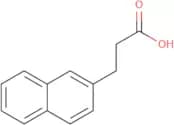
CAS:Versatile small molecule scaffoldFormula:C12H18O4SPurity:Min. 95%Molecular weight:258.34 g/mol3-(Naphthalen-2-yl)propanoic acid
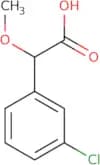
CAS:3-(Naphthalen-2-yl)propanoic acid is a phenolic compound that has been shown to inhibit the activity of tyrosinase. Tyrosinase is an enzyme that catalyzes the first step in melanin synthesis and is known to play a role in skin pigmentation. 3-(Naphthalen-2-yl)propanoic acid inhibits tyrosinase by binding to its active site, thereby blocking it from catalyzing the conversion of tyrosine to dopaquinone. The compound also has inhibitory effects on melanoma cells, which may be due to its ability to decrease the production of melanin. 3-(Naphthalen-2-yl)propanoic acid is structurally similar to hydroquinone, but lacks hydroxyl groups on its aromatic ring.Formula:C13H12O2Purity:Min. 95%Molecular weight:200.24 g/mol2-(3-Chlorophenyl)-2-methoxyacetic acid
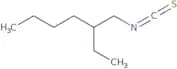
CAS:<p>Versatile small molecule scaffold</p>Formula:C9H9ClO3Purity:Min. 95%Molecular weight:200.62 g/mol3-(Isothiocyanatomethyl)heptane
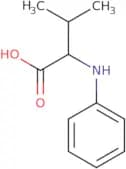
CAS:Versatile small molecule scaffoldFormula:C9H17NSPurity:Min. 95%Molecular weight:171.31 g/mol(2S)-3-Methyl-2-(phenylamino)butanoic acid
CAS:(2S)-3-Methyl-2-(phenylamino)butanoic acid is a chemical that belongs to the group of aminobutanoic acids. It is used in the production of pharmaceuticals, agrochemicals, and plastics. (2S)-3-Methyl-2-(phenylamino)butanoic acid has been shown to be reactive with aryl halides, including benzene exposure, which may lead to oxidative stress. The compound has been used as a ligand for metal ions such as copper(II) and zinc(II). The ligand can be detected by gas chromatography/mass spectrometry. The stereoselectivity of (2S)-3-Methyl-2-(phenylamino)butanoic acid is determined by the position of the hydrophobic group on the molecule. This compound's hydrophobic group is positioned on one side of the molecule due to itsFormula:C11H15NO2Purity:Min. 95%Molecular weight:193.24 g/mol2-{[(4-Chlorophenyl)methyl]sulfanyl}acetonitrile
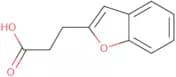
CAS:<p>Versatile small molecule scaffold</p>Formula:C9H8ClNSPurity:Min. 95%Molecular weight:197.69 g/mol3-(1-benzofuran-2-yl)propanoic acid
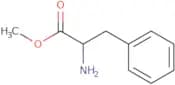
CAS:<p>Versatile small molecule scaffold</p>Formula:C11H10O3Purity:Min. 95%Molecular weight:190.2 g/molD-Phenylalanine methyl ester
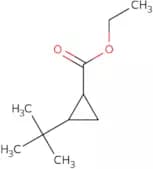
CAS:<p>D-Phenylalanine methyl ester is an analogue of the amino acid phenylalanine. It inhibits fatty acid synthesis by competitively binding to the enzyme acyl carrier protein, which regulates the incorporation of fatty acids into phospholipids. This inhibition prevents the production of cell membrane lipids and leads to cell death. D-Phenylalanine methyl ester has been used as a diagnostic agent for cancer because it can be detected in urine samples. It has also been shown to have growth factor activity, which may be responsible for its anticancer properties.</p>Formula:C10H13NO2Purity:Min. 95%Color and Shape:PowderMolecular weight:179.22 g/molEthyl 2-tert-butylcyclopropane-1-carboxylate
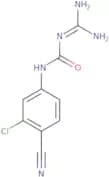
CAS:Versatile small molecule scaffoldFormula:C10H18O2Purity:Min. 95%Molecular weight:170.25 g/mol3-Carbamimidoyl-1-(3-chloro-4-cyanophenyl)urea
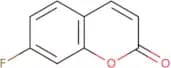
CAS:<p>3-Carbamimidoyl-1-(3-chloro-4-cyanophenyl)urea is a drug that has been shown to have an inhibitory effect on the growth of malaria parasites in vitro. It has also been shown to be effective against other organisms such as bacteria and fungi, including methicillin resistant Staphylococcus aureus (MRSA). 3-Carbamimidoyl-1-(3-chloro-4-cyanophenyl)urea is typically used with a diluent, which can be either water or ethanol. The drug is insoluble in water but soluble in ethanol, so it must be reconstituted before injection. This drug is targeted to the circumferential region of the parasite by an alkyl substituent that attaches to the erythrocyte membrane surface. 3-Carbamimidoyl-1-(3-chloro-4-</p>Formula:C9H8ClN5OPurity:Min. 95%Molecular weight:237.64 g/mol7-Fluoro-2H-chromen-2-one
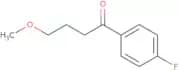
CAS:<p>7-Fluoro-2H-chromen-2-one is a compound that has been used as a synthetic intermediate in the preparation of other compounds. It is a substrate for photodimerization and has been shown to undergo dimerization with an enantioface selectivity of up to 99%. 7-Fluoro-2H-chromen-2-one has also been used in X-ray diffraction studies to determine its crystal structure. 7-Fluoro-2H-chromen-2-one can be synthesized by fluorination of 7,8,9,10,11,12,13,14,15,16,17,18 hexahydrobenzo[1]pyrene.</p>Formula:C9H5FO2Purity:Min. 95%Molecular weight:164.13 g/mol1-(4-Fluorophenyl)-4-methoxybutan-1-one
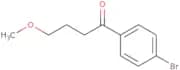
CAS:Versatile small molecule scaffoldFormula:C11H13FO2Purity:Min. 95%Molecular weight:196.22 g/mol1-(4-Bromophenyl)-4-methoxybutan-1-one
CAS:Versatile small molecule scaffoldFormula:C11H13BrO2Purity:Min. 95%Molecular weight:257.12 g/mol7-Phenyl-3H,4H,5H-pyrrolo[3,2-d]pyrimidin-4-one
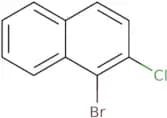
CAS:<p>Versatile small molecule scaffold</p>Formula:C12H9N3OPurity:Min. 95%Molecular weight:211.22 g/mol1-Bromo-2-chloronaphthalene
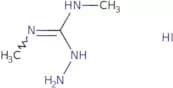
CAS:1-Bromo-2-chloronaphthalene is a nucleophilic carbanion that is used in the synthesis of other compounds. 1-Bromo-2-chloronaphthalene can be prepared by the reaction of anhydrous hydrazine and chloroform in a solvent, followed by reaction with an acidified solution of sodium bromide. This compound can also be synthesized from 1-cyanonaphthalene, which undergoes electrophilic substitution by chlorine. 1-Bromo-2-chloronaphthalene has been used as a reagent for the reduction of anions to produce neutral molecules. The nature of this molecule is cyclic with two identical aromatic rings joined by one carbon atom. It has been shown to have antibacterial properties against staphylococcus and anthrax, as well as antifungal properties against penicillium and candida.Formula:C10H6BrClPurity:Min. 95%Molecular weight:241.51 g/mol2-Amino-1,3-dimethylguanidine hydroiodide
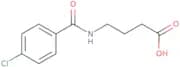
CAS:Versatile small molecule scaffoldFormula:C3H11IN4Purity:Min. 95%Molecular weight:230.05 g/mol4-(4-Chloro-benzoylamino)-butyric acid
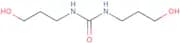
CAS:Versatile small molecule scaffoldFormula:C11H12ClNO3Purity:Min. 95%Molecular weight:241.67 g/mol1,3-Bis(3-hydroxypropyl)urea
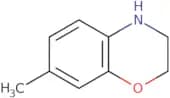
CAS:<p>Versatile small molecule scaffold</p>Formula:C7H16N2O3Purity:Min. 95%Molecular weight:176.21 g/mol7-Methyl-3,4-dihydro-2H-1,4-benzoxazine
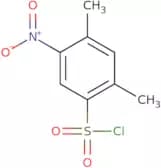
CAS:Versatile small molecule scaffoldFormula:C9H11NOPurity:Min. 95%Molecular weight:149.19 g/mol2,4-Dimethyl-5-nitrobenzene-1-sulfonyl chloride
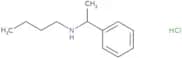
CAS:Versatile small molecule scaffoldFormula:C8H8ClNO4SPurity:Min. 95%Molecular weight:249.67 g/molButyl(1-phenylethyl)amine hydrochloride
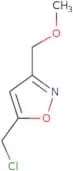
CAS:Versatile small molecule scaffoldFormula:C12H20ClNPurity:Min. 95%Molecular weight:213.75 g/mol5-(Chloromethyl)-3-(methoxymethyl)-1,2-oxazole
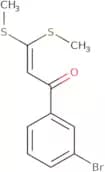
CAS:<p>Versatile small molecule scaffold</p>Formula:C6H8ClNO2Purity:Min. 95%Molecular weight:161.58 g/mol1-(3-Bromophenyl)-3,3-bis(methylsulfanyl)prop-2-en-1-one
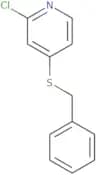
CAS:<p>Versatile small molecule scaffold</p>Formula:C11H11BrOS2Purity:Min. 95%Molecular weight:303.2 g/mol4-(Benzylsulfanyl)-2-chloropyridine
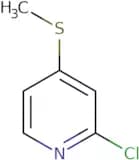
CAS:Versatile small molecule scaffoldFormula:C12H10ClNSPurity:Min. 95%Molecular weight:235.73 g/mol2-Chloro-4-(methylthio)pyridine
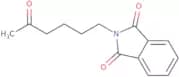
CAS:<p>Versatile small molecule scaffold</p>Formula:C6H6ClNSPurity:Min. 95%Molecular weight:159.63 g/mol2-(5-Oxohexyl)-2,3-dihydro-1H-isoindole-1,3-dione
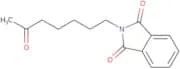
CAS:<p>Versatile small molecule scaffold</p>Formula:C14H15NO3Purity:Min. 95%Molecular weight:245.27 g/mol2-(6-Oxoheptyl)-2,3-dihydro-1H-isoindole-1,3-dione
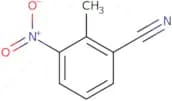
CAS:Versatile small molecule scaffoldFormula:C15H17NO3Purity:Min. 95%Molecular weight:259.3 g/mol2-Methyl-3-nitrobenzonitrile
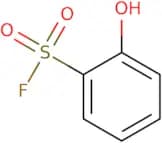
CAS:2-Methyl-3-nitrobenzonitrile is a colorless crystalline solid with a melting point of -81.8°C and a boiling point of 206.6°C. The crystal structure is shown to be an oriented, six-membered ring with hydrogen bonds and conformations that are asymmetric and dihedral. It has the molecular formula C7H5N3O2, which consists of three methyl groups and one nitro group on the benzene nucleus. 2-Methyl-3-nitrobenzonitrile is used as a starting material in organic synthesis reactions because it can undergo electrophilic substitution reactions with alkyl halides or Grignard reagents to form substituted benzenes.Formula:C8H6N2O2Purity:Min. 95%Molecular weight:162.15 g/mol2-Hydroxybenzene-1-sulfonyl fluoride
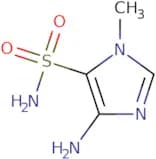
CAS:<p>Versatile small molecule scaffold</p>Formula:C6H5FO3SPurity:Min. 95%Molecular weight:176.17 g/mol4-Amino-1-methyl-1H-imidazole-5-sulfonamide
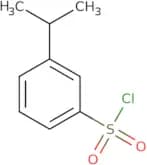
CAS:<p>Versatile small molecule scaffold</p>Formula:C4H8N4O2SPurity:Min. 95%Molecular weight:176.2 g/mol3-Isopropylbenzene-1-sulfonyl chloride
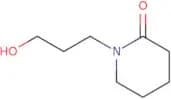
CAS:Versatile small molecule scaffoldFormula:C9H11ClO2SPurity:Min. 95%Molecular weight:218.7 g/mol1-(3-Hydroxypropyl)piperidin-2-one
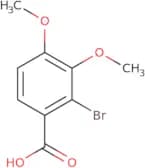
CAS:<p>1-(3-Hydroxypropyl)piperidin-2-one is a volatile compound that has been found to be present in the headspace of various flowers. It is used as an analytical reagent for the analysis of volatile compounds and can be used to approximate the amount of volatile compounds in a sample. The chemical can also be used to identify volatiles by analyzing their mass spectrum. 1-(3-Hydroxypropyl)piperidin-2-one is found in the headspace of flowers, such as roses and lilacs, and has been shown to have insecticidal properties against Diptera and Calliphoridae flies. It has also been shown to have toxic properties in laboratory animals, causing death by respiratory paralysis.</p>Formula:C8H15NO2Purity:Min. 95%Molecular weight:157.21 g/mol2-Bromo-3,4-dimethoxybenzoic acid
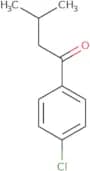
CAS:Versatile small molecule scaffoldFormula:C9H9BrO4Purity:Min. 95%Molecular weight:261.07 g/mol1-(4-Chlorophenyl)-3-methylbutan-1-one
CAS:Versatile small molecule scaffoldFormula:C11H13ClOPurity:Min. 95%Molecular weight:196.67 g/moltert-Butyl N-[3-(trimethylsilyl)prop-2-yn-1-yl]carbamate
CAS:<p>Versatile small molecule scaffold</p>Formula:C11H21NO2SiPurity:Min. 95%Molecular weight:227.37 g/mol4-[Bis(2-chloroethyl)amino]benzonitrile
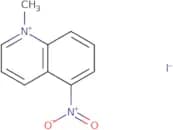
CAS:<p>Versatile small molecule scaffold</p>Formula:C11H12Cl2N2Purity:Min. 95%Molecular weight:243.13 g/mol1-Methyl-5-nitroquinolin-1-ium iodide
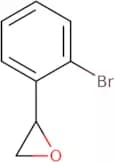
CAS:1-Methyl-5-nitroquinolin-1-ium iodide is an antibiotic that has been shown to be active against a wide range of resistant microorganisms, including those resistant to hydrogen fluoride. It inhibits the production of nucleotides by binding to monoclonal antibodies and preventing their uptake. This drug also prevents the uptake of perovskite crystals by cells and interrupts chain reactions in redox potentials. The mechanism of action for 1-methyl-5-nitroquinolin-1-ium iodide is thought to be related to its ability to penetrate cell membranes and inhibit nuclear DNA synthesis. In addition, this drug has been shown to have anti-cancer properties in animal models of carcinoma cells lines, with transport properties being a possible explanation for its effects. 1-Methyl-5-nitroquinolin-1-ium iodide has basic structure with hydrogen bonds as well as water vapor and carbon dioxide, which may contribute to its effectiveness.Formula:C10H9IN2O2Purity:Min. 95%Molecular weight:316.09 g/mol2-(2-Bromophenyl)oxirane
CAS:2-(2-Bromophenyl)oxirane is a sulfinyl compound that is used in the synthesis of epipodophyllotoxins. It has been shown to react with an enolate of a malonate, forming a β-unsaturated lactone and a sulfinyl group. This reaction is regioselective, giving the desired epipodophyllotoxin with the sulfinyl group on the less hindered side of the molecule. The deuterated analogues of 2-(2-bromophenyl)oxirane can be prepared by substituting one or more hydrogens with deuterium atoms. These analogues are useful for studying conformational changes in molecules because they have different nuclear magnetic resonance (NMR) spectra from their non-deuterated counterparts. 2-(2-Bromophenyl)oxirane is also useful for synthesizing styrene derivatives such as ring-opened compounds.Formula:C8H7BrOPurity:Min. 95%Molecular weight:199.04 g/molMethyl 2-(5-chlorothiophen-2-yl)acetate
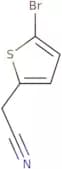
CAS:<p>Versatile small molecule scaffold</p>Formula:C7H7ClO2SPurity:Min. 95%Molecular weight:190.65 g/mol2-(5-Bromothiophen-2-yl)acetonitrile
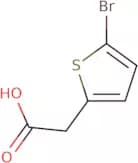
CAS:<p>2-(5-Bromothiophen-2-yl)acetonitrile is an acceptor in organic solar cells and devices. It has a molecular weight of 122.1 g/mol and a melting point of -34 °C, with a solubility of 0.0013g/mL in water. The UV absorption spectrum shows that it absorbs at wavelengths between 270-300 nm. 2-(5-Bromothiophen-2-yl)acetonitrile can be used as an electron donor for semiconducting heterojunction photovoltaic devices and has been shown to have good transport properties. This molecule also has molecular orbitals that are lower than those found in the ground state, which may be due to the presence of hydrogen bonding groups on the phenyl rings or the presence of electron donating groups such as nitro (-NO2) or cyano (-CN).</p>Formula:C6H4NSBrPurity:Min. 95%Molecular weight:202.07 g/mol2-(5-bromothiophen-2-yl)acetic acid
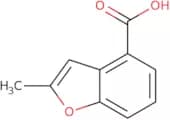
CAS:Versatile small molecule scaffoldFormula:C6H5BrO2SPurity:Min. 95%Molecular weight:221.1 g/mol2-Methylbenzofuran-4-carboxylic acid
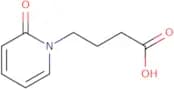
CAS:<p>Versatile small molecule scaffold</p>Formula:C10H8O3Purity:Min. 95%Molecular weight:176.17 g/mol4-(2-Oxo-1,2-dihydropyridin-1-yl)butanoic acid
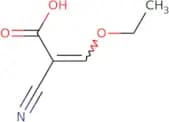
CAS:Versatile small molecule scaffoldFormula:C9H11NO3Purity:Min. 95%Molecular weight:181.19 g/mol2-Cyano-3-ethoxyprop-2-enoic acid
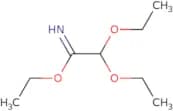
CAS:Versatile small molecule scaffoldFormula:C6H7NO3Purity:Min. 95%Molecular weight:141.12 g/molEthyl 2,2-diethoxyethanecarboximidate
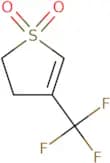
CAS:<p>Versatile small molecule scaffold</p>Formula:C8H17NO3Purity:Min. 95%Molecular weight:175.23 g/mol4-(Trifluoromethyl)-2,3-dihydro-1λ⁶-thiophene-1,1-dione
CAS:Versatile small molecule scaffoldFormula:C5H5F3O2SPurity:Min. 95%Molecular weight:186.15 g/molMethyl 12-hydroxydodecanoate
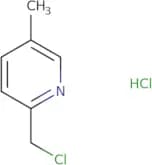
CAS:Methyl 12-hydroxydodecanoate is a fatty acid that is produced by the reaction of dodecanedioic acid and methanol. The methyl group is attached to the carbon of the carboxyl group, yielding methyl 12-hydroxydodecanoate. The reaction mechanism for this process is similar to that of fatty acid synthesis in other organisms, where a thiodisaccharide reacts with a free fatty acid. This reaction results in the production of regiospecific methyl 12-hydroxydodecanoate. Methyl 12-hydroxydodecanoate has been shown to have potential as an antimicrobial agent due to its ability to inhibit bacterial uptake and cause cell lysis in bacteria such as E. coli K-12 and S. aureus strains.Formula:C13H26O3Purity:Min. 95%Molecular weight:230.34 g/mol2-(Chloromethyl)-5-methylpyridine hydrochloride
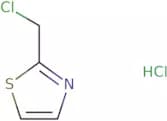
CAS:Versatile small molecule scaffoldFormula:C7H8ClN·HClPurity:Min. 95%Molecular weight:178.06 g/mol2-(Chloromethyl)thiazole hydrochloride
CAS:Versatile small molecule scaffoldFormula:C4H5Cl2NSPurity:Min. 95%Molecular weight:170.06 g/molOctahydro-2H-pyrano[3,2-C]pyridine
CAS:<p>Versatile small molecule scaffold</p>Formula:C8H15NOPurity:Min. 95%Molecular weight:141.21 g/mol2H,3H,4H-Pyrano[3,2-c]pyridin-4-one
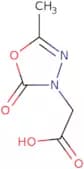
CAS:<p>Versatile small molecule scaffold</p>Formula:C8H7NO2Purity:Min. 95%Molecular weight:149.15 g/mol2-(5-Methyl-2-oxo-2,3-dihydro-1,3,4-oxadiazol-3-yl)acetic acid
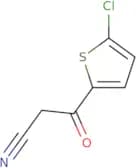
CAS:<p>Versatile small molecule scaffold</p>Formula:C5H6N2O4Purity:Min. 95%Molecular weight:158.11 g/mol3-(5-Chloro-thiophen-2-yl)-3-oxo-propionitrile
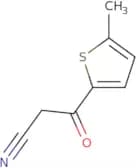
CAS:<p>Versatile small molecule scaffold</p>Formula:C7H4ClNOSPurity:Min. 95%Molecular weight:185.63 g/mol3-(5-Methylthiophen-2-yl)-3-oxopropanenitrile
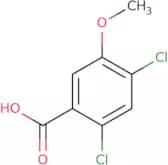
CAS:<p>Versatile small molecule scaffold</p>Formula:C8H7NOSPurity:Min. 95%Molecular weight:165.21 g/mol2,4-Dichloro-5-methoxybenzoic acid
CAS:<p>Versatile small molecule scaffold</p>Formula:C8H6Cl2O3Purity:Min. 95%Molecular weight:221.03 g/molPropyl 2-(4-{[5-(trifluoromethyl)pyridin-2-yl]oxy}phenoxy)propanoate
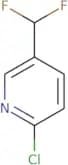
CAS:<p>Versatile small molecule scaffold</p>Formula:C18H18F3NO4Purity:Min. 95%Molecular weight:369.3 g/mol2-Chloro-5-(difluoromethyl)pyridine
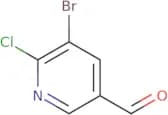
CAS:<p>Versatile small molecule scaffold</p>Formula:C6H4ClF2NPurity:Min. 95%Molecular weight:163.55 g/mol5-Bromo-6-chloronicotinaldehyde
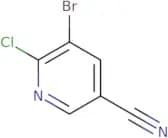
CAS:<p>Versatile small molecule scaffold</p>Formula:C6H3BrClNOPurity:Min. 95%Molecular weight:220.45 g/mol5-Bromo-6-chloronicotinonitrile
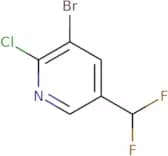
CAS:<p>Versatile small molecule scaffold</p>Formula:C6H2BrClN2Purity:Min. 95%Molecular weight:217.45 g/mol3-Bromo-2-chloro-5-(difluoromethyl)pyridine
CAS:<p>Versatile small molecule scaffold</p>Formula:C6H3BrClF2NPurity:Min. 95%Molecular weight:242.46 g/mol4-Amino-1H,2H,3H-imidazo[4,5-c]pyridin-2-one
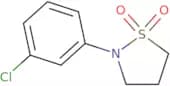
CAS:Versatile small molecule scaffoldFormula:C6H6N4OPurity:Min. 95%Molecular weight:150.14 g/molN-(3-Chlorophenyl)-1,3-propanesultam
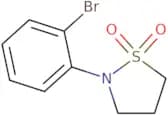
CAS:Versatile small molecule scaffoldFormula:C9H10ClNO2SPurity:Min. 95%Molecular weight:231.7 g/molN-(2-Bromophenyl)-1,3-propanesultam
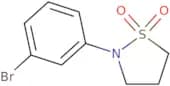
CAS:<p>Versatile small molecule scaffold</p>Formula:C9H10BrNO2SPurity:Min. 95%Molecular weight:276.15 g/molN-(3-Bromophenyl)-1,3-propanesultam
CAS:Versatile small molecule scaffoldFormula:C9H10BrNO2SPurity:Min. 95%Molecular weight:276.15 g/molN-(4-Bromophenyl)-1,3-propanesultam
CAS:<p>Versatile small molecule scaffold</p>Formula:C9H10BrNO2SPurity:Min. 95%Molecular weight:276.15 g/molMethyl (4Z)-bicyclo[6.2.0]deca-4,9-diene-9-carboxylate
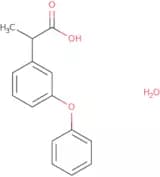
CAS:<p>Versatile small molecule scaffold</p>Formula:C12H16O2Purity:Min. 95%Molecular weight:192.3 g/molFenoprofen calcium dihydrate
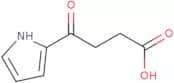
CAS:<p>Fenoprofen calcium dihydrate is a nonsteroidal anti-inflammatory drug that has analgesic and antipyretic properties. It is a prodrug that is hydrolyzed to fenoprofen in the intestinal wall and then metabolized in the liver. Fenoprofen calcium dihydrate is used for the treatment of headaches, muscle pain, menstrual cramps, arthritis, and other conditions. Fenoprofen calcium dihydrate binds to biological molecules such as enzymes or receptors at an active site. The binding of fenoprofen calcium dihydrate to the enzyme cyclooxygenase inhibits prostaglandin synthesis by preventing arachidonic acid from being converted into prostaglandins. This inhibition causes decreased inflammation and pain.</p>Formula:C30H30CaO8Purity:Min. 95%Molecular weight:558.63 g/mol4-Oxo-4-(1H-pyrrol-2-yl)butanoic acid
CAS:<p>Versatile small molecule scaffold</p>Formula:C8H9NO3Purity:Min. 95%Molecular weight:167.16 g/mol2-(Benzyloxy)-6-methoxybenzoic acid
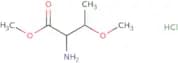
CAS:<p>Versatile small molecule scaffold</p>Formula:C15H14O4Purity:Min. 95%Molecular weight:258.3 g/molMethyl (2S,3R)-2-amino-3-methoxybutanoate hydrochloride
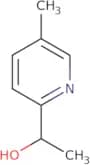
CAS:Versatile small molecule scaffoldFormula:C6H14ClNO3Purity:Min. 95%Molecular weight:183.6 g/mol1-(5-Methylpyridin-2-yl)ethan-1-ol
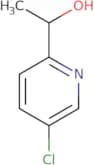
CAS:Versatile small molecule scaffoldFormula:C8H11NOPurity:Min. 95%Molecular weight:137.18 g/mol1-(5-Chloropyridin-2-yl)ethan-1-ol
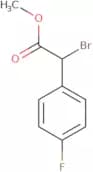
CAS:<p>Versatile small molecule scaffold</p>Formula:C7H8ClNOPurity:Min. 95%Molecular weight:157.6 g/molMethyl bromo(4-fluorophenyl)acetate
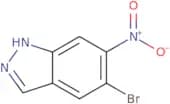
CAS:Versatile small molecule scaffoldFormula:C9H8BrFO2Purity:Min. 95%Molecular weight:247.06 g/mol5-Bromo-6-nitro-1H-indazole
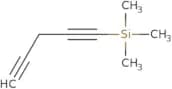
CAS:5-Bromo-6-nitro-1H-indazole is a potent inhibitor of ATP binding to the ATP binding site on kinases. It has shown antiproliferative activities in prostate cancer cells, PC3 cells and in vivo models. 5-Bromo-6-nitro-1H-indazole has been shown to inhibit the activity of protein kinases with micromolar potency. The IC50 values obtained from experiments are in the micromolar range for different kinases, including casein kinase II (CKII), cAMP dependent protein kinase A (PKA), and mitogen activated protein kinase 1 (MAPK1). The inhibition of these three kinases was found to be competitive and reversible. 5BINI also inhibits phosphorylation of casein by CKII, which is an important mechanism for regulating the activity of this enzyme.Formula:C7H4BrN3O2Purity:Min. 95%Molecular weight:242.03 g/mol1-Trimethylsilyl-1,4-pentadiyne
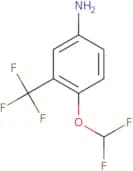
CAS:<p>1-Trimethylsilyl-1,4-pentadiyne is a chemical compound. It has a phenyl ring and a lipase ligand. This chemical has been shown to be able to transfer hydrocarbons from one side of the molecule to the other, with an efficiency of around 80%. The ligands on 1-trimethylsilyl-1,4-pentadiyne are hydride ligands that can undergo asymmetric hydrogenation reactions. This chemical also has a diffraction pattern that is characteristic of tetranuclear complexes. 1-Trimethylsilyl-1,4-pentadiyne is activated by electron bombardment and can undergo regioselective reactions with carbonyls and epoxides.</p>Formula:C8H12SiPurity:Min. 95%Molecular weight:136.27 g/mol4-(Difluoromethoxy)-3-(trifluoromethyl)aniline
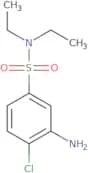
CAS:<p>Versatile small molecule scaffold</p>Formula:C8H6F5NOPurity:Min. 95%Molecular weight:227.13 g/mol3-Amino-4-chloro-N,N-diethyl-benzenesulfonamide
CAS:Versatile small molecule scaffoldFormula:C10H15ClN2O2SPurity:Min. 95%Molecular weight:262.76 g/mol2,5,8,11-Tetraoxatetradecan-14-amine
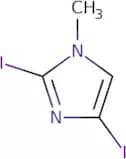
CAS:<p>Versatile small molecule scaffold</p>Formula:C10H23NO4Purity:Min. 95%Molecular weight:221.29 g/mol2,4-diiodo-1-methyl-1H-imidazole
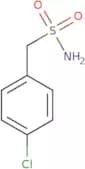
CAS:<p>Versatile small molecule scaffold</p>Formula:C4H4I2N2Purity:Min. 95%Molecular weight:333.9 g/mol4-Chlorobenzylsulfonamide
CAS:<p>4-Chlorobenzylsulfonamide is a histamine receptor antagonist that blocks the action of histamine on the H3 receptor. It has been shown to antagonize the binding of histamine to its receptors in bioassays, and has been found to be a competitive antagonist at the H3 receptor. 4-Chlorobenzylsulfonamide has similar affinity for the h3 receptor as does 4-chlorophenylbiguanide and 4-chloro-2-(2,4-dichlorophenoxy)phenylethylbiguanide. This drug also inhibits the release of histamine from mast cells in vitro.</p>Formula:C7H8ClNO2SPurity:Min. 95%Molecular weight:205.66 g/mol[4-(2-Phenylethyl)phenyl]amine hydrochloride
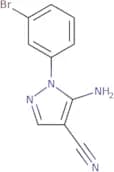
CAS:<p>This is a novel, selective and efficient catalyst for the synthesis of oxiranes from aldehydes and azides. It has been found to be more chemoselective than other catalysts in this area, and can also be used as a catalyst for the synthesis of vicinal silylated oxirane. The catalyst is prepared by reacting an amine with an aldehyde in the presence of hydroxide.<br>Synlett, 2014, 25(2), pp. 166–168</p>Formula:C14H16ClNPurity:Min. 95%Molecular weight:233.74 g/mol5-amino-1-(3-bromophenyl)-1H-pyrazole-4-carbonitrile
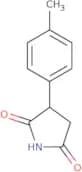
CAS:Versatile small molecule scaffoldFormula:C10H7BrN4Purity:Min. 95%Molecular weight:263.1 g/mol3-(4-Methylphenyl)pyrrolidine-2,5-dione
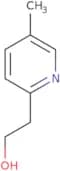
CAS:<p>Versatile small molecule scaffold</p>Formula:C11H11NO2Purity:Min. 95%Molecular weight:189.21 g/mol2-(5-Methylpyridin-2-yl)ethan-1-ol
CAS:Versatile small molecule scaffoldFormula:C8H11NOPurity:Min. 95%Molecular weight:137.18 g/mol3-[(2S)-Oxolan-2-yl]propanoic acid
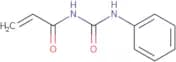
CAS:<p>Versatile small molecule scaffold</p>Formula:C7H12O3Purity:Min. 95%Molecular weight:144.17 g/mol1-Phenyl-3-(prop-2-enoyl)urea
CAS:<p>Versatile small molecule scaffold</p>Formula:C10H10N2O2Purity:Min. 95%Molecular weight:190.2 g/mol6-Azaspiro[3.5]nonane
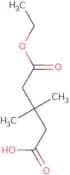
CAS:<p>Versatile small molecule scaffold</p>Formula:C8H16ClNPurity:Min. 95%Molecular weight:161.67 g/mol5-Ethoxy-3,3-dimethyl-5-oxopentanoic acid
CAS:<p>Versatile small molecule scaffold</p>Formula:C9H16O4Purity:Min. 95%Molecular weight:188.22 g/mol

![3-Methyl-1-azabicyclo[2.2.2]octan-3-amine](/_next/image/?url=https%3A%2Fstatic.cymitquimica.com%2Fproducts%2F3D%2Fthumb-webp%2FWAA63813.webp&w=3840&q=75)
![3-Methyl-1-azabicyclo[2.2.2]octan-3-amine dihydrochloride](/_next/image/?url=https%3A%2Fstatic.cymitquimica.com%2Fproducts%2F3D%2Fthumb-webp%2FWAA63814.webp&w=3840&q=75)
amine hydrochloride](/_next/image/?url=https%3A%2Fstatic.cymitquimica.com%2Fproducts%2F3D%2Fthumb-webp%2FWAA64593.webp&w=3840&q=75)
![2,2-Dimethyl-3-[(4-methylbenzenesulfonyl)oxy]propan-1-ol](/_next/image/?url=https%3A%2Fstatic.cymitquimica.com%2Fproducts%2F3D%2Fthumb-webp%2FWAA65104.webp&w=3840&q=75)
![2-{[(4-Chlorophenyl)methyl]sulfanyl}acetonitrile](/_next/image/?url=https%3A%2Fstatic.cymitquimica.com%2Fproducts%2F3D%2Fthumb-webp%2FWAA68187.webp&w=3840&q=75)
![7-Phenyl-3H,4H,5H-pyrrolo[3,2-d]pyrimidin-4-one](/_next/image/?url=https%3A%2Fstatic.cymitquimica.com%2Fproducts%2F3D%2Fthumb-webp%2FWCA43539.webp&w=3840&q=75)
![tert-Butyl N-[3-(trimethylsilyl)prop-2-yn-1-yl]carbamate](/_next/image/?url=https%3A%2Fstatic.cymitquimica.com%2Fproducts%2F3D%2Fthumb-webp%2FWCA59257.webp&w=3840&q=75)
![4-[Bis(2-chloroethyl)amino]benzonitrile](/_next/image/?url=https%3A%2Fstatic.cymitquimica.com%2Fproducts%2F3D%2Fthumb-webp%2FWCA60135.webp&w=3840&q=75)


![Octahydro-2H-pyrano[3,2-C]pyridine](/_next/image/?url=https%3A%2Fstatic.cymitquimica.com%2Fproducts%2F3D%2Fthumb-webp%2FWCA67181.webp&w=3840&q=75)
![2H,3H,4H-Pyrano[3,2-c]pyridin-4-one](/_next/image/?url=https%3A%2Fstatic.cymitquimica.com%2Fproducts%2F3D%2Fthumb-webp%2FWCA67182.webp&w=3840&q=75)
![Propyl 2-(4-{[5-(trifluoromethyl)pyridin-2-yl]oxy}phenoxy)propanoate](/_next/image/?url=https%3A%2Fstatic.cymitquimica.com%2Fproducts%2F3D%2Fthumb-webp%2FWCA68982.webp&w=3840&q=75)
![4-Amino-1H,2H,3H-imidazo[4,5-c]pyridin-2-one](/_next/image/?url=https%3A%2Fstatic.cymitquimica.com%2Fproducts%2F3D%2Fthumb-webp%2FWCA70303.webp&w=3840&q=75)

![Methyl (4Z)-bicyclo[6.2.0]deca-4,9-diene-9-carboxylate](/_next/image/?url=https%3A%2Fstatic.cymitquimica.com%2Fproducts%2F3D%2Fthumb-webp%2FWCA70794.webp&w=3840&q=75)

![[4-(2-Phenylethyl)phenyl]amine hydrochloride](/_next/image/?url=https%3A%2Fstatic.cymitquimica.com%2Fproducts%2F3D%2Fthumb-webp%2FWCA84520.webp&w=3840&q=75)
![3-[(2S)-Oxolan-2-yl]propanoic acid](/_next/image/?url=https%3A%2Fstatic.cymitquimica.com%2Fproducts%2F3D%2Fthumb-webp%2FWCA86210.webp&w=3840&q=75)
![6-Azaspiro[3.5]nonane](/_next/image/?url=https%3A%2Fstatic.cymitquimica.com%2Fproducts%2F3D%2Fthumb-webp%2FWCA87327.webp&w=3840&q=75)