Building Blocks
This section contains fundamental products for the synthesis of organic and biological compounds. Building blocks are the essential starting materials used to construct complex molecules through various chemical reactions. They play a critical role in drug discovery, material science, and chemical research. At CymitQuimica, we offer a diverse range of high-quality building blocks to support your innovative research and industrial projects, ensuring you have the essential components for successful synthesis.
Subcategories of "Building Blocks"
- Boronic Acids & Boronic Acid Derivatives(5,778 products)
- Chiral Building Blocks(1,243 products)
- Hydrocarbon Building Blocks(6,098 products)
- Organic Building Blocks(61,057 products)
Found 200710 products of "Building Blocks"
Sort by
Purity (%)
0
100
|
0
|
50
|
90
|
95
|
100
(+)-α-Tocopherol-d6
CAS:Controlled ProductPlease enquire for more information about (+)-α-Tocopherol-d6 including the price, delivery time and more detailed product information at the technical inquiry form on this pageFormula:C29H44D6O2Purity:Min. 95%Molecular weight:436.74 g/molTrisodium 7-hydroxynaphthalene-1,3,6-trisulphonate
CAS:<p>Please enquire for more information about Trisodium 7-hydroxynaphthalene-1,3,6-trisulphonate including the price, delivery time and more detailed product information at the technical inquiry form on this page</p>Formula:C10H8O10S3•Na3Purity:Min. 95%Molecular weight:453.33 g/mol3-Tolperisone hydrochloride
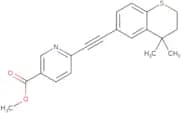
CAS:<p>Please enquire for more information about 3-Tolperisone hydrochloride including the price, delivery time and more detailed product information at the technical inquiry form on this page</p>Formula:C16H23NO•HClPurity:Min. 95%Molecular weight:281.82 g/molTazarotenic acid methyl ester
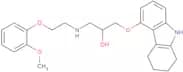
CAS:<p>Please enquire for more information about Tazarotenic acid methyl ester including the price, delivery time and more detailed product information at the technical inquiry form on this page</p>Formula:C20H19NO2SPurity:Min. 95%Molecular weight:337.44 g/mol6,7,8,9-Tetrahydro carvedilol
CAS:<p>Please enquire for more information about 6,7,8,9-Tetrahydro carvedilol including the price, delivery time and more detailed product information at the technical inquiry form on this page</p>Formula:C24H30N2O4Purity:Min. 95%Molecular weight:410.51 g/molUDP-3-O[R-3-hydroxymyristoyl]-N-acetylglucosamine tris, 90%
CAS:Please enquire for more information about UDP-3-O[R-3-hydroxymyristoyl]-N-acetylglucosamine tris, 90% including the price, delivery time and more detailed product information at the technical inquiry form on this pageFormula:C31H53N3O19P2•C4H11NO3Purity:Min. 95%Color and Shape:PowderMolecular weight:954.85 g/molUridine 5′-monophosphomorpholidate 4-morpholine-N,N′-dicyclohexylcarboxamidine
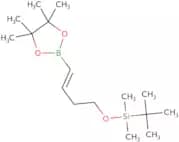
CAS:<p>Please enquire for more information about Uridine 5′-monophosphomorpholidate 4-morpholine-N,N′-dicyclohexylcarboxamidine including the price, delivery time and more detailed product information at the technical inquiry form on this page</p>Formula:C17H31N3O•C13H20N3O9PPurity:Min. 95%Molecular weight:686.74 g/mol(trans)-TERT-BUTYLDIMETHYL((4-(4,4,5,5-TETRAMETHYL-1,3,2-DIOXABOROLAN-2-YL)BUT-3-EN-1-YL)OXY)SILANE
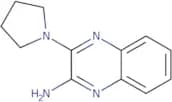
CAS:Versatile small molecule scaffoldFormula:C16H33BO3SiPurity:Min. 95%Molecular weight:312.33 g/mol3-(Pyrrolidin-1-yl)quinoxalin-2-amine
CAS:<p>3-(Pyrrolidin-1-yl)quinoxalin-2-amine is a condition in which the patient's body cannot convert the pyrrolidin-1-yl group to its quinoxaline counterpart. It is also called 'square, plugging', or 'condition'. This condition is often inherited and can be caused by a defective gene. The frequency of this condition is unknown. Complications may arise from this condition. The symbol for 3-(pyrrolidin-1-yl)quinoxalin-2-amine is "3PYRQ".</p>Formula:C12H14N4Purity:Min. 95%Molecular weight:214.27 g/molEthyl (1S,3R,4S)-4-Amino-3-[(tert-butoxycarbonyl)amino]cyclohexanecarboxylate
CAS:<p>Versatile small molecule scaffold</p>Formula:C14H26N2O4Purity:Min. 95%Molecular weight:286.37 g/molcis-1-boc-3,4-diaminopiperidine
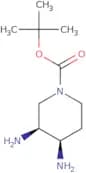
CAS:<p>Versatile small molecule scaffold</p>Formula:C10H21N3O2Purity:Min. 95%Molecular weight:215.3 g/mol3-Chloro-5-fluoro-1H-indole-2-carboxylic acid
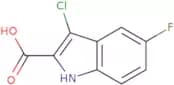
CAS:Versatile small molecule scaffoldFormula:C9H5ClFNO2Purity:Min. 95%Molecular weight:213.59 g/mol7-Fluoroisoquinoline-3-carboxylic acid
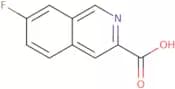
CAS:Versatile small molecule scaffoldFormula:C10H6FNO2Purity:Min. 95%Molecular weight:191.16 g/mol[(4-Chloro-3-fluorophenyl)carbamoyl]formic acid
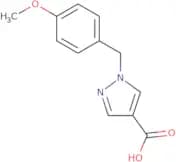
CAS:<p>Versatile small molecule scaffold</p>Formula:C8H5ClFNO3Purity:Min. 95%Molecular weight:217.58 g/mol1-(4-Methoxybenzyl)-1H-pyrazole-4-carboxylic acid
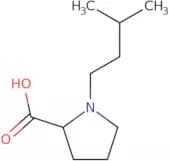
CAS:Versatile small molecule scaffoldFormula:C12H12N2O3Purity:Min. 95%Molecular weight:232.24 g/mol1-(3-Methylbutyl)pyrrolidine-2-carboxylic acid
CAS:Versatile small molecule scaffoldFormula:C10H19NO2Purity:Min. 95%Molecular weight:185.26 g/mol3-[(2-Oxooxolan-3-yl)sulfamoyl]benzoic acid
CAS:Versatile small molecule scaffoldFormula:C11H11NO6SPurity:Min. 95%Molecular weight:285.28 g/molMethyl 3-bromo-4H-thieno[3,2-b]pyrrole-5-carboxylate
CAS:<p>Versatile small molecule scaffold</p>Formula:C8H6BrNO2SPurity:Min. 95%Molecular weight:260.11 g/mol7-Bromo-4-chlorofuro[3,2-c]pyridine
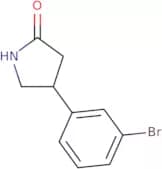
CAS:<p>Versatile small molecule scaffold</p>Formula:C7H3BrClNOPurity:Min. 95%Molecular weight:232.46 g/mol4-(3-Bromophenyl)pyrrolidin-2-one
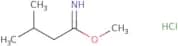
CAS:Versatile small molecule scaffoldFormula:C10H10BrNOPurity:Min. 95%Molecular weight:240.1 g/molMethyl 3-methylbutanecarboximidate hydrochloride
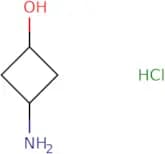
CAS:<p>Versatile small molecule scaffold</p>Formula:C6H14ClNOPurity:Min. 95%Molecular weight:151.63 g/moltrans-3-Aminocyclobutanol hydrochloride
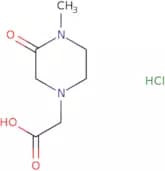
CAS:<p>Versatile small molecule scaffold</p>Formula:C4H10ClNOPurity:Min. 95%Molecular weight:123.58 g/mol2-(4-Methyl-3-oxopiperazin-1-yl)acetic acid hydrochloride
CAS:Versatile small molecule scaffoldFormula:C7H13ClN2O3Purity:Min. 95%Molecular weight:208.64 g/mol4-[2-(3,5-Dimethyl-1H-pyrazol-1-yl)ethyl]morpholine
CAS:<p>Versatile small molecule scaffold</p>Formula:C11H19N3OPurity:Min. 95%Molecular weight:209.29 g/mol1-[(2-Methylphenyl)methyl]-1H-pyrazole
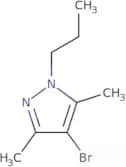
CAS:Versatile small molecule scaffoldFormula:C11H12N2Purity:Min. 95%Molecular weight:172.2 g/mol4-Bromo-3,5-dimethyl-1-propyl-1H-pyrazole
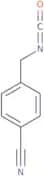
CAS:Versatile small molecule scaffoldFormula:C8H13BrN2Purity:Min. 95%Molecular weight:217.11 g/mol4-(Isocyanatomethyl)benzonitrile
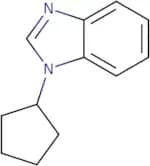
CAS:<p>Versatile small molecule scaffold</p>Formula:C9H6N2OPurity:Min. 95%Color and Shape:PowderMolecular weight:158.16 g/mol1-Cyclopentyl-1H-1,3-benzodiazole
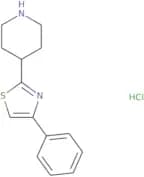
CAS:<p>Versatile small molecule scaffold</p>Formula:C12H14N2Purity:Min. 95%Molecular weight:186.25 g/mol4-(4-Phenyl-1,3-thiazol-2-yl)piperidine hydrochloride
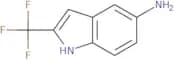
CAS:<p>Versatile small molecule scaffold</p>Formula:C14H17ClN2SPurity:Min. 95%Molecular weight:280.8 g/mol2-(Trifluoromethyl)-1H-indol-5-amine
CAS:Versatile small molecule scaffoldFormula:C9H7F3N2Purity:Min. 95%Molecular weight:200.16 g/mol3-[(2R)-2-Methylpyrrolidin-1-yl]propan-1-amine
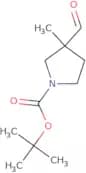
CAS:Versatile small molecule scaffoldFormula:C8H18N2Purity:Min. 95%Molecular weight:142.2 g/moltert-Butyl 3-formyl-3-methylpyrrolidine-1-carboxylate
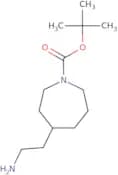
CAS:Versatile small molecule scaffoldFormula:C11H19NO3Purity:Min. 95%Molecular weight:213.27 g/moltert-butyl 4-(2-aminoethyl)azepane-1-carboxylate
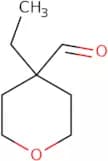
CAS:<p>Versatile small molecule scaffold</p>Formula:C13H26N2O2Purity:Min. 95%Molecular weight:242.4 g/mol4-Ethyloxane-4-carbaldehyde
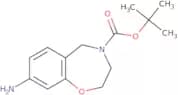
CAS:<p>Versatile small molecule scaffold</p>Formula:C8H14O2Purity:Min. 95%Molecular weight:142.2 g/moltert-Butyl 8-amino-2,3,4,5-tetrahydro-1,4-benzoxazepine-4-carboxylate
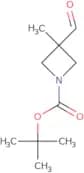
CAS:Versatile small molecule scaffoldFormula:C14H20N2O3Purity:Min. 95%Molecular weight:264.32 g/moltert-butyl 3-formyl-3-methylazetidine-1-carboxylate
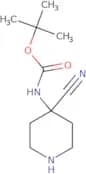
CAS:<p>Versatile small molecule scaffold</p>Formula:C10H17NO3Purity:Min. 95%Molecular weight:199.2 g/moltert-Butyl (4-cyanopiperidin-4-yl)carbamate
CAS:Versatile small molecule scaffoldFormula:C11H19N3O2Purity:Min. 95%Molecular weight:225.29 g/moltert-Butyl N-[(2-methylpyrrolidin-2-yl)methyl]carbamate
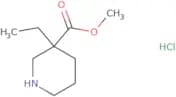
CAS:<p>Versatile small molecule scaffold</p>Formula:C11H22N2O2Purity:Min. 95%Molecular weight:214.3 g/molMethyl 3-ethyl-3-piperidinecarboxylate hydrochloride
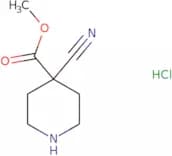
CAS:Versatile small molecule scaffoldFormula:C9H18ClNO2Purity:Min. 95%Molecular weight:207.7 g/molMethyl 4-cyanopiperidine-4-carboxylate hydrochloride
CAS:<p>Versatile small molecule scaffold</p>Formula:C8H13ClN2O2Purity:Min. 95%Molecular weight:204.65 g/mol4-[(tert-Butoxy)carbonyl]-2-methylmorpholine-2-carboxylic acid
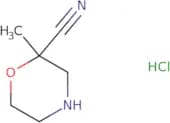
CAS:Versatile small molecule scaffoldFormula:C11H19NO5Purity:Min. 95%Molecular weight:245.27 g/mol2-Methylmorpholine-2-carbonitrile hydrochloride
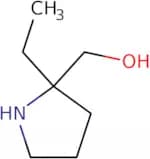
CAS:<p>Versatile small molecule scaffold</p>Formula:C6H11ClN2OPurity:Min. 95%Molecular weight:162.62 g/mol(2-Ethylpyrrolidin-2-yl)methanol
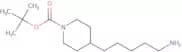
CAS:<p>Versatile small molecule scaffold</p>Formula:C7H15NOPurity:Min. 95%Molecular weight:129.2 g/moltert-Butyl 4-(5-aminopentyl)piperidine-1-carboxylate
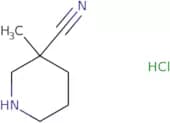
CAS:Versatile small molecule scaffoldFormula:C15H30N2O2Purity:Min. 95%Molecular weight:270.41 g/mol3-Methylpiperidine-3-carbonitrile hydrochloride
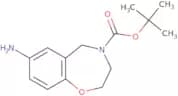
CAS:Versatile small molecule scaffoldFormula:C7H13ClN2Purity:Min. 95%Molecular weight:160.64 g/moltert-Butyl 7-amino-2,3,4,5-tetrahydro-1,4-benzoxazepine-4-carboxylate
CAS:<p>Versatile small molecule scaffold</p>Formula:C14H20N2O3Purity:Min. 95%Molecular weight:264.32 g/molMethyl 2,3,4,5-tetrahydro-1,4-benzoxazepine-8-carboxylate hydrochloride
CAS:<p>Versatile small molecule scaffold</p>Formula:C11H14ClNO3Purity:Min. 95%Molecular weight:243.68 g/molMethyl 2,3,4,5-tetrahydrobenzo[f][1,4]oxazepine-7-carboxylate hydrochloride
CAS:<p>Versatile small molecule scaffold</p>Formula:C11H14ClNO3Purity:Min. 95%Molecular weight:243.68 g/moltert-Butyl 2,7-diazaspiro[4.6]undecane-2-carboxylate
CAS:<p>Versatile small molecule scaffold</p>Formula:C14H26N2O2Purity:Min. 95%Molecular weight:254.37 g/mol4-Cyanopiperidine-4-carboxylic acid hydrochloride
CAS:<p>Versatile small molecule scaffold</p>Formula:C7H11ClN2O2Purity:Min. 95%Molecular weight:190.63 g/mol3-methylpyrrolidine-3-carbonitrile hydrochloride
CAS:Versatile small molecule scaffoldFormula:C6H11ClN2Purity:Min. 95%Molecular weight:146.62 g/mol4-[(tert-Butoxy)carbonyl]-2,3,4,5-tetrahydro-1,4-benzoxazepine-8-carboxylic acid
CAS:Versatile small molecule scaffoldFormula:C15H19NO5Purity:Min. 95%Molecular weight:293.31 g/molMethyl 2-methylmorpholine-2-carboxylate hydrochloride
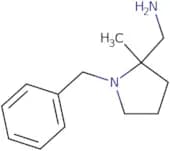
CAS:Versatile small molecule scaffoldFormula:C7H14ClNO3Purity:Min. 95%Molecular weight:195.64 g/mol(1-Benzyl-2-methylpyrrolidin-2-yl)methanamine
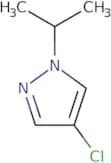
CAS:Versatile small molecule scaffoldFormula:C13H20N2Purity:Min. 95%Molecular weight:204.31 g/mol4-Chloro-1-isopropyl-1H-pyrazole
CAS:4-Chloro-1-isopropyl-1H-pyrazole is a hydrochloric acid derivative that can be obtained through the hydrolysis of 4-chloro-1,2,3,4-tetrahydroisoquinoline. It has been shown to be efficient in the cleavage of bonds with a C=C bond and a C=N bond. This compound is reactive and can react with aziridines to produce N-substituted aziridines in high yield. 4-Chloro-1-isopropylpyrazole reacts efficiently with acetonitrile and tetrahydrofuran.Formula:C6H9ClN2Purity:Min. 95%Molecular weight:144.6 g/mol4-(Dibutylamino)butanoic acid hydrochloride
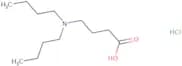
CAS:<p>Versatile small molecule scaffold</p>Formula:C12H26ClNO2Purity:Min. 95%Molecular weight:251.79 g/molN-Benzylpyrrolidine-3-carboxamide hydrochloride
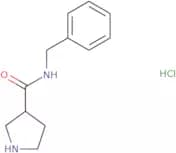
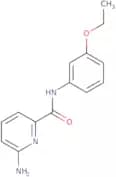
CAS:Versatile small molecule scaffoldFormula:C12H17ClN2OPurity:Min. 95%Molecular weight:240.73 g/mol6-Amino-N-(3-ethoxyphenyl)pyridine-2-carboxamide hydrochloride
CAS:Versatile small molecule scaffoldFormula:C14H15N3O2Purity:Min. 95%Molecular weight:257.29 g/molZofenoprilat-d5
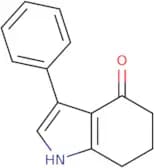
CAS:Controlled ProductPlease enquire for more information about Zofenoprilat-d5 including the price, delivery time and more detailed product information at the technical inquiry form on this pageFormula:C15H14D5NO3S2Purity:Min. 95%Molecular weight:330.48 g/mol3-Phenyl-4,5,6,7-tetrahydro-1H-indol-4-one
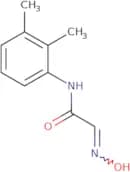
CAS:Versatile small molecule scaffoldFormula:C14H13NOPurity:Min. 95%Molecular weight:211.26 g/molN-(2,3-Dimethylphenyl)-2-(N-hydroxyimino)acetamide
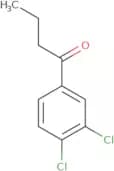
CAS:<p>Versatile small molecule scaffold</p>Formula:C10H12N2O2Purity:Min. 95%Molecular weight:192.21 g/mol1-(3,4-Dichlorophenyl)butan-1-one
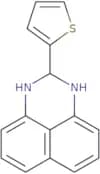
CAS:Versatile small molecule scaffoldFormula:C10H10Cl2OPurity:Min. 95%Molecular weight:217.09 g/mol2-(Thiophen-2-yl)-2,3-dihydro-1H-perimidine
CAS:<p>The compound 2-(thiophen-2-yl)-2,3-dihydro-1H-perimidine has been found to exhibit potent acetylcholinesterase (AChE) inhibitory activity. AChE is the target of organophosphate and carbamate insecticides and nerve agents. The inhibition study revealed that 2-(thiophen-2-yl)-2,3-dihydro-1H-perimidine binds to the active site of AChE with a strong binding affinity. The crystal structures of this molecule have been determined by x-ray crystallography, which revealed that it has a dipole moment. This molecule was also found to have an absorbance at frequencies in the fingerprint region, which can be used for identification purposes. The theory behind its structure was determined by vibrational spectroscopy techniques as well as analyses of its crystal structures.</p>Formula:C15H12N2SPurity:Min. 95%Molecular weight:252.3 g/mol1-(3-Bromo-2-methoxypropyl)-4-fluorobenzene
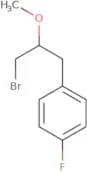
CAS:<p>Versatile small molecule scaffold</p>Formula:C10H12BrFOPurity:Min. 95%Molecular weight:247.1 g/mol3-(Butan-2-yl)-6-methyl-1,2,3,4-tetrahydropyrimidine-2,4-dione
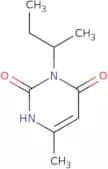
CAS:<p>3-(Butan-2-yl)-6-methyl-1,2,3,4-tetrahydropyrimidine-2,4-dione is an aliphatic hydrocarbon that is used as a pesticide. It is detectable in the air by laboratory tests. 3-(Butan-2-yl)-6-methyl-1,2,3,4-tetrahydropyrimidine-2,4-dione has been shown to be zerovalent and reactive at high concentrations. This compound can be desorbed from algae surfaces using high concentrations of HCl. The kinetics of this compound are determined by its growth rate and concentration.</p>Formula:C9H14N2O2Purity:Min. 95%Molecular weight:182.2 g/mol±-(Methylaminomethyl)benzyl alcohol
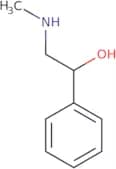
CAS:<p>±-(Methylaminomethyl)benzyl alcohol is an endophytic fungus that was first isolated from perennial ryegrass. It has been shown to be a potent inhibitor of growth factor and many other molecules, such as ethanolamine. ±-(Methylaminomethyl)benzyl alcohol is homochiral with a molecule weight of 222.2 g/mol, and can be synthesized by hydrogenation of the corresponding ketone. The compound has been shown to have immobilization properties, which may be due to its ability to form hydrogen bonds with surfaces. This chemical is also a substrate for enzymatic reactions, such as amination reactions, condensation reactions, and electrophilic addition reactions. The compound has been shown to inhibit energy metabolism in swiss-webster mice by blocking the conversion of glycogen into glucose in liver cells.</p>Formula:C9H13OPurity:Min. 95%Molecular weight:151.21 g/mol3,5-Dichlorophenyl isothiocyanate
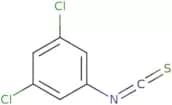
CAS:<p>3,5-Dichlorophenyl isothiocyanate is an electrophile that has been shown to degrade polyethylene terephthalate (PET) and polyisoprene. It is also resistant to high temperatures and may be used for the treatment of bacterial infections. 3,5-Dichlorophenyl isothiocyanate has antibacterial properties and can inhibit the growth of bacteria by binding to fatty acids or dione. 3,5-Dichlorophenyl isothiocyanate has also been shown to have antifungal properties against Candida albicans and Trichophyton rubrum.</p>Formula:C7H3Cl2NSPurity:Min. 95%Molecular weight:204.07 g/mol2,6-Dichlorophenylisothiocyanate
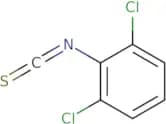
CAS:<p>2,6-Dichlorophenylisothiocyanate is a chloride that is used to treat tuberculosis. It is a prodrug that is hydrolyzed in the body to form 2-amino-3-chloropyrazine and imidazoles which are active against Mycobacterium tuberculosis and Mycobacterium avium complex. 2,6-Dichlorophenylisothiocyanate can be administered orally as well as intravenously. It has been shown to have tuberculostatic activity in animal models of experimental tuberculosis. The mechanism of action for this drug is not fully understood, but it may be due to its ability to inhibit protein synthesis by binding to bacterial ribosomes.</p>Formula:Cl2C6H3NCSPurity:Min. 95%Molecular weight:204.08 g/mol2,4-Dichlorophenyl isothiocyanate
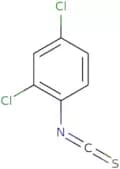
CAS:<p>2,4-Dichlorophenyl isothiocyanate (2,4-DCPI) is a benzimidazole derivative that binds to the benzimidazole-binding site of the α1 subunit of the glutamate receptor. 2,4-DCPI inhibits tumor cell proliferation by binding to a specific region of the alpha 1 subunit of the glutamate receptor. This binding prevents glutamate from activating its receptor and initiating intracellular signaling pathways that promote tumor cell growth. 2,4-DCPI has been shown to inhibit the proliferation of human cancer cells in culture with significant inhibitory activities against mda-mb231 cells. It also inhibits angiogenesis and metastasis by inhibiting vascular endothelial growth factor (VEGF) production. The molecule was observed to have an effect on chloride secretion in rats, which may be related to its pharmacokinetic properties.</p>Formula:C7H3Cl2NSPurity:Min. 95%Molecular weight:204.08 g/mol2-[(2-Chlorophenyl)methoxy]ethan-1-amine hydrochloride
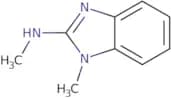
CAS:Versatile small molecule scaffoldFormula:C9H13Cl2NOPurity:Min. 95%Molecular weight:222.11 g/molN,1-Dimethyl-1H-1,3-benzodiazol-2-amine
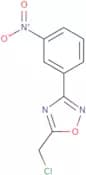
CAS:Versatile small molecule scaffoldFormula:C9H11N3Purity:Min. 95%Molecular weight:161.2 g/mol5-(Chloromethyl)-3-(3-nitrophenyl)-1,2,4-oxadiazole
CAS:Versatile small molecule scaffoldFormula:C9H6ClN3O3Purity:Min. 95%Molecular weight:239.62 g/molTetradecahydroanthracene
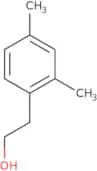
CAS:<p>Tetradecahydroanthracene is a chemical compound with the molecular formula CH. It is used as an active chemical in coronary heart disease, and it also has some radiation-absorption properties. Tetradecahydroanthracene can be synthesized by cationic polymerization of a polyimide precursor and then hydrogenating the skeleton to remove double bonds. The hydroxyl group on the tetradecahydroanthracene molecule can be converted into a chlorine atom by laser ablation. Tetradecahydroanthracene is also able to absorb ultraviolet light, which can be used in anti-aging creams or sunscreen products.</p>Formula:C14H24Purity:Min. 95%Molecular weight:192.34 g/mol2,4-Dimethylphenethyl alcohol
CAS:2,4-Dimethylphenethyl alcohol is a divalent organic molecule that interacts with chloride ions and the reaction system of cells. It is used in extracellular assays to measure the affinity of drugs for choline receptors. 2,4-Dimethylphenethyl alcohol is endogenous and has been shown to be clinically useful as an agonist. This drug also has a chiral center and can be optimized to have desired effects.Formula:C10H14OPurity:Min. 95%Molecular weight:150.22 g/molN-Methylethane-1-sulfonamide
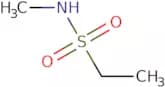
CAS:N-Methylethane-1-sulfonamide is a nonsteroidal antiestrogen that has been shown to inhibit the growth of breast cancer cells in vitro. It has also been shown to have a protective effect on cardiac tissues. N-Methylethane-1-sulfonamide is highly selective for estrogen receptors, and it is believed that this selectivity may be due to its ability to inhibit the enzyme 17β-hydroxysteroid dehydrogenase, which converts estrone into estradiol. The drug has been shown to increase the amount of progesterone in rats with induced ovarian cysts and decrease the number of oocytes released by female Xenopus laevis frogs. It also inhibits gene expression by binding to DNA at specific sites, thereby blocking transcription or translation. This drug is not active against bronchial asthma or cardiac arrhythmia in rodents; however, it can cause enantioselective inhibition of cardiac contractilityFormula:C3H9NO2SPurity:Min. 95%Molecular weight:123.18 g/molN-(2-Hydroxyethyl)methanesulfonamide
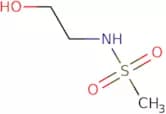
CAS:Versatile small molecule scaffoldFormula:C3H9NO3SPurity:Min. 95%Molecular weight:139.18 g/mol2-[(Thiophen-2-yl)carbonyl]pyridine
CAS:<p>2-[(Thiophen-2-yl)carbonyl]pyridine is a diastereoselective, enantiopure, and ligand-free asymmetric synthesis of pyridines from the reaction of amines with anions. The reaction is catalyzed by a chiral tetrafluoroborate salt and proceeds with high yields and diastereoselectivities. This process can be used to synthesize pyridines from anion precursors that are not commercially available or are too expensive for large scale production. 2-[(Thiophen-2-yl)carbonyl]pyridine has been shown to have optical resolution in both the (+) and (-) configurations, which makes it ideal for use in pharmaceuticals or other biological applications.</p>Formula:C10H7NOSPurity:Min. 95%Molecular weight:189.23 g/mol4-Methylcyclohexaneacetic acid, mixture of cis and trans
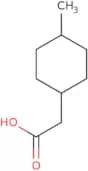
CAS:4-Methylcyclohexaneacetic acid, mixture of cis and trans is a white crystalline solid with a melting point of about 125°C. It is soluble in organic solvents, including diethanolamine, ethanolamine, and amines. 4-Methylcyclohexaneacetic acid is commercially available as the mixture of cis and trans isomers. This compound has been used to synthesize ferroelectric materials because it can be readily polymerized with ethylene glycol or diethylether. 4-Methylcyclohexaneacetic acid has also been used as an intermediate for the manufacture of pharmaceuticals.Formula:C9H16O2Purity:Min. 95%Molecular weight:156.22 g/mol2-Chloro-1,3-benzothiazole-6-sulfonamide
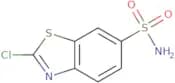
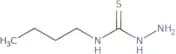
CAS:Versatile small molecule scaffoldFormula:C7H5ClN2O2S2Purity:Min. 95%Molecular weight:248.7 g/mol4-Butyl-3-thiosemicarbazide
CAS:4-Butyl-3-thiosemicarbazide is an intermediate used to synthesize thiosemicarbazide, which is a type of insecticide. The compound has shown insecticidal properties in the form of a cycloalkenyl or alkenyl group. 4-Butyl-3-thiosemicarbazide can be used as an intermediate for the synthesis of other compounds. It has also been shown to have antiinflammatory properties by inhibiting prostaglandin synthesis.Formula:C5H13N3SPurity:Min. 95%Molecular weight:147.24 g/molrac-(1R,2R)-2-Hydrazinylcyclohexan-1-ol dihydrochloride
CAS:Versatile small molecule scaffoldFormula:C23H23NO2Purity:Min. 95%Molecular weight:345.4 g/mol2,5-bis[(morpholin-4-yl)methyl]benzene-1,4-diol
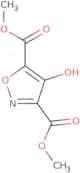
CAS:<p>Versatile small molecule scaffold</p>Formula:C16H24N2O4Purity:Min. 95%Molecular weight:308.38 g/mol3,5-Dimethyl 4-hydroxy-1,2-oxazole-3,5-dicarboxylate
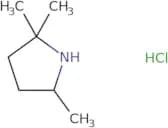
CAS:<p>Versatile small molecule scaffold</p>Formula:C7H7NO6Purity:Min. 95%Molecular weight:201.13 g/mol2,2,5-Trimethylpyrrolidine hydrochloride
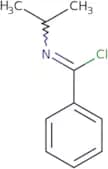
CAS:<p>Versatile small molecule scaffold</p>Formula:C7H16ClNPurity:Min. 95%Molecular weight:149.66 g/molN-(Propan-2-yl)benzenecarbonimidoyl chloride
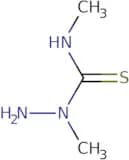
CAS:<p>N-(Propan-2-yl)benzenecarbonimidoyl chloride (PCI) is a synthetic, water-soluble drug that is used to treat anaerobic infections. PCI binds to the imidoyl group of bacterial enzymes, such as penicillinase and beta-lactamase, and inhibits their activity. It has been shown that PCI has an affinity for copper ions in the crystallographic analysis. This affinity can be optimized by changing the substituents on the phenyl ring to increase affinity for copper ions. The oxadiazoles and hydroxyalkyl groups are also being considered for optimization of this compound. PCI has been shown to inhibit the growth of various bacteria in screening tests with a shift in its absorption spectrum.</p>Formula:C10H12ClNPurity:Min. 95%Molecular weight:181.66 g/mol3-Amino-1,3-dimethylthiourea
CAS:Versatile small molecule scaffoldFormula:C3H9N3SPurity:Min. 95%Molecular weight:119.19 g/molN1-[4-(Allyloxy)phenyl]acetamide
CAS:<p>N1-[4-(Allyloxy)phenyl]acetamide is a catalyst which is used to synthesize polyolefins, such as polyethylene and polypropylene. It has been shown to be an effective catalyst for the polymerization of ethylene. N1-[4-(Allyloxy)phenyl]acetamide has also been shown to have a high activity in the synthesis of polyolefins, with rates comparable to those of the most commonly used catalysts. The crystal structure of this compound was determined by X-ray diffraction analysis and found to contain two crystallographic asymmetric units. This complex can be immobilized on titanium or zirconium oxide supports and is soluble in dichloromethane. The molecular structure of N1-[4-(Allyloxy)phenyl]acetamide has been analyzed by X-ray crystallography and found to contain a planar acetamide group that is connected through a methylene bridge with an allyl</p>Formula:C11H13NO2Purity:Min. 95%Molecular weight:191.23 g/mol2-(1-Phenyl-ethylamino)-ethanol
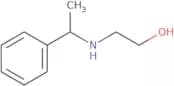
CAS:2-(1-Phenyl-ethylamino)-ethanol is an organic compound that is used as a catalyst. The compound is produced industrially by the reaction of formaldehyde with phenethylamine, followed by hydrogenation and hydrolysis. 2-(1-Phenyl-ethylamino)-ethanol can be used as a catalyst in the synthesis of oxazolidines, ketones, and other compounds containing aldehydes or carboxylic acids. It also has basic properties, which means it will react with acidic compounds to produce salts. 2-(1-Phenyl-ethylamino)-ethanol binds to amino alcohols and pyrroles through hydrogen bonding interactions.Formula:C10H15NOPurity:Min. 95%Molecular weight:165.24 g/molPropanebis(imidamide) dihydrochloride
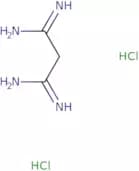
CAS:<p>Propanebis(imidamide) dihydrochloride is a drug that inhibits the enzyme guanylate cyclase. It is used to treat cardiovascular disorders, such as angina pectoris and hypertension. Propanebis(imidamide) dihydrochloride has been shown to inhibit the kinase, cyclase, and phosphodiesterase enzymes. This inhibition leads to an increase in the levels of cyclic guanosine monophosphate (cGMP). As a result, blood vessels are dilated, which reduces blood pressure and heart rate. The drug also increases the levels of intracellular cGMP by inhibiting protein kinase G. Propanebis(imidamide) dihydrochloride can be administered orally or intravenously.</p>Formula:C3H10Cl2N4Purity:Min. 95%Molecular weight:173.04 g/molN-Phenylpivalamide
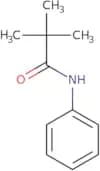
CAS:<p>N-Phenylpivalamide is an asymmetric synthesis that is a reaction yield of activated secondary amine and alkylsulfonyl chloride. The effective dose of n-phenylpivalamide is 0.01 mg/kg and the chloride ion, nitrogen atoms, and amines are all reactive functional groups. The nmr spectra show that this compound has stereoisomers.</p>Formula:C11H15NOPurity:Min. 95%Molecular weight:177.24 g/mol2-(Benzyloxy)propanoic acid
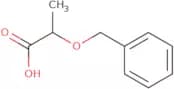
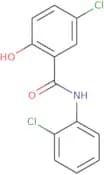
CAS:<p>2-(Benzyloxy)propanoic acid is a carboxylic acid that is used in biotechnology as a substrate for the production of optically pure carboxylic acids. It can be converted to pure hydroxyapatite, which is an important component of bone grafts and dentures. The microbial synthesis of 2-(benzyloxy)propanoic acid has been studied extensively. The n-terminal amino group can be removed by reduction with sodium sulfate or sodium borohydride, and the resulting alcohols can be converted to esters either enzymatically or with organic acids. 2-(Benzyloxy)propanoic acid also reacts with dodecyl mercaptan to give the corresponding dodecyl sulfate.</p>Formula:C10H12O3Purity:Min. 95%Molecular weight:180.2 g/mol5-Chloro-N-(2-Chlorophenyl)-2-Hydroxybenzamide
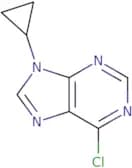
CAS:5-Chloro-N-(2-chlorophenyl)-2-hydroxybenzamide is a promyelocytic leukemia (PML) inhibitor that has been shown to have significant cytotoxicity against leukemia cells. 5-Chloro-N-(2-chlorophenyl)-2-hydroxybenzamide also inhibits the growth of prostate cancer cells and cervical cancer cells. It has been shown to inhibit the expression of oncogenes, such as sarcoma viral oncogene (SV40), and induce apoptosis in human cancer cells. This drug also shows significant cytotoxicity against human leukemia HL60 cells and erythroleukemia U937 cells.Formula:C13H9NO2Cl2Purity:Min. 95%Molecular weight:282.12 g/mol6-Chloro-9-cyclopropyl-9H-purine
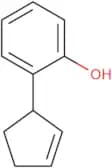
CAS:Versatile small molecule scaffoldFormula:C8H7ClN4Purity:Min. 95%Molecular weight:194.62 g/mol2-(2-Cyclopenten-1-yl)-phenol
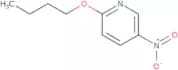
CAS:Versatile small molecule scaffoldFormula:C11H12OPurity:Min. 95%Molecular weight:160.21 g/mol2-Butoxy-5-nitropyridine
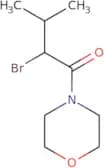
CAS:<p>Versatile small molecule scaffold</p>Formula:C9H12N2O3Purity:Min. 95%Molecular weight:196.2 g/mol2-Bromo-3-methyl-1-(morpholin-4-yl)butan-1-one
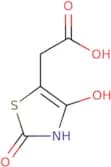
CAS:<p>Versatile small molecule scaffold</p>Formula:C9H16BrNO2Purity:Min. 95%Molecular weight:250.13 g/mol2-(Dihydroxy-1,3-thiazol-5-yl)acetic acid
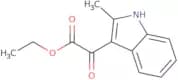
CAS:<p>Versatile small molecule scaffold</p>Formula:C5H5NO4SPurity:Min. 95%Molecular weight:175.16 g/molEthyl 2-(2-methyl-1H-indol-3-yl)-2-oxoacetate
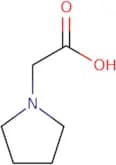
CAS:<p>Versatile small molecule scaffold</p>Formula:C13H13NO3Purity:Min. 95%Molecular weight:231.25 g/molPyrrolidin-1-yl-acetic acid hydrochloride
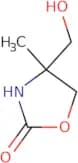
CAS:Pyrrolidin-1-yl-acetic acid hydrochloride is a drug that inhibits the enzyme protease, which is involved in the replication of HIV. It also inhibits the enzyme piperazine, an essential cofactor for retroviral replication. Pyrrolidin-1-yl-acetic acid hydrochloride has been shown to inhibit insulin resistance and increase glucose uptake in animal models. This drug may be a potential treatment for diabetes mellitus type 2. The structural formula of this drug is shown below:Formula:C6H12ClNO2Purity:Min. 95%Molecular weight:165.62 g/mol4-(Hydroxymethyl)-4-methyl-1,3-oxazolidin-2-one
CAS:<p>Versatile small molecule scaffold</p>Formula:C5H9NO3Purity:Min. 95%Molecular weight:131.13 g/mol


![UDP-3-O[R-3-hydroxymyristoyl]-N-acetylglucosamine tris, 90%](/_next/image/?url=https%3A%2Fstatic.cymitquimica.com%2Fproducts%2F3D%2Fthumb-webp%2FFU183491.webp&w=3840&q=75)

![Ethyl (1S,3R,4S)-4-Amino-3-[(tert-butoxycarbonyl)amino]cyclohexanecarboxylate](/_next/image/?url=https%3A%2Fstatic.cymitquimica.com%2Fproducts%2F3D%2Fthumb-webp%2FFUA44984.webp&w=3840&q=75)
![[(4-Chloro-3-fluorophenyl)carbamoyl]formic acid](/_next/image/?url=https%3A%2Fstatic.cymitquimica.com%2Fproducts%2F3D%2Fthumb-webp%2FFUA45191.webp&w=3840&q=75)
![3-[(2-Oxooxolan-3-yl)sulfamoyl]benzoic acid](/_next/image/?url=https%3A%2Fstatic.cymitquimica.com%2Fproducts%2F3D%2Fthumb-webp%2FFUB05809.webp&w=3840&q=75)
![Methyl 3-bromo-4H-thieno[3,2-b]pyrrole-5-carboxylate](/_next/image/?url=https%3A%2Fstatic.cymitquimica.com%2Fproducts%2F3D%2Fthumb-webp%2FFUB18736.webp&w=3840&q=75)
![7-Bromo-4-chlorofuro[3,2-c]pyridine](/_next/image/?url=https%3A%2Fstatic.cymitquimica.com%2Fproducts%2F3D%2Fthumb-webp%2FFUB18743.webp&w=3840&q=75)
![4-[2-(3,5-Dimethyl-1H-pyrazol-1-yl)ethyl]morpholine](/_next/image/?url=https%3A%2Fstatic.cymitquimica.com%2Fproducts%2F3D%2Fthumb-webp%2FFYB14550.webp&w=3840&q=75)
![1-[(2-Methylphenyl)methyl]-1H-pyrazole](/_next/image/?url=https%3A%2Fstatic.cymitquimica.com%2Fproducts%2F3D%2Fthumb-webp%2FFYB19449.webp&w=3840&q=75)
![3-[(2R)-2-Methylpyrrolidin-1-yl]propan-1-amine](/_next/image/?url=https%3A%2Fstatic.cymitquimica.com%2Fproducts%2F3D%2Fthumb-webp%2FFYB74632.webp&w=3840&q=75)
![tert-Butyl N-[(2-methylpyrrolidin-2-yl)methyl]carbamate](/_next/image/?url=https%3A%2Fstatic.cymitquimica.com%2Fproducts%2F3D%2Fthumb-webp%2FFYB74910.webp&w=3840&q=75)
![4-[(tert-Butoxy)carbonyl]-2-methylmorpholine-2-carboxylic acid](/_next/image/?url=https%3A%2Fstatic.cymitquimica.com%2Fproducts%2F3D%2Fthumb-webp%2FFYB74971.webp&w=3840&q=75)
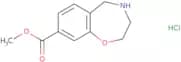
![Methyl 2,3,4,5-tetrahydrobenzo[f][1,4]oxazepine-7-carboxylate hydrochloride](/_next/image/?url=https%3A%2Fstatic.cymitquimica.com%2Fproducts%2F3D%2Fthumb-webp%2FFYB75023.webp&w=3840&q=75)
![tert-Butyl 2,7-diazaspiro[4.6]undecane-2-carboxylate](/_next/image/?url=https%3A%2Fstatic.cymitquimica.com%2Fproducts%2F3D%2Fthumb-webp%2FFYB75033.webp&w=3840&q=75)
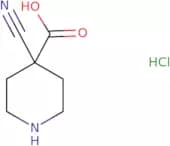
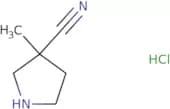
![4-[(tert-Butoxy)carbonyl]-2,3,4,5-tetrahydro-1,4-benzoxazepine-8-carboxylic acid](/_next/image/?url=https%3A%2Fstatic.cymitquimica.com%2Fproducts%2F3D%2Fthumb-webp%2FFYB75069.webp&w=3840&q=75)
![2-[(2-Chlorophenyl)methoxy]ethan-1-amine hydrochloride](/_next/image/?url=https%3A%2Fstatic.cymitquimica.com%2Fproducts%2F3D%2Fthumb-webp%2FGAA59467.webp&w=3840&q=75)
![2-[(Thiophen-2-yl)carbonyl]pyridine](/_next/image/?url=https%3A%2Fstatic.cymitquimica.com%2Fproducts%2F3D%2Fthumb-webp%2FGAA60263.webp&w=3840&q=75)
![2,5-bis[(morpholin-4-yl)methyl]benzene-1,4-diol](/_next/image/?url=https%3A%2Fstatic.cymitquimica.com%2Fproducts%2F3D%2Fthumb-webp%2FGAA61656.webp&w=3840&q=75)
![N1-[4-(Allyloxy)phenyl]acetamide](/_next/image/?url=https%3A%2Fstatic.cymitquimica.com%2Fproducts%2F3D%2Fthumb-webp%2FGAA62273.webp&w=3840&q=75)