Building Blocks
This section contains fundamental products for the synthesis of organic and biological compounds. Building blocks are the essential starting materials used to construct complex molecules through various chemical reactions. They play a critical role in drug discovery, material science, and chemical research. At CymitQuimica, we offer a diverse range of high-quality building blocks to support your innovative research and industrial projects, ensuring you have the essential components for successful synthesis.
Subcategories of "Building Blocks"
- Boronic Acids & Boronic Acid Derivatives(5,778 products)
- Chiral Building Blocks(1,242 products)
- Hydrocarbon Building Blocks(6,098 products)
- Organic Building Blocks(61,084 products)
Found 198714 products of "Building Blocks"
Sort by
Purity (%)
0
100
|
0
|
50
|
90
|
95
|
100
2-[3-(Propan-2-yl)phenoxy]acetic acid
CAS:<p>2-[3-(Propan-2-yl)phenoxy]acetic acid is a chemical compound that is used as an additive in benzene, and is a phytotoxic chemical. It prevents the formation of chlorophyll by blocking electron transport and inhibiting photosynthesis. 2-[3-(Propan-2-yl)phenoxy]acetic acid is used to induce callus tissue from lettuce, radish, and other plants. This compound also inhibits the growth of various bacteria including Escherichia coli and Pseudomonas aeruginosa.</p>Formula:C11H14O3Purity:Min. 95%Molecular weight:194.23 g/mol2-(3-Ethylphenoxy)acetic acid
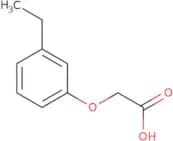
CAS:<p>2-(3-Ethylphenoxy)acetic acid is a phenoxyacetic acid that can be used as an igniting agent. It can be synthesized by the reaction of an alcohol with a carboxylic acid chloride in the presence of a base. The compound weighs 130.2 g/mol and has a melting point of 50°C. 2-(3-Ethylphenoxy)acetic acid is often used as a reagent for weighing zirconium oxide, which is used in some dental prostheses and dentures. It reacts with zirconia to produce ZrO2 and CO2 gas. The compound also reacts with water to form hydrogen gas, which makes it useful as a catalyst for oxidation reactions when heating zirconium metal in air.</p>Formula:C10H12O3Purity:Min. 95%Molecular weight:180.2 g/mol3-(Methylsulfonyl)acetophenone
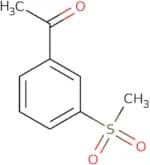
CAS:Versatile small molecule scaffoldFormula:C9H10O3SPurity:Min. 95%Molecular weight:198.24 g/mol3-(1,3-Dioxaindan-5-yl)propan-1-ol
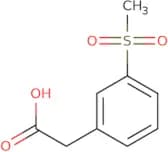
CAS:Controlled Product<p>3-(1,3-Dioxaindan-5-yl)propan-1-ol is a carboxylic acid with the chemical formula CH3COOH. It is a colorless liquid that is soluble in water and slightly soluble in ethanol. 3-(1,3-Dioxaindan-5-yl)propan-1-ol has been shown to be safe for use in animals as well as humans. In some cases, it may cause mild skin irritation or dermatitis. The toxicology of 3-(1,3-dioxaindan-5-yl)propan-1-ol has not been fully investigated because it is not widely used in industry.</p>Formula:C10H12O3Purity:Min. 95%Molecular weight:180.2 g/mol3-(Methylsulphonyl)phenylacetic acid
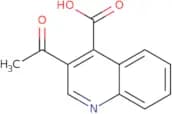
CAS:<p>Versatile small molecule scaffold</p>Formula:C9H10O4SPurity:Min. 95%Molecular weight:214.24 g/mol3-Acetylquinoline-4-carboxylic acid
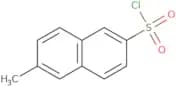
CAS:<p>Versatile small molecule scaffold</p>Formula:C12H9NO3Purity:Min. 95%Molecular weight:215.2 g/mol6-Methylnaphthalene-2-sulfonyl chloride
CAS:Versatile small molecule scaffoldFormula:C11H9ClO2SPurity:Min. 95%Molecular weight:240.71 g/mol2-Methyl-4H-benzo[1,4]thiazin-3-one
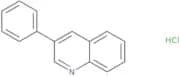
CAS:<p>2-Methyl-4H-benzo[1,4]thiazin-3-one is a tricyclic compound with anti-HIV activity. It has been shown to be a potent inhibitor of HIV reverse transcriptase and HIV protease. This compound is structurally similar to thiophenol, an analog of the anti-HIV agent AZT. 2-Methyl-4H-benzo[1,4]thiazin-3-one binds to the conserved aspartic acid residue in HIV protease and reverses the effect of this enzyme on the viral proteinases. This binding prevents any further cleavage of viral proteins, which are necessary for virus replication. 2MTHBZ also inhibits HIV reverse transcriptase by binding to its active site. In addition, it has been shown that 2MTHBZ is capable of inhibiting human leukocyte elastase (HLE), an enzyme found in high concentrations</p>Formula:C9H9NOSPurity:Min. 95%Molecular weight:179.24 g/mol3-Phenylquinoline hydrochloride
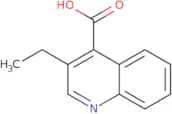
CAS:<p>Versatile small molecule scaffold</p>Formula:C15H12ClNPurity:Min. 95%Molecular weight:241.71 g/mol3-Ethylquinoline-4-carboxylic acid
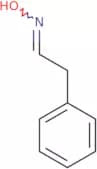
CAS:<p>3-Ethylquinoline-4-carboxylic acid is a functional derivative of hippuric acid, which is found in humans and other mammals. It is an inhibitor of enzymes that catalyze the oxidation of benzoic acid to benzaldehyde and benzoin. 3-Ethylquinoline-4-carboxylic acid has been used for pharmaceutical formulations as an alternative to phenylacetic acid due to its biodegradability and neutral pH. This compound also has preservative properties, which are due to its ability to react with ionizable groups on the surface of bacteria, leading to cell death. 3-Ethylquinoline-4-carboxylic acid can be synthesized from citric or organic acids in acidic conditions.</p>Formula:C12H11NO2Purity:Min. 95%Molecular weight:201.22 g/molN-(2-Phenylethylidene)hydroxylamine
CAS:<p>N-(2-Phenylethylidene)hydroxylamine is a methyl ethyl transfer agent. It is used in wastewater treatment to remove fatty acids, such as methyl ethyl and fatty acid esters, from water and industrial effluents. N-(2-Phenylethylidene)hydroxylamine is also used in the extraction of nasturtium officinale, an edible plant that belongs to the family Brassicaceae. The wild-type strain of this plant has been shown to be sensitive to N-(2-phenylethylidene)hydroxylamine. This chemical has also been shown to have potential as an oxidation catalyst for rat liver microsomes and neutral ph luciferase activity.</p>Formula:C8H9NOPurity:Min. 95%Molecular weight:135.16 g/mol[1,1'-Biphenyl]-3,5-diol
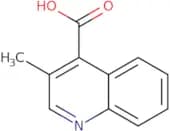
CAS:<p>1,1'-Biphenyl-3,5-diol is a fluorescent molecule that belongs to the class of antibiotics. It is used as an alkylating agent and has been shown to be effective in cloning and high yield production of proteins in plants. 1,1'-Biphenyl-3,5-diol has also been shown to have antibiotic properties. It specifically inhibits phytoalexin biosynthesis in plants such as rosaceae, which are susceptible to this type of antibiotic. This drug may be useful in fighting bacteria that have developed resistance to other antibiotics. The 1,1'-biphenyl-3,5-diol molecule reacts with DNA by alkylation at the N7 position of guanine (G) and N4 position of adenine (A). In vitro studies show that this drug is a potent inhibitor of bacterial growth in the presence of oxygen and can inhibit DNA gyrase and topoisomer</p>Formula:C12H10O2Purity:Min. 95%Molecular weight:186.21 g/mol3-Methylquinoline-4-carboxylic acid
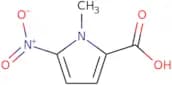
CAS:<p>3-Methylquinoline-4-carboxylic acid is a functional compound that is used in pharmaceutical formulations to stabilize the active ingredient. It is often used as a preservative in topical formulations because it can inhibit the growth of bacteria and fungi. 3-Methylquinoline-4-carboxylic acid has been shown to inhibit fatty acids such as methyl esters and organic acids, which are key components of many enzymes. 3-Methylquinoline-4-carboxylic acid also has been shown to be an inhibitor of hippuric acid, an acidic substance that is excreted by the kidneys. This product can be found in acidic or neutral conditions, depending on its function.</p>Formula:C11H9NO2Purity:Min. 95%Molecular weight:187.19 g/mol1-Methyl-5-nitro-1H-pyrrole-2-carboxylic acid
CAS:1-Methyl-5-nitro-1H-pyrrole-2-carboxylic acid is a synthetic, nonpeptide antiviral agent that inhibits coxsackie virus and other enteroviruses. It is structurally related to the nucleoside analogues of acyclovir and ganciclovir. 1-Methyl-5-nitro-1H-pyrrole-2-carboxylic acid binds to the viral RNA genome in a sequence specific manner. This binding prevents the synthesis of viral proteins, which results in inhibition of virus replication. 1MPA has been shown to inhibit the growth of tumor cell lines in vitro and in vivo, as well as murine leukemia cells transplanted into mice. 1MPA also has an inhibitory effect on the production of tumor necrosis factor (TNF) by murine macrophages activated by tumor cells or lipopolysaccharides.Formula:C6H6N2O4Purity:Min. 95%Molecular weight:170.12 g/molSebaconitrile
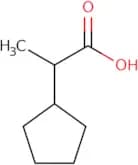
CAS:<p>Sebaconitrile is a reactive, unsaturated ketone that inhibits the activity of certain compounds by binding to the aliphatic carbon. Sebaconitrile is used as an inhibitor in chromatography and reacts with solute to form reaction products. Sebaconitrile is also used as a solvent for organic reactions. Sebaconitrile has been shown to inhibit the enzyme carbonic anhydrase, which is involved in the conversion of carbon dioxide and water into bicarbonate and hydrogen ions, respectively. This inhibition leads to increased levels of hydrogen ions in cells, which can lead to cell death. Sebaconitrile is also used as a solvent for organic reactions.</p>Formula:C10H16N2Purity:Min. 95%Molecular weight:164.25 g/mol2-Cyclopentylpropanoic acid
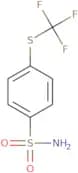
CAS:<p>Versatile small molecule scaffold</p>Formula:C8H14O2Purity:Min. 95%Molecular weight:142.2 g/mol4-(Trifluoromethylthio)benzenesulfonamide
CAS:<p>Versatile small molecule scaffold</p>Formula:C7H6F3NO2S2Purity:Min. 95%Molecular weight:257.3 g/molMethyl 2-phenylacrylate
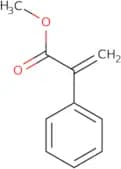
CAS:<p>Methyl 2-phenylacrylate is a synthetic chemical that is used in the production of polymers. It reacts with oxygen to give an oxidative carbonylation product, which consists of a particle and a functional group. The particle can be made insoluble by polymerisation. The reaction mechanism involves the donation of a methyl cinnamate group to the carbonyl group, which has a redox potential and kinetic energy that are sufficient for the reaction to proceed. Methyl 2-phenylacrylate has been used as an initiator for free radical polymerisation, which leads to cross-linked polymers. This initiator also reacts with other functional groups such as phenol or amine groups.</p>Formula:C10H10O2Purity:Min. 95%Molecular weight:162.19 g/mol6H-Benzo[C][1,2]benzothiazine 5,5-dioxide
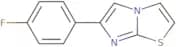
CAS:<p>6H-Benzo[C][1,2]benzothiazine 5,5-dioxide is a white crystalline solid with a molecular weight of 169.14. It is soluble in ether and benzene, but insoluble in water. 6H-Benzo[C][1,2]benzothiazine 5,5-dioxide has been shown to yield adducts with hydrochlorination and to react with quinones and other electrophiles to form chlorinated products. The regioselectivity of the reaction is determined by the anion of the substrate; chloride being the most reactive. The interaction of 6H-Benzo[C][1,2]benzothiazine 5,5-dioxide with anions such as diimide or sulfinic acid leads to the formation of different isomeric adducts.</p>Formula:C12H9NO2SPurity:Min. 95%Molecular weight:231.27 g/mol6-(4-Fluoro-phenyl)-imidazo2,1-bthiazole
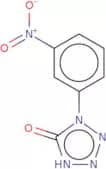
CAS:Versatile small molecule scaffoldFormula:C11H7FN2SPurity:Min. 95%Molecular weight:218.25 g/mol1-(3-Nitrophenyl)-4,5-dihydro-1H-1,2,3,4-tetrazol-5-one
CAS:Versatile small molecule scaffoldFormula:C7H5N5O3Purity:Min. 95%Molecular weight:207.1 g/mol3,5-Dichloro-1-methyl-1H-1,2,4-triazole
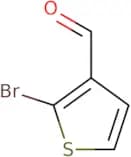
CAS:Versatile small molecule scaffoldFormula:C3H3Cl2N3Purity:Min. 95%Molecular weight:151.98 g/mol2-Bromothiophene-3-carbaldehyde
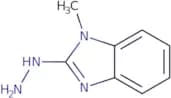
CAS:<p>2-Bromothiophene-3-carbaldehyde is a versatile monomer that can be used for the synthesis of a wide range of products. 2-Bromothiophene-3-carbaldehyde has been used in the synthesis of hexacyclic and grignard reagents, as well as aldehydes, which are precursors to many other chemicals. It is also an isomeric compound and can be used for cross coupling reactions. The yields of this chemical are high, making it an ideal choice for use in organic syntheses. 2-Bromothiophene-3-carbaldehyde can also be used in solar cells to produce polymers with optimal reaction rates. This chemical is often used as a monomer in the formylation and dimethylformamide processes.</p>Formula:C5H3BrOSPurity:Min. 95%Molecular weight:191.05 g/mol(1-Methyl-1H-benzoimidazol-2-yl)-hydrazine
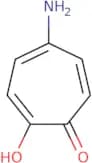
CAS:(1-Methyl-1H-benzoimidazol-2-yl)-hydrazine is a compound that has been shown to have anti-cancer properties. It is a potent inhibitor of mitochondrial membrane potential, which leads to cell apoptosis. It also inhibits the synthesis of DNA and RNA, which are necessary for the growth of tumor cells. Studies have shown that (1-methyl-1H-benzoimidazol-2-yl)-hydrazine may be useful in treating cancer. In addition, this drug may be used in combination with other chemotherapeutic agents to increase its effectiveness. This drug has also been found to be effective in treating resistant tumors, where it was shown to inhibit tumor growth at doses that did not affect healthy cells.Formula:C8H10N4Purity:Min. 95%Molecular weight:162.19 g/mol5-Amino-2-hydroxycyclohepta-2,4,6-trien-1-one
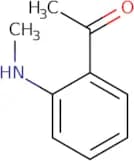
CAS:<p>Tropone is a molecule that is structurally similar to the amino acid tryptophan. It is an inhibitor of macrophage-like cells and has been shown to be effective in inhibiting intermolecular hydrogen bonding, which may contribute to its function as an anti-inflammatory agent. Tropone has shown labile properties, and can therefore be detected in a non-invasive manner with fluorescence spectroscopy.</p>Formula:C7H7NO2Purity:Min. 95%Molecular weight:137.14 g/mol1-(2-(Methylamino)phenyl)ethanone
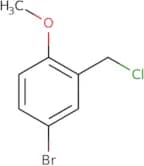
CAS:<p>Versatile small molecule scaffold</p>Formula:C9H11NOPurity:Min. 95%Molecular weight:149.19 g/mol4-Bromo-2-(chloromethyl)-1-methoxybenzene
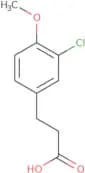
CAS:Versatile small molecule scaffoldFormula:C8H8BrClOPurity:Min. 95%Molecular weight:235.5 g/mol3-(3-Chloro-4-methoxyphenyl)propionic acid
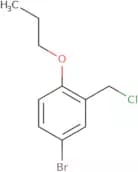
CAS:Versatile small molecule scaffoldFormula:C10H11ClO3Purity:Min. 95%Molecular weight:214.65 g/mol4-Bromo-2-(chloromethyl)-1-propoxybenzene
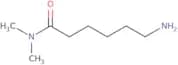
CAS:Versatile small molecule scaffoldFormula:C10H12BrClOPurity:Min. 95%Molecular weight:263.56 g/mol6-Amino-N,N-dimethylhexanamide
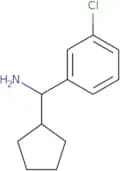
CAS:<p>Versatile small molecule scaffold</p>Formula:C8H18N2OPurity:Min. 95%Molecular weight:158.2 g/mol(3-Chlorophenyl)(cyclopentyl)methanamine
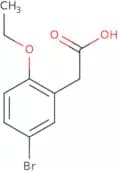
CAS:<p>Versatile small molecule scaffold</p>Formula:C12H16ClNPurity:Min. 95%Molecular weight:209.71 g/mol(5-Bromo-2-ethoxyphenyl)acetic acid
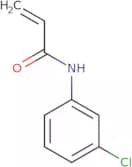
CAS:Versatile small molecule scaffoldFormula:C10H11BrO3Purity:Min. 95%Molecular weight:259.1 g/molN-(3-Chlorophenyl)prop-2-enamide
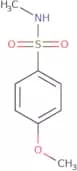
CAS:<p>Versatile small molecule scaffold</p>Formula:C9H8ClNOPurity:Min. 95%Molecular weight:181.62 g/mol4-Methoxy-N-methylbenzenesulfonamide
CAS:<p>4-Methoxy-N-methylbenzenesulfonamide is a synthetic organic chemical that is used as a catalyst in nitroso chemical reactions. The transition state for the reaction is kinetically controlled by the anions and the kinetic isotope effects. The substituent effects are important in determining how quickly the reaction proceeds, with electron withdrawing groups accelerating the rate of reaction. 4-Methoxy-N-methylbenzenesulfonamide can be used to transfer a proton from one molecule to another, which may lead to an imbalance of protons and/or electrons. This can result in a change in pH or redox potential, depending on whether it is transferring a proton from an acid or base.</p>Formula:C8H11NO3SPurity:Min. 95%Molecular weight:201.24 g/molDodecyl(2-hydroxyethyl)dimethylammonium bromide
CAS:Versatile small molecule scaffoldFormula:C16H36BrNOPurity:Min. 95%Molecular weight:338.37 g/molSodium 2-[1-(hydroxymethyl)cyclohexyl]acetate
CAS:<p>Sodium 2-[1-(hydroxymethyl)cyclohexyl]acetate (SCH-48461) is an anti-inflammatory drug that belongs to the class of cholesteryl ester transferase inhibitors. It is used in the treatment of patients with inflammatory diseases such as arthritis and psoriasis. SCH-48461 inhibits the production of fatty acids from cholesterol by inhibiting lipoprotein lipase, thereby reducing the production of triglycerides. The drug also has been shown to decrease levels of low density lipoproteins (LDL). SCH-48461 has a high therapeutic index and does not affect platelet aggregation or coagulation factors, making it useful for treating patients with heart disease.</p>Formula:C9H15NaO3Purity:Min. 95%Molecular weight:194.2 g/mol6-Phenylimidazo[2,1-b][1,3]thiazole
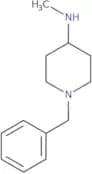
CAS:<p>6-Phenylimidazo[2,1-b][1,3]thiazole is a chemical compound that has been shown to have antimycobacterial activity. It also has been shown to inhibit the growth of cancer cells in vitro and in vivo. 6-Phenylimidazo[2,1-b][1,3]thiazole is used as a fluorescence probe for the detection of DNA in living cells. The fluorescence of this molecule can be excited by light at a wavelength of 365 nm and emission can be observed at 460 nm. This compound has also been shown to bind with high affinity to microsporum and trichophyton mentagrophytes.</p>Formula:C11H8N2SPurity:Min. 95%Molecular weight:200.26 g/mol(1-Benzyl-piperidin-4-yl)-methyl-amine
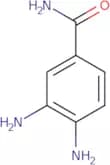
CAS:Controlled Product<p>Versatile small molecule scaffold</p>Formula:C13H20N2Purity:Min. 95%Molecular weight:204.31 g/mol3,4-Diaminobenzamide
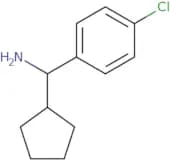
CAS:<p>Versatile small molecule scaffold</p>Formula:C7H9N3OPurity:Min. 95%Molecular weight:151.17 g/mol(4-Chlorophenyl)(cyclopentyl)methanamine
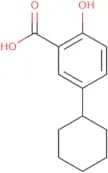
CAS:<p>Versatile small molecule scaffold</p>Formula:C12H16ClNPurity:Min. 95%Molecular weight:209.71 g/mol5-Cyclohexyl-2-hydroxybenzoic acid
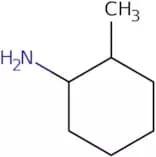
CAS:<p>5-Cyclohexyl-2-hydroxybenzoic acid is a compound that belongs to the group of phenolic compounds. It has been clinically used for the treatment of systemic hypertension and is used in the manufacture of dyes, resins, flavors and fragrances. 5-Cyclohexyl-2-hydroxybenzoic acid can be found in light exposure, metal cations and environmental pollution. The use of this compound may lead to depression, which may be due to its effects on the vessel diameter. This drug also has an effect on blood pressure by stimulating vasodilatation through an endothelium-dependent mechanism.</p>Formula:C13H16O3Purity:Min. 95%Molecular weight:220.26 g/mol2-Methylcyclohexylamine
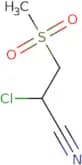
CAS:<p>2-Methylcyclohexylamine is a potential drug for the treatment of cancer. It has been shown to have an anti-proliferative effect on cells in culture. 2-Methylcyclohexylamine reacts with nucleophilic sites on DNA, leading to cell death. 2-Methylcyclohexylamine also inhibits cell growth through inhibition of RNA synthesis and protein synthesis. It can be used as an acid catalyst or as a surface coating agent in coatings, such as cellulose acetate, amines, and nitrocellulose.</p>Formula:C7H15Purity:Min. 95%Molecular weight:113.2 g/mol2-Chloro-3-methanesulfonylpropanenitrile
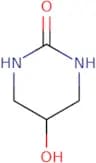
CAS:Versatile small molecule scaffoldFormula:C4H6ClNO2SPurity:Min. 95%Molecular weight:167.61 g/mol5-Hydroxy-1,3-diazinan-2-one
CAS:<p>Versatile small molecule scaffold</p>Formula:C4H8N2O2Purity:Min. 95%Molecular weight:116.12 g/mol4,6-Dichloro-2-(pyrrolidin-1-yl)pyrimidine-5-carbaldehyde
CAS:Versatile small molecule scaffoldFormula:C9H9Cl2N3OPurity:Min. 95%Molecular weight:246.09 g/mol5-Bromo-3-fluoro-2-(hydroxymethyl)pyridine
CAS:Versatile small molecule scaffoldFormula:C6H5BrFNOPurity:Min. 95%Molecular weight:206.01 g/mol(-)-Isopinocampheol
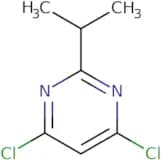
CAS:<p>(-)-Isopinocampheol is a natural product with the molecular formula C(14)H(28)O. It is extracted from various plants, such as "Erythroxylum coca" and "Psychotria viridis". (-)-Isopinocampheol is a chiral molecule that has been shown to have reactivity in the synthesis of other natural products. (-)-Isopinocampheol can be alkylated at the 2-position with chloromethyl methyl ether. This reaction yields an intermediate that undergoes β-elimination, forming a piperidine skeleton. (-)-Isopinocampheol has been evaluated as a potential anti-cancer drug candidate due to its ability to inhibit proliferation of tumor cells in culture. The mechanism of action is not yet clear, but may involve inhibition of protein synthesis or induction of apoptosis.</p>Formula:C10H18OPurity:Min. 95%Molecular weight:154.24 g/mol4,6-Dichloro-2-(propan-2-yl)pyrimidine
CAS:<p>Versatile small molecule scaffold</p>Formula:C7H8Cl2N2Purity:Min. 95%Molecular weight:191.05 g/mol{4-[2-(Diethylamino)ethoxy]phenyl}methanamine
CAS:Controlled Product<p>Versatile small molecule scaffold</p>Formula:C13H22N2OPurity:Min. 95%Molecular weight:222.33 g/mol(5-bromo-3-chloropyridin-2-yl)methanol
CAS:Versatile small molecule scaffoldFormula:C6H5BrClNOPurity:Min. 95%Molecular weight:222.47 g/mol2-(5-Bromopyridin-2-yl)ethanol
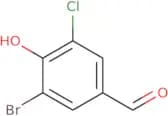
CAS:<p>Versatile small molecule scaffold</p>Formula:C7H8BrNOPurity:Min. 95%Molecular weight:202.05 g/mol3-Bromo-5-chloro-4-hydroxybenzaldehyde
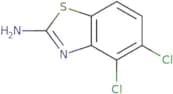
CAS:<p>3-Bromo-5-chloro-4-hydroxybenzaldehyde (3BCHA) is a phenolic compound that has been used in the synthesis of new drugs. 3BCHA is produced by the ozonation of 2,6-dichlorophenol and subsequent reactions with sodium hydroxide and hydrogen peroxide. The production of 3BCHA can be monitored using gas chromatography/electron spray ionization mass spectrometry (GC/ESI MS). 3BCHA can be synthesized in two ways:</p>Formula:C7H4BrClO2Purity:Min. 95%Molecular weight:235.46 g/mol4,5-Dichloro-benzothiazol-2-ylamine
CAS:<p>Versatile small molecule scaffold</p>Formula:C7H4Cl2N2SPurity:Min. 95%Molecular weight:219.08 g/mol4-Methanesulfonyl-2-methoxyphenol
CAS:Versatile small molecule scaffoldFormula:C8H10O4SPurity:Min. 95%Molecular weight:202.23 g/mol4-(5-Bromopyridin-2-yl)oxan-4-ol
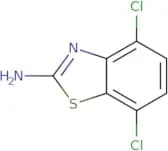
CAS:<p>Versatile small molecule scaffold</p>Formula:C10H12BrNO2Purity:Min. 95%Molecular weight:258.11 g/mol2-Amino-4,7-dichlorobenzothiazole
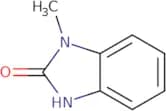
CAS:<p>Versatile small molecule scaffold</p>Formula:C7H4Cl2N2SPurity:Min. 95%Molecular weight:219.09 g/mol1-Methyl-2-benzimidazolinone
CAS:<p>1-Methyl-2-benzimidazolinone is a synthetic compound that has been shown to be cytotoxic to cancer cells. It binds to metal ions and forms reactive intermediates, which are able to react with nucleophiles in cellular macromolecules. The reaction mechanism of 1-methyl-2-benzimidazolinone is similar to the reaction of picolinic acid with metal hydroxides. The heteroarylations of this compound have also been studied using chemical ligation, and it has been found that the d4 receptor may play a role in its cytotoxicity.</p>Formula:C8H8N2OPurity:Min. 95%Molecular weight:148.16 g/mol(S)-1-(4-(Methylthio)phenyl)ethanamine Hydrochloride
CAS:Versatile small molecule scaffoldFormula:C9H13NS·HClPurity:Min. 95%Molecular weight:203.73 g/mol3-(5-Hydroxy-1,2,4-oxadiazol-3-yl)benzoic acid
CAS:<p>Versatile small molecule scaffold</p>Formula:C9H6N2O4Purity:Min. 95%Molecular weight:206.15 g/mol2-(2-Bromothiazol-5-yl)ethanol
CAS:<p>Versatile small molecule scaffold</p>Formula:C5H6BrNOSPurity:Min. 95%Molecular weight:208.08 g/mol4,6-Dichloro-N-(prop-2-yn-1-yl)-1,3,5-triazin-2-amine
CAS:<p>Versatile small molecule scaffold</p>Formula:C6H4Cl2N4Purity:Min. 95%Molecular weight:203.03 g/mol2-[3-(Carboxymethyl)-2-oxo-2,3-dihydro-1H-1,3-benzodiazol-1-yl]acetic acid
CAS:Versatile small molecule scaffoldFormula:C11H10N2O5Purity:Min. 95%Molecular weight:250.21 g/mol3H,4H-imidazo[2,1-f][1,2,4]triazin-4-one
CAS:<p>Versatile small molecule scaffold</p>Formula:C5H4N4OPurity:Min. 95%Molecular weight:136.11 g/mol4-Chloroimidazo[2,1-f][1,2,4]triazine
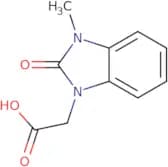
CAS:<p>Versatile small molecule scaffold</p>Formula:C5H3ClN4Purity:Min. 95%Molecular weight:154.56 g/mol(3-Methyl-2-oxo-2,3-dihydro-benzoimidazol-1-yl)-acetic acid
CAS:Versatile small molecule scaffoldFormula:C10H10N2O3Purity:Min. 95%Molecular weight:206.2 g/mol(3R,4R)-3-(N-BOC-N-methylamino)-4-methylpiperidine
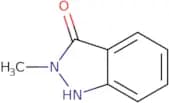
CAS:Versatile small molecule scaffoldFormula:C12H24N2O2Purity:Min. 95%Molecular weight:228.33 g/mol2-Methyl-2,3-dihydro-1H-indazol-3-one
CAS:<p>Versatile small molecule scaffold</p>Formula:C8H8N2OPurity:Min. 95%Molecular weight:148.16 g/mol-1([(Tert-Butoxy)Carbonyl]Amino)-1H-Pyrrole-2-Carboxamide
CAS:Versatile small molecule scaffoldFormula:C10H15N3O3Purity:Min. 95%Molecular weight:225.24 g/mol2-(3-Methyl-1-benzofuran-2-yl)acetic acid
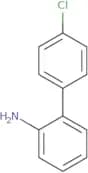
CAS:<p>Versatile small molecule scaffold</p>Formula:C11H10O3Purity:Min. 95%Molecular weight:190.19 g/mol4'-Chloro-biphenyl-2-ylamine
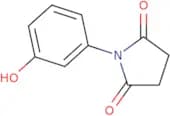
CAS:<p>4'-Chloro-biphenyl-2-ylamine is an organic solvent that is used in alkalization and as a reagent in chemical reactions. It has been shown to be bactericidal, with a broad spectrum of activity against Gram-positive and Gram-negative bacteria. 4'-Chloro-biphenyl-2-ylamine can be synthesized by the reaction of biphenyl with hydrogen chloride, producing an azide and chloride. The azide reacts with chloroacetic acid to produce the desired compound.</p>Formula:C12H10ClNPurity:Min. 95%Molecular weight:203.67 g/mol1-(3-Hydroxyphenyl)pyrrolidine-2,5-dione
CAS:Versatile small molecule scaffoldFormula:C10H9NO3Purity:Min. 95%Molecular weight:191.18 g/mol6-Bromo-1H-indazol-5-ol
CAS:<p>Versatile small molecule scaffold</p>Formula:C7H5BrN2OPurity:Min. 95%Molecular weight:213.03 g/molN-(4-Aminocyclohexyl)methanesulfonamide hydrochloride
CAS:<p>Versatile small molecule scaffold</p>Formula:C7H17ClN2O2SPurity:Min. 95%Molecular weight:228.74 g/mol2-Chloro-5-(1-ethoxyethenyl)pyrazine
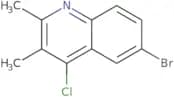
CAS:Versatile small molecule scaffoldFormula:C8H9ClN2OPurity:Min. 95%Molecular weight:184.62 g/mol6-Bromo-4-chloro-2,3-dimethylquinoline
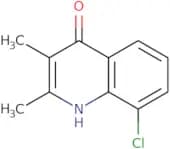
CAS:Versatile small molecule scaffoldFormula:C11H9BrClNPurity:Min. 95%Molecular weight:270.55 g/mol8-Chloro-2,3-dimethyl-1,4-dihydroquinolin-4-one
CAS:<p>Versatile small molecule scaffold</p>Formula:C11H10ClNOPurity:Min. 95%Molecular weight:207.65 g/mol4,8-Dichloro-2,3-dimethylquinoline
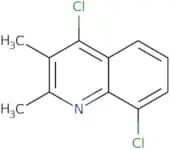
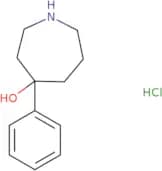
CAS:<p>Versatile small molecule scaffold</p>Formula:C11H9Cl2NPurity:Min. 95%Molecular weight:226.1 g/mol4-Phenylazepan-4-ol hydrochloride
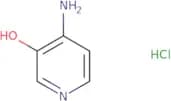
CAS:<p>Versatile small molecule scaffold</p>Formula:C12H18ClNOPurity:Min. 95%Molecular weight:227.73 g/mol4-Aminopyridin-3-ol hydrochloride
CAS:<p>Versatile small molecule scaffold</p>Formula:C5H7ClN2OPurity:Min. 95%Molecular weight:146.58 g/mol2-[(Cycloheptylideneamino)oxy]acetic acid
CAS:Versatile small molecule scaffoldFormula:C9H15NO3Purity:Min. 95%Molecular weight:185.22 g/mol4-[(Methylamino)methyl]cyclohexan-1-amine
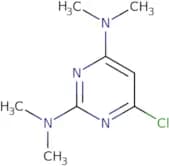
CAS:Versatile small molecule scaffoldFormula:C8H18N2Purity:Min. 95%Molecular weight:142.24 g/mol4-Chloro-2,6-bis(dimethylamino)pyrimidine
CAS:Versatile small molecule scaffoldFormula:C8H13ClN4Purity:Min. 95%Molecular weight:200.67 g/mol2-Chloro-4-(1H-pyrazol-4-yl)pyrimidine
CAS:Versatile small molecule scaffoldFormula:C7H5ClN4Purity:Min. 95%Molecular weight:180.59 g/mol1-Iodo-3-methoxycyclohexane
CAS:<p>Versatile small molecule scaffold</p>Formula:C7H13IOPurity:Min. 95%Molecular weight:240.08 g/mol(4-Fluorocyclohexyl)methanol
CAS:<p>Versatile small molecule scaffold</p>Formula:C7H13FOPurity:Min. 95%Molecular weight:132.18 g/mol5-Methylthiolane-2-carboxylic acid
CAS:<p>Versatile small molecule scaffold</p>Formula:C6H10O2SPurity:Min. 95%Molecular weight:146.21 g/mol2,2,2-Trifluoro-1-(1,3-thiazol-2-yl)ethan-1-ol
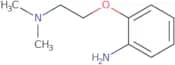
CAS:Versatile small molecule scaffoldFormula:C5H4F3NOSPurity:Min. 95%Molecular weight:183.15 g/mol2-(2-Dimethylamino-ethoxy)-phenylamine
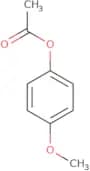
CAS:Controlled Product<p>2-(2-Dimethylamino-ethoxy)-phenylamine is a colorless liquid with a boiling point of 212 °C. The detection limit for this compound is 2 ppm. It has an acidity of 0.1 and can be synthesized from the reaction of two equivalents of phenol and two equivalents of ethylenediamine in the presence of conc. sulfuric acid, followed by reduction of the nitro group to an amine. This compound is used as an intermediate in the synthesis of several drugs such as amphetamine, methamphetamine, and ephedrine, as well as pharmaceuticals such as levamisole, clonidine, and mepyramine hydrochloride.<br>2-(2-Dimethylamino-ethoxy)-phenylamine can be detected using UV spectroscopy at wavelengths between 260 nm and 270 nm with maximum absorption at 266 nm.</p>Formula:C10H16N2OPurity:Min. 95%Molecular weight:180.25 g/mol4-Methoxyphenyl acetate
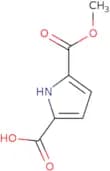
CAS:<p>4-Methoxyphenyl acetate is the product of a chloroformate reaction with an alcohol. It has been synthesized in high yield and purified by recrystallization from hexahydrate to produce a white crystalline solid. This compound is soluble in water and chloroform, and is stable at room temperature. 4-Methoxyphenyl acetate has been shown to be active against influenza virus strains Covid-19, H1N1, H3N2, PR8, H5N1, and H7N7. The mechanism of action is not fully understood but this molecule may act as a substrate for the enzyme active site of the viral polymerase complex or interfere with viral nucleic acid replication.</p>Formula:C9H10O3Purity:Min. 95%Molecular weight:166.17 g/mol5-(Methoxycarbonyl)-1H-pyrrole-2-carboxylic acid
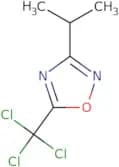
CAS:Versatile small molecule scaffoldFormula:C7H7NO4Purity:Min. 95%Molecular weight:169.13 g/mol3-isopropyl-5-(trichloromethyl)-1,2,4-oxadiazole
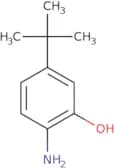
CAS:Versatile small molecule scaffoldFormula:C6H7Cl3N2OPurity:Min. 95%Molecular weight:229.49 g/mol2-Amino-5-tert-butylphenol
CAS:<p>Versatile small molecule scaffold</p>Formula:C10H15NOPurity:Min. 95%Molecular weight:165.23 g/mol5-Amino-N,N-dimethylpyridine-2-carboxamide
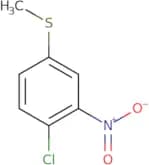
CAS:<p>Versatile small molecule scaffold</p>Formula:C8H11N3OPurity:Min. 95%Molecular weight:165.19 g/mol(4-chloro-3-nitrophenyl)(methyl)sulfane
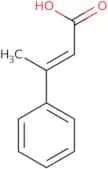
CAS:<p>Versatile small molecule scaffold</p>Formula:C7H6ClNO2SPurity:Min. 95%Molecular weight:203.64 g/mol3-Phenylbut-2-enoic acid
CAS:<p>3-Phenylbut-2-enoic acid is a prochiral, carbonyl compound that can be used in the synthesis of chiral pharmaceuticals. Mechanistic studies have shown that 3-phenylbut-2-enoic acid is a catalytic hydrogenation reagent that converts prochiral substrates to their corresponding chiral products. When combined with binap and butenoic acid, 3-phenylbut-2-enoic acid can catalyze the asymmetric synthesis of butenoate. The reaction yields high enantiomeric excesses and good yields.</p>Formula:C10H10O2Purity:Min. 95%Molecular weight:162.19 g/mol1-(4-Amino-1H-pyrazol-1-yl)-2-methylpropan-2-ol
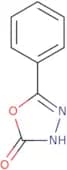
CAS:Versatile small molecule scaffoldFormula:C7H13N3OPurity:Min. 95%Molecular weight:155.2 g/mol5-Phenyl-1,3,4-oxadiazol-2-ol
CAS:<p>5-Phenyl-1,3,4-oxadiazol-2-ol is an organic compound that belongs to the heterocyclic compounds. It is a white solid at room temperature with a melting point of 117°C. The reaction of 5-phenyl-1,3,4-oxadiazol-2-ol with hydrochloric acid gives solvents and polyelectrolytes. This compound also reacts with amines to give ring opening polymerization products and with anilines to give oxadiazolones. 5-Phenyl-1,3,4-oxadiazol-2-ol has been shown to have 5HT4 receptor agonist activity in mice and has been used as a lead compound for drug development against depression and anxiety disorders.<br>5HT4 receptors are located on the nerve cells in the brain and spinal cord and are involved in regulating mood and anxiety levels.</p>Formula:C8H6N2O2Purity:Min. 95%Molecular weight:162.15 g/mol6-Methylthiazolo[5,4-b]pyridin-2-amine
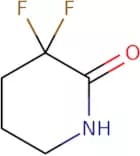
CAS:<p>Versatile small molecule scaffold</p>Formula:C7H7N3SPurity:Min. 95%Molecular weight:165.22 g/mol3,3-Difluoropiperidin-2-one
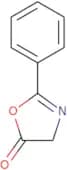
CAS:Versatile small molecule scaffoldFormula:C5H7F2NOPurity:Min. 95%Molecular weight:135.11 g/mol2-Phenyl-5-oxazolone
CAS:<p>2-Phenyl-5-oxazolone is a chemical compound that has been used as a starting material for the synthesis of various other organic compounds. It can be synthesized by the reaction of 2-phenylacetamide with 3-chloro-5,6-dihydrobenzoxazole. The kinetic data for this reaction are provided in the table below. Monoclonal antibodies have been used to detect and quantify 2-phenyl-5-oxazolone in human urine samples, but it is not yet known whether this compound plays any role in the development of prostate cancer cells. Caproic acid is a metabolite that is formed from 2-phenylacetamide during its conversion to 2-phenyl 5 oxazolone.</p>Formula:C9H7NO2Purity:Min. 95%Molecular weight:161.16 g/mol
![2-[3-(Propan-2-yl)phenoxy]acetic acid](/_next/image/?url=https%3A%2Fstatic.cymitquimica.com%2Fproducts%2F3D%2Fthumb-webp%2FBAA87852.webp&w=3840&q=75)


![2-Methyl-4H-benzo[1,4]thiazin-3-one](/_next/image/?url=https%3A%2Fstatic.cymitquimica.com%2Fproducts%2F3D%2Fthumb-webp%2FHAA02857.webp&w=3840&q=75)
![[1,1'-Biphenyl]-3,5-diol](/_next/image/?url=https%3A%2Fstatic.cymitquimica.com%2Fproducts%2F3D%2Fthumb-webp%2FHAA02841.webp&w=3840&q=75)

![6H-Benzo[C][1,2]benzothiazine 5,5-dioxide](/_next/image/?url=https%3A%2Fstatic.cymitquimica.com%2Fproducts%2F3D%2Fthumb-webp%2FBAA86433.webp&w=3840&q=75)


![Sodium 2-[1-(hydroxymethyl)cyclohexyl]acetate](/_next/image/?url=https%3A%2Fstatic.cymitquimica.com%2Fproducts%2F3D%2Fthumb-webp%2FHAA00949.webp&w=3840&q=75)
![6-Phenylimidazo[2,1-b][1,3]thiazole](/_next/image/?url=https%3A%2Fstatic.cymitquimica.com%2Fproducts%2F3D%2Fthumb-webp%2FHAA00863.webp&w=3840&q=75)


![{4-[2-(Diethylamino)ethoxy]phenyl}methanamine](/_next/image/?url=https%3A%2Fstatic.cymitquimica.com%2Fproducts%2F3D%2Fthumb-webp%2FBAA84980.webp&w=3840&q=75)






![2-[3-(Carboxymethyl)-2-oxo-2,3-dihydro-1H-1,3-benzodiazol-1-yl]acetic acid](/_next/image/?url=https%3A%2Fstatic.cymitquimica.com%2Fproducts%2F3D%2Fthumb-webp%2FBAA84899.webp&w=3840&q=75)
![3H,4H-imidazo[2,1-f][1,2,4]triazin-4-one](/_next/image/?url=https%3A%2Fstatic.cymitquimica.com%2Fproducts%2F3D%2Fthumb-webp%2FGYB82506.webp&w=3840&q=75)
![4-Chloroimidazo[2,1-f][1,2,4]triazine](/_next/image/?url=https%3A%2Fstatic.cymitquimica.com%2Fproducts%2F3D%2Fthumb-webp%2FGYB82503.webp&w=3840&q=75)

![-1([(Tert-Butoxy)Carbonyl]Amino)-1H-Pyrrole-2-Carboxamide](/_next/image/?url=https%3A%2Fstatic.cymitquimica.com%2Fproducts%2F3D%2Fthumb-webp%2FGYB82476.webp&w=3840&q=75)



![2-[(Cycloheptylideneamino)oxy]acetic acid](/_next/image/?url=https%3A%2Fstatic.cymitquimica.com%2Fproducts%2F3D%2Fthumb-webp%2FBAA20245.webp&w=3840&q=75)
![4-[(Methylamino)methyl]cyclohexan-1-amine](/_next/image/?url=https%3A%2Fstatic.cymitquimica.com%2Fproducts%2F3D%2Fthumb-webp%2FGYB67947.webp&w=3840&q=75)




![6-Methylthiazolo[5,4-b]pyridin-2-amine](/_next/image/?url=https%3A%2Fstatic.cymitquimica.com%2Fproducts%2F3D%2Fthumb-webp%2FGYB54977.webp&w=3840&q=75)