


Building Blocks
This section contains fundamental products for the synthesis of organic and biological compounds. Building blocks are the essential starting materials used to construct complex molecules through various chemical reactions. They play a critical role in drug discovery, material science, and chemical research. At CymitQuimica, we offer a diverse range of high-quality building blocks to support your innovative research and industrial projects, ensuring you have the essential components for successful synthesis.
Subcategories of "Building Blocks"
- Boronic Acids & Boronic Acid Derivatives(5,778 products)
- Chiral Building Blocks(1,242 products)
- Hydrocarbon Building Blocks(6,098 products)
- Organic Building Blocks(61,084 products)
Found 198714 products of "Building Blocks"
Sort by
Purity (%)
0
100
|
0
|
50
|
90
|
95
|
100
2-{[(Furan-2-ylmethyl)amino]methyl}phenol
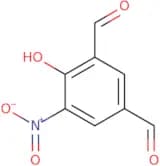
CAS:Versatile small molecule scaffoldFormula:C12H13NO2Purity:Min. 95%Molecular weight:203.24 g/mol4-Hydroxy-5-nitrobenzene-1,3-dicarbaldehyde
CAS:<p>4-Hydroxy-5-nitrobenzene-1,3-dicarbaldehyde (HNAD) is a formyl group that is used as a reagent in organic synthesis. It reacts with phosphonium salts to give formylphosphonium salts. HNAD has been shown to be an excellent chromophore for the bathochromic shift and fluorescence techniques. This compound has also been used in the Wittig reaction, which is a method of synthesizing substituted phenols from olefins and phenols. HNAD can also be used to synthesize chromenes via the wittig reaction and uv irradiation.</p>Formula:C8H5NO5Purity:Min. 95%Molecular weight:195.13 g/mol1-{6-Chloroimidazo[2,1-b][1,3]thiazol-5-yl}ethan-1-ol
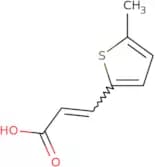
CAS:<p>Versatile small molecule scaffold</p>Formula:C7H7ClN2OSPurity:Min. 95%Molecular weight:202.66 g/mol(2E)-3-(5-methylthiophen-2-yl)prop-2-enoic acid
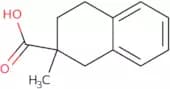
CAS:Versatile small molecule scaffoldFormula:C8H8O2SPurity:Min. 95%Molecular weight:168.21 g/mol2-Methyl-1,2,3,4-tetrahydronaphthalene-2-carboxylic acid
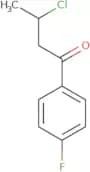
CAS:<p>Versatile small molecule scaffold</p>Formula:C12H14O2Purity:Min. 95%Molecular weight:190.24 g/mol3-Chloro-1-(4-fluorophenyl)butan-1-one
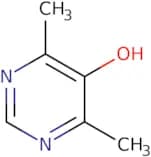
CAS:<p>Versatile small molecule scaffold</p>Formula:C10H10ClFOPurity:Min. 95%Molecular weight:200.64 g/mol4,6-Dimethylpyrimidin-5-ol
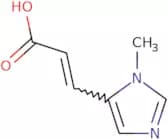
CAS:<p>4,6-Dimethylpyrimidin-5-ol (4,6-DMP) is a small molecule that is an immunomodulatory agent. It has been shown to have immunomodulatory effects on cells in vitro and in vivo. 4,6-DMP binds to the lipid bilayer of cell membranes and inhibits the activity of phosphoinositide 3-kinase, which results in changes in the intracellular concentration of calcium ions. This leads to an increase in cytokine production by T cells and B cells, as well as an increase in IgG production by plasma cells. Kinetic constants for the reactions of 4,6-DMP with various chemical moieties have been reported. These constants are useful for determining rates of reaction with other chemicals and can be used to determine mechanisms for 4,6-DMP’s antitumor activity.</p>Formula:C6H8N2OPurity:Min. 95%Molecular weight:124.14 g/mol(2E)-3-(1-Methyl-1H-imidazol-5-yl)prop-2-enoic acid
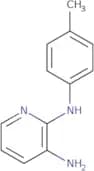
CAS:Versatile small molecule scaffoldFormula:C7H8N2O2Purity:Min. 95%Molecular weight:152.15 g/mol2-N-(4-Methylphenyl)pyridine-2,3-diamine
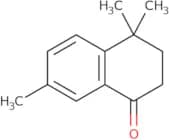
CAS:<p>Versatile small molecule scaffold</p>Formula:C12H13N3Purity:Min. 95%Molecular weight:199.25 g/mol4,4,7-Trimethyl-1,2,3,4-tetrahydronaphthalen-1-one
CAS:<p>Versatile small molecule scaffold</p>Formula:C13H16OPurity:Min. 95%Molecular weight:188.26 g/mol2-[2-(1-Methyl-1H-indol-3-yl)ethyl]-2,3-dihydro-1H-isoindole-1,3-dione
CAS:Controlled ProductVersatile small molecule scaffoldFormula:C19H16N2O2Purity:Min. 95%Molecular weight:304.3 g/mol5-Amino-1,3-dimethyl-1H,2H,3H,4H-[1,3]diazino[4,5-d]pyrimidine-2,4-dione
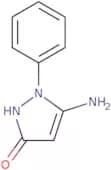
CAS:<p>Azelastine belongs to the class of antihistamines, and is used in the treatment of allergic diseases. It inhibits histamine release from mast cells and basophils, which are white blood cells responsible for inflammatory reactions, such as asthma and allergic rhinitis. Azelastine is not active against infections, but it is effective in the treatment of conjunctivitis caused by allergies or infection. Azelastine also has a local anesthetic effect on the eye. This drug is available in a nasal spray that can be used to treat allergic rhinitis, conjunctivitis and dermatopathy.br><br>Azelastine has been shown to inhibit the growth of bacteria that are resistant to penicillin, ampicillin, erythromycin. Azelastine binds to the penicillin-binding proteins in the bacterial cell wall by competitive inhibition. This binding prevents the formation of an antibiotic-inhibitor complex with the enzyme cell wall synthesis</p>Formula:C8H9N5O2Purity:Min. 95%Molecular weight:207.19 g/mol5-Amino-1-phenyl-2,3-dihydro-1H-pyrazol-3-one
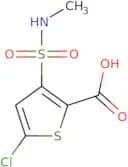
CAS:Versatile small molecule scaffoldFormula:C9H9N3OPurity:Min. 95%Molecular weight:175.19 g/mol5-Chloro-3-(N-methylsulfamoyl)thiophene-2-carboxylic acid
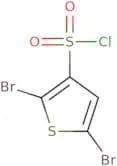
CAS:<p>Versatile small molecule scaffold</p>Formula:C6H6ClNO4S2Purity:Min. 95%Molecular weight:255.7 g/mol2,5-Dibromothiophene-3-sulfonyl chloride
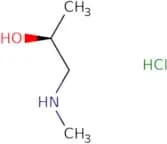
CAS:<p>Versatile small molecule scaffold</p>Formula:C4HBr2ClO2S2Purity:Min. 95%Molecular weight:340.4 g/mol(S)-1-(Methylamino)-2-propanol Hydrochloride
CAS:<p>Versatile small molecule scaffold</p>Formula:C4H11NO·HClPurity:Min. 95%Molecular weight:125.59 g/mol1-Benzyl-4-(bromomethyl)-1H-1,2,3-triazole
CAS:<p>Versatile small molecule scaffold</p>Formula:C10H10BrN3Purity:Min. 95%Molecular weight:252.11 g/mol5-(2-Thienyl)-1,3-oxazole
CAS:<p>Versatile small molecule scaffold</p>Formula:C7H5NOSPurity:Min. 95%Molecular weight:151.19 g/mol4-(1,3-Oxazol-5-yl)pyridine
CAS:<p>4-(1,3-Oxazol-5-yl)pyridine (4-OP) is an organic solvent that is also a bioisoster of nicotinic acid and nicotinamide. It has significant activity against some bacteria and fungi, and can be used as an antimicrobial agent. 4-OP is decarboxylated by alkali metal hydroxides to give the corresponding amine salt. This process yields a high yield of 4-OP, which can be purified via column chromatography or crystallization with aqueous ammonia. 4-OP has been shown to inhibit streptochlorin production in Streptomyces clavuligerus and act as an antibiotic against Escherichia coli and Pseudomonas aeruginosa.</p>Formula:C8H6N2OPurity:Min. 95%Molecular weight:146.15 g/mol3-Benzyl-9-hydroxy-2-methyl-4H-pyrido[1,2-a]pyrimidin-4-one
CAS:<p>Versatile small molecule scaffold</p>Formula:C16H14N2O2Purity:Min. 95%Molecular weight:266.29 g/mol6-Amino-5-methyl-[1,2,4]triazolo[1,5-a]pyrimidin-7-ol
CAS:<p>Versatile small molecule scaffold</p>Formula:C6H7N5OPurity:Min. 95%Molecular weight:165.15 g/mol2-(Chloromethyl)-5-phenyl-1,3,4-thiadiazole
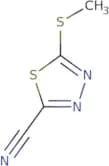
CAS:<p>Versatile small molecule scaffold</p>Formula:C9H7ClN2SPurity:Min. 95%Molecular weight:210.68 g/mol5-(Methylsulfanyl)-1,3,4-thiadiazole-2-carbonitrile
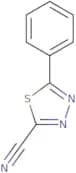
CAS:Versatile small molecule scaffoldFormula:C4H3N3S2Purity:Min. 95%Molecular weight:157.2 g/mol5-Phenyl-1,3,4-thiadiazole-2-carbonitrile
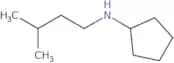
CAS:<p>Versatile small molecule scaffold</p>Formula:C9H5N3SPurity:Min. 95%Molecular weight:187.22 g/molN-(3-Methylbutyl)cyclopentanamine
CAS:Versatile small molecule scaffoldFormula:C10H21NPurity:Min. 95%Molecular weight:155.28 g/mol6-Chloropyrido[2,3-b]pyrazin-2(1H)-one
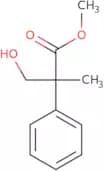
CAS:Versatile small molecule scaffoldFormula:C7H4ClN3OPurity:Min. 95%Molecular weight:181.58 g/molMethyl 3-hydroxy-2-methyl-2-phenylpropanoate
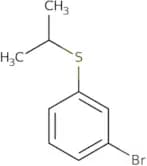
CAS:Versatile small molecule scaffoldFormula:C11H14O3Purity:Min. 95%Molecular weight:194.23 g/mol1-Bromo-3-(isopropylsulfanyl)benzene
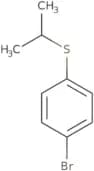
CAS:Versatile small molecule scaffoldFormula:C9H11BrSPurity:Min. 95%Molecular weight:231.15 g/mol1-Bromo-4-(isopropylthio)benzene
CAS:<p>1-Bromo-4-(isopropylthio)benzene is a reusable, phenylboronic acid reagent. It is used in organic synthesis as a Grignard reagent or peroxide. 1-Bromo-4-(isopropylthio)benzene can be prepared by the reaction of benzene and phenylboronic acid in the presence of potassium carbonate. The reaction proceeds with high yield at room temperature and pressure. 1-Bromo-4-(isopropylthio)benzene reacts with hydrogen peroxide to form 4,5-dihydrobenzoquinone and 2-phenylethanol. This chemical is also used as an industrial acid ester and a reagent for organic synthesis.</p>Formula:C9H11BrSPurity:Min. 95%Molecular weight:231.15 g/mol1-Bromo-3-(isopropanesulfonyl)benzene
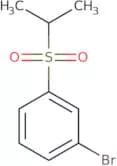
CAS:<p>Versatile small molecule scaffold</p>Formula:C9H11BrO2SPurity:Min. 95%Molecular weight:263.15 g/mol1-Oxa-8-azaspiro[5.5]undecane
CAS:<p>Versatile small molecule scaffold</p>Formula:C9H17NOPurity:Min. 95%Color and Shape:Clear LiquidMolecular weight:155.24 g/mol2-(2-Methylindolizin-3-yl)ethan-1-amine
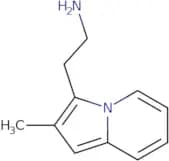
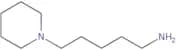
CAS:<p>Versatile small molecule scaffold</p>Formula:C11H14N2Purity:Min. 95%Molecular weight:174.24 g/mol5-(Piperidin-1-yl)pentan-1-amine
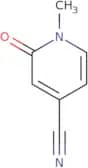
CAS:<p>Versatile small molecule scaffold</p>Formula:C10H22N2Purity:Min. 95%Molecular weight:170.3 g/mol1-Methyl-2-oxo-1,2-dihydropyridine-4-carbonitrile
CAS:Versatile small molecule scaffoldFormula:C7H6N2OPurity:Min. 95%Molecular weight:134.14 g/mol2-Acetamido-6-fluorobenzoic acid
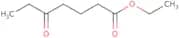
CAS:<p>Versatile small molecule scaffold</p>Formula:C9H8FNO3Purity:Min. 95%Molecular weight:197.16 g/molEthyl 5-oxoheptanoate
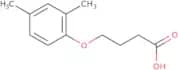
CAS:<p>Ethyl 5-oxoheptanoate is a clear, colorless liquid that can be synthesized by reacting benzene with acetone. The synthesis of ethyl 5-oxoheptanoate is an example of a Friedel-Crafts reaction. This chemical is soluble in organic solvents such as acetone and cyclohexane and has low toxicity. It can be used as a reagent for the preparation of esters from alcohols, phenols, or carboxylic acids. Ethyl 5-oxoheptanoate can also be used to prepare resorcinol, which is a precursor to polymers and dyes, by hydrogenation of the molecule. Preparative methods are often used to produce this product because it has limited solubility in water.</p>Formula:C9H16O3Purity:Min. 95%Molecular weight:172.22 g/mol4-(2,4-Dimethylphenoxy)butanoic acid
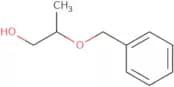
CAS:Controlled Product<p>Versatile small molecule scaffold</p>Formula:C12H16O3Purity:Min. 95%Molecular weight:208.25 g/mol2-(Benzyloxy)-1-propanol
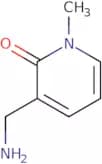
CAS:<p>2-(Benzyloxy)-1-propanol (2-BP) is a glycidol derivative that can be used to produce propanol. 2-BP reacts with Tenofovir, an antiviral drug, in the presence of enolate and organometallic catalysts to form acetaldehyde. 2-BP also reacts with chloride to form alkoxides, which are useful in the synthesis of adenine derivatives. In addition, 2-BP has been shown to react with vinyl ethers and alcohols in the presence of catalysis to form benzyl derivatives.</p>Formula:C10H14O2Purity:Min. 95%Molecular weight:166.22 g/mol3-(aminomethyl)-1-methyl-1,2-dihydropyridin-2-one
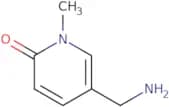
CAS:<p>Versatile small molecule scaffold</p>Formula:C7H10N2OPurity:Min. 95%Molecular weight:138.16 g/mol5-(aminomethyl)-1-methyl-2(1h)-pyridinone
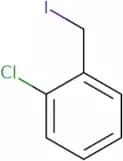
CAS:<p>Versatile small molecule scaffold</p>Formula:C7H10N2OPurity:Min. 95%Molecular weight:138.16 g/mol1-Chloro-2-(iodomethyl)benzene
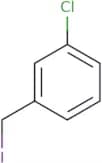
CAS:<p>Versatile small molecule scaffold</p>Formula:C7H6ClIPurity:Min. 95%Molecular weight:252.48 g/mol1-Chloro-3-(iodomethyl)benzene
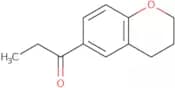
CAS:<p>Versatile small molecule scaffold</p>Formula:C7H6ClIPurity:Min. 95%Molecular weight:252.48 g/mol1-(3,4-Dihydro-2H-1-benzopyran-6-yl)propan-1-one
CAS:<p>Versatile small molecule scaffold</p>Formula:C12H14O2Purity:Min. 95%Molecular weight:190.24 g/mol2-{[4-Phenyl-5-(3,4,5-trimethoxyphenyl)-4H-1,2,4-triazol-3-yl]sulfanyl}acetohydrazide
CAS:<p>Versatile small molecule scaffold</p>Formula:C19H21N5O4SPurity:Min. 95%Molecular weight:415.5 g/molN-[(Hydrazinecarbonyl)methyl]furan-2-carboxamide
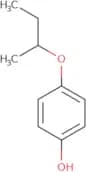
CAS:<p>N-[(Hydrazinecarbonyl)methyl]furan-2-carboxamide is a potent and selective inhibitor of the human TRPV1 receptor. It has been used as a research tool in the study of TRPV1 function, including its role in pain perception and inflammation.</p>Formula:C7H9N3O3Purity:Min. 95%Molecular weight:183.16 g/mol4-(Butan-2-yloxy)phenol
CAS:Versatile small molecule scaffoldFormula:C10H14O2Purity:Min. 95%Molecular weight:166.22 g/mol1-(2-Hydroxybenzoyl)pyrrolidine-2-carboxylic acid
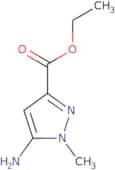
CAS:<p>Versatile small molecule scaffold</p>Formula:C12H13NO4Purity:Min. 95%Molecular weight:235.2 g/molethyl 5-amino-1-methyl-1h-pyrazole-3-carboxylate
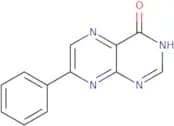
CAS:Versatile small molecule scaffoldFormula:C7H11N3O2Purity:Min. 95%Molecular weight:169.18 g/mol7-Phenyl-pteridin-4-ol
CAS:<p>Versatile small molecule scaffold</p>Formula:C12H8N4OPurity:Min. 95%Molecular weight:224.22 g/mol1'-Methyl-3,4-dihydrospiro[1-benzopyran-2,4'-piperidine]-4-amine
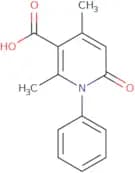
CAS:Versatile small molecule scaffoldFormula:C14H20N2OPurity:Min. 95%Molecular weight:232.32 g/mol2,4-Dimethyl-6-oxo-1-phenyl-1,6-dihydropyridine-3-carboxylic acid
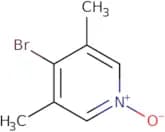
CAS:<p>Versatile small molecule scaffold</p>Formula:C14H13NO3Purity:Min. 95%Molecular weight:243.26 g/mol4-Bromo-3,5-dimethylpyridine 1-oxide
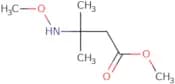
CAS:<p>Versatile small molecule scaffold</p>Formula:C7H8BrNOPurity:Min. 95%Molecular weight:202.05 g/molMethyl 3-(methoxyamino)-3-methylbutanoate
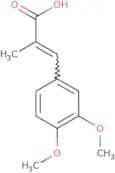
CAS:<p>Versatile small molecule scaffold</p>Formula:C7H15NO3Purity:Min. 95%Molecular weight:161.2 g/mol(2E)-3-(3,4-Dimethoxyphenyl)-2-methylprop-2-enoic acid
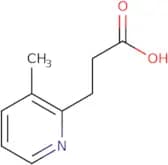
CAS:Versatile small molecule scaffoldFormula:C12H14O4Purity:Min. 95%Molecular weight:222.24 g/mol-3(3-Methylpyridin-2-Yl)Propanoic Acid
CAS:<p>Versatile small molecule scaffold</p>Formula:C9H11NO2Purity:Min. 95%Molecular weight:165.19 g/mol1-[4-(Pyridin-4-yl)phenyl]ethan-1-one
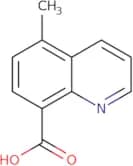
CAS:<p>Versatile small molecule scaffold</p>Formula:C13H11NOPurity:Min. 95%Molecular weight:197.23 g/mol5-Methylquinoline-8-carboxylic acid
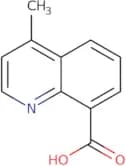
CAS:<p>Versatile small molecule scaffold</p>Formula:C11H9NO2Purity:Min. 95%Molecular weight:187.19 g/mol4-Methylquinoline-8-carboxylic acid
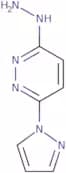
CAS:<p>Versatile small molecule scaffold</p>Formula:C11H9NO2Purity:Min. 95%Molecular weight:187.19 g/mol3-Hydrazinyl-6-(1H-pyrazol-1-yl)pyridazine
CAS:Versatile small molecule scaffoldFormula:C7H8N6Purity:Min. 95%Molecular weight:176.18 g/mol[(3-Chloro-4-methoxyphenyl)amino]carbonitrile
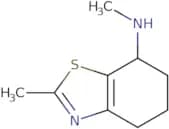
CAS:Versatile small molecule scaffoldFormula:C8H7ClN2OPurity:Min. 95%Molecular weight:182.61 g/molN,2-Dimethyl-4,5,6,7-tetrahydro-1,3-benzothiazol-7-amine
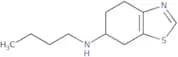
CAS:<p>Versatile small molecule scaffold</p>Formula:C9H14N2SPurity:Min. 95%Molecular weight:182.29 g/molN-Butyl-4,5,6,7-tetrahydro-1,3-benzothiazol-6-amine
CAS:Versatile small molecule scaffoldFormula:C11H18N2SPurity:Min. 95%Molecular weight:210.34 g/mol2,4-Dichloropyridine-3-carboxamide
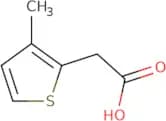
CAS:<p>Versatile small molecule scaffold</p>Formula:C6H4Cl2N2OPurity:Min. 95%Molecular weight:191.02 g/mol2-(3-Methylthiophen-2-yl)acetic acid
CAS:<p>Versatile small molecule scaffold</p>Formula:C7H8O2SPurity:Min. 95%Molecular weight:156.2 g/mol2-Imino-4-oxo-[1,3]thiazinane-6-carboxylic acid
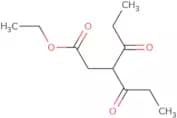
CAS:Versatile small molecule scaffoldFormula:C5H6N2O3SPurity:Min. 95%Molecular weight:174.18 g/molEthyl 4-oxo-3-propanoylhexanoate
CAS:Versatile small molecule scaffoldFormula:C11H18O4Purity:Min. 95%Molecular weight:214.26 g/mol2-[3-(4-Fluorophenyl)-1-phenyl-1H-pyrazol-4-yl]acetic acid
CAS:<p>Versatile small molecule scaffold</p>Formula:C17H13FN2O2Purity:Min. 95%Molecular weight:296.29 g/mol2-[3-(4-Bromophenyl)-1-phenyl-1H-pyrazol-4-yl]acetic acid
CAS:2-[3-(4-Bromophenyl)-1-phenyl-1H-pyrazol-4-yl]acetic acid is a research tool that can be used to study the interaction of peptides with ion channels, receptors and other proteins. It has been shown to inhibit the activity of various ion channels, including voltage gated sodium channels and calcium channels. 2-[3-(4-Bromophenyl)-1-phenyl-1H-pyrazol-4-yl]acetic acid is also a ligand for various receptors, including opioid receptors and serotonin receptors. This chemical compound has been used in pharmacological studies as a receptor antagonist.Formula:C17H13BrN2O2Purity:Min. 95%Molecular weight:357.2 g/mol2-[3-(4-Methoxyphenyl)-1-phenyl-1H-pyrazol-4-yl]acetic acid
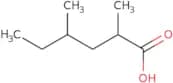
CAS:<p>Versatile small molecule scaffold</p>Formula:C18H16N2O3Purity:Min. 95%Molecular weight:308.3 g/mol2,4-Dimethylhexanoic acid
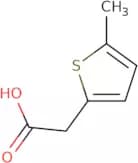
CAS:Versatile small molecule scaffoldFormula:C8H16O2Purity:Min. 95%Molecular weight:144.21 g/mol2-(5-Methylthiophen-2-yl)acetic acid
CAS:<p>2-(5-Methylthiophen-2-yl)acetic acid is an organic compound that is a colorless liquid. It has been reported to be used as a bacteriostatic agent and has been found to inhibit the growth of bacteria in culture. 2-(5-Methylthiophen-2-yl)acetic acid preferentially inhibits aerobic metabolism, which may be due to its ability to inhibit the synthesis of fatty acids. This chemical also undergoes biotransformations in cultures and is readily biodegradable. Analysis of 2-(5-methylthiophen-2-yl)acetic acid can be done by gas chromatography or high performance liquid chromatography.</p>Formula:C7H8O2SPurity:Min. 95%Molecular weight:156.2 g/molPropylhydrazine dihydrochloride
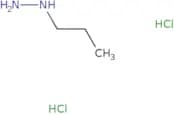
CAS:Propylhydrazine dihydrochloride is a pyrazole derivative that has been shown to have inhibitory effects on the immune system. It has been used as a treatment agent for autoimmune diseases such as rheumatoid arthritis and multiple sclerosis. Propylhydrazine dihydrochloride inhibits inflammatory responses by binding to retinoic acid receptors, blocking the production of inflammatory mediators such as prostaglandins and leukotrienes. In addition, this compound inhibits the release of histamine from mast cells, which may be due to its ability to inhibit the activity of acid receptors in these cells.Formula:C3H12Cl2N2Purity:Min. 95%Molecular weight:147.04 g/molButylhydrazine dihydrochloride
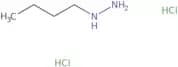
CAS:Butylhydrazine dihydrochloride is a retinoic acid analog that inhibits the production of nerve cells in the brain, thereby preventing degenerative diseases such as Alzheimer's disease. This drug has been shown to inhibit the production of nerve cells and prevent neurodegeneration in mice by targeting retinoic acid receptors. Butylhydrazine dihydrochloride is also used as a diluent for other drugs, such as pyrazolopyrimidine derivatives, which can cause death if administered alone. Butylhydrazine dihydrochloride may have an autoimmune effect, due to its ability to inhibit the production of antibodies and T-cell responses.Formula:C4H14Cl2N2Purity:Min. 95%Molecular weight:161.07 g/molAllylhydrazine Dihydrochloride
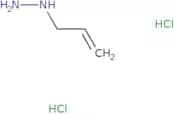
CAS:Controlled Product<p>Allylhydrazine is a chemical compound that is used as an inhibitor of cellular kinases. It has been shown to inhibit the growth of colon and prostate cancer cells, as well as breast and lung cancer cells. Allylhydrazine is a disubstituted imidazole with two amino groups and one hydrazine group. This product also inhibits angiogenesis and has been shown to prevent the formation of new blood vessels in solid tumors. Allylhydrazine has been synthesized from allyl alcohol in the presence of acidified hydrogen chloride gas, providing a yield of about 50%.</p>Formula:C3H10Cl2N2Purity:Min. 95%Molecular weight:145.03 g/mol4-(3-Fluorophenyl)butanoic acid
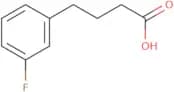
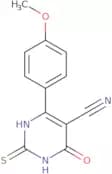
CAS:<p>Versatile small molecule scaffold</p>Formula:C10H11FO2Purity:Min. 95%Molecular weight:182.19 g/mol4-(4-Methoxyphenyl)-6-oxo-2-sulfanyl-1,6-dihydropyrimidine-5-carbonitrile
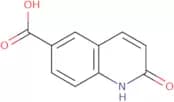
CAS:4-(4-Methoxyphenyl)-6-oxo-2-sulfanyl-1,6-dihydropyrimidine-5-carbonitrile (DMP) is a potentiodynamic polarization and electrochemical impedance spectroscopic technique that can be used to measure the corrosion inhibition efficiency of anodic inhibitors. DMP is an electron donor that can reduce the concentration of chloride ions and copper ions on the anode surface. It also has a strong inhibition effect on both kinetic and equilibrium corrosion reactions. The impedance analysis of DMP shows that it does not have any significant effect on the elements in the solution, such as copper, chloride, or sulfuric acid. This suggests that DMP is a good inhibitor for corrosion reactions in alkaline solutions.Formula:C12H9N3O2SPurity:Min. 95%Molecular weight:259.29 g/mol2-oxo-1,2-dihydroquinoline-6-carboxylic acid
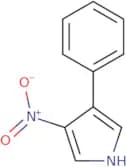
CAS:Quinoline-2-carboxylic acid is a quinoline residue that has been hydrolyzed to the corresponding 2-oxo-1,2-dihydroquinoline-6-carboxylic acid. It is an alkoxy, alkenyl, and cardiotonic drug that has been used as a carbostyril skeleton.Formula:C10H7NO3Purity:Min. 95%Molecular weight:189.17 g/mol3-Nitro-4-phenyl-1H-pyrrole
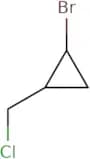
CAS:<p>Versatile small molecule scaffold</p>Formula:C10H8N2O2Purity:Min. 95%Molecular weight:188.18 g/mol1-Bromo-2-(chloromethyl)cyclopropane
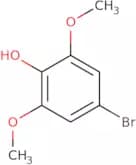
CAS:<p>1-Bromo-2-(chloromethyl)cyclopropane is a methylenecyclopropane that reacts with thiophenol to form an anion. This reaction can be catalyzed by bases or acid. 1-Bromo-2-(chloromethyl)cyclopropane reacts with alcohols to produce nitriles, which are compounds containing the functional group, -C(O)NRR'. Nitriles can also be formed by the direct reaction of anions and alcohols, but this process is less efficient. 1-Bromo-2-(chloromethyl)cyclopropane is used as a solvent in organic chemistry because it reacts with many substances and forms new compounds.</p>Formula:C4H6BrClPurity:Min. 95%Molecular weight:169.4 g/mol4-Bromo-2,6-dimethoxyphenol
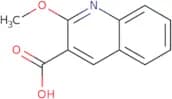
CAS:4-Bromo-2,6-dimethoxyphenol is a synthetic intramolecular nucleophilic substitution product of 2,6-dimethoxybenzaldehyde. The asymmetric synthesis of 4-bromo-2,6-dimethoxyphenol was achieved by the biomimetic strategy. This reaction is catalyzed by palladium and utilizes a chiral phosphine ligand.Formula:C8H9BrO3Purity:Min. 95%Molecular weight:233.06 g/mol2-Methoxyquinoline-3-carboxylic acid
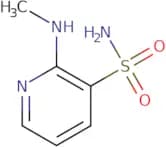
CAS:2-Methoxyquinoline-3-carboxylic acid is an alkaloid that was synthesized by the methoxylation of 2-methoxyquinoline. This compound has been shown to be a good analogue for optimising the reaction between acetone and bromine in order to produce dehydrobrominated compounds. The redox reaction of this compound with hydrogen peroxide is also interesting, as it produces hydrogen gas in addition to the desired products.Formula:C11H9NO3Purity:Min. 95%Molecular weight:203.19 g/mol2-(Methylamino)pyridine-3-sulfonamide
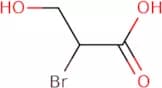
CAS:<p>Versatile small molecule scaffold</p>Formula:C6H9N3O2SPurity:Min. 95%Molecular weight:187.22 g/mol(2S)-2-Bromo-3-hydroxypropanoic acid
CAS:Versatile small molecule scaffoldFormula:C3H5BrO3Purity:Min. 95%Molecular weight:168.97 g/mol5-Bromo-3-methylbenzo[D]oxazol-2(3H)-one
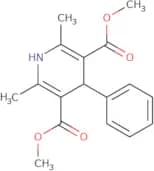
CAS:Versatile small molecule scaffoldFormula:C8H6BrNO2Purity:Min. 95%Molecular weight:228.04 g/molDimethyl 2,6-dimethyl-4-phenyl-1,4-dihydropyridine-3,5-dicarboxylate
CAS:Dimethyl 2,6-dimethyl-4-phenyl-1,4-dihydropyridine-3,5-dicarboxylate is a radioligand that binds to calcium channels. It is used as a radioligand in binding studies to determine the affinity of various drugs for specific types of calcium channels. Dimethyl 2,6-dimethyl-4-phenyl-1,4-dihydropyridine 3,5 dicarboxylate has been shown to bind specifically to a particular class of calcium channel antagonists (i.e., monosubstituted) and can be used as a pharmacological probe for the study of these compounds.Formula:C17H19NO4Purity:Min. 95%Molecular weight:301.34 g/mol3-Chloro-N-(2-oxo-2-phenylethyl)propanamide
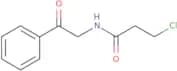
CAS:<p>Versatile small molecule scaffold</p>Formula:C11H12ClNO2Purity:Min. 95%Molecular weight:225.67 g/mol2-(2-Chloroethyl)-5-phenyl-1,3-oxazole
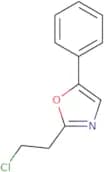
CAS:Versatile small molecule scaffoldFormula:C11H10ClNOPurity:Min. 95%Molecular weight:207.65 g/mol2-chloro-3-(methylsulfonyl)pyridine
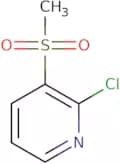
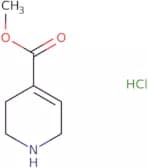
CAS:<p>Versatile small molecule scaffold</p>Formula:C6H6ClNO2SPurity:Min. 95%Molecular weight:191.63 g/molMethyl 1,2,3,6-tetrahydropyridine-4-carboxylate hydrochloride
CAS:<p>Versatile small molecule scaffold</p>Formula:C7H11NO2·HClPurity:Min. 95%Molecular weight:177.63 g/mol1-[(tert-butoxy)carbonyl]-1,2,3,6-tetrahydropyridine-4-carboxylic acid
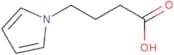
CAS:<p>Versatile small molecule scaffold</p>Formula:C11H17NO4Purity:Min. 95%Molecular weight:227.3 g/mol4-(1H-Pyrrol-1-yl)butanoic acid
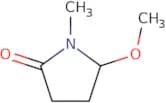
CAS:<p>4-(1H-Pyrrol-1-yl)butanoic acid is a biotinylated chemical compound that can be used as a labeling agent for analytical chemistry. The compound has been used to detect the presence of polygonatine, a neurotoxin that affects the central nervous system. 4-(1H-Pyrrol-1-yl)butanoic acid also has been used in conjunction with acridone and an intercalator to form a fluorescent sensor for DNA hybridization. The compound is also used in virus detection because of its ability to bind to viral dna and inhibit protein synthesis. 4-(1H-Pyrrol-1-yl)butanoic acid is an acetylation inhibitor, which means it prevents the formation of acetyl groups from acetate. This inhibition prevents the conversion of pyruvate into lactic acid, which is required for glycolysis in cells.</p>Formula:C8H11NO2Purity:Min. 95%Molecular weight:153.18 g/mol5-Methoxy-1-methylpyrrolidin-2-one
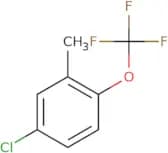
CAS:<p>Versatile small molecule scaffold</p>Formula:C6H11NO2Purity:Min. 95%Molecular weight:129.16 g/mol4-Chloro-2-methyl-1-(trifluoromethoxy)benzene
CAS:<p>Versatile small molecule scaffold</p>Formula:C8H6ClF3OPurity:Min. 95%Molecular weight:210.58 g/molo-Aminobenzene sulfon-N-methyl cyclohexylamide
CAS:Versatile small molecule scaffoldFormula:C13H20N2O2SPurity:Min. 95%Molecular weight:268.38 g/mol[(5-Chlorothiophen-2-yl)methyl](methyl)amine
CAS:<p>Versatile small molecule scaffold</p>Formula:C6H8ClNSPurity:Min. 95%Molecular weight:161.65 g/mol1-Methyl-4-(naphthalene-1-carbonyl)-1H-pyrrole-2-carboxylic acid
CAS:Controlled Product<p>1-Methyl-4-(naphthalene-1-carbonyl)-1H-pyrrole-2-carboxylic acid is a prodrug that is hydrolyzed in vivo to its active form, 1-methyl-4-(naphthalene-1-ylcarbonyl)-1H-pyrrole 2,3 dicarboxylic acid. The active compound has been shown to bind to the hydroxyl group of an amino acid sequence and inhibit the activity of enzymes that require this group for activity. It also has a high solubility in organic solvents and can be used as a diagnostic agent for nitrate reduction.</p>Formula:C17H13NO3Purity:Min. 95%Molecular weight:279.29 g/mol(1-Bromo-2,2-dimethylpropyl)benzene
CAS:<p>Versatile small molecule scaffold</p>Formula:C11H15BrPurity:Min. 95%Molecular weight:227.14 g/mol2-[3-(6-Methylpyridin-2-yl)propoxy]ethan-1-ol
CAS:<p>Versatile small molecule scaffold</p>Formula:C11H17NO2Purity:Min. 95%Molecular weight:195.26 g/mol2-(N-Methylacetamido)propanoic acid
CAS:<p>Versatile small molecule scaffold</p>Formula:C6H11NO3Purity:Min. 95%Molecular weight:145.16 g/mol6-[Methyl(phenyl)amino]pyridine-3-carboxylic acid
CAS:<p>Versatile small molecule scaffold</p>Formula:C13H12N2O2Purity:Min. 95%Molecular weight:228.25 g/mol
![2-{[(Furan-2-ylmethyl)amino]methyl}phenol](/_next/image/?url=https%3A%2Fstatic.cymitquimica.com%2Fproducts%2F3D%2Fthumb-webp%2FVCA30150.webp&w=3840&q=75)

![1-{6-Chloroimidazo[2,1-b][1,3]thiazol-5-yl}ethan-1-ol](/_next/image/?url=https%3A%2Fstatic.cymitquimica.com%2Fproducts%2F3D%2Fthumb-webp%2FVCA32772.webp&w=3840&q=75)
![2-[2-(1-Methyl-1H-indol-3-yl)ethyl]-2,3-dihydro-1H-isoindole-1,3-dione](/_next/image/?url=https%3A%2Fstatic.cymitquimica.com%2Fproducts%2F3D%2Fthumb-webp%2FVCA36920.webp&w=3840&q=75)
![5-Amino-1,3-dimethyl-1H,2H,3H,4H-[1,3]diazino[4,5-d]pyrimidine-2,4-dione](/_next/image/?url=https%3A%2Fstatic.cymitquimica.com%2Fproducts%2F3D%2Fthumb-webp%2FVCA37155.webp&w=3840&q=75)
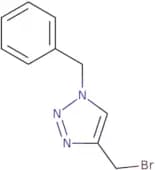
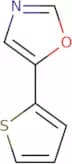
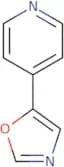
![3-Benzyl-9-hydroxy-2-methyl-4H-pyrido[1,2-a]pyrimidin-4-one](/_next/image/?url=https%3A%2Fstatic.cymitquimica.com%2Fproducts%2F3D%2Fthumb-webp%2FVCA38149.webp&w=3840&q=75)
![6-Amino-5-methyl-[1,2,4]triazolo[1,5-a]pyrimidin-7-ol](/_next/image/?url=https%3A%2Fstatic.cymitquimica.com%2Fproducts%2F3D%2Fthumb-webp%2FVCA38475.webp&w=3840&q=75)
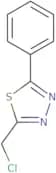
![6-Chloropyrido[2,3-b]pyrazin-2(1H)-one](/_next/image/?url=https%3A%2Fstatic.cymitquimica.com%2Fproducts%2F3D%2Fthumb-webp%2FVCA39575.webp&w=3840&q=75)
![1-Oxa-8-azaspiro[5.5]undecane](/_next/image/?url=https%3A%2Fstatic.cymitquimica.com%2Fproducts%2F3D%2Fthumb-webp%2FVCA39919.webp&w=3840&q=75)

![2-{[4-Phenyl-5-(3,4,5-trimethoxyphenyl)-4H-1,2,4-triazol-3-yl]sulfanyl}acetohydrazide](/_next/image/?url=https%3A%2Fstatic.cymitquimica.com%2Fproducts%2F3D%2Fthumb-webp%2FVCA45265.webp&w=3840&q=75)
![N-[(Hydrazinecarbonyl)methyl]furan-2-carboxamide](/_next/image/?url=https%3A%2Fstatic.cymitquimica.com%2Fproducts%2F3D%2Fthumb-webp%2FVCA45441.webp&w=3840&q=75)
![1'-Methyl-3,4-dihydrospiro[1-benzopyran-2,4'-piperidine]-4-amine](/_next/image/?url=https%3A%2Fstatic.cymitquimica.com%2Fproducts%2F3D%2Fthumb-webp%2FVCA50590.webp&w=3840&q=75)
![1-[4-(Pyridin-4-yl)phenyl]ethan-1-one](/_next/image/?url=https%3A%2Fstatic.cymitquimica.com%2Fproducts%2F3D%2Fthumb-webp%2FVCA58100.webp&w=3840&q=75)
![[(3-Chloro-4-methoxyphenyl)amino]carbonitrile](/_next/image/?url=https%3A%2Fstatic.cymitquimica.com%2Fproducts%2F3D%2Fthumb-webp%2FVCA59015.webp&w=3840&q=75)

![2-Imino-4-oxo-[1,3]thiazinane-6-carboxylic acid](/_next/image/?url=https%3A%2Fstatic.cymitquimica.com%2Fproducts%2F3D%2Fthumb-webp%2FVCA59636.webp&w=3840&q=75)
![2-[3-(4-Fluorophenyl)-1-phenyl-1H-pyrazol-4-yl]acetic acid](/_next/image/?url=https%3A%2Fstatic.cymitquimica.com%2Fproducts%2F3D%2Fthumb-webp%2FVCA59811.webp&w=3840&q=75)
![2-[3-(4-Bromophenyl)-1-phenyl-1H-pyrazol-4-yl]acetic acid](/_next/image/?url=https%3A%2Fstatic.cymitquimica.com%2Fproducts%2F3D%2Fthumb-webp%2FVCA59812.webp&w=3840&q=75)
![2-[3-(4-Methoxyphenyl)-1-phenyl-1H-pyrazol-4-yl]acetic acid](/_next/image/?url=https%3A%2Fstatic.cymitquimica.com%2Fproducts%2F3D%2Fthumb-webp%2FVCA59813.webp&w=3840&q=75)
![5-Bromo-3-methylbenzo[D]oxazol-2(3H)-one](/_next/image/?url=https%3A%2Fstatic.cymitquimica.com%2Fproducts%2F3D%2Fthumb-webp%2FVCA67282.webp&w=3840&q=75)
![1-[(tert-butoxy)carbonyl]-1,2,3,6-tetrahydropyridine-4-carboxylic acid](/_next/image/?url=https%3A%2Fstatic.cymitquimica.com%2Fproducts%2F3D%2Fthumb-webp%2FVCA68484.webp&w=3840&q=75)
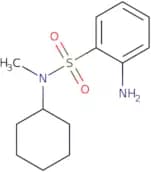
amine](/_next/image/?url=https%3A%2Fstatic.cymitquimica.com%2Fproducts%2F3D%2Fthumb-webp%2FVCA69637.webp&w=3840&q=75)
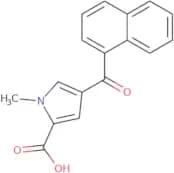
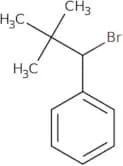
![2-[3-(6-Methylpyridin-2-yl)propoxy]ethan-1-ol](/_next/image/?url=https%3A%2Fstatic.cymitquimica.com%2Fproducts%2F3D%2Fthumb-webp%2FVCA71517.webp&w=3840&q=75)
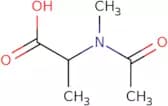
![6-[Methyl(phenyl)amino]pyridine-3-carboxylic acid](/_next/image/?url=https%3A%2Fstatic.cymitquimica.com%2Fproducts%2F3D%2Fthumb-webp%2FVCA72013.webp&w=3840&q=75)