Building Blocks
This section contains fundamental products for the synthesis of organic and biological compounds. Building blocks are the essential starting materials used to construct complex molecules through various chemical reactions. They play a critical role in drug discovery, material science, and chemical research. At CymitQuimica, we offer a diverse range of high-quality building blocks to support your innovative research and industrial projects, ensuring you have the essential components for successful synthesis.
Subcategories of "Building Blocks"
- Boronic Acids & Boronic Acid Derivatives(5,756 products)
- Chiral Building Blocks(1,242 products)
- Hydrocarbon Building Blocks(6,095 products)
- Organic Building Blocks(61,055 products)
Found 199650 products of "Building Blocks"
Sort by
Purity (%)
0
100
|
0
|
50
|
90
|
95
|
100
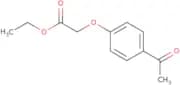
Ethyl 2-(4-acetylphenoxy)acetate
CAS:<p>Versatile small molecule scaffold</p>Formula:C12H14O4Purity:Min. 95%Molecular weight:222.24 g/mol1-[(4-Chlorophenyl)sulfanyl]butan-2-one
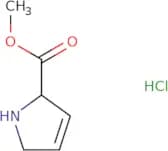
CAS:<p>Versatile small molecule scaffold</p>Formula:C10H11ClOSPurity:Min. 95%Molecular weight:214.71 g/mol3,4-Dehydro-L-proline methyl ester hydrochloride
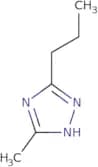
CAS:<p>Versatile small molecule scaffold</p>Formula:C6H9NO2·HClPurity:Min. 95%Molecular weight:163.6 g/mol3-Methyl-5-propyl-1H-1,2,4-triazole
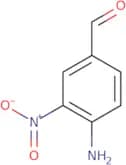
CAS:<p>Versatile small molecule scaffold</p>Formula:C6H11N3Purity:Min. 95%Molecular weight:125.17 g/mol4-amino-3-nitrobenzaldehyde
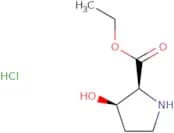
CAS:<p>4-Amino-3-nitrobenzaldehyde (4ANB) is a fluorescent probe that is used to detect amines. It has been shown to be thermodynamically stable and can be used as a fluorophore in the presence of hydroxyl groups. 4ANB fluoresces with a bathochromic shift when protonated and can be used as a hypsochromic probe for cellulose acetate. The fluorescence properties of 4ANB are dependent on the chemical environment, which can be modified by adding functional groups such as formyl or fluorophore groups.</p>Formula:C7H6N2O3Purity:Min. 95%Molecular weight:166.1 g/molEthyl 3-hydroxypyrrolidine-2-carboxylate hydrochloride
CAS:<p>Versatile small molecule scaffold</p>Formula:C7H14ClNO3Purity:Min. 95%Molecular weight:195.6 g/mol5-Chloromethyl-3-(3-chloro-phenyl)-[1,2,4]oxadiazole
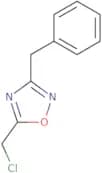
CAS:Versatile small molecule scaffoldFormula:C9H6Cl2N2OPurity:Min. 95%Molecular weight:229.06 g/mol3-Benzyl-5-(chloromethyl)-1,2,4-oxadiazole
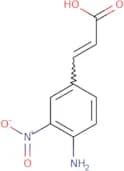
CAS:<p>3-Benzyl-5-(chloromethyl)-1,2,4-oxadiazole is a cyanate compound that has magnetic properties. It was synthesized by the reaction of 3-benzyl-5-(chloromethyl)-1,2,4-dioxadiazole with sodium thiocyanate. This compound is an adduct of a polymeric selenium complex and the cyanate group. The spectral data for this compound indicated that it has a strong interaction between the selenium atom and the thiocyanato moiety. Elemental analyses show that this compound has a molecular weight of 223.3 g/mol and contains 12 hydrogen atoms, 11 carbons, and 8 oxygen atoms.</p>Formula:C10H9ClN2OPurity:Min. 95%Molecular weight:208.64 g/mol(2E)-3-(4-Amino-3-nitrophenyl)prop-2-enoic acid
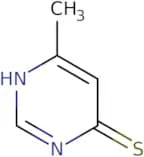
CAS:<p>Versatile small molecule scaffold</p>Formula:C9H8N2O4Purity:Min. 95%Molecular weight:208.17 g/mol6-Methylpyrimidine-4-thiol
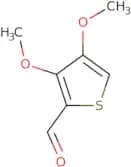
CAS:<p>Versatile small molecule scaffold</p>Formula:C5H6N2SPurity:Min. 95%Molecular weight:126.17 g/mol3,4-Dimethoxythiophene-2-carbaldehyde
CAS:<p>Versatile small molecule scaffold</p>Formula:C7H8O3SPurity:Min. 95%Molecular weight:172.2 g/mol(2E)-3-[4-(Trifluoromethyl)phenyl]prop-2-enenitrile
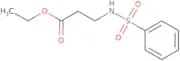
CAS:<p>Versatile small molecule scaffold</p>Formula:C10H6F3NPurity:Min. 95%Molecular weight:197.16 g/molEthyl 3-benzenesulfonamidopropanoate
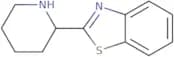
CAS:<p>Versatile small molecule scaffold</p>Formula:C11H15NO4SPurity:Min. 95%Molecular weight:257.31 g/mol2-(Piperidin-2-yl)-1,3-benzothiazole
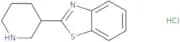
CAS:<p>Versatile small molecule scaffold</p>Formula:C12H14N2SPurity:Min. 95%Molecular weight:218.32 g/mol2-(3-Piperidinyl)-1,3-benzothiazole hydrochloride
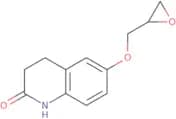
CAS:Versatile small molecule scaffoldFormula:C12H15ClN2SPurity:Min. 95%Molecular weight:254.78 g/mol6-(Oxiran-2-ylmethoxy)-1,2,3,4-tetrahydroquinolin-2-one
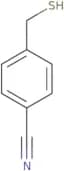
CAS:<p>Versatile small molecule scaffold</p>Formula:C12H13NO3Purity:Min. 95%Molecular weight:219.24 g/mol4-(Sulfanylmethyl)benzonitrile
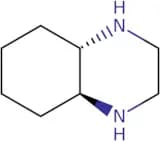
CAS:Versatile small molecule scaffoldFormula:C8H7NSPurity:Min. 95%Molecular weight:149.21 g/moltrans-Decahydro-quinoxaline
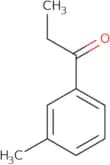
CAS:<p>Versatile small molecule scaffold</p>Formula:C8H16N2Purity:Min. 95%Molecular weight:140.23 g/mol1-(m-Tolyl)propan-1-one
CAS:Controlled Product<p>Amphetamine is a psychostimulant and sympathomimetic that is used to treat attention-deficit hyperactivity disorder, narcolepsy, and obesity. Amphetamine is structurally similar to phenylethylamine, a naturally occurring trace amine found in humans. Amphetamine has been shown to bind with high affinity to tissues in the heart, lungs, stomach, and intestines. It also binds with moderate affinity to the liver. Amphetamine can be detected by analyses of chemical structures using diode-array detection or mass spectrometry. In addition, amphetamine can be detected in urine using liquid chromatography or gas chromatography/mass spectrometry. Amphetamines are addictive and have been shown to cause long-term damage in animal models of addiction. Cathinones are related compounds that have been found in human urine samples and have been shown to be toxicologically similar to amphetamines.</p>Formula:C10H12OPurity:Min. 95%Molecular weight:148.2 g/molFenicoberan
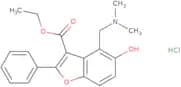
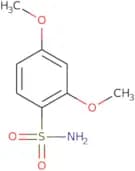
CAS:<p>Fenicoberan is a bronchodilator that has been shown to be effective in the treatment of chronic bronchitis. Fenicoberan is also used as an antiarrhythmic and a medicinal preparation for treating gastritis, heart disease, and infarction. Fenicoberan has been shown to be an effective drug in the ligation of coronary artery thrombi, with normalization of heart function, and hepatoprotective properties. The active chemical component of fenicoberan is phenylephrine hydrochloride. It is a sympathomimetic amine that increases blood pressure by acting on alpha-adrenergic receptors in the vascular smooth muscle cells. Fenicoberan also induces phosphatidylcholine synthesis by activating phospholipase C (PLC) enzymes, which are involved in the hydrolysis of membrane phospholipids.</p>Formula:C20H22ClNO4Purity:Min. 95%Molecular weight:375.8 g/mol2,4-Dimethoxybenzenesulfonamide
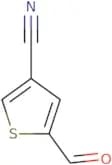
CAS:<p>Versatile small molecule scaffold</p>Formula:C8H11NO4SPurity:Min. 95%Molecular weight:217.25 g/mol5-formylthiophene-3-carbonitrile
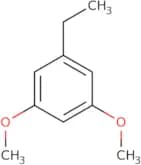
CAS:<p>Versatile small molecule scaffold</p>Formula:C6H3NOSPurity:Min. 95%Molecular weight:137.15 g/mol1-Ethyl-3,5-dimethoxybenzene
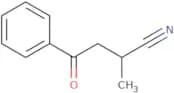
CAS:<p>Versatile small molecule scaffold</p>Formula:C10H14O2Purity:Min. 95%Molecular weight:166.22 g/mol2-Methyl-4-oxo-4-phenylbutanenitrile
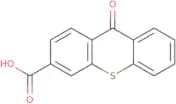
CAS:<p>2-Methyl-4-oxo-4-phenylbutanenitrile is a chemical compound that is used in the synthesis of pharmaceuticals. It can be obtained by reacting an organic base with an organic acid. This reaction takes place in a reaction vessel and requires an inorganic base and inorganic reagents. The process also requires ethyl cyanoacetate as the starting material and produces 2-methyl-4-oxo-4-phenylbutanenitrile as the product. The use of this chemical has been linked to environmental pollution, so it should never be released into the environment or come into contact with water.</p>Formula:C11H11NOPurity:Min. 95%Molecular weight:173.21 g/mol9-Oxo-9H-thioxanthene-3-carboxylic acid
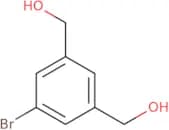
CAS:<p>9-Oxo-9H-thioxanthene-3-carboxylic acid is an organic compound that is used in the treatment of wastewater. It is used to inhibit the growth of microorganisms present in wastewater and has been shown to be effective at inhibiting enzymes involved in energy metabolism and citric acid production. 9-Oxo-9H-thioxanthene-3-carboxylic acid also acts as a potent inhibitor of pyrazinoic acid production, which is a major cause of chronic coughs. This chemical also inhibits glomerular filtration rate in rats, which can lead to proteinuria. The chemical's effect on kidney function can be determined by preparing a sample for titration calorimetry.</p>Formula:C14H8O3SPurity:Min. 95%Molecular weight:256.28 g/mol(5-Bromo-1,3-phenylene)dimethanol
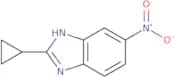
CAS:<p>Versatile small molecule scaffold</p>Formula:C8H9BrO2Purity:Min. 95%Molecular weight:217.06 g/mol2-Cyclopropyl-5-nitro-1H-1,3-benzodiazole
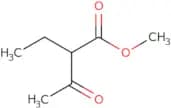
CAS:<p>Versatile small molecule scaffold</p>Formula:C10H9N3O2Purity:Min. 95%Molecular weight:203.2 g/molMethyl 2-ethylacetoacetate
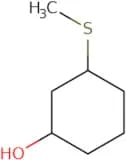
CAS:<p>Methyl 2-ethylacetoacetate (MEAA) is a reactive chemical that is used in the industrial process of dry extraction. MEAA is used as an antibacterial agent and has been shown to be effective against a number of bacteria, including Escherichia coli and Pseudomonas aeruginosa. MEAA binds to fatty acids, disrupting their structure and inhibiting bacterial growth. It also inhibits fatty acid synthesis in bacteria, which leads to cell death by disruption of membrane integrity. The carboxylate group on MEAA can act as a diluent for other more reactive chemicals, such as formaldehyde or glutaraldehyde.</p>Formula:C7H12O3Purity:Min. 95%Molecular weight:144.17 g/mol3-(Methylsulfanyl)cyclohexan-1-ol
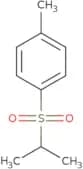
CAS:<p>Versatile small molecule scaffold</p>Formula:C7H14OSPurity:Min. 95%Molecular weight:146.25 g/mol1-Methyl-4-(propane-2-sulfonyl)benzene
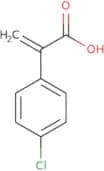
CAS:<p>Versatile small molecule scaffold</p>Formula:C10H14O2SPurity:Min. 95%Molecular weight:198.28 g/mol2-(4-Chlorophenyl)prop-2-enoic acid
CAS:<p>Versatile small molecule scaffold</p>Formula:C9H7ClO2Purity:Min. 95%Molecular weight:182.6 g/mol1',2',3',4',5',6'-Hexahydro-[2,3']bipyridinyl dihydrochloride
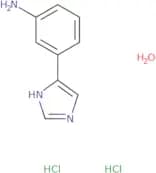
CAS:<p>Versatile small molecule scaffold</p>Formula:C10H16Cl2N2Purity:Min. 95%Molecular weight:235.16 g/mol3-(1H-Imidazol-4-yl)aniline dihydrochloride
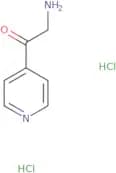
CAS:<p>Versatile small molecule scaffold</p>Formula:C9H13Cl2N3OPurity:Min. 95%Molecular weight:250.12 g/mol2-Amino-1-(pyridin-4-yl)ethanone dihydrochloride
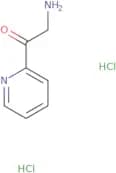
CAS:<p>Versatile small molecule scaffold</p>Formula:C7H10Cl2N2OPurity:Min. 95%Molecular weight:209.07 g/mol2-(2-Aminoacetyl)pyridine Dihydrochloride
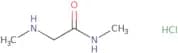
CAS:<p>Versatile small molecule scaffold</p>Formula:C7H8N2O·2HClPurity:Min. 95%Molecular weight:209.07 g/molN-Methyl-2-(methylamino)acetamide hydrochloride
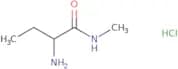
CAS:<p>Versatile small molecule scaffold</p>Formula:C4H11ClN2OPurity:Min. 95%Molecular weight:138.59 g/mol2-Amino-N-methylbutanamide hydrochloride
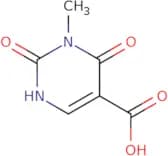
CAS:<p>Versatile small molecule scaffold</p>Formula:C5H13ClN2OPurity:Min. 95%Molecular weight:152.62 g/mol3-Methyl-2,4-dioxo-1,2,3,4-tetrahydropyrimidine-5-carboxylic acid
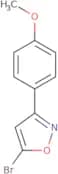
CAS:<p>Versatile small molecule scaffold</p>Formula:C6H6N2O4Purity:Min. 95%Molecular weight:170.12 g/mol5-Bromo-3-(4-methoxyphenyl)-1,2-oxazole
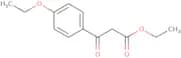
CAS:<p>Versatile small molecule scaffold</p>Formula:C10H8BrNO2Purity:Min. 95%Molecular weight:254.08 g/molethyl 3-(4-ethoxyphenyl)-3-oxopropanoate
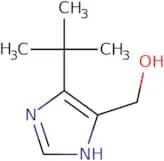
CAS:<p>Versatile small molecule scaffold</p>Formula:C13H16O4Purity:Min. 95%Molecular weight:236.27 g/mol(5-tert-Butyl-1H-imidazol-4-yl)methanol
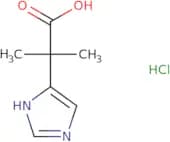
CAS:<p>Versatile small molecule scaffold</p>Formula:C8H14N2OPurity:Min. 95%Molecular weight:154.21 g/mol2-(1H-Imidazol-4-yl)-2-methylpropanoic acid hydrochloride
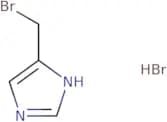
CAS:<p>Versatile small molecule scaffold</p>Formula:C7H11ClN2O2Purity:Min. 95%Molecular weight:190.63 g/mol4-(Bromomethyl)-1H-imidazole hydrobromide
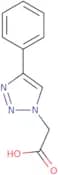
CAS:<p>Versatile small molecule scaffold</p>Formula:C4H6Br2N2Purity:Min. 95%Molecular weight:241.91 g/mol2-(4-Phenyl-1H-1,2,3-triazol-1-yl)acetic acid
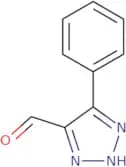
CAS:Versatile small molecule scaffoldFormula:C10H9N3O2Purity:Min. 95%Molecular weight:203.2 g/mol5-Phenyl-1,2,3-triazole-4-carbaldehyde
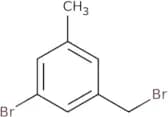
CAS:<p>Versatile small molecule scaffold</p>Formula:C9H7N3OPurity:Min. 95%Molecular weight:173.17 g/mol3-Bromo-5-methylbenzyl bromide
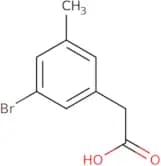
CAS:<p>Versatile small molecule scaffold</p>Formula:C8H8Br2Purity:Min. 95%Molecular weight:263.96 g/mol3-Bromo-5-methylphenylacetic acid
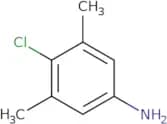
CAS:<p>Versatile small molecule scaffold</p>Formula:C9H9BrO2Purity:Min. 95%Molecular weight:229.07 g/mol4-chloro-3,5-dimethylaniline
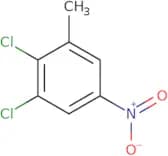
CAS:<p>Versatile small molecule scaffold</p>Formula:C8H10ClNPurity:Min. 95%Molecular weight:155.63 g/mol1,2-Dichloro-3-methyl-5-nitrobenzene
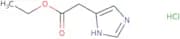
CAS:<p>Versatile small molecule scaffold</p>Formula:C7H5Cl2NO2Purity:Min. 95%Molecular weight:206.02 g/molEthyl 2-(1H-imidazol-4-yl)acetate hydrochloride
CAS:<p>Versatile small molecule scaffold</p>Formula:C7H11ClN2O2Purity:Min. 95%Molecular weight:190.6 g/molHexahydro-1'H-spiro[1,3-dioxolane-2,2'-pentalene]-5'-one
CAS:<p>Versatile small molecule scaffold</p>Formula:C10H14O3Purity:Min. 95%Molecular weight:182.22 g/molBenzyl[2-(4-methoxyphenyl)ethyl]amine
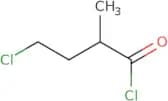
CAS:Controlled Product<p>Versatile small molecule scaffold</p>Formula:C16H19NOPurity:Min. 95%Molecular weight:241.33 g/mol4-Chloro-2-methylbutanoyl Chloride
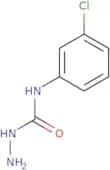
CAS:<p>4-Chloro-2-methylbutanoyl Chloride is a thiolactone that is used in the synthesis of dl-homocysteine. It is an environmental pollutant and can be found in the distillate from chlorinated solvents. 4-Chloro-2-methylbutanoyl Chloride reacts with chloride to form an environmentally hazardous reaction product. This chemical has been used as a medicine, but it has not been approved by the FDA for use in humans.</p>Formula:C5H8Cl2OPurity:Min. 95%Molecular weight:155.02 g/molN-(3-Chlorophenyl)hydrazinecarboxamide
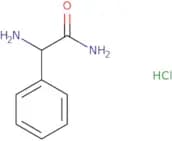
CAS:<p>Versatile small molecule scaffold</p>Formula:C7H8ClN3OPurity:Min. 95%Molecular weight:185.61 g/mol2-Amino-2-phenylacetamide hydrochloride
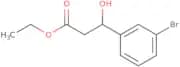
CAS:<p>Versatile small molecule scaffold</p>Formula:C8H11ClN2OPurity:Min. 95%Molecular weight:186.64 g/molEthyl 3-(3-bromophenyl)-3-hydroxypropanoate
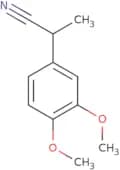
CAS:<p>Versatile small molecule scaffold</p>Formula:C11H13BrO3Purity:Min. 95%Molecular weight:273.12 g/mol2-(3,4-Dimethoxyphenyl)propanenitrile
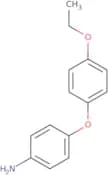
CAS:<p>Versatile small molecule scaffold</p>Formula:C11H13NO2Purity:Min. 95%Molecular weight:191.23 g/mol4-(4-Ethoxyphenoxy)aniline
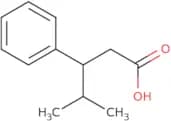
CAS:<p>Versatile small molecule scaffold</p>Formula:C14H15NO2Purity:Min. 95%Molecular weight:229.27 g/mol4-Methyl-3-phenylpentanoic acid
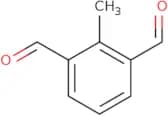
CAS:<p>4-Methyl-3-phenylpentanoic acid is a chiral, enantioselective catalyst. It is catalyzed by rhodium and used in the asymmetric synthesis of β-unsaturated amides. This reaction is an example of an esterification that is catalyzed by a chiral, enantioselective reagent. 4-Methyl-3-phenylpentanoic acid has also been shown to be effective for the synthesis of chiral esters.</p>Formula:C12H16O2Purity:Min. 95%Molecular weight:192.25 g/mol2-Methylbenzene-1,3-dicarbaldehyde
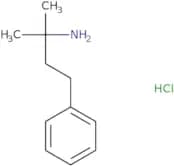
CAS:<p>2-Methylbenzene-1,3-dicarbaldehyde is a divalent hydrocarbon that has an oxidation catalyst. This compound is used as an intermediate in the production of drugs and pharmaceuticals. It has been shown to have cardiovascular disorders, such as vasodilatation and hypotension. The mechanism of action is not fully understood but may be related to its ability to act as a nitrovasodilator by increasing nitric oxide (NO) release. 2-Methylbenzene-1,3-dicarbaldehyde also produces psychotic disorders when long term exposure occurs. This compound has been shown to have neurotoxic effects in animal models with long term exposure.</p>Formula:C9H8O2Purity:Min. 95%Molecular weight:148.16 g/mol2-Methyl-4-phenylbutan-2-amine hydrochloride
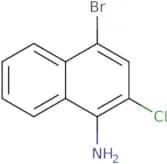
CAS:<p>Versatile small molecule scaffold</p>Formula:C11H18ClNPurity:Min. 95%Molecular weight:199.72 g/mol4-Bromo-2-chloronaphthalen-1-amine
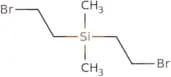
CAS:<p>4-Bromo-2-chloronaphthalen-1-amine is a chemical compound that can be synthesized from acetone and chlorides. The reaction proceeds via a nucleophilic substitution reaction in which one of the chlorine atoms is replaced by an electron pair from acetone. This process occurs when the substituent on the naphthalene ring is not sterically hindered, and it is therefore necessary to use substituents that are electron donors, such as methyl or ethyl groups. 4-Bromo-2-chloronaphthalen-1-amine has been synthesized in Japan by reacting acetone with sodium chloride and bromine at high temperature and pressure. The solvent used was benzene, which was removed after the reaction was complete.</p>Formula:C10H7BrClNPurity:Min. 95%Molecular weight:256.52 g/molBis(2-bromoethyl)dimethylsilane
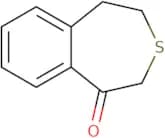
CAS:<p>Versatile small molecule scaffold</p>Formula:C6H14Br2SiPurity:Min. 95%Molecular weight:274.07 g/mol1,2,4,5-Tetrahydro-3-benzothiepin-1-one
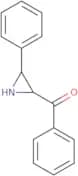
CAS:<p>Versatile small molecule scaffold</p>Formula:C10H10OSPurity:Min. 95%Molecular weight:178.25 g/mol2-Benzoyl-3-phenylaziridine
CAS:<p>2-Benzoyl-3-phenylaziridine is a heterocyclic compound that is obtained by the condensation of benzoyl chloride and phenylamine. It is used in the synthesis of azomethine dyes, which are mainly used as textile dyes. The ammonium salt of 2-benzoyl-3-phenylaziridine can be obtained on refluxing the hydrate with thiocyanate and acetonitrile. This transformation has been shown to be dependent on pH with an optimum at pH 8.5.</p>Formula:C15H13NOPurity:Min. 95%Molecular weight:223.27 g/molEthyl 1,4-dioxaspiro[4.5]dec-8-ylideneacetate
CAS:<p>Versatile small molecule scaffold</p>Formula:C12H18O4Purity:Min. 95%Molecular weight:226.27 g/mol8-Methylene-1,4-dioxa-spiro[4.5]decane
CAS:<p>Versatile small molecule scaffold</p>Formula:C9H14O2Purity:Min. 95%Molecular weight:154.21 g/mol5,7-Dimethyl[1,2,4]triazolo[1,5-a]pyrimidin-2-ylhydrosulfide
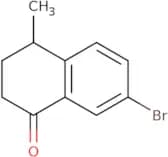
CAS:<p>5,7-Dimethyl[1,2,4]triazolo[1,5-a]pyrimidin-2-ylhydrosulfide is a compound that is used in the synthesis of fonamide. It is a sugar with nitrification and nitrogen metabolism activity. 5,7-Dimethyl[1,2,4]triazolo[1,5-a]pyrimidin-2-ylhydrosulfide can be converted to ammonium hydroxide by reaction with hydroxide or carbon disulfide. The resulting product can be further converted to amides by an amine or ethanol. The structure of this compound is similar to that of fonamide and may have antiinflammatory properties.</p>Formula:C7H8N4SPurity:Min. 95%Molecular weight:180.23 g/mol7-Bromo-4-methyl-1,2,3,4-tetrahydronaphthalen-1-one
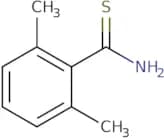
CAS:<p>Versatile small molecule scaffold</p>Formula:C11H11BrOPurity:Min. 95%Molecular weight:239.11 g/mol2,6-Dimethyl-thiobenzamide
CAS:<p>Versatile small molecule scaffold</p>Formula:C9H11NSPurity:Min. 95%Molecular weight:165.26 g/mol5-[(Hydroxyimino)methyl]-1,3-thiazol-2-amine
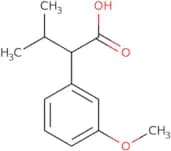
CAS:Versatile small molecule scaffoldFormula:C4H5N3OSPurity:Min. 95%Molecular weight:143.17 g/mol2-(3-Methoxyphenyl)-3-methylbutanoic acid
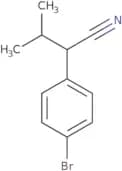
CAS:<p>Versatile small molecule scaffold</p>Formula:C12H16O3Purity:Min. 95%Molecular weight:208.25 g/mol2-(4-Bromophenyl)-3-methylbutanenitrile
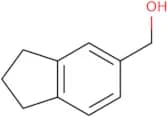
CAS:<p>Versatile small molecule scaffold</p>Formula:C11H12BrNPurity:Min. 95%Molecular weight:238.13 g/mol5-Hydroxymethylindane
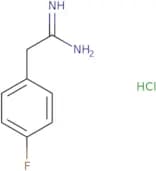
CAS:<p>Versatile small molecule scaffold</p>Formula:C10H12OPurity:Min. 95%Molecular weight:148.2 g/mol2-(4-Fluorophenyl)ethanimidamide hydrochloride
CAS:<p>Versatile small molecule scaffold</p>Formula:C8H10ClFN2Purity:Min. 95%Molecular weight:188.63 g/mol1-Azabicyclo[2.2.2]octane-3-carbonitrile
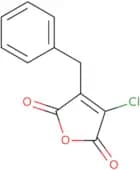
CAS:<p>1-Azabicyclo[2.2.2]octane-3-carbonitrile (1ABOC) is a hydrolyzing antihistamine that is used to treat allergies in the eye. This drug binds to histamine H1 receptors and blocks the release of histamine from mast cells, thereby preventing allergic symptoms. 1ABOC also has anti-inflammatory properties and may be useful for treating inflammatory disorders.</p>Formula:C8H12N2Purity:Min. 95%Molecular weight:136.19 g/mol3-Benzyl-4-chloro-2,5-dihydrofuran-2,5-dione
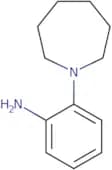
CAS:Versatile small molecule scaffoldFormula:C11H7ClO3Purity:Min. 95%Molecular weight:222.62 g/mol2-Azepan-1-yl-phenylamine
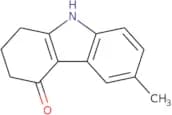
CAS:<p>Versatile small molecule scaffold</p>Formula:C12H18N2Purity:Min. 95%Molecular weight:190.28 g/mol6-Methyl-2,3,4,9-tetrahydro-1H-carbazol-4-one
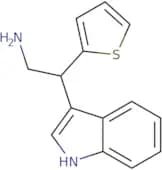
CAS:<p>Versatile small molecule scaffold</p>Formula:C13H13NOPurity:Min. 95%Molecular weight:199.25 g/mol2-(1H-Indol-3-yl)-2-(thiophen-2-yl)ethan-1-amine
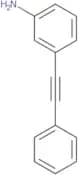
CAS:<p>Versatile small molecule scaffold</p>Formula:C14H14N2SPurity:Min. 95%Molecular weight:242.34 g/mol3-(phenylethynyl)aniline
CAS:<p>3-(Phenylethynyl)aniline is a chemical compound that is insoluble in water and has a reactive crosslink. It is reactive with long-term exposure and has a gel permeation chromatography isolated yield. 3-(Phenylethynyl)aniline can be thermally decomposed to phenylethanethiol, which is an exothermic reaction. The technique of nmr spectroscopy can be used to study the reactivity of this compound. 3-(Phenylethynyl)aniline exhibits specific spectral features that can be used to identify it by nmr spectroscopy.</p>Formula:C14H11NPurity:Min. 95%Molecular weight:193.24 g/mol6-Methyl-2-oxo-4-sulfanylidene-1,2,3,4-tetrahydropyrimidine-5-carboxylic acid
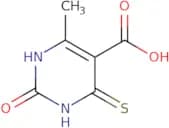
CAS:<p>Versatile small molecule scaffold</p>Formula:C6H6N2O3SPurity:Min. 95%Molecular weight:186.19 g/molChloro[(chlorocarbonyl)disulfanyl]methanone
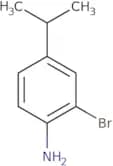
CAS:Chloro[(chlorocarbonyl)disulfanyl]methanone is a chemical compound that is used in the synthesis of new organic compounds. It is a substrate for cross-coupling reactions with organometallic reagents. Chloro[(chlorocarbonyl)disulfanyl]methanone reacts to form a chloroalkyl sulfide and an alkene, which can be converted into an amide or amine. The reaction mechanism involves nucleophilic attack at the sulfur atom by the metal halide, followed by elimination of chloride ion from the intermediate sulfonium salt to form the desired product. Chloro[(chlorocarbonyl)disulfanyl]methanone has been used in the synthesis of enantiopure compounds that are difficult to obtain through other methods.Formula:C2Cl2O2S2Purity:Min. 95%Molecular weight:191.1 g/mol2-Bromo-4-isopropylaniline
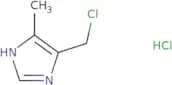
CAS:<p>2-Bromo-4-isopropylaniline is a spiroindoline that was synthesized by modification of the natural product, bryostatin. The compound has shown experimental activity against encephalomyelitis in mice. However, the mechanism of action is not known. 2-Bromo-4-isopropylaniline has been found to be an activator for ethylene and can catalyze reactions involving diphosphines and ligands. It binds to phenyl substituents on the molecule and forms x-ray crystallographic structures with high resolution. Optimization of the structure may lead to more potent analogs.</p>Formula:C9H12BrNPurity:Min. 95%Molecular weight:214.11 g/mol5-(Chloromethyl)-4-methyl-1H-imidazole hydrochloride
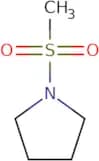
CAS:<p>Isothiourea is an imidazole derivative that acts as a competitive antagonist of histamine H2 receptors. It has been used in the synthesis of cimetidine and other histamine H2 receptor antagonists. Isothiourea inhibits the action of histamine on the H2 receptor by binding to it, thereby preventing its activation. This drug is a synthetic compound that can be made from chloroform and thionyl chloride. It may be synthesized in a two-step process starting with chloromethyl methyl (methylchloro)imidazole, which is reacted with hydrochloric acid to produce 5-(chloromethyl)-4-methyl-1H-imidazole hydrochloride.</p>Formula:C5H8Cl2N2Purity:Min. 95%Molecular weight:167.04 g/mol1-Methanesulfonylpyrrolidine
CAS:<p>Versatile small molecule scaffold</p>Formula:C5H11NO2SPurity:Min. 95%Molecular weight:149.21 g/mol3-Chloro-N-[(furan-2-yl)methyl]aniline
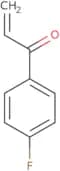
CAS:<p>Versatile small molecule scaffold</p>Formula:C11H10ClNOPurity:Min. 95%Molecular weight:207.65 g/mol1-(4-Fluorophenyl)prop-2-en-1-one
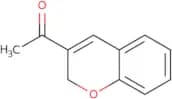
CAS:<p>1-(4-Fluorophenyl)prop-2-en-1-one is a chalcone that has been shown to have anticancer activity. It has been shown to stabilize the response elements of the transcriptional regulatory protein NF-κB and induce apoptosis in colorectal adenocarcinoma cells. This compound is also able to inhibit cancer growth by inhibiting tumor angiogenesis and metastasis. 1-(4-Fluorophenyl)prop-2-en-1-one binds to DNA, preventing transcription and replication, which leads to cell death. 1-(4-Fluorophenyl)prop-2-en-1-one has also been found to bind withaferin A, a molecule that has been shown to have anticancer activity.</p>Formula:C9H7FOPurity:Min. 95%Molecular weight:150.15 g/mol1-(2H-chromen-3-yl)ethanone
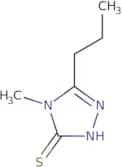
CAS:<p>Versatile small molecule scaffold</p>Formula:C11H10O2Purity:Min. 95%Molecular weight:174.19 g/mol4-Methyl-5-propyl-4H-1,2,4-triazole-3-thiol
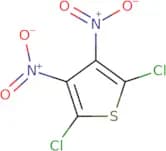
CAS:<p>Versatile small molecule scaffold</p>Formula:C6H11N3SPurity:Min. 95%Molecular weight:157.24 g/mol2,5-Dichloro-3,4-dinitrothiophene
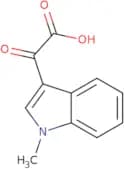
CAS:<p>2,5-Dichloro-3,4-dinitrothiophene is a crystalline solid with a tetragonal crystal system. It has been shown to form with yields of up to 45%, depending on the solvent. The crystal structure has been determined by X-ray crystallography and it was found to be monoclinic with nitro groups interacting in a manner analogous to nitro groups. Nitration of 2,5-dichloro-3,4-dinitrothiophene has been shown to produce 2,5-dichloro-3,4-dinitrobenzene and 2,5-dichloro-3,4-dinitrophenylhydrazine.</p>Formula:C4Cl2N2O4SPurity:Min. 95%Molecular weight:243.02 g/molN-Methyl-3-indoleglyoxylic acid 97
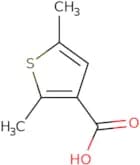
CAS:Controlled Product<p>N-Methyl-3-indoleglyoxylic acid 97 is a potent and selective inhibitor of protein kinases, including the mitogen activated protein kinase (MAPK) family. It has been shown to inhibit proliferation of cells in vitro. In addition, N-Methyl-3-indoleglyoxylic acid 97 inhibits the activation of MAPK in response to stress or cytokine stimulation. This agent has been shown to be selective for different isotypes of protein kinases and displays good selectivity for inhibition of the enzyme activity.</p>Formula:C11H9NO3Purity:Min. 95%Molecular weight:203.19 g/mol2,5-Dimethyl-thiophene-3-carboxylic acid
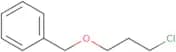
CAS:<p>Versatile small molecule scaffold</p>Formula:C7H8O2SPurity:Min. 95%Molecular weight:156.2 g/mol((3-Chloropropoxy)methyl)benzene
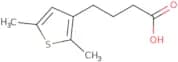
CAS:<p>Versatile small molecule scaffold</p>Formula:C10H13ClOPurity:Min. 95%Color and Shape:Clear LiquidMolecular weight:184.66 g/mol4-(2,5-Dimethylthiophen-3-yl)butanoic acid
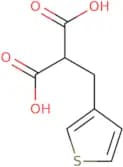
CAS:<p>Versatile small molecule scaffold</p>Formula:C10H14O2SPurity:Min. 95%Molecular weight:198.28 g/mol2-(Thiophen-3-ylmethyl)propanedioic acid
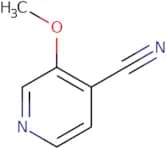
CAS:<p>Versatile small molecule scaffold</p>Formula:C8H8O4SPurity:Min. 95%Molecular weight:200.21 g/mol3-Methoxyisonicotinonitrile
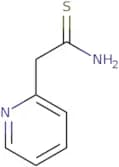
CAS:<p>Versatile small molecule scaffold</p>Formula:C6H6N4Purity:Min. 95%Molecular weight:134.14 g/mol2-(Pyridin-2-yl)ethanethioamide
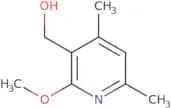
CAS:<p>2-(Pyridin-2-yl)ethanethioamide is a molecule that has been shown to have clinical use in humans. It reduces gastric acid secretion by inhibiting the proton pump and is used as an antisecretory and antiulcer agent. The molecule has also been shown to inhibit the growth of bacteria, such as Escherichia coli, Helicobacter pylori, and Bacillus subtilis. 2-(Pyridin-2-yl)ethanethioamide binds to the bacterial enzyme adenosine deaminase (ADA), which is involved in purine metabolism, leading to inhibition of bacterial growth.</p>Formula:C7H8N2SPurity:Min. 95%Molecular weight:152.22 g/mol(2-Methoxy-4,6-dimethylpyridin-3-yl)methanol
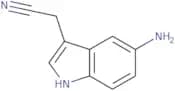
CAS:<p>Versatile small molecule scaffold</p>Formula:C9H13NO2Purity:Min. 95%Molecular weight:167.2 g/mol2-(5-Amino-1H-indol-3-yl)acetonitrile
CAS:Versatile small molecule scaffoldFormula:C10H9N3Purity:Min. 95%Molecular weight:171.2 g/mol

![1-[(4-Chlorophenyl)sulfanyl]butan-2-one](/_next/image/?url=https%3A%2Fstatic.cymitquimica.com%2Fproducts%2F3D%2Fthumb-webp%2FBCA82854.webp&w=3840&q=75)
![5-Chloromethyl-3-(3-chloro-phenyl)-[1,2,4]oxadiazole](/_next/image/?url=https%3A%2Fstatic.cymitquimica.com%2Fproducts%2F3D%2Fthumb-webp%2FBCA80278.webp&w=3840&q=75)
![(2E)-3-[4-(Trifluoromethyl)phenyl]prop-2-enenitrile](/_next/image/?url=https%3A%2Fstatic.cymitquimica.com%2Fproducts%2F3D%2Fthumb-webp%2FBCA79129.webp&w=3840&q=75)
![1',2',3',4',5',6'-Hexahydro-[2,3']bipyridinyl dihydrochloride](/_next/image/?url=https%3A%2Fstatic.cymitquimica.com%2Fproducts%2F3D%2Fthumb-webp%2FBCA74700.webp&w=3840&q=75)
![Hexahydro-1'H-spiro[1,3-dioxolane-2,2'-pentalene]-5'-one](/_next/image/?url=https%3A%2Fstatic.cymitquimica.com%2Fproducts%2F3D%2Fthumb-webp%2FBCA71662.webp&w=3840&q=75)
![Benzyl[2-(4-methoxyphenyl)ethyl]amine](/_next/image/?url=https%3A%2Fstatic.cymitquimica.com%2Fproducts%2F3D%2Fthumb-webp%2FBCA71372.webp&w=3840&q=75)
![Ethyl 1,4-dioxaspiro[4.5]dec-8-ylideneacetate](/_next/image/?url=https%3A%2Fstatic.cymitquimica.com%2Fproducts%2F3D%2Fthumb-webp%2FBCA65691.webp&w=3840&q=75)
![8-Methylene-1,4-dioxa-spiro[4.5]decane](/_next/image/?url=https%3A%2Fstatic.cymitquimica.com%2Fproducts%2F3D%2Fthumb-webp%2FBCA65690.webp&w=3840&q=75)
![5,7-Dimethyl[1,2,4]triazolo[1,5-a]pyrimidin-2-ylhydrosulfide](/_next/image/?url=https%3A%2Fstatic.cymitquimica.com%2Fproducts%2F3D%2Fthumb-webp%2FBCA64617.webp&w=3840&q=75)
![5-[(Hydroxyimino)methyl]-1,3-thiazol-2-amine](/_next/image/?url=https%3A%2Fstatic.cymitquimica.com%2Fproducts%2F3D%2Fthumb-webp%2FBCA64050.webp&w=3840&q=75)
![1-Azabicyclo[2.2.2]octane-3-carbonitrile](/_next/image/?url=https%3A%2Fstatic.cymitquimica.com%2Fproducts%2F3D%2Fthumb-webp%2FBCA62776.webp&w=3840&q=75)
![Chloro[(chlorocarbonyl)disulfanyl]methanone](/_next/image/?url=https%3A%2Fstatic.cymitquimica.com%2Fproducts%2F3D%2Fthumb-webp%2FBCA61588.webp&w=3840&q=75)
![3-Chloro-N-[(furan-2-yl)methyl]aniline](/_next/image/?url=https%3A%2Fstatic.cymitquimica.com%2Fproducts%2F3D%2Fthumb-webp%2FBCA59776.webp&w=3840&q=75)