Building Blocks
This section contains fundamental products for the synthesis of organic and biological compounds. Building blocks are the essential starting materials used to construct complex molecules through various chemical reactions. They play a critical role in drug discovery, material science, and chemical research. At CymitQuimica, we offer a diverse range of high-quality building blocks to support your innovative research and industrial projects, ensuring you have the essential components for successful synthesis.
Subcategories of "Building Blocks"
- Boronic Acids & Boronic Acid Derivatives(5,756 products)
- Chiral Building Blocks(1,242 products)
- Hydrocarbon Building Blocks(6,095 products)
- Organic Building Blocks(61,055 products)
Found 199650 products of "Building Blocks"
Sort by
Purity (%)
0
100
|
0
|
50
|
90
|
95
|
100
4-Fluorobicyclo[2.2.1]heptan-1-amine hydrochloride
CAS:<p>Versatile small molecule scaffold</p>Formula:C7H13ClFNPurity:Min. 95%Molecular weight:165.63 g/mol3-(tert-butoxycarbonyl)bicyclo[1.1.1]pentane-1-carboxylic acid
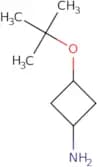
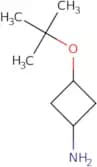
CAS:<p>Versatile small molecule scaffold</p>Formula:C11H16O4Purity:Min. 95%Molecular weight:212.2 g/mol3-(tert-Butoxy)cyclobutan-1-amine
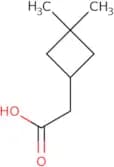
CAS:<p>Versatile small molecule scaffold</p>Formula:C8H17NOPurity:Min. 95%Molecular weight:143.23 g/mol2-(3,3-Dimethylcyclobutyl)acetic acid
CAS:<p>Versatile small molecule scaffold</p>Formula:C8H14O2Purity:Min. 95%Molecular weight:142.2 g/molMethyl 5-Bromo-7H-pyrrolo[2,3-d]pyrimidine-2-carboxylate
CAS:<p>Versatile small molecule scaffold</p>Formula:C8H6N3O2BrPurity:Min. 95%Molecular weight:256.05 g/molMethyl 5-bromo-7H-pyrrolo[2,3-d]pyrimidine-4-carboxylate
CAS:<p>Versatile small molecule scaffold</p>Formula:C8H6BrN3O2Purity:Min. 95%Molecular weight:256.06 g/mol2,4-dichloro-7H-pyrrolo[2,3-d]pyrimidine-5-carbaldehyde
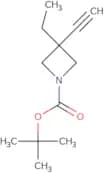
CAS:<p>Versatile small molecule scaffold</p>Formula:C7H3Cl2N3OPurity:Min. 95%Molecular weight:216.02 g/moltert-Butyl 3-ethyl-3-ethynylazetidine-1-carboxylate
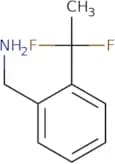
CAS:<p>Versatile small molecule scaffold</p>Formula:C12H19NO2Purity:Min. 95%Molecular weight:209.28 g/mol2-(1,1-Difluoroethyl)benzylamine
CAS:<p>Versatile small molecule scaffold</p>Formula:C9H11F2NPurity:Min. 95%Molecular weight:171.19 g/mol5-methyl-1H-pyrrolo[2,3-b]pyridine-2-carboxylic acid
CAS:<p>Versatile small molecule scaffold</p>Formula:C9H8N2O2Purity:Min. 95%Molecular weight:176.18 g/mol2,4-dichloro-7h-pyrrolo[2,3-d]pyrimidine-5-carboxylic acid
CAS:<p>Versatile small molecule scaffold</p>Formula:C7H3Cl2N3O2Purity:Min. 95%Molecular weight:232.02 g/moltert-Butyl ((3-(aminomethyl)bicyclo[1.1.1]pentan-1-yl)methyl)carbamate
CAS:<p>Versatile small molecule scaffold</p>Formula:C12H22N2O2Purity:Min. 95%Molecular weight:226.32 g/mol2-{1-[(tert-Butoxy)carbonyl]-3,3-dimethylpiperidin-4-yl}acetic acid
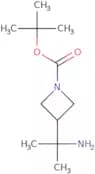
CAS:<p>Versatile small molecule scaffold</p>Formula:C14H25NO4Purity:Min. 95%Molecular weight:271.35 g/moltert-Butyl 3-(2-aminopropan-2-yl)azetidine-1-carboxylate
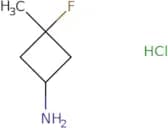
CAS:<p>Versatile small molecule scaffold</p>Formula:C11H22N2O2Purity:Min. 95%Molecular weight:214.31 g/mol3-Fluoro-3-methylcyclobutan-1-amine hydrochloride
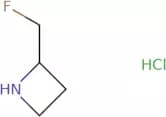
CAS:<p>Versatile small molecule scaffold</p>Formula:C5H11ClFNPurity:Min. 95%Molecular weight:139.6 g/mol2-(Fluoromethyl)azetidine hydrochloride
CAS:<p>Versatile small molecule scaffold</p>Formula:C4H9ClFNPurity:Min. 95%Molecular weight:125.57 g/mol2-(Fluoromethyl)piperidine hydrochloride
CAS:<p>Versatile small molecule scaffold</p>Formula:C6H13ClFNPurity:Min. 95%Molecular weight:153.62 g/moltert-Butyl ((4-aminobicyclo[2.2.2]octan-1-yl)methyl)carbamate
CAS:<p>Versatile small molecule scaffold</p>Formula:C14H26N2O2Purity:Min. 95%Molecular weight:254.37 g/molMethyl 1H-pyrazolo[3,4-b]pyridine-4-carboxylate
CAS:<p>Versatile small molecule scaffold</p>Formula:C8H7N3O2Purity:Min. 95%Molecular weight:177.16 g/moltert-Butyl N-{3-formylbicyclo[1.1.1]pentan-1-yl}carbamate
CAS:<p>Versatile small molecule scaffold</p>Formula:C11H17NO3Purity:Min. 95%Molecular weight:211.3 g/molrac-(1R,3R)-3-(tert-Butoxy)cyclobutan-1-amine
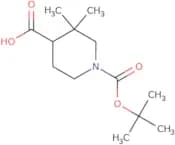
CAS:<p>Versatile small molecule scaffold</p>Formula:C8H17NOPurity:Min. 95%Molecular weight:143.23 g/mol1-Boc-3,3-dimethylpiperidine-4-carboxylic acid
CAS:<p>Versatile small molecule scaffold</p>Formula:C13H23NO4Purity:Min. 95%Molecular weight:257.33 g/moltert-Butyl (8-oxobicyclo[3.2.1]octan-3-yl)carbamate
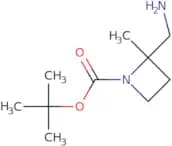
CAS:<p>Versatile small molecule scaffold</p>Formula:C13H21NO3Purity:Min. 95%Molecular weight:239.31 g/mol1-boc-2-methylazetidine-2-methamine
CAS:<p>Versatile small molecule scaffold</p>Formula:C10H20N2O2Purity:Min. 95%Molecular weight:200.28 g/moltert-Butyl 6-(iodomethyl)-5-oxa-2-azaspiro[3.4]octane-2-carboxylate
CAS:<p>Versatile small molecule scaffold</p>Formula:C12H20INO3Purity:Min. 95%Molecular weight:353.2 g/mol3-({[(tert-butoxy)carbonyl]amino}methyl)bicyclo[1.1.1]pentane-1-carboxylic acid
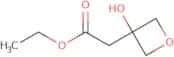
CAS:<p>Versatile small molecule scaffold</p>Formula:C12H19NO4Purity:Min. 95%Molecular weight:241.3 g/molethyl 2-(3-hydroxyoxetan-3-yl)acetate
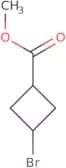
CAS:<p>Versatile small molecule scaffold</p>Formula:C7H12O4Purity:Min. 95%Molecular weight:160.17 g/molrac-(1S,3S)-Methyl 3-bromocyclobutanecarboxylate
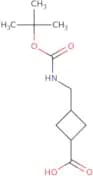
CAS:<p>Versatile small molecule scaffold</p>Formula:C6H9BrO2Purity:Min. 95%Molecular weight:193.04 g/moltrans-3-(Boc-aminomethyl)cyclobutanecarboxylic acid
CAS:<p>Versatile small molecule scaffold</p>Formula:C11H19NO4Purity:Min. 95%Molecular weight:229.27 g/molMethyl 4-aminobicyclo[2.1.1]hexane-1-carboxylate hydrochlorde
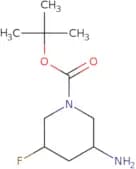
CAS:<p>Versatile small molecule scaffold</p>Formula:C8H14ClNO2Purity:Min. 95%Molecular weight:191.65 g/molrac-tert-Butyl (3R,5R)-3-amino-5-fluoropiperidine-1-carboxylate
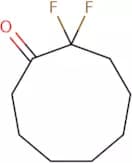
CAS:<p>Versatile small molecule scaffold</p>Formula:C10H19FN2O2Purity:Min. 95%Molecular weight:218.27 g/mol2,2-Difluorocyclononan-1-one
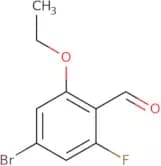
CAS:<p>Versatile small molecule scaffold</p>Formula:C9H14F2OPurity:Min. 95%Molecular weight:176.2 g/mol4-Bromo-2-ethoxy-6-fluorobenzaldehyde
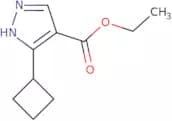
CAS:<p>Versatile small molecule scaffold</p>Formula:C9H8BrFO2Purity:Min. 95%Molecular weight:247.06 g/molEthyl 3-cyclobutyl-1H-pyrazole-4-carboxylate
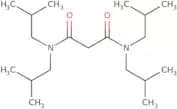
CAS:<p>Versatile small molecule scaffold</p>Formula:C10H14N2O2Purity:Min. 95%Molecular weight:194.23 g/molN,N,N',N'-Tetrakis(2-methylpropyl)propanediamide
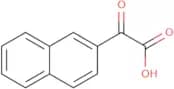
CAS:<p>N,N,N',N'-Tetrakis(2-methylpropyl)propanediamide (TPDA) is a hexavalent diamide that has been used as a catalyst in organic synthesis. TPDA has shown to be an effective catalyst for the Diels-Alder reaction of 2,3-dimethylbutadiene with maleic anhydride. TPDA is also useful in the synthesis of polymers such as polyurethane and polyimides.</p>Formula:C19H38N2O2Purity:Min. 95%Molecular weight:326.5 g/mol2-(Naphthalen-2-yl)-2-oxoacetic acid
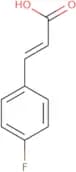
CAS:<p>2-(Naphthalen-2-yl)-2-oxoacetic acid is a naphthalene derivative that can be synthesized by reacting 2-naphthol with ethyl acetate. It has been shown to have a quantum yield of 0.024 and fluorescence emission at 561 nm in aqueous solution. The reaction scheme for the synthesis of 2-(naphthalen-2-yl)-2-oxoacetic acid is as follows:</p>Formula:C12H8O3Purity:Min. 95%Molecular weight:200.19 g/mol(E)-3-(4-Fluorophenyl)acrylic acid
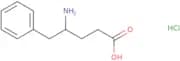
CAS:<p>(E)-3-(4-Fluorophenyl)acrylic acid is a cinnamic acid derivative that is activated by trifluoroacetic acid. It has been shown to be effective in the treatment of wastewater containing high levels of organic matter, as well as bacterial strains found in sewage and clinical samples. This compound also inhibits lung fibroblasts and lung cancer cells, with an effective dose at less than 1 mM. (E)-3-(4-Fluorophenyl)acrylic acid has potent inhibitory activity against tumour cells and has been shown to inhibit gene expression. In addition, this compound shows kinetic effects on the hl-60 cell line.</p>Formula:C9H7FO2Purity:Min. 95%Molecular weight:166.15 g/mol4-Amino-5-phenylpentanoic acid hydrochloride
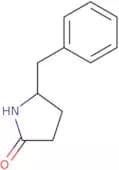
CAS:<p>Versatile small molecule scaffold</p>Formula:C11H16ClNO2Purity:Min. 95%Molecular weight:229.7 g/mol5-Benzylpyrrolidin-2-one
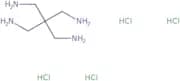
CAS:<p>5-Benzylpyrrolidin-2-one (5BP) is a small molecule that has been shown to have potent inhibition of boophilus, as well as other related species. The 5BP inhibits the target enzymes in the respiratory electron transport chain and blocks the flow of electrons from cytochrome C1, which is an important component of this system. This leads to an increase in hydrogen ions, which causes a change in the pH, and consequently an increase in blood pressure. In addition, 5BP binds to DNA and forms covalent adducts with cytosine nucleobases. These adducts can be used as molecular targets for designing drugs that are effective against cancer cells. 5BP is also a potent inhibitor of cancer cells, including human melanoma cells and human prostate carcinoma cells. There is evidence that this drug may be effective against marine microorganisms such as Vibrio spp., which causes cholera.</p>Formula:C11H13NOPurity:Min. 95%Molecular weight:175.23 g/mol2,2-Bis(aminomethyl)propane-1,3-diamine tetrahydrochloride
CAS:<p>Versatile small molecule scaffold</p>Formula:C5H20Cl4N4Purity:Min. 95%Molecular weight:278 g/mol5-Bromo-1,2-dihydropyrimidine-2-thione
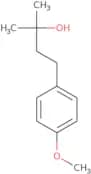
CAS:<p>Versatile small molecule scaffold</p>Formula:C4H3BrN2SPurity:Min. 95%Molecular weight:191.05 g/mol4-(4-Methoxyphenyl)-2-methylbutan-2-ol
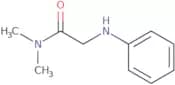
CAS:<p>Versatile small molecule scaffold</p>Formula:C12H18O2Purity:Min. 95%Molecular weight:194.27 g/molN,N-Dimethyl-2-(phenylamino)acetamide
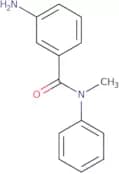
CAS:<p>In the late 1990s, a new chemical compound was discovered with a novel inhibitory effect on tumor growth. This compound is called N,N-dimethyl-2-(phenylamino)acetamide (DPA). DPA has been shown to inhibit tumor growth by preventing the synthesis of glucose. It also inhibits tumor growth in vivo and in vitro. DPA has been found to be effective against cancer cells that are resistant to chemotherapy and radiation therapy. The mechanism of action is not yet known, but it may be related to its ability to bind to sugar molecules or its inhibition of glucose production by pancreatic beta cells.<br>The structural analysis of this compound is still being studied, but it is thought that it may be derived from either wheat germ or monoclonal antibodies.</p>Formula:C10H14N2OPurity:Min. 95%Molecular weight:178.23 g/mol3-Amino-N-methyl-N-phenylbenzamide
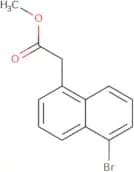
CAS:<p>Versatile small molecule scaffold</p>Formula:C14H14N2OPurity:Min. 95%Molecular weight:226.27 g/molMethyl 2-(5-bromonaphthalen-1-yl)acetate
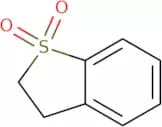
CAS:<p>Versatile small molecule scaffold</p>Formula:C13H11BrO2Purity:Min. 95%Molecular weight:279.13 g/mol2,3-dihydro-1-benzothiophene-1,1-dione
CAS:<p>2,3-Dihydro-1-benzothiophene-1,1-dione is an inhibitor of mitotic kinesin. The sulfone moiety of this inhibitor is electron rich and has a high degree of electrostatic attraction to the benzene ring. This compound has been shown to have in vivo activity against mitotic kinesin, with a potency similar to that of taxol. The synthetic methodology for this compound was developed from a dihydrobenzofuran intermediate.</p>Formula:C8H8O2SPurity:Min. 95%Molecular weight:168.21 g/mol7-methyl-1-benzothiophene
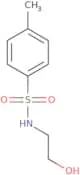
CAS:<p>7-methyl-1-benzothiophene is an enthalpic, programmed, linear regression analysis, aldehydes, desulfurization, stable compounds, molecular orbitals. <br>7-Methyl-1-benzothiophene is involved in the synthesis of antiinflammatory drugs and antioxidants. It has been shown to be effective for the treatment of chronic inflammatory diseases such as arthritis and asthma. 7-Methyl-1-benzothiophene also possesses antioxidant properties that may be useful in preventing cancer or heart disease. The stability of this compound makes it suitable for use in different chromatographic methods or as a precursor for other chemical reactions. This substance also has been shown to be necessary for the production of some proteins related to cell growth.</p>Formula:C9H8SPurity:Min. 95%Molecular weight:148.22 g/molN-(2-Hydroxyethyl)-4-methylbenzenesulfonamide
CAS:<p>N-(2-Hydroxyethyl)-4-methylbenzenesulfonamide is a morpholine derivative. It is prepared by etherification of the corresponding sulfonyl chloride with N,N'-dimethylethylenediamine followed by amination of the resulting secondary amide with methylamine. The intramolecular cyclization reaction of the resulting diamine with an activated methylene group yields the desired compound. This heterocyclic compound can be reduced to yield chelonin and obtained in high yields. The stereoselective synthesis was achieved using a catalyst and stereoselective conditions.</p>Formula:C9H13NO3SPurity:Min. 95%Molecular weight:215.27 g/mol3-Amino-6-chloro-5-hydroxypyrazine-2-carboxylic acid
CAS:<p>Versatile small molecule scaffold</p>Formula:C5H4ClN3O3Purity:Min. 95%Molecular weight:189.56 g/molEthyl 2-(3-nitrophenyl)acetate
CAS:<p>Ethyl 2-(3-nitrophenyl)acetate is an organic compound. It is a chloride channel blocker that has been shown to inhibit the activity of multidrug-resistant proteins (e.g., p-glycoprotein and multidrug resistance protein). The uptake of this drug in cells is limited by its low oral bioavailability and its interaction with aluminium ions. This drug interacts with multidrug-resistance proteins, which are involved in the transport of drugs or toxins out of the cell, by competing for binding sites. Ethyl 2-(3-nitrophenyl)acetate inhibits the catalytic activity of these proteins, leading to a regression in multidrug resistance. It can also inhibit the activity of isoxazoles and alcohols.br>br>/p></p>Formula:C10H11NO4Purity:Min. 95%Molecular weight:209.2 g/mol4-Methyl-2-phenylpentanoic acid
CAS:<p>4-Methyl-2-phenylpentanoic acid is a structural formula with the molecular formula C9H14O4. It is an anti-inflammatory compound that has been shown to inhibit nitric oxide production. 4-Methyl-2-phenylpentanoic acid inhibits the production of inflammatory cytokines such as tumor necrosis factor alpha (TNFα) and interleukin 1β (IL1β). It also has been shown to decrease the production of reactive oxygen species and nitric oxide, which are believed to play a role in inflammatory processes. This drug can be used in oral dosage form for the treatment of inflammation.</p>Formula:C12H16O2Purity:Min. 95%Molecular weight:192.25 g/mol2-(N-Benzyl-N-methylamino)acetonitrile
CAS:<p>Versatile small molecule scaffold</p>Formula:C10H12N2Purity:Min. 95%Molecular weight:160.22 g/molBenzyl(methyl)(oxiran-2-ylmethyl)amine
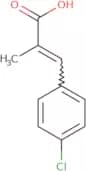
CAS:<p>Versatile small molecule scaffold</p>Formula:C11H15NOPurity:Min. 95%Molecular weight:177.24 g/mol(2E)-3-(4-Chlorophenyl)-2-methylprop-2-enoic acid
CAS:<p>Versatile small molecule scaffold</p>Formula:C10H9ClO2Purity:Min. 95%Molecular weight:196.63 g/mol4-Hydroxy-2-Ethylpyrimidine
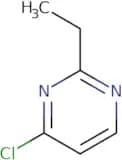
CAS:<p>Versatile small molecule scaffold</p>Formula:C6H8N2OPurity:Min. 95%Molecular weight:124.14 g/mol4-chloro-2-ethylpyrimidine
CAS:<p>Versatile small molecule scaffold</p>Formula:C6H7ClN2Purity:Min. 95%Molecular weight:142.59 g/mol3-Methyl-4-methylidene-1,2,3,4-tetrahydroquinazoline-2-thione
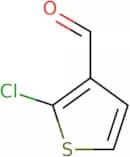
CAS:<p>Versatile small molecule scaffold</p>Formula:C10H10N2SPurity:Min. 95%Molecular weight:190.27 g/mol2-Chlorothiophene-3-carboxaldehyde
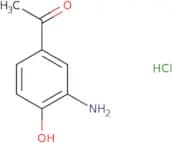
CAS:<p>2-Chlorothiophene-3-carboxaldehyde is a colorless liquid. This chemical belongs to the group of thiophenes and has an isoindolone ring. It can be synthesized by cyclization of 2-chlorothiophene with 3,4-dimethoxybenzoyl chloride. It has been used in the synthesis of isoindolone as well as other compounds.</p>Formula:C5H3ClOSPurity:Min. 95%Molecular weight:146.59 g/mol1-(3-Amino-4-hydroxyphenyl)ethan-1-one hydrochloride
CAS:<p>Versatile small molecule scaffold</p>Formula:C8H10ClNO2Purity:Min. 95%Molecular weight:187.62 g/mol2-(1-Methylcyclohexyl)acetic acid
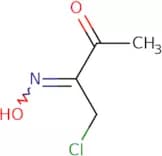
CAS:<p>2-(1-Methylcyclohexyl)acetic acid is a heterocyclic compound with a molecular weight of 136.22 g/mol, a melting point of -7.5 °C, and a boiling point of 115 °C at 760 mmHg. It has a density of 1.038 g/cm3 and solubility in water at 20°C of less than 0.2 mg/L. 2-(1-Methylcyclohexyl)acetic acid is an organic compound that belongs to the class of acetic acid derivatives and isomers thereof. It has two chiral centers and six stereoisomers, all of which are racemic mixtures with no single stereoisomer being present in greater quantity than any other. The conformation of the molecule can be changed by rotation about the C2-C3 bond, which has been shown to have a rate constant for conversion from one conformation to another (k) at</p>Formula:C9H16O2Purity:Min. 95%Molecular weight:156.22 g/mol4-Chloro-3-(hydroxyimino)butan-2-one
CAS:<p>Versatile small molecule scaffold</p>Formula:C4H6ClNO2Purity:Min. 95%Molecular weight:135.55 g/mol1-Chloro-4-[(2-chloroethyl)sulfanyl]benzene
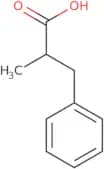
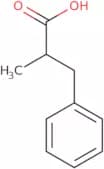
CAS:<p>Versatile small molecule scaffold</p>Formula:C8H8Cl2SPurity:Min. 95%Molecular weight:207.12 g/mol(2S)-2-Methyl-3-phenylpropanoic acid
CAS:<p>(2S)-2-Methyl-3-phenylpropanoic acid is a chiral organic compound that can be catalysed to produce enantioenriched products. It has been shown to be an efficient catalyst for the ester hydrolysis reaction, with a rate constant of 10.8 x 10 M s. The enzyme lipase catalyzes this reaction by hydrolyzing ester bonds in (2S)-2-methyl-3-phenylpropanoic acid, producing a mixture of the enantiomers 2R-(+)-2-methyl-3-phenylpropanoic acid and 2S-(−)-2-methyl-3-phenylpropanoic acid. Lipases are proteins that specifically hydrolyze fats, which means they only work on one specific type of molecule. This is advantageous because it allows for higher stereoselectivity in the production of the desired product. Pseudomonas fluorescens produces lipases that are</p>Formula:C10H12O2Purity:Min. 95%Molecular weight:164.2 g/mol(2R)-2-Methyl-3-phenylpropanoic acid
CAS:<p>Versatile small molecule scaffold</p>Formula:C10H12O2Purity:Min. 95%Molecular weight:164.2 g/mol2-(1-Hydroxycyclopentyl)acetonitrile
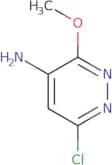
CAS:<p>Versatile small molecule scaffold</p>Formula:C7H11NOPurity:Min. 95%Molecular weight:125.17 g/mol6-Chloro-3-methoxypyridazin-4-amine
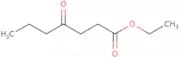
CAS:<p>6-Chloro-3-methoxypyridazin-4-amine is an acidic compound with a pKa of 4.6. It is hydrolyzed in water and alkaline solutions, with the reaction being faster in alkaline solutions. 6-Chloro-3-methoxypyridazin-4-amine interacts with thiourea and hydrazine, forming a yellow compound. This compound reacts with ethanol to form an orange precipitate, which is soluble in potassium acetate.</p>Formula:C5H6ClN3OPurity:Min. 95%Molecular weight:159.57 g/molEthyl 4-oxoheptanoate
CAS:<p>Ethyl 4-oxoheptanoate (E4OH) is an inhibitor of tyrosine hydroxylase, which converts the amino acid tyrosine to the neurotransmitter L-DOPA. It is a trisubstituted, high stereoselective, and hydroxylase inhibitor. E4OH inhibits the enzyme tyrosine hydroxylase and prevents the synthesis of L-DOPA in a stereospecific manner. This compound also has been shown to inhibit diastereoisomeric synthses of L-DOPA.</p>Formula:C9H16O3Purity:Min. 95%Molecular weight:172.22 g/mol2-Isothiocyanatobicyclo[2.2.1]heptane
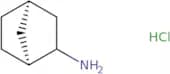
CAS:<p>Versatile small molecule scaffold</p>Formula:C8H11NSPurity:Min. 95%Molecular weight:153.24 g/molExo-norbornylamine hydrochloride
CAS:<p>Exo-norbornylamine hydrochloride is a metabolite of amantadine and is produced by acetylation of the aromatic ring. It has been shown to be a substrate for epoxide hydrolase, which catalyzes the conversion of this compound to an epoxide. It has been shown to inhibit influenza virus replication in vitro and in vivo, possibly by regulating ion channels or inhibiting viral RNA synthesis. Exo-norbornylamine hydrochloride also inhibits lung epithelial cell proliferation, which may be due to its ability to inhibit the production of inflammatory mediators such as prostaglandins and leukotrienes.</p>Formula:C7H13N·HClPurity:Min. 95%Molecular weight:147.65 g/mol2-Isocyanatobicyclo[2.2.1]heptane
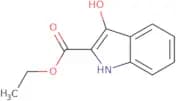
CAS:<p>2-Isocyanatobicyclo[2.2.1]heptane is a natural product that has been shown to be a potent inhibitor of the soluble epoxide hydrolase and an epoxide hydrolase enzyme, which are responsible for the degradation of epoxides. This compound is structurally similar to aniline and amine compounds, which have been shown to inhibit the virus that causes SARS or severe acute respiratory syndrome (SARS-CoV). 2-Isocyanatobicyclo[2.2.1]heptane has also been shown to inhibit coronavirus, which is one of the most common causes of upper respiratory infections in humans.</p>Formula:C8H11NOPurity:Min. 95%Molecular weight:137.18 g/molEthyl 3-hydroxy-1H-indole-2-carboxylate
CAS:<p>Ethyl 3-hydroxy-1H-indole-2-carboxylate is a dimer that is produced by the condensation of two molecules of diazomalonate. This product can be used in the synthesis of esters, such as acid esters or cyclization reactions. It has been shown to yield high yields at high temperatures and is an Australian product. This compound can also be used as a precursor for carbene catalysts.</p>Formula:C11H11NO3Purity:Min. 95%Molecular weight:205.21 g/mol4-(4-Methylpentyl)cyclohexan-1-one
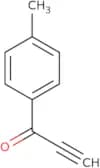
CAS:<p>Versatile small molecule scaffold</p>Formula:C12H22OPurity:Min. 95%Molecular weight:182.3 g/mol1-(4-Methylphenyl)prop-2-yn-1-one
CAS:<p>Versatile small molecule scaffold</p>Formula:C10H8OPurity:Min. 95%Molecular weight:144.17 g/mol2-(4-Butylphenyl)acetic acid
CAS:<p>Versatile small molecule scaffold</p>Formula:C12H16O2Purity:Min. 95%Molecular weight:192.25 g/mol6,7,8,9-Tetrahydro-5H-benzo[7]annulene-5-carboxylic acid
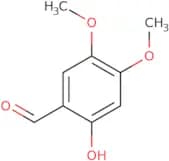
CAS:<p>Versatile small molecule scaffold</p>Formula:C12H14O2Purity:Min. 95%Molecular weight:190.24 g/mol2-Hydroxy-4,5-dimethoxybenzaldehyde
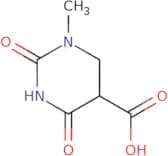
CAS:<p>2-Hydroxy-4,5-dimethoxybenzaldehyde (2HMB) is a natural product that belongs to the group of methides. It has been isolated from plants belonging to the genus Neorautanenia. This compound has been shown to inhibit target enzymes such as neorautanenia amboensis, methides, eupatorium, spathulenol, chalcone, benzofuran derivatives and conjugates. 2HMB also inhibits bacterial growth by binding to ribosomes and preventing protein synthesis. 2HMB can be synthesized from corydine or skeletons by borohydride reduction. The skeleton structure of 2HMB is the same as that of the synthetic drug neorautanenia amboensis and is used for treatment of sepsis in humans.</p>Formula:C9H10O4Purity:Min. 95%Molecular weight:182.17 g/mol5-Pyrimidinecarboxylic acid, 1,2,3,4-tetrahydro-1-methyl-2,4-dioxo-
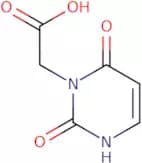
CAS:<p>Versatile small molecule scaffold</p>Formula:C6H6N2O4Purity:Min. 95%Molecular weight:170.12 g/mol2-(2,6-Dioxo-1,2,3,6-tetrahydropyrimidin-1-yl)acetic acid
CAS:<p>Versatile small molecule scaffold</p>Formula:C6H6N2O4Purity:Min. 95%Molecular weight:170.12 g/mol4H,5H-[1,2,4]Triazolo[1,5-a]pyrimidin-5-one
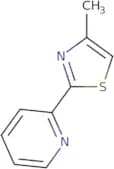
CAS:<p>4H,5H-[1,2,4]Triazolo[1,5-a]pyrimidin-5-one is a heterocyclic compound that is structurally related to the purines. It has been shown to bind to phenanthroline and bipyridine as ligands. The X-ray structure reveals that the molecule consists of two bridging pyridine rings with an azopyrimidine ring in the center. 4H,5H-[1,2,4]Triazolo[1,5-a]pyrimidin-5-one binds anionic ligands such as trimethylammonium ions and formates through its nitrogen atoms.</p>Formula:C5H4N4OPurity:Min. 95%Molecular weight:136.11 g/mol2-(4-Methyl-1,3-thiazol-2-yl)pyridine
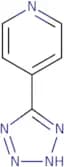
CAS:<p>Versatile small molecule scaffold</p>Formula:C9H8N2SPurity:Min. 95%Molecular weight:176.2 g/mol2-(1H-tetrazol-5-yl)pyridine
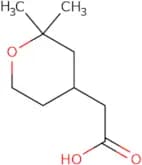
CAS:<p>2-(1H-Tetrazol-5-yl)pyridine (TPZ) is a hydrogen bonding molecule that has been extensively used as a probe to study the coordination geometry of metal ions. The TPZ molecule has a trigonal planar structure with three nitrogen atoms and one chloride ligand. The TPZ molecule is a strong base with a pKb value of 8.6, which makes it a good candidate for protonating other molecules. The TPZ molecule can be synthesized in various forms, including the hydrochloride salt form.</p>Formula:C6H5N5Purity:Min. 95%Molecular weight:147.14 g/mol2-(2,2-Dimethyloxan-4-yl)acetic acid
CAS:<p>Versatile small molecule scaffold</p>Formula:C9H16O3Purity:Min. 95%Molecular weight:172.22 g/mol4-Chloro-5,6-dimethyl-pyrimidin-2-ylamine
CAS:<p>Versatile small molecule scaffold</p>Formula:C6H8ClN3Purity:Min. 95%Molecular weight:157.6 g/mol4-Bromo-2-methylbenzene-1-thiol
CAS:<p>4-Bromo-2-methylbenzene-1-thiol is a chemical compound that is not found in nature. It can be accessed via the etoricoxib reaction with 4,4'-biphenylsulfonyl chloride in the presence of sodium hydroxide. The compound has anisotropic properties and its magnetic resonance data show methyl sulfonyl groups with Covid-19 at 3.3 ppm and Covid-19 Pandemic at 5.8 ppm as well as intermediates at 2.6 and 2.8 ppm. It also shows resonance peaks for an element at 8.0 ppm and diamagnetic properties at 1.5ppm.</p>Formula:C7H7BrSPurity:Min. 95%Molecular weight:203.1 g/mol4-Bromo-3-methyl-benzenethiol
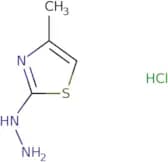
CAS:<p>4-Bromo-3-methyl-benzenethiol is an experimental compound that belongs to the class of fluorine compounds. It has a molecular weight of 221.8 and a chemical formula of C6H5BrSCH2. 4-Bromo-3-methyl-benzenethiol contains a methoxy substituent, which is located on the central carbon atom. This compound also contains two bromine atoms, which are located on either side of the central sulfur atom. 4-Bromo-3-methyl-benzenethiol has been shown to have sulfhydryl group in its structure, and can form couplings with other molecules through this group.</p>Formula:C7H7BrSPurity:Min. 95%Molecular weight:203.1 g/mol2-Hydrazino-4-methyl-1,3-thiazole Hydrochloride
CAS:<p>Versatile small molecule scaffold</p>Formula:C4H7N3S·HClPurity:Min. 95%Molecular weight:165.64 g/mol6-Chloro-2-(hydroxymethyl)-3,4-dihydroquinazolin-4-one
CAS:<p>Versatile small molecule scaffold</p>Formula:C9H7ClN2O2Purity:Min. 95%Molecular weight:210.62 g/mol(1-Hydroxy-cyclohexyl)-acetic acid
CAS:<p>1-Hydroxy-cyclohexyl)-acetic acid (1HCAA) is a polystyrene-based monomer that is used in the production of polymers such as vinyl ethers. 1HCAA has been shown to undergo mechanistic reactions with solvents and alkali metal chlorides, which are both required for its synthesis. The 1HCAA molecule can react with water molecules and form monocarboxylic acids, carboxylic acids, or recemic products. 1HCAA also catalyzes cross-linking reactions when it reacts with an oxidizing agent such as iodine.</p>Formula:C8H14O3Purity:Min. 95%Molecular weight:158.19 g/mol2-(tert-Butoxy)ethanimidamide hydrochloride
CAS:<p>Versatile small molecule scaffold</p>Formula:C6H15ClN2OPurity:Min. 95%Molecular weight:166.65 g/mol1,4-(Diamidino)benzene dihydrochloride
CAS:<p>1,4-Diamidino-benzene dihydrochloride (DABD) is a synthetic, crystalline organic compound that is insoluble in water. This chemical compound has been shown to be a reactive electron donor towards carbamazepine and its derivatives. DABD has also been immobilized on an electrode surface for use as a stable and sustainable electrode material. The immobilization of DABD on an electrode surface was done by covalently binding the DABD molecule to the surface with triazine molecules by covalent bonds. This process resulted in a stable and functional electrode material that can be used for up to 12 hours.</p>Formula:C8H12Cl2N4Purity:Min. 95%Molecular weight:235.11 g/molProp-2-ene-1-sulfonyl chloride
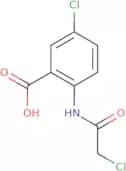
CAS:<p>Prop-2-ene-1-sulfonyl chloride is an organic compound that is used as a pharmaceutical intermediate. It has been shown to have potent inhibitory activity against pancreatic lipase, which makes it a potential treatment for inflammatory diseases such as arthritis. The active form of prop-2-ene-1-sulfonyl chloride binds to the receptor site of the molecule and prevents it from binding with other molecules, thereby blocking the inflammatory response. Prop-2-ene-1-sulfonyl chloride also binds to cholesterol esters in cells and prevents them from being transferred. This inhibits cholesterol production and reduces inflammation caused by high levels of cholesterol.</p>Formula:C3H5ClO2SPurity:Min. 95%Molecular weight:140.59 g/mol5-Chloro-2-(2-chloroacetamido)benzoic acid
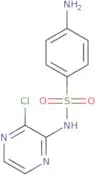
CAS:<p>Versatile small molecule scaffold</p>Formula:C9H7Cl2NO3Purity:Min. 95%Molecular weight:248.06 g/mol4-Amino-N-(3-chloropyrazin-2-yl)benzenesulfonamide
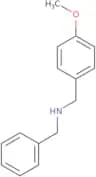
CAS:<p>Versatile small molecule scaffold</p>Formula:C10H9ClN4O2SPurity:Min. 95%Molecular weight:284.72 g/molBenzyl-(4-methoxy-benzyl)-amine
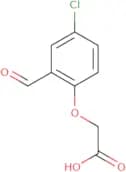
CAS:<p>Benzyl-(4-methoxy-benzyl)-amine is a chemical compound that has the molecular formula CHNO. It is an organic compound with a nitrate group, which are common in esters and phenolates. This compound can be synthesized by debenzylating benzyl amines and reacting them with nitric acid. Benzyl-(4-methoxy-benzyl)-amine may also be prepared by reacting benzaldehyde with ammonium hydroxide or ammonia gas. The synthesis of this compound is chemoselective, meaning it only reacts at one point on the molecule, rather than two. Benzyl-(4-methoxy-benzyl)-amine is used as a precursor to other compounds such as ammonium nitrate, esters, phenolates, and amides.</p>Formula:C15H17NOPurity:Min. 95%Molecular weight:227.3 g/mol2-(4-Chloro-2-formylphenoxy)acetic acid
CAS:<p>2-(4-Chloro-2-formylphenoxy)acetic acid is a chemical compound that is found in microalgae. The compound has been shown to inhibit the growth of bacteria by binding to glucose transporters and inhibiting their ability to absorb glucose. This process leads to a decrease in ATP levels, energy depletion, and cell death. In addition, this compound has been shown to have trophic effects on microalgae. This compound also inhibits the expression of malic enzyme genes and ammonium transporter genes in bacteria. 2-(4-Chloro-2-formylphenoxy)acetic acid is a steerable molecule that can be used for sectioning biological material with ultrafast lasers due to its high fluorescence.</p>Formula:C9H7ClO4Purity:Min. 95%Molecular weight:214.6 g/mol2-{[2-({2-[(2-Hydroxyethyl)sulfanyl]ethyl}sulfanyl)ethyl]sulfanyl}ethan-1-ol
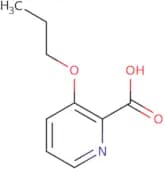
CAS:<p>2-{[2-({2-[(2-Hydroxyethyl)sulfanyl]ethyl}sulfanyl)ethyl]sulfanyl}ethan-1-ol is a polymer with a heterocyclic ring that is soluble in organic solvents. It has been used as an activator, coactivator and/or stabilizer for the thermal treatment of inorganic acids to produce imidazolines and halogens. 2-{[2-({2-[(2-Hydroxyethyl)sulfanyl]ethyl}sulfanyl)ethyl]sulfanyl}ethan-1-ol has been shown to be effective in the production of polymeric materials with good stability and low volatility.</p>Formula:C8H18O2S3Purity:Min. 95%Molecular weight:242.4 g/mol3-Propoxypyridine-2-carboxylic acid
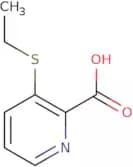
CAS:<p>3-Propoxypyridine-2-carboxylic acid is a benzene ring containing piperidine with a carboxamide substituent. It has shown to be selective for human eosinophils, and is an antagonist at the benzodiazepine site of GABAA receptors. 3-Propoxypyridine-2-carboxylic acid can also be derivatized to form a potent antagonist of benzodiazepine sites on GABAA receptors.</p>Formula:C9H11NO3Purity:Min. 95%Molecular weight:181.19 g/mol3-(Ethylsulfanyl)pyridine-2-carboxylic acid
CAS:Versatile small molecule scaffoldFormula:C8H9NO2SPurity:Min. 95%Molecular weight:183.23 g/mol3-{[(Benzyloxy)carbonyl]amino}-3-phenylpropanoic acid
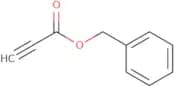
CAS:<p>Versatile small molecule scaffold</p>Formula:C17H17NO4Purity:Min. 95%Molecular weight:299.32 g/molBenzyl propiolate
CAS:<p>Benzyl propiolate is a molecule that is structurally related to propiolic acid. It has been shown to act as an adrenergic receptor agonist, which leads to platelet aggregation and thrombocytopenia. Benzyl propiolate also forms methyl esters with alcohols and is synthesized by methyl esterification of benzyl alcohol and propionic acid. This compound is electron deficient, which allows it to react with electron-rich substances, such as thromboplastin in the reaction solution for heparin-induced thrombocytopenia.</p>Formula:C10H8O2Purity:Min. 95%Molecular weight:160.17 g/mol
![4-Fluorobicyclo[2.2.1]heptan-1-amine hydrochloride](/_next/image/?url=https%3A%2Fstatic.cymitquimica.com%2Fproducts%2F3D%2Fthumb-webp%2FNQC76529.webp&w=3840&q=75)

![3-(tert-butoxycarbonyl)bicyclo[1.1.1]pentane-1-carboxylic acid](/_next/image/?url=https%3A%2Fstatic.cymitquimica.com%2Fproducts%2F3D%2Fthumb-webp%2FNQC76530.webp&w=3840&q=75)
![Methyl 5-Bromo-7H-pyrrolo[2,3-d]pyrimidine-2-carboxylate](/_next/image/?url=https%3A%2Fstatic.cymitquimica.com%2Fproducts%2F3D%2Fthumb-webp%2FNQC76744.webp&w=3840&q=75)
![Methyl 5-bromo-7H-pyrrolo[2,3-d]pyrimidine-4-carboxylate](/_next/image/?url=https%3A%2Fstatic.cymitquimica.com%2Fproducts%2F3D%2Fthumb-webp%2FNQC76747.webp&w=3840&q=75)
![2,4-dichloro-7H-pyrrolo[2,3-d]pyrimidine-5-carbaldehyde](/_next/image/?url=https%3A%2Fstatic.cymitquimica.com%2Fproducts%2F3D%2Fthumb-webp%2FNQC76757.webp&w=3840&q=75)
![5-methyl-1H-pyrrolo[2,3-b]pyridine-2-carboxylic acid](/_next/image/?url=https%3A%2Fstatic.cymitquimica.com%2Fproducts%2F3D%2Fthumb-webp%2FNQC76797.webp&w=3840&q=75)
![2,4-dichloro-7h-pyrrolo[2,3-d]pyrimidine-5-carboxylic acid](/_next/image/?url=https%3A%2Fstatic.cymitquimica.com%2Fproducts%2F3D%2Fthumb-webp%2FNQC76802.webp&w=3840&q=75)
![tert-Butyl ((3-(aminomethyl)bicyclo[1.1.1]pentan-1-yl)methyl)carbamate](/_next/image/?url=https%3A%2Fstatic.cymitquimica.com%2Fproducts%2F3D%2Fthumb-webp%2FNQC76806.webp&w=3840&q=75)
![2-{1-[(tert-Butoxy)carbonyl]-3,3-dimethylpiperidin-4-yl}acetic acid](/_next/image/?url=https%3A%2Fstatic.cymitquimica.com%2Fproducts%2F3D%2Fthumb-webp%2FNQC76807.webp&w=3840&q=75)

![tert-Butyl ((4-aminobicyclo[2.2.2]octan-1-yl)methyl)carbamate](/_next/image/?url=https%3A%2Fstatic.cymitquimica.com%2Fproducts%2F3D%2Fthumb-webp%2FNQC76902.webp&w=3840&q=75)
![Methyl 1H-pyrazolo[3,4-b]pyridine-4-carboxylate](/_next/image/?url=https%3A%2Fstatic.cymitquimica.com%2Fproducts%2F3D%2Fthumb-webp%2FNQC76907.webp&w=3840&q=75)
![tert-Butyl N-{3-formylbicyclo[1.1.1]pentan-1-yl}carbamate](/_next/image/?url=https%3A%2Fstatic.cymitquimica.com%2Fproducts%2F3D%2Fthumb-webp%2FNQC77106.webp&w=3840&q=75)
![tert-Butyl (8-oxobicyclo[3.2.1]octan-3-yl)carbamate](/_next/image/?url=https%3A%2Fstatic.cymitquimica.com%2Fproducts%2F3D%2Fthumb-webp%2FNQC77132.webp&w=3840&q=75)
![tert-Butyl 6-(iodomethyl)-5-oxa-2-azaspiro[3.4]octane-2-carboxylate](/_next/image/?url=https%3A%2Fstatic.cymitquimica.com%2Fproducts%2F3D%2Fthumb-webp%2FNQC77146.webp&w=3840&q=75)
![3-({[(tert-butoxy)carbonyl]amino}methyl)bicyclo[1.1.1]pentane-1-carboxylic acid](/_next/image/?url=https%3A%2Fstatic.cymitquimica.com%2Fproducts%2F3D%2Fthumb-webp%2FNQC77149.webp&w=3840&q=75)
![Methyl 4-aminobicyclo[2.1.1]hexane-1-carboxylate hydrochlorde](/_next/image/?url=https%3A%2Fstatic.cymitquimica.com%2Fproducts%2F3D%2Fthumb-webp%2FNQC77204.webp&w=3840&q=75)







![1-Chloro-4-[(2-chloroethyl)sulfanyl]benzene](/_next/image/?url=https%3A%2Fstatic.cymitquimica.com%2Fproducts%2F3D%2Fthumb-webp%2FPAA36673.webp&w=3840&q=75)

![2-Isothiocyanatobicyclo[2.2.1]heptane](/_next/image/?url=https%3A%2Fstatic.cymitquimica.com%2Fproducts%2F3D%2Fthumb-webp%2FPAA37023.webp&w=3840&q=75)
![2-Isocyanatobicyclo[2.2.1]heptane](/_next/image/?url=https%3A%2Fstatic.cymitquimica.com%2Fproducts%2F3D%2Fthumb-webp%2FPAA37047.webp&w=3840&q=75)

![6,7,8,9-Tetrahydro-5H-benzo[7]annulene-5-carboxylic acid](/_next/image/?url=https%3A%2Fstatic.cymitquimica.com%2Fproducts%2F3D%2Fthumb-webp%2FPAA37856.webp&w=3840&q=75)
![4H,5H-[1,2,4]Triazolo[1,5-a]pyrimidin-5-one](/_next/image/?url=https%3A%2Fstatic.cymitquimica.com%2Fproducts%2F3D%2Fthumb-webp%2FPAA38466.webp&w=3840&q=75)




![2-{[2-({2-[(2-Hydroxyethyl)sulfanyl]ethyl}sulfanyl)ethyl]sulfanyl}ethan-1-ol](/_next/image/?url=https%3A%2Fstatic.cymitquimica.com%2Fproducts%2F3D%2Fthumb-webp%2FPAA44077.webp&w=3840&q=75)
![3-{[(Benzyloxy)carbonyl]amino}-3-phenylpropanoic acid](/_next/image/?url=https%3A%2Fstatic.cymitquimica.com%2Fproducts%2F3D%2Fthumb-webp%2FPAA44098.webp&w=3840&q=75)