Building Blocks
This section contains fundamental products for the synthesis of organic and biological compounds. Building blocks are the essential starting materials used to construct complex molecules through various chemical reactions. They play a critical role in drug discovery, material science, and chemical research. At CymitQuimica, we offer a diverse range of high-quality building blocks to support your innovative research and industrial projects, ensuring you have the essential components for successful synthesis.
Subcategories of "Building Blocks"
- Boronic Acids & Boronic Acid Derivatives(5,778 products)
- Chiral Building Blocks(1,243 products)
- Hydrocarbon Building Blocks(6,097 products)
- Organic Building Blocks(61,045 products)
Found 203842 products of "Building Blocks"
Sort by
Purity (%)
0
100
|
0
|
50
|
90
|
95
|
100
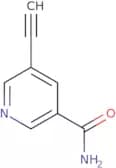
5-Ethynylpyridine-3-carboxamide
CAS:<p>Versatile small molecule scaffold</p>Formula:C8H6N2OPurity:Min. 95%Molecular weight:146.15 g/molRef: 3D-GAC81870
Discontinued product5-[(2-Methoxyphenyl)(methyl)sulfamoyl]-2-methylbenzoic acid
CAS:<p>Versatile small molecule scaffold</p>Formula:C16H17NO5SPurity:Min. 95%Molecular weight:335.4 g/molRef: 3D-FQA34216
Discontinued product2H-Benzo[b][1,4]oxathiepin-3(4H)-one
CAS:<p>2H-Benzo[b][1,4]oxathiepin-3(4H)-one is a hydrazine that can be used as an intermediate in chemical synthesis. It has the chemical properties of a carbonyl group, which includes an acyclic structure and α-amino acid substituents. 2H-Benzo[b][1,4]oxathiepin-3(4H)-one is an interaction compound that has been shown to have a cyclic structure with carboxylic acid substituents. The chemical properties of 2H-benzo[b][1,4]oxathiepin-3(4H)-one are similar to hydroxylamine.END>></p>Formula:C9H8O2SPurity:Min. 95%Molecular weight:180.23 g/molRef: 3D-MEA63224
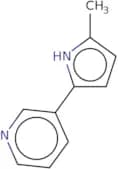
Discontinued product3-(5-Methyl-1H-pyrrol-2-yl)pyridine
CAS:<p>Versatile small molecule scaffold</p>Formula:C10H10N2Purity:Min. 95%Molecular weight:158.2 g/molRef: 3D-FHA72386
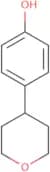
Discontinued product4-(Oxan-4-yl)phenol
CAS:<p>Versatile small molecule scaffold</p>Formula:C11H14O2Purity:Min. 95%Molecular weight:178.23 g/molRef: 3D-MCA07141
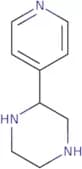
Discontinued product2-(Pyridin-4-yl)piperazine
CAS:<p>Versatile small molecule scaffold</p>Formula:C9H13N3Purity:Min. 95%Molecular weight:163.22 g/molRef: 3D-LEA78157
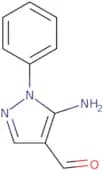
Discontinued product5-Amino-1-phenyl-1H-pyrazole-4-carbaldehyde
CAS:<p>Versatile small molecule scaffold</p>Formula:C10H9N3OPurity:Min. 95%Molecular weight:187.2 g/mol1-[2-(4-Methoxyphenyl)-4-methyl-1,3-thiazol-5-yl]ethan-1-amine hydrochloride
CAS:<p>Versatile small molecule scaffold</p>Formula:C13H17ClN2OSPurity:Min. 95%Molecular weight:284.81 g/molRef: 3D-GCC60658
Discontinued product3-Butanoyl-1,3-thiazolidine-4-carboxylic acid
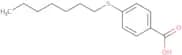
CAS:<p>Versatile small molecule scaffold</p>Formula:C8H13NO3SPurity:Min. 95%Molecular weight:203.26 g/mol4-(Heptylsulfanyl)benzoic acid
CAS:<p>Versatile small molecule scaffold</p>Formula:C14H20O2SPurity:Min. 95%Molecular weight:252.37 g/molRef: 3D-HBA91058
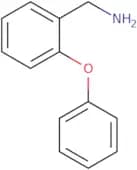
Discontinued product2-Phenoxy-benzylamine
CAS:<p>2-Phenoxy-benzylamine is a growth factor that acts by binding to cell surface receptors. It is involved in the regulation of cellular proliferation, differentiation, and survival through interactions with its receptor. 2-Phenoxy-benzylamine binds to the extracellular domain of its receptor, which is composed of three immunoglobulin (Ig)-like domains. The protein also interacts with other proteins, such as histone H3, and can be detected using signal detection methods like Western blotting. 2-Phenoxy-benzylamine has been shown to have an effect on the expression of certain genes in tissue cultures and specifically on chondroitin sulfate in mammalian cells. It also has an endoplasmic reticulum localization sequence that allows it to be transported into the Golgi apparatus and specific primers can be designed for PCR amplification.</p>Formula:C13H13NOPurity:Min. 95%Molecular weight:199.25 g/molRef: 3D-HEA62414
Discontinued product1-(2-Methylpropyl)cyclopropan-1-amine hydrochloride
CAS:<p>Versatile small molecule scaffold</p>Formula:C7H16ClNPurity:Min. 95%Molecular weight:149.66 g/mol5-Methyl-5H,6H,7H-pyrrolo[1,2-a]imidazol-7-amine
CAS:<p>Versatile small molecule scaffold</p>Formula:C7H11N3Purity:Min. 95%Molecular weight:137.18 g/molRef: 3D-FAD45710
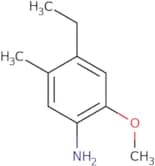
Discontinued product4-Ethyl-2-methoxy-5-methylaniline
CAS:<p>Versatile small molecule scaffold</p>Formula:C10H15NOPurity:Min. 95%Molecular weight:165.23 g/molRef: 3D-FAD88076
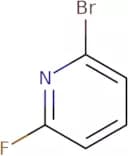
Discontinued product2-Bromo-6-fluoropyridine
CAS:<p>2-Bromo-6-fluoropyridine is a versatile building block that can be used to create a range of compounds. It is a useful intermediate and can be applied in the synthesis of high quality reagents, speciality chemicals, and complex compounds. It has been used as a reaction component in the synthesis of 2-(2-bromoethoxy)pyridine and 2-bromopyridine. This compound has CAS No. 144100-07-2, which makes it an important research chemical.</p>Formula:C5H3BrFNPurity:Min. 95%Color and Shape:PowderMolecular weight:174.94329{8,9-Dimethyl-1,7-dioxaspiro[4.4]nonan-2-yl}methanamine
CAS:<p>Versatile small molecule scaffold</p>Formula:C10H19NO2Purity:Min. 95%Molecular weight:185.3 g/molRef: 3D-IFD51928
Discontinued product4-(Aminomethyl)-N-(2-methyl-2H-1,2,3,4-tetrazol-5-yl)benzene-1-sulfonamide hydrochloride
CAS:<p>Versatile small molecule scaffold</p>Formula:C9H13ClN6O2SPurity:Min. 95%Molecular weight:304.8 g/molRef: 3D-MKD75092
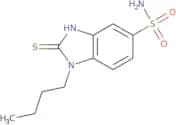
Discontinued product1-Butyl-2-sulfanyl-1H-1,3-benzodiazole-5-sulfonamide
CAS:<p>Versatile small molecule scaffold</p>Formula:C11H15N3O2S2Purity:Min. 95%Molecular weight:285.4 g/mol{Tricyclo[3.2.1.0,2,4]octan-6-yl}methanols
CAS:<p>Versatile small molecule scaffold</p>Formula:C9H14OPurity:Min. 95%Molecular weight:138.2 g/molRef: 3D-MKD63121
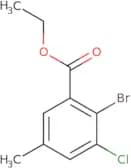
Discontinued productEthyl 2-bromo-3-chloro-5-methylbenzoate
CAS:<p>Versatile small molecule scaffold</p>Formula:C10H10BrClO2Purity:Min. 95%Molecular weight:277.54 g/mol2-(3-Methylphenyl)-2-oxoacetic acid
CAS:<p>Versatile small molecule scaffold</p>Formula:C9H8O3Purity:Min. 95%Molecular weight:164.16 g/molRef: 3D-LCA56094
Discontinued product1-[4-(Methylsulfanyl)phenyl]ethan-1-amine hydrochloride
CAS:<p>Versatile small molecule scaffold</p>Formula:C9H14ClNSPurity:Min. 95%Molecular weight:203.73 g/molRef: 3D-FIA93777
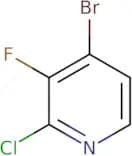
Discontinued product4-Bromo-2-chloro-3-fluoropyridine
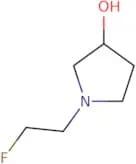
CAS:<p>Versatile small molecule scaffold</p>Formula:C5H2BrClFNPurity:Min. 95%Molecular weight:210.43 g/mol1-(2-Fluoroethyl)pyrrolidin-3-ol
CAS:<p>Versatile small molecule scaffold</p>Formula:C6H12FNOPurity:Min. 95%Molecular weight:133.16 g/molRef: 3D-GMC83713
Discontinued productSodium 2-amino-2-methylpropane-1-sulfonate
CAS:<p>Versatile small molecule scaffold</p>Formula:C4H10NNaO3SPurity:Min. 95%Molecular weight:175.18 g/molRef: 3D-KCA15508
Discontinued product4-Bromo-1H,1aH,6H,6aH-cyclopropa[A]indene-1-carboxylic acid
CAS:<p>Versatile small molecule scaffold</p>Formula:C11H9BrO2Purity:Min. 95%Molecular weight:253.09 g/molRef: 3D-JHD94140
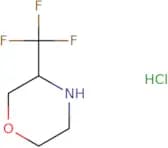
Discontinued product(3R)-3-(Trifluoromethyl)morpholine hydrochloride
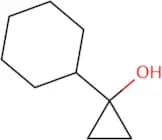
CAS:<p>Versatile small molecule scaffold</p>Formula:C5H9ClF3NOPurity:Min. 95%Molecular weight:191.58 g/mol1-Cyclohexylcyclopropan-1-ol
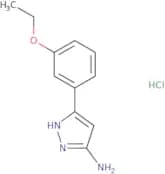
CAS:<p>1-Cyclohexylcyclopropan-1-ol is an organic compound with the molecular formula C8H14O. It is a primary alcohol that can be obtained by the oxidation of cyclohexanol or cyclopentanol, or by the reduction of cyclopentanone. 1-Cyclohexylcyclopropan-1-ol can also be obtained from natural products, such as macrocyclic diterpenoids and tetraisopropoxide. 1CPC has been identified as a potential precursor to trifluoroacetylated cyclic peptides, which are more stable than linear peptides and have shown pluripotent properties in vitro. 1CPC is a good solvent for amines and it has been used in the synthesis of histone deacetylase inhibitors.</p>Formula:C9H16OPurity:Min. 95%Molecular weight:140.22 g/mol3-(3-Ethoxyphenyl)-1H-pyrazol-5-amine hydrochloride
CAS:<p>Versatile small molecule scaffold</p>Formula:C11H14ClN3OPurity:Min. 95%Molecular weight:239.7 g/molRef: 3D-MXB63103
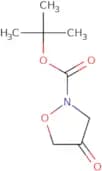
Discontinued producttert-Butyl 4-oxo-1,2-oxazolidine-2-carboxylate
CAS:<p>Versatile small molecule scaffold</p>Formula:C8H13NO4Purity:Min. 95%Molecular weight:187.19 g/molRef: 3D-GGD25921
Discontinued product6-chloro-3-fluoropyridine-2-carbonitrile
CAS:<p>6-chloro-3-fluoropyridine-2-carbonitrile is an industrial chemical with a synthesis method that targets the production of 6-chloro-3-fluoroaniline. It is used in the synthesis of a number of pharmaceuticals and pesticides.</p>Formula:C6H2ClFN2Purity:Min. 95%Molecular weight:156.54 g/mol7,7-Dimethyl-8-oxa-1,3-diazaspiro[4.5]decane-2,4-dione
CAS:<p>Versatile small molecule scaffold</p>Formula:C9H14N2O3Purity:Min. 95%Molecular weight:198.22 g/molRef: 3D-FCA79579
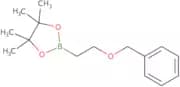
Discontinued product2-(Benzyloxy)ethylboronic acid pinacol ester
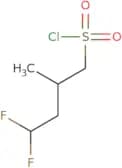
CAS:<p>Versatile small molecule scaffold</p>Formula:C15H25BO4Purity:Min. 95%Molecular weight:280.17 g/mol4,4-Difluoro-2-methylbutane-1-sulfonyl chloride
CAS:<p>Versatile small molecule scaffold</p>Formula:C5H9ClF2O2SPurity:Min. 95%Molecular weight:206.64 g/molRef: 3D-JWC33683
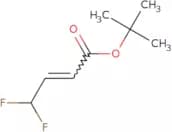
Discontinued producttert-Butyl 4,4-difluorobut-2-enoate
CAS:<p>Versatile small molecule scaffold</p>Formula:C8H12F2O2Purity:Min. 95%Molecular weight:178.18 g/molRef: 3D-JBD35886
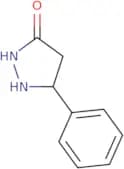
Discontinued product5-Phenylpyrazolidin-3-one
CAS:<p>5-Phenylpyrazolidin-3-one is a pyrazole compound that has a tautomeric form. It has been shown to selectively interact with anions, such as chloride anion, in the presence of hydrogen bonds. This leads to the production of a hydrogen cation and an electrophilic imine. 5-Phenylpyrazolidin-3-one is used in chemosensors for the detection of various chemicals, including formaldehyde and acetaldehyde. 5-Phenylpyrazolidin-3-one also has antitumor activity due to its ability to inhibit DNA synthesis and induce apoptosis in cancer cells.</p>Formula:C9H10N2OPurity:Min. 95%Molecular weight:162.19 g/molRef: 3D-NAA04712
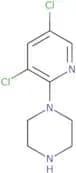
Discontinued product1-(3,5-dichloropyridin-2-yl)piperazine
CAS:<p>Versatile small molecule scaffold</p>Formula:C9H11Cl2N3Purity:Min. 95%Molecular weight:232.11 g/mol2-[Butyl(carboxymethyl)amino]acetic acid hydrochloride
CAS:<p>Versatile small molecule scaffold</p>Formula:C8H16ClNO4Purity:Min. 95%Molecular weight:225.67 g/molRef: 3D-JHD94176
Discontinued product[1-(Difluoromethyl)-1H-pyrrol-2-yl]methanol
CAS:<p>Versatile small molecule scaffold</p>Formula:C6H7F2NOPurity:Min. 95%Molecular weight:147.12 g/molRef: 3D-MLC58426
Discontinued product(1S,5R,6S)-Rel-8-[(tert-butoxy)carbonyl]-8-azabicyclo[3.2.1]octane-6-carboxylic acid
CAS:<p>Versatile small molecule scaffold</p>Formula:C13H21NO4Purity:Min. 95%Molecular weight:255.31 g/molRef: 3D-JQB62995
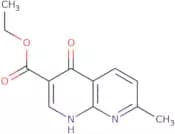
Discontinued productEthyl 4-hydroxy-7-methyl-1,8-naphthyridine-3-carboxylate
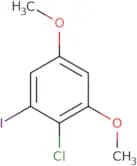
CAS:<p>Versatile small molecule scaffold</p>Formula:C12H12N2O3Purity:Min. 95%Molecular weight:232.23 g/mol2-Chloro-1-iodo-3,5-dimethoxybenzene
CAS:<p>Versatile small molecule scaffold</p>Formula:C8H8ClIO2Purity:Min. 95%Molecular weight:298.5 g/molRef: 3D-FXC22420
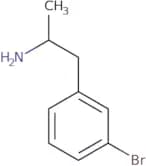
Discontinued product1-(3-bromophenyl)propan-2-amine
CAS:Controlled Product<p>1-(3-Bromophenyl)propan-2-amine is an inorganic compound that has been analysed with a variety of techniques, including energy-dispersive x-ray spectroscopy, diffraction, and microscopy. It exhibits ferroelectric properties and has been used to produce nanofibers and magnetic materials. 1-(3-Bromophenyl)propan-2-amine is manufactured by electrospinning, which involves the use of an electric field to draw a polymer solution through a small nozzle to produce fibers. Impurities are often found in this compound due to the manufacturing process.</p>Formula:C9H12BrNPurity:Min. 95%Molecular weight:214.1 g/molRef: 3D-LCA61065
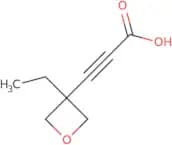
Discontinued product3-(3-Ethyloxetan-3-yl)prop-2-ynoic acid
CAS:<p>Versatile small molecule scaffold</p>Formula:C8H10O3Purity:Min. 95%Molecular weight:154.2 g/molRef: 3D-KQD93131
Discontinued producttert-Butyl 3-(prop-2-yn-1-yl)pyrrolidine-1-carboxylate
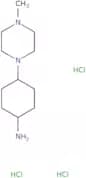
CAS:<p>Versatile small molecule scaffold</p>Formula:C12H19NO2Purity:Min. 95%Molecular weight:209.28 g/mol4-(4-Methylpiperazin-1-yl)cyclohexan-1-amine trihydrochloride
CAS:<p>Versatile small molecule scaffold</p>Formula:C11H26Cl3N3Purity:Min. 95%Molecular weight:306.7 g/molRef: 3D-LIC68922
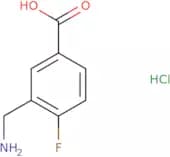
Discontinued product3-(Aminomethyl)-4-fluorobenzoic acid hydrochloride
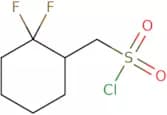
CAS:<p>Versatile small molecule scaffold</p>Formula:C8H9ClFNO2Purity:Min. 95%Molecular weight:205.61 g/mol(2,2-Difluorocyclohexyl)methanesulfonyl chloride
CAS:<p>Versatile small molecule scaffold</p>Formula:C7H11ClF2O2SPurity:Min. 95%Molecular weight:232.68 g/molRef: 3D-JWC38035
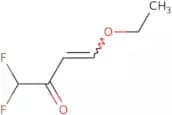
Discontinued product(3E)-4-Ethoxy-1,1-difluorobut-3-en-2-one
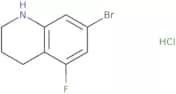
CAS:<p>Versatile small molecule scaffold</p>Formula:C6H8F2O2Purity:Min. 95%Molecular weight:150.12 g/mol7-Bromo-5-fluoro-1,2,3,4-tetrahydroquinoline hydrochloride
CAS:<p>Versatile small molecule scaffold</p>Formula:C9H10BrClFNPurity:Min. 95%Molecular weight:266.54 g/molRef: 3D-HHC68193
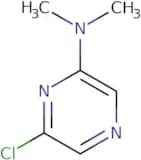
Discontinued product6-Chloro-N,N-dimethylpyrazin-2-amine
CAS:<p>Versatile small molecule scaffold</p>Formula:C6H8ClN3Purity:Min. 95%Molecular weight:157.6 g/mol3-Methyl-1-{methyl[(4-methylphenyl)methyl]carbamoyl}-1H-imidazol-3-ium iodide
CAS:<p>Versatile small molecule scaffold</p>Formula:C14H18IN3OPurity:Min. 95%Molecular weight:371.22 g/molRef: 3D-HZB16871
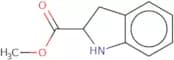
Discontinued productmethyl 2,3-dihydro-1H-indole-2-carboxylate
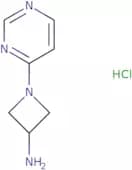
CAS:<p>Methyl 2,3-dihydro-1H-indole-2-carboxylate is an optical isomer of 1,3,5-trimethyl indole. It is a reactive compound that can undergo transesterification reaction with methyl esters or nitroindoles to form antibiotics. Methyl 2,3-dihydro-1H-indole-2-carboxylate has been shown to inhibit the activity of cyclooxygenase and lipase enzymes by forming allyl carbonates. The chemical parameters of this compound have been studied using nuclear magnetic resonance spectroscopy (NMR) and kinetic methods.</p>Formula:C10H11NO2Purity:Min. 95%Molecular weight:177.2 g/mol1-(Pyrimidin-4-yl)azetidin-3-amine hydrochloride
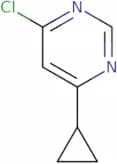
CAS:<p>Versatile small molecule scaffold</p>Formula:C7H11ClN4Purity:Min. 95%Molecular weight:186.64 g/mol4-chloro-6-cyclopropylpyrimidine
CAS:<p>Versatile small molecule scaffold</p>Formula:C7H7ClN2Purity:Min. 95%Molecular weight:154.6 g/mol2-Bromo-5H,6H,7H-pyrrolo[1,2-a]imidazole-3-carboxylic acid
CAS:<p>Versatile small molecule scaffold</p>Formula:C7H7BrN2O2Purity:Min. 95%Molecular weight:231.05 g/molRef: 3D-JWC40097
Discontinued productEthyl 6-oxospiro[2.4]heptane-5-carboxylate
CAS:<p>Versatile small molecule scaffold</p>Formula:C10H14O3Purity:Min. 95%Molecular weight:182.2 g/molRef: 3D-GNB08814
Discontinued product2-[(2,2-Difluoroethyl)sulfanyl]-5-(trifluoromethyl)aniline
CAS:<p>Versatile small molecule scaffold</p>Formula:C9H8F5NSPurity:Min. 95%Molecular weight:257.23 g/molRef: 3D-IXB29341
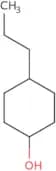
Discontinued product4-Propylcyclohexan-1-ol
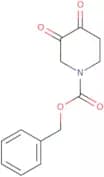
CAS:<p>4-Propylcyclohexan-1-ol is a liquid crystal that has been shown to be an activator of eugenol. It is a reactive intermediate in the reaction with bond cleavage. It has been shown to have a kinetic rate that is dependent on the number of carbon walls and metal ions. 4-Propylcyclohexan-1-ol can cause dehydration (loss of water) and detergent compositions can be made using it as a functional group. The hydroxyl group present in this molecule, combined with its functional groups, makes this liquid crystal useful for the production of polymers and plastics. This monomer can also polymerize into polyesters, polyamides, or polyurethanes.</p>Formula:C9H18OPurity:Min. 95%Molecular weight:142.24 g/molBenzyl 3,4-dioxopiperidine-1-carboxylate
CAS:<p>Versatile small molecule scaffold</p>Formula:C13H13NO4Purity:Min. 95%Molecular weight:247.25 g/molRef: 3D-JHD94774
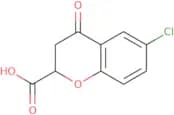
Discontinued product6-Chloro-4-oxo-3,4-dihydro-2H-1-benzopyran-2-carboxylic acid
CAS:<p>Versatile small molecule scaffold</p>Formula:C10H7ClO4Purity:Min. 95%Molecular weight:226.61 g/molRef: 3D-CCA01176
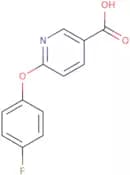
Discontinued product6-(4-Fluorophenoxy)pyridine-3-carboxylic acid
CAS:<p>Versatile small molecule scaffold</p>Formula:C12H8FNO3Purity:Min. 95%Molecular weight:233.19 g/molRef: 3D-MJB08871
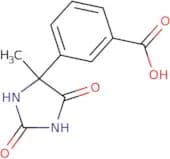
Discontinued product3-(4-Methyl-2,5-dioxoimidazolidin-4-yl)benzoic acid
CAS:<p>Versatile small molecule scaffold</p>Formula:C11H10N2O4Purity:Min. 95%Molecular weight:234.21 g/molRef: 3D-CBB99247
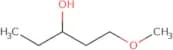
Discontinued product1-Methoxypentan-3-ol
CAS:<p>Versatile small molecule scaffold</p>Formula:C6H14O2Purity:Min. 95%Molecular weight:118.17 g/molRef: 3D-CBA99999
Discontinued product4-Methyl-2,1,3-benzoxadiazol-1-ium-1-olate
CAS:<p>Versatile small molecule scaffold</p>Formula:C7H6N2O2Purity:Min. 95%Molecular weight:150.13 g/molRef: 3D-CBA80846
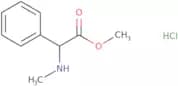
Discontinued productMethyl 2-(methylamino)-2-phenylacetate hydrochloride
CAS:<p>Versatile small molecule scaffold</p>Formula:C10H14ClNO2Purity:Min. 95%Molecular weight:215.67 g/mol2-[(2-Methoxyethyl)amino]propanoic acid hydrochloride
CAS:<p>Versatile small molecule scaffold</p>Formula:C6H14ClNO3Purity:Min. 95%Molecular weight:183.63 g/molRef: 3D-KJC71112
Discontinued product2-[3-(Trifluoromethyl)phenyl]-1H-imidazole
CAS:<p>Versatile small molecule scaffold</p>Formula:C10H7F3N2Purity:Min. 95%Molecular weight:212.17 g/mol4H,6H-Thieno[3,4-b]furan-3-carboxylic acid
CAS:<p>Versatile small molecule scaffold</p>Formula:C7H6O3SPurity:Min. 95%Molecular weight:170.19 g/molRef: 3D-HEA71064
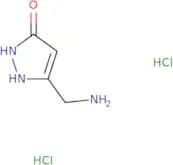
Discontinued product5-(Aminomethyl)-2,3-dihydro-1H-pyrazol-3-one dihydrochloride
CAS:<p>Versatile small molecule scaffold</p>Formula:C4H9Cl2N3OPurity:Min. 95%Molecular weight:186.04 g/molRef: 3D-CBA37756
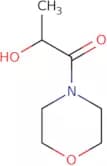
Discontinued product2-Hydroxy-1-(morpholin-4-yl)propan-1-one
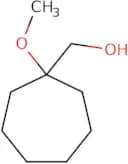
CAS:<p>Versatile small molecule scaffold</p>Formula:C7H13NO3Purity:Min. 95%Molecular weight:159.18 g/mol(1-Methoxycycloheptyl)methanol
CAS:<p>Versatile small molecule scaffold</p>Formula:C9H18O2Purity:Min. 95%Molecular weight:158.24 g/molRef: 3D-CAD91109
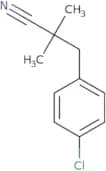
Discontinued product3-(4-Chlorophenyl)-2,2-dimethylpropanenitrile
CAS:<p>Versatile small molecule scaffold</p>Formula:C11H12ClNPurity:Min. 95%Molecular weight:193.67 g/molRef: 3D-CAC67259
Discontinued product1-Methanesulfonyl-2-methylpropan-2-amine hydrochloride
CAS:<p>Versatile small molecule scaffold</p>Formula:C5H14ClNO2SPurity:Min. 95%Molecular weight:187.69 g/molRef: 3D-JRA09577
Discontinued product2-(2-methyl-1H-imidazol-1-yl)acetic acid hydrochloride
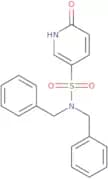
CAS:<p>Versatile small molecule scaffold</p>Formula:C6H9ClN2O2Purity:Min. 95%Molecular weight:176.6 g/molN,N-Dibenzyl-6-oxo-1,6-dihydropyridine-3-sulfonamide
CAS:<p>Versatile small molecule scaffold</p>Formula:C19H18N2O3SPurity:Min. 95%Molecular weight:354.4 g/molRef: 3D-CAB84331
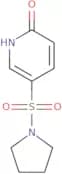
Discontinued product5-(Pyrrolidine-1-sulfonyl)-1,2-dihydropyridin-2-one
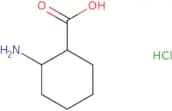
CAS:<p>Versatile small molecule scaffold</p>Formula:C9H12N2O3SPurity:Min. 95%Molecular weight:228.27 g/mol(1R,2R)-2-Aminocyclohexanecarboxylic acid hydrochloride
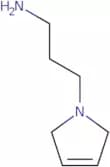
CAS:<p>Versatile small molecule scaffold</p>Formula:C7H14ClNO2Purity:Min. 95%Molecular weight:179.64 g/mol3-(2,5-Dihydro-1H-pyrrol-1-yl)propan-1-amine
CAS:<p>Versatile small molecule scaffold</p>Formula:C7H14N2Purity:Min. 95%Molecular weight:126.2 g/molRef: 3D-MBA63258
Discontinued product[(2-Aminoethyl)sulfanyl]sulfonic acid
CAS:<p>[(2-Aminoethyl)sulfanyl]sulfonic acid is an inorganic compound and a corrosion inhibitor. It is the ammonium salt of sulfonic acid, with a pK of 3.75. The molecule has two nitrogen atoms and one sulfur atom, which are unreactive with other compounds and do not form bonds. It is soluble in water, alcohols, ethers, chloroform, and carbon tetrachloride. [(2-Aminoethyl)sulfanyl]sulfonic acid can be used as a corrosion inhibitor for metals such as iron or copper because it does not corrode the metal like some other substances containing sulfur or nitrogen would. This compound also has an acidic nature because it can act as a proton donor to cleave bonds that are second-order rate constants. [(2-Aminoethyl)sulfanyl]sulfonic acid also reacts with aziridine in simulated gas phase reactions to form sulf</p>Formula:C2H7NO3S2Purity:Min. 95%Molecular weight:157.22 g/mol7-Bromo-5-phenyl-2,3-dihydro-1H-1,4-benzodiazepin-2-one
CAS:Controlled Product<p>Versatile small molecule scaffold</p>Formula:C15H11BrN2OPurity:Min. 95%Molecular weight:315.16 g/molRef: 3D-CAA89461
Discontinued product2-[Ethyl(propan-2-yl)amino]ethan-1-ol
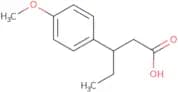
CAS:Controlled Product<p>Versatile small molecule scaffold</p>Formula:C7H17NOPurity:Min. 95%Molecular weight:131.22 g/mol3-(4-Methoxyphenyl)pentanoic acid
CAS:<p>Versatile small molecule scaffold</p>Formula:C12H16O3Purity:Min. 95%Molecular weight:208.25 g/molRef: 3D-FBA21163
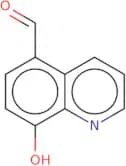
Discontinued product8-hydroxy-quinoline-5-carbaldehyde
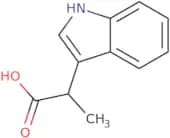
CAS:<p>8-hydroxy-quinoline-5-carbaldehyde (8HQ) is a quinoline derivative that can bind to metal ions. It has antiviral properties and can be used to treat HIV, Hepatitis B and C, as well as influenza. 8HQ is synthesized by the reaction of sodium salts and 5-hydroxy-2,4-quinolinediol in aqueous solution at pH 11. The reactants are coordinated with the metal ion before the addition of trifluoroacetic acid. Computational methods have been employed to study this process.</p>Formula:C10H7NO2Purity:Min. 95%Molecular weight:173.17 g/mol2-(1H-Indol-3-yl)propanoic acid
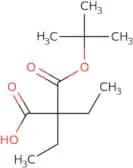
CAS:<p>2-(1H-Indol-3-yl)propanoic acid is a chemical that is a derivative of indole-3-acetic acid. It is used as an additive in cosmetics and hair products to impart color.</p>Formula:C11H11NO2Purity:Min. 95%Molecular weight:189.21 g/mol2-(tert-Butyl carboxy)-2-ethylbutanoic acid
CAS:<p>Versatile small molecule scaffold</p>Formula:C11H20O4Purity:Min. 95%Molecular weight:216.27 g/molRef: 3D-JBD31306
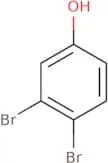
Discontinued product3,4-Dibromophenol
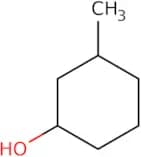
CAS:<p>3,4-Dibromophenol is a chemical compound that has been shown to have adverse health effects on humans. The emissions of 3,4-Dibromophenol are minimized by applying mathematical models that take into account the kinetic and thermodynamic parameters of the bromines and the energies in which they exist. Kinetic theory is used to explain the mechanisms of dimerization and isomers. Variational theory can be used to estimate activation energies for reactions. Functional theory can be applied to estimate theoretical values for parameters in kinetic equations.</p>Formula:C6H4Br2OPurity:Min. 95%Molecular weight:251.9 g/mol3-Methylcyclohexanol
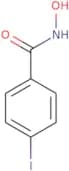
CAS:<p>3-Methylcyclohexanol is a reactive chemical substance with the chemical formula CH3CH2OH. It is used in the synthesis of covid-19, a pandemic antiviral drug that can be used to treat influenza A virus. 3-Methylcyclohexanol is a sodium salt that is stable in water and has an acylation reaction with an acid chloride. This reaction produces an ester and carboxylic acid as byproducts. 3-Methylcyclohexanol can be hydrogenated using metal catalysts, such as palladium, platinum or nickel, to produce fatty acids. The efficient method for this process involves dehydration of the alcohol to form the corresponding hydroxy compound.</p>Formula:C7H14OPurity:Min. 95%Molecular weight:114.19 g/molN-Hydroxy-4-iodobenzamide
CAS:<p>N-Hydroxy-4-iodobenzamide is a hydroxamic acid that is used in organic synthesis for the formation of alkenylations, carboxylates and amides. It reacts with formamide to yield formyl groups. The activated hydroxamic acid undergoes reductive elimination to produce an amine group. N-Hydroxy-4-iodobenzamide has been shown to react with biomolecules such as proteins and nucleic acids. Mechanistic studies have shown that this reaction proceeds through a formyl intermediate, which can be reduced by formaldehyde or sodium borohydride.</p>Formula:C7H6INO2Purity:Min. 95%Molecular weight:263.03 g/molRef: 3D-CAA59331
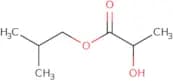
Discontinued product2-Methylpropyl 2-hydroxypropanoate
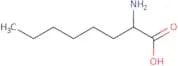
CAS:<p>2-Methylpropyl 2-hydroxypropanoate is a hydrocarbon solvent that contains a hydroxyl group and a hydroxy group. It is used as an organic solvent for industrial purposes, such as patterning in semiconductor fabrication. It is also used in the production of polymers, pharmaceuticals, and other chemical products. This compound may be degraded by radiation or hydrolyzed to produce butanol and benzoic acid.</p>Formula:C7H14O3Purity:Min. 95%Molecular weight:146.18 g/molDL-2-Aminocaprylic acid
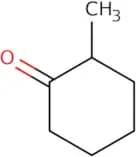
CAS:<p>DL-2-Aminocaprylic acid is a fatty acid that is synthesized from lysine by the enzyme lysine decarboxylase. It is one of the major lipids in cancer cells, and its level can be used to measure the severity of a cancerous tumor. DL-2-Aminocaprylic acid has been shown to have antimicrobial properties against bacteria and fungi. This compound also possesses an inhibitory effect on the biosynthesis of polyunsaturated fatty acids, which may contribute to its anticancer effects.</p>Formula:C8H17NO2Purity:Min. 95%Molecular weight:159.23 g/mol2-Methylcyclohexanone
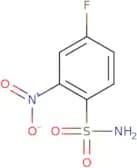
CAS:<p>2-Methylcyclohexanone is an organic compound that is a colorless liquid at room temperature. It is classified as an enolate and has the chemical formula of CH3COCHO. The asymmetric synthesis of 2-methylcyclohexanone can be achieved by adding sodium ethoxide to ethyl formate in the presence of anhydrous sodium. This method produces a 1,3-diketone that can be hydrolyzed to give 2-methylcyclohexanone. Hydrogen bonding interactions between the methyl group and the carbonyl group are important for the stability of this molecule. The solubility data for 2-methylcyclohexanone ranges from 0.015 g/mL at 20 °C to 0.05 g/mL at 100 °C. Activation energies for this molecule range from -2.4 kcal/mol to -1.9 kcal/mol, with a viscosity of 8 cP at</p>Formula:C7H12OPurity:Min. 95%Color and Shape:Clear LiquidMolecular weight:112.17 g/mol4-Fluoro-2-nitrobenzene-1-sulfonamide
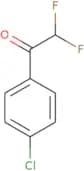
CAS:<p>Versatile small molecule scaffold</p>Formula:C6H5FN2O4SPurity:Min. 95%Molecular weight:220.18 g/mol1-(4-Chloro-phenyl)-2,2-difluoro-ethanone
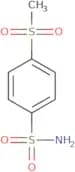
CAS:<p>Versatile small molecule scaffold</p>Formula:C8H5ClF2OPurity:Min. 95%Molecular weight:190.57 g/mol4-Methanesulfonylbenzene-1-sulfonamide
CAS:<p>4-Methanesulfonylbenzene-1-sulfonamide is a research chemical that is used in assays to study the metabolism of penicillium chrysogenum and other fungi. The metabolite 4-methanesulfonylbenzenesulfonic acid has been shown to inhibit fungal growth by inhibiting the synthesis of proteins, such as ribosomal proteins, which are necessary for cell division. This research chemical has also been shown to inhibit the production of aflatoxins, which are carcinogenic compounds produced by Aspergillus flavus and other species of fungi. 4-Methanesulfonylbenzene-1-sulfonamide has been found to be safe for use in humans and animals and can be used as a replacement for methyl bromide due to its sustainable functionality.</p>Formula:C7H9NO4S2Purity:Min. 95%Molecular weight:235.3 g/molTricyclo[5.2.1.0,2,6]decan-8-amine
CAS:<p>Versatile small molecule scaffold</p>Formula:C10H17NPurity:Min. 95%Molecular weight:151.25 g/molRef: 3D-AAA66951
Discontinued product2-{1-[(tert-Butoxy)carbonyl]piperidin-4-yl}-2-oxoacetic acid
CAS:<p>Versatile small molecule scaffold</p>Formula:C12H19NO5Purity:Min. 95%Molecular weight:257.28 g/molTricyclo[2.2.1.0,2,6]heptane-3-carboxylic acid
CAS:<p>Versatile small molecule scaffold</p>Formula:C8H10O2Purity:Min. 95%Molecular weight:138.16 g/molRef: 3D-AAA69756
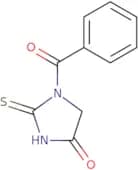
Discontinued product1-Benzoyl-2-sulfanylideneimidazolidin-4-one
CAS:<p>1-Benzoyl-2-sulfanylideneimidazolidin-4-one is a chemical.</p>Formula:C10H8N2O2SPurity:Min. 95%Molecular weight:220.25 g/mol4-(4-Fluorophenyl)-4-methylpentan-2-one
CAS:<p>Versatile small molecule scaffold</p>Formula:C12H15FOPurity:Min. 95%Molecular weight:194.24 g/molRef: 3D-AAA56537
Discontinued product

![5-[(2-Methoxyphenyl)(methyl)sulfamoyl]-2-methylbenzoic acid](/_next/image/?url=https%3A%2Fstatic.cymitquimica.com%2Fproducts%2F3D%2Fthumb-webp%2FFQA34216.webp&w=3840&q=75)
![2H-Benzo[b][1,4]oxathiepin-3(4H)-one](/_next/image/?url=https%3A%2Fstatic.cymitquimica.com%2Fproducts%2F3D%2Fthumb-webp%2FMEA63224.webp&w=3840&q=75)
![1-[2-(4-Methoxyphenyl)-4-methyl-1,3-thiazol-5-yl]ethan-1-amine hydrochloride](/_next/image/?url=https%3A%2Fstatic.cymitquimica.com%2Fproducts%2F3D%2Fthumb-webp%2FGCC60658.webp&w=3840&q=75)


![5-Methyl-5H,6H,7H-pyrrolo[1,2-a]imidazol-7-amine](/_next/image/?url=https%3A%2Fstatic.cymitquimica.com%2Fproducts%2F3D%2Fthumb-webp%2FFAD45710.webp&w=3840&q=75)
![{8,9-Dimethyl-1,7-dioxaspiro[4.4]nonan-2-yl}methanamine](/_next/image/?url=https%3A%2Fstatic.cymitquimica.com%2Fproducts%2F3D%2Fthumb-webp%2FIFD51928.webp&w=3840&q=75)

![{Tricyclo[3.2.1.0,2,4]octan-6-yl}methanols](/_next/image/?url=https%3A%2Fstatic.cymitquimica.com%2Fproducts%2F3D%2Fthumb-webp%2FMKD63121.webp&w=3840&q=75)

![1-[4-(Methylsulfanyl)phenyl]ethan-1-amine hydrochloride](/_next/image/?url=https%3A%2Fstatic.cymitquimica.com%2Fproducts%2F3D%2Fthumb-webp%2FFIA93777.webp&w=3840&q=75)

![4-Bromo-1H,1aH,6H,6aH-cyclopropa[A]indene-1-carboxylic acid](/_next/image/?url=https%3A%2Fstatic.cymitquimica.com%2Fproducts%2F3D%2Fthumb-webp%2FJHD94140.webp&w=3840&q=75)

![7,7-Dimethyl-8-oxa-1,3-diazaspiro[4.5]decane-2,4-dione](/_next/image/?url=https%3A%2Fstatic.cymitquimica.com%2Fproducts%2F3D%2Fthumb-webp%2FFCA79579.webp&w=3840&q=75)
![2-[Butyl(carboxymethyl)amino]acetic acid hydrochloride](/_next/image/?url=https%3A%2Fstatic.cymitquimica.com%2Fproducts%2F3D%2Fthumb-webp%2FJHD94176.webp&w=3840&q=75)
![[1-(Difluoromethyl)-1H-pyrrol-2-yl]methanol](/_next/image/?url=https%3A%2Fstatic.cymitquimica.com%2Fproducts%2F3D%2Fthumb-webp%2FMLC58426.webp&w=3840&q=75)
![(1S,5R,6S)-Rel-8-[(tert-butoxy)carbonyl]-8-azabicyclo[3.2.1]octane-6-carboxylic acid](/_next/image/?url=https%3A%2Fstatic.cymitquimica.com%2Fproducts%2F3D%2Fthumb-webp%2FJQB62995.webp&w=3840&q=75)

![3-Methyl-1-{methyl[(4-methylphenyl)methyl]carbamoyl}-1H-imidazol-3-ium iodide](/_next/image/?url=https%3A%2Fstatic.cymitquimica.com%2Fproducts%2F3D%2Fthumb-webp%2FHZB16871.webp&w=3840&q=75)
![2-Bromo-5H,6H,7H-pyrrolo[1,2-a]imidazole-3-carboxylic acid](/_next/image/?url=https%3A%2Fstatic.cymitquimica.com%2Fproducts%2F3D%2Fthumb-webp%2FJWC40097.webp&w=3840&q=75)
![Ethyl 6-oxospiro[2.4]heptane-5-carboxylate](/_next/image/?url=https%3A%2Fstatic.cymitquimica.com%2Fproducts%2F3D%2Fthumb-webp%2FGNB08814.webp&w=3840&q=75)
![2-[(2,2-Difluoroethyl)sulfanyl]-5-(trifluoromethyl)aniline](/_next/image/?url=https%3A%2Fstatic.cymitquimica.com%2Fproducts%2F3D%2Fthumb-webp%2FIXB29341.webp&w=3840&q=75)

![2-[(2-Methoxyethyl)amino]propanoic acid hydrochloride](/_next/image/?url=https%3A%2Fstatic.cymitquimica.com%2Fproducts%2F3D%2Fthumb-webp%2FKJC71112.webp&w=3840&q=75)
![2-[3-(Trifluoromethyl)phenyl]-1H-imidazole](/_next/image/?url=https%3A%2Fstatic.cymitquimica.com%2Fproducts%2F3D%2Fthumb-webp%2FCBA42380.webp&w=3840&q=75)
![4H,6H-Thieno[3,4-b]furan-3-carboxylic acid](/_next/image/?url=https%3A%2Fstatic.cymitquimica.com%2Fproducts%2F3D%2Fthumb-webp%2FHEA71064.webp&w=3840&q=75)


![[(2-Aminoethyl)sulfanyl]sulfonic acid](/_next/image/?url=https%3A%2Fstatic.cymitquimica.com%2Fproducts%2F3D%2Fthumb-webp%2FCAA93753.webp&w=3840&q=75)

![2-[Ethyl(propan-2-yl)amino]ethan-1-ol](/_next/image/?url=https%3A%2Fstatic.cymitquimica.com%2Fproducts%2F3D%2Fthumb-webp%2FCAA89361.webp&w=3840&q=75)
![Tricyclo[5.2.1.0,2,6]decan-8-amine](/_next/image/?url=https%3A%2Fstatic.cymitquimica.com%2Fproducts%2F3D%2Fthumb-webp%2FAAA66951.webp&w=3840&q=75)
![2-{1-[(tert-Butoxy)carbonyl]piperidin-4-yl}-2-oxoacetic acid](/_next/image/?url=https%3A%2Fstatic.cymitquimica.com%2Fproducts%2F3D%2Fthumb-webp%2FLWB78384.webp&w=3840&q=75)
![Tricyclo[2.2.1.0,2,6]heptane-3-carboxylic acid](/_next/image/?url=https%3A%2Fstatic.cymitquimica.com%2Fproducts%2F3D%2Fthumb-webp%2FAAA69756.webp&w=3840&q=75)