Building Blocks
Subcategories of "Building Blocks"
- Boronic Acids & Boronic Acid Derivatives(5,778 products)
- Chiral Building Blocks(1,243 products)
- Hydrocarbon Building Blocks(6,098 products)
- Organic Building Blocks(61,036 products)
Found 205240 products of "Building Blocks"
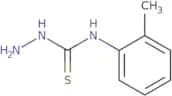
4-(2-Methylphenyl)-3-thiosemicarbazide
CAS:4-(2-Methylphenyl)-3-thiosemicarbazide is a crystalline solid that belongs to the group of benzoic acid derivatives. It has an orthorhombic crystal structure, with a yellow color. The crystals are measured at room temperature, and it has an atomic weight of 197.11 g/mol. 4-(2-Methylphenyl)-3-thiosemicarbazide is stable in air and in solution, but decomposes at temperatures above 250°C. This compound has been studied by using X-ray diffraction measurements and Bruker parameters. Its isotropic radiation is recorded at the following wavelength: 1.5418 Å (1).
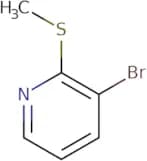
Formula:C8H11N3SPurity:Min. 95%Molecular weight:181.26 g/mol3-Bromo-2-(methylthio)pyridine
CAS:Versatile small molecule scaffold
Formula:C6H6BrNSPurity:Min. 95%Molecular weight:204.09 g/molRef: 3D-BCA93377
Discontinued product2-[(3-Nitrophenyl)formamido]acetic acid
CAS:2-[(3-Nitrophenyl)formamido]acetic acid (2NPA) is a modifying agent that has been used in the modification of carboxyl groups. It can react with nucleophiles to form adducts and with carbodiimides to form ureas. 2NPA reacts with amino acids, peptides, and other nitrogenous compounds at their carboxyl groups to form ester or amide bonds. The nature of the residues after modification varies depending on the nature of the carboxyl group that was modified.
Formula:C9H8N2O5Purity:Min. 95%Molecular weight:224.17 g/molRef: 3D-AAA61710
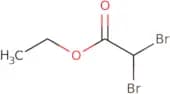
Discontinued productAcetic acid, dibromo-, ethyl ester
CAS:Acetic acid, dibromo-, ethyl ester is a reactive molecule that can be used as a nucleophilic substituent. It has hydroxyl group and ruthenium complex. It is a particle that can be used in the production of monoclonal antibodies. Acetic acid, dibromo-, ethyl ester also has viscosity and polycarboxylic acid. This chemical reacts with β-unsaturated ketones to form polymerization initiator. Acetic acid, dibromo-, ethyl ester also has carbonyl group and monoclonal antibodies. Acetic acid, dibromo-, ethyl ester can be conjugated with ethyl bromoacetate to produce conjugates.
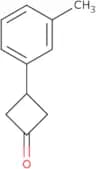
Formula:C4H6Br2O2Purity:Min. 95%Molecular weight:245.9 g/mol3-(3-Methylphenyl)cyclobutan-1-one
CAS:Versatile small molecule scaffold
Formula:C11H12OPurity:Min. 95%Molecular weight:160.21 g/molRef: 3D-TJA86756
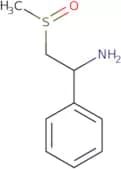
Discontinued product2-Methanesulfinyl-1-phenylethan-1-amine
CAS:Versatile small molecule scaffoldFormula:C9H13NOSPurity:Min. 95%Molecular weight:183.27 g/molRef: 3D-TDC83740
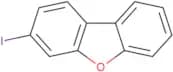
Discontinued product3-Iododibenzofuran
CAS:3-Iododibenzofuran is a fluorescent compound that has been used as a probe for the study of neutral endopeptidase activity. The compound is characterized by a high degree of thermal stability and an inhibitory potency at pH 7.0 that is approximately 3 orders of magnitude greater than that of the active site inhibitor, anthracene. 3-Iododibenzofuran can be synthesized using chemoenzymatic methods, with efficiencies and profiles that are similar to those obtained in the conventional method. This probe can also be used to investigate the functional role of proteins in living cells or tissues.
3-Iodobenzofuran has been shown to have pressor effects in rats and can cause tetrazole (a type of explosive) to detonate when heated, which makes it unsuitable for use in devices such as explosives or pyrotechnics.Formula:C12H7IOPurity:Min. 95%Molecular weight:294.09 g/molRef: 3D-FAA89629
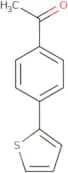
Discontinued product1-(4-Thiophen-2-yl-phenyl)-ethanone
CAS:Versatile small molecule scaffold
Formula:C12H10OSPurity:Min. 95%Molecular weight:202.27 g/mol[2-(2-Ethoxyethoxy)ethyl](methyl)amine
CAS:Versatile small molecule scaffold
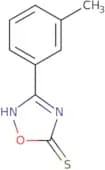
Formula:C7H17NO2Purity:Min. 95%Molecular weight:147.22 g/mol3-(3-Methylphenyl)-1,2,4-oxadiazole-5-thiol
CAS:Versatile small molecule scaffold
Formula:C9H8N2OSPurity:Min. 95%Molecular weight:192.24 g/molRef: 3D-TDC70058
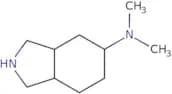
Discontinued productN,N-Dimethyl-octahydro-1H-isoindol-5-amine
CAS:Versatile small molecule scaffold
Formula:C10H20N2Purity:Min. 95%Molecular weight:168.28 g/molRef: 3D-KCD26889
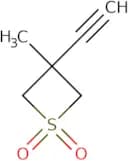
Discontinued product3-Ethynyl-3-methylthietane 1,1-dioxide
CAS:Versatile small molecule scaffold
Formula:C6H8O2SPurity:Min. 95%Molecular weight:144.2 g/molRef: 3D-KQD93720
Discontinued product1-(2-tert-Butyl-1,3-thiazol-4-yl)ethan-1-one
CAS:Versatile small molecule scaffold
Formula:C9H13NOSPurity:Min. 95%Molecular weight:183.27 g/molRef: 3D-TDC45616
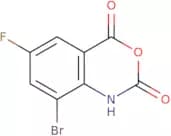
Discontinued product8-Bromo-6-fluoro-2,4-dihydro-1H-3,1-benzoxazine-2,4-dione
CAS:Versatile small molecule scaffold
Formula:C8H3BrFNO3Purity:Min. 95%Molecular weight:260.02 g/molRef: 3D-TDC35994
Discontinued product5-(Dimethylamino)-2-fluorobenzoic acid
CAS:Versatile small molecule scaffold
Formula:C9H10FNO2Purity:Min. 95%Molecular weight:183.18 g/molRef: 3D-RFA94034
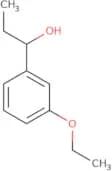
Discontinued product1-(3-Ethoxyphenyl)propan-1-ol
CAS:Versatile small molecule scaffold
Formula:C11H16O2Purity:Min. 95%Molecular weight:180.24 g/molRef: 3D-JLB56759
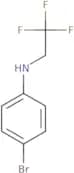
Discontinued product4-bromo-N-(2,2,2-trifluoroethyl)aniline
CAS:Versatile small molecule scaffold
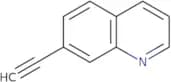
Formula:C8H7BrF3NPurity:Min. 95%Molecular weight:254 g/mol7-Ethynylquinoline
CAS:Versatile small molecule scaffold
Formula:C11H7NPurity:Min. 95%Molecular weight:153.18 g/molRef: 3D-DEA98780
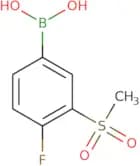
Discontinued product4-Fluoro-3-(methanesulfonyl)phenylboronic acid
CAS:Versatile small molecule scaffold
Formula:C7H8BFO4SPurity:Min. 95%Molecular weight:218.02 g/molRef: 3D-TAC49635
Discontinued product4-Chloro-5H,6H,7H-pyrimido[4,5-b][1,4]oxazin-6-one
CAS:Versatile small molecule scaffoldFormula:C6H4ClN3O2Purity:Min. 95%Molecular weight:185.57 g/molRef: 3D-LYB52467
Discontinued producttert-Butyl N-[1-(4-aminophenyl)ethyl]carbamate
CAS:Versatile small molecule scaffold
Formula:C13H20N2O2Purity:Min. 95%Molecular weight:236.31 g/molRef: 3D-TAB08668
Discontinued product3-[(Furan-2-ylmethyl)sulfanyl]prop-2-enoic acid
CAS:Versatile small molecule scaffold
Formula:C8H8O3SPurity:Min. 95%Molecular weight:184.21 g/molRef: 3D-JFC43383
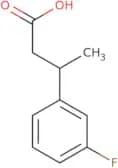
Discontinued product3-(3-Fluorophenyl)butanoic acid
CAS:Versatile small molecule scaffold
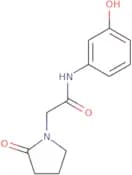
Formula:C10H11FO2Purity:Min. 95%Molecular weight:182.19 g/molN-(3-Hydroxyphenyl)-2-(2-oxopyrrolidin-1-yl)acetamide
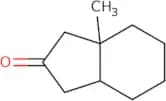
CAS:Controlled ProductN-(3-Hydroxyphenyl)-2-(2-oxopyrrolidin-1-yl)acetamide is a research tool that is used as an activator or ligand to study the function of receptors, ion channels and other proteins. It binds to cell surface receptors and activates them by mimicking the endogenous ligands. This compound has been shown to be a high purity reagent with protein interactions.Formula:C12H14N2O3Purity:Min. 95%Molecular weight:234.25 g/molrac-(3aR,7aS)-3a-Methyl-octahydro-1H-inden-2-one
CAS:Versatile small molecule scaffold
Formula:C10H16OPurity:Min. 95%Molecular weight:152.23 g/molRef: 3D-NAA35129
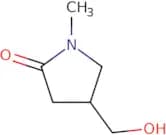
Discontinued product4-(Hydroxymethyl)-1-methylpyrrolidin-2-one
CAS:Versatile small molecule scaffold
Formula:C6H11NO2Purity:Min. 95%Molecular weight:129.16 g/molRef: 3D-JCA88720
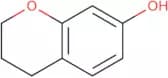
Discontinued product3,4-dihydro-2H-1-benzopyran-7-ol
CAS:3,4-Dihydro-2H-1-benzopyran-7-ol is a monomer that is used to synthesize medicines. It has the formula CH3COCH=CH(OH)CH3 and belongs to the group of flavonoids. 3,4-Dihydro-2H-1-benzopyran-7-ol has acidic properties, which are due to its isoflavones. It can be used as an acid catalyst in organic synthesis reactions and is a reaction product of chloropropane. 3,4-Dihydro-2H-1-benzopyran-7-ol also has high yield and can act as a bioisostere for other compounds such as chromene.
Formula:C9H10O2Purity:Min. 95%Molecular weight:150.18 g/molRef: 3D-HCA05272
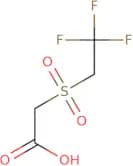
Discontinued product2-(2,2,2-Trifluoroethanesulfonyl)acetic acid
CAS:Trifloxacin is a broad-spectrum antibacterial drug that belongs to the class of formyloxy compounds and the cephalosporin family. It has been shown to be active against both Gram-positive and Gram-negative bacteria, with activity against strains resistant to penicillin, ampicillin, erythromycin, and chloramphenicol. Trifloxacin binds to the bacterial ribosome by displacement of a pyridyl group in the ribosomal RNA, inhibiting protein synthesis. This binding inhibits cell growth by preventing the production of proteins that are vital for cell division.
br>
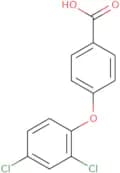
Trifloxacin has also been found to inhibit DNA gyrase and topoisomerase IV in vitro. Trifloxacin's mechanism of action is similar to that of other quinolones such as norfloxacin and ciprofloxacin.Formula:C4H5F3O4SPurity:Min. 95%Molecular weight:206.14 g/mol4-(2,4-Dichlorophenoxy)benzoic acid
CAS:Versatile small molecule scaffold
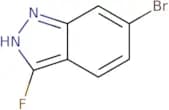
Formula:C13H8Cl2O3Purity:Min. 95%Molecular weight:283.1 g/mol6-Bromo-3-fluoro-1H-indazole
CAS:Versatile small molecule scaffold
Formula:C7H4BrFN2Purity:Min. 95%Molecular weight:215.02 g/molRef: 3D-NIC05591
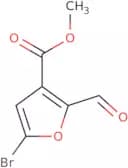
Discontinued productMethyl 5-bromo-2-formylfuran-3-carboxylate
CAS:Versatile small molecule scaffold
Formula:C7H5BrO4Purity:Min. 95%Molecular weight:233.02 g/molRef: 3D-GQB59864
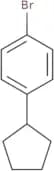
Discontinued product1-Bromo-4-cyclopentylbenzene
CAS:1-Bromo-4-cyclopentylbenzene (1-BCPB) is a chlorinated aromatic compound that can be synthesized by reacting 1-bromo-4-chlorobenzene and cyclopentylmagnesium bromide. The reaction sequence begins with the addition of hydrochloric acid to the first reactant, followed by magnesium chloride and ether. The mixture is heated to produce a liquid solution of ethylhexyloxy pyridine, which reacts with the second reactant in a sequence that leads to the desired product. 1-BCPB is used as an intermediate in organic synthesis. It has been shown to have moderate interaction with paraldehyde and pyridinium salts at room temperature, but it does not react with cycloalkyls or pyridinium salts at elevated temperatures.
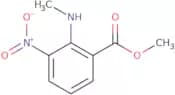
Formula:C11H13BrPurity:Min. 95%Molecular weight:225.13 g/molMethyl 2-(methylamino)-3-nitrobenzoate
CAS:Versatile small molecule scaffold
Formula:C9H10N2O4Purity:Min. 95%Molecular weight:210.19 g/molRef: 3D-NLB29715
Discontinued product2,4-dichloro-7H-pyrrolo[2,3-d]pyrimidine-5-carbaldehyde
CAS:Versatile small molecule scaffold
Formula:C7H3Cl2N3OPurity:Min. 95%Molecular weight:216.02 g/molRef: 3D-NQC76757
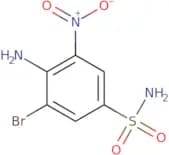
Discontinued product4-Amino-3-bromo-5-nitro-benzenesulfonamide
CAS:Versatile small molecule scaffold
Formula:C6H6BrN3O4SPurity:Min. 95%Molecular weight:296.1 g/molRef: 3D-PBA23496
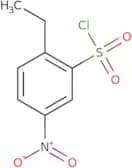
Discontinued product2-Ethyl-5-nitrobenzene-1-sulfonyl chloride
CAS:Versatile small molecule scaffold
Formula:C8H8ClNO4SPurity:Min. 95%Molecular weight:249.67 g/mol8-Fluoro-3-methyl-1,2,3,4-tetrahydroquinoline hydrochloride
CAS:Versatile small molecule scaffold
Formula:C10H13ClFNPurity:Min. 95%Molecular weight:201.67 g/molRef: 3D-PID25606
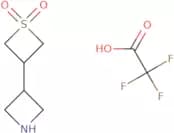
Discontinued product3-(1,1-dioxido-3-thietanyl)-azetidine 2,2,2-trifluoroacetate
CAS:Versatile small molecule scaffold
Formula:C8H12F3NO4SPurity:Min. 95%Molecular weight:275.25 g/molRef: 3D-PZC06126
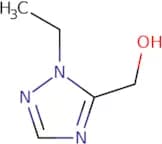
Discontinued product(1-Ethyl-1H-1,2,4-triazol-5-yl)methanol
CAS:Versatile small molecule scaffold
Formula:C5H9N3OPurity:Min. 95%Molecular weight:127.14 g/mol6-(4-{[(9H-Fluoren-9-yl)methoxy]carbonyl}piperazin-1-yl)pyridazine-3-carboxylic acid
CAS:Versatile small molecule scaffold
Formula:C24H22N4O4Purity:Min. 95%Molecular weight:430.5 g/molRef: 3D-QID29084
Discontinued product3-Amino-4-methyl-N-[3-(trifluoromethyl)phenyl]benzene-1-sulfonamide
CAS:Versatile small molecule scaffoldFormula:C14H13F3N2O2SPurity:Min. 95%Molecular weight:330.33 g/molRef: 3D-QXA20922
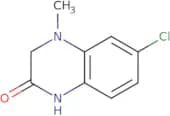
Discontinued product6-Chloro-4-methyl-1,2,3,4-tetrahydroquinoxalin-2-one
CAS:Versatile small molecule scaffoldFormula:C9H9ClN2OPurity:Min. 95%Molecular weight:196.63 g/molRef: 3D-QZB38194
Discontinued product3-Benzyl-3-azabicyclo[3.1.1]heptane-6-carboxylic acid hydrochloride
CAS:Versatile small molecule scaffold
Formula:C14H18ClNO2Purity:Min. 95%Molecular weight:267.75 g/moltert-Butyl N-{4-ethynylbicyclo[2.2.2]octan-1-yl}carbamate
CAS:Versatile small molecule scaffoldFormula:C15H23NO2Purity:Min. 95%Molecular weight:249.35 g/molRef: 3D-SGC55140
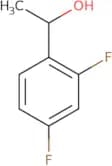
Discontinued product(1R)-1-(2,4-Difluorophenyl)ethan-1-ol
CAS:Versatile small molecule scaffold
Formula:C8H8F2OPurity:Min. 95%Molecular weight:158.14 g/molPB-22 3-carboxyindole metabolite solution
CAS:Controlled ProductPB-22 is a synthetic cannabinoid, which can be classified as a CB1 receptor agonist. It is one of the many cannabinoids that have been created in an attempt to circumvent drug laws by creating compounds that are similar to those found in cannabis but have different chemical structures. PB-22 has shown to increase locomotor activity and stimulate the cb1 receptor in mice. Magnetic resonance spectroscopy (MRS) and assays were used to determine the binding affinity of PB-22 for the CB1 receptor. The MRS data showed that PB-22 bound with high affinity to the CB1 receptor and had a lower affinity for CB2 receptors. This suggests that PB-22 may be more potent than other synthetic cannabinoids, such as JWH-018 and CP 55,940, which bind better with CB2 receptors than CB1 receptors.
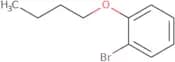
PB-22 is an analog of JWH-073 and has been shown to have a stronger effect on locomotor activity than JWHFormula:C14H17NO2Purity:Min. 95%Molecular weight:231.29 g/mol1-Bromo-2-butoxybenzene
CAS:1-Bromo-2-butoxybenzene is a chemical compound that is used in the manufacture of zinc oxide. It is also used as an electrolyte in dye-sensitized solar cells. In these cells, 1-bromo-2-butoxybenzene acts as an electron donor, which provides electrons to the redox dye on the surface of the semiconductor. This process leads to recombination, where electrons and holes recombine to produce electricity. The introduction of alkoxy groups into 1-bromo-2-butoxybenzene molecules allows for increased stability and efficiency in dye-sensitized solar cells.
Formula:C10H13BrOPurity:Min. 95%Molecular weight:229.11 g/molRef: 3D-ECA51430
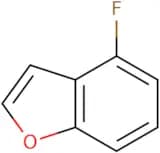
Discontinued product4-Fluorobenzofuran
CAS:Versatile small molecule scaffold
Formula:C8H5FOPurity:Min. 95%Molecular weight:136.12 g/molRef: 3D-ZAA41058
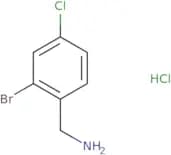
Discontinued product(2-Bromo-4-chlorophenyl)methanamine hydrochloride
CAS:Versatile small molecule scaffold
Formula:C7H8BrCl2NPurity:Min. 95%Molecular weight:256.95 g/molRef: 3D-YGD27370
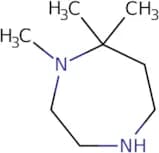
Discontinued product1,7,7-Trimethyl-1,4-diazepane
CAS:Versatile small molecule scaffold
Formula:C8H18N2Purity:Min. 95%Molecular weight:142.24 g/molRef: 3D-IMB71635
Discontinued product1-{[1-(Bromomethyl)cyclopropyl]methoxy}-3-(methoxymethyl)benzene
CAS:Versatile small molecule scaffold
Formula:C13H17BrO2Purity:Min. 95%Molecular weight:285.18 g/molRef: 3D-YGC03501
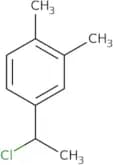
Discontinued product3,4-Dimethyl-1-(1-chloroethyl)benzene
CAS:Versatile small molecule scaffold
Formula:C10H13ClPurity:Min. 95%Molecular weight:168.66 g/molRef: 3D-EEA24583
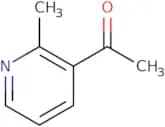
Discontinued product1-(2-Methylpyridin-3-yl)ethanone
CAS:1-(2-Methylpyridin-3-yl)ethanone is a ketone that can be synthesized using the reaction of methyl sulfone, benzyl sulfone, and sulphone. It has been shown to have anti-inflammatory properties by inhibiting prostaglandin synthesis and has been used as a nonsteroidal anti-inflammatory drug (NSAID). 1-(2-Methylpyridin-3-yl)ethanone has also been shown to have analgesic effects in mice. This synthetic compound may be useful in treating inflammation, pain, and fever.
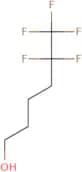
Formula:C8H9NOPurity:Min. 95%Molecular weight:135.16 g/mol5,5,6,6,6-Pentafluorohexan-1-ol
CAS:Versatile small molecule scaffold
Formula:C6H9F5OPurity:Min. 95%Molecular weight:192.13 g/mol1-[(2-bromophenyl)methyl]-2,5-dihydro-1H-pyrrole-2,5-dione
CAS:Versatile small molecule scaffold
Formula:C11H8BrNO2Purity:Min. 95%Molecular weight:266.09 g/molRef: 3D-QFA48093
Discontinued producttert-Butyl N-{4-[1-(4-bromophenoxy)ethyl]phenyl}carbamate
CAS:Versatile small molecule scaffold
Formula:C19H22BrNO3Purity:Min. 95%Molecular weight:392.3 g/molRef: 3D-PZC05838
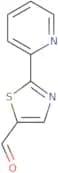
Discontinued product2-(Pyridin-2-yl)-1,3-thiazole-5-carbaldehyde
CAS:Versatile small molecule scaffoldFormula:C9H6N2OSPurity:Min. 95%Molecular weight:190.22 g/molRef: 3D-ITB31725
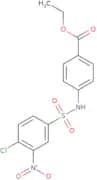
Discontinued productEthyl 4-(4-chloro-3-nitrobenzenesulfonamido)benzoate
CAS:Versatile small molecule scaffoldFormula:C15H13ClN2O6SPurity:Min. 95%Molecular weight:384.8 g/molRef: 3D-RAA36253
Discontinued product2-Chloro-5,8-difluoroquinoline
CAS:Versatile small molecule scaffold
Formula:C9H4ClF2NPurity:Min. 95%Molecular weight:199.58 g/mol(R)-2-[(Phenylmethyl)amino]-1-propanol
CAS:Versatile small molecule scaffold
Formula:C10H15NOPurity:Min. 95%Molecular weight:165.23 g/molRef: 3D-ZCA60949
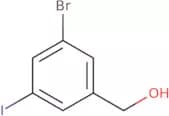
Discontinued product(3-bromo-5-iodophenyl)methanol
CAS:Versatile small molecule scaffold
Formula:C7H6BrIOPurity:Min. 95%Molecular weight:312.9 g/molRef: 3D-NHA81308
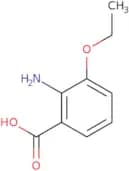
Discontinued product2-Amino-3-ethoxybenzoic acid
CAS:Versatile small molecule scaffold
Formula:C9H11NO3Purity:Min. 95%Molecular weight:181.19 g/molRef: 3D-QQB68938
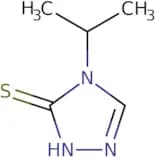
Discontinued product4-(Propan-2-yl)-4H-1,2,4-triazole-3-thiol
CAS:Versatile small molecule scaffoldFormula:C5H9N3SPurity:Min. 95%Molecular weight:143.21 g/mol2-Methylsulfonylthiophene
CAS:2-Methylsulfonylthiophene is a modulating agent that can inhibit the activity of carbonic anhydrase, adenosine receptors and 5-membered heteroaryl. It has been shown to have affinity for CB1 receptor antagonists and is used to treat cardiovascular diseases. 2-Methylsulfonylthiophene also inhibits the enzymatic activity of anhydrase in the eye, which leads to suppression of intraocular pressure (IOP). The drug also has anti-glaucoma effects by reducing the production of aqueous humour. 2-Methylsulfonylthiophene is used as a dyestuff intermediate and as an organic solvent.
Formula:C5H6O2S2Purity:Min. 95%Molecular weight:162.23 g/molCyclopropyl(3,4-dimethylphenyl)methanone
CAS:Cyclopropyl(3,4-dimethylphenyl)methanone (CPM) is a synthetic cannabinoid that has been shown to have similar effects to the natural cannabinoids found in cannabis. CPM binds to and activates the CB2 receptor, which is found on cells of the immune system, brain, and other organs. It has been studied for its ability to reduce glioma tumor growth in mice by inhibiting glutamate release. The molecular modeling study showed that CPM binds to the receptor with a geometry similar to other CB2 agonists like JWH-133. In addition, CPM inhibits locomotor activity in rats and has been shown to produce some symptoms of anxiety in mice. A receptor knockout study with mice showed that CPM can bind to CB2 receptors without activating them. X-ray diffraction data indicated that CPM is an achiral molecule with an idealized molecular geometry of "s".
Formula:C12H14OPurity:Min. 95%Molecular weight:174.24 g/mol1,9,10,11,12,12-Hexachloro-5-oxatetracyclo[7.2.1.0²,⁸.0⁴,⁶]dodec-10-ene-3,7-dione
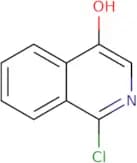
CAS:Versatile small molecule scaffoldFormula:C11H4Cl6O3Purity:Min. 95%Molecular weight:396.9 g/mol1-Chloroisoquinolin-4-ol
CAS:1-Chloroisoquinolin-4-ol is a phenylpyrimidine with anti-inflammatory properties. It is used in the treatment of sensitivity and mediated diseases, such as osteoarthritis, rheumatoid arthritis, and ankylosing spondylitis. 1-Chloroisoquinolin-4-ol inhibits the enzymatic activity of matrix metalloproteinases (MMPs), which are enzymes that break down collagen and other proteins in the body. The inhibition of MMPs by 1-chloroisoquinolin-4-ol leads to reduced inflammation and pain. This compound is also an effective inhibitor of the activities of chloride channels involved in acid secretion by cells in the stomach lining, thus inhibiting acid production. 1-Chloroisoquinolin-4-ol has been shown to have anticholesterolemic effects on liver cells due to its ability to inhibit cholesterol synthesis through inhibition of HMG CoA
Formula:C9H6ClNOPurity:Min. 95%Molecular weight:179.6 g/molRef: 3D-DAA33643
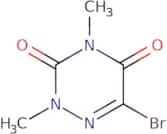
Discontinued product6-Bromo-2,4-dimethyl-2,3,4,5-tetrahydro-1,2,4-triazine-3,5-dione
CAS:Versatile small molecule scaffoldFormula:C5H6BrN3O2Purity:Min. 95%Molecular weight:220.02 g/molN-[3-(Dimethylamino)propyl]-2-hydroxybenzamide
CAS:Versatile small molecule scaffoldFormula:C12H18N2O2Purity:Min. 95%Molecular weight:222.28 g/molRef: 3D-NBA39443
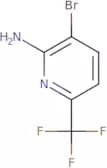
Discontinued product2-Amino-3-Bromo-6-trifluoromethylpyridine
CAS:Versatile small molecule scaffoldFormula:C6H4BrF3N2Purity:Min. 95%Molecular weight:241.01 g/molRef: 3D-PYB36139
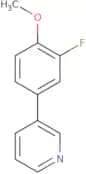
Discontinued product3-(3-Fluoro-4-methoxyphenyl)pyridine
CAS:Versatile small molecule scaffold
Formula:C12H10FNOPurity:Min. 95%Molecular weight:203.21 g/molRef: 3D-PYB35548
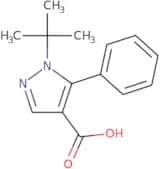
Discontinued product1-tert-Butyl-5-phenyl-1H-pyrazole-4-carboxylic acid
CAS:Versatile small molecule scaffold
Formula:C14H16N2O2Purity:Min. 95%Molecular weight:244.29 g/molRef: 3D-LMB12968
Discontinued product1,3-Diazaspiro[4.4]nonane-2,4-dione
CAS:1,3-Diazaspiro[4.4]nonane-2,4-dione (1) is a new fungicide that was shown to have fungicidal activity in vitro against the grapevine pathogens Plasmopara viticola and Plasmopara obducens. This compound has been isolated from the plant Express erythroxylum coca (Erythroxylum coca). The compound belongs to the class of diaza spiro compounds and is a member of a family of diaza spiro compounds with antifungal activity. One possible mode of action for 1 is that it inhibits the synthesis of DNA by binding to bacterial DNA gyrase.
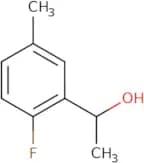
Formula:C7H10N2O2Purity:Min. 95%Molecular weight:154.17 g/mol1-(2-Fluoro-5-methylphenyl)ethan-1-ol
CAS:Versatile small molecule scaffoldFormula:C9H11FOPurity:Min. 95%Molecular weight:154.18 g/molRef: 3D-LLB21808
Discontinued product3-(4-Aminopiperidin-1-yl)propanoic acid dihydrochloride
CAS:Versatile small molecule scaffold
Formula:C8H18Cl2N2O2Purity:Min. 95%Molecular weight:245.14 g/molRef: 3D-LIC70652
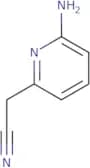
Discontinued product2-(6-Aminopyridin-2-yl)acetonitrile
CAS:Versatile small molecule scaffold
Formula:C7H7N3Purity:Min. 95%Molecular weight:133.15 g/molRef: 3D-ARA77668
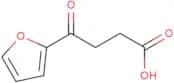
Discontinued product4-(Furan-2-yl)-4-oxobutanoic acid
CAS:Versatile small molecule scaffold
Formula:C8H8O4Purity:Min. 95%Molecular weight:168.15 g/molRef: 3D-KAA56400
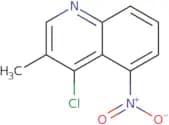
Discontinued product4-Chloro-3-methyl-5-nitroquinoline
CAS:Versatile small molecule scaffold
Formula:C10H7ClN2O2Purity:Min. 95%Molecular weight:222.63 g/molRef: 3D-JFA99233
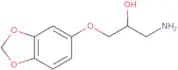
Discontinued product1-Amino-3-(1,3-dioxaindan-5-yloxy)propan-2-ol
CAS:Versatile small molecule scaffold
Formula:C10H13NO4Purity:Min. 95%Molecular weight:211.21 g/mol8-Phenyl-1-oxa-3-azaspiro[4.5]dec-2-en-2-amine
CAS:Versatile small molecule scaffoldFormula:C14H18N2OPurity:Min. 95%Molecular weight:230.31 g/molRef: 3D-IJC02845
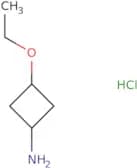
Discontinued productrac-(1R,3R)-3-Ethoxycyclobutan-1-amine hydrochloride
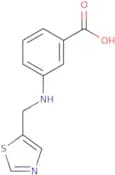
CAS:Versatile small molecule scaffoldFormula:C6H14ClNOPurity:Min. 95%Molecular weight:151.63 g/mol3-((Thiazol-5-ylmethyl)amino)benzoic acid
CAS:Versatile small molecule scaffold
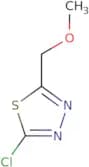
Formula:C11H10N2O2SPurity:Min. 95%Molecular weight:234.28 g/mol2-Chloro-5-(methoxymethyl)-1,3,4-thiadiazole
CAS:Versatile small molecule scaffoldFormula:C4H5ClN2OSPurity:Min. 95%Molecular weight:164.61 g/molRef: 3D-PDC25110
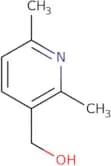
Discontinued product(2,6-Dimethylpyridin-3-yl)methanol
CAS:Versatile small molecule scaffold
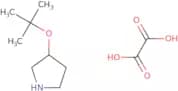
Formula:C8H11NOPurity:Min. 95%Molecular weight:137.18 g/mol(3S)-3-(tert-Butoxy)pyrrolidine, oxalic acid
CAS:Versatile small molecule scaffold
Formula:C10H19NO5Purity:Min. 95%Molecular weight:233.26 g/molRef: 3D-HXC94005
Discontinued product2-Bromo-5-fluoro-4-methoxybenzoic acid
CAS:Versatile small molecule scaffold
Formula:C8H6BrFO3Purity:Min. 95%Molecular weight:249.03 g/mol(7S,8aS)-7-Fluoro-octahydropyrrolo[1,2-a]pyrazine dihydrochloride
CAS:Versatile small molecule scaffold
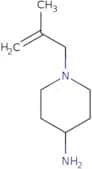
Formula:C7H15Cl2FN2Purity:Min. 95%Molecular weight:217.11 g/mol1-(2-Methylprop-2-en-1-yl)piperidin-4-amine
CAS:1-(2-Methylprop-2-en-1-yl)piperidin-4-amine is an inhibitor that blocks the activity of ion channels. It is a competitive antagonist at the NMDA receptor and has been shown to inhibit the binding of glutamate, which is a neurotransmitter involved in synaptic transmission. 1-(2-Methylprop-2-en-1-yl)piperidin-4-amine also inhibits β 2 -adrenergic receptors and has been shown to be a potent activator of G protein coupled receptors. This chemical may also be used as a research tool for studying the effects of ligands on cell biology, peptides, pharmacology, or life science. It has high purity and CAS No. 1082454-34-9.
Formula:C9H18N2Purity:Min. 95%Molecular weight:154.25 g/molEthyl 2-(3-nitrophenyl)acetate
CAS:Ethyl 2-(3-nitrophenyl)acetate is an organic compound. It is a chloride channel blocker that has been shown to inhibit the activity of multidrug-resistant proteins (e.g., p-glycoprotein and multidrug resistance protein). The uptake of this drug in cells is limited by its low oral bioavailability and its interaction with aluminium ions. This drug interacts with multidrug-resistance proteins, which are involved in the transport of drugs or toxins out of the cell, by competing for binding sites. Ethyl 2-(3-nitrophenyl)acetate inhibits the catalytic activity of these proteins, leading to a regression in multidrug resistance. It can also inhibit the activity of isoxazoles and alcohols.br>br>/p>
Formula:C10H11NO4Purity:Min. 95%Molecular weight:209.2 g/moltert-Butyl 3-amino-2-(oxan-4-yl)propanoate
CAS:Versatile small molecule scaffoldFormula:C12H23NO3Purity:Min. 95%Molecular weight:229.3 g/mol3-(3-Amino-1H-pyrazol-1-yl)pyrrolidin-2-one
CAS:Versatile small molecule scaffold
Formula:C7H10N4OPurity:Min. 95%Molecular weight:166.18 g/molRef: 3D-NKD27328
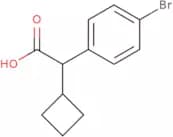
Discontinued product(4-Bromo-phenyl)-cyclobutyl-acetic acid
CAS:Versatile small molecule scaffoldFormula:C12H13BrO2Purity:Min. 95%Molecular weight:269.13 g/molRef: 3D-HTB45352
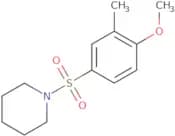
Discontinued productOpn4 Antagonist
CAS:The Opn4 antagonist is a chemical that blocks the activity of the protein melanopsin, which is involved in regulating circadian rhythms. It has been shown to inhibit melatonin synthesis and muscle fiber contraction when applied intravitreally. These effects may be mediated by membrane channels that are activated by chloride ions. The effect of the Opn4 antagonist on photoreceptor cells is not yet known.
Formula:C13H19NO3SPurity:Min. 95%Molecular weight:269.36 g/mol2-(1-Methylazetidin-3-yl)ethan-1-amine dihydrochloride
CAS:Versatile small molecule scaffold
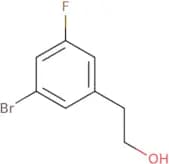
Formula:C6H16Cl2N2Purity:Min. 95%Molecular weight:187.11 g/mol2-(3-Bromo-5-fluorophenyl)ethanol
CAS:Versatile small molecule scaffold
Formula:C8H8BrFOPurity:Min. 95%Molecular weight:219.05 g/molRef: 3D-HLC47552
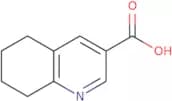
Discontinued product5,6,7,8-Tetrahydroquinoline-3-carboxylic acid
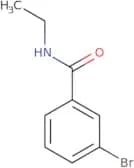
CAS:5,6,7,8-Tetrahydroquinoline-3-carboxylic acid is a quinoline derivative that has been shown to have bacteriostatic activity against Staphylococcus aureus. It binds to the hydroxyl groups of the bacterial cell membrane and inhibits the production of enzymes necessary for protein synthesis. The interaction between the 5,6,7,8-tetrahydroquinoline-3-carboxylic acid and the hydroxyl group is reversible. 5,6,7,8-Tetrahydroquinoline-3-carboxylic acid also has bacteriostatic activity against other bacteria such as Mycobacterium tuberculosis and Mycobacterium avium complex.Formula:C10H11NO2Purity:Min. 95%Molecular weight:177.2 g/mol3-Bromo-N-ethylbenzamide
CAS:Versatile small molecule scaffold
Formula:C9H10BrNOPurity:Min. 95%Molecular weight:228.09 g/molRef: 3D-BBA81910
Discontinued product3-Azabicyclo[3.2.1]octan-6-ol hydrochlorides
CAS:Versatile small molecule scaffoldFormula:C7H14ClNOPurity:Min. 95%Molecular weight:163.6 g/molRef: 3D-FSD25297
Discontinued product2-[Benzyl(methyl)ao]propanoic acid
CAS:2-[Benzyl(methyl)ao]propanoic acid is a glycine analogue that has been synthesized and characterized. It is an α-amino acid with the chemical formula C5H11NO2. The molecule has a chiral carbon atom at the center of the propanoic acid group and contains two asymmetric carbon atoms on the benzene ring, which enable it to exist in two stereoisomers. The compound has been shown to exhibit interligand interactions with copper as well as stereoselectivity in its interactions with l-amino acids. 2-[Benzyl(methyl)ao]propanoic acid also exhibits dichroism spectra, which are unique to these types of molecules.
Formula:C11H15NO2Purity:Min. 95%Molecular weight:193.24 g/molRef: 3D-BEA69294
Discontinued product1,5,5-Trimethylpyrrolidin-3-amine dihydrochloride
CAS:Versatile small molecule scaffoldFormula:C7H18Cl2N2Purity:Min. 95%Molecular weight:201.1 g/molRef: 3D-FSD25271
Discontinued product

![2-[(3-Nitrophenyl)formamido]acetic acid](/_next/image/?url=https%3A%2Fstatic.cymitquimica.com%2Fproducts%2F3D%2Fthumb-webp%2FAAA61710.webp&w=3840&q=75)
amine](/_next/image/?url=https%3A%2Fstatic.cymitquimica.com%2Fproducts%2F3D%2Fthumb-webp%2FAAC06291.webp&w=3840&q=75)


![4-Chloro-5H,6H,7H-pyrimido[4,5-b][1,4]oxazin-6-one](/_next/image/?url=https%3A%2Fstatic.cymitquimica.com%2Fproducts%2F3D%2Fthumb-webp%2FLYB52467.webp&w=3840&q=75)
![tert-Butyl N-[1-(4-aminophenyl)ethyl]carbamate](/_next/image/?url=https%3A%2Fstatic.cymitquimica.com%2Fproducts%2F3D%2Fthumb-webp%2FTAB08668.webp&w=3840&q=75)
![3-[(Furan-2-ylmethyl)sulfanyl]prop-2-enoic acid](/_next/image/?url=https%3A%2Fstatic.cymitquimica.com%2Fproducts%2F3D%2Fthumb-webp%2FJFC43383.webp&w=3840&q=75)
![2,4-dichloro-7H-pyrrolo[2,3-d]pyrimidine-5-carbaldehyde](/_next/image/?url=https%3A%2Fstatic.cymitquimica.com%2Fproducts%2F3D%2Fthumb-webp%2FNQC76757.webp&w=3840&q=75)

![6-(4-{[(9H-Fluoren-9-yl)methoxy]carbonyl}piperazin-1-yl)pyridazine-3-carboxylic acid](/_next/image/?url=https%3A%2Fstatic.cymitquimica.com%2Fproducts%2F3D%2Fthumb-webp%2FQID29084.webp&w=3840&q=75)
![3-Amino-4-methyl-N-[3-(trifluoromethyl)phenyl]benzene-1-sulfonamide](/_next/image/?url=https%3A%2Fstatic.cymitquimica.com%2Fproducts%2F3D%2Fthumb-webp%2FQXA20922.webp&w=3840&q=75)
![3-Benzyl-3-azabicyclo[3.1.1]heptane-6-carboxylic acid hydrochloride](/_next/image/?url=https%3A%2Fstatic.cymitquimica.com%2Fproducts%2F3D%2Fthumb-webp%2FQZB52581.webp&w=3840&q=75)
![tert-Butyl N-{4-ethynylbicyclo[2.2.2]octan-1-yl}carbamate](/_next/image/?url=https%3A%2Fstatic.cymitquimica.com%2Fproducts%2F3D%2Fthumb-webp%2FSGC55140.webp&w=3840&q=75)

![1-{[1-(Bromomethyl)cyclopropyl]methoxy}-3-(methoxymethyl)benzene](/_next/image/?url=https%3A%2Fstatic.cymitquimica.com%2Fproducts%2F3D%2Fthumb-webp%2FYGC03501.webp&w=3840&q=75)
![1-[(2-bromophenyl)methyl]-2,5-dihydro-1H-pyrrole-2,5-dione](/_next/image/?url=https%3A%2Fstatic.cymitquimica.com%2Fproducts%2F3D%2Fthumb-webp%2FQFA48093.webp&w=3840&q=75)
![tert-Butyl N-{4-[1-(4-bromophenoxy)ethyl]phenyl}carbamate](/_next/image/?url=https%3A%2Fstatic.cymitquimica.com%2Fproducts%2F3D%2Fthumb-webp%2FPZC05838.webp&w=3840&q=75)
![(R)-2-[(Phenylmethyl)amino]-1-propanol](/_next/image/?url=https%3A%2Fstatic.cymitquimica.com%2Fproducts%2F3D%2Fthumb-webp%2FZCA60949.webp&w=3840&q=75)


![1,9,10,11,12,12-Hexachloro-5-oxatetracyclo[7.2.1.0²,⁸.0⁴,⁶]dodec-10-ene-3,7-dione](/_next/image/?url=https%3A%2Fstatic.cymitquimica.com%2Fproducts%2F3D%2Fthumb-webp%2FNBA66780.webp&w=3840&q=75)
![N-[3-(Dimethylamino)propyl]-2-hydroxybenzamide](/_next/image/?url=https%3A%2Fstatic.cymitquimica.com%2Fproducts%2F3D%2Fthumb-webp%2FNBA39443.webp&w=3840&q=75)
![1,3-Diazaspiro[4.4]nonane-2,4-dione](/_next/image/?url=https%3A%2Fstatic.cymitquimica.com%2Fproducts%2F3D%2Fthumb-webp%2FAAA69951.webp&w=3840&q=75)

![8-Phenyl-1-oxa-3-azaspiro[4.5]dec-2-en-2-amine](/_next/image/?url=https%3A%2Fstatic.cymitquimica.com%2Fproducts%2F3D%2Fthumb-webp%2FIJC02845.webp&w=3840&q=75)

![(7S,8aS)-7-Fluoro-octahydropyrrolo[1,2-a]pyrazine dihydrochloride](/_next/image/?url=https%3A%2Fstatic.cymitquimica.com%2Fproducts%2F3D%2Fthumb-webp%2FHXC93968.webp&w=3840&q=75)



![3-Azabicyclo[3.2.1]octan-6-ol hydrochlorides](/_next/image/?url=https%3A%2Fstatic.cymitquimica.com%2Fproducts%2F3D%2Fthumb-webp%2FFSD25297.webp&w=3840&q=75)
![2-[Benzyl(methyl)ao]propanoic acid](/_next/image/?url=https%3A%2Fstatic.cymitquimica.com%2Fproducts%2F3D%2Fthumb-webp%2FBEA69294.webp&w=3840&q=75)