Building Blocks
This section contains fundamental products for the synthesis of organic and biological compounds. Building blocks are the essential starting materials used to construct complex molecules through various chemical reactions. They play a critical role in drug discovery, material science, and chemical research. At CymitQuimica, we offer a diverse range of high-quality building blocks to support your innovative research and industrial projects, ensuring you have the essential components for successful synthesis.
Subcategories of "Building Blocks"
- Boronic Acids & Boronic Acid Derivatives(5,778 products)
- Chiral Building Blocks(1,243 products)
- Hydrocarbon Building Blocks(6,097 products)
- Organic Building Blocks(61,052 products)
Found 201390 products of "Building Blocks"
Sort by
Purity (%)
0
100
|
0
|
50
|
90
|
95
|
100
7-Bromo-3,5-dimethyl-2,3-dihydro-1,3-benzoxazol-2-one
CAS:<p>Versatile small molecule scaffold</p>Formula:C9H8BrNO2Purity:Min. 95%Molecular weight:242.07 g/molRef: 3D-BZB06901
Discontinued product5-Bromo-2-methyl-1,3-benzoxazol-7-amine
CAS:<p>Versatile small molecule scaffold</p>Formula:C8H7BrN2OPurity:Min. 95%Molecular weight:227.06 g/molRef: 3D-BZB06750
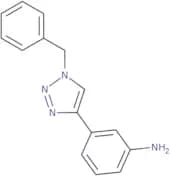
Discontinued product3-(1-Benzyl-1H-1,2,3-triazol-4-yl)aniline
CAS:<p>Versatile small molecule scaffold</p>Formula:C15H14N4Purity:Min. 95%Molecular weight:250.3 g/molRef: 3D-BWB92000
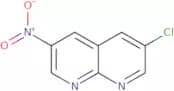
Discontinued product3-Chloro-6-nitro-1,8-naphthyridine
CAS:<p>Versatile small molecule scaffold</p>Formula:C8H4ClN3O2Purity:Min. 95%Molecular weight:209.59 g/molRef: 3D-BSB37261
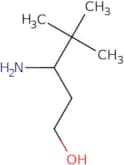
Discontinued product3-Amino-4,4-dimethylpentan-1-ol
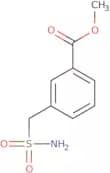
CAS:<p>Versatile small molecule scaffold</p>Formula:C7H17NOPurity:Min. 95%Molecular weight:131.22 g/molMethyl 3-(sulfamoylmethyl)benzoate
CAS:<p>Versatile small molecule scaffold</p>Formula:C9H11NO4SPurity:Min. 95%Molecular weight:229.26 g/molRef: 3D-BQB40412
Discontinued product1-(1-Benzothiophen-2-yl)-2-methoxyethan-1-one
CAS:<p>Versatile small molecule scaffold</p>Formula:C11H10O2SPurity:Min. 95%Molecular weight:206.3 g/molRef: 3D-BPC71122
Discontinued producttert-Butyl 4-methyl-4-(prop-2-en-1-yloxy)piperidine-1-carboxylate
CAS:<p>Versatile small molecule scaffold</p>Formula:C14H25NO3Purity:Min. 95%Molecular weight:255.4 g/molRef: 3D-BMC89648
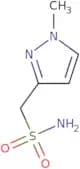
Discontinued product(1-Methyl-1H-pyrazol-3-yl)methanesulfonamide
CAS:<p>Versatile small molecule scaffold</p>Formula:C5H9N3O2SPurity:Min. 95%Molecular weight:175.21 g/molRef: 3D-BMC82830
Discontinued product[3-(3,3,3-Trifluoropropoxy)pyridin-4-yl]methanamine
CAS:<p>Versatile small molecule scaffold</p>Formula:C9H11F3N2OPurity:Min. 95%Molecular weight:220.19 g/molRef: 3D-BMC39428
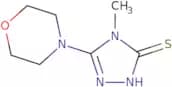
Discontinued product4-Methyl-5-(morpholin-4-yl)-4H-1,2,4-triazole-3-thiol
CAS:<p>Versatile small molecule scaffold</p>Formula:C7H12N4OSPurity:Min. 95%Molecular weight:200.26 g/mol6-Bromo-2-[2-(pyridin-3-yl)ethenyl]quinoline-4-carboxylic acid
CAS:<p>Versatile small molecule scaffold</p>Formula:C17H11BrN2O2Purity:Min. 95%Molecular weight:355.2 g/molRef: 3D-BMB26032
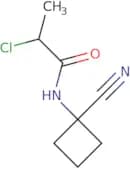
Discontinued product2-Chloro-N-(1-cyanocyclobutyl)propanamide
CAS:<p>Versatile small molecule scaffold</p>Formula:C8H11ClN2OPurity:Min. 95%Molecular weight:186.64 g/molRef: 3D-BMB21268
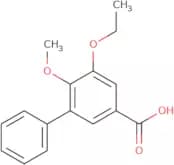
Discontinued product3-Ethoxy-4-methoxy-5-phenylbenzoic acid
CAS:<p>Versatile small molecule scaffold</p>Formula:C16H16O4Purity:Min. 95%Molecular weight:272.29 g/molRef: 3D-BMB20081
Discontinued productN'-Hydroxy-4-(morpholin-4-ylmethyl)benzene-1-carboximidamide
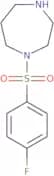
CAS:<p>Versatile small molecule scaffold</p>Formula:C12H17N3O2Purity:Min. 95%Molecular weight:235.28 g/mol1-(4-Fluorobenzenesulfonyl)-1,4-diazepane
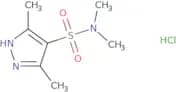
CAS:<p>Versatile small molecule scaffold</p>Formula:C11H15FN2O2SPurity:Min. 95%Molecular weight:258.31 g/molN,N,3,5-Tetramethyl-1H-pyrazole-4-sulfonamide hydrochloride
CAS:<p>Versatile small molecule scaffold</p>Formula:C7H14ClN3O2SPurity:Min. 95%Molecular weight:239.72 g/molRef: 3D-BKD15997
Discontinued product2-{3-Methyl-1H-pyrazolo[3,4-b]pyridin-1-yl}acetic acid hydrochloride
CAS:<p>Versatile small molecule scaffold</p>Formula:C9H10ClN3O2Purity:Min. 95%Molecular weight:227.65 g/mol1-Cyclopentyl-4-iodo-1H-pyrazole-3-carbaldehyde
CAS:<p>Versatile small molecule scaffold</p>Formula:C9H11IN2OPurity:Min. 95%Molecular weight:290.1 g/mol5-bromo-2-(methoxymethyl)pyrimidine
CAS:<p>Versatile small molecule scaffold</p>Formula:C6H7BrN2OPurity:Min. 95%Molecular weight:203.04 g/molRef: 3D-BJC79598
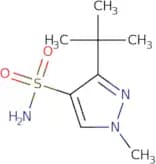
Discontinued product3-(tert-Butyl)-1-methyl-1H-pyrazole-4-sulfonamide
CAS:<p>Versatile small molecule scaffold</p>Formula:C8H15N3O2SPurity:Min. 95%Molecular weight:217.29 g/molRef: 3D-BJC11178
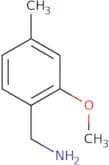
Discontinued product(2-Methoxy-4-methylphenyl)methanamine
CAS:<p>Versatile small molecule scaffold</p>Formula:C9H13NOPurity:Min. 95%Molecular weight:151.21 g/molRef: 3D-BJB67022
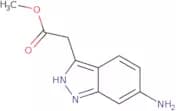
Discontinued productmethyl 6-amino-1H-indazole-3-carboxylate
CAS:<p>Versatile small molecule scaffold</p>Formula:C9H9N3O2Purity:Min. 95%Molecular weight:191.19 g/mol(1R,8S,9s)-Bicyclo[6.1.0]non-4-yn-9-ylmethyl succinimidyl carbonate
CAS:<p>(1R,8S,9s)-Bicyclo[6.1.0]non-4-yn-9-ylmethyl succinimidyl carbonate is a novel drug that is being researched for use as an anticancer agent. It is a nanocarrier that is able to encapsulate and deliver cancer drugs to the cells of the tumor. The cyclooctyne moiety has been shown to be an effective drug carrier for various drugs and it can be used in combination with other chemotherapeutic agents or radioisotopes. This compound has been shown to be effective against a number of cancer cell lines in vitro and in vivo, including breast, prostate, lung, colon, leukemia, and melanoma cells.</p>Formula:C15H17NO5Purity:Min. 95%Color and Shape:PowderMolecular weight:291.3 g/mol2,3-Dihydrobenzo[b][1,4]dioxin-6-amine hydrochloride
CAS:<p>Versatile small molecule scaffold</p>Formula:C8H10ClNO2Purity:Min. 95%Molecular weight:187.62 g/molRef: 3D-BHB31607
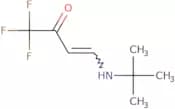
Discontinued product4-(tert-Butylamino)-1,1,1-trifluorobut-3-en-2-one
CAS:<p>Versatile small molecule scaffold</p>Formula:C8H12F3NOPurity:Min. 95%Molecular weight:195.18 g/molRef: 3D-BHA72250
Discontinued product(7S)-5-Oxo-5H,6H,7H,8H-imidazo[1,5-c]pyrimidine-7-carboxylic acid hydrochloride
CAS:<p>Versatile small molecule scaffold</p>Formula:C7H8ClN3O3Purity:Min. 95%Molecular weight:217.61 g/molRef: 3D-BGA11205
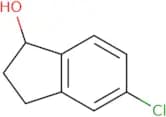
Discontinued product(1R)-5-Chloro-2,3-dihydro-1H-inden-1-ol
CAS:<p>Versatile small molecule scaffold</p>Formula:C9H9ClOPurity:Min. 95%Molecular weight:168.62 g/molRef: 3D-BEC63000
Discontinued product[5-(2-Fluorophenyl)-1,2-oxazol-3-yl]methanamine hydrochloride
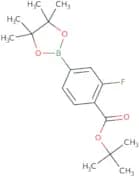
CAS:<p>Versatile small molecule scaffold</p>Formula:C10H10ClFN2OPurity:Min. 95%Molecular weight:228.65 g/moltert-Butyl 2-fluoro-4-(4,4,5,5-tetramethyl-1,3,2-dioxaborolan-2-yl)benzoate
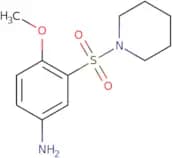
CAS:<p>Versatile small molecule scaffold</p>Formula:C17H24BFO4Purity:Min. 95%Molecular weight:322.2 g/mol4-Methoxy-3-(piperidine-1-sulfonyl)aniline
CAS:<p>Versatile small molecule scaffold</p>Formula:C12H18N2O3SPurity:Min. 95%Molecular weight:270.35 g/mol2-({5,6-Dimethylthieno[2,3-d]pyrimidin-4-yl}sulfanyl)benzoic acid
CAS:Controlled Product<p>2-({5,6-Dimethylthieno[2,3-d]pyrimidin-4-yl}sulfanyl)benzoic acid is a synthetic nonpeptide compound that belongs to the group of ligands. This inhibitor binds to nicotinic acetylcholine receptors and inhibits their activity. 2-({5,6-Dimethylthieno[2,3-d]pyrimidin-4-yl}sulfanyl)benzoic acid has been shown to be a potent activator of these receptors. This compound also inhibits voltage dependent potassium channels and calcium channels.</p>Formula:C15H12N2O2S2Purity:Min. 95%Molecular weight:316.4 g/molRef: 3D-BEB15117
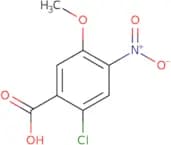
Discontinued product2-Chloro-5-methoxy-4-nitrobenzoic acid
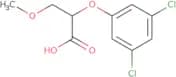
CAS:<p>Versatile small molecule scaffold</p>Formula:C8H6ClNO5Purity:Min. 95%Molecular weight:231.59 g/mol2-(3,5-Dichlorophenoxy)-3-methoxypropanoic acid
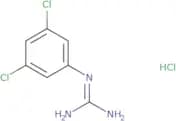
CAS:<p>Versatile small molecule scaffold</p>Formula:C10H10Cl2O4Purity:Min. 95%Molecular weight:265.09 g/molN-(3,5-Dichlorophenyl)guanidine hydrochloride
CAS:<p>Versatile small molecule scaffold</p>Formula:C7H8Cl3N3Purity:Min. 95%Molecular weight:240.5 g/molRef: 3D-BDA63515
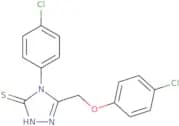
Discontinued product5-(4-Chlorophenoxymethyl)-4-(4-chlorophenyl)-4H-1,2,4-triazole-3-thiol
CAS:<p>Versatile small molecule scaffold</p>Formula:C15H11Cl2N3OSPurity:Min. 95%Molecular weight:352.2 g/molRef: 3D-BDA11124
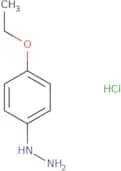
Discontinued product(4-Ethoxyphenyl)hydrazine hydrochloride
CAS:<p>Versatile small molecule scaffold</p>Formula:C8H13ClN2OPurity:Min. 95%Molecular weight:188.66 g/molN-[4-(Hydroxymethyl)-2-thiazolyl]acetamide
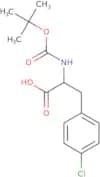
CAS:<p>Versatile small molecule scaffold</p>Formula:C6H8N2O2SPurity:Min. 95%Molecular weight:172.2 g/mol2-((tert-Butoxycarbonyl)amino)-3-(4-chlorophenyl)propanoic acid
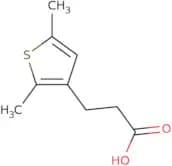
CAS:<p>Versatile small molecule scaffold</p>Formula:C14H18ClNO4Purity:Min. 95%Molecular weight:299.75 g/mol3-(2,5-Dimethylthiophen-3-yl)propanoic acid
CAS:<p>Versatile small molecule scaffold</p>Formula:C9H12O2SPurity:Min. 95%Molecular weight:184.26 g/molRef: 3D-BBA42138
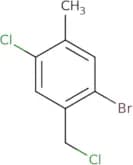
Discontinued product1-Bromo-4-chloro-2-(chloromethyl)-5-methylbenzene
CAS:<p>Versatile small molecule scaffold</p>Formula:C8H7BrCl2Purity:Min. 95%Molecular weight:253.95 g/molRef: 3D-BAD58556
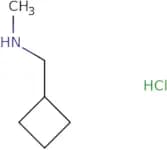
Discontinued product(Cyclobutylmethyl)methylamine hydrochloride
CAS:<p>Versatile small molecule scaffold</p>Formula:C6H14ClNPurity:Min. 95%Molecular weight:135.64 g/mol[(2-Chloropyridin-4-yl)methyl](2-methoxyethyl)methylamine
CAS:<p>Versatile small molecule scaffold</p>Formula:C10H15ClN2OPurity:Min. 95%Molecular weight:214.69 g/molRef: 3D-BAC35497
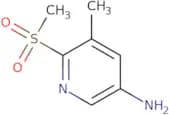
Discontinued product5-Methyl-6-(methylsulfonyl)pyridin-3-amine
CAS:<p>Versatile small molecule scaffold</p>Formula:C7H10N2O2SPurity:Min. 95%Molecular weight:186.23 g/mol1-(6-Ethylpyrimidin-4-yl)piperidin-3-amine
CAS:<p>Versatile small molecule scaffold</p>Formula:C11H18N4Purity:Min. 95%Molecular weight:206.29 g/molRef: 3D-BAC24001
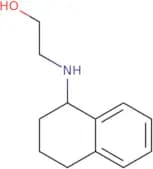
Discontinued product2-((1,2,3,4-Tetrahydronaphthalen-1-yl)amino)ethanol
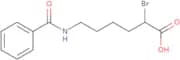
CAS:<p>Versatile small molecule scaffold</p>Formula:C12H17NOPurity:Min. 95%Molecular weight:191.27 g/mol2-Bromo-6-(phenylformamido)hexanoic acid
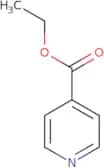
CAS:<p>Versatile small molecule scaffold</p>Formula:C13H16BrNO3Purity:Min. 95%Molecular weight:314.17 g/mol4-Pyridinecarboxylic Acid Ethyl Ester
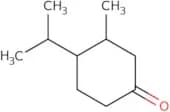
CAS:<p>4-Pyridinecarboxylic Acid Ethyl Ester is a compound that belongs to the group of pyridinecarboxylic acids. It is a metabolite of nicotinamide, which is converted to 4-pyridinecarboxylic acid ethyl ester by esterases in the intestine. Nicotinamide is an important component of the vitamin B3 and has been shown to be effective for treating autoimmune diseases such as rheumatoid arthritis. 4-Pyridinecarboxylic Acid Ethyl Ester may have similar effects on inflammatory bowel disease and alopecia areata. The reaction mechanism of this compound has not been elucidated, but it has been shown to inhibit amyloid protein production in rat intestines. Hydroxyl groups on the side chain likely play a role in hydrogen bonding interactions with receptors in inflammatory bowel disease and alopecia areata.</p>Formula:C8H9NO2Purity:Min. 95%Molecular weight:151.16 g/mol3-Methyl-4-(propan-2-yl)cyclohexan-1-one
CAS:<p>Versatile small molecule scaffold</p>Formula:C10H18OPurity:Min. 95%Molecular weight:154.25 g/molRef: 3D-BAA53819
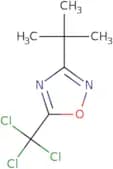
Discontinued product3-tert-Butyl-5-(trichloromethyl)-1,2,4-oxadiazole
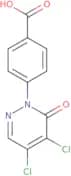
CAS:<p>Versatile small molecule scaffold</p>Formula:C7H9Cl3N2OPurity:Min. 95%Molecular weight:243.5 g/mol4-(4,5-Dichloro-6-oxo-1,6-dihydropyridazin-1-yl)benzoic acid
CAS:<p>Versatile small molecule scaffold</p>Formula:C11H6Cl2N2O3Purity:Min. 95%Molecular weight:285.08 g/mol2-{[3-(Dimethylamino)propyl]sulfanyl}aniline
CAS:<p>Versatile small molecule scaffold</p>Formula:C11H18N2SPurity:Min. 95%Molecular weight:210.34 g/molRef: 3D-BAA13477
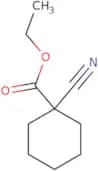
Discontinued product1-Cyano-cyclohexanecarboxylic acid ethyl ester
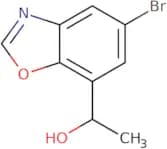
CAS:<p>1-Cyano-cyclohexanecarboxylic acid ethyl ester is a synthetic intermediate in the preparation of benzene. It is used as a reagent for the synthesis of methylcyclohexane and other cyclohexanones. The compound can be prepared by reacting chlorinated aliphatic hydrocarbons with carbon dioxide, followed by acidification and decarbonylation. 1-Cyano-cyclohexanecarboxylic acid ethyl ester can be purified by distillation or recrystallization from acetonitrile, chloroform, or benzene.</p>Formula:C10H15NO2Purity:Min. 95%Molecular weight:181.23 g/mol1-(5-Bromo-1,3-benzoxazol-7-yl)ethan-1-ol
CAS:<p>Versatile small molecule scaffold</p>Formula:C9H8BrNO2Purity:Min. 95%Molecular weight:242.07 g/molRef: 3D-AZB87957
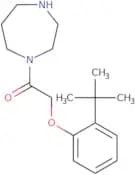
Discontinued product2-(2-tert-Butylphenoxy)-1-(1,4-diazepan-1-yl)ethan-1-one
CAS:<p>Versatile small molecule scaffold</p>Formula:C17H26N2O2Purity:Min. 95%Molecular weight:290.4 g/molRef: 3D-AZB72710
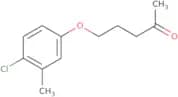
Discontinued product5-(4-Chloro-3-methylphenoxy)pentan-2-one
CAS:<p>Versatile small molecule scaffold</p>Formula:C12H15ClO2Purity:Min. 95%Molecular weight:226.7 g/molRef: 3D-AZB53774
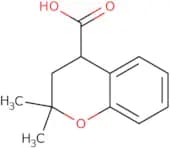
Discontinued product2,2-Dimethyl-3,4-dihydro-2H-1-benzopyran-4-carboxylic acid
CAS:<p>Versatile small molecule scaffold</p>Formula:C12H14O3Purity:Min. 95%Molecular weight:206.24 g/molRef: 3D-AZB50310
Discontinued producttert-Butyl N-[1-(1-imino-1-oxo-1λ⁶-thian-4-yl)cyclopropyl]carbamate
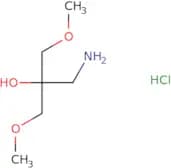
CAS:<p>Versatile small molecule scaffold</p>Formula:C13H24N2O3SPurity:Min. 95%Molecular weight:288.4 g/mol1-Amino-3-methoxy-2-(methoxymethyl)propan-2-ol hydrochloride
CAS:<p>Versatile small molecule scaffold</p>Formula:C6H16ClNO3Purity:Min. 95%Molecular weight:185.6 g/molRef: 3D-AVD27431
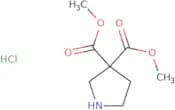
Discontinued product3,3-Dimethyl pyrrolidine-3,3-dicarboxylate hydrochloride
CAS:<p>Versatile small molecule scaffold</p>Formula:C8H14ClNO4Purity:Min. 95%Molecular weight:223.7 g/molRef: 3D-AVD27420
Discontinued producttert-Butyl N-[1-(thietan-3-yl)azetidin-3-yl]carbamate
CAS:<p>Versatile small molecule scaffold</p>Formula:C11H20N2O2SPurity:Min. 95%Molecular weight:244.4 g/molRef: 3D-AVD27394
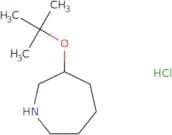
Discontinued product3-(tert-Butoxy)azepane hydrochloride
CAS:<p>Versatile small molecule scaffold</p>Formula:C10H22ClNOPurity:Min. 95%Molecular weight:207.7 g/molRef: 3D-AVD27322
Discontinued product(Pyridazin-3-yl)methanamine dihydrochloride
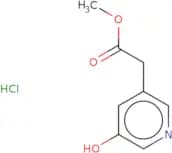
CAS:<p>Versatile small molecule scaffold</p>Formula:C5H9Cl2N3Purity:Min. 95%Molecular weight:182.05 g/molMethyl 2-(5-hydroxypyridin-3-yl)acetate hydrochloride
CAS:<p>Versatile small molecule scaffold</p>Formula:C8H10ClNO3Purity:Min. 95%Molecular weight:203.6 g/molRef: 3D-AVD26894
Discontinued producttert-Butyl (2S,3R)-2-amino-3-methoxybutanoate hydrochloride
CAS:<p>Versatile small molecule scaffold</p>Formula:C9H20ClNO3Purity:Min. 95%Molecular weight:225.7 g/molRef: 3D-AVD24955
Discontinued productrac-Methyl 2-[(3R,4R)-4-(2-methoxy-2-oxoethyl)pyrrolidin-3-yl]acetate hydrochloride
CAS:<p>Versatile small molecule scaffold</p>Formula:C10H18ClNO4Purity:Min. 95%Molecular weight:251.7 g/molRef: 3D-AVD24807
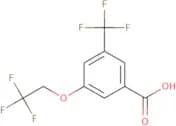
Discontinued product3-(2,2,2-Trifluoroethoxy)-5-(trifluoromethyl)benzoic acid
CAS:<p>Versatile small molecule scaffold</p>Formula:C10H6F6O3Purity:Min. 95%Molecular weight:288.14 g/molRef: 3D-AVD00865
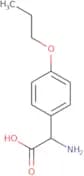
Discontinued product2-Amino-2-(4-propoxyphenyl)acetic acid
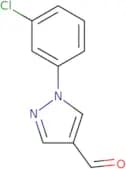
CAS:<p>Versatile small molecule scaffold</p>Formula:C11H15NO3Purity:Min. 95%Molecular weight:209.24 g/mol1-(3-Chlorophenyl)-1H-pyrazole-4-carbaldehyde
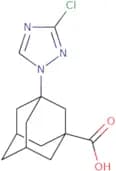
CAS:<p>1-(3-Chlorophenyl)-1H-pyrazole-4-carbaldehyde is a pesticide that acts as a selective insecticide. It is effective against the larval stage of insects, such as the cabbage moth, Plutella xylostella. This compound has been shown to have biological activity against mites and insects with hydrazine hydrochloride and cinnabarinus. 1-(3-Chlorophenyl)-1H-pyrazole-4-carbaldehyde has also been shown to be able to cyclize with hydrazine to form an insecticidal compound.</p>Formula:C10H7ClN2OPurity:Min. 95%Molecular weight:206.63 g/mol3-(3-Chloro-1H-1,2,4-triazol-1-yl)adamantane-1-carboxylic acid
CAS:Versatile small molecule scaffoldFormula:C13H16ClN3O2Purity:Min. 95%Molecular weight:281.74 g/molRef: 3D-ARA86955
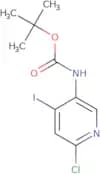
Discontinued product(6-Chloro-4-iodopyridin-3-yl)carbamic acid tert-butyl ester
CAS:<p>Versatile small molecule scaffold</p>Formula:C10H12ClIN2O2Purity:Min. 95%Molecular weight:354.57 g/mol4-Bromo-1-[(4-chlorophenyl)methyl]-1H-pyrazol-3-amine
CAS:<p>Versatile small molecule scaffold</p>Formula:C10H9BrClN3Purity:Min. 95%Molecular weight:286.55 g/moltert-Butyl 5-nitroisoindoline-2-carboxylate
CAS:<p>tert-Butyl 5-nitroisoindoline-2-carboxylate is a platelet inhibitor that belongs to the group of antagonists. It has been shown to inhibit human platelets and inhibit the aggregation of fibrinogen. Tert-butyl 5-nitroisoindoline-2-carboxylate has also been shown to have high potency in animal models, but it is not yet known whether it will be effective in humans. The drug has been shown to be a potent antagonist at the platelet P2Y12 receptor, which mediates platelet aggregation and activation, as well as inhibiting ADP-, collagen-, thrombin-, and epinephrine-induced aggregation. Tert-butyl 5-nitroisoindoline-2-carboxylate may also act as a surrogate for agonists or mimetics of the P2Y12 receptor.</p>Formula:C13H16N2O4Purity:Min. 95%Molecular weight:264.28 g/molRef: 3D-ARA72763
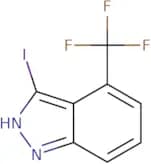
Discontinued product3-Iodo-4-(trifluoromethyl)-1H-indazole
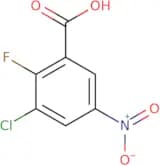
CAS:<p>Versatile small molecule scaffold</p>Formula:C8H4F3IN2Purity:Min. 95%Molecular weight:312.03 g/mol3-Chloro-2-fluoro-5-nitrobenzoic acid
CAS:<p>Versatile small molecule scaffold</p>Formula:C7H3ClFNO4Purity:Min. 95%Molecular weight:219.55 g/mol2-Aminopent-4-ynamide hydrochloride
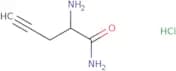
CAS:<p>Versatile small molecule scaffold</p>Formula:C5H9ClN2OPurity:Min. 95%Molecular weight:148.59 g/molRef: 3D-AQA85933
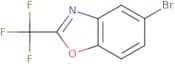
Discontinued product5-Bromo-2-(trifluoromethyl)-1,3-benzoxazole
CAS:<p>Versatile small molecule scaffold</p>Formula:C8H3BrF3NOPurity:Min. 95%Molecular weight:266.01 g/molRef: 3D-AQA36908
Discontinued product1-[3-(Dimethylamino)propyl]-1-(4-fluorophenyl)-1,3-dihydro-3-oxo-5-isobenzofurancarbonitrile
CAS:<p>Please enquire for more information about 1-[3-(Dimethylamino)propyl]-1-(4-fluorophenyl)-1,3-dihydro-3-oxo-5-isobenzofurancarbonitrile including the price, delivery time and more detailed product information at the technical inquiry form on this page</p>Formula:C20H19FN2O2Purity:Min. 95%Molecular weight:338.38 g/molRef: 3D-FD184085
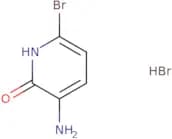
Discontinued product3-amino-6-bromopyridin-2-ol hydrobromide
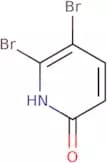
CAS:<p>Versatile small molecule scaffold</p>Formula:C5H6Br2N2OPurity:Min. 95%Molecular weight:269.9 g/mol5,6-Dibromopyridin-2-ol
CAS:<p>Versatile small molecule scaffold</p>Formula:C5H3Br2NOPurity:Min. 95%Molecular weight:252.89 g/moltert-Butyl 5-bromo-3,4-dihydro-2,7-naphthyridine-2(1H)-carboxylate
CAS:<p>Versatile small molecule scaffold</p>Formula:C13H17BrN2O2Purity:Min. 95%Molecular weight:313.19 g/mol3-Methylbenzo[b]thiophene-2-carboxylic acid
CAS:<p>3-Methylbenzo[b]thiophene-2-carboxylic acid (MBTCA) is a heterocyclic compound that is an intermediate in the synthesis of 3-methylthiophene-2-carboxylic acid, a precursor to other drugs. MBTCA is an aerobic, nonpolar compound that has shown antimicrobial activity against some bacteria and fungi. It also has been shown to have practicality as a biomolecular probe for methyl groups in organic solvents. MBTCA can be synthesized by nitration of benzene in the presence of sulfur and sulfoxides. This reaction produces nitrobenzene, which can then be oxidized by potassium permanganate or hydrogen peroxide to produce MBTCA. The most common isomer of MBTCA is 2-(3,5-dimethoxybenzylidene)tetrahydrofuran, with three methyl groups on the</p>Formula:C10H8O2SPurity:Min. 95%Molecular weight:192.23 g/mol3-(Methoxycarbonyl)pyridine-4-carboxylic acid
CAS:<p>Versatile small molecule scaffold</p>Formula:C8H7NO4Purity:Min. 95%Molecular weight:181.15 g/mol2-Acetylbenzoic acid
CAS:<p>2-Acetylbenzoic acid is a functional molecule that contains an acetyl group. It can form hydrogen bonds with other molecules and has been shown to induce apoptosis in cells. The reaction products of 2-acetylbenzoic acid are malonic acid, acetylsalicylic acid, and 2-benzoylbenzoic acid. These three compounds are made by the addition of hydrogen or hydroxide to the molecule 2-acetylbenzoic acid. The molecule has two functional groups: a carbonyl group and an acetyl group. The chemical structure of this molecule can be seen in the figure below.<br>2-Acetylbenzoic Acid</p>Formula:C9H8O3Purity:Min. 95%Color and Shape:PowderMolecular weight:164.16 g/molRef: 3D-FA05086
Discontinued product2-Bromo-3,3,3-trifluoro-1-propene
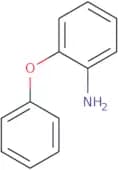
CAS:Controlled Product<p>2-Bromo-3,3,3-trifluoro-1-propene is a chemical compound that has been synthesized in an asymmetric reaction. The reactant is bromopropane and the product is 2,2,2-trifluoropropene. The methylene group on the propene molecule is activated by the nucleophilic attack of a fluoride ion from hydrogen fluoride to form a cavity with a highly strained bond. The kinetic study of this reaction revealed that the activation energy for the reaction is 42 kJ/mol. Palladium-catalyzed coupling reactions are catalyzed by palladium and require nonpolar solvents such as toluene or dichloromethane. This type of reaction has been shown to be exothermic with an isolated yield of 1%.</p>Formula:C3H2BrF3Purity:Min. 95%Color and Shape:Colorless PowderMolecular weight:174.95 g/mol2-Phenoxyaniline
CAS:<p>2-Phenoxyaniline is a nitro compound that can be converted to the corresponding palladium complexes. It is an inhibitor of the acylation reaction, which is a type of chemical reaction in which an organic molecule reacts with an acid. The inhibition of this reaction has been shown to have an effect on heart disease, specifically by lowering cholesterol levels and reducing atherosclerosis. 2-Phenoxyaniline has also been shown to inhibit the activation energy for electron transfer reactions, making it useful as a catalyst in analytical methods. 2-Phenoxyaniline also undergoes vibrational spectroscopy when exposed to liquid chromatography and other analytical methods.</p>Formula:C12H11NOPurity:Min. 95%Color and Shape:Brown PowderMolecular weight:185.22 g/mol4-(Methylamino)benzene-1-sulfonamide
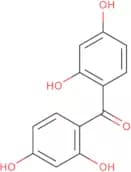
CAS:<p>Versatile small molecule scaffold</p>Formula:C7H10N2O2SPurity:Min. 95%Molecular weight:186.23 g/mol2,2',4,4'-tetrahydroxybenzophenone
CAS:<p>2,2',4,4'-tetrahydroxybenzophenone is a hydroxylated benzophenone that has immunomodulatory effects. It binds to the receptor in the immune system and can cause an increase in cytokine production. 2,2',4,4'-tetrahydroxybenzophenone is cytotoxic and has significant toxicity in vitro. The molecule has been shown to disrupt mitochondrial membrane potential. This may be due to its ability to form hydrogen bonds with molecules on the mitochondrial membrane. 2,2',4,4'-tetrahydroxybenzophenone also modulates transcriptional regulation of genes involved in cell proliferation and apoptosis. The drug is detectable at low levels by mass spectrometry and is not known to have any toxicological effects.END>></p>Formula:C13H10O5Purity:Min. 95%Color and Shape:Green PowderMolecular weight:246.22 g/molRef: 3D-FT55663
Discontinued productH-Ser-Ala-Glu-Glu-Tyr-Glu-Tyr-Pro-Ser OH trifluoroacetate
CAS:<p>Please enquire for more information about H-Ser-Ala-Glu-Glu-Tyr-Glu-Tyr-Pro-Ser OH trifluoroacetate including the price, delivery time and more detailed product information at the technical inquiry form on this page</p>Formula:C47H63N9O20•(C2HF3O2)xPurity:Min. 95%Ref: 3D-FS183525
Discontinued productGivinostat hydrochloride
CAS:<p>Givinostat hydrochloride is a research chemical that has shown potential in various fields. It is a molybdenum-based compound that has been studied for its effects on dopamine release and hydrogen evolution. Givinostat hydrochloride has also been investigated as an osteoclast inhibitor, which may be beneficial in the treatment of bone-related disorders such as osteoporosis. Additionally, it has shown promise as a retinoid and calpain inhibitor, suggesting its potential use in dermatological conditions and neurodegenerative diseases. The compound contains fluorine atoms, making it suitable for imaging studies using fluorine MRI techniques. Givinostat hydrochloride has been tested on MDA-MB-231 cells and has shown inhibitory effects on their growth, indicating its potential as an anticancer agent.</p>Formula:C24H27N3O4·HClPurity:Min. 95%Molecular weight:457.95 g/mol


![[3-(3,3,3-Trifluoropropoxy)pyridin-4-yl]methanamine](/_next/image/?url=https%3A%2Fstatic.cymitquimica.com%2Fproducts%2F3D%2Fthumb-webp%2FBMC39428.webp&w=3840&q=75)
![6-Bromo-2-[2-(pyridin-3-yl)ethenyl]quinoline-4-carboxylic acid](/_next/image/?url=https%3A%2Fstatic.cymitquimica.com%2Fproducts%2F3D%2Fthumb-webp%2FBMB26032.webp&w=3840&q=75)

![2-{3-Methyl-1H-pyrazolo[3,4-b]pyridin-1-yl}acetic acid hydrochloride](/_next/image/?url=https%3A%2Fstatic.cymitquimica.com%2Fproducts%2F3D%2Fthumb-webp%2FBKD15993.webp&w=3840&q=75)


![(1R,8S,9s)-Bicyclo[6.1.0]non-4-yn-9-ylmethyl succinimidyl carbonate](/_next/image/?url=https%3A%2Fstatic.cymitquimica.com%2Fproducts%2F3D%2Fthumb-webp%2FBHC82779.webp&w=3840&q=75)
![2,3-Dihydrobenzo[b][1,4]dioxin-6-amine hydrochloride](/_next/image/?url=https%3A%2Fstatic.cymitquimica.com%2Fproducts%2F3D%2Fthumb-webp%2FBHB31607.webp&w=3840&q=75)
![(7S)-5-Oxo-5H,6H,7H,8H-imidazo[1,5-c]pyrimidine-7-carboxylic acid hydrochloride](/_next/image/?url=https%3A%2Fstatic.cymitquimica.com%2Fproducts%2F3D%2Fthumb-webp%2FBGA11205.webp&w=3840&q=75)
![[5-(2-Fluorophenyl)-1,2-oxazol-3-yl]methanamine hydrochloride](/_next/image/?url=https%3A%2Fstatic.cymitquimica.com%2Fproducts%2F3D%2Fthumb-webp%2FBEC59563.webp&w=3840&q=75)
![2-({5,6-Dimethylthieno[2,3-d]pyrimidin-4-yl}sulfanyl)benzoic acid](/_next/image/?url=https%3A%2Fstatic.cymitquimica.com%2Fproducts%2F3D%2Fthumb-webp%2FBEB15117.webp&w=3840&q=75)
![N-[4-(Hydroxymethyl)-2-thiazolyl]acetamide](/_next/image/?url=https%3A%2Fstatic.cymitquimica.com%2Fproducts%2F3D%2Fthumb-webp%2FBCA30738.webp&w=3840&q=75)
methylamine](/_next/image/?url=https%3A%2Fstatic.cymitquimica.com%2Fproducts%2F3D%2Fthumb-webp%2FBAC35497.webp&w=3840&q=75)

![2-{[3-(Dimethylamino)propyl]sulfanyl}aniline](/_next/image/?url=https%3A%2Fstatic.cymitquimica.com%2Fproducts%2F3D%2Fthumb-webp%2FBAA13477.webp&w=3840&q=75)
![tert-Butyl N-[1-(1-imino-1-oxo-1λ⁶-thian-4-yl)cyclopropyl]carbamate](/_next/image/?url=https%3A%2Fstatic.cymitquimica.com%2Fproducts%2F3D%2Fthumb-webp%2FAVD27462.webp&w=3840&q=75)
![tert-Butyl N-[1-(thietan-3-yl)azetidin-3-yl]carbamate](/_next/image/?url=https%3A%2Fstatic.cymitquimica.com%2Fproducts%2F3D%2Fthumb-webp%2FAVD27394.webp&w=3840&q=75)


![rac-Methyl 2-[(3R,4R)-4-(2-methoxy-2-oxoethyl)pyrrolidin-3-yl]acetate hydrochloride](/_next/image/?url=https%3A%2Fstatic.cymitquimica.com%2Fproducts%2F3D%2Fthumb-webp%2FAVD24807.webp&w=3840&q=75)
![4-Bromo-1-[(4-chlorophenyl)methyl]-1H-pyrazol-3-amine](/_next/image/?url=https%3A%2Fstatic.cymitquimica.com%2Fproducts%2F3D%2Fthumb-webp%2FARA75316.webp&w=3840&q=75)

![1-[3-(Dimethylamino)propyl]-1-(4-fluorophenyl)-1,3-dihydro-3-oxo-5-isobenzofurancarbonitrile](/_next/image/?url=https%3A%2Fstatic.cymitquimica.com%2Fproducts%2F3D%2Fthumb-webp%2FFD184085.webp&w=3840&q=75)

![3-Methylbenzo[b]thiophene-2-carboxylic acid](/_next/image/?url=https%3A%2Fstatic.cymitquimica.com%2Fproducts%2F3D%2Fthumb-webp%2FDAA13378.webp&w=3840&q=75)