Building Blocks
This section contains fundamental products for the synthesis of organic and biological compounds. Building blocks are the essential starting materials used to construct complex molecules through various chemical reactions. They play a critical role in drug discovery, material science, and chemical research. At CymitQuimica, we offer a diverse range of high-quality building blocks to support your innovative research and industrial projects, ensuring you have the essential components for successful synthesis.
Subcategories of "Building Blocks"
- Boronic Acids & Boronic Acid Derivatives(5,778 products)
- Chiral Building Blocks(1,242 products)
- Hydrocarbon Building Blocks(6,098 products)
- Organic Building Blocks(61,059 products)
Found 199580 products of "Building Blocks"
Sort by
Purity (%)
0
100
|
0
|
50
|
90
|
95
|
100
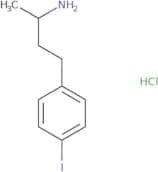
4-(4-Iodophenyl)butan-2-amine hydrochloride
CAS:<p>Versatile small molecule scaffold</p>Formula:C10H15ClINPurity:Min. 95%Molecular weight:311.59 g/molRef: 3D-YWC75075
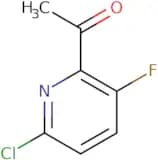
Discontinued product1-(6-Chloro-3-fluoropyridin-2-yl)ethan-1-one
CAS:<p>Versatile small molecule scaffold</p>Formula:C7H5ClFNOPurity:Min. 95%Molecular weight:173.57 g/mol3-Chloro-2,4-dimethoxybenzoic acid
CAS:<p>Versatile small molecule scaffold</p>Formula:C9H9ClO4Purity:Min. 95%Molecular weight:216.62 g/molRef: 3D-PLB93375
Discontinued product4-(Cyclopropylmethoxy)benzaldehyde
CAS:<p>4-(Cyclopropylmethoxy)benzaldehyde is a flavonoid that has been shown to be able to inhibit the activity of monoamine oxidase and monoamine oxidases. It also has a selectivity index of 38, which means it is more selective for inhibiting the enzyme MAO-A than MAO-B. 4-(Cyclopropylmethoxy)benzaldehyde is a dietary flavonoid that has been shown to have a variety of neurological benefits, including anti-inflammatory and anti-depressant effects.</p>Formula:C11H12O2Purity:Min. 95%Molecular weight:176.21 g/molRef: 3D-PGA52099
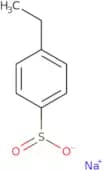
Discontinued productSodium 4-ethylbenzene-1-sulfinate
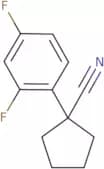
CAS:<p>Versatile small molecule scaffold</p>Formula:C8H9NaO2SPurity:Min. 95%Molecular weight:192.21 g/mol1-(2,4-Difluorophenyl)cyclopentane-1-carbonitrile
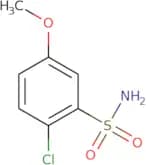
CAS:<p>Versatile small molecule scaffold</p>Formula:C12H11F2NPurity:Min. 95%Molecular weight:207.22 g/mol2-Chloro-5-methoxybenzene-1-sulfonamide
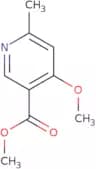
CAS:<p>2-Chloro-5-methoxybenzene-1-sulfonamide is a selective nematicide that has been shown to be effective against parasitic nematodes. It is a member of the class of compounds known as parasitic nematides. This compound is active against both larval and adult forms of these worms, but it does not affect other organisms or plants. 2-Chloro-5-methoxybenzene-1-sulfonamide is believed to act by binding to specific sites on the nematode's body and interfering with their biological properties.</p>Formula:C7H8ClNO3SPurity:Min. 95%Molecular weight:221.66 g/molMethyl 4-methoxy-6-methylpyridine-3-carboxylate
CAS:<p>Versatile small molecule scaffold</p>Formula:C9H11NO3Purity:Min. 95%Molecular weight:181.19 g/molRef: 3D-GAC78825
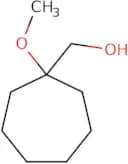
Discontinued product(1-Methoxycycloheptyl)methanol
CAS:<p>Versatile small molecule scaffold</p>Formula:C9H18O2Purity:Min. 95%Molecular weight:158.24 g/molRef: 3D-CAD91109
Discontinued product1-[6-(Pyridin-2-yl)pyridin-3-yl]ethan-1-one
CAS:<p>Versatile small molecule scaffold</p>Formula:C12H10N2OPurity:Min. 95%Molecular weight:198.22 g/molRef: 3D-NNA46340
Discontinued product5-Oxo-3-(propan-2-yl)pyrrolidine-3-carboxylic acid
CAS:<p>Versatile small molecule scaffold</p>Formula:C8H13NO3Purity:Min. 95%Molecular weight:171.19 g/molRef: 3D-NKC30254
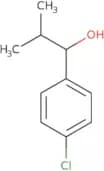
Discontinued product1-(4-Chlorophenyl)-2-methylpropan-1-ol
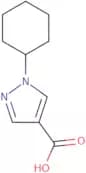
CAS:<p>Versatile small molecule scaffold</p>Formula:C10H13ClOPurity:Min. 95%Molecular weight:184.66 g/mol1-Cyclohexyl-1H-pyrazole-4-carboxylic acid
CAS:<p>Versatile small molecule scaffold</p>Formula:C10H14N2O2Purity:Min. 95%Molecular weight:194.23 g/mol3-Bromo-5-chloropyrazolo[1,5-a]pyridine
CAS:<p>Versatile small molecule scaffold</p>Formula:C7H4BrClN2Purity:Min. 95%Molecular weight:231.48 g/molRef: 3D-NKC10715
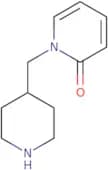
Discontinued product1-(Piperidin-4-ylmethyl)pyridin-2(1H)-one
CAS:<p>Versatile small molecule scaffold</p>Formula:C11H16N2OPurity:Min. 95%Molecular weight:192.26 g/molRef: 3D-NKB72952
Discontinued product1-[2-(Difluoromethyl)pyridin-4-yl]ethan-1-one
CAS:<p>Versatile small molecule scaffold</p>Formula:C8H7F2NOPurity:Min. 95%Molecular weight:171.14 g/molRef: 3D-GAC78849
Discontinued product4-[4-(Propan-2-yl)piperazin-1-yl]butanoic acid dihydrochloride
CAS:<p>Versatile small molecule scaffold</p>Formula:C11H24Cl2N2O2Purity:Min. 95%Molecular weight:287.22 g/molRef: 3D-JBD33718
Discontinued productN,N-Diethyl-4-[(methylamino)methyl]aniline
CAS:<p>Versatile small molecule scaffold</p>Formula:C12H20N2Purity:Min. 95%Molecular weight:192.3 g/molRef: 3D-NJB64617
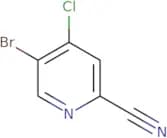
Discontinued product5-Bromo-4-chloropyridine-2-carbonitrile
CAS:<p>Versatile small molecule scaffold</p>Formula:C6H2BrClN2Purity:Min. 95%Molecular weight:217.45 g/molRef: 3D-GAC79041
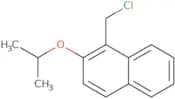
Discontinued product1-(Chloromethyl)-2-(propan-2-yloxy)naphthalene
CAS:<p>Versatile small molecule scaffold</p>Formula:C14H15ClOPurity:Min. 95%Molecular weight:234.72 g/molRef: 3D-BCA95828
Discontinued product2-[(Tetrahydro-2H-pyran-2-yl)oxy]-cyclopentanemethanol
CAS:<p>Versatile small molecule scaffold</p>Formula:C11H20O3Purity:Min. 95%Molecular weight:200.27 g/molRef: 3D-DCA22974
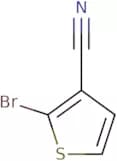
Discontinued product2-Bromothiophene-3-carbonitrile
CAS:<p>Versatile small molecule scaffold</p>Formula:C5H2BrNSPurity:Min. 95%Molecular weight:188.04 g/mol1-Amino-7,7-dimethylbicyclo[2.2.1]heptan-2-one hydrochloride
CAS:<p>Versatile small molecule scaffold</p>Formula:C9H16ClNOPurity:Min. 95%Molecular weight:189.7 g/molRef: 3D-JBA78312
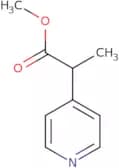
Discontinued productMethyl 2-(pyridin-4-yl)propanoate
CAS:<p>Versatile small molecule scaffold</p>Formula:C9H11NO2Purity:Min. 95%Molecular weight:165.19 g/molRef: 3D-GCA21503
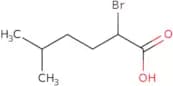
Discontinued product2-Bromo-5-methylhexanoic acid
CAS:<p>Versatile small molecule scaffold</p>Formula:C7H13BrO2Purity:Min. 95%Molecular weight:209.08 g/mol4-[(4-Methylpyridin-2-yl)oxy]benzoic acid
CAS:<p>Versatile small molecule scaffold</p>Formula:C13H11NO3Purity:Min. 95%Molecular weight:229.2 g/molRef: 3D-ICA83587
Discontinued product7-Methylthieno[3,2-d]pyrimidin-4-amine
CAS:<p>Versatile small molecule scaffold</p>Formula:C7H7N3SPurity:Min. 95%Molecular weight:165.22 g/molRef: 3D-BCC21243
Discontinued product2-(1-Methyl-2,3-dihydro-1H-indol-3-yl)acetic acid hydrochloride
CAS:<p>Versatile small molecule scaffold</p>Formula:C11H14ClNO2Purity:Min. 95%Molecular weight:227.7 g/molRef: 3D-ICA66501
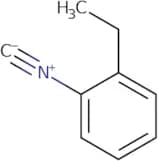
Discontinued product1-Ethyl-2-isocyano-benzene
CAS:<p>Versatile small molecule scaffold</p>Formula:C9H9NPurity:Min. 95%Molecular weight:131.17 g/mol2-[(tert-butoxy)carbonyl]-1H,2H,3H,4H-pyrrolo[1,2-a]pyrazine-6-carboxylic acid
CAS:<p>Versatile small molecule scaffold</p>Formula:C13H18N2O4Purity:Min. 95%Molecular weight:266.3 g/molRef: 3D-NEC38086
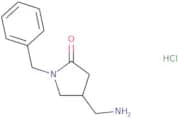
Discontinued product4-(Aminomethyl)-1-benzylpyrrolidin-2-one hydrochloride
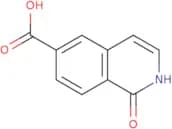
CAS:<p>Versatile small molecule scaffold</p>Formula:C12H17ClN2OPurity:Min. 95%Molecular weight:240.73 g/mol1-Hydroxyisoquinoline-6-carboxylic acid
CAS:<p>Versatile small molecule scaffold</p>Formula:C10H7NO3Purity:Min. 95%Molecular weight:189.17 g/molRef: 3D-BCC21460
Discontinued product1-[(tert-Butoxy)carbonyl]-3-isocyanopyrrolidine
CAS:<p>Versatile small molecule scaffold</p>Formula:C10H16N2O2Purity:Min. 95%Molecular weight:196.2 g/molRef: 3D-BCC74068
Discontinued product4-{[1,2,4]Triazolo[4,3-a]pyridin-3-yl}piperidine
CAS:<p>Versatile small molecule scaffold</p>Formula:C11H14N4Purity:Min. 95%Molecular weight:202.26 g/molRef: 3D-CJB62778
Discontinued product3-(Chloromethyl)-1h,4h,5h,6h-cyclopenta[c]pyrazole hydrochloride
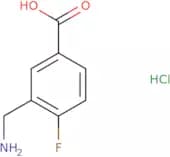
CAS:<p>Versatile small molecule scaffold</p>Formula:C7H9N2Cl·HClPurity:Min. 95%Molecular weight:193.07 g/mol3-(Aminomethyl)-4-fluorobenzoic acid hydrochloride
CAS:<p>Versatile small molecule scaffold</p>Formula:C8H9ClFNO2Purity:Min. 95%Molecular weight:205.61 g/mol5-(Propan-2-yl)-1-(pyridin-4-yl)-1H-pyrazole-3-carboxylic acid
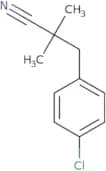
CAS:<p>Versatile small molecule scaffold</p>Formula:C12H13N3O2Purity:Min. 95%Molecular weight:231.25 g/mol3-(4-Chlorophenyl)-2,2-dimethylpropanenitrile
CAS:<p>Versatile small molecule scaffold</p>Formula:C11H12ClNPurity:Min. 95%Molecular weight:193.67 g/molRef: 3D-CAC67259
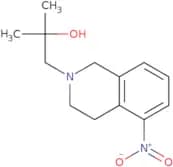
Discontinued product2-Methyl-1-(5-nitro-1,2,3,4-tetrahydroisoquinolin-2-yl)propan-2-ol
CAS:<p>Versatile small molecule scaffold</p>Formula:C13H18N2O3Purity:Min. 95%Molecular weight:250.29 g/molRef: 3D-LIC70742
Discontinued productMethyl 4-amino-4H,5H,6H,7H-pyrazolo[1,5-a]pyridine-2-carboxylate hydrochloride
CAS:<p>Versatile small molecule scaffold</p>Formula:C9H14ClN3O2Purity:Min. 95%Molecular weight:231.68 g/molRef: 3D-JGD36754
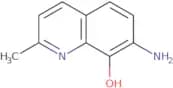
Discontinued product7-Amino-2-methylquinolin-8-ol
CAS:<p>Versatile small molecule scaffold</p>Formula:C10H10N2OPurity:Min. 95%Molecular weight:174.2 g/molRef: 3D-NEB52355
Discontinued product[(2,4-Difluorophenyl)methyl](propyl)amine
CAS:<p>Versatile small molecule scaffold</p>Formula:C10H13F2NPurity:Min. 95%Molecular weight:185.21 g/mol3-(2-Bromo-4-methylbenzoyl)-4H,5H,6H-cyclopenta[b]thiophen-2-amine
CAS:<p>Versatile small molecule scaffold</p>Formula:C15H14BrNOSPurity:Min. 95%Molecular weight:336.2 g/molRef: 3D-YWC74274
Discontinued product4-(4H-1,2,4-Triazol-4-yl)aniline dihydrochloride
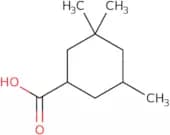
CAS:<p>Versatile small molecule scaffold</p>Formula:C8H10Cl2N4Purity:Min. 95%Molecular weight:233.09 g/molrac-(1R,5S)-3,3,5-Trimethylcyclohexane-1-carboxylic acid
CAS:<p>Versatile small molecule scaffold</p>Formula:C10H18O2Purity:Min. 95%Molecular weight:170.25 g/molRef: 3D-GCA93345
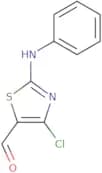
Discontinued product4-Chloro-2-(phenylamino)-1,3-thiazole-5-carbaldehyde
CAS:<p>Versatile small molecule scaffold</p>Formula:C10H7ClN2OSPurity:Min. 95%Molecular weight:238.69 g/molRef: 3D-BFA19327
Discontinued product3-(3-Methyl-1,2,4-oxadiazol-5-yl)cyclopentan-1-one
CAS:<p>Versatile small molecule scaffold</p>Formula:C8H10N2O2Purity:Min. 95%Molecular weight:166.2 g/molRef: 3D-YLD99661
Discontinued product3-(1,2,3,6-Tetrahydropyridin-4-yl)quinoline dihydrochloride
CAS:<p>Versatile small molecule scaffold</p>Formula:C14H16Cl2N2Purity:Min. 95%Molecular weight:283.2 g/molRef: 3D-YGC53031
Discontinued product4-(tert-Butyl)picolinic acid hydrochloride
CAS:<p>Versatile small molecule scaffold</p>Formula:C10H14ClNO2Purity:Min. 95%Molecular weight:215.68 g/molRef: 3D-YEA81175
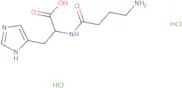
Discontinued product(2S)-2-(4-Aminobutanamido)-3-(1H-imidazol-4-yl)propanoic acid dihydrochloride
CAS:<p>Versatile small molecule scaffold</p>Formula:C10H18Cl2N4O3Purity:Min. 95%Molecular weight:313.18 g/molRef: 3D-HXC88526
Discontinued product5-Hydrazinyl-2-methyl-1H-1,3-benzodiazole dihydrochloride
CAS:<p>Versatile small molecule scaffold</p>Formula:C8H12Cl2N4Purity:Min. 95%Molecular weight:235.11 g/molRef: 3D-YCA85755
Discontinued product3-Methyl-4-[5-(propan-2-yl)-1H-1,2,3,4-tetrazol-1-yl]aniline hydrochloride
CAS:<p>Versatile small molecule scaffold</p>Formula:C11H16ClN5Purity:Min. 95%Molecular weight:253.73 g/molRef: 3D-LIC70757
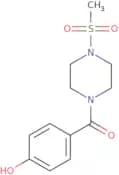
Discontinued product4-(4-Methanesulfonylpiperazine-1-carbonyl)phenol
CAS:<p>Versatile small molecule scaffold</p>Formula:C12H16N2O4SPurity:Min. 95%Molecular weight:284.33 g/molRef: 3D-XAC91535
Discontinued product3-Chloro-N-methyl-2-nitroaniline
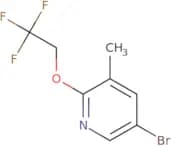
CAS:<p>3-Chloro-N-methyl-2-nitroaniline is an antibiotic that belongs to the group of quinolone antibiotics. It has a broad spectrum against Gram-positive and Gram-negative bacteria, including methicillin resistant Staphylococcus aureus (MRSA) and Pseudomonas aeruginosa. 3-Chloro-N-methyl-2-nitroaniline binds to bacterial DNA gyrase and topoisomerase IV, as well as human DNA gyrase and topoisomerase II, inhibiting their activity. This leads to cell death by interfering with the production of proteins vital for cell division. The optimal parameters for this drug have been found using isothermal titration calorimetry on the enzyme gyrase in the presence of different concentrations of 3CMA. Pharmacological targets for this drug include DNA gyrase and topoisomerase IV.</p>Formula:C7H7ClN2O2Purity:Min. 95%Molecular weight:186.59 g/mol5-Bromo-3-methyl-2-(2,2,2-trifluoroethoxy)pyridine
CAS:<p>Versatile small molecule scaffold</p>Formula:C8H7BrF3NOPurity:Min. 95%Molecular weight:270.05 g/molRef: 3D-MXB93058
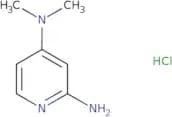
Discontinued product4-N,4-N-Dimethylpyridine-2,4-diamine hydrochloride
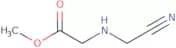
CAS:<p>Versatile small molecule scaffold</p>Formula:C7H12ClN3Purity:Min. 95%Molecular weight:173.64 g/molMethyl 2-((cyanomethyl)amino)acetate
CAS:<p>Versatile small molecule scaffold</p>Formula:C5H8N2O2Purity:Min. 95%Molecular weight:128.13 g/molRef: 3D-WQB07287
Discontinued product[(1-Ethyl-1H-1,3-benzodiazol-2-yl)methyl](methyl)amine
CAS:Controlled Product<p>Versatile small molecule scaffold</p>Formula:C11H15N3Purity:Min. 95%Molecular weight:189.26 g/molN2-Cyclobutylpyridine-2,5-diamine
CAS:<p>Versatile small molecule scaffold</p>Formula:C9H13N3Purity:Min. 95%Molecular weight:163.2 g/molRef: 3D-WKB16129
Discontinued productN-{[2-Chloro-3-(1,3-dioxolan-2-yl)-6-fluorophenyl]methylidene}hydroxylamine
CAS:<p>Versatile small molecule scaffold</p>Formula:C10H9ClFNO3Purity:Min. 95%Molecular weight:245.63 g/molRef: 3D-HXC88807
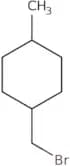
Discontinued product1-(Bromomethyl)-4-methylcyclohexane
CAS:<p>1-(Bromomethyl)-4-methylcyclohexane is a chemical compound that has two stereoisomers. The equilibrium between the two conformers is influenced by temperature and pressure, but no experimental data are available to determine the rate constant of this process. The conformation of the molecule is determined by both steric and electronic effects. There are two conformers of 1-(bromomethyl)-4-methylcyclohexane, which are both axial, but have different degrees of planarity. This compound can be used as a reagent in spectroscopy experiments because it has two distinct absorption bands in the infrared spectrum. One conformer has a radical character while the other does not.</p>Formula:C8H15BrPurity:Min. 95%Molecular weight:191.11 g/mol[(3-Methylphenyl)methyl](pyridin-2-ylmethyl)amine dihydrochloride
CAS:<p>Versatile small molecule scaffold</p>Formula:C14H18Cl2N2Purity:Min. 95%Molecular weight:285.2 g/molRef: 3D-CAC44199
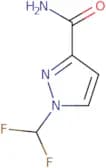
Discontinued product1-(Difluoromethyl)-1H-pyrazole-3-carboxamide
CAS:<p>Versatile small molecule scaffold</p>Formula:C5H5F2N3OPurity:Min. 95%Molecular weight:161.11 g/mol1-[3-(Trifluoromethyl)pyridin-4-yl]ethan-1-one
CAS:<p>Versatile small molecule scaffold</p>Formula:C8H6F3NOPurity:Min. 95%Molecular weight:189.13 g/molRef: 3D-VZB52262
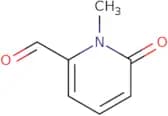
Discontinued product1-Methyl-6-oxo-1,6-dihydropyridine-2-carbaldehyde
CAS:<p>Versatile small molecule scaffold</p>Formula:C7H7NO2Purity:Min. 95%Molecular weight:137.14 g/molRef: 3D-NCA48686
Discontinued product3-amino-6-bromopyridin-2-ol hydrobromide
CAS:<p>Versatile small molecule scaffold</p>Formula:C5H6Br2N2OPurity:Min. 95%Molecular weight:269.9 g/mol2-Bromo-3,3,3-trifluoro-1-propene
CAS:Controlled Product<p>2-Bromo-3,3,3-trifluoro-1-propene is a chemical compound that has been synthesized in an asymmetric reaction. The reactant is bromopropane and the product is 2,2,2-trifluoropropene. The methylene group on the propene molecule is activated by the nucleophilic attack of a fluoride ion from hydrogen fluoride to form a cavity with a highly strained bond. The kinetic study of this reaction revealed that the activation energy for the reaction is 42 kJ/mol. Palladium-catalyzed coupling reactions are catalyzed by palladium and require nonpolar solvents such as toluene or dichloromethane. This type of reaction has been shown to be exothermic with an isolated yield of 1%.</p>Formula:C3H2BrF3Purity:Min. 95%Color and Shape:Colorless PowderMolecular weight:174.95 g/mol3-Methylbenzo[b]thiophene-2-carboxylic acid
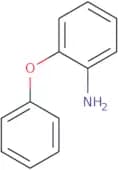
CAS:<p>3-Methylbenzo[b]thiophene-2-carboxylic acid (MBTCA) is a heterocyclic compound that is an intermediate in the synthesis of 3-methylthiophene-2-carboxylic acid, a precursor to other drugs. MBTCA is an aerobic, nonpolar compound that has shown antimicrobial activity against some bacteria and fungi. It also has been shown to have practicality as a biomolecular probe for methyl groups in organic solvents. MBTCA can be synthesized by nitration of benzene in the presence of sulfur and sulfoxides. This reaction produces nitrobenzene, which can then be oxidized by potassium permanganate or hydrogen peroxide to produce MBTCA. The most common isomer of MBTCA is 2-(3,5-dimethoxybenzylidene)tetrahydrofuran, with three methyl groups on the</p>Formula:C10H8O2SPurity:Min. 95%Molecular weight:192.23 g/mol2-Phenoxyaniline
CAS:<p>2-Phenoxyaniline is a nitro compound that can be converted to the corresponding palladium complexes. It is an inhibitor of the acylation reaction, which is a type of chemical reaction in which an organic molecule reacts with an acid. The inhibition of this reaction has been shown to have an effect on heart disease, specifically by lowering cholesterol levels and reducing atherosclerosis. 2-Phenoxyaniline has also been shown to inhibit the activation energy for electron transfer reactions, making it useful as a catalyst in analytical methods. 2-Phenoxyaniline also undergoes vibrational spectroscopy when exposed to liquid chromatography and other analytical methods.</p>Formula:C12H11NOPurity:Min. 95%Color and Shape:Brown PowderMolecular weight:185.22 g/mol4-(Methylamino)benzene-1-sulfonamide
CAS:<p>Versatile small molecule scaffold</p>Formula:C7H10N2O2SPurity:Min. 95%Molecular weight:186.23 g/mol(2S,3R)-2-((((9H-Fluoren-9-yl)methoxy)carbonyl)amino)-3-methoxybutanoic acid
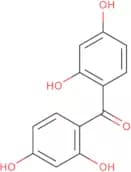
CAS:<p>Versatile small molecule scaffold</p>Formula:C20H21NO5Purity:Min. 95%Molecular weight:355.4 g/mol2,2',4,4'-tetrahydroxybenzophenone
CAS:<p>2,2',4,4'-tetrahydroxybenzophenone is a hydroxylated benzophenone that has immunomodulatory effects. It binds to the receptor in the immune system and can cause an increase in cytokine production. 2,2',4,4'-tetrahydroxybenzophenone is cytotoxic and has significant toxicity in vitro. The molecule has been shown to disrupt mitochondrial membrane potential. This may be due to its ability to form hydrogen bonds with molecules on the mitochondrial membrane. 2,2',4,4'-tetrahydroxybenzophenone also modulates transcriptional regulation of genes involved in cell proliferation and apoptosis. The drug is detectable at low levels by mass spectrometry and is not known to have any toxicological effects.END>></p>Formula:C13H10O5Purity:Min. 95%Color and Shape:Green PowderMolecular weight:246.22 g/molRef: 3D-FT55663
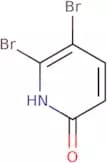
Discontinued product5,6-Dibromopyridin-2-ol
CAS:<p>Versatile small molecule scaffold</p>Formula:C5H3Br2NOPurity:Min. 95%Molecular weight:252.89 g/mol3-[5-(Aminomethyl)-1-oxo-2,3-dihydro-1H-isoindol-2-yl]piperidine-2,6-dione hydrochloride
CAS:<p>Versatile small molecule scaffold</p>Formula:C14H16ClN3O3Purity:Min. 95%Molecular weight:309.75 g/mol3-(Methoxycarbonyl)pyridine-4-carboxylic acid
CAS:<p>Versatile small molecule scaffold</p>Formula:C8H7NO4Purity:Min. 95%Molecular weight:181.15 g/moltert-Butyl 5-bromo-3,4-dihydro-2,7-naphthyridine-2(1H)-carboxylate
CAS:<p>Versatile small molecule scaffold</p>Formula:C13H17BrN2O2Purity:Min. 95%Molecular weight:313.19 g/mol2-Acetylbenzoic acid
CAS:<p>2-Acetylbenzoic acid is a functional molecule that contains an acetyl group. It can form hydrogen bonds with other molecules and has been shown to induce apoptosis in cells. The reaction products of 2-acetylbenzoic acid are malonic acid, acetylsalicylic acid, and 2-benzoylbenzoic acid. These three compounds are made by the addition of hydrogen or hydroxide to the molecule 2-acetylbenzoic acid. The molecule has two functional groups: a carbonyl group and an acetyl group. The chemical structure of this molecule can be seen in the figure below.<br>2-Acetylbenzoic Acid</p>Formula:C9H8O3Purity:Min. 95%Color and Shape:PowderMolecular weight:164.16 g/molRef: 3D-FA05086
Discontinued product1-[3-(Dimethylamino)propyl]-1-(4-fluorophenyl)-1,3-dihydro-3-oxo-5-isobenzofurancarbonitrile
CAS:<p>Please enquire for more information about 1-[3-(Dimethylamino)propyl]-1-(4-fluorophenyl)-1,3-dihydro-3-oxo-5-isobenzofurancarbonitrile including the price, delivery time and more detailed product information at the technical inquiry form on this page</p>Formula:C20H19FN2O2Purity:Min. 95%Molecular weight:338.38 g/molRef: 3D-FD184085
Discontinued productH-Ser-Ala-Glu-Glu-Tyr-Glu-Tyr-Pro-Ser OH trifluoroacetate
CAS:<p>Please enquire for more information about H-Ser-Ala-Glu-Glu-Tyr-Glu-Tyr-Pro-Ser OH trifluoroacetate including the price, delivery time and more detailed product information at the technical inquiry form on this page</p>Formula:C47H63N9O20•(C2HF3O2)xPurity:Min. 95%Ref: 3D-FS183525
Discontinued productGivinostat hydrochloride
CAS:<p>Givinostat hydrochloride is a research chemical that has shown potential in various fields. It is a molybdenum-based compound that has been studied for its effects on dopamine release and hydrogen evolution. Givinostat hydrochloride has also been investigated as an osteoclast inhibitor, which may be beneficial in the treatment of bone-related disorders such as osteoporosis. Additionally, it has shown promise as a retinoid and calpain inhibitor, suggesting its potential use in dermatological conditions and neurodegenerative diseases. The compound contains fluorine atoms, making it suitable for imaging studies using fluorine MRI techniques. Givinostat hydrochloride has been tested on MDA-MB-231 cells and has shown inhibitory effects on their growth, indicating its potential as an anticancer agent.</p>Formula:C24H27N3O4·HClPurity:Min. 95%Molecular weight:457.95 g/mol



![1-[6-(Pyridin-2-yl)pyridin-3-yl]ethan-1-one](/_next/image/?url=https%3A%2Fstatic.cymitquimica.com%2Fproducts%2F3D%2Fthumb-webp%2FNNA46340.webp&w=3840&q=75)

![3-Bromo-5-chloropyrazolo[1,5-a]pyridine](/_next/image/?url=https%3A%2Fstatic.cymitquimica.com%2Fproducts%2F3D%2Fthumb-webp%2FNKC10715.webp&w=3840&q=75)
![1-[2-(Difluoromethyl)pyridin-4-yl]ethan-1-one](/_next/image/?url=https%3A%2Fstatic.cymitquimica.com%2Fproducts%2F3D%2Fthumb-webp%2FGAC78849.webp&w=3840&q=75)
![4-[4-(Propan-2-yl)piperazin-1-yl]butanoic acid dihydrochloride](/_next/image/?url=https%3A%2Fstatic.cymitquimica.com%2Fproducts%2F3D%2Fthumb-webp%2FJBD33718.webp&w=3840&q=75)
![N,N-Diethyl-4-[(methylamino)methyl]aniline](/_next/image/?url=https%3A%2Fstatic.cymitquimica.com%2Fproducts%2F3D%2Fthumb-webp%2FNJB64617.webp&w=3840&q=75)
![2-[(Tetrahydro-2H-pyran-2-yl)oxy]-cyclopentanemethanol](/_next/image/?url=https%3A%2Fstatic.cymitquimica.com%2Fproducts%2F3D%2Fthumb-webp%2FDCA22974.webp&w=3840&q=75)
![1-Amino-7,7-dimethylbicyclo[2.2.1]heptan-2-one hydrochloride](/_next/image/?url=https%3A%2Fstatic.cymitquimica.com%2Fproducts%2F3D%2Fthumb-webp%2FJBA78312.webp&w=3840&q=75)
![4-[(4-Methylpyridin-2-yl)oxy]benzoic acid](/_next/image/?url=https%3A%2Fstatic.cymitquimica.com%2Fproducts%2F3D%2Fthumb-webp%2FICA83587.webp&w=3840&q=75)
![7-Methylthieno[3,2-d]pyrimidin-4-amine](/_next/image/?url=https%3A%2Fstatic.cymitquimica.com%2Fproducts%2F3D%2Fthumb-webp%2FBCC21243.webp&w=3840&q=75)

![2-[(tert-butoxy)carbonyl]-1H,2H,3H,4H-pyrrolo[1,2-a]pyrazine-6-carboxylic acid](/_next/image/?url=https%3A%2Fstatic.cymitquimica.com%2Fproducts%2F3D%2Fthumb-webp%2FNEC38086.webp&w=3840&q=75)
![1-[(tert-Butoxy)carbonyl]-3-isocyanopyrrolidine](/_next/image/?url=https%3A%2Fstatic.cymitquimica.com%2Fproducts%2F3D%2Fthumb-webp%2FBCC74068.webp&w=3840&q=75)
![4-{[1,2,4]Triazolo[4,3-a]pyridin-3-yl}piperidine](/_next/image/?url=https%3A%2Fstatic.cymitquimica.com%2Fproducts%2F3D%2Fthumb-webp%2FCJB62778.webp&w=3840&q=75)
![3-(Chloromethyl)-1h,4h,5h,6h-cyclopenta[c]pyrazole hydrochloride](/_next/image/?url=https%3A%2Fstatic.cymitquimica.com%2Fproducts%2F3D%2Fthumb-webp%2FNEC21033.webp&w=3840&q=75)

![Methyl 4-amino-4H,5H,6H,7H-pyrazolo[1,5-a]pyridine-2-carboxylate hydrochloride](/_next/image/?url=https%3A%2Fstatic.cymitquimica.com%2Fproducts%2F3D%2Fthumb-webp%2FJGD36754.webp&w=3840&q=75)
amine](/_next/image/?url=https%3A%2Fstatic.cymitquimica.com%2Fproducts%2F3D%2Fthumb-webp%2FMAB01527.webp&w=3840&q=75)
![3-(2-Bromo-4-methylbenzoyl)-4H,5H,6H-cyclopenta[b]thiophen-2-amine](/_next/image/?url=https%3A%2Fstatic.cymitquimica.com%2Fproducts%2F3D%2Fthumb-webp%2FYWC74274.webp&w=3840&q=75)
![3-Methyl-4-[5-(propan-2-yl)-1H-1,2,3,4-tetrazol-1-yl]aniline hydrochloride](/_next/image/?url=https%3A%2Fstatic.cymitquimica.com%2Fproducts%2F3D%2Fthumb-webp%2FLIC70757.webp&w=3840&q=75)

amine](/_next/image/?url=https%3A%2Fstatic.cymitquimica.com%2Fproducts%2F3D%2Fthumb-webp%2FWLB14727.webp&w=3840&q=75)
![N-{[2-Chloro-3-(1,3-dioxolan-2-yl)-6-fluorophenyl]methylidene}hydroxylamine](/_next/image/?url=https%3A%2Fstatic.cymitquimica.com%2Fproducts%2F3D%2Fthumb-webp%2FHXC88807.webp&w=3840&q=75)
amine dihydrochloride](/_next/image/?url=https%3A%2Fstatic.cymitquimica.com%2Fproducts%2F3D%2Fthumb-webp%2FCAC44199.webp&w=3840&q=75)
![1-[3-(Trifluoromethyl)pyridin-4-yl]ethan-1-one](/_next/image/?url=https%3A%2Fstatic.cymitquimica.com%2Fproducts%2F3D%2Fthumb-webp%2FVZB52262.webp&w=3840&q=75)


![3-Methylbenzo[b]thiophene-2-carboxylic acid](/_next/image/?url=https%3A%2Fstatic.cymitquimica.com%2Fproducts%2F3D%2Fthumb-webp%2FDAA13378.webp&w=3840&q=75)


![3-[5-(Aminomethyl)-1-oxo-2,3-dihydro-1H-isoindol-2-yl]piperidine-2,6-dione hydrochloride](/_next/image/?url=https%3A%2Fstatic.cymitquimica.com%2Fproducts%2F3D%2Fthumb-webp%2FIWB26469.webp&w=3840&q=75)


![1-[3-(Dimethylamino)propyl]-1-(4-fluorophenyl)-1,3-dihydro-3-oxo-5-isobenzofurancarbonitrile](/_next/image/?url=https%3A%2Fstatic.cymitquimica.com%2Fproducts%2F3D%2Fthumb-webp%2FFD184085.webp&w=3840&q=75)