Building Blocks
This section contains fundamental products for the synthesis of organic and biological compounds. Building blocks are the essential starting materials used to construct complex molecules through various chemical reactions. They play a critical role in drug discovery, material science, and chemical research. At CymitQuimica, we offer a diverse range of high-quality building blocks to support your innovative research and industrial projects, ensuring you have the essential components for successful synthesis.
Subcategories of "Building Blocks"
- Boronic Acids & Boronic Acid Derivatives(5,778 products)
- Chiral Building Blocks(1,243 products)
- Hydrocarbon Building Blocks(6,097 products)
- Organic Building Blocks(61,052 products)
Found 201390 products of "Building Blocks"
Sort by
Purity (%)
0
100
|
0
|
50
|
90
|
95
|
100
4-Bromo-1-[(4-chlorophenyl)methyl]-1H-pyrazol-3-amine
CAS:<p>Versatile small molecule scaffold</p>Formula:C10H9BrClN3Purity:Min. 95%Molecular weight:286.55 g/moltert-Butyl 5-nitroisoindoline-2-carboxylate
CAS:<p>tert-Butyl 5-nitroisoindoline-2-carboxylate is a platelet inhibitor that belongs to the group of antagonists. It has been shown to inhibit human platelets and inhibit the aggregation of fibrinogen. Tert-butyl 5-nitroisoindoline-2-carboxylate has also been shown to have high potency in animal models, but it is not yet known whether it will be effective in humans. The drug has been shown to be a potent antagonist at the platelet P2Y12 receptor, which mediates platelet aggregation and activation, as well as inhibiting ADP-, collagen-, thrombin-, and epinephrine-induced aggregation. Tert-butyl 5-nitroisoindoline-2-carboxylate may also act as a surrogate for agonists or mimetics of the P2Y12 receptor.</p>Formula:C13H16N2O4Purity:Min. 95%Molecular weight:264.28 g/molRef: 3D-ARA72763
Discontinued productMethyl 2-[(2R,4S)-4-fluoropyrrolidin-2-yl]acetate hydrochloride
CAS:<p>Versatile small molecule scaffold</p>Formula:C7H13ClFNO2Purity:Min. 95%Molecular weight:197.6 g/molRef: 3D-APD12670
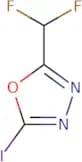
Discontinued product2-(Difluoromethyl)-5-iodo-1,3,4-oxadiazole
CAS:<p>Versatile small molecule scaffold</p>Formula:C3HF2IN2OPurity:Min. 95%Molecular weight:245.95 g/molRef: 3D-APC93827
Discontinued product[1-(Pyrrolidin-2-ylmethyl)pyrrolidin-2-yl]methanol
CAS:<p>Versatile small molecule scaffold</p>Formula:C10H20N2OPurity:Min. 95%Molecular weight:184.28 g/molRef: 3D-AFC98706
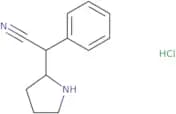
Discontinued product2-Phenyl-2-(pyrrolidin-2-yl)acetonitrile hydrochloride
CAS:<p>Versatile small molecule scaffold</p>Formula:C12H15ClN2Purity:Min. 95%Molecular weight:222.71 g/molRef: 3D-AFC47353
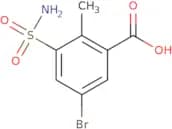
Discontinued product5-Bromo-2-methyl-3-sulfamoylbenzoic acid
CAS:<p>Versatile small molecule scaffold</p>Formula:C8H8BrNO4SPurity:Min. 95%Molecular weight:294.12 g/molRef: 3D-AFC47231
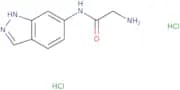
Discontinued product2-Amino-N-(2H-indazol-6-yl)acetamide dihydrochloride
CAS:<p>Versatile small molecule scaffold</p>Formula:C9H12Cl2N4OPurity:Min. 95%Molecular weight:263.12 g/molRef: 3D-AFC47212
Discontinued product6-(Trifluoromethyl)-2-azabicyclo[3.1.0]hexane hydrochloride
CAS:<p>Versatile small molecule scaffold</p>Formula:C6H9ClF3NPurity:Min. 95%Molecular weight:187.59 g/molRef: 3D-AFC47169
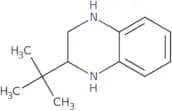
Discontinued product(2R)-2-tert-Butyl-1,2,3,4-tetrahydroquinoxaline
CAS:<p>Versatile small molecule scaffold</p>Formula:C12H18N2Purity:Min. 95%Molecular weight:190.28 g/molRef: 3D-AEC82766
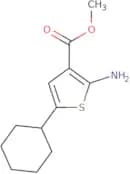
Discontinued productMethyl 2-amino-5-cyclohexylthiophene-3-carboxylate
CAS:<p>Versatile small molecule scaffold</p>Formula:C12H17NO2SPurity:Min. 95%Molecular weight:239.34 g/molRef: 3D-AEC62354
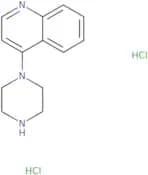
Discontinued product4-Piperazin-1-yl-quinoline dihydrochloride
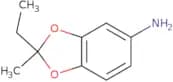
CAS:Versatile small molecule scaffoldFormula:C13H15N3HClPurity:Min. 95%Molecular weight:286.2 g/mol2-Ethyl-2-methyl-1,3-dioxaindan-5-amine
CAS:<p>Versatile small molecule scaffold</p>Formula:C10H13NO2Purity:Min. 95%Molecular weight:179.22 g/molRef: 3D-ADA20074
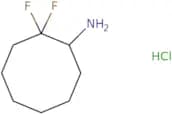
Discontinued product2,2-Difluorocyclooctan-1-amine hydrochloride
CAS:<p>Versatile small molecule scaffold</p>Formula:C8H16ClF2NPurity:Min. 95%Molecular weight:199.67 g/molRef: 3D-ADA14951
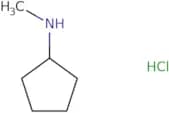
Discontinued productN-Methylcyclopentanamine hydrochloride
CAS:<p>Versatile small molecule scaffold</p>Formula:C6H14ClNPurity:Min. 95%Molecular weight:135.64 g/mol4-(3-Methoxypropyl)-4H-1,2,4-triazole-3-thiol
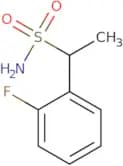
CAS:<p>4-(3-Methoxypropyl)-4H-1,2,4-triazole-3-thiol is a sulfuric acid derivative of 4H-1,2,4-triazole-3-thiol. It is an efficient and potentiodynamic polarizer that can be used to measure the concentration of copper ions in solution. This agent has been shown to have synergistic effects with copper ions and can be used as an analytical tool for cyclic voltammetry.</p>Formula:C6H11N3OSPurity:Min. 95%Molecular weight:173.24 g/mol1-(2-Fluorophenyl)ethane-1-sulfonamide
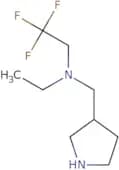
CAS:<p>Versatile small molecule scaffold</p>Formula:C8H10FNO2SPurity:Min. 95%Molecular weight:203.24 g/molEthyl(pyrrolidin-3-ylmethyl)(2,2,2-trifluoroethyl)amine
CAS:<p>Versatile small molecule scaffold</p>Formula:C9H17F3N2Purity:Min. 95%Molecular weight:210.24 g/molRef: 3D-AAC82034
Discontinued product1-{4H,6H,7H-Pyrano[4,3-d][1,3]thiazol-2-yl}ethan-1-amine
CAS:<p>Versatile small molecule scaffold</p>Formula:C8H12N2OSPurity:Min. 95%Molecular weight:184.26 g/molRef: 3D-AAC71900
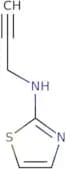
Discontinued productN-(Prop-2-yn-1-yl)-1,3-thiazol-2-amine
CAS:<p>N-(Prop-2-yn-1-yl)-1,3-thiazol-2-amine (P2Y) is a nonselective antagonist for the P2Y receptors. It has been shown to inhibit hyperplasia in the rat prostate and to reduce gland size in rabbits with induced hyperplasia. It also has been shown to be effective in preventing cancer development in an animal model. This drug is used as a pharmaceutical formulation to treat prostate conditions such as benign prostatic hyperplasia and prostatitis.</p>Formula:C6H6N2SPurity:Min. 95%Molecular weight:138.19 g/molRef: 3D-AAC67692
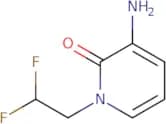
Discontinued product3-Amino-1-(2,2-difluoroethyl)-1,2-dihydropyridin-2-one
CAS:<p>Versatile small molecule scaffold</p>Formula:C7H8F2N2OPurity:Min. 95%Molecular weight:174.15 g/molRef: 3D-AAC64665
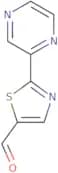
Discontinued product2-(Pyrazin-2-yl)-1,3-thiazole-5-carbaldehyde
CAS:Versatile small molecule scaffoldFormula:C8H5N3OSPurity:Min. 95%Molecular weight:191.21 g/molRef: 3D-AAC59409
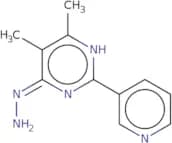
Discontinued product4-Hydrazinylidene-5,6-dimethyl-2-(pyridin-3-yl)-1,4-dihydropyrimidine
CAS:<p>Versatile small molecule scaffold</p>Formula:C11H13N5Purity:Min. 95%Molecular weight:215.3 g/molRef: 3D-AAC57157
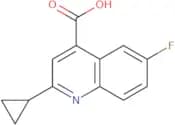
Discontinued product2-Cyclopropyl-6-fluoroquinoline-4-carboxylic acid
CAS:<p>Versatile small molecule scaffold</p>Formula:C13H10FNO2Purity:Min. 95%Molecular weight:231.22 g/molRef: 3D-AAA78458
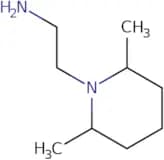
Discontinued product2-(2,6-Dimethylpiperidin-1-yl)ethan-1-amine
CAS:<p>Versatile small molecule scaffold</p>Formula:C9H20N2Purity:Min. 95%Molecular weight:156.27 g/molRef: 3D-AAA76924
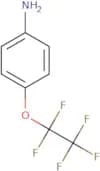
Discontinued product4-(Perfluoroethoxy)aniline
CAS:<p>Versatile small molecule scaffold</p>Formula:C8H6F5NOPurity:Min. 95%Molecular weight:227.13 g/molRef: 3D-AAA71785
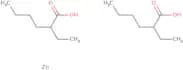
Discontinued productEthylhexanoic acid zinc
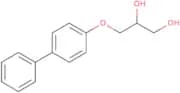
CAS:<p>Ethylhexanoic acid zinc salt is a viscosity-increasing agent that is used in the production of high-viscosity polymers. It is a carboxylate salt of ethyl hexanoic acid and zinc. The reaction of ethylhexane with zirconium oxide produces a viscous liquid with a strong cationic polymerization activity. This product reacts with diphenyl ether and aromatic hydrocarbons to form solid products. The reaction with calcium stearate, an ester of glycerol, results in the formation of particles that are insoluble in water but soluble in organic solvents. Ethylhexane also reacts with ethylene diamine to form methyl myristate, which has kinetic data available for it.</p>Formula:C16H30O4ZnPurity:Min. 95%Molecular weight:351.8 g/mol(2S)-3-(4-Phenylphenoxy)propane-1,2-diol
CAS:<p>Versatile small molecule scaffold</p>Formula:C15H16O3Purity:Min. 95%Molecular weight:244.3 g/molRef: 3D-DHA86611
Discontinued product3-Fluoro-4-[2-(trifluoromethyl)phenoxy]aniline
CAS:<p>Versatile small molecule scaffold</p>Formula:C13H9F4NOPurity:Min. 95%Molecular weight:271.21 g/molRef: 3D-PRB86892
Discontinued product[2-(4-Methylphenoxy)phenyl]methanamine
CAS:<p>Versatile small molecule scaffold</p>Formula:C14H15NOPurity:Min. 95%Molecular weight:213.27 g/mol4-(Cyclopropylmethoxy)benzaldehyde
CAS:<p>4-(Cyclopropylmethoxy)benzaldehyde is a flavonoid that has been shown to be able to inhibit the activity of monoamine oxidase and monoamine oxidases. It also has a selectivity index of 38, which means it is more selective for inhibiting the enzyme MAO-A than MAO-B. 4-(Cyclopropylmethoxy)benzaldehyde is a dietary flavonoid that has been shown to have a variety of neurological benefits, including anti-inflammatory and anti-depressant effects.</p>Formula:C11H12O2Purity:Min. 95%Molecular weight:176.21 g/molRef: 3D-PGA52099
Discontinued product5-Oxo-3-(propan-2-yl)pyrrolidine-3-carboxylic acid
CAS:<p>Versatile small molecule scaffold</p>Formula:C8H13NO3Purity:Min. 95%Molecular weight:171.19 g/molRef: 3D-NKC30254
Discontinued product3-Bromo-5-chloropyrazolo[1,5-a]pyridine
CAS:<p>Versatile small molecule scaffold</p>Formula:C7H4BrClN2Purity:Min. 95%Molecular weight:231.48 g/molRef: 3D-NKC10715
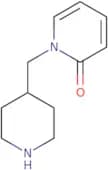
Discontinued product1-(Piperidin-4-ylmethyl)pyridin-2(1H)-one
CAS:<p>Versatile small molecule scaffold</p>Formula:C11H16N2OPurity:Min. 95%Molecular weight:192.26 g/molRef: 3D-NKB72952
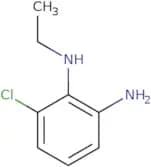
Discontinued product6-Chloro-1-N-ethylbenzene-1,2-diamine
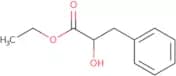
CAS:<p>Versatile small molecule scaffold</p>Formula:C8H11ClN2Purity:Min. 95%Molecular weight:170.64 g/molEthyl 2-hydroxy-3-phenylpropanoate
CAS:<p>Ethyl 2-hydroxy-3-phenylpropanoate (EPP) is a component of the fragrance, which is used in perfumes, soaps, and detergents. It has been shown to have a hypocholesterolemic effect in rats and a proliferator-activated receptor agonist effect on human cells. EPP also has been shown to stimulate collagen production and inhibit the proliferation of human keratinocytes. The biological properties of this compound are related to its ability to activate insulin receptors in muscle cells. EP can be synthesized by reacting 3-phenylpropanal with ethyl bromoacetate followed by hydrolysis of the resulting ester.</p>Formula:C11H14O3Purity:Min. 95%Molecular weight:194.23 g/molN,N-Diethyl-4-[(methylamino)methyl]aniline
CAS:<p>Versatile small molecule scaffold</p>Formula:C12H20N2Purity:Min. 95%Molecular weight:192.3 g/molRef: 3D-NJB64617
Discontinued product2-[2-(4-Methoxyphenyl)ethyl]-1H-1,3-benzodiazole
CAS:<p>Versatile small molecule scaffold</p>Formula:C16H16N2OPurity:Min. 95%Molecular weight:252.31 g/molRef: 3D-QAA45232
Discontinued productMethyl 1H-pyrazolo[4,3-c]pyridine-3-carboxylate
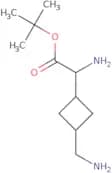
CAS:<p>Versatile small molecule scaffold</p>Formula:C8H7N3O2Purity:Min. 95%Molecular weight:177.16 g/mol1-(Boc-aminomethyl)cyclobutan-3-methanamine
CAS:<p>Versatile small molecule scaffold</p>Formula:C11H22N2O2Purity:90%Molecular weight:214.3 g/molMethyl 4-acetyl-1H-pyrrole-2-carboxylate
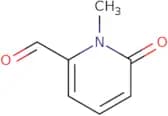
CAS:<p>Versatile small molecule scaffold</p>Formula:C8H9NO3Purity:Min. 95%Molecular weight:167.16 g/mol1-Methyl-6-oxo-1,6-dihydropyridine-2-carbaldehyde
CAS:<p>Versatile small molecule scaffold</p>Formula:C7H7NO2Purity:Min. 95%Molecular weight:137.14 g/molRef: 3D-NCA48686
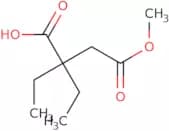
Discontinued product2,2-Diethyl-4-methoxy-4-oxobutanoic acid
CAS:<p>Versatile small molecule scaffold</p>Formula:C9H16O4Purity:Min. 95%Molecular weight:188.22 g/molRef: 3D-QDA64779
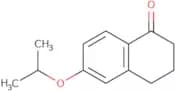
Discontinued product6-iso-Propoxy-3,4-dihydro-2H-naphthalen-1-one
CAS:<p>Versatile small molecule scaffold</p>Formula:C13H16O2Purity:Min. 95%Molecular weight:204.27 g/molRef: 3D-NCA21531
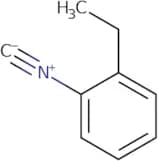
Discontinued product1-Ethyl-2-isocyano-benzene
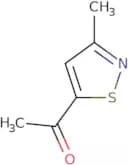
CAS:<p>Versatile small molecule scaffold</p>Formula:C9H9NPurity:Min. 95%Molecular weight:131.17 g/mol1-(3-Methyl-isothiazol-5-yl)-ethanone
CAS:<p>Versatile small molecule scaffold</p>Formula:C6H7NOSPurity:Min. 95%Molecular weight:141.19 g/molRef: 3D-QDA72449
Discontinued product2-[(tert-Butoxy)carbonyl]-7,7-difluoro-2-azabicyclo[4.1.0]heptane-3-carboxylic acid
CAS:<p>Versatile small molecule scaffold</p>Formula:C12H17F2NO4Purity:Min. 95%Molecular weight:277.26 g/molRef: 3D-MKD51443
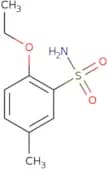
Discontinued product2-Ethoxy-5-methylbenzene-1-sulfonamide
CAS:<p>Versatile small molecule scaffold</p>Formula:C9H13NO3SPurity:Min. 95%Molecular weight:215.27 g/molRef: 3D-MHA47114
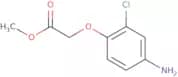
Discontinued productMethyl 2-(4-amino-2-chlorophenoxy)acetate
CAS:<p>Versatile small molecule scaffold</p>Formula:C9H10ClNO3Purity:Min. 95%Molecular weight:215.63 g/molRef: 3D-MBB21580
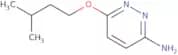
Discontinued product6-(3-Methylbutoxy)pyridazin-3-amine
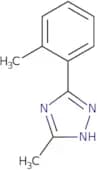
CAS:<p>Versatile small molecule scaffold</p>Formula:C9H15N3OPurity:Min. 95%Molecular weight:181.23 g/mol3-Methyl-5-(2-methylphenyl)-1H-1,2,4-triazole
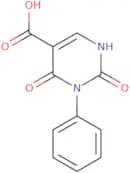
CAS:<p>Versatile small molecule scaffold</p>Formula:C10H11N3Purity:Min. 95%Molecular weight:173.21 g/mol2,4-Dioxo-3-phenyl-1,2,3,4-tetrahydropyrimidine-5-carboxylic acid
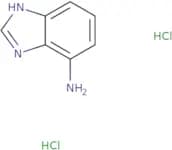
CAS:<p>Versatile small molecule scaffold</p>Formula:C11H8N2O4Purity:Min. 95%Molecular weight:232.19 g/mol1H-1,3-Benzodiazol-7-amine dihydrochloride
CAS:<p>Versatile small molecule scaffold</p>Formula:C7H9Cl2N3Purity:Min. 95%Molecular weight:206.07 g/molRef: 3D-MBA72428
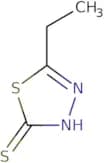
Discontinued product5-Ethyl-1,3,4-thiadiazole-2-thiol
CAS:<p>Versatile small molecule scaffold</p>Formula:C4H6N2S2Purity:Min. 95%Molecular weight:146.2 g/molRef: 3D-MBA66351
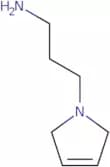
Discontinued product3-(2,5-Dihydro-1H-pyrrol-1-yl)propan-1-amine
CAS:<p>Versatile small molecule scaffold</p>Formula:C7H14N2Purity:Min. 95%Molecular weight:126.2 g/molRef: 3D-MBA63258
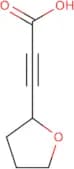
Discontinued product3-(Oxolan-2-yl)prop-2-ynoic acid
CAS:<p>Versatile small molecule scaffold</p>Formula:C7H8O3Purity:Min. 95%Molecular weight:140.14 g/molRef: 3D-RDC11530
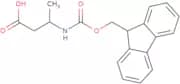
Discontinued productFmoc-DL-beta-aminobutyric acid
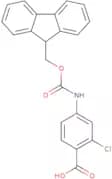
CAS:<p>Versatile small molecule scaffold</p>Formula:C19H19NO4Purity:Min. 95%Molecular weight:325.36 g/mol4-(Fmoc-amino)-2-chloro-benzoic acid
CAS:<p>Versatile small molecule scaffold</p>Formula:C22H16ClNO4Purity:Min. 95%Molecular weight:393.82 g/mol2-Methyl-3-(1H-pyrazol-1-yl)butanoic acid
CAS:<p>Versatile small molecule scaffold</p>Formula:C8H12N2O2Purity:Min. 95%Molecular weight:168.2 g/molRef: 3D-RLC39608
Discontinued productEthyl 1-[(oxiran-2-yl)methyl]-1H-pyrazole-4-carboxylate
CAS:<p>Versatile small molecule scaffold</p>Formula:C9H12N2O3Purity:Min. 95%Molecular weight:196.2 g/molRef: 3D-RLD57770
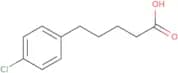
Discontinued product5-(4-Chlorophenyl)pentanoic acid
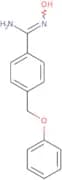
CAS:<p>Versatile small molecule scaffold</p>Formula:C11H13ClO2Purity:Min. 95%Molecular weight:212.67 g/molN'-Hydroxy-4-(phenoxymethyl)benzene-1-carboximidamide
CAS:<p>Versatile small molecule scaffold</p>Formula:C14H14N2O2Purity:Min. 95%Molecular weight:242.27 g/molRef: 3D-RQB78158
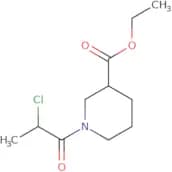
Discontinued productEthyl 1-(2-chloropropanoyl)piperidine-3-carboxylate
CAS:<p>Versatile small molecule scaffold</p>Formula:C11H18ClNO3Purity:Min. 95%Molecular weight:247.72 g/mol2-[(1-Phenylethyl)amino]propanoic acid hydrochloride
CAS:<p>Versatile small molecule scaffold</p>Formula:C11H16ClNO2Purity:Min. 95%Molecular weight:229.7 g/molRef: 3D-KJC81808
Discontinued product2-[3-(4-Carbamoylphenyl)prop-2-enamido]-3-methylbutanoic acid
CAS:<p>Versatile small molecule scaffold</p>Formula:C15H18N2O4Purity:Min. 95%Molecular weight:290.3 g/molRef: 3D-KJC81800
Discontinued product2-[(2-Methoxyethyl)amino]propanoic acid hydrochloride
CAS:<p>Versatile small molecule scaffold</p>Formula:C6H14ClNO3Purity:Min. 95%Molecular weight:183.63 g/molRef: 3D-KJC71112
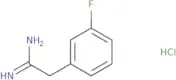
Discontinued product2-(3-Fluorophenyl)ethanimidamide hydrochloride
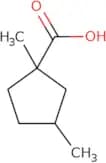
CAS:<p>Versatile small molecule scaffold</p>Formula:C8H10ClFN2Purity:Min. 95%Molecular weight:188.63 g/mol1,3-Dimethylcyclopentane-1-carboxylic acid
CAS:<p>Versatile small molecule scaffold</p>Formula:C8H14O2Purity:Min. 95%Molecular weight:142.2 g/molRef: 3D-KJB37906
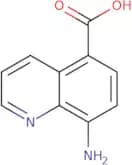
Discontinued product8-Aminoquinoline-5-carboxylic acid
CAS:<p>Versatile small molecule scaffold</p>Formula:C10H8N2O2Purity:Min. 95%Molecular weight:188.18 g/molRef: 3D-KJB20579
Discontinued product1-(Cyclohex-1-en-1-yl)propan-2-amine hydrochloride
CAS:<p>Versatile small molecule scaffold</p>Formula:C9H18ClNPurity:Min. 95%Molecular weight:175.7 g/molRef: 3D-SDA14555
Discontinued productMethyl 4-carbamoylbicyclo[2.2.2]octane-1-carboxylate
CAS:<p>Versatile small molecule scaffold</p>Formula:C11H17NO3Purity:Min. 95%Molecular weight:211.26 g/molRef: 3D-KFA90842
Discontinued product4-Methoxybicyclo[2.2.2]octan-1-amine hydrochloride
CAS:<p>Versatile small molecule scaffold</p>Formula:C9H18ClNOPurity:Min. 95%Molecular weight:191.7 g/molRef: 3D-KFA90838
Discontinued product3-Chloro-N-methyl-2-nitroaniline
CAS:<p>3-Chloro-N-methyl-2-nitroaniline is an antibiotic that belongs to the group of quinolone antibiotics. It has a broad spectrum against Gram-positive and Gram-negative bacteria, including methicillin resistant Staphylococcus aureus (MRSA) and Pseudomonas aeruginosa. 3-Chloro-N-methyl-2-nitroaniline binds to bacterial DNA gyrase and topoisomerase IV, as well as human DNA gyrase and topoisomerase II, inhibiting their activity. This leads to cell death by interfering with the production of proteins vital for cell division. The optimal parameters for this drug have been found using isothermal titration calorimetry on the enzyme gyrase in the presence of different concentrations of 3CMA. Pharmacological targets for this drug include DNA gyrase and topoisomerase IV.</p>Formula:C7H7ClN2O2Purity:Min. 95%Molecular weight:186.59 g/mol[4-(2,2-Difluoroethoxy)phenyl]methanol
CAS:<p>Versatile small molecule scaffold</p>Formula:C9H10F2O2Purity:Min. 95%Molecular weight:188.17 g/molRef: 3D-JXB38953
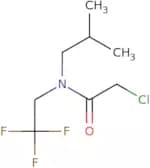
Discontinued product2-Chloro-N-(2-methylpropyl)-N-(2,2,2-trifluoroethyl)acetamide
CAS:<p>Versatile small molecule scaffold</p>Formula:C8H13ClF3NOPurity:Min. 95%Molecular weight:231.64 g/molRef: 3D-JXB08809
Discontinued product2-[(2-Cyclohexylethyl)amino]acetamide
CAS:<p>Versatile small molecule scaffold</p>Formula:C10H20N2OPurity:Min. 95%Molecular weight:184.28 g/molRef: 3D-JXB07544
Discontinued product1-{Bicyclo[2.2.1]heptan-2-yl}propan-1-amine
CAS:<p>Versatile small molecule scaffold</p>Formula:C10H19NPurity:Min. 95%Molecular weight:153.26 g/molRef: 3D-JMC20030
Discontinued product2-Bromo-3,3,3-trifluoro-1-propene
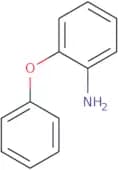
CAS:Controlled Product<p>2-Bromo-3,3,3-trifluoro-1-propene is a chemical compound that has been synthesized in an asymmetric reaction. The reactant is bromopropane and the product is 2,2,2-trifluoropropene. The methylene group on the propene molecule is activated by the nucleophilic attack of a fluoride ion from hydrogen fluoride to form a cavity with a highly strained bond. The kinetic study of this reaction revealed that the activation energy for the reaction is 42 kJ/mol. Palladium-catalyzed coupling reactions are catalyzed by palladium and require nonpolar solvents such as toluene or dichloromethane. This type of reaction has been shown to be exothermic with an isolated yield of 1%.</p>Formula:C3H2BrF3Purity:Min. 95%Color and Shape:Colorless PowderMolecular weight:174.95 g/mol2-Phenoxyaniline
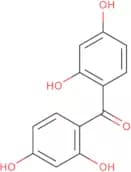
CAS:<p>2-Phenoxyaniline is a nitro compound that can be converted to the corresponding palladium complexes. It is an inhibitor of the acylation reaction, which is a type of chemical reaction in which an organic molecule reacts with an acid. The inhibition of this reaction has been shown to have an effect on heart disease, specifically by lowering cholesterol levels and reducing atherosclerosis. 2-Phenoxyaniline has also been shown to inhibit the activation energy for electron transfer reactions, making it useful as a catalyst in analytical methods. 2-Phenoxyaniline also undergoes vibrational spectroscopy when exposed to liquid chromatography and other analytical methods.</p>Formula:C12H11NOPurity:Min. 95%Color and Shape:Brown PowderMolecular weight:185.22 g/mol2,2',4,4'-tetrahydroxybenzophenone
CAS:<p>2,2',4,4'-tetrahydroxybenzophenone is a hydroxylated benzophenone that has immunomodulatory effects. It binds to the receptor in the immune system and can cause an increase in cytokine production. 2,2',4,4'-tetrahydroxybenzophenone is cytotoxic and has significant toxicity in vitro. The molecule has been shown to disrupt mitochondrial membrane potential. This may be due to its ability to form hydrogen bonds with molecules on the mitochondrial membrane. 2,2',4,4'-tetrahydroxybenzophenone also modulates transcriptional regulation of genes involved in cell proliferation and apoptosis. The drug is detectable at low levels by mass spectrometry and is not known to have any toxicological effects.END>></p>Formula:C13H10O5Purity:Min. 95%Color and Shape:Green PowderMolecular weight:246.22 g/molRef: 3D-FT55663
Discontinued product4-(Methylamino)benzene-1-sulfonamide
CAS:<p>Versatile small molecule scaffold</p>Formula:C7H10N2O2SPurity:Min. 95%Molecular weight:186.23 g/mol3-(Methoxycarbonyl)pyridine-4-carboxylic acid
CAS:<p>Versatile small molecule scaffold</p>Formula:C8H7NO4Purity:Min. 95%Molecular weight:181.15 g/mol1-[3-(Dimethylamino)propyl]-1-(4-fluorophenyl)-1,3-dihydro-3-oxo-5-isobenzofurancarbonitrile
CAS:<p>Please enquire for more information about 1-[3-(Dimethylamino)propyl]-1-(4-fluorophenyl)-1,3-dihydro-3-oxo-5-isobenzofurancarbonitrile including the price, delivery time and more detailed product information at the technical inquiry form on this page</p>Formula:C20H19FN2O2Purity:Min. 95%Molecular weight:338.38 g/molRef: 3D-FD184085
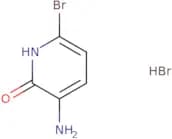
Discontinued product3-amino-6-bromopyridin-2-ol hydrobromide
CAS:<p>Versatile small molecule scaffold</p>Formula:C5H6Br2N2OPurity:Min. 95%Molecular weight:269.9 g/moltert-Butyl 5-bromo-3,4-dihydro-2,7-naphthyridine-2(1H)-carboxylate
CAS:<p>Versatile small molecule scaffold</p>Formula:C13H17BrN2O2Purity:Min. 95%Molecular weight:313.19 g/mol2-Acetylbenzoic acid
CAS:<p>2-Acetylbenzoic acid is a functional molecule that contains an acetyl group. It can form hydrogen bonds with other molecules and has been shown to induce apoptosis in cells. The reaction products of 2-acetylbenzoic acid are malonic acid, acetylsalicylic acid, and 2-benzoylbenzoic acid. These three compounds are made by the addition of hydrogen or hydroxide to the molecule 2-acetylbenzoic acid. The molecule has two functional groups: a carbonyl group and an acetyl group. The chemical structure of this molecule can be seen in the figure below.<br>2-Acetylbenzoic Acid</p>Formula:C9H8O3Purity:Min. 95%Color and Shape:PowderMolecular weight:164.16 g/molRef: 3D-FA05086
Discontinued product3-Methylbenzo[b]thiophene-2-carboxylic acid
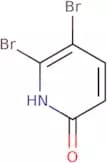
CAS:<p>3-Methylbenzo[b]thiophene-2-carboxylic acid (MBTCA) is a heterocyclic compound that is an intermediate in the synthesis of 3-methylthiophene-2-carboxylic acid, a precursor to other drugs. MBTCA is an aerobic, nonpolar compound that has shown antimicrobial activity against some bacteria and fungi. It also has been shown to have practicality as a biomolecular probe for methyl groups in organic solvents. MBTCA can be synthesized by nitration of benzene in the presence of sulfur and sulfoxides. This reaction produces nitrobenzene, which can then be oxidized by potassium permanganate or hydrogen peroxide to produce MBTCA. The most common isomer of MBTCA is 2-(3,5-dimethoxybenzylidene)tetrahydrofuran, with three methyl groups on the</p>Formula:C10H8O2SPurity:Min. 95%Molecular weight:192.23 g/mol5,6-Dibromopyridin-2-ol
CAS:<p>Versatile small molecule scaffold</p>Formula:C5H3Br2NOPurity:Min. 95%Molecular weight:252.89 g/molH-Ser-Ala-Glu-Glu-Tyr-Glu-Tyr-Pro-Ser OH trifluoroacetate
CAS:<p>Please enquire for more information about H-Ser-Ala-Glu-Glu-Tyr-Glu-Tyr-Pro-Ser OH trifluoroacetate including the price, delivery time and more detailed product information at the technical inquiry form on this page</p>Formula:C47H63N9O20•(C2HF3O2)xPurity:Min. 95%Ref: 3D-FS183525
Discontinued productGivinostat hydrochloride
CAS:<p>Givinostat hydrochloride is a research chemical that has shown potential in various fields. It is a molybdenum-based compound that has been studied for its effects on dopamine release and hydrogen evolution. Givinostat hydrochloride has also been investigated as an osteoclast inhibitor, which may be beneficial in the treatment of bone-related disorders such as osteoporosis. Additionally, it has shown promise as a retinoid and calpain inhibitor, suggesting its potential use in dermatological conditions and neurodegenerative diseases. The compound contains fluorine atoms, making it suitable for imaging studies using fluorine MRI techniques. Givinostat hydrochloride has been tested on MDA-MB-231 cells and has shown inhibitory effects on their growth, indicating its potential as an anticancer agent.</p>Formula:C24H27N3O4·HClPurity:Min. 95%Molecular weight:457.95 g/mol
![4-Bromo-1-[(4-chlorophenyl)methyl]-1H-pyrazol-3-amine](/_next/image/?url=https%3A%2Fstatic.cymitquimica.com%2Fproducts%2F3D%2Fthumb-webp%2FARA75316.webp&w=3840&q=75)


![Methyl 2-[(2R,4S)-4-fluoropyrrolidin-2-yl]acetate hydrochloride](/_next/image/?url=https%3A%2Fstatic.cymitquimica.com%2Fproducts%2F3D%2Fthumb-webp%2FAPD12670.webp&w=3840&q=75)
![[1-(Pyrrolidin-2-ylmethyl)pyrrolidin-2-yl]methanol](/_next/image/?url=https%3A%2Fstatic.cymitquimica.com%2Fproducts%2F3D%2Fthumb-webp%2FAFC98706.webp&w=3840&q=75)
![6-(Trifluoromethyl)-2-azabicyclo[3.1.0]hexane hydrochloride](/_next/image/?url=https%3A%2Fstatic.cymitquimica.com%2Fproducts%2F3D%2Fthumb-webp%2FAFC47169.webp&w=3840&q=75)

![1-{4H,6H,7H-Pyrano[4,3-d][1,3]thiazol-2-yl}ethan-1-amine](/_next/image/?url=https%3A%2Fstatic.cymitquimica.com%2Fproducts%2F3D%2Fthumb-webp%2FAAC71900.webp&w=3840&q=75)
![3-Fluoro-4-[2-(trifluoromethyl)phenoxy]aniline](/_next/image/?url=https%3A%2Fstatic.cymitquimica.com%2Fproducts%2F3D%2Fthumb-webp%2FPRB86892.webp&w=3840&q=75)
![[2-(4-Methylphenoxy)phenyl]methanamine](/_next/image/?url=https%3A%2Fstatic.cymitquimica.com%2Fproducts%2F3D%2Fthumb-webp%2FPLA71811.webp&w=3840&q=75)


![3-Bromo-5-chloropyrazolo[1,5-a]pyridine](/_next/image/?url=https%3A%2Fstatic.cymitquimica.com%2Fproducts%2F3D%2Fthumb-webp%2FNKC10715.webp&w=3840&q=75)
![N,N-Diethyl-4-[(methylamino)methyl]aniline](/_next/image/?url=https%3A%2Fstatic.cymitquimica.com%2Fproducts%2F3D%2Fthumb-webp%2FNJB64617.webp&w=3840&q=75)
![2-[2-(4-Methoxyphenyl)ethyl]-1H-1,3-benzodiazole](/_next/image/?url=https%3A%2Fstatic.cymitquimica.com%2Fproducts%2F3D%2Fthumb-webp%2FQAA45232.webp&w=3840&q=75)
![Methyl 1H-pyrazolo[4,3-c]pyridine-3-carboxylate](/_next/image/?url=https%3A%2Fstatic.cymitquimica.com%2Fproducts%2F3D%2Fthumb-webp%2FNEC38284.webp&w=3840&q=75)
![2-[(tert-Butoxy)carbonyl]-7,7-difluoro-2-azabicyclo[4.1.0]heptane-3-carboxylic acid](/_next/image/?url=https%3A%2Fstatic.cymitquimica.com%2Fproducts%2F3D%2Fthumb-webp%2FMKD51443.webp&w=3840&q=75)

![Ethyl 1-[(oxiran-2-yl)methyl]-1H-pyrazole-4-carboxylate](/_next/image/?url=https%3A%2Fstatic.cymitquimica.com%2Fproducts%2F3D%2Fthumb-webp%2FRLD57770.webp&w=3840&q=75)
![2-[(1-Phenylethyl)amino]propanoic acid hydrochloride](/_next/image/?url=https%3A%2Fstatic.cymitquimica.com%2Fproducts%2F3D%2Fthumb-webp%2FKJC81808.webp&w=3840&q=75)
![2-[3-(4-Carbamoylphenyl)prop-2-enamido]-3-methylbutanoic acid](/_next/image/?url=https%3A%2Fstatic.cymitquimica.com%2Fproducts%2F3D%2Fthumb-webp%2FKJC81800.webp&w=3840&q=75)
![2-[(2-Methoxyethyl)amino]propanoic acid hydrochloride](/_next/image/?url=https%3A%2Fstatic.cymitquimica.com%2Fproducts%2F3D%2Fthumb-webp%2FKJC71112.webp&w=3840&q=75)
![Methyl 4-carbamoylbicyclo[2.2.2]octane-1-carboxylate](/_next/image/?url=https%3A%2Fstatic.cymitquimica.com%2Fproducts%2F3D%2Fthumb-webp%2FKFA90842.webp&w=3840&q=75)
![4-Methoxybicyclo[2.2.2]octan-1-amine hydrochloride](/_next/image/?url=https%3A%2Fstatic.cymitquimica.com%2Fproducts%2F3D%2Fthumb-webp%2FKFA90838.webp&w=3840&q=75)

![[4-(2,2-Difluoroethoxy)phenyl]methanol](/_next/image/?url=https%3A%2Fstatic.cymitquimica.com%2Fproducts%2F3D%2Fthumb-webp%2FJXB38953.webp&w=3840&q=75)
![2-[(2-Cyclohexylethyl)amino]acetamide](/_next/image/?url=https%3A%2Fstatic.cymitquimica.com%2Fproducts%2F3D%2Fthumb-webp%2FJXB07544.webp&w=3840&q=75)
![1-{Bicyclo[2.2.1]heptan-2-yl}propan-1-amine](/_next/image/?url=https%3A%2Fstatic.cymitquimica.com%2Fproducts%2F3D%2Fthumb-webp%2FJMC20030.webp&w=3840&q=75)



![1-[3-(Dimethylamino)propyl]-1-(4-fluorophenyl)-1,3-dihydro-3-oxo-5-isobenzofurancarbonitrile](/_next/image/?url=https%3A%2Fstatic.cymitquimica.com%2Fproducts%2F3D%2Fthumb-webp%2FFD184085.webp&w=3840&q=75)


![3-Methylbenzo[b]thiophene-2-carboxylic acid](/_next/image/?url=https%3A%2Fstatic.cymitquimica.com%2Fproducts%2F3D%2Fthumb-webp%2FDAA13378.webp&w=3840&q=75)