Building Blocks
This section contains fundamental products for the synthesis of organic and biological compounds. Building blocks are the essential starting materials used to construct complex molecules through various chemical reactions. They play a critical role in drug discovery, material science, and chemical research. At CymitQuimica, we offer a diverse range of high-quality building blocks to support your innovative research and industrial projects, ensuring you have the essential components for successful synthesis.
Subcategories of "Building Blocks"
- Boronic Acids & Boronic Acid Derivatives(5,778 products)
- Chiral Building Blocks(1,242 products)
- Hydrocarbon Building Blocks(6,098 products)
- Organic Building Blocks(61,059 products)
Found 199580 products of "Building Blocks"
Sort by
Purity (%)
0
100
|
0
|
50
|
90
|
95
|
100
5-Oxo-3-(propan-2-yl)pyrrolidine-3-carboxylic acid
CAS:<p>Versatile small molecule scaffold</p>Formula:C8H13NO3Purity:Min. 95%Molecular weight:171.19 g/molRef: 3D-NKC30254
Discontinued product3-Bromo-5-chloropyrazolo[1,5-a]pyridine
CAS:<p>Versatile small molecule scaffold</p>Formula:C7H4BrClN2Purity:Min. 95%Molecular weight:231.48 g/molRef: 3D-NKC10715
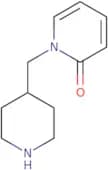
Discontinued product1-(Piperidin-4-ylmethyl)pyridin-2(1H)-one
CAS:<p>Versatile small molecule scaffold</p>Formula:C11H16N2OPurity:Min. 95%Molecular weight:192.26 g/molRef: 3D-NKB72952
Discontinued productN,N-Diethyl-4-[(methylamino)methyl]aniline
CAS:<p>Versatile small molecule scaffold</p>Formula:C12H20N2Purity:Min. 95%Molecular weight:192.3 g/molRef: 3D-NJB64617
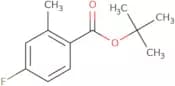
Discontinued producttert-Butyl 4-fluoro-2-methylbenzoate
CAS:<p>Versatile small molecule scaffold</p>Formula:C12H15FO2Purity:Min. 95%Molecular weight:210.24 g/moltert-Butyl 3a-aminohexahydrocyclopenta[b]pyrrole-1(2H)-carboxylate
CAS:<p>Versatile small molecule scaffold</p>Formula:C12H22N2O2Purity:Min. 95%Molecular weight:226.32 g/molRef: 3D-NHC24127
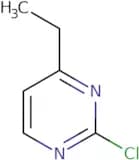
Discontinued product2-Chloro-4-ethylpyrimidine
CAS:<p>2-Chloro-4-ethylpyrimidine is a chemical compound that is used in the synthesis of carboxylic acids, acylation reactions, and other organic reactions. 2-Chloro-4-ethylpyrimidine is also used as a catalyst for these reactions. It has been shown to catalyze the reaction of carboxylic acids with alcohols in the presence of potassium hydroxide. This product can be used as a catalyst in aliphatic acylation reactions. The product can also be used to synthesize pyrimidines and biomolecules.</p>Formula:C6H7ClN2Purity:Min. 95%Molecular weight:142.59 g/molRef: 3D-NHA70799
Discontinued productMethyl 1H-pyrazolo[4,3-c]pyridine-3-carboxylate
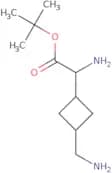
CAS:<p>Versatile small molecule scaffold</p>Formula:C8H7N3O2Purity:Min. 95%Molecular weight:177.16 g/mol1-(Boc-aminomethyl)cyclobutan-3-methanamine
CAS:<p>Versatile small molecule scaffold</p>Formula:C11H22N2O2Purity:90%Molecular weight:214.3 g/mol2-[(1-Methanesulfonylpiperidin-4-yl)oxy]acetic acid
CAS:<p>Versatile small molecule scaffold</p>Formula:C8H15NO5SPurity:Min. 95%Molecular weight:237.28 g/molRef: 3D-NDC96539
Discontinued product[5-Fluoro-2-(pyridin-4-ylmethoxy)phenyl]boronic acid
CAS:<p>Versatile small molecule scaffold</p>Formula:C12H11BFNO3Purity:Min. 95%Molecular weight:247.03 g/molRef: 3D-NCC76030
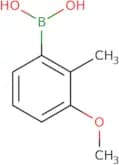
Discontinued product3-Methoxy-2-methylbenzeneboronic acid
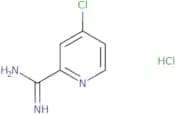
CAS:<p>Versatile small molecule scaffold</p>Formula:C8H11BO3Purity:Min. 95%Molecular weight:165.98 g/mol4-Chloropicolinimidamide hydrochloride
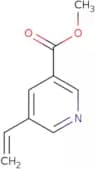
CAS:<p>Versatile small molecule scaffold</p>Formula:C6H7Cl2N3Purity:Min. 95%Molecular weight:192.04 g/mol5-Vinylnicotinic acid methyl ester
CAS:<p>5-Vinylnicotinic acid methyl ester belongs to the group of antimicrobial agents. It is a chemical compound that has been shown to be effective against cervical cancer and may have potential as an anticancer drug. 5-Vinylnicotinic acid methyl ester inhibits the growth of human chorionic gonadotropin (HCG) in women, which is a hormone necessary for ovulation and pregnancy. This compound also inhibits the growth of viruses, such as herpes simplex virus type 1 (HSV-1), and bacteria, such as dittrichia sp., which causes inflammation of the throat. 5-Vinylnicotinic acid methyl ester has also been shown to inhibit protein synthesis in human osteosarcoma cells at low concentrations, but not at high concentrations.</p>Formula:C9H9NO2Purity:Min. 95%Molecular weight:163.17 g/molRef: 3D-NBA94067
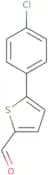
Discontinued product5-(4-Chlorophenyl)thiophene-2-carbaldehyde
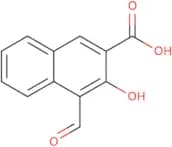
CAS:<p>Versatile small molecule scaffold</p>Formula:C11H7ClOSPurity:Min. 95%Molecular weight:222.69 g/mol4-Formyl-3-hydroxynaphthalene-2-carboxylic acid
CAS:<p>4-Formyl-3-hydroxynaphthalene-2-carboxylic acid (4FHN) is an antibacterial agent. It is bacteriostatic and has been shown to be effective against gram-negative bacteria such as Escherichia coli and Pseudomonas aeruginosa, but not against gram-positive bacteria such as Staphylococcus aureus. 4FHN was found to inhibit the growth of both gram-positive and gram-negative bacteria by binding to the ribosomal RNA in the bacterial cell wall, thereby inhibiting protein synthesis and cell division. 4FHN also shows antimicrobial activity due to its ability to form stable hydrazones with nucleophilic centers in the bacterial cell wall. These compounds react with cellular macromolecules, leading to cell death.</p>Formula:C12H8O4Purity:Min. 95%Molecular weight:216.19 g/molRef: 3D-NBA39946
Discontinued product5-Methoxy[1,3]thiazolo[5,4-b]pyridin-2-amine
CAS:<p>Versatile small molecule scaffold</p>Formula:C7H7N3OSPurity:Min. 95%Molecular weight:181.21 g/molRef: 3D-NAA79777
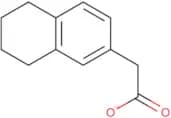
Discontinued product(5,6,7,8-Tetrahydro-naphthalen-2-yl)-acetic acid
CAS:<p>Versatile small molecule scaffold</p>Formula:C12H14O2Purity:Min. 95%Molecular weight:190.24 g/molRef: 3D-NAA05299
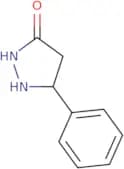
Discontinued product5-Phenylpyrazolidin-3-one
CAS:<p>5-Phenylpyrazolidin-3-one is a pyrazole compound that has a tautomeric form. It has been shown to selectively interact with anions, such as chloride anion, in the presence of hydrogen bonds. This leads to the production of a hydrogen cation and an electrophilic imine. 5-Phenylpyrazolidin-3-one is used in chemosensors for the detection of various chemicals, including formaldehyde and acetaldehyde. 5-Phenylpyrazolidin-3-one also has antitumor activity due to its ability to inhibit DNA synthesis and induce apoptosis in cancer cells.</p>Formula:C9H10N2OPurity:Min. 95%Molecular weight:162.19 g/molRef: 3D-NAA04712
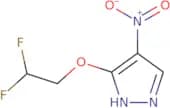
Discontinued product3-(2,2-Difluoroethoxy)-4-nitro-1H-pyrazole
CAS:<p>Versatile small molecule scaffold</p>Formula:C5H5F2N3O3Purity:Min. 95%Molecular weight:193.11 g/molRef: 3D-MWC88130
Discontinued product1-Methoxybicyclo[3.3.1]nonan-3-amine hydrochloride
CAS:<p>Versatile small molecule scaffold</p>Formula:C10H20ClNOPurity:Min. 95%Molecular weight:205.7 g/molRef: 3D-MRD34349
Discontinued product2-Amino-4H,5H,6H-cyclopenta[b]thiophene-3-carboxylic acid hydrochloride
CAS:<p>Versatile small molecule scaffold</p>Formula:C8H10ClNO2SPurity:Min. 95%Molecular weight:219.7 g/molRef: 3D-MRD34223
Discontinued product2-{Bicyclo[2.2.1]heptan-1-yl}ethan-1-amine hydrochloride
CAS:<p>Versatile small molecule scaffold</p>Formula:C9H18ClNPurity:Min. 95%Molecular weight:175.7 g/molRef: 3D-MRD33501
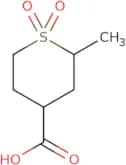
Discontinued product2-Methyl-1,1-dioxo-1λ6-thiane-4-carboxylic acid
CAS:<p>Versatile small molecule scaffold</p>Formula:C7H12O4SPurity:Min. 95%Molecular weight:192.2 g/molRef: 3D-MRD33378
Discontinued product3-Methoxyazetidine-3-carboxamide hydrochloride
CAS:Versatile small molecule scaffoldFormula:C5H11ClN2O2Purity:Min. 95%Molecular weight:166.6 g/molRef: 3D-MRD33097
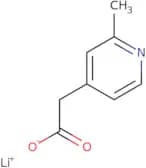
Discontinued product2-(2-methylpyridin-4-yl)acetate lithium
CAS:<p>Versatile small molecule scaffold</p>Formula:C8H8LiNO2Purity:Min. 95%Molecular weight:157.1 g/molRef: 3D-MRD33084
Discontinued product6-Chloroquinoline-7-carboxylic acid hydrochloride
CAS:<p>Versatile small molecule scaffold</p>Formula:C10H7Cl2NO2Purity:Min. 95%Molecular weight:244.1 g/molRef: 3D-MRD32323
Discontinued product1-(Dimethoxy-1,2-thiazol-4-yl)ethan-1-amine hydrochloride
CAS:<p>Versatile small molecule scaffold</p>Formula:C7H13ClN2O2SPurity:Min. 95%Molecular weight:224.7 g/molRef: 3D-MRD31462
Discontinued product5-Bromotricyclo[8.2.1.0,3,8]trideca-3,5,7-trien-13-one
CAS:<p>Versatile small molecule scaffold</p>Formula:C13H13BrOPurity:Min. 95%Molecular weight:265.14 g/molRef: 3D-MPA65766
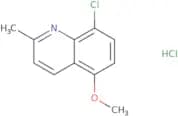
Discontinued product8-Chloro-5-methoxy-2-methylquinoline hydrochloride
CAS:<p>Versatile small molecule scaffold</p>Formula:C11H11Cl2NOPurity:Min. 95%Molecular weight:244.11 g/molRef: 3D-LIC70936
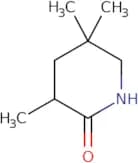
Discontinued product3,5,5-Trimethylpiperidin-2-one
CAS:<p>Versatile small molecule scaffold</p>Formula:C8H15NOPurity:Min. 95%Molecular weight:141.21 g/molRef: 3D-LIC70934
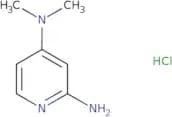
Discontinued product4-N,4-N-Dimethylpyridine-2,4-diamine hydrochloride
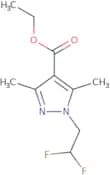
CAS:<p>Versatile small molecule scaffold</p>Formula:C7H12ClN3Purity:Min. 95%Molecular weight:173.64 g/molEthyl 1-(2,2-difluoroethyl)-3,5-dimethyl-1H-pyrazole-4-carboxylate
CAS:<p>Versatile small molecule scaffold</p>Formula:C10H14F2N2O2Purity:Min. 95%Molecular weight:232.23 g/molRef: 3D-LIC70885
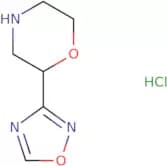
Discontinued product2-(1,2,4-Oxadiazol-3-yl)morpholine hydrochloride
CAS:<p>Versatile small molecule scaffold</p>Formula:C6H10ClN3O2Purity:Min. 95%Molecular weight:191.61 g/molRef: 3D-LIC70858
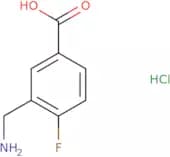
Discontinued product3-(Aminomethyl)-4-fluorobenzoic acid hydrochloride
CAS:<p>Versatile small molecule scaffold</p>Formula:C8H9ClFNO2Purity:Min. 95%Molecular weight:205.61 g/mol3-Methyl-4-[5-(propan-2-yl)-1H-1,2,3,4-tetrazol-1-yl]aniline hydrochloride
CAS:<p>Versatile small molecule scaffold</p>Formula:C11H16ClN5Purity:Min. 95%Molecular weight:253.73 g/molRef: 3D-LIC70757
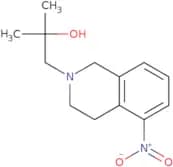
Discontinued product2-Methyl-1-(5-nitro-1,2,3,4-tetrahydroisoquinolin-2-yl)propan-2-ol
CAS:<p>Versatile small molecule scaffold</p>Formula:C13H18N2O3Purity:Min. 95%Molecular weight:250.29 g/molRef: 3D-LIC70742
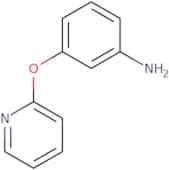
Discontinued product3-(Pyridin-2-yloxy)aniline
CAS:<p>3-(Pyridin-2-yloxy)aniline is a synthetic compound that is used as a potent inhibitor of the enzyme tyrosine hydroxylase. This enzyme catalyzes the conversion of tyrosine to L-3,4-dihydroxyphenylalanine and plays a key role in the synthesis of dopamine. 3-(Pyridin-2-yloxy)aniline has been shown to be effective in treating Parkinson's disease and other disorders that involve neuronal degeneration and cell death. This drug inhibits the production of dopamine by binding to tyrosine hydroxylase, thereby preventing it from converting tyrosine into L-3,4-dihydroxyphenylalanine. The compound also has significant inhibitory activity against cyclin dependent kinases (CDKs), which are enzymes that regulate the activity of protein kinases.</p>Formula:C11H10N2OPurity:Min. 95%Molecular weight:186.21 g/mol4-[2-(Trifluoromethyl)phenoxy]aniline
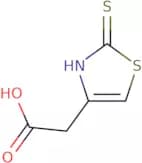
CAS:<p>Versatile small molecule scaffold</p>Formula:C13H10F3NOPurity:Min. 95%Molecular weight:253.22 g/mol2-(2-Sulfanyl-1,3-thiazol-4-yl)acetic acid
CAS:<p>Versatile small molecule scaffold</p>Formula:C5H5NO2S2Purity:Min. 95%Molecular weight:175.2 g/molRef: 3D-LBA36579
Discontinued product2-[(1-Phenylethyl)amino]propanoic acid hydrochloride
CAS:<p>Versatile small molecule scaffold</p>Formula:C11H16ClNO2Purity:Min. 95%Molecular weight:229.7 g/molRef: 3D-KJC81808
Discontinued product2-[3-(4-Carbamoylphenyl)prop-2-enamido]-3-methylbutanoic acid
CAS:<p>Versatile small molecule scaffold</p>Formula:C15H18N2O4Purity:Min. 95%Molecular weight:290.3 g/molRef: 3D-KJC81800
Discontinued product2-[(2-Methoxyethyl)amino]propanoic acid hydrochloride
CAS:<p>Versatile small molecule scaffold</p>Formula:C6H14ClNO3Purity:Min. 95%Molecular weight:183.63 g/molRef: 3D-KJC71112
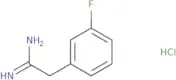
Discontinued product2-(3-Fluorophenyl)ethanimidamide hydrochloride
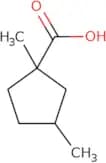
CAS:<p>Versatile small molecule scaffold</p>Formula:C8H10ClFN2Purity:Min. 95%Molecular weight:188.63 g/mol1,3-Dimethylcyclopentane-1-carboxylic acid
CAS:<p>Versatile small molecule scaffold</p>Formula:C8H14O2Purity:Min. 95%Molecular weight:142.2 g/molRef: 3D-KJB37906
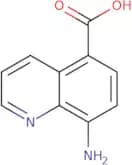
Discontinued product8-Aminoquinoline-5-carboxylic acid
CAS:<p>Versatile small molecule scaffold</p>Formula:C10H8N2O2Purity:Min. 95%Molecular weight:188.18 g/molRef: 3D-KJB20579
Discontinued product[1-(Oxan-2-yl)cyclobutyl]methanamine
CAS:<p>Versatile small molecule scaffold</p>Formula:C10H19NOPurity:Min. 95%Molecular weight:169.26 g/molRef: 3D-KHD00745
Discontinued product5-Bromo-6-hydroxypyrimidine-4-carboxylic acid
CAS:<p>5-Bromo-6-hydroxypyrimidine-4-carboxylic acid is a homologous organic acid that is used as a pharmaceutical preservative. It is most commonly found in acidic pharmaceutical formulations. 5-Bromo-6-hydroxypyrimidine-4-carboxylic acid inhibits the growth of bacteria and fungi by acting as an enzyme inhibitor. The inhibition of enzymes such as lactamase, which breaks down the lactam ring in penicillin, prevents bacterial and fungal growth by preventing them from breaking down their natural cell walls. 5-Bromo-6-hydroxypyrimidine-4-carboxylic acid has also been shown to have potent anticancer activity in the lab setting, although the clinical significance of this has not yet been determined.</p>Formula:C5H3BrN2O3Purity:Min. 95%Molecular weight:218.99 g/molRef: 3D-KFA27482
Discontinued product2,2,2-Trifluoro-1-[4-fluoro-3-(trifluoromethyl)phenyl]ethan-1-one
CAS:<p>Versatile small molecule scaffold</p>Formula:C9H3F7OPurity:Min. 95%Molecular weight:260.11 g/mol4-Chloro-3-nitro-1,5-naphthyridine
CAS:<p>Versatile small molecule scaffold</p>Formula:C8H4ClN3O2Purity:Min. 95%Molecular weight:209.59 g/molRef: 3D-KDA96719
Discontinued product2-Amino-4-(methoxycarbonyl)benzoic acid
CAS:<p>Versatile small molecule scaffold</p>Formula:C9H9NO4Purity:Min. 95%Molecular weight:195.17 g/molMethyl 7-fluoro-3,4-dihydro-2H-1,4-benzoxazine-2-carboxylate hydrochloride
CAS:<p>Versatile small molecule scaffold</p>Formula:C10H11ClFNO3Purity:Min. 95%Molecular weight:247.65 g/molRef: 3D-JBD32014
Discontinued product1-(Chloromethoxy)-4-fluorobenzene
CAS:<p>Versatile small molecule scaffold</p>Formula:C7H6ClFOPurity:Min. 95%Molecular weight:160.57 g/molRef: 3D-JBA88802
Discontinued product1-Amino-7,7-dimethylbicyclo[2.2.1]heptan-2-one hydrochloride
CAS:<p>Versatile small molecule scaffold</p>Formula:C9H16ClNOPurity:Min. 95%Molecular weight:189.7 g/molRef: 3D-JBA78312
Discontinued product4-Chloro-2-methyl-5-nitroaniline
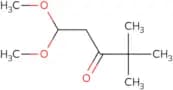
CAS:<p>4-Chloro-2-methyl-5-nitroaniline is an organic compound with the chemical formula C6H4ClNO2. It is a nitro derivative of aniline. 4-Chloro-2-methyl-5-nitroaniline is a white solid that is soluble in water, alcohols, and ethers. It has a melting point around 206 °C and decomposes at temperatures over 350 °C. This compound can be obtained by reacting hydroxylamine with nitrous acid and chlorinating 2,5-dimethylaniline. The sequence of reactions can be summarized as follows: hydroxy group to nitro group, nitro group to methyl group, methyl group to acetyl or acetylamino, acetyl or acetylamino to acetylation or methylation, transformation from hydroxyl group to amino group and esterification from acid hydrazide to acid group.</p>Formula:C7H7ClN2O2Purity:Min. 95%Molecular weight:186.59 g/mol1,1-Dimethoxy-4,4-dimethylpentan-3-one
CAS:<p>Versatile small molecule scaffold</p>Formula:C9H18O3Purity:Min. 95%Molecular weight:174.24 g/molRef: 3D-JBA55333
Discontinued product3-Iodobenzene-1,2-diamine
CAS:<p>Versatile small molecule scaffold</p>Formula:C6H7IN2Purity:Min. 95%Molecular weight:234.04 g/molRef: 3D-JBA44643
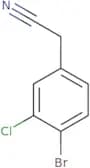
Discontinued product2-(4-Bromo-3-chlorophenyl)acetonitrile
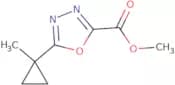
CAS:<p>Versatile small molecule scaffold</p>Formula:C8H5BrClNPurity:Min. 95%Molecular weight:230.49 g/molMethyl 5-(1-methylcyclopropyl)-1,3,4-oxadiazole-2-carboxylate
CAS:<p>Versatile small molecule scaffold</p>Formula:C8H10N2O3Purity:Min. 95%Molecular weight:182.18 g/molRef: 3D-IZC75451
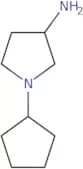
Discontinued product1-cyclopentylpyrrolidin-3-amine
CAS:<p>Versatile small molecule scaffold</p>Formula:C9H18N2Purity:Min. 95%Molecular weight:154.25 g/molRef: 3D-IMB71303
Discontinued product[5-(Methoxymethyl)-1,2-oxazol-3-yl]methanesulfonyl chloride
CAS:<p>Versatile small molecule scaffold</p>Formula:C6H8ClNO4SPurity:Min. 95%Molecular weight:225.65 g/mol4-[3-(Methoxymethyl)pyrrolidin-1-yl]benzoic acid
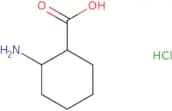
CAS:<p>Versatile small molecule scaffold</p>Formula:C13H17NO3Purity:Min. 95%Molecular weight:235.28 g/mol(1R,2R)-2-Aminocyclohexanecarboxylic acid hydrochloride
CAS:<p>Versatile small molecule scaffold</p>Formula:C7H14ClNO2Purity:Min. 95%Molecular weight:179.64 g/mol2-(1-Chloroethyl)-5-(thiophen-2-yl)-3H,4H-thieno[2,3-d]pyrimidin-4-one
CAS:Controlled Product<p>2-(1-Chloroethyl)-5-(thiophen-2-yl)-3H,4H-thieno[2,3-d]pyrimidin-4-one is a small molecule that has been shown to inhibit the activity of calcium channels. It is also known as an inhibitor for research and antibody production. 2-(1-Chloroethyl)-5-(thiophen-2-yl)-3H,4H-thieno[2,3-d]pyrimidin-4-one is a ligand that binds to ion channels and activates them by binding to the receptor on the cell surface. This compound can be used in pharmacology and protein interactions.</p>Formula:C12H9ClN2OS2Purity:Min. 95%Molecular weight:296.8 g/molRef: 3D-IEB03124
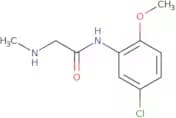
Discontinued productN-(5-Chloro-2-methoxyphenyl)-2-(methylamino)acetamide
CAS:<p>Versatile small molecule scaffold</p>Formula:C10H13ClN2O2Purity:Min. 95%Molecular weight:228.67 g/molRef: 3D-IEB03088
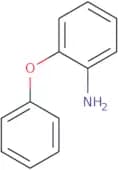
Discontinued product2-Phenoxyaniline
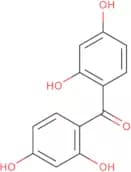
CAS:<p>2-Phenoxyaniline is a nitro compound that can be converted to the corresponding palladium complexes. It is an inhibitor of the acylation reaction, which is a type of chemical reaction in which an organic molecule reacts with an acid. The inhibition of this reaction has been shown to have an effect on heart disease, specifically by lowering cholesterol levels and reducing atherosclerosis. 2-Phenoxyaniline has also been shown to inhibit the activation energy for electron transfer reactions, making it useful as a catalyst in analytical methods. 2-Phenoxyaniline also undergoes vibrational spectroscopy when exposed to liquid chromatography and other analytical methods.</p>Formula:C12H11NOPurity:Min. 95%Color and Shape:Brown PowderMolecular weight:185.22 g/mol2,2',4,4'-tetrahydroxybenzophenone
CAS:<p>2,2',4,4'-tetrahydroxybenzophenone is a hydroxylated benzophenone that has immunomodulatory effects. It binds to the receptor in the immune system and can cause an increase in cytokine production. 2,2',4,4'-tetrahydroxybenzophenone is cytotoxic and has significant toxicity in vitro. The molecule has been shown to disrupt mitochondrial membrane potential. This may be due to its ability to form hydrogen bonds with molecules on the mitochondrial membrane. 2,2',4,4'-tetrahydroxybenzophenone also modulates transcriptional regulation of genes involved in cell proliferation and apoptosis. The drug is detectable at low levels by mass spectrometry and is not known to have any toxicological effects.END>></p>Formula:C13H10O5Purity:Min. 95%Color and Shape:Green PowderMolecular weight:246.22 g/molRef: 3D-FT55663
Discontinued product3-(Methoxycarbonyl)pyridine-4-carboxylic acid
CAS:<p>Versatile small molecule scaffold</p>Formula:C8H7NO4Purity:Min. 95%Molecular weight:181.15 g/mol1-[3-(Dimethylamino)propyl]-1-(4-fluorophenyl)-1,3-dihydro-3-oxo-5-isobenzofurancarbonitrile
CAS:<p>Please enquire for more information about 1-[3-(Dimethylamino)propyl]-1-(4-fluorophenyl)-1,3-dihydro-3-oxo-5-isobenzofurancarbonitrile including the price, delivery time and more detailed product information at the technical inquiry form on this page</p>Formula:C20H19FN2O2Purity:Min. 95%Molecular weight:338.38 g/molRef: 3D-FD184085
Discontinued producttert-Butyl 5-bromo-3,4-dihydro-2,7-naphthyridine-2(1H)-carboxylate
CAS:<p>Versatile small molecule scaffold</p>Formula:C13H17BrN2O2Purity:Min. 95%Molecular weight:313.19 g/mol2-Bromo-3,3,3-trifluoro-1-propene
CAS:Controlled Product<p>2-Bromo-3,3,3-trifluoro-1-propene is a chemical compound that has been synthesized in an asymmetric reaction. The reactant is bromopropane and the product is 2,2,2-trifluoropropene. The methylene group on the propene molecule is activated by the nucleophilic attack of a fluoride ion from hydrogen fluoride to form a cavity with a highly strained bond. The kinetic study of this reaction revealed that the activation energy for the reaction is 42 kJ/mol. Palladium-catalyzed coupling reactions are catalyzed by palladium and require nonpolar solvents such as toluene or dichloromethane. This type of reaction has been shown to be exothermic with an isolated yield of 1%.</p>Formula:C3H2BrF3Purity:Min. 95%Color and Shape:Colorless PowderMolecular weight:174.95 g/mol3-[5-(Aminomethyl)-1-oxo-2,3-dihydro-1H-isoindol-2-yl]piperidine-2,6-dione hydrochloride
CAS:<p>Versatile small molecule scaffold</p>Formula:C14H16ClN3O3Purity:Min. 95%Molecular weight:309.75 g/mol2-Acetylbenzoic acid
CAS:<p>2-Acetylbenzoic acid is a functional molecule that contains an acetyl group. It can form hydrogen bonds with other molecules and has been shown to induce apoptosis in cells. The reaction products of 2-acetylbenzoic acid are malonic acid, acetylsalicylic acid, and 2-benzoylbenzoic acid. These three compounds are made by the addition of hydrogen or hydroxide to the molecule 2-acetylbenzoic acid. The molecule has two functional groups: a carbonyl group and an acetyl group. The chemical structure of this molecule can be seen in the figure below.<br>2-Acetylbenzoic Acid</p>Formula:C9H8O3Purity:Min. 95%Color and Shape:PowderMolecular weight:164.16 g/molRef: 3D-FA05086
Discontinued product3-Methylbenzo[b]thiophene-2-carboxylic acid
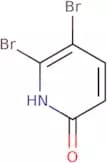
CAS:<p>3-Methylbenzo[b]thiophene-2-carboxylic acid (MBTCA) is a heterocyclic compound that is an intermediate in the synthesis of 3-methylthiophene-2-carboxylic acid, a precursor to other drugs. MBTCA is an aerobic, nonpolar compound that has shown antimicrobial activity against some bacteria and fungi. It also has been shown to have practicality as a biomolecular probe for methyl groups in organic solvents. MBTCA can be synthesized by nitration of benzene in the presence of sulfur and sulfoxides. This reaction produces nitrobenzene, which can then be oxidized by potassium permanganate or hydrogen peroxide to produce MBTCA. The most common isomer of MBTCA is 2-(3,5-dimethoxybenzylidene)tetrahydrofuran, with three methyl groups on the</p>Formula:C10H8O2SPurity:Min. 95%Molecular weight:192.23 g/mol5,6-Dibromopyridin-2-ol
CAS:<p>Versatile small molecule scaffold</p>Formula:C5H3Br2NOPurity:Min. 95%Molecular weight:252.89 g/mol4-(Methylamino)benzene-1-sulfonamide
CAS:<p>Versatile small molecule scaffold</p>Formula:C7H10N2O2SPurity:Min. 95%Molecular weight:186.23 g/mol(2S,3R)-2-((((9H-Fluoren-9-yl)methoxy)carbonyl)amino)-3-methoxybutanoic acid
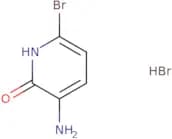
CAS:<p>Versatile small molecule scaffold</p>Formula:C20H21NO5Purity:Min. 95%Molecular weight:355.4 g/mol3-amino-6-bromopyridin-2-ol hydrobromide
CAS:<p>Versatile small molecule scaffold</p>Formula:C5H6Br2N2OPurity:Min. 95%Molecular weight:269.9 g/molH-Ser-Ala-Glu-Glu-Tyr-Glu-Tyr-Pro-Ser OH trifluoroacetate
CAS:<p>Please enquire for more information about H-Ser-Ala-Glu-Glu-Tyr-Glu-Tyr-Pro-Ser OH trifluoroacetate including the price, delivery time and more detailed product information at the technical inquiry form on this page</p>Formula:C47H63N9O20•(C2HF3O2)xPurity:Min. 95%Ref: 3D-FS183525
Discontinued productGivinostat hydrochloride
CAS:<p>Givinostat hydrochloride is a research chemical that has shown potential in various fields. It is a molybdenum-based compound that has been studied for its effects on dopamine release and hydrogen evolution. Givinostat hydrochloride has also been investigated as an osteoclast inhibitor, which may be beneficial in the treatment of bone-related disorders such as osteoporosis. Additionally, it has shown promise as a retinoid and calpain inhibitor, suggesting its potential use in dermatological conditions and neurodegenerative diseases. The compound contains fluorine atoms, making it suitable for imaging studies using fluorine MRI techniques. Givinostat hydrochloride has been tested on MDA-MB-231 cells and has shown inhibitory effects on their growth, indicating its potential as an anticancer agent.</p>Formula:C24H27N3O4·HClPurity:Min. 95%Molecular weight:457.95 g/mol


![3-Bromo-5-chloropyrazolo[1,5-a]pyridine](/_next/image/?url=https%3A%2Fstatic.cymitquimica.com%2Fproducts%2F3D%2Fthumb-webp%2FNKC10715.webp&w=3840&q=75)
![N,N-Diethyl-4-[(methylamino)methyl]aniline](/_next/image/?url=https%3A%2Fstatic.cymitquimica.com%2Fproducts%2F3D%2Fthumb-webp%2FNJB64617.webp&w=3840&q=75)
![tert-Butyl 3a-aminohexahydrocyclopenta[b]pyrrole-1(2H)-carboxylate](/_next/image/?url=https%3A%2Fstatic.cymitquimica.com%2Fproducts%2F3D%2Fthumb-webp%2FNHC24127.webp&w=3840&q=75)
![Methyl 1H-pyrazolo[4,3-c]pyridine-3-carboxylate](/_next/image/?url=https%3A%2Fstatic.cymitquimica.com%2Fproducts%2F3D%2Fthumb-webp%2FNEC38284.webp&w=3840&q=75)
![2-[(1-Methanesulfonylpiperidin-4-yl)oxy]acetic acid](/_next/image/?url=https%3A%2Fstatic.cymitquimica.com%2Fproducts%2F3D%2Fthumb-webp%2FNDC96539.webp&w=3840&q=75)
![[5-Fluoro-2-(pyridin-4-ylmethoxy)phenyl]boronic acid](/_next/image/?url=https%3A%2Fstatic.cymitquimica.com%2Fproducts%2F3D%2Fthumb-webp%2FNCC76030.webp&w=3840&q=75)
![5-Methoxy[1,3]thiazolo[5,4-b]pyridin-2-amine](/_next/image/?url=https%3A%2Fstatic.cymitquimica.com%2Fproducts%2F3D%2Fthumb-webp%2FNAA79777.webp&w=3840&q=75)
![1-Methoxybicyclo[3.3.1]nonan-3-amine hydrochloride](/_next/image/?url=https%3A%2Fstatic.cymitquimica.com%2Fproducts%2F3D%2Fthumb-webp%2FMRD34349.webp&w=3840&q=75)
![2-Amino-4H,5H,6H-cyclopenta[b]thiophene-3-carboxylic acid hydrochloride](/_next/image/?url=https%3A%2Fstatic.cymitquimica.com%2Fproducts%2F3D%2Fthumb-webp%2FMRD34223.webp&w=3840&q=75)
![2-{Bicyclo[2.2.1]heptan-1-yl}ethan-1-amine hydrochloride](/_next/image/?url=https%3A%2Fstatic.cymitquimica.com%2Fproducts%2F3D%2Fthumb-webp%2FMRD33501.webp&w=3840&q=75)

![5-Bromotricyclo[8.2.1.0,3,8]trideca-3,5,7-trien-13-one](/_next/image/?url=https%3A%2Fstatic.cymitquimica.com%2Fproducts%2F3D%2Fthumb-webp%2FMPA65766.webp&w=3840&q=75)
![3-Methyl-4-[5-(propan-2-yl)-1H-1,2,3,4-tetrazol-1-yl]aniline hydrochloride](/_next/image/?url=https%3A%2Fstatic.cymitquimica.com%2Fproducts%2F3D%2Fthumb-webp%2FLIC70757.webp&w=3840&q=75)
![4-[2-(Trifluoromethyl)phenoxy]aniline](/_next/image/?url=https%3A%2Fstatic.cymitquimica.com%2Fproducts%2F3D%2Fthumb-webp%2FLCA94684.webp&w=3840&q=75)
![2-[(1-Phenylethyl)amino]propanoic acid hydrochloride](/_next/image/?url=https%3A%2Fstatic.cymitquimica.com%2Fproducts%2F3D%2Fthumb-webp%2FKJC81808.webp&w=3840&q=75)
![2-[3-(4-Carbamoylphenyl)prop-2-enamido]-3-methylbutanoic acid](/_next/image/?url=https%3A%2Fstatic.cymitquimica.com%2Fproducts%2F3D%2Fthumb-webp%2FKJC81800.webp&w=3840&q=75)
![2-[(2-Methoxyethyl)amino]propanoic acid hydrochloride](/_next/image/?url=https%3A%2Fstatic.cymitquimica.com%2Fproducts%2F3D%2Fthumb-webp%2FKJC71112.webp&w=3840&q=75)
![[1-(Oxan-2-yl)cyclobutyl]methanamine](/_next/image/?url=https%3A%2Fstatic.cymitquimica.com%2Fproducts%2F3D%2Fthumb-webp%2FKHD00745.webp&w=3840&q=75)

![2,2,2-Trifluoro-1-[4-fluoro-3-(trifluoromethyl)phenyl]ethan-1-one](/_next/image/?url=https%3A%2Fstatic.cymitquimica.com%2Fproducts%2F3D%2Fthumb-webp%2FKDC01355.webp&w=3840&q=75)


![1-Amino-7,7-dimethylbicyclo[2.2.1]heptan-2-one hydrochloride](/_next/image/?url=https%3A%2Fstatic.cymitquimica.com%2Fproducts%2F3D%2Fthumb-webp%2FJBA78312.webp&w=3840&q=75)

![[5-(Methoxymethyl)-1,2-oxazol-3-yl]methanesulfonyl chloride](/_next/image/?url=https%3A%2Fstatic.cymitquimica.com%2Fproducts%2F3D%2Fthumb-webp%2FIJC99011.webp&w=3840&q=75)
![4-[3-(Methoxymethyl)pyrrolidin-1-yl]benzoic acid](/_next/image/?url=https%3A%2Fstatic.cymitquimica.com%2Fproducts%2F3D%2Fthumb-webp%2FIJC51054.webp&w=3840&q=75)
![2-(1-Chloroethyl)-5-(thiophen-2-yl)-3H,4H-thieno[2,3-d]pyrimidin-4-one](/_next/image/?url=https%3A%2Fstatic.cymitquimica.com%2Fproducts%2F3D%2Fthumb-webp%2FIEB03124.webp&w=3840&q=75)

![1-[3-(Dimethylamino)propyl]-1-(4-fluorophenyl)-1,3-dihydro-3-oxo-5-isobenzofurancarbonitrile](/_next/image/?url=https%3A%2Fstatic.cymitquimica.com%2Fproducts%2F3D%2Fthumb-webp%2FFD184085.webp&w=3840&q=75)


![3-[5-(Aminomethyl)-1-oxo-2,3-dihydro-1H-isoindol-2-yl]piperidine-2,6-dione hydrochloride](/_next/image/?url=https%3A%2Fstatic.cymitquimica.com%2Fproducts%2F3D%2Fthumb-webp%2FIWB26469.webp&w=3840&q=75)

![3-Methylbenzo[b]thiophene-2-carboxylic acid](/_next/image/?url=https%3A%2Fstatic.cymitquimica.com%2Fproducts%2F3D%2Fthumb-webp%2FDAA13378.webp&w=3840&q=75)