


Building Blocks
Subcategories of "Building Blocks"
- Boronic Acids & Boronic Acid Derivatives(5,778 products)
- Chiral Building Blocks(1,243 products)
- Hydrocarbon Building Blocks(6,099 products)
- Organic Building Blocks(61,038 products)
Found 205376 products of "Building Blocks"
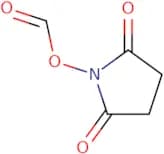
2,5-Dioxopyrrolidin-1-yl formate
CAS:2,5-Dioxopyrrolidin-1-yl formate is a solubilized ATP analog that has been clinically developed for the treatment of cancer. This drug binds to cell membranes and causes alkylation of the acidic phospholipids in the membrane, leading to increased permeability of the membrane and release of intracellular components. 2,5-Dioxopyrrolidin-1-yl formate also interacts with lysosomes and increases their acidity, which may lead to an increase in lysosomal enzyme activity. This drug has been shown to inhibit tumor growth in a mouse model by binding to erythrocytes while it was being simultaneously administered intravenously. The chemical structures of this drug are closely related to those of phaseolus, which is known for its anticancer effects.
Formula:C5H5NO4Purity:Min. 95%Molecular weight:143.1 g/molRef: 3D-SAA59254
Discontinued product1-Azabicyclo[3.2.1]octan-4-one
CAS:Versatile small molecule scaffold
Formula:C7H11NOPurity:Min. 95%Molecular weight:125.17 g/mol4-Chloro-N-[2-(diethylamino)ethyl]aniline
CAS:Versatile small molecule scaffoldFormula:C12H19ClN2Purity:Min. 95%Molecular weight:226.74 g/molRef: 3D-FAA42735
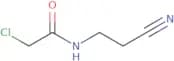
Discontinued product2-Chloro-N-(2-cyanoethyl)acetamide
CAS:2-Chloro-N-(2-cyanoethyl)acetamide is a potent and selective inhibitor of the protein kinase C (PKC). The PKC protein kinases are enzymes that regulate the activity of cells in response to stimuli. 2-Chloro-N-(2-cyanoethyl)acetamide has been shown to be effective against some viruses and tumor cells, but not against bacteria. It inhibits the growth of some cancer cells and has been shown to inhibit the replication of animal viruses such as influenza virus. This drug is also used for treatment of abdominal infections, hepatitis, pancreatitis, mesenteric adenitis, and animals with cancer. 2-Chloro-N-(2-cyanoethyl)acetamide can act as a noncompetitive inhibitor by binding to a site on the enzyme that is different from ATP binding site.
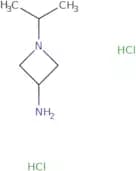
Formula:C5H7ClN2OPurity:Min. 95%Molecular weight:146.57 g/mol1-(1-Methylethyl)-3-azetidinamine, hydrochloride (1:2)
CAS:1-(1-Methylethyl)-3-azetidinamine, hydrochloride (1:2) is a synthetic compound that has been shown to be a potent and selective γ-secretase modulator. It is a triol with an alcohol group at C-3 and two hydroxyl groups at C-4 and C-5. This compound has been shown to inhibit the production of cycloartenol from soybean oil in vitro, which may be due to its inhibition of γ-secretase activity. 1-(1-Methylethyl)-3-azetidinamine, hydrochloride (1:2) also has the potential for use as a target compound for research purposes.Formula:C6H16Cl2N2Purity:Min. 95%Molecular weight:187.11 g/molRef: 3D-SEA54656
Discontinued product6-(Bromomethyl)-3-phenyl-5H,6H-[1,2,4]triazolo[3,4-b][1,3]thiazole
CAS:Versatile small molecule scaffold
Formula:C11H10BrN3SPurity:Min. 95%Molecular weight:296.19 g/molRef: 3D-SEB00446
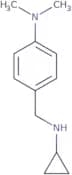
Discontinued productN-(4-Dimethylaminobenzyl)cyclopropanamine
CAS:Versatile small molecule scaffold
Formula:C12H18N2Purity:Min. 95%Molecular weight:190.3 g/molRef: 3D-SKB59362
Discontinued productMethyl 4-chloro-1-ethyl-1H-pyrazole-5-carboxylate
CAS:Versatile small molecule scaffold
Formula:C7H9ClN2O2Purity:Min. 95%Molecular weight:188.61 g/molRef: 3D-SSC71497
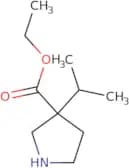
Discontinued productEthyl 3-(propan-2-yl)pyrrolidine-3-carboxylate
CAS:Versatile small molecule scaffold
Formula:C10H19NO2Purity:Min. 95%Molecular weight:185.26 g/molRef: 3D-SSC72215
Discontinued product3-(Propan-2-yl)-3-azabicyclo[3.3.1]nonan-9-one
CAS:Versatile small molecule scaffoldFormula:C11H19NOPurity:Min. 95%Molecular weight:181.27 g/molRef: 3D-TCA06655
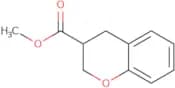
Discontinued productMethyl chroman-3-carboxylate
CAS:Versatile small molecule scaffold
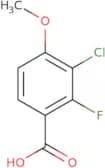
Formula:C11H12O3Purity:Min. 95%Molecular weight:192.21 g/mol3-Chloro-2-fluoro-4-methoxybenzoic acid
CAS:Versatile small molecule scaffold
Formula:C8H6ClFO3Purity:Min. 95%Molecular weight:204.58 g/mol8-Chloro-3-methyl-1H-pyrrolo[3,2-c]quinoline
CAS:Versatile small molecule scaffoldFormula:C12H9ClN2Purity:Min. 95%Molecular weight:216.66 g/molRef: 3D-TCA49997
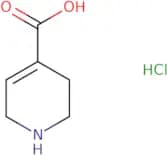
Discontinued productIsoguvacine hydrochloride
CAS:Isoguvacine is an alkaloid that belongs to the group of pharmacological agents. It has been shown to have a synergic effect with other drugs, such as 5-HT2 receptor antagonists and 5-HT3 receptor antagonists, at the level of the plate test. Isoguvacine inhibits the cyclase enzyme, which catalyzes the conversion of ATP into cAMP. The inhibition leads to a decrease in cAMP levels and consequently a decrease in intracellular calcium levels. This drug also blocks glutamate receptors on neurons, preventing their activation by glutamate.
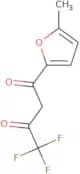
Formula:C6H9NO2•HClPurity:Min. 95%Color and Shape:PowderMolecular weight:163.6 g/mol4,4,4-Trifluoro-1-(5-methylfuran-2-yl)butane-1,3-dione
CAS:Versatile small molecule scaffold
Formula:C9H7F3O3Purity:Min. 95%Molecular weight:220.14 g/molRef: 3D-EGB34239
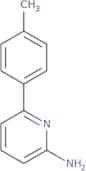
Discontinued product6-(p-Tolyl)pyridin-2-amine
CAS:Versatile small molecule scaffold
Formula:C12H12N2Purity:Min. 95%Molecular weight:184.24 g/molRef: 3D-EGA47928
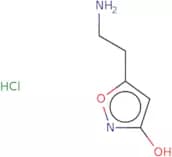
Discontinued product5-(2-Aminoethyl)-1,2-oxazol-3-ol hydrochloride
CAS:Versatile small molecule scaffold
Formula:C5H9ClN2O2Purity:Min. 95%Molecular weight:164.6 g/molRef: 3D-UND40740
Discontinued product5-[(Phenylthio)methyl]-2-furoic acid
CAS:Versatile small molecule scaffold
Formula:C12H10O3SPurity:Min. 95%Molecular weight:234.27 g/molRef: 3D-EDA50496
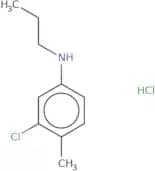
Discontinued product3-Chloro-4-methyl-N-propylaniline hydrochloride
CAS:Versatile small molecule scaffoldFormula:C10H15Cl2NPurity:Min. 95%Molecular weight:220.1 g/molRef: 3D-UND40802
Discontinued productMethyl 3-(4-nitro-1H-pyrazol-1-yl)propanoate
CAS:Versatile small molecule scaffold
Formula:C7H9N3O4Purity:Min. 95%Molecular weight:199.16 g/molRef: 3D-UUA74722
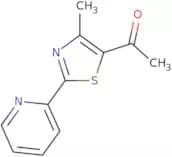
Discontinued product1-(4-Methyl-2-pyridin-2-yl-1,3-thiazol-5-yl)ethanone
CAS:Versatile small molecule scaffold
Formula:C11H10N2OSPurity:Min. 95%Molecular weight:218.28 g/molRef: 3D-DUA25765
Discontinued product2,6-Dichloropyridine-3-sulfonamide
CAS:Versatile small molecule scaffold
Formula:C5H4Cl2N2O2SPurity:Min. 95%Molecular weight:227.07 g/molRef: 3D-DTB62777
Discontinued product3-Amino-3-[3-(trifluoromethoxy)phenyl]propan-1-ol
CAS:Versatile small molecule scaffold
Formula:C10H12F3NO2Purity:Min. 95%Molecular weight:235.2 g/molRef: 3D-VAC40236
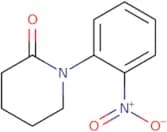
Discontinued product2-Piperidinone, 1-(2-nitrophenyl)-
CAS:Versatile small molecule scaffold
Formula:C11H12N2O3Purity:Min. 95%Molecular weight:220.22 g/molRef: 3D-DIA50992
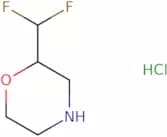
Discontinued product2-(Difluoromethyl)morpholine hydrochloride
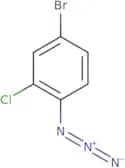
CAS:Versatile small molecule scaffoldFormula:C5H10ClF2NOPurity:Min. 95%Molecular weight:173.59 g/mol1-Azido-4-bromo-2-chlorobenzene
CAS:Versatile small molecule scaffold
Formula:C6H3BrClN3Purity:Min. 95%Molecular weight:232.46 g/molRef: 3D-CWB94347
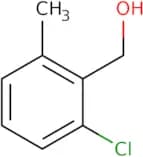
Discontinued product(2-Chloro-6-methylphenyl)methanol
CAS:Versatile small molecule scaffold
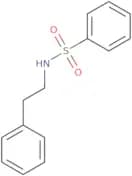
Formula:C8H9ClOPurity:Min. 95%Molecular weight:156.61 g/molN-(2-Phenylethyl)benzenesulfonamide
CAS:N-(2-Phenylethyl)benzenesulfonamide is a biodegradable and aerobic catalyst that is used in the production of nitrates. It can be recycled and has a high solubility, which allows for efficient extraction from wastewater effluents. The reactor system can be operated at an aerobic or anaerobic conditions. N-(2-Phenylethyl)benzenesulfonamide is soluble in water and can be hydrolyzed by acids or bases to release ammonia gas. The process can also be sustainable due to the use of renewable energy sources such as solar, wind, tidal, or biomass power.
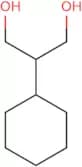
Formula:C14H15NO2SPurity:Min. 95%Molecular weight:261.34 g/mol2-Cyclohexylpropane-1,3-diol
CAS:2-Cyclohexylpropane-1,3-diol is a substrate for porcine pancreatic lipase. It is hydrolyzed by this enzyme, which is stereoselective and enantioselective. 2-Cyclohexylpropane-1,3-diol also has properties that are similar to angiotensin, a peptide that is secreted by the human body. This substance can be used as a solvent for other organic compounds in chemical reactions.
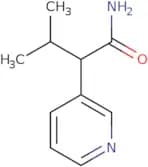
Formula:C9H18O2Purity:Min. 95%Molecular weight:158.24 g/mol3-Methyl-2-(pyridin-3-yl)butanamide
CAS:Versatile small molecule scaffold
Formula:C10H14N2OPurity:Min. 95%Molecular weight:178.23 g/molRef: 3D-BFC36176
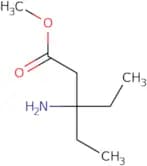
Discontinued productMethyl 3-amino-3-ethylpentanoate
CAS:Versatile small molecule scaffold
Formula:C8H17NO2Purity:Min. 95%Molecular weight:159.23 g/molRef: 3D-BFC28653
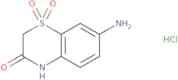
Discontinued product7-amino-2H-1,4-benzothiazin-3(4H)-one 1,1-dioxide hydrochloride
CAS:Versatile small molecule scaffold
Formula:C8H9ClN2O3SPurity:Min. 95%Molecular weight:248.69 g/molRef: 3D-VID40915
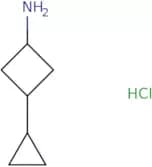
Discontinued product3-Cyclopropylcyclobutan-1-amine hydrochloride, somers
CAS:Versatile small molecule scaffold
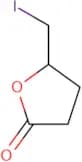
Formula:C7H14ClNPurity:Min. 95%Molecular weight:147.64 g/mol5-(Iodomethyl)oxolan-2-one
CAS:Versatile small molecule scaffold
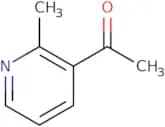
Formula:C5H7IO2Purity:Min. 95%Molecular weight:226.01 g/mol1-(2-Methylpyridin-3-yl)ethanone
CAS:1-(2-Methylpyridin-3-yl)ethanone is a ketone that can be synthesized using the reaction of methyl sulfone, benzyl sulfone, and sulphone. It has been shown to have anti-inflammatory properties by inhibiting prostaglandin synthesis and has been used as a nonsteroidal anti-inflammatory drug (NSAID). 1-(2-Methylpyridin-3-yl)ethanone has also been shown to have analgesic effects in mice. This synthetic compound may be useful in treating inflammation, pain, and fever.
Formula:C8H9NOPurity:Min. 95%Molecular weight:135.16 g/mol(4-Hydroxy-5-methoxypent-1-yn-1-yl)trimethylsilane
CAS:Versatile small molecule scaffoldFormula:C9H18O2SiPurity:Min. 95%Molecular weight:186.32 g/molRef: 3D-VID40976
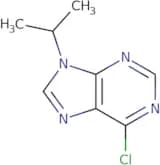
Discontinued product6-Chloro-9-(propan-2-yl)-9H-purine
CAS:6-Chloro-9-(propan-2-yl)-9H-purine is an intermediate in the synthesis of nucleoside analogues. It is obtained by the catalyzed reaction of acetonitrile and purines, which undergoes regioisomerization to form a mixture of 6-chloro-9-(propyl)- and 6-chloro-9-(butyl)purine. This intermediate can be used for the alkynylation of amino acids or peptides with alkynes. The selective formation of one regioisomer can be achieved by using a chiral catalyst or by reacting with an optically active reagent such as (+)-camphor sulfonic acid.
Formula:C8H9ClN4Purity:Min. 95%Molecular weight:196.64 g/molRef: 3D-AVA53908
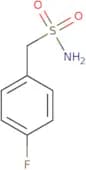
Discontinued product(4-Fluorophenyl)methanesulfonamide
CAS:Versatile small molecule scaffold
Formula:C7H8FNO2SPurity:Min. 95%Molecular weight:189.21 g/mol(1,2-Thiazol-5-yl)methanamine hydrochloride
CAS:Versatile small molecule scaffold
Formula:C4H7ClN2SPurity:Min. 95%Molecular weight:150.63 g/molRef: 3D-VID41014
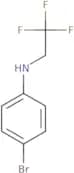
Discontinued product4-bromo-N-(2,2,2-trifluoroethyl)aniline
CAS:Versatile small molecule scaffold
Formula:C8H7BrF3NPurity:Min. 95%Molecular weight:254 g/mol[2-(2-Ethoxyethoxy)ethyl](methyl)amine
CAS:Versatile small molecule scaffold
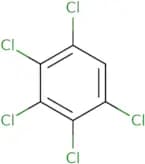
Formula:C7H17NO2Purity:Min. 95%Molecular weight:147.22 g/mol1,2,3,4,5-Pentachlorobenzene
CAS:1,2,3,4,5-Pentachlorobenzene is a chlorinated hydrocarbon that is used in the production of pesticides and herbicides. It is an ingredient in the manufacturing of pentachlorophenol and pentachloronitrobenzene. 1,2,3,4,5-Pentachlorobenzene has been used as a chemical intermediate or solvent for the production of other chemicals. The emissions from this chemical can be harmful to humans and animals because it has been shown to affect enzyme activities at sublethal doses. It also affects rat liver microsomes and causes DNA damage that can lead to cancer.
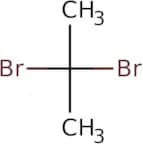
Formula:C6HCl5Purity:Min. 95%Molecular weight:250.34 g/mol2,2-Dibromopropane
CAS:2,2-Dibromopropane is a synthetic chemical that has been used as a precursor in the production of nylon. It is an activator that can be used to form covalent bonds with reactive groups on other molecules. The activation energy for the reaction with piperazine is between 104 and 106 kJ/mol. 2,2-Dibromopropane undergoes acylation reactions under certain conditions, forming reaction products such as 2,2-dibromoethyl acetate and 2,2-dibromoethanol. The molecular weight of 2,2-dibromopropane is 192.19 g/mol and its structural formula is CHBrCHBrCHBrCHBrC≡C≡C≡C≡C≡C≡CC(O)OH.
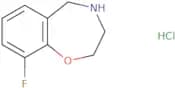
Formula:C3H6Br2Purity:Min. 95%Molecular weight:201.89 g/mol9-Fluoro-2,3,4,5-tetrahydro-1,4-benzoxazepine hydrochloride
CAS:Versatile small molecule scaffold
Formula:C9H11ClFNOPurity:Min. 95%Molecular weight:203.64 g/molRef: 3D-VWC18668
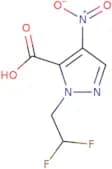
Discontinued product1-(2,2-Difluoroethyl)-4-nitro-1H-pyrazole-5-carboxylic acid
CAS:Versatile small molecule scaffoldFormula:C6H5F2N3O4Purity:Min. 95%Molecular weight:221.12 g/molRef: 3D-VWC27524
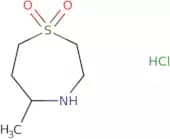
Discontinued product5-Methyl-1,4-thiazepane-1,1-dione hydrochloride
CAS:Versatile small molecule scaffold
Formula:C6H14ClNO2SPurity:Min. 95%Molecular weight:199.7 g/molRef: 3D-VWC27667
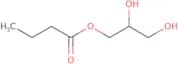
Discontinued product1-Monotetranoin
CAS:1-Monotetranoin is a fatty ester that is involved in the process of lipolysis, which is the breakdown of fat cells. Lipolysis occurs when an enzyme called lipase hydrolyzes triglycerides into glycerol and three fatty acids. 1-Monotetranoin has been shown to be a potent stimulator of growth factor production and cell proliferation in vivo models. It has also been shown to be effective at inhibiting angiogenic processes in vitro, including the release of growth factors from fat cells. The neutral pH optimum for 1-monotetranoin is between 7 and 8, which may be due to its hydrophobic nature.
Formula:C7H14O4Purity:Min. 95%Molecular weight:162.18 g/molRef: 3D-AAA55725
Discontinued product2-(2,2,2-Trifluoroethyl)pyrrolidine hydrochloride
CAS:Versatile small molecule scaffold
Formula:C6H11ClF3NPurity:Min. 95%Molecular weight:189.6 g/molRef: 3D-VWC27748
Discontinued product5-[(2,4-Difluorophenyl)methyl]-4-methyl-1,3-thiazol-2-amine hydrobromide
CAS:Versatile small molecule scaffold
Formula:C11H11BrF2N2SPurity:Min. 95%Molecular weight:321.19 g/molRef: 3D-VWC49324
Discontinued product1-[5-(Trifluoromethyl)-1,3,4-thiadiazol-2-yl]piperazine hydrochloride
CAS:Versatile small molecule scaffold
Formula:C7H10ClF3N4SPurity:Min. 95%Molecular weight:274.7 g/molRef: 3D-WAC73867
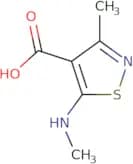
Discontinued product3-Methyl-5-(methylamino)-1,2-thiazole-4-carboxylic acid
CAS:Versatile small molecule scaffold
Formula:C6H8N2O2SPurity:Min. 95%Molecular weight:172.21 g/molRef: 3D-WJB21745
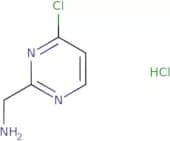
Discontinued product2-(Aminomethyl)-4-chloropyrimidine HCl
CAS:Versatile small molecule scaffold
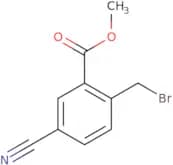
Formula:C5H7Cl2N3Purity:Min. 95%Molecular weight:180.04 g/molMethyl 2-(bromomethyl)-5-cyanobenzoate
CAS:Versatile small molecule scaffold
Formula:C10H8BrNO2Purity:Min. 95%Molecular weight:254.08 g/mol5-Amino-1-methyl-1,2,3,4-tetrahydropyrimidine-2,4-dione
CAS:Versatile small molecule scaffoldFormula:C5H7N3O2Purity:Min. 95%Molecular weight:141.13 g/mol4-(Aminomethyl)-N-(2-methoxyethyl)aniline
CAS:Versatile small molecule scaffoldFormula:C10H16N2OPurity:Min. 95%Molecular weight:180.25 g/mol2-(5-Chloro-1-methyl-1H-imidazol-2-yl)-2,2-difluoroacetic acid hydrochloride
CAS:Versatile small molecule scaffoldFormula:C6H6Cl2F2N2O2Purity:Min. 95%Molecular weight:247 g/molRef: 3D-YGC02390
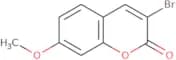
Discontinued product3-Bromo-7-methoxy-2H-1-benzopyran-2-one
CAS:3-Bromo-7-methoxy-2H-1-benzopyran-2-one is a coumarin derivative that has been shown to cause liver lesions in rats. The compound can also inhibit locomotor activity, as well as have a significant effect on the levels of serum prolactin. 3-Bromo-7-methoxy-2H-1-benzopyran-2-one is a ligand for the 5HT2 receptor, and it has been suggested that this may be due to its coordination geometry. In addition, 3BMOP binds to DNA with high affinity and specificity, which suggests that it could be used as an antitumor agent.
Formula:C10H7BrO3Purity:Min. 95%Molecular weight:255.06 g/mol4-Acetyl-5-methyl-3-(propan-2-yl)-1H-pyrrole-2-carboxylic acid
CAS:Versatile small molecule scaffold
Formula:C11H15NO3Purity:Min. 95%Molecular weight:209.24 g/molRef: 3D-YGC02414
Discontinued productN-[(4-Chlorophenyl)methyl]-4,5-dihydro-1,3-thiazol-2-amine
CAS:Versatile small molecule scaffold
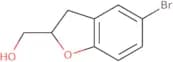
Formula:C10H11ClN2SPurity:Min. 95%Molecular weight:226.73 g/mol(5-Bromo-2,3-dihydro-1-benzofuran-2-yl)methanol
CAS:Versatile small molecule scaffold
Formula:C9H9O2BrPurity:Min. 95%Molecular weight:229.07 g/molRef: 3D-XHA57735
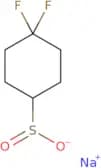
Discontinued productSodium 4,4-difluorocyclohexane-1-sulfinate
CAS:Versatile small molecule scaffold
Formula:C6H9F2NaO2SPurity:Min. 95%Molecular weight:206.19 g/molRef: 3D-XPC01358
Discontinued product2-isopropyltetrahydro-4H-pyran-4-one
CAS:Versatile small molecule scaffoldFormula:C8H14O2Purity:Min. 95%Molecular weight:142.19 g/mol(2S)-2-Amino-4-(aminooxy)butanoic acid dihydrochloride
CAS:Versatile small molecule scaffold
Formula:C4H12Cl2N2O3Purity:Min. 95%Molecular weight:207.1 g/molRef: 3D-YAA70165
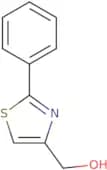
Discontinued product4-(Hydroxymethyl)-2-phenyl-1,3-thiazole
CAS:4-(Hydroxymethyl)-2-phenyl-1,3-thiazole is a versatile compound that has various applications in research and chemical synthesis. It is commonly used as a building block for the synthesis of organic compounds, including antibodies and research chemicals. This compound has been found to exhibit potent antiangiogenic properties, making it valuable in the field of cancer research. Additionally, 4-(Hydroxymethyl)-2-phenyl-1,3-thiazole can be used as a precursor in the synthesis of important pharmaceuticals such as cephalosporins and taxol. Its unique structure allows for diverse chemical reactions, making it an essential tool for chemists and researchers alike. Whether you're working on developing new drugs or exploring novel chemical reactions, 4-(Hydroxymethyl)-2-phenyl-1,3-thiazole is an indispensable compound that will help drive your scientific endeavors forward.
Formula:C10H9NOSPurity:Min. 95%Molecular weight:191.25 g/mol3-(3-Methoxypropoxy)azetidine hydrochloride
CAS:Versatile small molecule scaffoldFormula:C7H16ClNO2Purity:Min. 95%Molecular weight:181.66 g/molRef: 3D-JCC20791
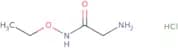
Discontinued product2-Amino-N-ethoxyacetamide hydrochloride
CAS:Versatile small molecule scaffold
Formula:C4H11ClN2O2Purity:Min. 95%Molecular weight:154.59 g/molRef: 3D-JBD30535
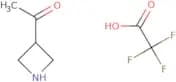
Discontinued product1-(Azetidin-3-yl)ethan-1-one, trifluoroacetic acid
CAS:Versatile small molecule scaffoldFormula:C7H10F3NO3Purity:Min. 95%Molecular weight:213.15 g/mol4-Chloro-2-hydroxy-6-methylphenylboronic acid
CAS:Versatile small molecule scaffoldFormula:C7H8BClO3Purity:Min. 95%Molecular weight:186.4 g/moltert-Butyl (2,2-difluoro-3-hydroxypropyl)carbamate
CAS:Versatile small molecule scaffoldFormula:C10H13NO4Purity:Min. 95%Molecular weight:211.21 g/mol4,5-Dihydro-1H-imidazol-2-amine hydrochloride
CAS:Please enquire for more information about 4,5-Dihydro-1H-imidazol-2-amine hydrochloride including the price, delivery time and more detailed product information at the technical inquiry form on this page
Formula:C3H7N3•HClPurity:Min. 95%Molecular weight:121.57 g/molRef: 3D-FD183639
Discontinued product1-Hydroxycyclopentane-1-carbonitrile
CAS:1-Hydroxycyclopentane-1-carbonitrile is a monomer that is hydrolyzed to form benzoin and cyanohydrins. It can be used in the production of scifinder as a monomer or dimerizer.
Formula:C6H9NOPurity:Min. 95%Molecular weight:111.14 g/mol2-Bromo-3,3,3-trifluoro-1-propene
CAS:Controlled Product2-Bromo-3,3,3-trifluoro-1-propene is a chemical compound that has been synthesized in an asymmetric reaction. The reactant is bromopropane and the product is 2,2,2-trifluoropropene. The methylene group on the propene molecule is activated by the nucleophilic attack of a fluoride ion from hydrogen fluoride to form a cavity with a highly strained bond. The kinetic study of this reaction revealed that the activation energy for the reaction is 42 kJ/mol. Palladium-catalyzed coupling reactions are catalyzed by palladium and require nonpolar solvents such as toluene or dichloromethane. This type of reaction has been shown to be exothermic with an isolated yield of 1%.
Formula:C3H2BrF3Purity:Min. 95%Color and Shape:Colorless PowderMolecular weight:174.95 g/mol3-Hydroxy-5-methylpyridine
CAS:3-Hydroxy-5-methylpyridine (3HMP) is a chemical substance that has been classified as an amine. It is a product of the metabolism of purines, which are nitrogenous bases found in DNA and RNA. 3HMP is produced by aerogenic bacteria (such as Enterobacter), and can be used to estimate the number of these bacteria present in water samples. 3HMP has been shown to have antiviral properties against influenza virus, and can be used as a biomarker for the presence of other viruses in animals. 3HMP also has mineralization properties, which have been studied extensively, particularly with regards to pancreatic disease.
Formula:C6H7NOPurity:Min. 95%Color and Shape:PowderMolecular weight:109.13 g/molRef: 3D-FH16174
Discontinued product8-Bromo-2-methylimidazo[1,2-a]pyridine
CAS:Versatile small molecule scaffold
Formula:C8H7N2BrPurity:Min. 95%Molecular weight:211.05 g/mol4,5-Dihydroxy-2,3-Pentanedione
CAS:4,5-Dihydroxy-2,3-pentanedione is a carbonyl compound that is the product of the oxidation of ascorbic acid. It is used in wastewater treatment and has antimicrobial properties against infectious diseases. This compound has been shown to inhibit protein synthesis by binding to the ribosome and preventing the formation of peptide bonds between amino acids. 4,5-Dihydroxy-2,3-pentanedione has also been shown to bind to plasma proteins, which may be due to its acyl chain structure. 4,5-Dihydroxy-2,3-pentanedione can be synthesized in a catalytic mechanism that involves dehydroascorbic acid and molecular oxygen.
Formula:C5H8O4Purity:Min. 95%Color and Shape:PowderMolecular weight:132.11 g/molRef: 3D-FD180770
Discontinued productPiperyline
CAS:Piperyline is an alkanoic acid that has shown to be effective against skin cancer. It also has antimicrobial properties, which may be due to its ability to bind metal ions and form polymeric compounds. Piperyline inhibits microbial growth by inhibiting the synthesis of proteins and nucleic acids. The antimicrobial activity is related to its cationic polymerization with hydroxyl groups, which forms a structure that can inhibit microbial enzymes and disrupt microbial cell membranes. This compound also interacts with the skin's natural lipids, making it difficult for microorganisms to attach and grow on the skin. Piperyline is synthesized in organic chemistry laboratories as an amide precursor of other pharmaceuticals such as penicillin.
Formula:C16H17NO3Purity:Min. 95%Molecular weight:271.31 g/mol

![1-Azabicyclo[3.2.1]octan-4-one](/_next/image/?url=https%3A%2Fstatic.cymitquimica.com%2Fproducts%2F3D%2Fthumb-webp%2FSAA60477.webp&w=3840&q=75)
![4-Chloro-N-[2-(diethylamino)ethyl]aniline](/_next/image/?url=https%3A%2Fstatic.cymitquimica.com%2Fproducts%2F3D%2Fthumb-webp%2FFAA42735.webp&w=3840&q=75)
![6-(Bromomethyl)-3-phenyl-5H,6H-[1,2,4]triazolo[3,4-b][1,3]thiazole](/_next/image/?url=https%3A%2Fstatic.cymitquimica.com%2Fproducts%2F3D%2Fthumb-webp%2FSEB00446.webp&w=3840&q=75)

![3-(Propan-2-yl)-3-azabicyclo[3.3.1]nonan-9-one](/_next/image/?url=https%3A%2Fstatic.cymitquimica.com%2Fproducts%2F3D%2Fthumb-webp%2FTCA06655.webp&w=3840&q=75)
![8-Chloro-3-methyl-1H-pyrrolo[3,2-c]quinoline](/_next/image/?url=https%3A%2Fstatic.cymitquimica.com%2Fproducts%2F3D%2Fthumb-webp%2FTCA49997.webp&w=3840&q=75)
![5-[(Phenylthio)methyl]-2-furoic acid](/_next/image/?url=https%3A%2Fstatic.cymitquimica.com%2Fproducts%2F3D%2Fthumb-webp%2FEDA50496.webp&w=3840&q=75)


![3-Amino-3-[3-(trifluoromethoxy)phenyl]propan-1-ol](/_next/image/?url=https%3A%2Fstatic.cymitquimica.com%2Fproducts%2F3D%2Fthumb-webp%2FVAC40236.webp&w=3840&q=75)

amine](/_next/image/?url=https%3A%2Fstatic.cymitquimica.com%2Fproducts%2F3D%2Fthumb-webp%2FAAC06291.webp&w=3840&q=75)

![5-[(2,4-Difluorophenyl)methyl]-4-methyl-1,3-thiazol-2-amine hydrobromide](/_next/image/?url=https%3A%2Fstatic.cymitquimica.com%2Fproducts%2F3D%2Fthumb-webp%2FVWC49324.webp&w=3840&q=75)
![1-[5-(Trifluoromethyl)-1,3,4-thiadiazol-2-yl]piperazine hydrochloride](/_next/image/?url=https%3A%2Fstatic.cymitquimica.com%2Fproducts%2F3D%2Fthumb-webp%2FWAC73867.webp&w=3840&q=75)


![N-[(4-Chlorophenyl)methyl]-4,5-dihydro-1,3-thiazol-2-amine](/_next/image/?url=https%3A%2Fstatic.cymitquimica.com%2Fproducts%2F3D%2Fthumb-webp%2FXCA23929.webp&w=3840&q=75)







![8-Bromo-2-methylimidazo[1,2-a]pyridine](/_next/image/?url=https%3A%2Fstatic.cymitquimica.com%2Fproducts%2F3D%2Fthumb-webp%2FUXB37475.webp&w=3840&q=75)

