


Building Blocks
Subcategories of "Building Blocks"
- Boronic Acids & Boronic Acid Derivatives(5,778 products)
- Chiral Building Blocks(1,243 products)
- Hydrocarbon Building Blocks(6,099 products)
- Organic Building Blocks(61,038 products)
Found 205376 products of "Building Blocks"
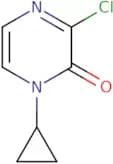
3-Chloro-1-cyclopropyl-1,2-dihydropyrazin-2-one
CAS:Versatile small molecule scaffold
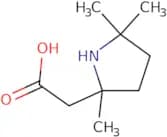
Formula:C7H7ClN2OPurity:Min. 95%Molecular weight:170.59 g/mol2-(2,5,5-Trimethylpyrrolidin-2-yl)acetic acid
CAS:Versatile small molecule scaffold
Formula:C9H17NO2Purity:Min. 95%Molecular weight:171.24 g/molRef: 3D-HDA83090
Discontinued productMabuprofen
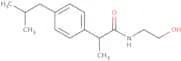
CAS:Mabuprofen is a nonsteroidal anti-inflammatory drug that belongs to the class of NSAIDs. It is used to treat pain, inflammation, and stiffness caused by osteoarthritis, rheumatoid arthritis, and other joint diseases. Mabuprofen is a prodrug that has been shown to inhibit the production of prostaglandins in the brain and spinal cord. This inhibition leads to an increase in cyclic adenosine monophosphate (cAMP) levels which can then reduce the production of proteins in cells. This can have anti-inflammatory effects that are beneficial for people with inflammatory bowel disease or hyperproliferative diseases such as cancer. Mabuprofen has also been shown to decrease the levels of soybean trypsin inhibitor in rats with bowel disease. The mechanism for this activity may be due to its ability to act as a substrate molecule for enzyme reactions, such as soybean trypsin inhibitors.
Formula:C15H23NO2Purity:Min. 95%Molecular weight:249.35 g/moltert-butyl N-[(2R)-1-oxopropan-2-yl]carbamate
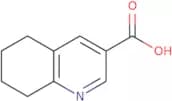
CAS:Versatile small molecule scaffoldFormula:C8H15NO3Purity:Min. 95%Molecular weight:173.2 g/mol5,6,7,8-Tetrahydroquinoline-3-carboxylic acid
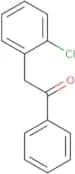
CAS:5,6,7,8-Tetrahydroquinoline-3-carboxylic acid is a quinoline derivative that has been shown to have bacteriostatic activity against Staphylococcus aureus. It binds to the hydroxyl groups of the bacterial cell membrane and inhibits the production of enzymes necessary for protein synthesis. The interaction between the 5,6,7,8-tetrahydroquinoline-3-carboxylic acid and the hydroxyl group is reversible. 5,6,7,8-Tetrahydroquinoline-3-carboxylic acid also has bacteriostatic activity against other bacteria such as Mycobacterium tuberculosis and Mycobacterium avium complex.Formula:C10H11NO2Purity:Min. 95%Molecular weight:177.2 g/mol2-(2-Chlorophenyl)-1-phenylethan-1-one
CAS:Versatile small molecule scaffold
Formula:C14H11ClOPurity:Min. 95%Molecular weight:230.69 g/molRef: 3D-HCA47960
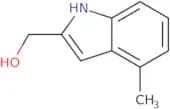
Discontinued product(4-Methyl-1H-indol-2-yl)methanol
CAS:Versatile small molecule scaffold
Formula:C10H11NOPurity:Min. 95%Molecular weight:161.2 g/molRef: 3D-HCA35242
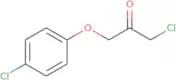
Discontinued product1-Chloro-3-(4-chlorophenoxy)propan-2-one
CAS:Versatile small molecule scaffoldFormula:C9H8Cl2O2Purity:Min. 95%Molecular weight:219.06 g/molRef: 3D-HCA26454
Discontinued product5-Methylquinoline
CAS:5-Methylquinoline is a quinoline derivative that is used in the synthesis of other quinoline derivatives. It can be synthesized from cinnamaldehyde, which can be obtained from cinnamic acid or benzaldehyde. 5-Methylquinoline has been shown to have antioxidant properties and inhibit colorectal carcinoma cells in vitro. The compound also inhibits the growth of caco-2 cells. One isomer of 5-methylquinoline, ethenyl, has been shown to cause a shift in the spectrum of light absorbed by caco-2 cells.
Formula:C10H9NPurity:Min. 95%Molecular weight:143.18 g/mol3-Azabicyclo[3.2.1]octan-6-ol hydrochlorides
CAS:Versatile small molecule scaffoldFormula:C7H14ClNOPurity:Min. 95%Molecular weight:163.6 g/molRef: 3D-FSD25297
Discontinued product1,5,5-Trimethylpyrrolidin-3-amine dihydrochloride
CAS:Versatile small molecule scaffoldFormula:C7H18Cl2N2Purity:Min. 95%Molecular weight:201.1 g/molRef: 3D-FSD25271
Discontinued product5-Methoxybicyclo[2.2.1]heptan-2-amine hydrochloride
CAS:Versatile small molecule scaffoldFormula:C8H16ClNOPurity:Min. 95%Molecular weight:177.7 g/molRef: 3D-FSD25240
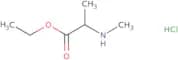
Discontinued productEthyl (2R)-2-(methylamino)propanoate hydrochloride
CAS:Versatile small molecule scaffoldFormula:C6H14ClNO2Purity:Min. 95%Molecular weight:167.6 g/molRef: 3D-FSD20274
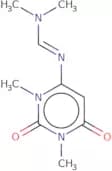
Discontinued product(E)-N'-(1,3-Dimethyl-2,6-dioxo-1,2,3,6-tetrahydropyrimidin-4-yl)-N,N-dimethylmethanimidamide
CAS:Versatile small molecule scaffoldFormula:C9H14N4O2Purity:Min. 95%Molecular weight:210.2 g/molRef: 3D-FSB30046
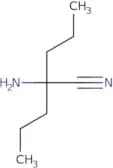
Discontinued product2-Amino-2-propylpentanenitrile
CAS:Versatile small molecule scaffold
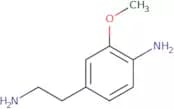
Formula:C8H16N2Purity:Min. 95%Molecular weight:140.23 g/mol4-(2-Aminoethyl)-2-methoxyaniline
CAS:Controlled ProductVersatile small molecule scaffold
Formula:C9H14N2OPurity:Min. 95%Molecular weight:166.22 g/molRef: 3D-FHA14906
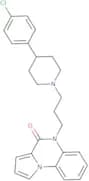
Discontinued productJMS-17-2
CAS:JMS-17-2 is a small molecule that was shown to have a potent and selective inhibitory effect on the production of chemokines in cancer cells. It blocks the interaction between CXCL12 and its receptor, CXCR4. This interaction is important for normal bone tissue development and function, as well as for chemotaxis and metastasis of cancer cells. JMS-17-2 has been shown to prevent tumor growth in animal models by inhibiting angiogenesis, or the formation of new blood vessels to supply nutrients to tumors. The drug also inhibits tumor growth by decreasing the number of primary tumors, reducing bone lesions, and inhibiting the progression of pancreatic cancer. Clinical trials are currently being conducted to assess the efficacy of JMS-17-2 in humans with advanced solid tumors.
Formula:C25H26ClN3OPurity:Min. 95%Molecular weight:419.95 g/molRef: 3D-FFC39205
Discontinued product2-{Imidazo[1,2-a]pyridin-2-yl}-1H-imidazole
CAS:Versatile small molecule scaffoldFormula:C10H8N4Purity:Min. 95%Molecular weight:184.2 g/molRef: 3D-FDD52429
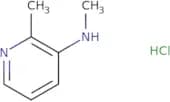
Discontinued productN,2-Dimethylpyridin-3-amine hydrochloride
CAS:Versatile small molecule scaffoldFormula:C7H11ClN2Purity:Min. 95%Molecular weight:158.63 g/molRef: 3D-FDD51851
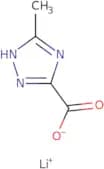
Discontinued productLithium 5-methyl-1H-1,2,4-triazole-3-carboxylate
CAS:Versatile small molecule scaffold
Formula:C4H4LiN3O2Purity:Min. 95%Molecular weight:133.1 g/molN,N-Dimethyl-2-(1-(1-(pyridin-2-yl)ethyl)-1H-inden-2-yl)ethan-1-amine hydrochloride
CAS:Please enquire for more information about N,N-Dimethyl-2-(1-(1-(pyridin-2-yl)ethyl)-1H-inden-2-yl)ethan-1-amine hydrochloride including the price, delivery time and more detailed product information at the technical inquiry form on this page
Formula:C20H24N2•(HCl)2Purity:Min. 95%Molecular weight:365.34 g/molRef: 3D-FD183759
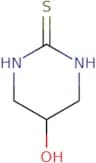
Discontinued product5-Hydroxy-1,3-diazinane-2-thione
CAS:Versatile small molecule scaffold
Formula:C4H8N2OSPurity:Min. 95%Molecular weight:132.19 g/molRef: 3D-FCA10770
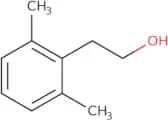
Discontinued product2-(2,6-Dimethylphenyl)ethan-1-ol
CAS:2-(2,6-Dimethylphenyl)ethan-1-ol is a racemic mixture of two compounds with the same molecular formula. The two enantiomers have different chemical properties and can be separated by specific techniques such as chromatography. 2-(2,6-Dimethylphenyl)ethan-1-ol is an ether that is made from methylmalonic acid and ethylene oxide. It is hydrolysed to release methylmalonyl chloride or demethylated to produce methyl ether acetate. This compound has been used in the synthesis of various esters and sesquiterpenoids.
Formula:C10H14OPurity:Min. 95%Molecular weight:150.22 g/molRef: 3D-FBA59580
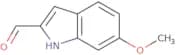
Discontinued product6-Methoxy-1H-indole-2-carbaldehyde
CAS:Versatile small molecule scaffold
Formula:C10H9NO2Purity:Min. 95%Molecular weight:175.18 g/molRef: 3D-FBA46493
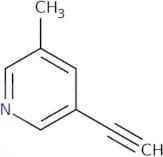
Discontinued product3-Ethynyl-5-methylpyridine
CAS:Versatile small molecule scaffold
Formula:C8H7NPurity:Min. 95%Molecular weight:117.15 g/molRef: 3D-FBA41353
Discontinued product1-(2-Methylphenyl)propan-2-amine
CAS:Controlled Product1-(2-Methylphenyl)propan-2-amine is a fatty acid ester that is used as an excipient in pharmaceutical dosage forms. It is used to increase the viscosity of drug solutions and suspensions, and to provide a protective coating for tablets. 1-(2-Methylphenyl)propan-2-amine is insoluble in water, but soluble in organic solvents such as alcohols and acetone. It can be prepared by reacting a primary amine with a fatty acid chloride or anhydride. The compound has been shown to have high affinity for 5HT2A receptors in vitro, which may account for its psychoactive effects.
Formula:C10H15NPurity:Min. 95%Molecular weight:149.23 g/molRef: 3D-FAA58032
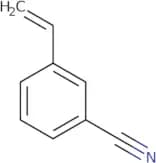
Discontinued product3-Ethenylbenzonitrile
CAS:3-Ethenylbenzonitrile is an organic compound that can be prepared by photolysis of 2-bromobenzonitrile in the presence of a nonpolar solvent. It is also synthesized by laser induced exciplex reaction between benzene and ethylene. 3-Ethenylbenzonitrile has a conformation that is dependent on the polarity of the solvent. In polar solvents, it adopts a bent structure while in nonpolar solvents, it adopts a linear structure. The molecule undergoes cyclobutane formation and then reacts with electron acceptors such as cations to form intermediates. These intermediates react with other molecules to form products.
Formula:C9H7NPurity:Min. 95%Molecular weight:129.16 g/molRef: 3D-FAA33896
Discontinued product5-Benzo[1,3]dioxol-5-yl-2H-pyrazole-3-carboxylic acid methyl ester
CAS:Versatile small molecule scaffoldFormula:C12H10N2O4Purity:Min. 95%Molecular weight:246.22 g/molRef: 3D-ERB10454
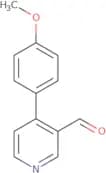
Discontinued product4-(4-Methoxyphenyl)pyridine-3-carbaldehyde
CAS:Versatile small molecule scaffold
Formula:C13H11NO2Purity:Min. 95%Molecular weight:213.23 g/molRef: 3D-ERA33870
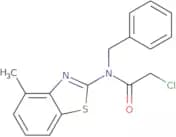
Discontinued productN-Benzyl-2-chloro-N-(4-methyl-1,3-benzothiazol-2-yl)acetamide
CAS:Versatile small molecule scaffoldFormula:C17H15ClN2OSPurity:Min. 95%Molecular weight:330.8 g/molRef: 3D-EKB31946
Discontinued product(4-Ethylcycloheptyl)methanamines
CAS:Versatile small molecule scaffold
Formula:C10H21NPurity:Min. 95%Molecular weight:155.3 g/molRef: 3D-EJC74542
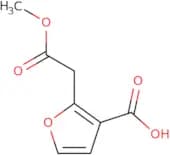
Discontinued product2-(2-Methoxy-2-oxoethyl)furan-3-carboxylic acid
CAS:Versatile small molecule scaffoldFormula:C8H8O5Purity:Min. 95%Molecular weight:184.15 g/molRef: 3D-EJC00417
Discontinued product2-Carbamoyl-2-methylbutanoic acid
CAS:Versatile small molecule scaffold
Formula:C6H11NO3Purity:Min. 95%Molecular weight:145.2 g/molRef: 3D-EJB85063
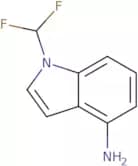
Discontinued product1-(Difluoromethyl)-1H-indol-4-amine
CAS:Versatile small molecule scaffold
Formula:C9H8F2N2Purity:Min. 95%Molecular weight:182.17 g/molRef: 3D-EHC04306
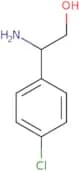
Discontinued productb-Amino-4-chlorobenzeneethanol
CAS:Versatile small molecule scaffold
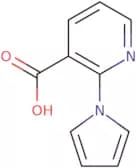
Formula:C8H10ClNOPurity:Min. 95%Molecular weight:171.62 g/mol2-(1H-Pyrrol-1-yl)pyridine-3-carboxylic acid
CAS:Versatile small molecule scaffold
Formula:C10H8N2O2Purity:Min. 95%Molecular weight:188.18 g/molRef: 3D-EGA01405
Discontinued product4-[(4-Methoxyphenyl)methyl]azetidin-2-one
CAS:Versatile small molecule scaffoldFormula:C11H13NO2Purity:Min. 95%Molecular weight:191.23 g/molRef: 3D-EFC81230
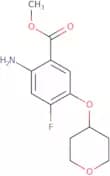
Discontinued productMethyl 2-amino-4-fluoro-5-(oxan-4-yloxy)benzoate
CAS:Versatile small molecule scaffold
Formula:C13H16FNO4Purity:Min. 95%Molecular weight:269.27 g/molRef: 3D-EEC95382
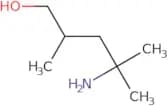
Discontinued product4-Amino-2,4-dimethylpentan-1-ol
CAS:Versatile small molecule scaffold
Formula:C7H17NOPurity:Min. 95%Molecular weight:131.22 g/molRef: 3D-EEC95245
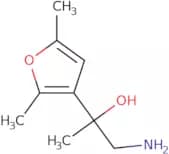
Discontinued product1-Amino-2-(2,5-dimethylfuran-3-yl)propan-2-ol
CAS:Versatile small molecule scaffold
Formula:C9H15NO2Purity:Min. 95%Molecular weight:169.22 g/molRef: 3D-EEC95231
Discontinued product5-[(Phenylthio)methyl]-2-furoic acid
CAS:Versatile small molecule scaffold
Formula:C12H10O3SPurity:Min. 95%Molecular weight:234.27 g/molRef: 3D-EDA50496
Discontinued product4-[2-(2-Methylphenyl)ethyl]piperidine
CAS:Versatile small molecule scaffold
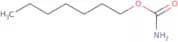
Formula:C14H21NPurity:Min. 95%Molecular weight:203.32 g/molHeptyl carbamate
CAS:Heptyl carbamate is a cholinergic antagonist of the blood disorders. It has been shown to inhibit hydroxy and hiv infection. In vitro assays have shown that heptyl carbamate inhibits the synthesis of fatty acid, thereby reducing cholesterol levels and inhibiting the production of insulin resistance in cells. Heptyl carbamate also binds to the same site on acetylcholinesterase as donepezil, which blocks the breakdown of acetylcholine and leads to an accumulation of this neurotransmitter in nerve cells. This increased concentration of acetylcholine in nerve cells can lead to a reduced incidence of Alzheimer's disease-related symptoms.
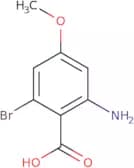
Formula:C8H17NO2Purity:Min. 95%Molecular weight:159.23 g/mol2-Amino-6-bromo-4-methoxybenzoic acid
CAS:Versatile small molecule scaffold
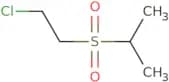
Formula:C8H8BrNO3Purity:Min. 95%Molecular weight:246.06 g/mol2-(2-Chloroethanesulfonyl)propane
CAS:Versatile small molecule scaffold
Formula:C5H11ClO2SPurity:Min. 95%Molecular weight:170.66 g/molRef: 3D-CXB10075
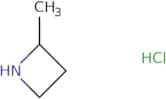
Discontinued product2-Methylazetidine hydrochloride
CAS:Versatile small molecule scaffold
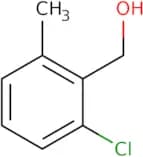
Formula:C4H10ClNPurity:Min. 95%Molecular weight:107.58 g/mol(2-Chloro-6-methylphenyl)methanol
CAS:Versatile small molecule scaffold
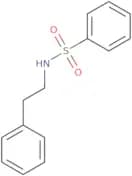
Formula:C8H9ClOPurity:Min. 95%Molecular weight:156.61 g/molN-(2-Phenylethyl)benzenesulfonamide
CAS:N-(2-Phenylethyl)benzenesulfonamide is a biodegradable and aerobic catalyst that is used in the production of nitrates. It can be recycled and has a high solubility, which allows for efficient extraction from wastewater effluents. The reactor system can be operated at an aerobic or anaerobic conditions. N-(2-Phenylethyl)benzenesulfonamide is soluble in water and can be hydrolyzed by acids or bases to release ammonia gas. The process can also be sustainable due to the use of renewable energy sources such as solar, wind, tidal, or biomass power.
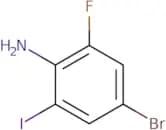
Formula:C14H15NO2SPurity:Min. 95%Molecular weight:261.34 g/mol4-Bromo-2-fluoro-6-iodoaniline
CAS:Versatile small molecule scaffold
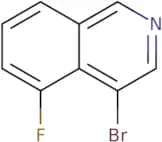
Formula:C6H4BrFINPurity:Min. 95%Molecular weight:315.91 g/mol4-Bromo-5-fluoro-isoquinoline
CAS:Versatile small molecule scaffold
Formula:C9H5BrFNPurity:Min. 95%Molecular weight:226.04 g/molRef: 3D-BPA45758
Discontinued productDi-n-octylamine
CAS:Di-n-octylamine is a reactive chemical that is chemically stable in the presence of nitrogen. It is used in chemical biology as a transport agent for amines and other organic compounds. Di-n-octylamine has been shown to have optimum solubility in glycol ethers, magnesium salts, and trifluoroacetic acid. This compound reacts with fatty acids to form hydroxyl groups and can be used as an extractant for glycol ethers. The mechanism of this reaction involves intramolecular hydrogen transfer from the hydroxyl group on the fatty acid to the n-octyl amine molecule.
Formula:C16H35NPurity:Min. 95%Molecular weight:241.46 g/mol3-Azaspiro[5.6]dodecane-2,4-dione
CAS:Versatile small molecule scaffold
Formula:C11H17NO2Purity:Min. 95%Molecular weight:195.26 g/molRef: 3D-BAA07889
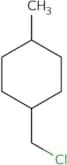
Discontinued product1-(Chloromethyl)-4-methylcyclohexane
CAS:Versatile small molecule scaffold
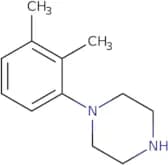
Formula:C8H15ClPurity:Min. 95%Molecular weight:146.66 g/mol1-(2,3-Dimethylphenyl)piperazine
CAS:Controlled Product1-(2,3-Dimethylphenyl)piperazine is a piperidine derivative that has been shown to have antidepressant activity in both in vitro and in vivo studies. It acts as an antagonist at the 5-HT1A receptor and as an agonist at the 5-HT2A receptor. 1-(2,3-Dimethylphenyl)piperazine has been shown to inhibit the production of dopamine, serotonin, and citric acid by inhibiting the enzyme citrate synthase. This drug also increases the concentration of chloride ions in cells. 1-(2,3-Dimethylphenyl)piperazine is used to treat depression, anxiety disorders, and other conditions that may be related to chemical imbalances of serotonin.
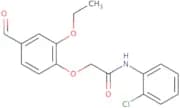
Formula:C12H18N2Purity:Min. 95%Molecular weight:190.29 g/molN-(2-Chlorophenyl)-2-(2-ethoxy-4-formylphenoxy)acetamide
CAS:Versatile small molecule scaffold
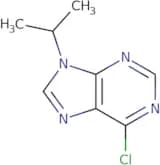
Formula:C17H16ClNO4Purity:Min. 95%Molecular weight:333.8 g/mol6-Chloro-9-(propan-2-yl)-9H-purine
CAS:6-Chloro-9-(propan-2-yl)-9H-purine is an intermediate in the synthesis of nucleoside analogues. It is obtained by the catalyzed reaction of acetonitrile and purines, which undergoes regioisomerization to form a mixture of 6-chloro-9-(propyl)- and 6-chloro-9-(butyl)purine. This intermediate can be used for the alkynylation of amino acids or peptides with alkynes. The selective formation of one regioisomer can be achieved by using a chiral catalyst or by reacting with an optically active reagent such as (+)-camphor sulfonic acid.
Formula:C8H9ClN4Purity:Min. 95%Molecular weight:196.64 g/molRef: 3D-AVA53908
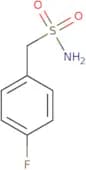
Discontinued product(4-Fluorophenyl)methanesulfonamide
CAS:Versatile small molecule scaffold
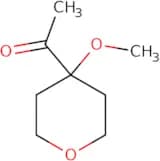
Formula:C7H8FNO2SPurity:Min. 95%Molecular weight:189.21 g/mol1-(4-Methoxyoxan-4-yl)ethan-1-one
CAS:Versatile small molecule scaffold
Formula:C8H14O3Purity:Min. 95%Molecular weight:158.19 g/molRef: 3D-AHA98278
Discontinued product4-[2-(4-Iodophenyl)ethyl]morpholine
CAS:Versatile small molecule scaffold
Formula:C12H16INOPurity:Min. 95%Molecular weight:317.17 g/molRef: 3D-AEA83946
Discontinued product6-Bromoimidazo[2,1-b][1,3]thiazole
CAS:Versatile small molecule scaffold
Formula:C5H3BrN2SPurity:Min. 95%Molecular weight:203.06 g/molRef: 3D-ADA00130
Discontinued product1,3-Diazaspiro[4.4]nonane-2,4-dione
CAS:1,3-Diazaspiro[4.4]nonane-2,4-dione (1) is a new fungicide that was shown to have fungicidal activity in vitro against the grapevine pathogens Plasmopara viticola and Plasmopara obducens. This compound has been isolated from the plant Express erythroxylum coca (Erythroxylum coca). The compound belongs to the class of diaza spiro compounds and is a member of a family of diaza spiro compounds with antifungal activity. One possible mode of action for 1 is that it inhibits the synthesis of DNA by binding to bacterial DNA gyrase.
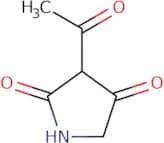
Formula:C7H10N2O2Purity:Min. 95%Molecular weight:154.17 g/mol3-Acetylpyrrolidine-2,4-dione
CAS:3-Acetylpyrrolidine-2,4-dione is an experimental drug that belongs to the class of metal hydroxides. It has been shown to have anti-tumor activity in vitro and in vivo against a variety of malignant tumors. 3-Acetylpyrrolidine-2,4-dione also inhibits the growth of pigweed and other plants by inhibiting the production of tenuazonic acid. This compound is a tautomeric form of tenuazonic acid, which is also known as 2,4-pentanedione. The carboxylate group on this molecule may be responsible for its herbicidal activity.
Formula:C6H7NO3Purity:Min. 95%Molecular weight:141.12 g/molRef: 3D-AAA69757
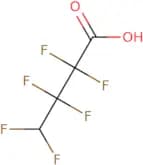
Discontinued product2,2,3,3,4,4-Hexafluorobutyric acid
CAS:2,2,3,3,4,4-Hexafluorobutyric acid is a hydroxylated organic compound. It has been shown to be more chemically stable than other quaternary ammonium compounds. 2,2,3,3,4,4-Hexafluorobutyric acid is used as a polymerization initiator for the preparation of cationic polymers. This chemical can also be used to fragment proteins and nucleic acids in order to prepare samples for analysis by mass spectrometry. 2HFBA is reactive and can cause irritation on contact with the skin or eyes. It has been shown that this chemical may have an effect on body mass index and can bind to calcium ions.
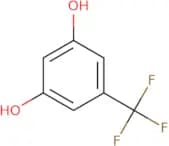
Formula:C4H2F6O2Purity:Min. 95%Molecular weight:196.05 g/mol5-(Trifluoromethyl)benzene-1,3-diol
CAS:Versatile small molecule scaffold
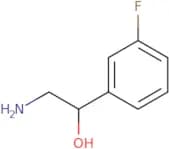
Formula:C7H5F3O2Purity:Min. 95%Molecular weight:178.11 g/mol2-Amino-1-(3-fluorophenyl)ethanol
CAS:Versatile small molecule scaffold
Formula:C8H10FNOPurity:Min. 95%Molecular weight:155.17 g/molRef: 3D-AAA40296
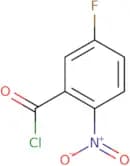
Discontinued product5-Fluoro-2-nitrobenzoyl chloride
CAS:5-Fluoro-2-nitrobenzoyl chloride is a conformationally locked macrocyclic compound that has been synthesized by solid phase synthesis. It is found in two conformational states and can be made to switch between these two states by applying a force to the molecule. This conformation can be controlled by changing the side chain of 5-fluoro-2-nitrobenzoyl chloride, which can be done experimentally. The conformational behavior of this macrocycle was studied using molecular dynamics simulations and it was found that there are four possible conformations for the molecule. The conformations with different side chains were found to have different energies, which could be used as a measure of their relative stability.
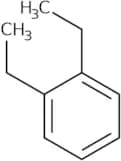
Formula:C7H3ClFNO3Purity:Min. 95%Molecular weight:203.55 g/mol1,2-Diethylbenzene
CAS:1,2-Diethylbenzene is a trifluoroacetic acid derivative that is used as an acylation agent and a solid catalyst. 1,2-Diethylbenzene has been shown to increase the energy metabolism in cultured human cells. It also influences fatty acid synthesis and nmr spectra of plant families. 1,2-Diethylbenzene was found to be safe for use in sciatic nerve regeneration in Sprague-Dawley rats with axonopathy. This chemical can also be used as an analytical reagent for the separation of urine samples by liquid chromatography methods.
Formula:C10H14Purity:Min. 95%Molecular weight:134.22 g/mol4,5-Dihydro-1H-imidazol-2-amine hydrochloride
CAS:Please enquire for more information about 4,5-Dihydro-1H-imidazol-2-amine hydrochloride including the price, delivery time and more detailed product information at the technical inquiry form on this page
Formula:C3H7N3•HClPurity:Min. 95%Molecular weight:121.57 g/molRef: 3D-FD183639
Discontinued product3-Hydroxy-5-methylpyridine
CAS:3-Hydroxy-5-methylpyridine (3HMP) is a chemical substance that has been classified as an amine. It is a product of the metabolism of purines, which are nitrogenous bases found in DNA and RNA. 3HMP is produced by aerogenic bacteria (such as Enterobacter), and can be used to estimate the number of these bacteria present in water samples. 3HMP has been shown to have antiviral properties against influenza virus, and can be used as a biomarker for the presence of other viruses in animals. 3HMP also has mineralization properties, which have been studied extensively, particularly with regards to pancreatic disease.
Formula:C6H7NOPurity:Min. 95%Color and Shape:PowderMolecular weight:109.13 g/molRef: 3D-FH16174
Discontinued product4-Chloro-2-hydroxy-6-methylphenylboronic acid
CAS:Versatile small molecule scaffoldFormula:C7H8BClO3Purity:Min. 95%Molecular weight:186.4 g/mol8-Bromo-2-methylimidazo[1,2-a]pyridine
CAS:Versatile small molecule scaffold
Formula:C8H7N2BrPurity:Min. 95%Molecular weight:211.05 g/mol1-Hydroxycyclopentane-1-carbonitrile
CAS:1-Hydroxycyclopentane-1-carbonitrile is a monomer that is hydrolyzed to form benzoin and cyanohydrins. It can be used in the production of scifinder as a monomer or dimerizer.
Formula:C6H9NOPurity:Min. 95%Molecular weight:111.14 g/moltert-Butyl (2,2-difluoro-3-hydroxypropyl)carbamate
CAS:Versatile small molecule scaffoldFormula:C10H13NO4Purity:Min. 95%Molecular weight:211.21 g/mol2-Bromo-3,3,3-trifluoro-1-propene
CAS:Controlled Product2-Bromo-3,3,3-trifluoro-1-propene is a chemical compound that has been synthesized in an asymmetric reaction. The reactant is bromopropane and the product is 2,2,2-trifluoropropene. The methylene group on the propene molecule is activated by the nucleophilic attack of a fluoride ion from hydrogen fluoride to form a cavity with a highly strained bond. The kinetic study of this reaction revealed that the activation energy for the reaction is 42 kJ/mol. Palladium-catalyzed coupling reactions are catalyzed by palladium and require nonpolar solvents such as toluene or dichloromethane. This type of reaction has been shown to be exothermic with an isolated yield of 1%.
Formula:C3H2BrF3Purity:Min. 95%Color and Shape:Colorless PowderMolecular weight:174.95 g/mol4,5-Dihydroxy-2,3-Pentanedione
CAS:4,5-Dihydroxy-2,3-pentanedione is a carbonyl compound that is the product of the oxidation of ascorbic acid. It is used in wastewater treatment and has antimicrobial properties against infectious diseases. This compound has been shown to inhibit protein synthesis by binding to the ribosome and preventing the formation of peptide bonds between amino acids. 4,5-Dihydroxy-2,3-pentanedione has also been shown to bind to plasma proteins, which may be due to its acyl chain structure. 4,5-Dihydroxy-2,3-pentanedione can be synthesized in a catalytic mechanism that involves dehydroascorbic acid and molecular oxygen.
Formula:C5H8O4Purity:Min. 95%Color and Shape:PowderMolecular weight:132.11 g/molRef: 3D-FD180770
Discontinued productPiperyline
CAS:Piperyline is an alkanoic acid that has shown to be effective against skin cancer. It also has antimicrobial properties, which may be due to its ability to bind metal ions and form polymeric compounds. Piperyline inhibits microbial growth by inhibiting the synthesis of proteins and nucleic acids. The antimicrobial activity is related to its cationic polymerization with hydroxyl groups, which forms a structure that can inhibit microbial enzymes and disrupt microbial cell membranes. This compound also interacts with the skin's natural lipids, making it difficult for microorganisms to attach and grow on the skin. Piperyline is synthesized in organic chemistry laboratories as an amide precursor of other pharmaceuticals such as penicillin.
Formula:C16H17NO3Purity:Min. 95%Molecular weight:271.31 g/mol

![tert-butyl N-[(2R)-1-oxopropan-2-yl]carbamate](/_next/image/?url=https%3A%2Fstatic.cymitquimica.com%2Fproducts%2F3D%2Fthumb-webp%2FHDA35356.webp&w=3840&q=75)

![3-Azabicyclo[3.2.1]octan-6-ol hydrochlorides](/_next/image/?url=https%3A%2Fstatic.cymitquimica.com%2Fproducts%2F3D%2Fthumb-webp%2FFSD25297.webp&w=3840&q=75)
![5-Methoxybicyclo[2.2.1]heptan-2-amine hydrochloride](/_next/image/?url=https%3A%2Fstatic.cymitquimica.com%2Fproducts%2F3D%2Fthumb-webp%2FFSD25240.webp&w=3840&q=75)
![2-{Imidazo[1,2-a]pyridin-2-yl}-1H-imidazole](/_next/image/?url=https%3A%2Fstatic.cymitquimica.com%2Fproducts%2F3D%2Fthumb-webp%2FFDD52429.webp&w=3840&q=75)

![5-Benzo[1,3]dioxol-5-yl-2H-pyrazole-3-carboxylic acid methyl ester](/_next/image/?url=https%3A%2Fstatic.cymitquimica.com%2Fproducts%2F3D%2Fthumb-webp%2FERB10454.webp&w=3840&q=75)


![4-[(4-Methoxyphenyl)methyl]azetidin-2-one](/_next/image/?url=https%3A%2Fstatic.cymitquimica.com%2Fproducts%2F3D%2Fthumb-webp%2FEFC81230.webp&w=3840&q=75)
![5-[(Phenylthio)methyl]-2-furoic acid](/_next/image/?url=https%3A%2Fstatic.cymitquimica.com%2Fproducts%2F3D%2Fthumb-webp%2FEDA50496.webp&w=3840&q=75)
![4-[2-(2-Methylphenyl)ethyl]piperidine](/_next/image/?url=https%3A%2Fstatic.cymitquimica.com%2Fproducts%2F3D%2Fthumb-webp%2FEBB66297.webp&w=3840&q=75)

![3-Azaspiro[5.6]dodecane-2,4-dione](/_next/image/?url=https%3A%2Fstatic.cymitquimica.com%2Fproducts%2F3D%2Fthumb-webp%2FBAA07889.webp&w=3840&q=75)
![4-[2-(4-Iodophenyl)ethyl]morpholine](/_next/image/?url=https%3A%2Fstatic.cymitquimica.com%2Fproducts%2F3D%2Fthumb-webp%2FAEA83946.webp&w=3840&q=75)
![6-Bromoimidazo[2,1-b][1,3]thiazole](/_next/image/?url=https%3A%2Fstatic.cymitquimica.com%2Fproducts%2F3D%2Fthumb-webp%2FADA00130.webp&w=3840&q=75)
![1,3-Diazaspiro[4.4]nonane-2,4-dione](/_next/image/?url=https%3A%2Fstatic.cymitquimica.com%2Fproducts%2F3D%2Fthumb-webp%2FAAA69951.webp&w=3840&q=75)



![8-Bromo-2-methylimidazo[1,2-a]pyridine](/_next/image/?url=https%3A%2Fstatic.cymitquimica.com%2Fproducts%2F3D%2Fthumb-webp%2FUXB37475.webp&w=3840&q=75)




