Building Blocks
Subcategories of "Building Blocks"
- Boronic Acids & Boronic Acid Derivatives(5,774 products)
- Chiral Building Blocks(1,237 products)
- Hydrocarbon Building Blocks(6,098 products)
- Organic Building Blocks(60,970 products)
Found 205134 products of "Building Blocks"
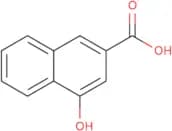
4-Hydroxy-2-naphthoic acid
CAS:4-Hydroxy-2-naphthoic acid is a hydrocarbon with a carboxylic acid group. It can act as an antagonist to the hydrocarbon receptor (HCR). 4-Hydroxy-2-naphthoic acid has been shown to be effective in treating colon cancer cells in vitro, and has been shown to inhibit the growth of cancer cells in vivo. This compound is also effective at inhibiting the proliferation of human colon cancer cells (Caco2) that have been exposed to benzo(a)pyrene, an aromatic hydrocarbon found in cigarette smoke. The mechanism by which this drug inhibits cell proliferation is not fully understood but may involve inhibition of cytochrome P450 1A1 (CYP1A1), which metabolizes benzo(a)pyrene into carcinogenic intermediates. 4-Hydroxy-2-naphthoic acid has also been shown to be anisotropic and microreactor, meaning
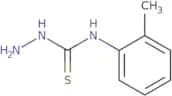
Formula:C11H8O3Purity:Min. 95%Molecular weight:188.17 g/mol4-(2-Methylphenyl)-3-thiosemicarbazide
CAS:4-(2-Methylphenyl)-3-thiosemicarbazide is a crystalline solid that belongs to the group of benzoic acid derivatives. It has an orthorhombic crystal structure, with a yellow color. The crystals are measured at room temperature, and it has an atomic weight of 197.11 g/mol. 4-(2-Methylphenyl)-3-thiosemicarbazide is stable in air and in solution, but decomposes at temperatures above 250°C. This compound has been studied by using X-ray diffraction measurements and Bruker parameters. Its isotropic radiation is recorded at the following wavelength: 1.5418 Å (1).
Formula:C8H11N3SPurity:Min. 95%Molecular weight:181.26 g/mol4-Chloro-2-iodo-5-methylaniline
CAS:Versatile small molecule scaffold
Formula:C7H7ClINPurity:Min. 95%Molecular weight:267.49 g/molRef: 3D-YEC23350
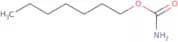
Discontinued productHeptyl carbamate
CAS:Heptyl carbamate is a cholinergic antagonist of the blood disorders. It has been shown to inhibit hydroxy and hiv infection. In vitro assays have shown that heptyl carbamate inhibits the synthesis of fatty acid, thereby reducing cholesterol levels and inhibiting the production of insulin resistance in cells. Heptyl carbamate also binds to the same site on acetylcholinesterase as donepezil, which blocks the breakdown of acetylcholine and leads to an accumulation of this neurotransmitter in nerve cells. This increased concentration of acetylcholine in nerve cells can lead to a reduced incidence of Alzheimer's disease-related symptoms.
Formula:C8H17NO2Purity:Min. 95%Molecular weight:159.23 g/molMethyl[1-(4-methylphenyl)butan-2-yl]amine
CAS:Controlled ProductVersatile small molecule scaffoldFormula:C12H19NPurity:Min. 95%Molecular weight:177.29 g/molRef: 3D-LJB19921
Discontinued product3,6-Dimethyl-1-{[(propan-2-yl)carbamoyl]methyl}-1H-pyrazolo[3,4-b]pyridine-4-carboxylic acid
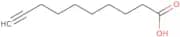
CAS:Versatile small molecule scaffoldFormula:C14H18N4O3Purity:Min. 95%Molecular weight:290.32 g/molDec-9-ynoic acid
CAS:Dec-9-ynoic acid is a synthetic fatty acid that is a precursor to several biologically important substances. It is labile and easily oxidized by air, light, or heat. Dec-9-ynoic acid has been shown to be a central metabolic intermediate for the biosynthesis of polyunsaturated fatty acids. It can also be converted into linolenic acid, which is an essential fatty acid that cannot be synthesized by humans. Dec-9-ynoic acid exists in two geometric isomers: cis and trans. The cis form exhibits kinetic properties that are different from the trans form. Dec-9-ynoic acid has been studied as a potential treatment for human diseases such as diabetes mellitus type 2, Parkinson's disease, Alzheimer's disease, schizophrenia, and depression.
Formula:C10H16O2Purity:Min. 95%Molecular weight:168.23 g/mol2-Bromo-7-phenyl-5H-[1,3,4]thiadiazolo[3,2-a]pyrimidin-5-one
CAS:Versatile small molecule scaffold
Formula:C11H6BrN3OSPurity:Min. 95%Molecular weight:308.16 g/molRef: 3D-JYB10753
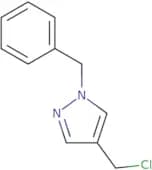
Discontinued product1-Benzyl-4-(chloromethyl)-1H-pyrazole
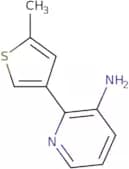
CAS:Controlled ProductVersatile small molecule scaffoldFormula:C11H11ClN2Purity:Min. 95%Molecular weight:206.67 g/mol2-(5-Methylthiophen-3-yl)pyridin-3-amine
CAS:Versatile small molecule scaffold
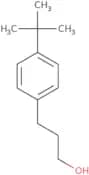
Formula:C10H10N2SPurity:Min. 95%Molecular weight:190.27 g/mol3-(4-tert-Butylphenyl)propan-1-ol
CAS:Versatile small molecule scaffold
Formula:C13H20OPurity:Min. 95%Molecular weight:192.3 g/molRef: 3D-DDA57408
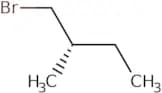
Discontinued product(S)-(+)-1-Bromo-2-methylbutane
CAS:(S)-(+)-1-Bromo-2-methylbutane is a chiral molecule with two stereoisomers, the cis and trans forms. The cis form has been observed to be the more stable of the two. It is a functional theory that these two forms are not mirror images of each other because they have different conformations. (S)-(+)-1-Bromo-2-methylbutane has been used in the synthesis of a number of important molecules. The stereoisomers can be distinguished by conformational analysis and optical microscopy. (S)-(+)-1-Bromo-2-methylbutane also has an application in biotechnology for use as a precursor for hydrazones, which are important in organic chemistry and molecular biology, such as DNA sequencing.
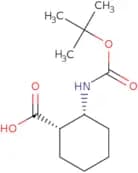
Formula:C5H11BrPurity:Min. 95%Molecular weight:151.04 g/mol(1S,2R)-Boc-2-aminocyclohexane carboxylic acid
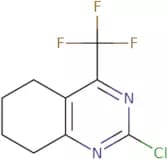
CAS:Versatile small molecule scaffoldFormula:C12H21NO4Purity:Min. 95%Molecular weight:243.3 g/mol2-Chloro-4-trifluoromethyl-5,6,7,8-tetrahydro-quinazoline
CAS:Versatile small molecule scaffoldFormula:C9H8ClF3N2Purity:Min. 95%Molecular weight:236.62 g/molRef: 3D-LKB49400
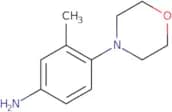
Discontinued product3-Methyl-4-(4-morpholinyl)aniline
CAS:Versatile small molecule scaffold
Formula:C11H16N2OPurity:Min. 95%Molecular weight:192.26 g/molRef: 3D-MEA90082
Discontinued producttert-Butyl 3-azabicyclo[3.1.0]hexane-3-carboxylate
CAS:Versatile small molecule scaffold
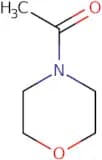
Formula:C10H17NO2Purity:Min. 95%Molecular weight:183.25 g/mol4-Acetylmorpholine
CAS:4-Acetylmorpholine is a recycled amide that is synthesized from an alkanolamine and an acylation reaction. It has been used in the dehydrating of organic compounds, such as reaction solution, and for the preparation of acrylamide. 4-Acetylmorpholine is also used as a viscosity control agent in the extraction of aromatic hydrocarbons. Its chemical structure consists of a carbonyl group and an aromatic hydrocarbon. 4-Acetylmorpholine can be synthesized by reacting acetaldehyde with ammonia or thiourea with methyl chloride or ethylene oxide.
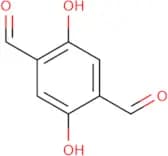
Formula:C6H3D8NO2Purity:Min. 95%Molecular weight:137.21 g/mol2,5-Dihydroxyterephthalaldehyde
CAS:2,5-Dihydroxyterephthalaldehyde (2,5-DTPA) is a sugar alcohol that is used in the production of polyester. It can be synthesized by electrochemical methods and is produced as an intermediate in the synthesis of 2,5-dihydroxypentane-1,5-diyldimethanol. The optical properties and chemical stability of 2,5-DTPA are determined by its protonation state. The protonation state depends on the pH of the solution or solvent. 2,5-DTPA has two isomers: one with an intramolecular hydrogen bond and one without. 2,5-DTPA also exists as an enol form at high pH values and as a keto form at low pH values. This compound has been shown to have liver protective effects against cell death induced by oxidative stress in animal models.
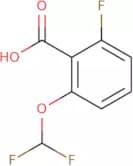
Formula:C8H6O4Purity:Min. 95%Molecular weight:166.13 g/mol2-(Difluoromethoxy)-6-fluorobenzoic acid
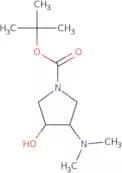
CAS:Versatile small molecule scaffoldFormula:C8H5F3O3Purity:Min. 95%Molecular weight:206.12 g/moltrans-3-dimethylamino-4-hydroxy-1-Boc-Pyrrolidine
CAS:Versatile small molecule scaffold
Formula:C11H22N2O3Purity:Min. 95%Molecular weight:230.3 g/mol3-[(4,6-Dimethylpyrimidin-2-yl)sulfanyl]-2-{[(4,6-dimethylpyrimidin-2-yl)sulfanyl]methyl}propanoic acid
CAS:Versatile small molecule scaffold
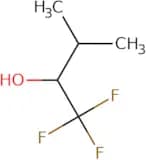
Formula:C16H20N4O2S2Purity:Min. 95%Molecular weight:364.5 g/mol1,1,1-Trifluoro-3-methylbutan-2-ol
CAS:Versatile small molecule scaffold
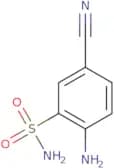
Formula:C5H9F3OPurity:Min. 95%Molecular weight:142.12 g/mol2-Amino-5-cyanobenzene-1-sulfonamide
CAS:Versatile small molecule scaffoldFormula:C7H7N3O2SPurity:Min. 95%Molecular weight:197.22 g/molRef: 3D-QJA13971
Discontinued productEthyl 5-bromo-1,2-oxazole-4-carboxylate
CAS:Versatile small molecule scaffold
Formula:C6H6BrNO3Purity:Min. 95%Molecular weight:220.02 g/molRef: 3D-QID58265
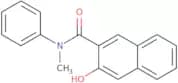
Discontinued product3-Hydroxy-N-methyl-N-phenylnaphthalene-2-carboxamide
CAS:Versatile small molecule scaffold
Formula:C18H15NO2Purity:Min. 95%Molecular weight:277.3 g/molRef: 3D-IDA03839
Discontinued product8-Bromo-2-methylimidazo[1,2-a]pyridine
CAS:Versatile small molecule scaffold
Formula:C8H7N2BrPurity:Min. 95%Molecular weight:211.05 g/mol3-Hydroxy-5-methylpyridine
CAS:3-Hydroxy-5-methylpyridine (3HMP) is a chemical substance that has been classified as an amine. It is a product of the metabolism of purines, which are nitrogenous bases found in DNA and RNA. 3HMP is produced by aerogenic bacteria (such as Enterobacter), and can be used to estimate the number of these bacteria present in water samples. 3HMP has been shown to have antiviral properties against influenza virus, and can be used as a biomarker for the presence of other viruses in animals. 3HMP also has mineralization properties, which have been studied extensively, particularly with regards to pancreatic disease.
Formula:C6H7NOPurity:Min. 95%Color and Shape:PowderMolecular weight:109.13 g/molRef: 3D-FH16174
Discontinued product4,5-Dihydro-1H-imidazol-2-amine hydrochloride
CAS:Please enquire for more information about 4,5-Dihydro-1H-imidazol-2-amine hydrochloride including the price, delivery time and more detailed product information at the technical inquiry form on this page
Formula:C3H7N3•HClPurity:Min. 95%Molecular weight:121.57 g/molRef: 3D-FD183639
Discontinued product2-Bromo-3,3,3-trifluoro-1-propene
CAS:Controlled Product2-Bromo-3,3,3-trifluoro-1-propene is a chemical compound that has been synthesized in an asymmetric reaction. The reactant is bromopropane and the product is 2,2,2-trifluoropropene. The methylene group on the propene molecule is activated by the nucleophilic attack of a fluoride ion from hydrogen fluoride to form a cavity with a highly strained bond. The kinetic study of this reaction revealed that the activation energy for the reaction is 42 kJ/mol. Palladium-catalyzed coupling reactions are catalyzed by palladium and require nonpolar solvents such as toluene or dichloromethane. This type of reaction has been shown to be exothermic with an isolated yield of 1%.
Formula:C3H2BrF3Purity:Min. 95%Color and Shape:Colorless PowderMolecular weight:174.95 g/mol4-Chloro-2-hydroxy-6-methylphenylboronic acid
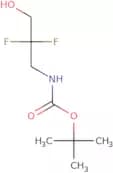
CAS:Versatile small molecule scaffoldFormula:C7H8BClO3Purity:Min. 95%Molecular weight:186.4 g/moltert-Butyl (2,2-difluoro-3-hydroxypropyl)carbamate
CAS:Versatile small molecule scaffoldFormula:C10H13NO4Purity:Min. 95%Molecular weight:211.21 g/mol1-Hydroxycyclopentane-1-carbonitrile
CAS:1-Hydroxycyclopentane-1-carbonitrile is a monomer that is hydrolyzed to form benzoin and cyanohydrins. It can be used in the production of scifinder as a monomer or dimerizer.
Formula:C6H9NOPurity:Min. 95%Molecular weight:111.14 g/mol4,5-Dihydroxy-2,3-Pentanedione
CAS:4,5-Dihydroxy-2,3-pentanedione is a carbonyl compound that is the product of the oxidation of ascorbic acid. It is used in wastewater treatment and has antimicrobial properties against infectious diseases. This compound has been shown to inhibit protein synthesis by binding to the ribosome and preventing the formation of peptide bonds between amino acids. 4,5-Dihydroxy-2,3-pentanedione has also been shown to bind to plasma proteins, which may be due to its acyl chain structure. 4,5-Dihydroxy-2,3-pentanedione can be synthesized in a catalytic mechanism that involves dehydroascorbic acid and molecular oxygen.
Formula:C5H8O4Purity:Min. 95%Color and Shape:PowderMolecular weight:132.11 g/molRef: 3D-FD180770
Discontinued productPiperyline
CAS:Piperyline is an alkanoic acid that has shown to be effective against skin cancer. It also has antimicrobial properties, which may be due to its ability to bind metal ions and form polymeric compounds. Piperyline inhibits microbial growth by inhibiting the synthesis of proteins and nucleic acids. The antimicrobial activity is related to its cationic polymerization with hydroxyl groups, which forms a structure that can inhibit microbial enzymes and disrupt microbial cell membranes. This compound also interacts with the skin's natural lipids, making it difficult for microorganisms to attach and grow on the skin. Piperyline is synthesized in organic chemistry laboratories as an amide precursor of other pharmaceuticals such as penicillin.
Formula:C16H17NO3Purity:Min. 95%Molecular weight:271.31 g/mol

![Methyl[1-(4-methylphenyl)butan-2-yl]amine](/_next/image/?url=https%3A%2Fstatic.cymitquimica.com%2Fproducts%2F3D%2Fthumb-webp%2FLJB19921.webp&w=3840&q=75)
![3,6-Dimethyl-1-{[(propan-2-yl)carbamoyl]methyl}-1H-pyrazolo[3,4-b]pyridine-4-carboxylic acid](/_next/image/?url=https%3A%2Fstatic.cymitquimica.com%2Fproducts%2F3D%2Fthumb-webp%2FLQB40013.webp&w=3840&q=75)
![2-Bromo-7-phenyl-5H-[1,3,4]thiadiazolo[3,2-a]pyrimidin-5-one](/_next/image/?url=https%3A%2Fstatic.cymitquimica.com%2Fproducts%2F3D%2Fthumb-webp%2FJYB10753.webp&w=3840&q=75)
![tert-Butyl 3-azabicyclo[3.1.0]hexane-3-carboxylate](/_next/image/?url=https%3A%2Fstatic.cymitquimica.com%2Fproducts%2F3D%2Fthumb-webp%2FLMB55150.webp&w=3840&q=75)
![3-[(4,6-Dimethylpyrimidin-2-yl)sulfanyl]-2-{[(4,6-dimethylpyrimidin-2-yl)sulfanyl]methyl}propanoic…](/_next/image/?url=https%3A%2Fstatic.cymitquimica.com%2Fproducts%2F3D%2Fthumb-webp%2FISA95267.webp&w=3840&q=75)
![8-Bromo-2-methylimidazo[1,2-a]pyridine](/_next/image/?url=https%3A%2Fstatic.cymitquimica.com%2Fproducts%2F3D%2Fthumb-webp%2FUXB37475.webp&w=3840&q=75)