Building Blocks
Subcategories of "Building Blocks"
- Boronic Acids & Boronic Acid Derivatives(5,778 products)
- Chiral Building Blocks(1,243 products)
- Hydrocarbon Building Blocks(6,098 products)
- Organic Building Blocks(61,036 products)
Found 205240 products of "Building Blocks"
2-(Pyrrolidin-3-yl)ethanol hydrochloride
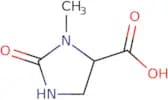
CAS:Versatile small molecule scaffoldFormula:C6H13NO·HClPurity:Min. 95%Molecular weight:151.64 g/mol3-Methyl-2-oxoimidazolidine-4-carboxylic acid
CAS:Versatile small molecule scaffold
Formula:C5H8N2O3Purity:Min. 95%Molecular weight:144.13 g/molRef: 3D-PCC89794
Discontinued product[1-(Fluoromethyl)cyclopropyl]methanesulfonyl chloride
CAS:Versatile small molecule scaffold
Formula:C5H8ClFO2SPurity:Min. 95%Molecular weight:186.63 g/molRef: 3D-PCC96395
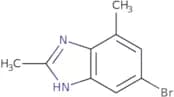
Discontinued product5-Bromo-2,7-dimethyl-1H-1,3-benzodiazole
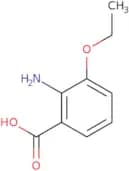
CAS:Versatile small molecule scaffoldFormula:C9H9BrN2Purity:Min. 95%Molecular weight:225.08 g/mol2-Amino-3-ethoxybenzoic acid
CAS:Versatile small molecule scaffold
Formula:C9H11NO3Purity:Min. 95%Molecular weight:181.19 g/molRef: 3D-QQB68938
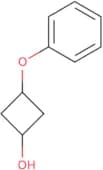
Discontinued product(1R,3R)-3-Phenoxycyclobutan-1-ol
CAS:Versatile small molecule scaffold
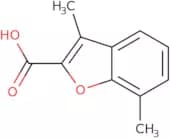
Formula:C10H12O2Purity:Min. 95%Molecular weight:164.2 g/mol3,7-Dimethyl-1-benzofuran-2-carboxylic acid
CAS:Versatile small molecule scaffold
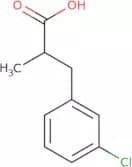
Formula:C11H10O3Purity:Min. 95%Molecular weight:190.19 g/mol3-(3-Chlorophenyl)-2-methylpropanoic acid
CAS:Versatile small molecule scaffoldFormula:C10H11ClO2Purity:Min. 95%Molecular weight:198.64 g/molRef: 3D-RCA73500
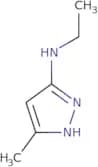
Discontinued productN-Ethyl-5-methyl-1H-pyrazol-3-amine
CAS:Versatile small molecule scaffold
Formula:C6H11N3Purity:Min. 95%Molecular weight:125.17 g/molRef: 3D-REA54520
Discontinued product2-[(tert-Butyldimethylsilyl)oxy]benzaldehyde
CAS:2-[(tert-Butyldimethylsilyl)oxy]benzaldehyde (BBSA) is a traceless synthetic reagent that is used for the termination of peptide synthesis. It can also be used in the synthesis of benzofurans, carbonyl compounds, and thioacetals. The high yield and chemoselectivity makes BBSA a competitive reagent for these types of reactions. BBSA can be prepared from hydrogen peroxide, esters, enol ethers, or peroxides. These latter reactants are more selective than hydrogen peroxide and do not lead to oxidation of substrates or side products. This product is also useful for the synthesis of thioketals.
Formula:C13H20O2SiPurity:Min. 95%Molecular weight:236.38 g/molMethyl 5-ethynylpyridine-2-carboxylate
CAS:Methyl 5-ethynylpyridine-2-carboxylate is a ligand that binds in the active site of many enzymes. It can enhance the activity of these enzymes and also change their conformations. Methyl 5-ethynylpyridine-2-carboxylate interacts with four subunits to form a tetradentate framework, which is responsible for this molecule's ability to bind to any type of ligand. This enhancement effect is reversible, and it can be reversed by oxidizing methyl 5-ethynylpyridine-2-carboxylate with nitric acid. The yield of methyl 5-ethynylpyridine-2-carboxylate depends on the reaction conditions and the type of arylacetylene used. Methyl 5-ethynylpyridine-2-carboxylate has been shown to be an effective ligand with a high emission yield when using 1,3
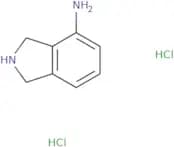
Formula:C9H7NO2Purity:Min. 95%Molecular weight:161.2 g/molIsoindolin-4-amine dihydrochloride
CAS:Versatile small molecule scaffold
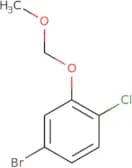
Formula:C8H10N2HClPurity:Min. 95%Molecular weight:207.1 g/mol4-Bromo-1-chloro-2-(methoxymethoxy)benzene
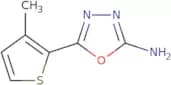
CAS:Versatile small molecule scaffoldFormula:C8H8BrClO2Purity:Min. 95%Molecular weight:251.5 g/mol5-(3-Methylthiophen-2-yl)-1,3,4-oxadiazol-2-amine
CAS:5-(3-Methylthiophen-2-yl)-1,3,4-oxadiazol-2-amine is a ligand that binds to the ion channels in cells and activates them. It is used as a research tool in pharmacology and protein interactions. 5-(3-Methylthiophen-2-yl)-1,3,4-oxadiazol-2-amine has been shown to activate potassium channels by interacting with the receptor site. This ligand was also shown to inhibit cell growth by binding to the antibody site of the receptor. 5-(3-Methylthiophen-2-yl)-1,3,4--oxadiazol-2--amine has been shown to have a high purity of 99%.
Formula:C7H7N3OSPurity:Min. 95%Molecular weight:181.22 g/molRef: 3D-SQB04874
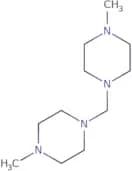
Discontinued productBis(4-methylpiperazin-1-yl)methane
CAS:Versatile small molecule scaffold
Formula:C11H24N4Purity:Min. 95%Molecular weight:212.34 g/molRef: 3D-TAA73933
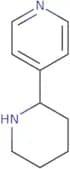
Discontinued product4-(Piperidin-2-yl)pyridine
CAS:Versatile small molecule scaffold
Formula:C10H14N2Purity:Min. 95%Molecular weight:162.23 g/molRef: 3D-TFA92451
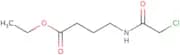
Discontinued productEthyl 4-(2-chloroacetamido)butanoate
CAS:Versatile small molecule scaffold
Formula:C8H14ClNO3Purity:Min. 95%Molecular weight:207.65 g/molRef: 3D-TMA27137
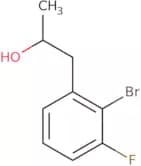
Discontinued product1-(2-Bromo-3-fluorophenyl)propan-2-ol
CAS:Versatile small molecule scaffoldFormula:C9H10BrFOPurity:Min. 95%Molecular weight:233.08 g/molRef: 3D-UFC04202
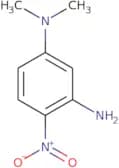
Discontinued product3-Amino-N,N-dimethyl-4-nitroaniline
CAS:Versatile small molecule scaffold
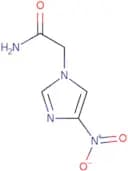
Formula:C8H11N3O2Purity:Min. 95%Molecular weight:181.19 g/mol2-(4-Nitro-1H-imidazol-1-yl)acetamide
CAS:Versatile small molecule scaffold
Formula:C5H6N4O3Purity:Min. 95%Molecular weight:170.13 g/mol4,5-Dibromo-3-methoxythiophene-2-carboxylic acid
CAS:Versatile small molecule scaffoldFormula:C6H4Br2O3SPurity:Min. 95%Molecular weight:315.97 g/molRef: 3D-VEA71553
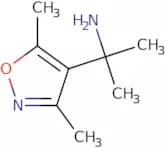
Discontinued product2-(Dimethyl-1,2-oxazol-4-yl)propan-2-amine
CAS:Versatile small molecule scaffold
Formula:C8H14N2OPurity:Min. 95%Molecular weight:154.21 g/molRef: 3D-VKC10832
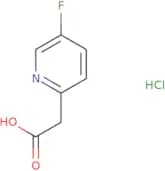
Discontinued product2-(5-Fluoropyridin-2-yl)acetic acid hydrochloride
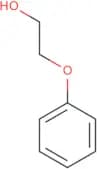
CAS:Versatile small molecule scaffoldFormula:C7H7ClFNO2Purity:Min. 95%Molecular weight:191.59 g/mol2-Phenoxyethanol-1,1-d2
CAS:Versatile small molecule scaffold
Formula:C8H10O2Purity:Min. 95%Molecular weight:140.18 g/molRef: 3D-WAA27338
Discontinued product2-[(1H-Indazol-5-yl)formamido]propanoic acid
CAS:Versatile small molecule scaffoldFormula:C11H11N3O3Purity:Min. 95%Molecular weight:233.22 g/molRef: 3D-WFC97336
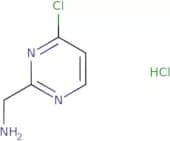
Discontinued product2-(Aminomethyl)-4-chloropyrimidine HCl
CAS:Versatile small molecule scaffold
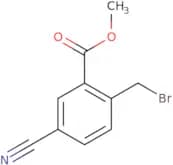
Formula:C5H7Cl2N3Purity:Min. 95%Molecular weight:180.04 g/molMethyl 2-(bromomethyl)-5-cyanobenzoate
CAS:Versatile small molecule scaffold
Formula:C10H8BrNO2Purity:Min. 95%Molecular weight:254.08 g/mol4-(Aminomethyl)-N-(2-methoxyethyl)aniline
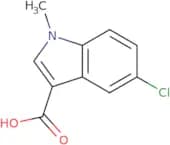
CAS:Versatile small molecule scaffoldFormula:C10H16N2OPurity:Min. 95%Molecular weight:180.25 g/mol5-Chloro-1-methyl-1H-indole-3-carboxylic acid
CAS:Controlled ProductVersatile small molecule scaffoldFormula:C10H8ClNO2Purity:Min. 95%Molecular weight:209.63 g/molRef: 3D-XGA59662
Discontinued product2-(3-Amino-2-oxopiperidin-1-yl)acetic acid hydrochloride
CAS:Versatile small molecule scaffold
Formula:C7H13ClN2O3Purity:Min. 95%Molecular weight:208.6 g/molRef: 3D-XXC41801
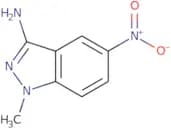
Discontinued product1-Methyl-5-nitro-1H-indazol-3-amine
CAS:Versatile small molecule scaffold
Formula:C8H8N4O2Purity:Min. 95%Molecular weight:192.18 g/mol1-{[1-(Bromomethyl)cyclopropyl]methoxy}-3-(methoxymethyl)benzene
CAS:Versatile small molecule scaffold
Formula:C13H17BrO2Purity:Min. 95%Molecular weight:285.18 g/molRef: 3D-YGC03501
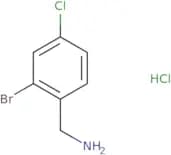
Discontinued product(2-Bromo-4-chlorophenyl)methanamine hydrochloride
CAS:Versatile small molecule scaffold
Formula:C7H8BrCl2NPurity:Min. 95%Molecular weight:256.95 g/molRef: 3D-YGD27370
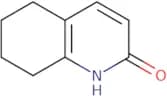
Discontinued product5,6,7,8-Tetrahydroquinolin-2(1H)-one
CAS:Tetrahydroquinolin-2(1H)-one is a hydrobromide that has been found in the environment as an environmental pollutant. Tetrahydroquinolin-2(1H)-one is used to synthesize amides and has been studied by single-crystal x-ray diffraction. The molecule is centrosymmetric, with a molecular weight of 244.06 g/mol. Tetrahydroquinolin-2(1H)-one can be used as a ligand for metals such as chlorine and magnesium. It does not dissolve in water but does dissolve in organic solvents such as ethers, chloroform, or benzene.
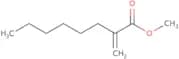
Formula:C9H11NOPurity:Min. 95%Molecular weight:149.19 g/molMethyl 2-methylideneoctanoate
CAS:Versatile small molecule scaffold
Formula:C10H18O2Purity:Min. 95%Molecular weight:170.25 g/molRef: 3D-DAA61840
Discontinued product2-Bromo-3,3,3-trifluoro-1-propene
CAS:Controlled Product2-Bromo-3,3,3-trifluoro-1-propene is a chemical compound that has been synthesized in an asymmetric reaction. The reactant is bromopropane and the product is 2,2,2-trifluoropropene. The methylene group on the propene molecule is activated by the nucleophilic attack of a fluoride ion from hydrogen fluoride to form a cavity with a highly strained bond. The kinetic study of this reaction revealed that the activation energy for the reaction is 42 kJ/mol. Palladium-catalyzed coupling reactions are catalyzed by palladium and require nonpolar solvents such as toluene or dichloromethane. This type of reaction has been shown to be exothermic with an isolated yield of 1%.
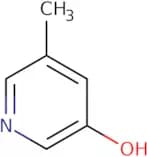
Formula:C3H2BrF3Purity:Min. 95%Color and Shape:Colorless PowderMolecular weight:174.95 g/mol3-Hydroxy-5-methylpyridine
CAS:3-Hydroxy-5-methylpyridine (3HMP) is a chemical substance that has been classified as an amine. It is a product of the metabolism of purines, which are nitrogenous bases found in DNA and RNA. 3HMP is produced by aerogenic bacteria (such as Enterobacter), and can be used to estimate the number of these bacteria present in water samples. 3HMP has been shown to have antiviral properties against influenza virus, and can be used as a biomarker for the presence of other viruses in animals. 3HMP also has mineralization properties, which have been studied extensively, particularly with regards to pancreatic disease.
Formula:C6H7NOPurity:Min. 95%Color and Shape:PowderMolecular weight:109.13 g/molRef: 3D-FH16174
Discontinued product4-Chloro-2-hydroxy-6-methylphenylboronic acid
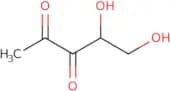
CAS:Versatile small molecule scaffoldFormula:C7H8BClO3Purity:Min. 95%Molecular weight:186.4 g/mol4,5-Dihydroxy-2,3-Pentanedione
CAS:4,5-Dihydroxy-2,3-pentanedione is a carbonyl compound that is the product of the oxidation of ascorbic acid. It is used in wastewater treatment and has antimicrobial properties against infectious diseases. This compound has been shown to inhibit protein synthesis by binding to the ribosome and preventing the formation of peptide bonds between amino acids. 4,5-Dihydroxy-2,3-pentanedione has also been shown to bind to plasma proteins, which may be due to its acyl chain structure. 4,5-Dihydroxy-2,3-pentanedione can be synthesized in a catalytic mechanism that involves dehydroascorbic acid and molecular oxygen.
Formula:C5H8O4Purity:Min. 95%Color and Shape:PowderMolecular weight:132.11 g/molRef: 3D-FD180770
Discontinued productPiperyline
CAS:Piperyline is an alkanoic acid that has shown to be effective against skin cancer. It also has antimicrobial properties, which may be due to its ability to bind metal ions and form polymeric compounds. Piperyline inhibits microbial growth by inhibiting the synthesis of proteins and nucleic acids. The antimicrobial activity is related to its cationic polymerization with hydroxyl groups, which forms a structure that can inhibit microbial enzymes and disrupt microbial cell membranes. This compound also interacts with the skin's natural lipids, making it difficult for microorganisms to attach and grow on the skin. Piperyline is synthesized in organic chemistry laboratories as an amide precursor of other pharmaceuticals such as penicillin.
Formula:C16H17NO3Purity:Min. 95%Molecular weight:271.31 g/mol


![[1-(Fluoromethyl)cyclopropyl]methanesulfonyl chloride](/_next/image/?url=https%3A%2Fstatic.cymitquimica.com%2Fproducts%2F3D%2Fthumb-webp%2FPCC96395.webp&w=3840&q=75)
![2-[(tert-Butyldimethylsilyl)oxy]benzaldehyde](/_next/image/?url=https%3A%2Fstatic.cymitquimica.com%2Fproducts%2F3D%2Fthumb-webp%2FREA58512.webp&w=3840&q=75)


![2-[(1H-Indazol-5-yl)formamido]propanoic acid](/_next/image/?url=https%3A%2Fstatic.cymitquimica.com%2Fproducts%2F3D%2Fthumb-webp%2FWFC97336.webp&w=3840&q=75)

![1-{[1-(Bromomethyl)cyclopropyl]methoxy}-3-(methoxymethyl)benzene](/_next/image/?url=https%3A%2Fstatic.cymitquimica.com%2Fproducts%2F3D%2Fthumb-webp%2FYGC03501.webp&w=3840&q=75)