


Building Blocks
Subcategories of "Building Blocks"
- Boronic Acids & Boronic Acid Derivatives(5,778 products)
- Chiral Building Blocks(1,243 products)
- Hydrocarbon Building Blocks(6,099 products)
- Organic Building Blocks(61,038 products)
Found 205376 products of "Building Blocks"
6-(4-{[(9H-Fluoren-9-yl)methoxy]carbonyl}piperazin-1-yl)pyridazine-3-carboxylic acid
CAS:Versatile small molecule scaffold
Formula:C24H22N4O4Purity:Min. 95%Molecular weight:430.5 g/molRef: 3D-QID29084
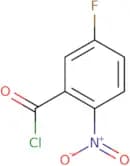
Discontinued product5-Fluoro-2-nitrobenzoyl chloride
CAS:5-Fluoro-2-nitrobenzoyl chloride is a conformationally locked macrocyclic compound that has been synthesized by solid phase synthesis. It is found in two conformational states and can be made to switch between these two states by applying a force to the molecule. This conformation can be controlled by changing the side chain of 5-fluoro-2-nitrobenzoyl chloride, which can be done experimentally. The conformational behavior of this macrocycle was studied using molecular dynamics simulations and it was found that there are four possible conformations for the molecule. The conformations with different side chains were found to have different energies, which could be used as a measure of their relative stability.
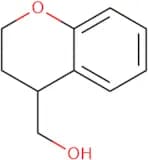
Formula:C7H3ClFNO3Purity:Min. 95%Molecular weight:203.55 g/mol3,4-Dihydro-2H-1-benzopyran-4-ylmethanol
CAS:Versatile small molecule scaffold
Formula:C10H12O2Purity:Min. 95%Molecular weight:164.2 g/molRef: 3D-IBA31382
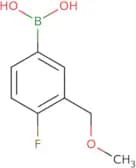
Discontinued product4-Fluoro-3-(methoxymethyl)phenylboronic acid
CAS:Versatile small molecule scaffold
Formula:C8H10BFO3Purity:Min. 95%Molecular weight:183.97 g/molRef: 3D-MNA53619
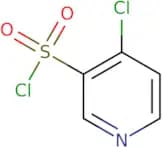
Discontinued product4-chloropyridine-3-sulfonyl chloride
CAS:4-Chloropyridine-3-sulfonyl chloride is a thrombin inhibitor that has been discovered through the use of in vitro screening methods. It is a small molecule with lipophilic properties and oral bioavailability. This compound inhibits thrombin by binding to the active site of the enzyme, which prevents the formation of an enzyme-thrombin complex. The discovery was made using a pharmacophore-based approach and further modifications were made to improve its potency and increase its lipophilicity. This compound also exhibits an acceptable level of bioavailability in vivo, which may be due to its high solubility in water.Formula:C5H3Cl2NO2SPurity:Min. 95%Molecular weight:212.1 g/molRef: 3D-IBA26344
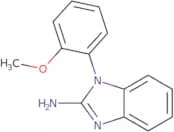
Discontinued product1-(2-Methoxyphenyl)-1H-1,3-benzodiazol-2-amine
CAS:Versatile small molecule scaffoldFormula:C14H13N3OPurity:Min. 95%Molecular weight:239.27 g/molRef: 3D-IBA23539
Discontinued product4-[2-(2-Methylphenyl)ethyl]piperidine
CAS:Versatile small molecule scaffold
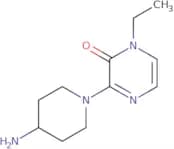
Formula:C14H21NPurity:Min. 95%Molecular weight:203.32 g/mol3-(4-Aminopiperidin-1-yl)-1-ethyl-1,2-dihydropyrazin-2-one
CAS:Versatile small molecule scaffold
Formula:C11H18N4OPurity:Min. 95%Molecular weight:222.29 g/molRef: 3D-SDC37693
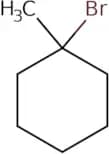
Discontinued product1-Bromo-1-methylcyclohexane
CAS:1-Bromo-1-methylcyclohexane is a monomolecular gas that is used as an intermediate in organic synthesis. It reacts with halides to form cyclopentyl derivatives. This reaction has been shown to be faster than the corresponding reaction of 1-bromocyclohexane with chlorides or bromides. The rate of this reaction may be due to the polarizability and conformational changes of the molecule upon substitution by a methyl group. 1-Bromo-1-methylcyclohexane is also an ionizing reagent, which means it can cause electrophilic reactions to occur on other molecules. It has been found that the solvent effect on this product can affect its reactivity, with solvents such as water having more of an effect than solvents such as benzene. 1-Bromo-1-methylcyclohexane has been shown to interact with other compounds in both transfer and complex
Formula:C7H13BrPurity:Min. 95%Molecular weight:177.08 g/molRef: 3D-AAA93177
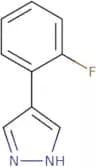
Discontinued product4-(2-Fluorophenyl)-1H-pyrazole
CAS:Versatile small molecule scaffold
Formula:C9H7FN2Purity:Min. 95%Molecular weight:162.16 g/molRef: 3D-MRB82870
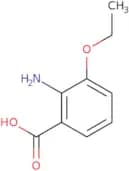
Discontinued product2-Amino-3-ethoxybenzoic acid
CAS:Versatile small molecule scaffold
Formula:C9H11NO3Purity:Min. 95%Molecular weight:181.19 g/molRef: 3D-QQB68938
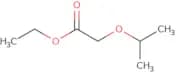
Discontinued productEthyl 2-(propan-2-yloxy)acetate
CAS:Ethyl 2-(propan-2-yloxy)acetate is a high concentration organometallic compound that is an active substance. The organometallic compound consists of a magnesium atom, an aliphatic hydrocarbon group, and a polyolefin. It has been shown to have a blood pressure lowering effect in rats. Ethyl 2-(propan-2-yloxy)acetate is an ester compound that acts as an intermediate in the production of other substances with therapeutic properties.
Formula:C7H14O3Purity:Min. 95%Molecular weight:146.18 g/mol2,2,2-Trifluoroethyl N-[3-fluoro-4-(1H-pyrazol-1-yl)phenyl]carbamate
CAS:Versatile small molecule scaffoldFormula:C12H9F4N3O2Purity:Min. 95%Molecular weight:303.21 g/molRef: 3D-EEC95905
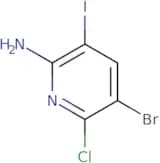
Discontinued product5-Bromo-6-chloro-3-iodopyridin-2-amine
CAS:Versatile small molecule scaffold
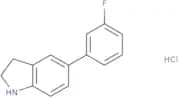
Formula:C5H3BrClIN2Purity:Min. 95%Molecular weight:333.35 g/mol5-(3-Fluorophenyl)-2,3-dihydro-1H-indole hydrochloride
CAS:Versatile small molecule scaffoldFormula:C14H13ClFNPurity:Min. 95%Molecular weight:249.71 g/molRef: 3D-EEC95999
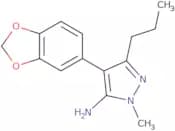
Discontinued product4-(1,3-Dioxaindan-5-yl)-2-methyl-5-propyl-2,3-dihydro-1H-pyrazol-3-imine
CAS:Versatile small molecule scaffold
Formula:C14H17N3O2Purity:Min. 95%Molecular weight:259.3 g/molRef: 3D-EEC96042
Discontinued product2-Azido-1-(piperidin-1-yl)ethan-1-one
CAS:Versatile small molecule scaffold
Formula:C7H12N4OPurity:Min. 95%Molecular weight:168.2 g/molRef: 3D-HVB64739
Discontinued product2-Methyl-6-nitro-4-(1,2,3,6-tetrahydropyridin-4-yl)aniline hydrochloride
CAS:Versatile small molecule scaffold
Formula:C12H16ClN3O2Purity:Min. 95%Molecular weight:269.73 g/molRef: 3D-EEC96073
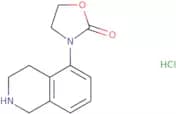
Discontinued product3-(1,2,3,4-Tetrahydroisoquinolin-5-yl)-1,3-oxazolidin-2-one hydrochloride
CAS:Versatile small molecule scaffold
Formula:C12H15ClN2O2Purity:Min. 95%Molecular weight:254.71 g/molRef: 3D-EEC96303
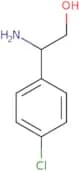
Discontinued productb-Amino-4-chlorobenzeneethanol
CAS:Versatile small molecule scaffold
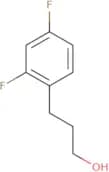
Formula:C8H10ClNOPurity:Min. 95%Molecular weight:171.62 g/mol3-(2,4-Difluorophenyl)propan-1-ol
CAS:Versatile small molecule scaffold
Formula:C9H10F2OPurity:Min. 95%Molecular weight:172.17 g/molRef: 3D-HNB20467
Discontinued product2-{4-[2-(Pyrrolidin-1-yl)ethoxy]phenyl}ethan-1-amine dihydrochloride
CAS:Versatile small molecule scaffold
Formula:C14H24Cl2N2OPurity:Min. 95%Molecular weight:307.3 g/molRef: 3D-HHC68177
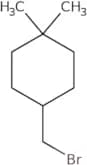
Discontinued product4-(Bromomethyl)-1,1-dimethylcyclohexane
CAS:Versatile small molecule scaffoldFormula:C9H17BrPurity:Min. 95%Molecular weight:205.13 g/molRef: 3D-HHC68120
Discontinued product1-Hydroxymethyl-2-Oxa-5-Aza-Bicyclo[2.2.1]Heptane-5-Carboxylic Acid Tert-Butyl Ester
CAS:Versatile small molecule scaffold
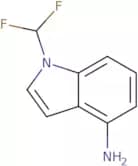
Formula:C11H19NO4Purity:Min. 95%Molecular weight:229.27 g/mol1-(Difluoromethyl)-1H-indol-4-amine
CAS:Versatile small molecule scaffold
Formula:C9H8F2N2Purity:Min. 95%Molecular weight:182.17 g/molRef: 3D-EHC04306
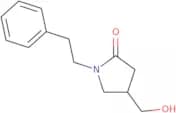
Discontinued product4-(Hydroxymethyl)-1-(2-phenylethyl)pyrrolidin-2-one
CAS:Versatile small molecule scaffold
Formula:C13H17NO2Purity:Min. 95%Molecular weight:219.28 g/molRef: 3D-ELB23782
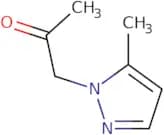
Discontinued product1-(5-Methyl-pyrazol-1-yl)-propan-2-one
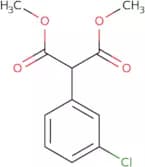
CAS:Versatile small molecule scaffoldFormula:C7H10N2OPurity:Min. 95%Molecular weight:138.17 g/mol1,3-Dimethyl 2-(3-chlorophenyl)propanedioate
CAS:Versatile small molecule scaffold
Formula:C11H11ClO4Purity:Min. 95%Molecular weight:242.65 g/molRef: 3D-HEA85560
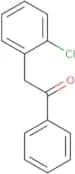
Discontinued product2-(2-Chlorophenyl)-1-phenylethan-1-one
CAS:Versatile small molecule scaffold
Formula:C14H11ClOPurity:Min. 95%Molecular weight:230.69 g/molRef: 3D-HCA47960
Discontinued product6-bromo-[1,2,4]triazolo[1,5-b]pyridazin-2-amine
CAS:Versatile small molecule scaffoldFormula:C5H4BrN5Purity:Min. 95%Molecular weight:214.03 g/molRef: 3D-QQC12088
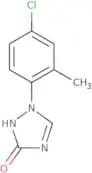
Discontinued product1-(4-Chloro-2-methylphenyl)-2,3-dihydro-1H-1,2,4-triazol-3-one
CAS:Versatile small molecule scaffoldFormula:C9H8ClN3OPurity:Min. 95%Molecular weight:209.63 g/molRef: 3D-SBA09763
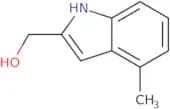
Discontinued product(4-Methyl-1H-indol-2-yl)methanol
CAS:Versatile small molecule scaffold
Formula:C10H11NOPurity:Min. 95%Molecular weight:161.2 g/molRef: 3D-HCA35242
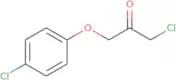
Discontinued product1-Chloro-3-(4-chlorophenoxy)propan-2-one
CAS:Versatile small molecule scaffoldFormula:C9H8Cl2O2Purity:Min. 95%Molecular weight:219.06 g/molRef: 3D-HCA26454
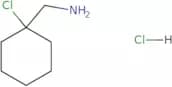
Discontinued product(1-Chlorocyclohexyl)methanamine hydrochloride
CAS:Versatile small molecule scaffold
Formula:C7H15Cl2NPurity:Min. 95%Molecular weight:184.1 g/molRef: 3D-SBA00983
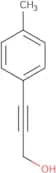
Discontinued product3-(4-Methylphenyl)prop-2-yn-1-ol
CAS:Versatile small molecule scaffold
Formula:C10H10OPurity:Min. 95%Molecular weight:146.19 g/mol1-(2-Methylphenyl)propan-2-amine
CAS:Controlled Product1-(2-Methylphenyl)propan-2-amine is a fatty acid ester that is used as an excipient in pharmaceutical dosage forms. It is used to increase the viscosity of drug solutions and suspensions, and to provide a protective coating for tablets. 1-(2-Methylphenyl)propan-2-amine is insoluble in water, but soluble in organic solvents such as alcohols and acetone. It can be prepared by reacting a primary amine with a fatty acid chloride or anhydride. The compound has been shown to have high affinity for 5HT2A receptors in vitro, which may account for its psychoactive effects.
Formula:C10H15NPurity:Min. 95%Molecular weight:149.23 g/molRef: 3D-FAA58032
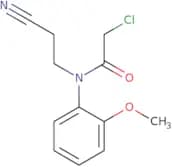
Discontinued product2-Chloro-N-(2-cyanoethyl)-N-(2-methoxyphenyl)acetamide
CAS:Versatile small molecule scaffold
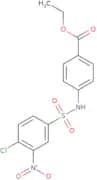
Formula:C12H13ClN2O2Purity:Min. 95%Molecular weight:252.69 g/molEthyl 4-(4-chloro-3-nitrobenzenesulfonamido)benzoate
CAS:Versatile small molecule scaffoldFormula:C15H13ClN2O6SPurity:Min. 95%Molecular weight:384.8 g/molRef: 3D-RAA36253
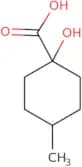
Discontinued product1-Hydroxy-4-methylcyclohexane-1-carboxylic acid
CAS:Versatile small molecule scaffold
Formula:C8H14O3Purity:Min. 95%Molecular weight:158.19 g/molRef: 3D-RBA24815
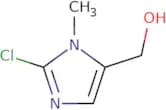
Discontinued product(2-Chloro-1-methyl-1H-imidazol-5-yl)methanol
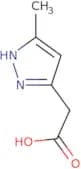
CAS:Versatile small molecule scaffoldFormula:C5H7ClN2OPurity:Min. 95%Molecular weight:146.57 g/mol2-(5-Methyl-1H-pyrazol-3-yl)acetic acid
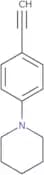
CAS:Versatile small molecule scaffoldFormula:C6H8N2O2Purity:Min. 95%Molecular weight:140.14 g/mol4'-N-Piperidinophenyl acetylene
CAS:Versatile small molecule scaffold
Formula:C13H15NPurity:Min. 95%Molecular weight:185.27 g/molRef: 3D-RBA87666
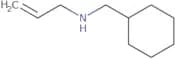
Discontinued product(Cyclohexylmethyl)(prop-2-en-1-yl)amine
CAS:Versatile small molecule scaffold
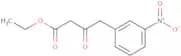
Formula:C10H19NPurity:Min. 95%Molecular weight:153.26 g/molEthyl 4-(3-nitrophenyl)-3-oxobutanoate
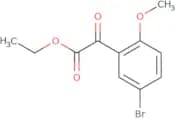
CAS:Versatile small molecule scaffoldFormula:C12H13NO5Purity:Min. 95%Molecular weight:251.23 g/molEthyl 2-(5-bromo-2-methoxyphenyl)-2-oxoacetate
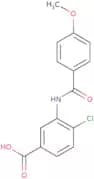
CAS:Versatile small molecule scaffoldFormula:C11H11BrO4Purity:Min. 95%Molecular weight:287.11 g/mol4-Chloro-3-(4-methoxybenzamido)benzoic acid
CAS:Versatile small molecule scaffold
Formula:C15H12ClNO4Purity:Min. 95%Molecular weight:305.71 g/molRef: 3D-FRB50804
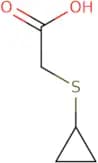
Discontinued product2-(Cyclopropylsulfanyl)acetic acid
CAS:Versatile small molecule scaffold
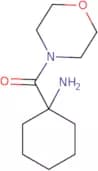
Formula:C5H8O2SPurity:Min. 95%Molecular weight:132.18 g/mol1-(Morpholine-4-carbonyl)cyclohexan-1-amine
CAS:Versatile small molecule scaffold
Formula:C11H20N2O2Purity:Min. 95%Molecular weight:212.29 g/molRef: 3D-RQB85795
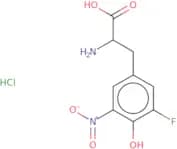
Discontinued product2-Amino-3-(3-fluoro-4-hydroxy-5-nitrophenyl)propanoic acid hydrochloride
CAS:Versatile small molecule scaffold
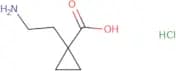
Formula:C9H10ClFN2O5Purity:Min. 95%Molecular weight:280.6 g/mol1-(2-aminoethyl)cyclopropane-1-carboxylic acid hydrochloride
CAS:Versatile small molecule scaffold
Formula:C6H12ClNO2Purity:Min. 95%Molecular weight:165.62 g/molRef: 3D-WGC60217
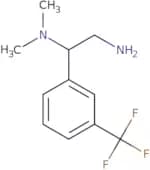
Discontinued productN*1*,N*1*-Dimethyl-1-(3-trifluoromethyl-phenyl)-ethane-1,2-diamine
CAS:Versatile small molecule scaffoldFormula:C11H15F3N2Purity:Min. 95%Molecular weight:232.25 g/mol4-(Aminomethyl)-N-(2-methoxyethyl)aniline
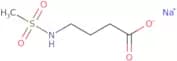
CAS:Versatile small molecule scaffoldFormula:C10H16N2OPurity:Min. 95%Molecular weight:180.25 g/molSodium 4-methanesulfonamidobutanoate
CAS:Versatile small molecule scaffold
Formula:C5H10NNaO4SPurity:Min. 95%Molecular weight:203.19 g/mol[2-(3-Methoxyphenyl)ethyl][(trimethyl-1H-pyrazol-4-yl)methyl]amine
CAS:Versatile small molecule scaffold
Formula:C16H23N3OPurity:Min. 95%Molecular weight:273.37 g/molRef: 3D-VWB92946
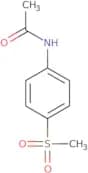
Discontinued product4'-(Methylsulfonyl)acetanilide
CAS:4'-(Methylsulfonyl)acetanilide is an organic compound that has been shown to have antibacterial and antiviral activity. It targets the benzene nucleus, and inhibits the synthesis of nucleic acids by inhibiting the enzyme ribonucleotide reductase. 4'-(Methylsulfonyl)acetanilide also inhibits viral replication, by binding to the active site of a viral protein (a DNA polymerase), which blocks the incorporation of nucleotides into the virus's DNA. In addition, 4'-(methylsulfonyl)acetanilide is an anti-helminthic agent, as it can inhibit worm motility and kill larvae in vitro. The structure-activity relationships between this molecule and other benzimidazole derivatives were analysed in order to identify new potential drugs for treating diseases caused by viruses or parasites.
Formula:C9H11NO3SPurity:Min. 95%Molecular weight:213.26 g/mol3-Bromo-5-chloro-1H-pyrrolo[2,3-b]pyridine
CAS:Versatile small molecule scaffoldFormula:C7H4BrClN2Purity:Min. 95%Molecular weight:231.48 g/mol2'-[(tert-Butoxy)carbonyl]-2',3'-dihydro-1'H-spiro[cyclopropane-1,4'-isoquinoline]-1'-carboxylic acid
CAS:Versatile small molecule scaffoldFormula:C17H21NO4Purity:Min. 95%Molecular weight:303.4 g/molRef: 3D-WLD79997
Discontinued product4-(Thiophen-2-yl)-1H,4H,5H,6H,7H-imidazo[4,5-c]pyridine-6-carboxylic acid
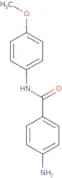
CAS:Versatile small molecule scaffoldFormula:C11H11N3O2SPurity:Min. 95%Molecular weight:249.29 g/mol4-Amino-n-(4-methoxyphenyl)benzamide
CAS:4-Amino-N-(4-methoxyphenyl)benzamide is a catalytic sulfamate that has been optimized for use in the synthesis of benzimidazole derivatives. 4-Amino-N-(4-methoxyphenyl)benzamide is used as a reagent for the preparation of aldehydes from sulfamic acid and various types of carboxylic acids. The reaction mechanism involves nucleophilic attack by the hydroxyl group from the sulfamate on the carbonyl carbon atom to form an intermediate, which then reacts with water to release hydrogen sulfate and form a new double bond.
Formula:C14H14N2O2Purity:Min. 95%Molecular weight:242.27 g/molRef: 3D-AAA89135
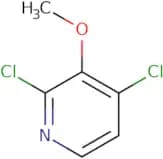
Discontinued product2,4-Dichloro-3-methoxypyridine
CAS:Versatile small molecule scaffold
Formula:C6H5Cl2NOPurity:Min. 95%Molecular weight:178.01 g/molN-[Carbamothioyl(phenyl)methyl]benzamide
CAS:Versatile small molecule scaffold
Formula:C15H14N2OSPurity:Min. 95%Molecular weight:270.3 g/molRef: 3D-AAA89278
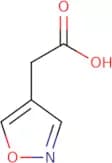
Discontinued product2-(1,2-Oxazol-4-yl)acetic acid
CAS:Versatile small molecule scaffold
Formula:C5H5NO3Purity:Min. 95%Molecular weight:127.1 g/molRef: 3D-RFA67957
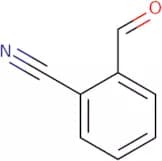
Discontinued product2-Cyanobenzaldehyde
CAS:2-Cyanobenzaldehyde is an aldehyde that reacts with nucleophiles such as trifluoromethanesulfonic acid to form a molecule. 2-Cyanobenzaldehyde has potent inhibitory activity against the kinase glycogen synthase kinase 3 (GSK3) and can be used to treat autoimmune diseases. It also reacts with hydrochloric acid in solution to form an intermediate, which is then reacted with glycine and ATP to produce a chiral compound. The product of this reaction has been shown to be active methylene, which was synthesized by asymmetric synthesis.
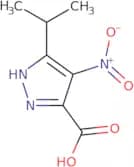
Formula:C8H5NOPurity:Min. 95%Color and Shape:PowderMolecular weight:131.13 g/mol4-nitro-5-(propan-2-yl)-1H-pyrazole-3-carboxylic acid
CAS:Versatile small molecule scaffoldFormula:C7H9N3O4Purity:Min. 95%Molecular weight:199.2 g/molRef: 3D-RFA72197
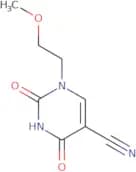
Discontinued product1-(2-Methoxyethyl)-2,4-dioxo-1,2,3,4-tetrahydropyrimidine-5-carbonitrile
CAS:Versatile small molecule scaffoldFormula:C8H9N3O3Purity:Min. 95%Molecular weight:195.18 g/molRef: 3D-RNA96614
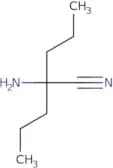
Discontinued product2-Amino-2-propylpentanenitrile
CAS:Versatile small molecule scaffold
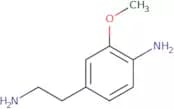
Formula:C8H16N2Purity:Min. 95%Molecular weight:140.23 g/mol4-(2-Aminoethyl)-2-methoxyaniline
CAS:Controlled ProductVersatile small molecule scaffold
Formula:C9H14N2OPurity:Min. 95%Molecular weight:166.22 g/molRef: 3D-FHA14906
Discontinued product4-Chloro-2-hydroxy-6-methylphenylboronic acid
CAS:Versatile small molecule scaffoldFormula:C7H8BClO3Purity:Min. 95%Molecular weight:186.4 g/mol4,5-Dihydro-1H-imidazol-2-amine hydrochloride
CAS:Please enquire for more information about 4,5-Dihydro-1H-imidazol-2-amine hydrochloride including the price, delivery time and more detailed product information at the technical inquiry form on this page
Formula:C3H7N3•HClPurity:Min. 95%Molecular weight:121.57 g/molRef: 3D-FD183639
Discontinued product3-Hydroxy-5-methylpyridine
CAS:3-Hydroxy-5-methylpyridine (3HMP) is a chemical substance that has been classified as an amine. It is a product of the metabolism of purines, which are nitrogenous bases found in DNA and RNA. 3HMP is produced by aerogenic bacteria (such as Enterobacter), and can be used to estimate the number of these bacteria present in water samples. 3HMP has been shown to have antiviral properties against influenza virus, and can be used as a biomarker for the presence of other viruses in animals. 3HMP also has mineralization properties, which have been studied extensively, particularly with regards to pancreatic disease.
Formula:C6H7NOPurity:Min. 95%Color and Shape:PowderMolecular weight:109.13 g/molRef: 3D-FH16174
Discontinued product8-Bromo-2-methylimidazo[1,2-a]pyridine
CAS:Versatile small molecule scaffold
Formula:C8H7N2BrPurity:Min. 95%Molecular weight:211.05 g/moltert-Butyl (2,2-difluoro-3-hydroxypropyl)carbamate
CAS:Versatile small molecule scaffoldFormula:C10H13NO4Purity:Min. 95%Molecular weight:211.21 g/mol1-Hydroxycyclopentane-1-carbonitrile
CAS:1-Hydroxycyclopentane-1-carbonitrile is a monomer that is hydrolyzed to form benzoin and cyanohydrins. It can be used in the production of scifinder as a monomer or dimerizer.
Formula:C6H9NOPurity:Min. 95%Molecular weight:111.14 g/mol2-Bromo-3,3,3-trifluoro-1-propene
CAS:Controlled Product2-Bromo-3,3,3-trifluoro-1-propene is a chemical compound that has been synthesized in an asymmetric reaction. The reactant is bromopropane and the product is 2,2,2-trifluoropropene. The methylene group on the propene molecule is activated by the nucleophilic attack of a fluoride ion from hydrogen fluoride to form a cavity with a highly strained bond. The kinetic study of this reaction revealed that the activation energy for the reaction is 42 kJ/mol. Palladium-catalyzed coupling reactions are catalyzed by palladium and require nonpolar solvents such as toluene or dichloromethane. This type of reaction has been shown to be exothermic with an isolated yield of 1%.
Formula:C3H2BrF3Purity:Min. 95%Color and Shape:Colorless PowderMolecular weight:174.95 g/mol4,5-Dihydroxy-2,3-Pentanedione
CAS:4,5-Dihydroxy-2,3-pentanedione is a carbonyl compound that is the product of the oxidation of ascorbic acid. It is used in wastewater treatment and has antimicrobial properties against infectious diseases. This compound has been shown to inhibit protein synthesis by binding to the ribosome and preventing the formation of peptide bonds between amino acids. 4,5-Dihydroxy-2,3-pentanedione has also been shown to bind to plasma proteins, which may be due to its acyl chain structure. 4,5-Dihydroxy-2,3-pentanedione can be synthesized in a catalytic mechanism that involves dehydroascorbic acid and molecular oxygen.
Formula:C5H8O4Purity:Min. 95%Color and Shape:PowderMolecular weight:132.11 g/molRef: 3D-FD180770
Discontinued productPiperyline
CAS:Piperyline is an alkanoic acid that has shown to be effective against skin cancer. It also has antimicrobial properties, which may be due to its ability to bind metal ions and form polymeric compounds. Piperyline inhibits microbial growth by inhibiting the synthesis of proteins and nucleic acids. The antimicrobial activity is related to its cationic polymerization with hydroxyl groups, which forms a structure that can inhibit microbial enzymes and disrupt microbial cell membranes. This compound also interacts with the skin's natural lipids, making it difficult for microorganisms to attach and grow on the skin. Piperyline is synthesized in organic chemistry laboratories as an amide precursor of other pharmaceuticals such as penicillin.
Formula:C16H17NO3Purity:Min. 95%Molecular weight:271.31 g/mol
![6-(4-{[(9H-Fluoren-9-yl)methoxy]carbonyl}piperazin-1-yl)pyridazine-3-carboxylic acid](/_next/image/?url=https%3A%2Fstatic.cymitquimica.com%2Fproducts%2F3D%2Fthumb-webp%2FQID29084.webp&w=3840&q=75)

![4-[2-(2-Methylphenyl)ethyl]piperidine](/_next/image/?url=https%3A%2Fstatic.cymitquimica.com%2Fproducts%2F3D%2Fthumb-webp%2FEBB66297.webp&w=3840&q=75)
![2,2,2-Trifluoroethyl N-[3-fluoro-4-(1H-pyrazol-1-yl)phenyl]carbamate](/_next/image/?url=https%3A%2Fstatic.cymitquimica.com%2Fproducts%2F3D%2Fthumb-webp%2FEEC95905.webp&w=3840&q=75)


![2-{4-[2-(Pyrrolidin-1-yl)ethoxy]phenyl}ethan-1-amine dihydrochloride](/_next/image/?url=https%3A%2Fstatic.cymitquimica.com%2Fproducts%2F3D%2Fthumb-webp%2FHHC68177.webp&w=3840&q=75)
![1-Hydroxymethyl-2-Oxa-5-Aza-Bicyclo[2.2.1]Heptane-5-Carboxylic Acid Tert-Butyl Ester](/_next/image/?url=https%3A%2Fstatic.cymitquimica.com%2Fproducts%2F3D%2Fthumb-webp%2FHEC35186.webp&w=3840&q=75)
![6-bromo-[1,2,4]triazolo[1,5-b]pyridazin-2-amine](/_next/image/?url=https%3A%2Fstatic.cymitquimica.com%2Fproducts%2F3D%2Fthumb-webp%2FQQC12088.webp&w=3840&q=75)


![[2-(3-Methoxyphenyl)ethyl][(trimethyl-1H-pyrazol-4-yl)methyl]amine](/_next/image/?url=https%3A%2Fstatic.cymitquimica.com%2Fproducts%2F3D%2Fthumb-webp%2FVWB92946.webp&w=3840&q=75)
![3-Bromo-5-chloro-1H-pyrrolo[2,3-b]pyridine](/_next/image/?url=https%3A%2Fstatic.cymitquimica.com%2Fproducts%2F3D%2Fthumb-webp%2FRJB54609.webp&w=3840&q=75)
![2'-[(tert-Butoxy)carbonyl]-2',3'-dihydro-1'H-spiro[cyclopropane-1,4'-isoquinoline]-1'-carboxylic a…](/_next/image/?url=https%3A%2Fstatic.cymitquimica.com%2Fproducts%2F3D%2Fthumb-webp%2FWLD79997.webp&w=3840&q=75)
![4-(Thiophen-2-yl)-1H,4H,5H,6H,7H-imidazo[4,5-c]pyridine-6-carboxylic acid](/_next/image/?url=https%3A%2Fstatic.cymitquimica.com%2Fproducts%2F3D%2Fthumb-webp%2FFRB28535.webp&w=3840&q=75)
![N-[Carbamothioyl(phenyl)methyl]benzamide](/_next/image/?url=https%3A%2Fstatic.cymitquimica.com%2Fproducts%2F3D%2Fthumb-webp%2FAAA89278.webp&w=3840&q=75)



![8-Bromo-2-methylimidazo[1,2-a]pyridine](/_next/image/?url=https%3A%2Fstatic.cymitquimica.com%2Fproducts%2F3D%2Fthumb-webp%2FUXB37475.webp&w=3840&q=75)




