Building Blocks
Subcategories of "Building Blocks"
- Boronic Acids & Boronic Acid Derivatives(5,778 products)
- Chiral Building Blocks(1,243 products)
- Hydrocarbon Building Blocks(6,099 products)
- Organic Building Blocks(61,038 products)
Found 205376 products of "Building Blocks"
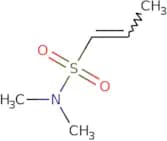
N,N-Dimethylprop-1-ene-1-sulfonamide
CAS:Versatile small molecule scaffold
Formula:C5H11NO2SPurity:Min. 95%Molecular weight:149.2 g/molRef: 3D-VCA78500
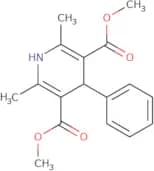
Discontinued productDimethyl 2,6-dimethyl-4-phenyl-1,4-dihydropyridine-3,5-dicarboxylate
CAS:Dimethyl 2,6-dimethyl-4-phenyl-1,4-dihydropyridine-3,5-dicarboxylate is a radioligand that binds to calcium channels. It is used as a radioligand in binding studies to determine the affinity of various drugs for specific types of calcium channels. Dimethyl 2,6-dimethyl-4-phenyl-1,4-dihydropyridine 3,5 dicarboxylate has been shown to bind specifically to a particular class of calcium channel antagonists (i.e., monosubstituted) and can be used as a pharmacological probe for the study of these compounds.Formula:C17H19NO4Purity:Min. 95%Molecular weight:301.34 g/molRef: 3D-VCA67778
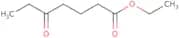
Discontinued productEthyl 5-oxoheptanoate
CAS:Ethyl 5-oxoheptanoate is a clear, colorless liquid that can be synthesized by reacting benzene with acetone. The synthesis of ethyl 5-oxoheptanoate is an example of a Friedel-Crafts reaction. This chemical is soluble in organic solvents such as acetone and cyclohexane and has low toxicity. It can be used as a reagent for the preparation of esters from alcohols, phenols, or carboxylic acids. Ethyl 5-oxoheptanoate can also be used to prepare resorcinol, which is a precursor to polymers and dyes, by hydrogenation of the molecule. Preparative methods are often used to produce this product because it has limited solubility in water.
Formula:C9H16O3Purity:Min. 95%Molecular weight:172.22 g/mol6-Methyl-4-azaspiro[2.5]octane hydrochloride
CAS:Versatile small molecule scaffoldFormula:C8H16ClNPurity:Min. 95%Molecular weight:161.7 g/molRef: 3D-UTD67939
Discontinued product2-[(tert-Butoxy)carbonyl]-2-azaspiro[4.4]nonane-1-carboxylic acid
CAS:Versatile small molecule scaffold
Formula:C14H23NO4Purity:Min. 95%Molecular weight:269.3 g/molRef: 3D-UTD67923
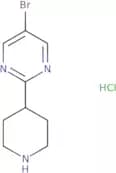
Discontinued product5-Bromo-2-(piperidin-4-yl)pyrimidine hydrochloride
CAS:Versatile small molecule scaffold
Formula:C9H13BrClN3Purity:Min. 95%Molecular weight:278.58 g/molRef: 3D-UTD67898
Discontinued product4H,5H-Pyrazolo[1,5-a]quinazolin-5-one
CAS:4H,5H-Pyrazolo[1,5-a]quinazolin-5-one is a class of heterocyclic compounds that inhibit the parp-1 and parp proteins. These inhibitors are low nanomolar to nanomolar in potency and have been synthesized from chloride and amides. They have been shown to be potent inhibitors of the growth of cancer cells.
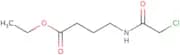
Formula:C10H7N3OPurity:Min. 95%Molecular weight:185.18 g/molEthyl 4-(2-chloroacetamido)butanoate
CAS:Versatile small molecule scaffold
Formula:C8H14ClNO3Purity:Min. 95%Molecular weight:207.65 g/molRef: 3D-TMA27137
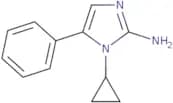
Discontinued product1-Cyclopropyl-5-phenyl-1H-imidazol-2-amine
CAS:Versatile small molecule scaffold
Formula:C12H13N3Purity:Min. 95%Molecular weight:199.25 g/molRef: 3D-TLB80162
Discontinued product1-(6-Chloro-4-pyrimidinyl)indoline
CAS:Versatile small molecule scaffold
Formula:C12H10ClN3Purity:Min. 95%Molecular weight:231.69 g/molRef: 3D-TLA29233
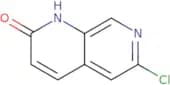
Discontinued product6-Chloro-1,2-dihydro-1,7-naphthyridin-2-one
CAS:Versatile small molecule scaffold
Formula:C8H5ClN2OPurity:Min. 95%Molecular weight:180.59 g/molRef: 3D-TDA49368
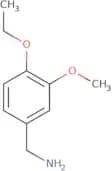
Discontinued product(4-Ethoxy-3-methoxybenzyl)amine
CAS:Research has shown that (4-Ethoxy-3-methoxybenzyl)amine (EMBA) is a potent inhibitor of bacterial growth. The alkylation of EMBA with methylamine and benzene leads to the formation of aureus, which is an antibiotic that can be used to treat staphylococcus infections. In addition, EMBA can also be methylated with hydroxylamine to form benzylamine, a compound that inhibits the synthesis of the cell wall in bacteria. These properties make EMBA an effective antimicrobial agent.
Formula:C10H15NO2Purity:Min. 95%Molecular weight:181.23 g/molRef: 3D-TDA48914
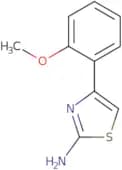
Discontinued product4-(2-Methoxy-phenyl)-thiazol-2-ylamine
CAS:4-(2-Methoxy-phenyl)-thiazol-2-ylamine is a flavonoid that is synthesized by the condensation of luteolin with salicylaldehyde. It has been shown to have antibacterial activity against strains of P. aeruginosa and S. aureus, with MIC values of 12.5 µg/mL and 25 µg/mL, respectively. The MIC value for 4-(2-Methoxy-phenyl)-thiazol-2-ylamine against E. coli was found to be 100 µg/mL. 4-(2-Methoxy-phenyl)-thiazol-2-ylamine has been shown to inhibit the growth of organisms such as Escherichia coli, Streptococcus pneumoniae and Staphylococcus aureus in vitro. This compound is not active against Gram positive bacteria such as Bacillus subtilis or GramFormula:C10H10N2OSPurity:Min. 95%Molecular weight:206.27 g/molRef: 3D-TDA20995
Discontinued product(2R,3S)-3-(3-Cyclopropyl-1,2,4-oxadiazol-5-yl)-2-methylmorpholine hydrochloride
CAS:Versatile small molecule scaffoldFormula:C10H16ClN3O2Purity:Min. 95%Molecular weight:245.7 g/molRef: 3D-SZC91268
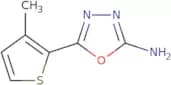
Discontinued product5-(3-Methylthiophen-2-yl)-1,3,4-oxadiazol-2-amine
CAS:5-(3-Methylthiophen-2-yl)-1,3,4-oxadiazol-2-amine is a ligand that binds to the ion channels in cells and activates them. It is used as a research tool in pharmacology and protein interactions. 5-(3-Methylthiophen-2-yl)-1,3,4-oxadiazol-2-amine has been shown to activate potassium channels by interacting with the receptor site. This ligand was also shown to inhibit cell growth by binding to the antibody site of the receptor. 5-(3-Methylthiophen-2-yl)-1,3,4--oxadiazol-2--amine has been shown to have a high purity of 99%.
Formula:C7H7N3OSPurity:Min. 95%Molecular weight:181.22 g/molRef: 3D-SQB04874
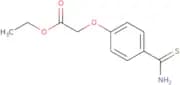
Discontinued productEthyl 2-(4-carbamothioylphenoxy)acetate
CAS:Versatile small molecule scaffold
Formula:C11H13NO3SPurity:Min. 95%Molecular weight:239.29 g/molRef: 3D-SQB03646
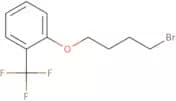
Discontinued product1-(4-Bromobutoxy)-2-(trifluoromethyl)benzene
CAS:Versatile small molecule scaffold
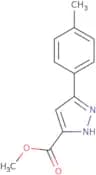
Formula:C11H12BrF3OPurity:Min. 95%Molecular weight:297.11 g/molMethyl 3-p-tolyl-1H-pyrazole-5-carboxylate
CAS:Versatile small molecule scaffold
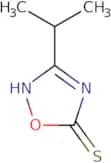
Formula:C12H12N2O2Purity:Min. 95%Molecular weight:216.24 g/mol3-(Propan-2-yl)-1,2,4-oxadiazole-5-thiol
CAS:Versatile small molecule scaffold
Formula:C5H8N2OSPurity:Min. 95%Molecular weight:144.2 g/molRef: 3D-SDC62895
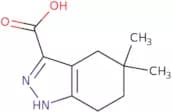
Discontinued product5,5-Dimethyl-4,5,6,7-tetrahydro-1H-indazole-3-carboxylic acid
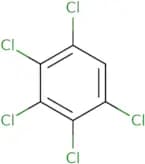
CAS:Versatile small molecule scaffoldFormula:C10H14N2O2Purity:Min. 95%Molecular weight:194.23 g/mol1,2,3,4,5-Pentachlorobenzene
CAS:1,2,3,4,5-Pentachlorobenzene is a chlorinated hydrocarbon that is used in the production of pesticides and herbicides. It is an ingredient in the manufacturing of pentachlorophenol and pentachloronitrobenzene. 1,2,3,4,5-Pentachlorobenzene has been used as a chemical intermediate or solvent for the production of other chemicals. The emissions from this chemical can be harmful to humans and animals because it has been shown to affect enzyme activities at sublethal doses. It also affects rat liver microsomes and causes DNA damage that can lead to cancer.
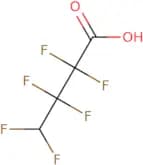
Formula:C6HCl5Purity:Min. 95%Molecular weight:250.34 g/mol2,2,3,3,4,4-Hexafluorobutyric acid
CAS:2,2,3,3,4,4-Hexafluorobutyric acid is a hydroxylated organic compound. It has been shown to be more chemically stable than other quaternary ammonium compounds. 2,2,3,3,4,4-Hexafluorobutyric acid is used as a polymerization initiator for the preparation of cationic polymers. This chemical can also be used to fragment proteins and nucleic acids in order to prepare samples for analysis by mass spectrometry. 2HFBA is reactive and can cause irritation on contact with the skin or eyes. It has been shown that this chemical may have an effect on body mass index and can bind to calcium ions.
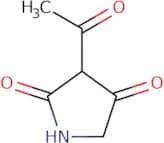
Formula:C4H2F6O2Purity:Min. 95%Molecular weight:196.05 g/mol3-Acetylpyrrolidine-2,4-dione
CAS:3-Acetylpyrrolidine-2,4-dione is an experimental drug that belongs to the class of metal hydroxides. It has been shown to have anti-tumor activity in vitro and in vivo against a variety of malignant tumors. 3-Acetylpyrrolidine-2,4-dione also inhibits the growth of pigweed and other plants by inhibiting the production of tenuazonic acid. This compound is a tautomeric form of tenuazonic acid, which is also known as 2,4-pentanedione. The carboxylate group on this molecule may be responsible for its herbicidal activity.
Formula:C6H7NO3Purity:Min. 95%Molecular weight:141.12 g/molRef: 3D-AAA69757
Discontinued product1,3-Diazaspiro[4.4]nonane-2,4-dione
CAS:1,3-Diazaspiro[4.4]nonane-2,4-dione (1) is a new fungicide that was shown to have fungicidal activity in vitro against the grapevine pathogens Plasmopara viticola and Plasmopara obducens. This compound has been isolated from the plant Express erythroxylum coca (Erythroxylum coca). The compound belongs to the class of diaza spiro compounds and is a member of a family of diaza spiro compounds with antifungal activity. One possible mode of action for 1 is that it inhibits the synthesis of DNA by binding to bacterial DNA gyrase.
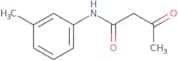
Formula:C7H10N2O2Purity:Min. 95%Molecular weight:154.17 g/molN-(3-Methylphenyl)-3-oxobutanamide
CAS:Versatile small molecule scaffold
Formula:C11H13NO2Purity:Min. 95%Molecular weight:191.23 g/molRef: 3D-ABA23346
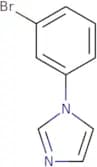
Discontinued product1-(3-Bromophenyl)-1H-imidazole
CAS:Versatile small molecule scaffold
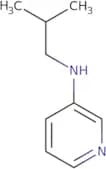
Formula:C9H7BrN2Purity:Min. 95%Molecular weight:223.07 g/molN-(2-Methylpropyl)pyridin-3-amine
CAS:Versatile small molecule scaffold
Formula:C9H14N2Purity:Min. 95%Molecular weight:150.22 g/molRef: 3D-ABA56010
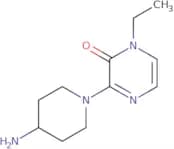
Discontinued product3-(4-Aminopiperidin-1-yl)-1-ethyl-1,2-dihydropyrazin-2-one
CAS:Versatile small molecule scaffold
Formula:C11H18N4OPurity:Min. 95%Molecular weight:222.29 g/molRef: 3D-SDC37693
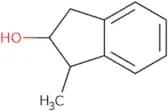
Discontinued product1-Methyl-2,3-dihydro-1H-inden-2-ol
CAS:Versatile small molecule scaffold
Formula:C10H12OPurity:Min. 95%Molecular weight:148.2 g/molRef: 3D-ACA82313
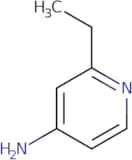
Discontinued product2-Ethylpyridin-4-amine
CAS:2-Ethylpyridin-4-amine is a pyridine that can be synthesized from the amination of 4-nitrophenol. It can also be synthesized by acylation of 2-ethylpyridine with ethyl chloroformate followed by cyclization. This compound has shown to have high yields in reactions involving pyridines and it is often used as a precursor for other compounds.
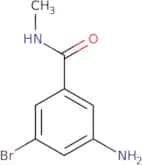
Formula:C7H10N2Purity:Min. 95%Molecular weight:122.17 g/mol3-Amino-5-bromo-N-methylbenzamide
CAS:Versatile small molecule scaffold
Formula:C8H9BrN2OPurity:Min. 95%Molecular weight:229.07 g/molRef: 3D-AFC06914
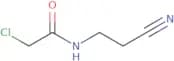
Discontinued product2-Chloro-N-(2-cyanoethyl)acetamide
CAS:2-Chloro-N-(2-cyanoethyl)acetamide is a potent and selective inhibitor of the protein kinase C (PKC). The PKC protein kinases are enzymes that regulate the activity of cells in response to stimuli. 2-Chloro-N-(2-cyanoethyl)acetamide has been shown to be effective against some viruses and tumor cells, but not against bacteria. It inhibits the growth of some cancer cells and has been shown to inhibit the replication of animal viruses such as influenza virus. This drug is also used for treatment of abdominal infections, hepatitis, pancreatitis, mesenteric adenitis, and animals with cancer. 2-Chloro-N-(2-cyanoethyl)acetamide can act as a noncompetitive inhibitor by binding to a site on the enzyme that is different from ATP binding site.
Formula:C5H7ClN2OPurity:Min. 95%Molecular weight:146.57 g/mol1-Azabicyclo[3.2.1]octan-4-one
CAS:Versatile small molecule scaffold
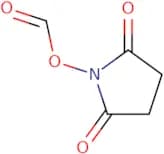
Formula:C7H11NOPurity:Min. 95%Molecular weight:125.17 g/mol2,5-Dioxopyrrolidin-1-yl formate
CAS:2,5-Dioxopyrrolidin-1-yl formate is a solubilized ATP analog that has been clinically developed for the treatment of cancer. This drug binds to cell membranes and causes alkylation of the acidic phospholipids in the membrane, leading to increased permeability of the membrane and release of intracellular components. 2,5-Dioxopyrrolidin-1-yl formate also interacts with lysosomes and increases their acidity, which may lead to an increase in lysosomal enzyme activity. This drug has been shown to inhibit tumor growth in a mouse model by binding to erythrocytes while it was being simultaneously administered intravenously. The chemical structures of this drug are closely related to those of phaseolus, which is known for its anticancer effects.
Formula:C5H5NO4Purity:Min. 95%Molecular weight:143.1 g/molRef: 3D-SAA59254
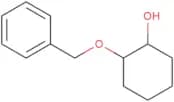
Discontinued productrac-(1R,2R)-2-(Benzyloxy)cyclohexan-1-ol
CAS:Versatile small molecule scaffold
Formula:C13H18O2Purity:Min. 95%Molecular weight:206.28 g/molRef: 3D-BCA32929
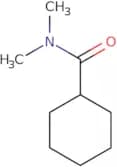
Discontinued productN,N-Dimethylcyclohexanecarboxamide
CAS:N,N-Dimethylcyclohexanecarboxamide is an acid salt of besylate that is used as a drug for the treatment of hyperglycemia. It has been shown to have a rapid onset and short duration of action. The chemical name for N,N-Dimethylcyclohexanecarboxamide is 1-[2-(2-methoxyethoxy)ethyl]-4-methyl-1,4-dihydropyridine 2,4-dicarboxylic acid methyl ester. This compound inhibits insulin release from the pancreas and stimulates glucagon release from the alpha cells in the pancreas. These effects lead to an increase in blood glucose levels.
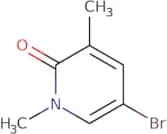
Formula:C9H17NOPurity:Min. 95%Molecular weight:155.24 g/mol5-Bromo-1,3-dimethylpyridin-2(1H)-one
CAS:Benzyne is a reactive intermediate that is formed by the tautomerization of 5-bromo-1,3-dimethylpyridin-2(1H)-one. It is an adduct between a bromine atom and a benzene ring. This compound has been shown to react with electron-rich olefins to form bicyclic compounds called diels-alder adducts. These reactions are often catalyzed by metals, such as palladium or nickel. Benzyne also reacts with triple bonds or other electron rich centers to form benzyne adducts, which are highly reactive and can be used as chemical probes for electron density in molecules.
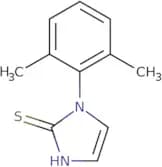
Formula:C7H8BrNOPurity:Min. 95%Molecular weight:202.05 g/mol1-(2,6-Dimethylphenyl)-2,3-dihydro-1H-imidazole-2-thione
CAS:Versatile small molecule scaffold
Formula:C11H12N2SPurity:Min. 95%Molecular weight:204.29 g/molRef: 3D-SAA45219
Discontinued product1-(4-Chlorophenyl)-1H-imidazole-2(3H)-thione
CAS:1-(4-Chlorophenyl)-1H-imidazole-2(3H)-thione is a crystalline solid that belongs to the class of imidazoles. It has been synthesized by reacting 1,2-dibromoethane with sodium methoxide in methanol. The compound was found to have a melting point of about 183°C and a molecular weight of 212.06 g/mol. This compound has been shown to interact with methanol, methoxide, and ethoxy groups. Crystallization occurs when the substance is heated to about 183°C in vacuum and then cooled slowly.
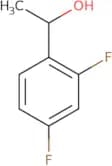
Formula:C9H7ClN2SPurity:Min. 95%Molecular weight:210.68 g/mol(1R)-1-(2,4-Difluorophenyl)ethan-1-ol
CAS:Versatile small molecule scaffold
Formula:C8H8F2OPurity:Min. 95%Molecular weight:158.14 g/molMethyl 2-[2-(hydroxyimino)cyclohexyl]acetate
CAS:Versatile small molecule scaffold
Formula:C9H15NO3Purity:Min. 95%Molecular weight:185.22 g/molRef: 3D-SAA44849
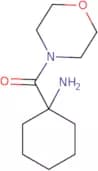
Discontinued product1-(Morpholine-4-carbonyl)cyclohexan-1-amine
CAS:Versatile small molecule scaffold
Formula:C11H20N2O2Purity:Min. 95%Molecular weight:212.29 g/molRef: 3D-RQB85795
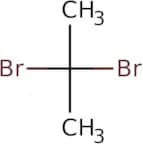
Discontinued product2,2-Dibromopropane
CAS:2,2-Dibromopropane is a synthetic chemical that has been used as a precursor in the production of nylon. It is an activator that can be used to form covalent bonds with reactive groups on other molecules. The activation energy for the reaction with piperazine is between 104 and 106 kJ/mol. 2,2-Dibromopropane undergoes acylation reactions under certain conditions, forming reaction products such as 2,2-dibromoethyl acetate and 2,2-dibromoethanol. The molecular weight of 2,2-dibromopropane is 192.19 g/mol and its structural formula is CHBrCHBrCHBrCHBrC≡C≡C≡C≡C≡C≡CC(O)OH.
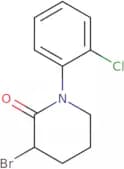
Formula:C3H6Br2Purity:Min. 95%Molecular weight:201.89 g/mol3-Bromo-1-(2-chlorophenyl)piperidin-2-one
CAS:Versatile small molecule scaffold
Formula:C11H11BrClNOPurity:Min. 95%Molecular weight:288.57 g/molRef: 3D-RDC53092
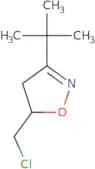
Discontinued product3-tert-Butyl-5-(chloromethyl)-4,5-dihydro-1,2-oxazole
CAS:Versatile small molecule scaffoldFormula:C8H14ClNOPurity:Min. 95%Molecular weight:175.65 g/molRef: 3D-RDC44061
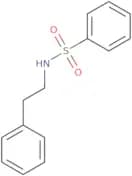
Discontinued productN-(2-Phenylethyl)benzenesulfonamide
CAS:N-(2-Phenylethyl)benzenesulfonamide is a biodegradable and aerobic catalyst that is used in the production of nitrates. It can be recycled and has a high solubility, which allows for efficient extraction from wastewater effluents. The reactor system can be operated at an aerobic or anaerobic conditions. N-(2-Phenylethyl)benzenesulfonamide is soluble in water and can be hydrolyzed by acids or bases to release ammonia gas. The process can also be sustainable due to the use of renewable energy sources such as solar, wind, tidal, or biomass power.
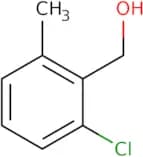
Formula:C14H15NO2SPurity:Min. 95%Molecular weight:261.34 g/mol(2-Chloro-6-methylphenyl)methanol
CAS:Versatile small molecule scaffold
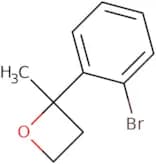
Formula:C8H9ClOPurity:Min. 95%Molecular weight:156.61 g/mol2-(2-Bromophenyl)-2-methyloxetane
CAS:Versatile small molecule scaffold
Formula:C10H11BrOPurity:Min. 95%Molecular weight:227.1 g/molRef: 3D-CGC24401
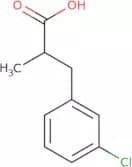
Discontinued product3-(3-Chlorophenyl)-2-methylpropanoic acid
CAS:Versatile small molecule scaffoldFormula:C10H11ClO2Purity:Min. 95%Molecular weight:198.64 g/molRef: 3D-RCA73500
Discontinued product2-(1-Chloroethyl)pyrimidin-4-amine
CAS:Versatile small molecule scaffold
Formula:C6H8ClN3Purity:Min. 95%Molecular weight:157.6 g/molRef: 3D-CKC65124
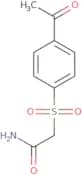
Discontinued product2-(4-Acetylbenzenesulfonyl)acetamide
CAS:Versatile small molecule scaffold
Formula:C10H11NO4SPurity:Min. 95%Molecular weight:241.27 g/molRef: 3D-RAC85436
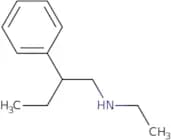
Discontinued productEthyl(2-phenylbutyl)amine
CAS:Controlled ProductVersatile small molecule scaffold
Formula:C12H19NPurity:Min. 95%Molecular weight:177.29 g/molRef: 3D-CRA92083
Discontinued product2-(5-Methyl-1H-pyrazol-1-yl)aniline
CAS:Versatile small molecule scaffold
Formula:C10H11N3Purity:Min. 95%Molecular weight:173.21 g/molRef: 3D-CWB58305
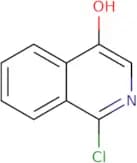
Discontinued product1-Chloroisoquinolin-4-ol
CAS:1-Chloroisoquinolin-4-ol is a phenylpyrimidine with anti-inflammatory properties. It is used in the treatment of sensitivity and mediated diseases, such as osteoarthritis, rheumatoid arthritis, and ankylosing spondylitis. 1-Chloroisoquinolin-4-ol inhibits the enzymatic activity of matrix metalloproteinases (MMPs), which are enzymes that break down collagen and other proteins in the body. The inhibition of MMPs by 1-chloroisoquinolin-4-ol leads to reduced inflammation and pain. This compound is also an effective inhibitor of the activities of chloride channels involved in acid secretion by cells in the stomach lining, thus inhibiting acid production. 1-Chloroisoquinolin-4-ol has been shown to have anticholesterolemic effects on liver cells due to its ability to inhibit cholesterol synthesis through inhibition of HMG CoA
Formula:C9H6ClNOPurity:Min. 95%Molecular weight:179.6 g/molRef: 3D-DAA33643
Discontinued product5-bromo-4-chloro-7-methyl-7H-pyrrolo[2,3-d]pyrimidine
CAS:Versatile small molecule scaffold
Formula:C7H5BrClN3Purity:Min. 95%Molecular weight:246.5 g/molRef: 3D-RAC34330
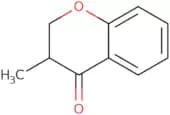
Discontinued product3-Methyl-3,4-dihydro-2H-1-benzopyran-4-one
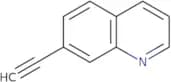
CAS:Versatile small molecule scaffoldFormula:C10H10O2Purity:Min. 95%Molecular weight:162.18 g/mol7-Ethynylquinoline
CAS:Versatile small molecule scaffold
Formula:C11H7NPurity:Min. 95%Molecular weight:153.18 g/molRef: 3D-DEA98780
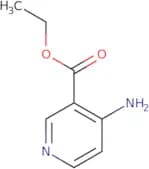
Discontinued productEthyl 4-aminonicotinate
CAS:Ethyl 4-aminonicotinate is a cyclic amine with a chemical formula of C6H11NO2. It has a molecular weight of 117.07 g/mol, and its molecular structure consists of an ethyl group attached to the amino group. The molecule has three resonance peaks in the infrared spectrum at 2,617cm-1 (ν(C=O)), 1,906cm-1 ((C=N)), and 1,723 cm-1 (ν(NH)). In addition to these peaks, the molecule also has two magnetic resonance peaks at 2.24ppm (δ) and 3.38ppm (δ). This compound is soluble in water and can be used as an intermediate in organic synthesis or pharmaceuticals.
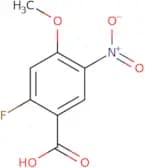
Formula:C8H10N2O2Purity:Min. 95%Molecular weight:166.18 g/mol2-Fluoro-4-methoxy-5-nitrobenzoic acid
CAS:Versatile small molecule scaffoldFormula:C8H6FNO5Purity:Min. 95%Molecular weight:215.13 g/molRef: 3D-QMC49479
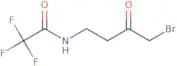
Discontinued productN-(4-Bromo-3-oxobutyl)-2,2,2-trifluoroacetamide
CAS:Versatile small molecule scaffoldFormula:C6H7BrF3NO2Purity:Min. 95%Molecular weight:262.02 g/molRef: 3D-QMC39617
Discontinued product2-Mercaptobenzo[d]thiazole-6-carbonitrile
CAS:Versatile small molecule scaffoldFormula:C8H4N2S2Purity:Min. 95%Molecular weight:192.25 g/molRef: 3D-QMA22879
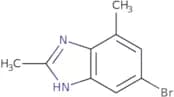
Discontinued product5-Bromo-2,7-dimethyl-1H-1,3-benzodiazole
CAS:Versatile small molecule scaffoldFormula:C9H9BrN2Purity:Min. 95%Molecular weight:225.08 g/mol(5,6,7,8-Tetrahydro-4H-cyclohepta[D]isoxazol-3-yl)methanol
CAS:Versatile small molecule scaffold
Formula:C9H13NO2Purity:Min. 95%Molecular weight:167.2 g/mol2-Bromo-6-chloroimidazo[1,2-a]pyridine
CAS:Versatile small molecule scaffold
Formula:C7H4BrClN2Purity:Min. 95%Molecular weight:231.48 g/molRef: 3D-QHA07448
Discontinued product1-[(2-bromophenyl)methyl]-2,5-dihydro-1H-pyrrole-2,5-dione
CAS:Versatile small molecule scaffold
Formula:C11H8BrNO2Purity:Min. 95%Molecular weight:266.09 g/molRef: 3D-QFA48093
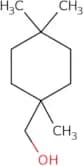
Discontinued product(1,4,4-Trimethylcyclohexyl)methanol
CAS:Versatile small molecule scaffold
Formula:C10H20OPurity:Min. 95%Molecular weight:156.3 g/molRef: 3D-QFA42344
Discontinued product6-bromoimidazo[1,2-a]pyrazin-2-amine
CAS:Versatile small molecule scaffold
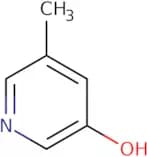
Formula:C6H5BrN4Purity:Min. 95%Molecular weight:213 g/mol3-Hydroxy-5-methylpyridine
CAS:3-Hydroxy-5-methylpyridine (3HMP) is a chemical substance that has been classified as an amine. It is a product of the metabolism of purines, which are nitrogenous bases found in DNA and RNA. 3HMP is produced by aerogenic bacteria (such as Enterobacter), and can be used to estimate the number of these bacteria present in water samples. 3HMP has been shown to have antiviral properties against influenza virus, and can be used as a biomarker for the presence of other viruses in animals. 3HMP also has mineralization properties, which have been studied extensively, particularly with regards to pancreatic disease.
Formula:C6H7NOPurity:Min. 95%Color and Shape:PowderMolecular weight:109.13 g/molRef: 3D-FH16174
Discontinued product2-Bromo-3,3,3-trifluoro-1-propene
CAS:Controlled Product2-Bromo-3,3,3-trifluoro-1-propene is a chemical compound that has been synthesized in an asymmetric reaction. The reactant is bromopropane and the product is 2,2,2-trifluoropropene. The methylene group on the propene molecule is activated by the nucleophilic attack of a fluoride ion from hydrogen fluoride to form a cavity with a highly strained bond. The kinetic study of this reaction revealed that the activation energy for the reaction is 42 kJ/mol. Palladium-catalyzed coupling reactions are catalyzed by palladium and require nonpolar solvents such as toluene or dichloromethane. This type of reaction has been shown to be exothermic with an isolated yield of 1%.
Formula:C3H2BrF3Purity:Min. 95%Color and Shape:Colorless PowderMolecular weight:174.95 g/mol4,5-Dihydro-1H-imidazol-2-amine hydrochloride
CAS:Please enquire for more information about 4,5-Dihydro-1H-imidazol-2-amine hydrochloride including the price, delivery time and more detailed product information at the technical inquiry form on this page
Formula:C3H7N3•HClPurity:Min. 95%Molecular weight:121.57 g/molRef: 3D-FD183639
Discontinued product8-Bromo-2-methylimidazo[1,2-a]pyridine
CAS:Versatile small molecule scaffold
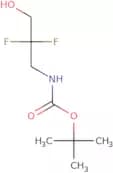
Formula:C8H7N2BrPurity:Min. 95%Molecular weight:211.05 g/moltert-Butyl (2,2-difluoro-3-hydroxypropyl)carbamate
CAS:Versatile small molecule scaffoldFormula:C10H13NO4Purity:Min. 95%Molecular weight:211.21 g/mol1-Hydroxycyclopentane-1-carbonitrile
CAS:1-Hydroxycyclopentane-1-carbonitrile is a monomer that is hydrolyzed to form benzoin and cyanohydrins. It can be used in the production of scifinder as a monomer or dimerizer.
Formula:C6H9NOPurity:Min. 95%Molecular weight:111.14 g/mol4-Chloro-2-hydroxy-6-methylphenylboronic acid
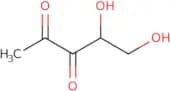
CAS:Versatile small molecule scaffoldFormula:C7H8BClO3Purity:Min. 95%Molecular weight:186.4 g/mol4,5-Dihydroxy-2,3-Pentanedione
CAS:4,5-Dihydroxy-2,3-pentanedione is a carbonyl compound that is the product of the oxidation of ascorbic acid. It is used in wastewater treatment and has antimicrobial properties against infectious diseases. This compound has been shown to inhibit protein synthesis by binding to the ribosome and preventing the formation of peptide bonds between amino acids. 4,5-Dihydroxy-2,3-pentanedione has also been shown to bind to plasma proteins, which may be due to its acyl chain structure. 4,5-Dihydroxy-2,3-pentanedione can be synthesized in a catalytic mechanism that involves dehydroascorbic acid and molecular oxygen.
Formula:C5H8O4Purity:Min. 95%Color and Shape:PowderMolecular weight:132.11 g/molRef: 3D-FD180770
Discontinued productPiperyline
CAS:Piperyline is an alkanoic acid that has shown to be effective against skin cancer. It also has antimicrobial properties, which may be due to its ability to bind metal ions and form polymeric compounds. Piperyline inhibits microbial growth by inhibiting the synthesis of proteins and nucleic acids. The antimicrobial activity is related to its cationic polymerization with hydroxyl groups, which forms a structure that can inhibit microbial enzymes and disrupt microbial cell membranes. This compound also interacts with the skin's natural lipids, making it difficult for microorganisms to attach and grow on the skin. Piperyline is synthesized in organic chemistry laboratories as an amide precursor of other pharmaceuticals such as penicillin.
Formula:C16H17NO3Purity:Min. 95%Molecular weight:271.31 g/mol

![6-Methyl-4-azaspiro[2.5]octane hydrochloride](/_next/image/?url=https%3A%2Fstatic.cymitquimica.com%2Fproducts%2F3D%2Fthumb-webp%2FUTD67939.webp&w=3840&q=75)
![2-[(tert-Butoxy)carbonyl]-2-azaspiro[4.4]nonane-1-carboxylic acid](/_next/image/?url=https%3A%2Fstatic.cymitquimica.com%2Fproducts%2F3D%2Fthumb-webp%2FUTD67923.webp&w=3840&q=75)
![4H,5H-Pyrazolo[1,5-a]quinazolin-5-one](/_next/image/?url=https%3A%2Fstatic.cymitquimica.com%2Fproducts%2F3D%2Fthumb-webp%2FUJC66912.webp&w=3840&q=75)


![1,3-Diazaspiro[4.4]nonane-2,4-dione](/_next/image/?url=https%3A%2Fstatic.cymitquimica.com%2Fproducts%2F3D%2Fthumb-webp%2FAAA69951.webp&w=3840&q=75)
![1-Azabicyclo[3.2.1]octan-4-one](/_next/image/?url=https%3A%2Fstatic.cymitquimica.com%2Fproducts%2F3D%2Fthumb-webp%2FSAA60477.webp&w=3840&q=75)

![Methyl 2-[2-(hydroxyimino)cyclohexyl]acetate](/_next/image/?url=https%3A%2Fstatic.cymitquimica.com%2Fproducts%2F3D%2Fthumb-webp%2FSAA44849.webp&w=3840&q=75)


![5-bromo-4-chloro-7-methyl-7H-pyrrolo[2,3-d]pyrimidine](/_next/image/?url=https%3A%2Fstatic.cymitquimica.com%2Fproducts%2F3D%2Fthumb-webp%2FRAC34330.webp&w=3840&q=75)
![2-Mercaptobenzo[d]thiazole-6-carbonitrile](/_next/image/?url=https%3A%2Fstatic.cymitquimica.com%2Fproducts%2F3D%2Fthumb-webp%2FQMA22879.webp&w=3840&q=75)
![(5,6,7,8-Tetrahydro-4H-cyclohepta[D]isoxazol-3-yl)methanol](/_next/image/?url=https%3A%2Fstatic.cymitquimica.com%2Fproducts%2F3D%2Fthumb-webp%2FQHC96192.webp&w=3840&q=75)
![2-Bromo-6-chloroimidazo[1,2-a]pyridine](/_next/image/?url=https%3A%2Fstatic.cymitquimica.com%2Fproducts%2F3D%2Fthumb-webp%2FQHA07448.webp&w=3840&q=75)
![1-[(2-bromophenyl)methyl]-2,5-dihydro-1H-pyrrole-2,5-dione](/_next/image/?url=https%3A%2Fstatic.cymitquimica.com%2Fproducts%2F3D%2Fthumb-webp%2FQFA48093.webp&w=3840&q=75)
![6-bromoimidazo[1,2-a]pyrazin-2-amine](/_next/image/?url=https%3A%2Fstatic.cymitquimica.com%2Fproducts%2F3D%2Fthumb-webp%2FDUB86138.webp&w=3840&q=75)

![8-Bromo-2-methylimidazo[1,2-a]pyridine](/_next/image/?url=https%3A%2Fstatic.cymitquimica.com%2Fproducts%2F3D%2Fthumb-webp%2FUXB37475.webp&w=3840&q=75)