


Building Blocks
Subcategories of "Building Blocks"
- Boronic Acids & Boronic Acid Derivatives(5,778 products)
- Chiral Building Blocks(1,243 products)
- Hydrocarbon Building Blocks(6,099 products)
- Organic Building Blocks(61,038 products)
Found 205376 products of "Building Blocks"
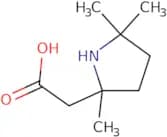
2-(2,5,5-Trimethylpyrrolidin-2-yl)acetic acid
CAS:Versatile small molecule scaffold
Formula:C9H17NO2Purity:Min. 95%Molecular weight:171.24 g/molRef: 3D-HDA83090
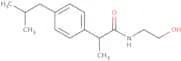
Discontinued productMabuprofen
CAS:Mabuprofen is a nonsteroidal anti-inflammatory drug that belongs to the class of NSAIDs. It is used to treat pain, inflammation, and stiffness caused by osteoarthritis, rheumatoid arthritis, and other joint diseases. Mabuprofen is a prodrug that has been shown to inhibit the production of prostaglandins in the brain and spinal cord. This inhibition leads to an increase in cyclic adenosine monophosphate (cAMP) levels which can then reduce the production of proteins in cells. This can have anti-inflammatory effects that are beneficial for people with inflammatory bowel disease or hyperproliferative diseases such as cancer. Mabuprofen has also been shown to decrease the levels of soybean trypsin inhibitor in rats with bowel disease. The mechanism for this activity may be due to its ability to act as a substrate molecule for enzyme reactions, such as soybean trypsin inhibitors.
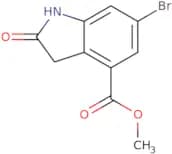
Formula:C15H23NO2Purity:Min. 95%Molecular weight:249.35 g/molMethyl 6-Bromo-2-oxo-2,3-dihydro-1H-indole-4-carboxylate
CAS:Versatile small molecule scaffoldFormula:C10H8NO3BrPurity:Min. 95%Molecular weight:270.07 g/mol4-(Dimethyl-1,2-oxazol-4-yl)phenol
CAS:Versatile small molecule scaffold
Formula:C11H11NO2Purity:Min. 95%Molecular weight:189.21 g/molRef: 3D-AKB62875
Discontinued product1-[(4-Bromophenyl)methyl]-3-(2-methylpropyl)-1,4-diazepane
CAS:Versatile small molecule scaffold
Formula:C16H25BrN2Purity:Min. 95%Molecular weight:325.29 g/molRef: 3D-QJC93175
Discontinued producttert-butyl N-[(2R)-1-oxopropan-2-yl]carbamate
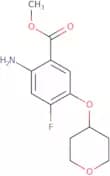
CAS:Versatile small molecule scaffoldFormula:C8H15NO3Purity:Min. 95%Molecular weight:173.2 g/molMethyl 2-amino-4-fluoro-5-(oxan-4-yloxy)benzoate
CAS:Versatile small molecule scaffold
Formula:C13H16FNO4Purity:Min. 95%Molecular weight:269.27 g/molRef: 3D-EEC95382
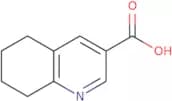
Discontinued product5,6,7,8-Tetrahydroquinoline-3-carboxylic acid
CAS:5,6,7,8-Tetrahydroquinoline-3-carboxylic acid is a quinoline derivative that has been shown to have bacteriostatic activity against Staphylococcus aureus. It binds to the hydroxyl groups of the bacterial cell membrane and inhibits the production of enzymes necessary for protein synthesis. The interaction between the 5,6,7,8-tetrahydroquinoline-3-carboxylic acid and the hydroxyl group is reversible. 5,6,7,8-Tetrahydroquinoline-3-carboxylic acid also has bacteriostatic activity against other bacteria such as Mycobacterium tuberculosis and Mycobacterium avium complex.Formula:C10H11NO2Purity:Min. 95%Molecular weight:177.2 g/mol5-Methylquinoline
CAS:5-Methylquinoline is a quinoline derivative that is used in the synthesis of other quinoline derivatives. It can be synthesized from cinnamaldehyde, which can be obtained from cinnamic acid or benzaldehyde. 5-Methylquinoline has been shown to have antioxidant properties and inhibit colorectal carcinoma cells in vitro. The compound also inhibits the growth of caco-2 cells. One isomer of 5-methylquinoline, ethenyl, has been shown to cause a shift in the spectrum of light absorbed by caco-2 cells.
Formula:C10H9NPurity:Min. 95%Molecular weight:143.18 g/mol[4-(Thien-2-yl)phenyl]methanol
CAS:Versatile small molecule scaffold
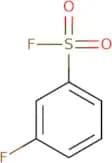
Formula:C11H10OSPurity:Min. 95%Molecular weight:190.26 g/mol3-Fluorobenzene-1-sulfonyl fluoride
CAS:3-Fluorobenzene-1-sulfonyl fluoride is a chemical compound that can be used as a catalyst to synthesize organic compounds. It is a colorless liquid, which is soluble in water and organic solvents. This catalyst has been shown to be more efficient than the traditional catalysts, such as tetraphenylphosphonium chloride, potassium fluoride or sodium borohydride. 3-Fluorobenzene-1-sulfonyl fluoride also reacts with nitro groups to produce dinitro compounds, which are valuable synthetic intermediates for the production of dyes and pharmaceuticals. The synthesis of this compound can be carried out in high yields with stoichiometric amounts of reactants.
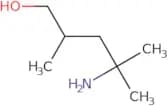
Formula:C6H4F2O2SPurity:Min. 95%Molecular weight:178.16 g/mol4-Amino-2,4-dimethylpentan-1-ol
CAS:Versatile small molecule scaffold
Formula:C7H17NOPurity:Min. 95%Molecular weight:131.22 g/molRef: 3D-EEC95245
Discontinued product4-(4-Bromophenyl)-2,6-dichloropyrimidine
CAS:Versatile small molecule scaffold
Formula:C10H5BrCl2N2Purity:Min. 95%Molecular weight:303.97 g/molRef: 3D-QJC18981
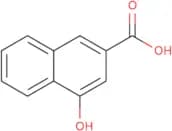
Discontinued product4-Hydroxy-2-naphthoic acid
CAS:4-Hydroxy-2-naphthoic acid is a hydrocarbon with a carboxylic acid group. It can act as an antagonist to the hydrocarbon receptor (HCR). 4-Hydroxy-2-naphthoic acid has been shown to be effective in treating colon cancer cells in vitro, and has been shown to inhibit the growth of cancer cells in vivo. This compound is also effective at inhibiting the proliferation of human colon cancer cells (Caco2) that have been exposed to benzo(a)pyrene, an aromatic hydrocarbon found in cigarette smoke. The mechanism by which this drug inhibits cell proliferation is not fully understood but may involve inhibition of cytochrome P450 1A1 (CYP1A1), which metabolizes benzo(a)pyrene into carcinogenic intermediates. 4-Hydroxy-2-naphthoic acid has also been shown to be anisotropic and microreactor, meaning
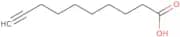
Formula:C11H8O3Purity:Min. 95%Molecular weight:188.17 g/molDec-9-ynoic acid
CAS:Dec-9-ynoic acid is a synthetic fatty acid that is a precursor to several biologically important substances. It is labile and easily oxidized by air, light, or heat. Dec-9-ynoic acid has been shown to be a central metabolic intermediate for the biosynthesis of polyunsaturated fatty acids. It can also be converted into linolenic acid, which is an essential fatty acid that cannot be synthesized by humans. Dec-9-ynoic acid exists in two geometric isomers: cis and trans. The cis form exhibits kinetic properties that are different from the trans form. Dec-9-ynoic acid has been studied as a potential treatment for human diseases such as diabetes mellitus type 2, Parkinson's disease, Alzheimer's disease, schizophrenia, and depression.
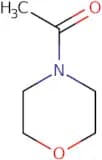
Formula:C10H16O2Purity:Min. 95%Molecular weight:168.23 g/mol4-Acetylmorpholine
CAS:4-Acetylmorpholine is a recycled amide that is synthesized from an alkanolamine and an acylation reaction. It has been used in the dehydrating of organic compounds, such as reaction solution, and for the preparation of acrylamide. 4-Acetylmorpholine is also used as a viscosity control agent in the extraction of aromatic hydrocarbons. Its chemical structure consists of a carbonyl group and an aromatic hydrocarbon. 4-Acetylmorpholine can be synthesized by reacting acetaldehyde with ammonia or thiourea with methyl chloride or ethylene oxide.
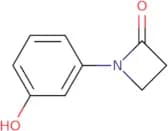
Formula:C6H3D8NO2Purity:Min. 95%Molecular weight:137.21 g/mol1-(3-Hydroxyphenyl)azetidin-2-one
CAS:Versatile small molecule scaffold
Formula:C9H9NO2Purity:Min. 95%Molecular weight:163.17 g/molRef: 3D-BDA22801
Discontinued product4,5,6,7-Tetrahydropyrazolo[1,5-a]pyrazine dihydrochloride
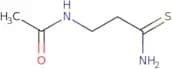
CAS:Versatile small molecule scaffoldFormula:C6H11Cl2N3Purity:Min. 95%Molecular weight:196.08 g/molN-(2-Carbamothioylethyl)acetamide
CAS:Versatile small molecule scaffold
Formula:C5H10N2OSPurity:Min. 95%Molecular weight:146.21 g/molRef: 3D-BDA27589
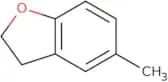
Discontinued product5-Methyl-2,3-dihydro-1-benzofuran
CAS:Versatile small molecule scaffold
Formula:C9H10OPurity:Min. 95%Molecular weight:134.17 g/molRef: 3D-BDA42968
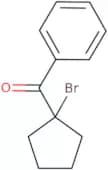
Discontinued product(1-Bromocyclopentyl)(phenyl)methanone
CAS:Versatile small molecule scaffold
Formula:C12H13BrOPurity:Min. 95%Molecular weight:253.13 g/molRef: 3D-GAA74066
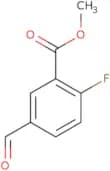
Discontinued productMethyl 2-fluoro-5-formylbenzoate
CAS:Versatile small molecule scaffold
Formula:C9H7FO3Purity:Min. 95%Molecular weight:182.15 g/molRef: 3D-QGA80394
Discontinued product8-chloro-3-(propan-2-yl)-[1,2,4]triazolo[4,3-a]pyrazine
CAS:Versatile small molecule scaffoldFormula:C8H9ClN4Purity:Min. 95%Molecular weight:196.64 g/mol3-Amino-7-oxa-1λ⁶-thiaspiro[3.5]nonane-1,1-dione hydrochloride
CAS:Versatile small molecule scaffoldFormula:C7H14ClNO3SPurity:Min. 95%Molecular weight:227.7 g/molRef: 3D-FPD79892
Discontinued product4-(Cyclohexyloxy)pyridin-2-amine
CAS:Versatile small molecule scaffold
Formula:C11H16N2OPurity:Min. 95%Molecular weight:192.3 g/molRef: 3D-PCC35658
Discontinued product2-{Imidazo[1,2-a]pyridin-2-yl}-1H-imidazole
CAS:Versatile small molecule scaffoldFormula:C10H8N4Purity:Min. 95%Molecular weight:184.2 g/molRef: 3D-FDD52429
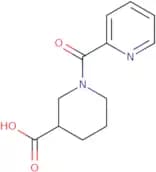
Discontinued product1-(Pyridine-2-carbonyl)piperidine-3-carboxylic acid
CAS:Versatile small molecule scaffold
Formula:C12H14N2O3Purity:Min. 95%Molecular weight:234.25 g/molRef: 3D-BMB24686
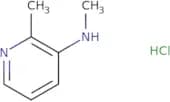
Discontinued productN,2-Dimethylpyridin-3-amine hydrochloride
CAS:Versatile small molecule scaffoldFormula:C7H11ClN2Purity:Min. 95%Molecular weight:158.63 g/molRef: 3D-FDD51851
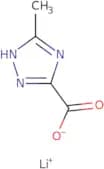
Discontinued productLithium 5-methyl-1H-1,2,4-triazole-3-carboxylate
CAS:Versatile small molecule scaffold
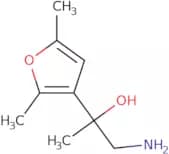
Formula:C4H4LiN3O2Purity:Min. 95%Molecular weight:133.1 g/mol1-Amino-2-(2,5-dimethylfuran-3-yl)propan-2-ol
CAS:Versatile small molecule scaffold
Formula:C9H15NO2Purity:Min. 95%Molecular weight:169.22 g/molRef: 3D-EEC95231
Discontinued productN,N,1-Trimethyl-1H,4H,5H,6H,7H-pyrazolo[4,3-c]pyridine-4-carboxamide dihydrochloride
CAS:Versatile small molecule scaffold
Formula:C10H18Cl2N4OPurity:Min. 95%Molecular weight:281.2 g/molRef: 3D-LUD63514
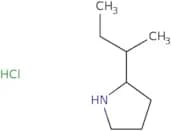
Discontinued product2-(Butan-2-yl)pyrrolidine hydrochloride
CAS:Versatile small molecule scaffold
Formula:C8H18ClNPurity:Min. 95%Molecular weight:163.7 g/molRef: 3D-LUD63585
Discontinued productMethyl 2-(hydroxymethyl)-4-methylpyrimidine-5-carboxylate
CAS:Versatile small molecule scaffold
Formula:C8H10N2O3Purity:Min. 95%Molecular weight:182.2 g/molRef: 3D-LUD63599
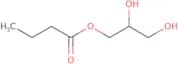
Discontinued product1-Monotetranoin
CAS:1-Monotetranoin is a fatty ester that is involved in the process of lipolysis, which is the breakdown of fat cells. Lipolysis occurs when an enzyme called lipase hydrolyzes triglycerides into glycerol and three fatty acids. 1-Monotetranoin has been shown to be a potent stimulator of growth factor production and cell proliferation in vivo models. It has also been shown to be effective at inhibiting angiogenic processes in vitro, including the release of growth factors from fat cells. The neutral pH optimum for 1-monotetranoin is between 7 and 8, which may be due to its hydrophobic nature.
Formula:C7H14O4Purity:Min. 95%Molecular weight:162.18 g/molRef: 3D-AAA55725
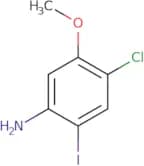
Discontinued product4-Chloro-2-iodo-5-methoxyaniline
CAS:Versatile small molecule scaffold
Formula:C7H7ClINOPurity:Min. 95%Molecular weight:283.49 g/mol2-Ethyl-5-nitrobenzoic acid
CAS:Versatile small molecule scaffold
Formula:C9H9NO4Purity:Min. 95%Molecular weight:195.17 g/molRef: 3D-QDA56419
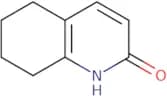
Discontinued product5,6,7,8-Tetrahydroquinolin-2(1H)-one
CAS:Tetrahydroquinolin-2(1H)-one is a hydrobromide that has been found in the environment as an environmental pollutant. Tetrahydroquinolin-2(1H)-one is used to synthesize amides and has been studied by single-crystal x-ray diffraction. The molecule is centrosymmetric, with a molecular weight of 244.06 g/mol. Tetrahydroquinolin-2(1H)-one can be used as a ligand for metals such as chlorine and magnesium. It does not dissolve in water but does dissolve in organic solvents such as ethers, chloroform, or benzene.
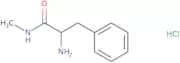
Formula:C9H11NOPurity:Min. 95%Molecular weight:149.19 g/mol2-Amino-N-methyl-3-phenylpropanamide hydrochloride
CAS:Versatile small molecule scaffold
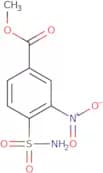
Formula:C10H15ClN2OPurity:Min. 95%Molecular weight:214.7 g/molMethyl 3-nitro-4-sulfamoylbenzoate
CAS:Versatile small molecule scaffold
Formula:C8H8N2O6SPurity:Min. 95%Molecular weight:260.23 g/mol2-(1-Chloroethyl)pyrimidin-4-amine
CAS:Versatile small molecule scaffold
Formula:C6H8ClN3Purity:Min. 95%Molecular weight:157.6 g/molRef: 3D-CKC65124
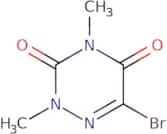
Discontinued product6-Bromo-2,4-dimethyl-2,3,4,5-tetrahydro-1,2,4-triazine-3,5-dione
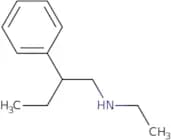
CAS:Versatile small molecule scaffoldFormula:C5H6BrN3O2Purity:Min. 95%Molecular weight:220.02 g/molEthyl(2-phenylbutyl)amine
CAS:Controlled ProductVersatile small molecule scaffold
Formula:C12H19NPurity:Min. 95%Molecular weight:177.29 g/molRef: 3D-CRA92083
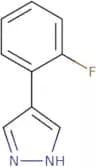
Discontinued product4-(2-Fluorophenyl)-1H-pyrazole
CAS:Versatile small molecule scaffold
Formula:C9H7FN2Purity:Min. 95%Molecular weight:162.16 g/molRef: 3D-MRB82870
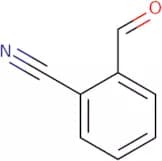
Discontinued product2-Cyanobenzaldehyde
CAS:2-Cyanobenzaldehyde is an aldehyde that reacts with nucleophiles such as trifluoromethanesulfonic acid to form a molecule. 2-Cyanobenzaldehyde has potent inhibitory activity against the kinase glycogen synthase kinase 3 (GSK3) and can be used to treat autoimmune diseases. It also reacts with hydrochloric acid in solution to form an intermediate, which is then reacted with glycine and ATP to produce a chiral compound. The product of this reaction has been shown to be active methylene, which was synthesized by asymmetric synthesis.
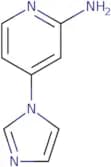
Formula:C8H5NOPurity:Min. 95%Color and Shape:PowderMolecular weight:131.13 g/mol4-(1H-Imidazol-1-yl)pyridin-2-amine
CAS:Versatile small molecule scaffold
Formula:C8H8N4Purity:Min. 95%Molecular weight:160.18 g/mol4-(4-Nitrophenyl)-1H-pyrazole
CAS:Versatile small molecule scaffold
Formula:C9H7N3O2Purity:Min. 95%Molecular weight:189.18 g/mol2-({[(9H-Fluoren-9-yl)methoxy]carbonyl}(3-methoxyphenyl)amino)acetic acid
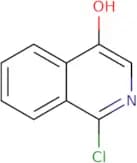
CAS:Versatile small molecule scaffoldFormula:C24H21NO5Purity:Min. 95%Molecular weight:403.4 g/mol1-Chloroisoquinolin-4-ol
CAS:1-Chloroisoquinolin-4-ol is a phenylpyrimidine with anti-inflammatory properties. It is used in the treatment of sensitivity and mediated diseases, such as osteoarthritis, rheumatoid arthritis, and ankylosing spondylitis. 1-Chloroisoquinolin-4-ol inhibits the enzymatic activity of matrix metalloproteinases (MMPs), which are enzymes that break down collagen and other proteins in the body. The inhibition of MMPs by 1-chloroisoquinolin-4-ol leads to reduced inflammation and pain. This compound is also an effective inhibitor of the activities of chloride channels involved in acid secretion by cells in the stomach lining, thus inhibiting acid production. 1-Chloroisoquinolin-4-ol has been shown to have anticholesterolemic effects on liver cells due to its ability to inhibit cholesterol synthesis through inhibition of HMG CoA
Formula:C9H6ClNOPurity:Min. 95%Molecular weight:179.6 g/molRef: 3D-DAA33643
Discontinued product3-Methylidene-8-azabicyclo[3.2.1]octane hydrochloride
CAS:Versatile small molecule scaffold
Formula:C8H14ClNPurity:Min. 95%Molecular weight:159.65 g/molRef: 3D-NSC65245
Discontinued product5-Chloro-3-cyclobutyl-1,2,4-oxadiazole
CAS:Versatile small molecule scaffold
Formula:C6H7ClN2OPurity:Min. 95%Molecular weight:158.58 g/molRef: 3D-NXB26496
Discontinued product3-(Chloromethyl)-5-phenylisoxazole
CAS:3-(Chloromethyl)-5-phenylisoxazole is a water soluble moiety that is used in the synthesis of conjugates with antitumor activity. 3-(Chloromethyl)-5-phenylisoxazole has been shown to inhibit the growth of brain tumors by binding to DNA, inhibiting transcription and replication. The drug also inhibits protein synthesis and cell division. This compound can be esterified and isothiazole substituted to form an antitumor drug that has a strong antiproliferative effect on human leukemia cells. The biological activity of 3-(chloromethyl)-5-phenylisoxazole can be enhanced by catalytic hydrogenation with methanol in acidic conditions.
Formula:C10H8ClNOPurity:Min. 95%Molecular weight:193.63 g/molRef: 3D-PAA73110
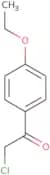
Discontinued product2-Chloro-1-(4-ethoxyphenyl)ethan-1-one
CAS:2-Chloro-1-(4-ethoxyphenyl)ethan-1-one is a hydrocarbon radical that is used as a vitamin and in the synthesis of other molecules. This molecule has a covalent bond between the two chlorine atoms and one carbon atom. The hydrocarbon radical is also present in many hydrocarbons.
Formula:C10H11ClO2Purity:Min. 95%Molecular weight:198.64 g/mol7-Oxa-1-azaspiro[3.5]nonan-2-one
CAS:Versatile small molecule scaffold
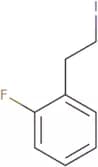
Formula:C7H11NO2Purity:Min. 95%Molecular weight:141.17 g/mol1-Fluoro-2-(2-iodoethyl)benzene
CAS:Versatile small molecule scaffold
Formula:C8H8FIPurity:Min. 95%Molecular weight:250.05 g/molRef: 3D-DHA68513
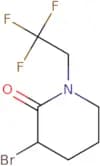
Discontinued product3-Bromo-1-(2,2,2-trifluoroethyl)piperidin-2-one
CAS:Versatile small molecule scaffold
Formula:C7H9BrF3NOPurity:Min. 95%Molecular weight:260.05 g/molRef: 3D-DHA94636
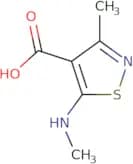
Discontinued product3-Methyl-5-(methylamino)-1,2-thiazole-4-carboxylic acid
CAS:Versatile small molecule scaffold
Formula:C6H8N2O2SPurity:Min. 95%Molecular weight:172.21 g/molRef: 3D-WJB21745
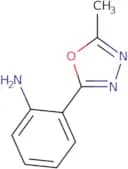
Discontinued product2-(5-Methyl-1,3,4-oxadiazol-2-yl)aniline
CAS:Versatile small molecule scaffold
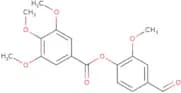
Formula:C9H9N3OPurity:Min. 95%Molecular weight:175.19 g/mol4-Formyl-2-methoxyphenyl 3,4,5-trimethoxybenzoate
CAS:Versatile small molecule scaffoldFormula:C18H18O7Purity:Min. 95%Molecular weight:346.3 g/mol5-Fluoropyridine-3-sulfonamide
CAS:Versatile small molecule scaffold
Formula:C5H5FN2O2SPurity:Min. 95%Molecular weight:176.17 g/mol2-Amino-N-[(benzylcarbamoyl)methyl]acetamide hydrochloride
CAS:Versatile small molecule scaffoldFormula:C11H16ClN3O2Purity:Min. 95%Molecular weight:257.72 g/molRef: 3D-ENC19856
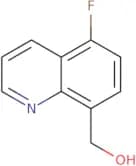
Discontinued product(5-Fluoroquinolin-8-yl)methanol
CAS:Versatile small molecule scaffold
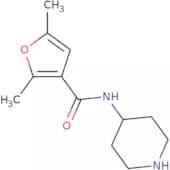
Formula:C10H8FNOPurity:Min. 95%Molecular weight:177.17 g/mol2,5-Dimethyl-N-(piperidin-4-yl)furan-3-carboxamide
CAS:Versatile small molecule scaffoldFormula:C12H18N2O2Purity:Min. 95%Molecular weight:222.28 g/molRef: 3D-ENB57150
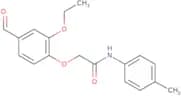
Discontinued product2-(2-Ethoxy-4-formylphenoxy)-N-(p-tolyl)acetamide
CAS:Versatile small molecule scaffold
Formula:C18H19NO4Purity:Min. 95%Molecular weight:313.35 g/molRef: 3D-XJA59265
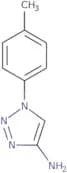
Discontinued product1-(4-Methylphenyl)-1H-1,2,3-triazol-4-amine
CAS:Versatile small molecule scaffoldFormula:C9H10N4Purity:Min. 95%Molecular weight:174.2 g/molRef: 3D-XJC02317
Discontinued product2-(2-Methyl-1,3-thiazol-4-yl)-2-oxoacetic acid
CAS:Versatile small molecule scaffoldFormula:C6H5NO3SPurity:Min. 95%Molecular weight:171.2 g/molRef: 3D-XJC11960
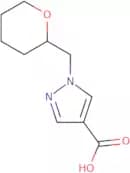
Discontinued product1-((Tetrahydro-2H-pyran-2-yl)methyl)-1H-pyrazole-4-carboxylic acid
CAS:Versatile small molecule scaffold
Formula:C10H14N2O3Purity:Min. 95%Molecular weight:210.23 g/molRef: 3D-XJC45650
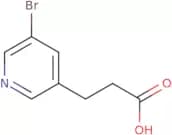
Discontinued product3-(5-Bromopyridin-3-yl)propanoic acid
CAS:Versatile small molecule scaffold
Formula:C8H8BrNO2Purity:Min. 95%Molecular weight:230.06 g/molRef: 3D-XQB12898
Discontinued producttert-Butyl (2,2-difluoro-3-hydroxypropyl)carbamate
CAS:Versatile small molecule scaffoldFormula:C10H13NO4Purity:Min. 95%Molecular weight:211.21 g/mol4,5-Dihydro-1H-imidazol-2-amine hydrochloride
CAS:Please enquire for more information about 4,5-Dihydro-1H-imidazol-2-amine hydrochloride including the price, delivery time and more detailed product information at the technical inquiry form on this page
Formula:C3H7N3•HClPurity:Min. 95%Molecular weight:121.57 g/molRef: 3D-FD183639
Discontinued product2-Bromo-3,3,3-trifluoro-1-propene
CAS:Controlled Product2-Bromo-3,3,3-trifluoro-1-propene is a chemical compound that has been synthesized in an asymmetric reaction. The reactant is bromopropane and the product is 2,2,2-trifluoropropene. The methylene group on the propene molecule is activated by the nucleophilic attack of a fluoride ion from hydrogen fluoride to form a cavity with a highly strained bond. The kinetic study of this reaction revealed that the activation energy for the reaction is 42 kJ/mol. Palladium-catalyzed coupling reactions are catalyzed by palladium and require nonpolar solvents such as toluene or dichloromethane. This type of reaction has been shown to be exothermic with an isolated yield of 1%.
Formula:C3H2BrF3Purity:Min. 95%Color and Shape:Colorless PowderMolecular weight:174.95 g/mol3-Hydroxy-5-methylpyridine
CAS:3-Hydroxy-5-methylpyridine (3HMP) is a chemical substance that has been classified as an amine. It is a product of the metabolism of purines, which are nitrogenous bases found in DNA and RNA. 3HMP is produced by aerogenic bacteria (such as Enterobacter), and can be used to estimate the number of these bacteria present in water samples. 3HMP has been shown to have antiviral properties against influenza virus, and can be used as a biomarker for the presence of other viruses in animals. 3HMP also has mineralization properties, which have been studied extensively, particularly with regards to pancreatic disease.
Formula:C6H7NOPurity:Min. 95%Color and Shape:PowderMolecular weight:109.13 g/molRef: 3D-FH16174
Discontinued product8-Bromo-2-methylimidazo[1,2-a]pyridine
CAS:Versatile small molecule scaffold
Formula:C8H7N2BrPurity:Min. 95%Molecular weight:211.05 g/mol4-Chloro-2-hydroxy-6-methylphenylboronic acid
CAS:Versatile small molecule scaffoldFormula:C7H8BClO3Purity:Min. 95%Molecular weight:186.4 g/mol1-Hydroxycyclopentane-1-carbonitrile
CAS:1-Hydroxycyclopentane-1-carbonitrile is a monomer that is hydrolyzed to form benzoin and cyanohydrins. It can be used in the production of scifinder as a monomer or dimerizer.
Formula:C6H9NOPurity:Min. 95%Molecular weight:111.14 g/mol4,5-Dihydroxy-2,3-Pentanedione
CAS:4,5-Dihydroxy-2,3-pentanedione is a carbonyl compound that is the product of the oxidation of ascorbic acid. It is used in wastewater treatment and has antimicrobial properties against infectious diseases. This compound has been shown to inhibit protein synthesis by binding to the ribosome and preventing the formation of peptide bonds between amino acids. 4,5-Dihydroxy-2,3-pentanedione has also been shown to bind to plasma proteins, which may be due to its acyl chain structure. 4,5-Dihydroxy-2,3-pentanedione can be synthesized in a catalytic mechanism that involves dehydroascorbic acid and molecular oxygen.
Formula:C5H8O4Purity:Min. 95%Color and Shape:PowderMolecular weight:132.11 g/molRef: 3D-FD180770
Discontinued productPiperyline
CAS:Piperyline is an alkanoic acid that has shown to be effective against skin cancer. It also has antimicrobial properties, which may be due to its ability to bind metal ions and form polymeric compounds. Piperyline inhibits microbial growth by inhibiting the synthesis of proteins and nucleic acids. The antimicrobial activity is related to its cationic polymerization with hydroxyl groups, which forms a structure that can inhibit microbial enzymes and disrupt microbial cell membranes. This compound also interacts with the skin's natural lipids, making it difficult for microorganisms to attach and grow on the skin. Piperyline is synthesized in organic chemistry laboratories as an amide precursor of other pharmaceuticals such as penicillin.
Formula:C16H17NO3Purity:Min. 95%Molecular weight:271.31 g/mol


![1-[(4-Bromophenyl)methyl]-3-(2-methylpropyl)-1,4-diazepane](/_next/image/?url=https%3A%2Fstatic.cymitquimica.com%2Fproducts%2F3D%2Fthumb-webp%2FQJC93175.webp&w=3840&q=75)
![tert-butyl N-[(2R)-1-oxopropan-2-yl]carbamate](/_next/image/?url=https%3A%2Fstatic.cymitquimica.com%2Fproducts%2F3D%2Fthumb-webp%2FHDA35356.webp&w=3840&q=75)

![[4-(Thien-2-yl)phenyl]methanol](/_next/image/?url=https%3A%2Fstatic.cymitquimica.com%2Fproducts%2F3D%2Fthumb-webp%2FGDA44344.webp&w=3840&q=75)

![4,5,6,7-Tetrahydropyrazolo[1,5-a]pyrazine dihydrochloride](/_next/image/?url=https%3A%2Fstatic.cymitquimica.com%2Fproducts%2F3D%2Fthumb-webp%2FQGA89407.webp&w=3840&q=75)
![8-chloro-3-(propan-2-yl)-[1,2,4]triazolo[4,3-a]pyrazine](/_next/image/?url=https%3A%2Fstatic.cymitquimica.com%2Fproducts%2F3D%2Fthumb-webp%2FQFA91091.webp&w=3840&q=75)
![3-Amino-7-oxa-1λ⁶-thiaspiro[3.5]nonane-1,1-dione hydrochloride](/_next/image/?url=https%3A%2Fstatic.cymitquimica.com%2Fproducts%2F3D%2Fthumb-webp%2FFPD79892.webp&w=3840&q=75)
![2-{Imidazo[1,2-a]pyridin-2-yl}-1H-imidazole](/_next/image/?url=https%3A%2Fstatic.cymitquimica.com%2Fproducts%2F3D%2Fthumb-webp%2FFDD52429.webp&w=3840&q=75)
![N,N,1-Trimethyl-1H,4H,5H,6H,7H-pyrazolo[4,3-c]pyridine-4-carboxamide dihydrochloride](/_next/image/?url=https%3A%2Fstatic.cymitquimica.com%2Fproducts%2F3D%2Fthumb-webp%2FLUD63514.webp&w=3840&q=75)


![2-({[(9H-Fluoren-9-yl)methoxy]carbonyl}(3-methoxyphenyl)amino)acetic acid](/_next/image/?url=https%3A%2Fstatic.cymitquimica.com%2Fproducts%2F3D%2Fthumb-webp%2FNKD54880.webp&w=3840&q=75)
![3-Methylidene-8-azabicyclo[3.2.1]octane hydrochloride](/_next/image/?url=https%3A%2Fstatic.cymitquimica.com%2Fproducts%2F3D%2Fthumb-webp%2FNSC65245.webp&w=3840&q=75)


![7-Oxa-1-azaspiro[3.5]nonan-2-one](/_next/image/?url=https%3A%2Fstatic.cymitquimica.com%2Fproducts%2F3D%2Fthumb-webp%2FDHA24292.webp&w=3840&q=75)

![2-Amino-N-[(benzylcarbamoyl)methyl]acetamide hydrochloride](/_next/image/?url=https%3A%2Fstatic.cymitquimica.com%2Fproducts%2F3D%2Fthumb-webp%2FENC19856.webp&w=3840&q=75)




![8-Bromo-2-methylimidazo[1,2-a]pyridine](/_next/image/?url=https%3A%2Fstatic.cymitquimica.com%2Fproducts%2F3D%2Fthumb-webp%2FUXB37475.webp&w=3840&q=75)



