Building Blocks
Subcategories of "Building Blocks"
- Boronic Acids & Boronic Acid Derivatives(5,778 products)
- Chiral Building Blocks(1,243 products)
- Hydrocarbon Building Blocks(6,099 products)
- Organic Building Blocks(61,038 products)
Found 205376 products of "Building Blocks"
8-Oxo-8H-pyrano[3,4-b]pyridine-6-carboxylic acid
CAS:Versatile small molecule scaffold
Formula:C9H5NO4Purity:Min. 95%Molecular weight:191.14 g/molRef: 3D-RID26773
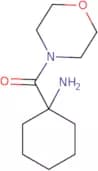
Discontinued product1-(Morpholine-4-carbonyl)cyclohexan-1-amine
CAS:Versatile small molecule scaffold
Formula:C11H20N2O2Purity:Min. 95%Molecular weight:212.29 g/molRef: 3D-RQB85795
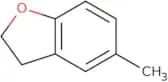
Discontinued product5-Methyl-2,3-dihydro-1-benzofuran
CAS:Versatile small molecule scaffold
Formula:C9H10OPurity:Min. 95%Molecular weight:134.17 g/molRef: 3D-BDA42968
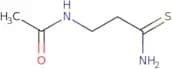
Discontinued productN-(2-Carbamothioylethyl)acetamide
CAS:Versatile small molecule scaffold
Formula:C5H10N2OSPurity:Min. 95%Molecular weight:146.21 g/molRef: 3D-BDA27589
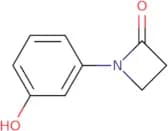
Discontinued product1-(3-Hydroxyphenyl)azetidin-2-one
CAS:Versatile small molecule scaffold
Formula:C9H9NO2Purity:Min. 95%Molecular weight:163.17 g/molRef: 3D-BDA22801
Discontinued product1-[4-(2,4-Dimethylbenzoyl)piperidin-1-yl]ethan-1-one
CAS:Versatile small molecule scaffold
Formula:C16H21NO2Purity:Min. 95%Molecular weight:259.34 g/molRef: 3D-SAC64246
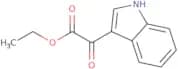
Discontinued productEthyl 2-(indol-3-yl)-2-oxoacetate
CAS:Ethyl 2-(indol-3-yl)-2-oxoacetate is a hydroxy derivative of the amino acid tyrosine. It inhibits the enzyme tyrosine hydroxylase, which catalyzes the conversion of tyrosine to L-DOPA. This in turn affects dopamine synthesis and has an inhibitory effect on rat brain. Ethyl 2-(indol-3-yl)-2-oxoacetate also inhibits methylmagnesium borohydride in vitro, which is a reagent that breaks down esters, amides, and nitriles. Tyrosine hydroxylase is inhibited by the presence of two hydroxy groups on the ethyl side chain and one hydroxy group on the indole ring. It can be used as a structural analogue for other drugs that are used to treat Parkinson's disease or depression.
Formula:C12H11NO3Purity:Min. 95%Molecular weight:217.22 g/mol[2-(Methoxymethyl)-1,3-thiazol-5-yl]methanol
CAS:Versatile small molecule scaffold
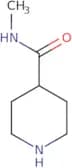
Formula:C6H9NO2SPurity:Min. 95%Molecular weight:159.21 g/molN-Methylpiperidine-4-carboxamide
CAS:Versatile small molecule scaffold
Formula:C7H14N2OPurity:Min. 95%Molecular weight:142.2 g/molRef: 3D-BAA90369
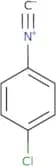
Discontinued product1-Chloro-4-isocyanobenzene
CAS:1-Chloro-4-isocyanobenzene (1CI) is an organic compound that has been used as a chemical probe for the detection of amines and other molecules on metal surfaces. The frequency shift in Raman spectra, which is observed after the addition of 1CI to the metal surface, is used to detect amines. 1CI has also been shown to be a potent inhibitor of mitochondrial function. This molecule binds to nucleophilic sites on metal surfaces and forms covalent bonds with them, leading to a high degree of inhibition.
1CI can be synthesized in three steps from commercially available starting materials and is relatively easy to purify.Formula:C7H4ClNPurity:Min. 95%Molecular weight:137.56 g/mol2-[3-(Propan-2-yl)phenoxy]acetic acid
CAS:2-[3-(Propan-2-yl)phenoxy]acetic acid is a chemical compound that is used as an additive in benzene, and is a phytotoxic chemical. It prevents the formation of chlorophyll by blocking electron transport and inhibiting photosynthesis. 2-[3-(Propan-2-yl)phenoxy]acetic acid is used to induce callus tissue from lettuce, radish, and other plants. This compound also inhibits the growth of various bacteria including Escherichia coli and Pseudomonas aeruginosa.
Formula:C11H14O3Purity:Min. 95%Molecular weight:194.23 g/molRef: 3D-BAA87852
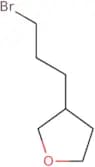
Discontinued product3-(3-Bromopropyl)oxolane
CAS:Versatile small molecule scaffold
Formula:C7H13BrOPurity:Min. 95%Molecular weight:193.08 g/molRef: 3D-ASB49655
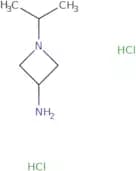
Discontinued product1-(1-Methylethyl)-3-azetidinamine, hydrochloride (1:2)
CAS:1-(1-Methylethyl)-3-azetidinamine, hydrochloride (1:2) is a synthetic compound that has been shown to be a potent and selective γ-secretase modulator. It is a triol with an alcohol group at C-3 and two hydroxyl groups at C-4 and C-5. This compound has been shown to inhibit the production of cycloartenol from soybean oil in vitro, which may be due to its inhibition of γ-secretase activity. 1-(1-Methylethyl)-3-azetidinamine, hydrochloride (1:2) also has the potential for use as a target compound for research purposes.Formula:C6H16Cl2N2Purity:Min. 95%Molecular weight:187.11 g/molRef: 3D-SEA54656
Discontinued product4-(Dimethyl-1,2-oxazol-4-yl)phenol
CAS:Versatile small molecule scaffold
Formula:C11H11NO2Purity:Min. 95%Molecular weight:189.21 g/molRef: 3D-AKB62875
Discontinued product6-(Bromomethyl)-3-phenyl-5H,6H-[1,2,4]triazolo[3,4-b][1,3]thiazole
CAS:Versatile small molecule scaffold
Formula:C11H10BrN3SPurity:Min. 95%Molecular weight:296.19 g/molRef: 3D-SEB00446
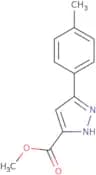
Discontinued productMethyl 3-p-tolyl-1H-pyrazole-5-carboxylate
CAS:Versatile small molecule scaffold
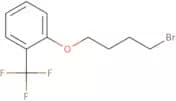
Formula:C12H12N2O2Purity:Min. 95%Molecular weight:216.24 g/mol1-(4-Bromobutoxy)-2-(trifluoromethyl)benzene
CAS:Versatile small molecule scaffold
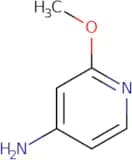
Formula:C11H12BrF3OPurity:Min. 95%Molecular weight:297.11 g/mol(4-Aminopyridin-2-yl)methanol
CAS:Versatile small molecule scaffold
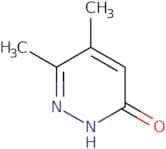
Formula:C6H8N2OPurity:Min. 95%Molecular weight:124.14 g/mol5,6-Dimethylpyridazin-3(2H)-one
CAS:Versatile small molecule scaffold
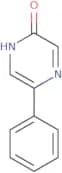
Formula:C6H8N2OPurity:Min. 95%Molecular weight:124.14 g/mol5-Phenyl-1H-pyrazin-2-one
CAS:5-Phenyl-1H-pyrazin-2-one is a potent inhibitor of tyrosine kinase, which is an enzyme that regulates the activity of cells by transferring phosphate groups from ATP to tyrosine residues. This drug binds to the ATP binding site, resulting in inhibition of the enzyme's activity and reduced cell proliferation. 5-Phenyl-1H-pyrazin-2-one has been shown to be effective in treating rheumatoid arthritis and other autoimmune diseases, with no adverse effects on bone metabolism or blood pressure. It also has no effect on platelet aggregation or erythrocytes.
Formula:C10H8N2OPurity:Min. 95%Molecular weight:172.18 g/molN-(2-{[(2,4-Dichlorophenyl)methyl]amino}ethyl)acetamide
CAS:Versatile small molecule scaffold
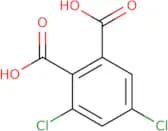
Formula:C11H14Cl2N2OPurity:Min. 95%Molecular weight:261.14 g/mol3,5-Dichlorophthalic acid
CAS:3,5-Dichlorophthalic acid is a divalent organic acid that is used as an intermediate in the production of other chemicals. 3,5-Dichlorophthalic acid is used as a regulator of plant growth and development. It can also be used to make different n-substituted compounds, such as naphthalene, phthalic anhydride, and 2,6-dichloro-pyridine.
Formula:C8H4Cl2O4Purity:Min. 95%Molecular weight:235.02 g/molRef: 3D-ABA64198
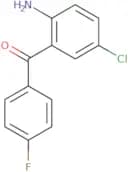
Discontinued product4-Chloro-2-(4-fluorobenzoyl)aniline
CAS:Versatile small molecule scaffold
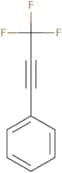
Formula:C13H9ClFNOPurity:Min. 95%Molecular weight:249.67 g/mol(3,3,3-Trifluoroprop-1-yn-1-yl)benzene
CAS:(3,3,3-Trifluoroprop-1-yn-1-yl)benzene is a reaction product that can be used to inhibit the activity of metalloprotease and as an anti-cancer agent. This compound inhibits the enzyme that causes chronic kidney disease and degenerative diseases. It is a potent inhibitor of metalloprotease, which is involved in cancer progression, fatty acid synthesis and bone formation. The effective dose for this drug is between 1 and 10mg/kg body weight. It has been shown to have an asymmetric synthesis with the use of amido groups. (3,3,3-Trifluoroprop-1-yn-1-yl)benzene also has antirheumatic properties due to its ability to inhibit proteases such as matrix metalloproteinases and cathepsins.
Formula:C9H5F3Purity:Min. 95%Molecular weight:170.13 g/molRef: 3D-AAA77262
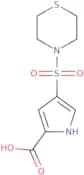
Discontinued product4-(Thiomorpholine-4-sulfonyl)-1H-pyrrole-2-carboxylic acid
CAS:Controlled Product4-(Thiomorpholine-4-sulfonyl)-1H-pyrrole-2-carboxylic acid is a peptide that belongs to the class of sulfonamides. It is an activator of ion channels and receptors, which may be useful in the study of life sciences and pharmacology. This compound has been shown to inhibit protein interactions by binding to receptor sites on cells and ligand sites on proteins. 4-(Thiomorpholine-4-sulfonyl)-1H-pyrrole-2-carboxylic acid also binds to the antibody, which enhances the immune response in animals by increasing the production of antibodies against bacterial antigens.
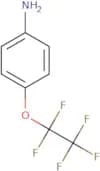
Formula:C9H12N2O4S2Purity:Min. 95%Molecular weight:276.3 g/mol4-(Perfluoroethoxy)aniline
CAS:Versatile small molecule scaffold
Formula:C8H6F5NOPurity:Min. 95%Molecular weight:227.13 g/molRef: 3D-AAA71785
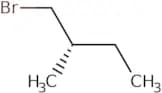
Discontinued product(S)-(+)-1-Bromo-2-methylbutane
CAS:(S)-(+)-1-Bromo-2-methylbutane is a chiral molecule with two stereoisomers, the cis and trans forms. The cis form has been observed to be the more stable of the two. It is a functional theory that these two forms are not mirror images of each other because they have different conformations. (S)-(+)-1-Bromo-2-methylbutane has been used in the synthesis of a number of important molecules. The stereoisomers can be distinguished by conformational analysis and optical microscopy. (S)-(+)-1-Bromo-2-methylbutane also has an application in biotechnology for use as a precursor for hydrazones, which are important in organic chemistry and molecular biology, such as DNA sequencing.
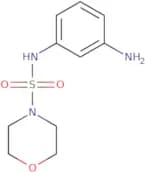
Formula:C5H11BrPurity:Min. 95%Molecular weight:151.04 g/molN-(3-Aminophenyl)morpholine-4-sulfonamide
CAS:Versatile small molecule scaffold
Formula:C10H15N3O3SPurity:Min. 95%Molecular weight:257.31 g/molRef: 3D-SRB65603
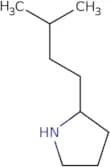
Discontinued product2-(3-Methylbutyl)pyrrolidine
CAS:Versatile small molecule scaffold
Formula:C9H19NPurity:Min. 95%Molecular weight:141.25 g/molRef: 3D-SRB80769
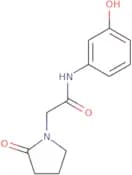
Discontinued productN-(3-Hydroxyphenyl)-2-(2-oxopyrrolidin-1-yl)acetamide
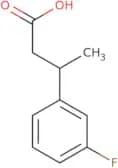
CAS:Controlled ProductN-(3-Hydroxyphenyl)-2-(2-oxopyrrolidin-1-yl)acetamide is a research tool that is used as an activator or ligand to study the function of receptors, ion channels and other proteins. It binds to cell surface receptors and activates them by mimicking the endogenous ligands. This compound has been shown to be a high purity reagent with protein interactions.Formula:C12H14N2O3Purity:Min. 95%Molecular weight:234.25 g/mol3-(3-Fluorophenyl)butanoic acid
CAS:Versatile small molecule scaffold
Formula:C10H11FO2Purity:Min. 95%Molecular weight:182.19 g/mol[1-(Propan-2-yl)-1H-1,2,4-triazol-5-yl]methanamine
CAS:Versatile small molecule scaffoldFormula:C6H12N4Purity:Min. 95%Molecular weight:140.19 g/molRef: 3D-UIC24186
Discontinued product[3-Bromo-4-(morpholin-4-yl)phenyl]methanol
CAS:Versatile small molecule scaffold
Formula:C11H14BrNO2Purity:Min. 95%Molecular weight:272.14 g/molRef: 3D-USC85031
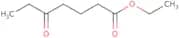
Discontinued productEthyl 5-oxoheptanoate
CAS:Ethyl 5-oxoheptanoate is a clear, colorless liquid that can be synthesized by reacting benzene with acetone. The synthesis of ethyl 5-oxoheptanoate is an example of a Friedel-Crafts reaction. This chemical is soluble in organic solvents such as acetone and cyclohexane and has low toxicity. It can be used as a reagent for the preparation of esters from alcohols, phenols, or carboxylic acids. Ethyl 5-oxoheptanoate can also be used to prepare resorcinol, which is a precursor to polymers and dyes, by hydrogenation of the molecule. Preparative methods are often used to produce this product because it has limited solubility in water.
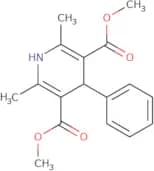
Formula:C9H16O3Purity:Min. 95%Molecular weight:172.22 g/molDimethyl 2,6-dimethyl-4-phenyl-1,4-dihydropyridine-3,5-dicarboxylate
CAS:Dimethyl 2,6-dimethyl-4-phenyl-1,4-dihydropyridine-3,5-dicarboxylate is a radioligand that binds to calcium channels. It is used as a radioligand in binding studies to determine the affinity of various drugs for specific types of calcium channels. Dimethyl 2,6-dimethyl-4-phenyl-1,4-dihydropyridine 3,5 dicarboxylate has been shown to bind specifically to a particular class of calcium channel antagonists (i.e., monosubstituted) and can be used as a pharmacological probe for the study of these compounds.Formula:C17H19NO4Purity:Min. 95%Molecular weight:301.34 g/molRef: 3D-VCA67778
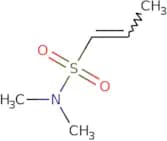
Discontinued productN,N-Dimethylprop-1-ene-1-sulfonamide
CAS:Versatile small molecule scaffold
Formula:C5H11NO2SPurity:Min. 95%Molecular weight:149.2 g/molRef: 3D-VCA78500
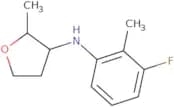
Discontinued productN-(3-Fluoro-2-methylphenyl)-2-methyloxolan-3-amine
CAS:Versatile small molecule scaffold
Formula:C12H16FNOPurity:Min. 95%Molecular weight:209.26 g/molRef: 3D-VLC28556
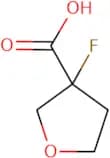
Discontinued product3-Fluorooxolane-3-carboxylic acid
CAS:Versatile small molecule scaffold
Formula:C5H7FO3Purity:Min. 95%Molecular weight:134.11 g/molRef: 3D-VLC58366
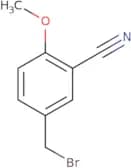
Discontinued product5-(Bromomethyl)-2-methoxybenzonitrile
CAS:Versatile small molecule scaffoldFormula:C9H8BrNOPurity:Min. 95%Molecular weight:226.07 g/molRef: 3D-VMA40791
Discontinued productrac-(3aR,6aS)-Hexahydropyrrolo[3,4-c]pyrrol-1(2H)-one hydrochloride
CAS:Versatile small molecule scaffoldFormula:C6H11ClN2OPurity:Min. 95%Molecular weight:162.62 g/mol2-[(1H-Indazol-5-yl)formamido]propanoic acid
CAS:Versatile small molecule scaffoldFormula:C11H11N3O3Purity:Min. 95%Molecular weight:233.22 g/molRef: 3D-WFC97336
Discontinued product4-(Aminomethyl)-N-(2-methoxyethyl)aniline
CAS:Versatile small molecule scaffoldFormula:C10H16N2OPurity:Min. 95%Molecular weight:180.25 g/moltert-Butyl 4-[(aminocarbamothioyl)amino]piperidine-1-carboxylate
CAS:Versatile small molecule scaffold
Formula:C11H22N4O2SPurity:Min. 95%Molecular weight:274.4 g/molRef: 3D-XAD88015
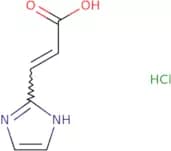
Discontinued product(2E)-3-(1H-Imidazol-2-yl)prop-2-enoic acid hydrochloride
CAS:Versatile small molecule scaffold
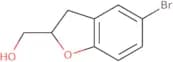
Formula:C6H7ClN2O2Purity:Min. 95%Molecular weight:174.58 g/mol(5-Bromo-2,3-dihydro-1-benzofuran-2-yl)methanol
CAS:Versatile small molecule scaffold
Formula:C9H9O2BrPurity:Min. 95%Molecular weight:229.07 g/molRef: 3D-XHA57735
Discontinued product5-Fluoropyridine-3-sulfonamide
CAS:Versatile small molecule scaffold
Formula:C5H5FN2O2SPurity:Min. 95%Molecular weight:176.17 g/mol4-Acetyl-5-methyl-3-(propan-2-yl)-1H-pyrrole-2-carboxylic acid
CAS:Versatile small molecule scaffold
Formula:C11H15NO3Purity:Min. 95%Molecular weight:209.24 g/molRef: 3D-YGC02414
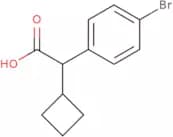
Discontinued product(4-Bromo-phenyl)-cyclobutyl-acetic acid
CAS:Versatile small molecule scaffoldFormula:C12H13BrO2Purity:Min. 95%Molecular weight:269.13 g/molRef: 3D-HTB45352
Discontinued product2-{4-[2-(Pyrrolidin-1-yl)ethoxy]phenyl}ethan-1-amine dihydrochloride
CAS:Versatile small molecule scaffold
Formula:C14H24Cl2N2OPurity:Min. 95%Molecular weight:307.3 g/molRef: 3D-HHC68177
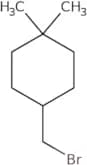
Discontinued product4-(Bromomethyl)-1,1-dimethylcyclohexane
CAS:Versatile small molecule scaffoldFormula:C9H17BrPurity:Min. 95%Molecular weight:205.13 g/molRef: 3D-HHC68120
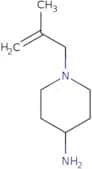
Discontinued product1-(2-Methylprop-2-en-1-yl)piperidin-4-amine
CAS:1-(2-Methylprop-2-en-1-yl)piperidin-4-amine is an inhibitor that blocks the activity of ion channels. It is a competitive antagonist at the NMDA receptor and has been shown to inhibit the binding of glutamate, which is a neurotransmitter involved in synaptic transmission. 1-(2-Methylprop-2-en-1-yl)piperidin-4-amine also inhibits β 2 -adrenergic receptors and has been shown to be a potent activator of G protein coupled receptors. This chemical may also be used as a research tool for studying the effects of ligands on cell biology, peptides, pharmacology, or life science. It has high purity and CAS No. 1082454-34-9.
Formula:C9H18N2Purity:Min. 95%Molecular weight:154.25 g/mol1-Hydroxymethyl-2-Oxa-5-Aza-Bicyclo[2.2.1]Heptane-5-Carboxylic Acid Tert-Butyl Ester
CAS:Versatile small molecule scaffold
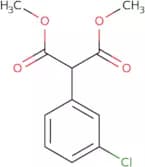
Formula:C11H19NO4Purity:Min. 95%Molecular weight:229.27 g/mol1,3-Dimethyl 2-(3-chlorophenyl)propanedioate
CAS:Versatile small molecule scaffold
Formula:C11H11ClO4Purity:Min. 95%Molecular weight:242.65 g/molRef: 3D-HEA85560
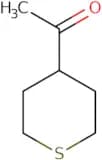
Discontinued product1-(Thian-4-yl)ethan-1-one
CAS:Versatile small molecule scaffold
Formula:C7H12OSPurity:Min. 95%Molecular weight:144.24 g/molRef: 3D-HBA35889
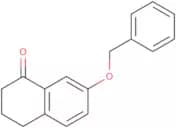
Discontinued product7-(Benzyloxy)-3,4-dihydronaphthalen-1(2H)-one
CAS:7-(Benzyloxy)-3,4-dihydronaphthalen-1(2H)-one is a tricyclic carboxamide that belongs to the carboxylic acid group. It has a constant boiling point and an acidic pH. 7-(Benzyloxy)-3,4-dihydronaphthalen-1(2H)-one is soluble in water and dilute acids. It has been shown that the melting point of 7-(Benzyloxy)-3,4-dihydronaphthalen-1(2H)-one is not affected by dilution or experiments. The chemical compounds are made up of benzoic acid and carboxylic acid groups that form a six-membered ring with two heterocycles on either side of the molecule.Formula:C17H16O2Purity:Min. 95%Molecular weight:252.31 g/mol6-Chloro-2,3,4,9-tetrahydro-1H-carbazol-3-ol
CAS:Versatile small molecule scaffold
Formula:C12H12ClNOPurity:Min. 95%Molecular weight:221.68 g/molRef: 3D-HBA20279
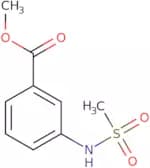
Discontinued productMethyl 3-methanesulfonamidobenzoate
CAS:Methyl 3-methanesulfonamidobenzoate is an organic compound that is used as a reagent in organic synthesis. It has the chemical formula CH3O2C(CH2)2SO2CH=NOH. Methyl 3-methanesulfonamidobenzoate is a methyl ester of benzoic acid, which is also known as methyl benzoate. This compound has been shown to react with DNA, forming adducts with guanine and cytosine bases.
Formula:C9H11NO4SPurity:Min. 95%Molecular weight:229.26 g/mol(7S,8aS)-7-Fluoro-octahydropyrrolo[1,2-a]pyrazine dihydrochloride
CAS:Versatile small molecule scaffold
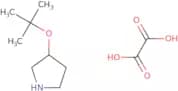
Formula:C7H15Cl2FN2Purity:Min. 95%Molecular weight:217.11 g/mol(3S)-3-(tert-Butoxy)pyrrolidine, oxalic acid
CAS:Versatile small molecule scaffold
Formula:C10H19NO5Purity:Min. 95%Molecular weight:233.26 g/molRef: 3D-HXC94005
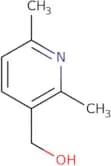
Discontinued product(2,6-Dimethylpyridin-3-yl)methanol
CAS:Versatile small molecule scaffold
Formula:C8H11NOPurity:Min. 95%Molecular weight:137.18 g/mol7-Bromo-3H-imidazo[4,5-b]pyridine
CAS:Versatile small molecule scaffold
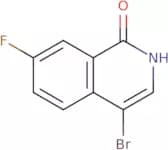
Formula:C6H4BrN3Purity:Min. 95%Molecular weight:198.02 g/mol4-Bromo-7-fluoroisoquinolin-1-ol
CAS:Versatile small molecule scaffold
Formula:C9H5BrFNOPurity:Min. 95%Molecular weight:242.04 g/molRef: 3D-HYB44847
Discontinued product3-Bromo-2-methyl-furan
CAS:3-Bromo-2-methyl-furan is a substituted quinoline. It is a synthetic reagent that can be used for the synthesis of bromofuran derivatives. The methyl group on the 3rd carbon atom in 3-bromo-2-methyl-furan is a substituent that can be exchanged with other substituents, such as alkylation, to produce a variety of products.
3-Bromo-2-methyl furan has been shown to be able to extract metal ions from their complexes and form stable complexes. This property makes it an ideal reagent for metalation reactions.Formula:C5H5BrOPurity:Min. 95%Molecular weight:161 g/molRef: 3D-IDA45706
Discontinued productOpn4 Antagonist
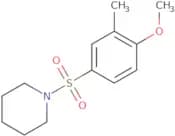
CAS:The Opn4 antagonist is a chemical that blocks the activity of the protein melanopsin, which is involved in regulating circadian rhythms. It has been shown to inhibit melatonin synthesis and muscle fiber contraction when applied intravitreally. These effects may be mediated by membrane channels that are activated by chloride ions. The effect of the Opn4 antagonist on photoreceptor cells is not yet known.
Formula:C13H19NO3SPurity:Min. 95%Molecular weight:269.36 g/mol1-[4-Methyl-2-(4-methylphenyl)-1,3-thiazol-5-yl]ethan-1-ol
CAS:Versatile small molecule scaffoldFormula:C13H15NOSPurity:Min. 95%Molecular weight:233.33 g/molRef: 3D-XZB72183
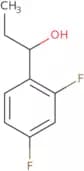
Discontinued product1-(2,4-Difluorophenyl)propan-1-ol
CAS:Versatile small molecule scaffold
Formula:C9H10F2OPurity:Min. 95%Molecular weight:172.17 g/molRef: 3D-XZB99805
Discontinued product2-(5-Chloro-1-methyl-1H-imidazol-2-yl)-2,2-difluoroacetic acid hydrochloride
CAS:Versatile small molecule scaffoldFormula:C6H6Cl2F2N2O2Purity:Min. 95%Molecular weight:247 g/molRef: 3D-YGC02390
Discontinued product4-Chloro-2-hydroxy-6-methylphenylboronic acid
CAS:Versatile small molecule scaffoldFormula:C7H8BClO3Purity:Min. 95%Molecular weight:186.4 g/mol2-Bromo-3,3,3-trifluoro-1-propene
CAS:Controlled Product2-Bromo-3,3,3-trifluoro-1-propene is a chemical compound that has been synthesized in an asymmetric reaction. The reactant is bromopropane and the product is 2,2,2-trifluoropropene. The methylene group on the propene molecule is activated by the nucleophilic attack of a fluoride ion from hydrogen fluoride to form a cavity with a highly strained bond. The kinetic study of this reaction revealed that the activation energy for the reaction is 42 kJ/mol. Palladium-catalyzed coupling reactions are catalyzed by palladium and require nonpolar solvents such as toluene or dichloromethane. This type of reaction has been shown to be exothermic with an isolated yield of 1%.
Formula:C3H2BrF3Purity:Min. 95%Color and Shape:Colorless PowderMolecular weight:174.95 g/mol8-Bromo-2-methylimidazo[1,2-a]pyridine
CAS:Versatile small molecule scaffold
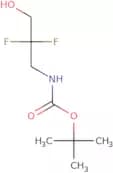
Formula:C8H7N2BrPurity:Min. 95%Molecular weight:211.05 g/moltert-Butyl (2,2-difluoro-3-hydroxypropyl)carbamate
CAS:Versatile small molecule scaffoldFormula:C10H13NO4Purity:Min. 95%Molecular weight:211.21 g/mol3-Hydroxy-5-methylpyridine
CAS:3-Hydroxy-5-methylpyridine (3HMP) is a chemical substance that has been classified as an amine. It is a product of the metabolism of purines, which are nitrogenous bases found in DNA and RNA. 3HMP is produced by aerogenic bacteria (such as Enterobacter), and can be used to estimate the number of these bacteria present in water samples. 3HMP has been shown to have antiviral properties against influenza virus, and can be used as a biomarker for the presence of other viruses in animals. 3HMP also has mineralization properties, which have been studied extensively, particularly with regards to pancreatic disease.
Formula:C6H7NOPurity:Min. 95%Color and Shape:PowderMolecular weight:109.13 g/molRef: 3D-FH16174
Discontinued product1-Hydroxycyclopentane-1-carbonitrile
CAS:1-Hydroxycyclopentane-1-carbonitrile is a monomer that is hydrolyzed to form benzoin and cyanohydrins. It can be used in the production of scifinder as a monomer or dimerizer.
Formula:C6H9NOPurity:Min. 95%Molecular weight:111.14 g/mol4,5-Dihydro-1H-imidazol-2-amine hydrochloride
CAS:Please enquire for more information about 4,5-Dihydro-1H-imidazol-2-amine hydrochloride including the price, delivery time and more detailed product information at the technical inquiry form on this page
Formula:C3H7N3•HClPurity:Min. 95%Molecular weight:121.57 g/molRef: 3D-FD183639
Discontinued product4,5-Dihydroxy-2,3-Pentanedione
CAS:4,5-Dihydroxy-2,3-pentanedione is a carbonyl compound that is the product of the oxidation of ascorbic acid. It is used in wastewater treatment and has antimicrobial properties against infectious diseases. This compound has been shown to inhibit protein synthesis by binding to the ribosome and preventing the formation of peptide bonds between amino acids. 4,5-Dihydroxy-2,3-pentanedione has also been shown to bind to plasma proteins, which may be due to its acyl chain structure. 4,5-Dihydroxy-2,3-pentanedione can be synthesized in a catalytic mechanism that involves dehydroascorbic acid and molecular oxygen.
Formula:C5H8O4Purity:Min. 95%Color and Shape:PowderMolecular weight:132.11 g/molRef: 3D-FD180770
Discontinued productPiperyline
CAS:Piperyline is an alkanoic acid that has shown to be effective against skin cancer. It also has antimicrobial properties, which may be due to its ability to bind metal ions and form polymeric compounds. Piperyline inhibits microbial growth by inhibiting the synthesis of proteins and nucleic acids. The antimicrobial activity is related to its cationic polymerization with hydroxyl groups, which forms a structure that can inhibit microbial enzymes and disrupt microbial cell membranes. This compound also interacts with the skin's natural lipids, making it difficult for microorganisms to attach and grow on the skin. Piperyline is synthesized in organic chemistry laboratories as an amide precursor of other pharmaceuticals such as penicillin.
Formula:C16H17NO3Purity:Min. 95%Molecular weight:271.31 g/mol
![8-Oxo-8H-pyrano[3,4-b]pyridine-6-carboxylic acid](/_next/image/?url=https%3A%2Fstatic.cymitquimica.com%2Fproducts%2F3D%2Fthumb-webp%2FRID26773.webp&w=3840&q=75)

![1-[4-(2,4-Dimethylbenzoyl)piperidin-1-yl]ethan-1-one](/_next/image/?url=https%3A%2Fstatic.cymitquimica.com%2Fproducts%2F3D%2Fthumb-webp%2FSAC64246.webp&w=3840&q=75)
![[2-(Methoxymethyl)-1,3-thiazol-5-yl]methanol](/_next/image/?url=https%3A%2Fstatic.cymitquimica.com%2Fproducts%2F3D%2Fthumb-webp%2FSAC79344.webp&w=3840&q=75)
![2-[3-(Propan-2-yl)phenoxy]acetic acid](/_next/image/?url=https%3A%2Fstatic.cymitquimica.com%2Fproducts%2F3D%2Fthumb-webp%2FBAA87852.webp&w=3840&q=75)

![6-(Bromomethyl)-3-phenyl-5H,6H-[1,2,4]triazolo[3,4-b][1,3]thiazole](/_next/image/?url=https%3A%2Fstatic.cymitquimica.com%2Fproducts%2F3D%2Fthumb-webp%2FSEB00446.webp&w=3840&q=75)
![N-(2-{[(2,4-Dichlorophenyl)methyl]amino}ethyl)acetamide](/_next/image/?url=https%3A%2Fstatic.cymitquimica.com%2Fproducts%2F3D%2Fthumb-webp%2FSRB62406.webp&w=3840&q=75)
![[1-(Propan-2-yl)-1H-1,2,4-triazol-5-yl]methanamine](/_next/image/?url=https%3A%2Fstatic.cymitquimica.com%2Fproducts%2F3D%2Fthumb-webp%2FUIC24186.webp&w=3840&q=75)
![[3-Bromo-4-(morpholin-4-yl)phenyl]methanol](/_next/image/?url=https%3A%2Fstatic.cymitquimica.com%2Fproducts%2F3D%2Fthumb-webp%2FUSC85031.webp&w=3840&q=75)
![rac-(3aR,6aS)-Hexahydropyrrolo[3,4-c]pyrrol-1(2H)-one hydrochloride](/_next/image/?url=https%3A%2Fstatic.cymitquimica.com%2Fproducts%2F3D%2Fthumb-webp%2FVXC58134.webp&w=3840&q=75)
![2-[(1H-Indazol-5-yl)formamido]propanoic acid](/_next/image/?url=https%3A%2Fstatic.cymitquimica.com%2Fproducts%2F3D%2Fthumb-webp%2FWFC97336.webp&w=3840&q=75)

![tert-Butyl 4-[(aminocarbamothioyl)amino]piperidine-1-carboxylate](/_next/image/?url=https%3A%2Fstatic.cymitquimica.com%2Fproducts%2F3D%2Fthumb-webp%2FXAD88015.webp&w=3840&q=75)


![2-{4-[2-(Pyrrolidin-1-yl)ethoxy]phenyl}ethan-1-amine dihydrochloride](/_next/image/?url=https%3A%2Fstatic.cymitquimica.com%2Fproducts%2F3D%2Fthumb-webp%2FHHC68177.webp&w=3840&q=75)
![1-Hydroxymethyl-2-Oxa-5-Aza-Bicyclo[2.2.1]Heptane-5-Carboxylic Acid Tert-Butyl Ester](/_next/image/?url=https%3A%2Fstatic.cymitquimica.com%2Fproducts%2F3D%2Fthumb-webp%2FHEC35186.webp&w=3840&q=75)

![(7S,8aS)-7-Fluoro-octahydropyrrolo[1,2-a]pyrazine dihydrochloride](/_next/image/?url=https%3A%2Fstatic.cymitquimica.com%2Fproducts%2F3D%2Fthumb-webp%2FHXC93968.webp&w=3840&q=75)
![7-Bromo-3H-imidazo[4,5-b]pyridine](/_next/image/?url=https%3A%2Fstatic.cymitquimica.com%2Fproducts%2F3D%2Fthumb-webp%2FHYB17485.webp&w=3840&q=75)

![1-[4-Methyl-2-(4-methylphenyl)-1,3-thiazol-5-yl]ethan-1-ol](/_next/image/?url=https%3A%2Fstatic.cymitquimica.com%2Fproducts%2F3D%2Fthumb-webp%2FXZB72183.webp&w=3840&q=75)


![8-Bromo-2-methylimidazo[1,2-a]pyridine](/_next/image/?url=https%3A%2Fstatic.cymitquimica.com%2Fproducts%2F3D%2Fthumb-webp%2FUXB37475.webp&w=3840&q=75)