Building Blocks
This section contains fundamental products for the synthesis of organic and biological compounds. Building blocks are the essential starting materials used to construct complex molecules through various chemical reactions. They play a critical role in drug discovery, material science, and chemical research. At CymitQuimica, we offer a diverse range of high-quality building blocks to support your innovative research and industrial projects, ensuring you have the essential components for successful synthesis.
Subcategories of "Building Blocks"
- Boronic Acids & Boronic Acid Derivatives(5,778 products)
- Chiral Building Blocks(1,242 products)
- Hydrocarbon Building Blocks(6,098 products)
- Organic Building Blocks(61,059 products)
Found 199580 products of "Building Blocks"
Sort by
Purity (%)
0
100
|
0
|
50
|
90
|
95
|
100
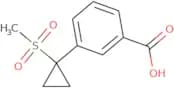
3-(1-Methanesulfonylcyclopropyl)benzoic acid
CAS:<p>Versatile small molecule scaffold</p>Formula:C11H12O4SPurity:Min. 95%Molecular weight:240.28 g/molRef: 3D-QAD06434
Discontinued product(R)-1-(tert-Butoxycarbonyl)-4-oxopyrrolidine-2-carboxylic acid
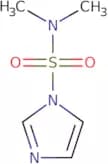
CAS:<p>Versatile small molecule scaffold</p>Formula:C10H15NO5Purity:Min. 95%Molecular weight:229.23 g/mol1-(Dimethylsulfamoyl)imidazole
CAS:<p>1-(Dimethylsulfamoyl)imidazole is a chemical compound that belongs to the class of heterocycles. It has been shown to inhibit the activity of two enzymes, which are xanthine oxidase and nitric oxide synthase. 1-(Dimethylsulfamoyl)imidazole is synthesized by reacting 2-aminothiophene with methyl sulfonyl chloride in tetrahydrofuran. The yield of this reaction is low, which may be due to the imidazole ring being a poor nucleophile in this reaction. This chemical has been shown to have an inhibitory potency against xanthine oxidase and nitric oxide synthase, which may be due to its functional groups or dimethylformamide solvate state. The mechanism for 1-(dimethylsulfamoyl)imidazole's inhibition of these enzymes is not yet known.</p>Formula:C5H9N3O2SPurity:Min. 95%Molecular weight:175.21 g/mol[2-(4-Methylphenoxy)phenyl]methanamine
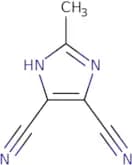
CAS:<p>Versatile small molecule scaffold</p>Formula:C14H15NOPurity:Min. 95%Molecular weight:213.27 g/mol2-Methyl-1H-imidazole-4,5-dicarbonitrile
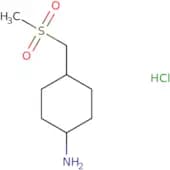
CAS:<p>Versatile small molecule scaffold</p>Formula:C6H4N4Purity:Min. 95%Molecular weight:132.12 g/mol4-(Methanesulfonylmethyl)cyclohexan-1-amine hydrochloride
CAS:<p>Versatile small molecule scaffold</p>Formula:C8H18ClNO2SPurity:Min. 95%Molecular weight:227.75 g/molRef: 3D-VXC60777
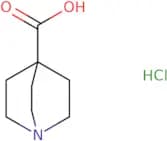
Discontinued productQuinuclidine-4-carboxylic acid hydrochloride
CAS:<p>Versatile small molecule scaffold</p>Formula:C8H14ClNO2Purity:Min. 95%Molecular weight:191.66 g/mol{[(4-Fluorophenyl)methyl]carbamoyl}formic acid
CAS:<p>Versatile small molecule scaffold</p>Formula:C9H8FNO3Purity:Min. 95%Molecular weight:197.16 g/molRef: 3D-PJB24464
Discontinued product4-(Cyclopropylmethoxy)benzaldehyde
CAS:<p>4-(Cyclopropylmethoxy)benzaldehyde is a flavonoid that has been shown to be able to inhibit the activity of monoamine oxidase and monoamine oxidases. It also has a selectivity index of 38, which means it is more selective for inhibiting the enzyme MAO-A than MAO-B. 4-(Cyclopropylmethoxy)benzaldehyde is a dietary flavonoid that has been shown to have a variety of neurological benefits, including anti-inflammatory and anti-depressant effects.</p>Formula:C11H12O2Purity:Min. 95%Molecular weight:176.21 g/molRef: 3D-PGA52099
Discontinued product2-Chloro-1-{2,5-dimethyl-1-[2-(thiophen-2-yl)ethyl]-1H-pyrrol-3-yl}ethan-1-one
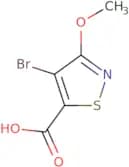
CAS:<p>Versatile small molecule scaffold</p>Formula:C14H16ClNOSPurity:Min. 95%Molecular weight:281.8 g/mol4-Bromo-3-methoxy-1,2-thiazole-5-carboxylic acid
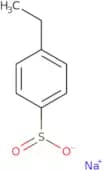
CAS:<p>Versatile small molecule scaffold</p>Formula:C5H4BrNO3SPurity:Min. 95%Molecular weight:238.06 g/molSodium 4-ethylbenzene-1-sulfinate
CAS:<p>Versatile small molecule scaffold</p>Formula:C8H9NaO2SPurity:Min. 95%Molecular weight:192.21 g/mol1-[(3-Methoxyphenyl)methyl]-3,5-dimethyl-1H-pyrazol-4-amine hydrochloride
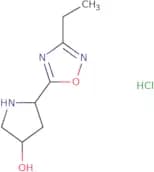
CAS:<p>Versatile small molecule scaffold</p>Formula:C13H18ClN3OPurity:Min. 95%Molecular weight:267.75 g/mol(3S,5R)-5-(3-Ethyl-1,2,4-oxadiazol-5-yl)pyrrolidin-3-ol hydrochloride
CAS:<p>Versatile small molecule scaffold</p>Formula:C8H14ClN3O2Purity:Min. 95%Molecular weight:219.67 g/molRef: 3D-VXC57591
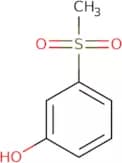
Discontinued product3-Methanesulfonylphenol
CAS:<p>3-Methanesulfonylphenol is a reactive and computationally descriptors, damages, neutralizing, piperidine, vector, oxygen species, molecular descriptors, antioxidant, phenolic lead compound that was synthesized for the purpose of identifying new potential antioxidants. 3-Methanesulfonylphenol has been shown to inhibit the oxidation of lipids and proteins in cells. It also has a strong antioxidant activity against peroxyl radicals and hydroxyl radicals. 3-Methanesulfonylphenol also inhibits the production of hydrogen peroxide by reacting with peroxides in vivo. This results in reduced levels of lipid hydroperoxides and protein carbonyls.</p>Formula:C7H8O3SPurity:Min. 95%Molecular weight:172.2 g/molRef: 3D-PAA76361
Discontinued product5F-203
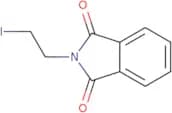
CAS:<p>5F-203 is a new chemical entity that has been shown to inhibit the function of cytochrome P450 1A1 (CYP1A1), which is involved in the metabolism of many substances, including drugs. It also inhibits the function of mitochondrial membrane potential and promotes reactive oxygen species production. These effects are thought to be responsible for its anticancer activity. 5F-203 has been studied in cancer cells and breast cancer cells with low potency. The biological properties of 5F-203 have not been determined yet.</p>Formula:C14H11FN2SPurity:Min. 95%Molecular weight:258.31 g/mol2-(2-Iodoethyl)-2,3-dihydro-1H-isoindole-1,3-dione
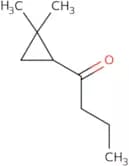
CAS:<p>2-(2-Iodoethyl)-2,3-dihydro-1H-isoindole-1,3-dione is a crystalline compound that is an n-substituted derivative of phthalimide. It has been shown to be effective for the treatment of tuberculosis. This drug binds to DNA and inhibits transcription and replication. 2-(2-Iodoethyl)-2,3-dihydro-1H-isoindole-1,3-dione also inhibits bacterial growth by binding to RNA polymerase.</p>Formula:C10H8INO2Purity:Min. 95%Molecular weight:301.08 g/mol1-(2,2-Dimethylcyclopropyl)butan-1-one
CAS:<p>Versatile small molecule scaffold</p>Formula:C9H16OPurity:Min. 95%Molecular weight:140.22 g/molRef: 3D-VSC00273
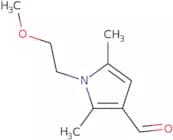
Discontinued product1-(2-Methoxy-ethyl)-2,5-dimethyl-1H-pyrrole-3-carbaldehyde
CAS:<p>Versatile small molecule scaffold</p>Formula:C10H15NO2Purity:Min. 95%Molecular weight:181.23 g/molRef: 3D-VSA02346
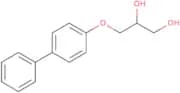
Discontinued product(2S)-3-(4-Phenylphenoxy)propane-1,2-diol
CAS:<p>Versatile small molecule scaffold</p>Formula:C15H16O3Purity:Min. 95%Molecular weight:244.3 g/molRef: 3D-DHA86611
Discontinued product2-[2-Methyl-4-(trifluoromethyl)furan-3-yl]acetonitrile
CAS:<p>Versatile small molecule scaffold</p>Formula:C8H6F3NOPurity:Min. 95%Molecular weight:189.13 g/molRef: 3D-HJD92128
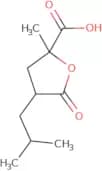
Discontinued product2-Methyl-4-(2-methylpropyl)-5-oxooxolane-2-carboxylic acid
CAS:<p>Versatile small molecule scaffold</p>Formula:C10H16O4Purity:Min. 95%Molecular weight:200.23 g/molRef: 3D-QBA34407
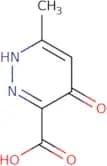
Discontinued product6-Methyl-4-oxo-1,4-dihydropyridazine-3-carboxylic acid
CAS:<p>Versatile small molecule scaffold</p>Formula:C6H6N2O3Purity:Min. 95%Molecular weight:154.12 g/mol2-(4-(Methylsulfonamido)phenoxy)acetic acid-13C
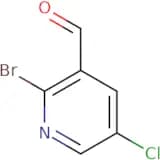
CAS:<p>Versatile small molecule scaffold</p>Formula:C9H11NO5SPurity:Min. 95%Molecular weight:245.25 g/mol2-bromo-5-chloropyridine-3-carbaldehyde
CAS:<p>Versatile small molecule scaffold</p>Formula:C6H3BrClNOPurity:Min. 95%Molecular weight:220.5 g/molRef: 3D-CZB60552
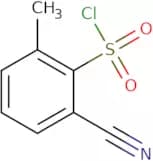
Discontinued product2-Cyano-6-methylbenzene-1-sulfonyl chloride
CAS:<p>Versatile small molecule scaffold</p>Formula:C8H6ClNO2SPurity:Min. 95%Molecular weight:215.66 g/molRef: 3D-LAC82469
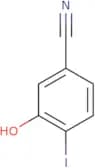
Discontinued product3-Hydroxy-4-iodobenzonitrile
CAS:<p>Versatile small molecule scaffold</p>Formula:C7H4INOPurity:Min. 95%Molecular weight:245.02 g/mol6-Methylimidazo[2,1-b][1,3]thiazole-2-carboxylic acid
CAS:<p>Versatile small molecule scaffold</p>Formula:C7H6N2O2SPurity:Min. 95%Molecular weight:182.2 g/molRef: 3D-CEC89693
Discontinued product2-Amino-4H,5H,6H-cyclopenta[b]thiophene-3-carboxylic acid hydrochloride
CAS:<p>Versatile small molecule scaffold</p>Formula:C8H10ClNO2SPurity:Min. 95%Molecular weight:219.7 g/molRef: 3D-MRD34223
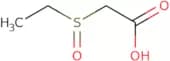
Discontinued product2-(Ethanesulfinyl)acetic acid
CAS:<p>Versatile small molecule scaffold</p>Formula:C4H8O3SPurity:Min. 95%Molecular weight:136.17 g/molRef: 3D-HCA83038
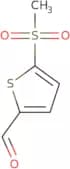
Discontinued product5-(Methylsulfonyl)-2-thiophenecarbaldehyde
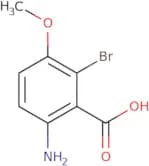
CAS:<p>Versatile small molecule scaffold</p>Formula:C6H6O3S2Purity:Min. 95%Molecular weight:190.24 g/mol6-Amino-2-bromo-3-methoxybenzoic acid
CAS:<p>Versatile small molecule scaffold</p>Formula:C8H8BrNO3Purity:Min. 95%Molecular weight:246.06 g/molRef: 3D-CGA94638
Discontinued product3-(1,2,3,6-Tetrahydropyridin-4-yl)quinoline dihydrochloride
CAS:<p>Versatile small molecule scaffold</p>Formula:C14H16Cl2N2Purity:Min. 95%Molecular weight:283.2 g/molRef: 3D-YGC53031
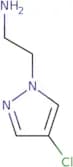
Discontinued product2-(4-Chloro-1H-pyrazol-1-yl)ethanamine
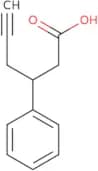
CAS:<p>Versatile small molecule scaffold</p>Formula:C5H8ClN3Purity:Min. 95%Molecular weight:145.59 g/mol3-Phenylhex-5-ynoic acid
CAS:<p>Versatile small molecule scaffold</p>Formula:C12H12O2Purity:Min. 95%Molecular weight:188.22 g/molRef: 3D-SDA89816
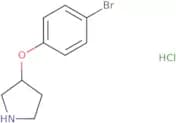
Discontinued product3-(4-Bromophenoxy)pyrrolidine hydrochloride
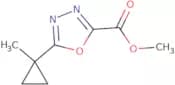
CAS:<p>Versatile small molecule scaffold</p>Formula:C10H13BrClNOPurity:Min. 95%Molecular weight:278.57 g/molMethyl 5-(1-methylcyclopropyl)-1,3,4-oxadiazole-2-carboxylate
CAS:<p>Versatile small molecule scaffold</p>Formula:C8H10N2O3Purity:Min. 95%Molecular weight:182.18 g/molRef: 3D-IZC75451
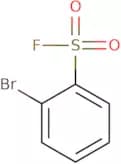
Discontinued product2-Bromobenzenesulfonyl fluoride
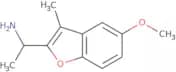
CAS:<p>Versatile small molecule scaffold</p>Formula:C6H4BrFO2SPurity:Min. 95%Molecular weight:239.06 g/mol1-(5-Methoxy-3-methyl-1-benzofuran-2-yl)ethan-1-amine
CAS:<p>Versatile small molecule scaffold</p>Formula:C12H15NO2Purity:Min. 95%Molecular weight:205.25 g/mol(3-Amino-piperidin-1-yl)-acetic acid methyl ester dihydrochloride
CAS:<p>Versatile small molecule scaffold</p>Formula:C8H18Cl2N2O2Purity:Min. 95%Molecular weight:245.15 g/molRef: 3D-YEC22381
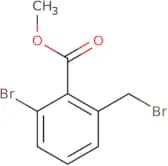
Discontinued productMethyl 2-bromo-6-(bromomethyl)benzoate
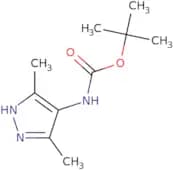
CAS:<p>Methyl 2-bromo-6-(bromomethyl)benzoate is a pharmacological agent that belongs to the group of dopamine D2-like receptor ligands. It has been shown to bind to the dopamine D2-like receptor in rat brain tissue, and has affinity for this receptor. Methyl 2-bromo-6-(bromomethyl)benzoate may induce behavioral effects by interacting with the dopamine system in the central nervous system. This compound binds to dopamine receptors, especially those with affinity for D2-like subtypes. The binding of this compound induces conformational changes in the receptor, which leads to changes in downstream signal transduction and ultimately influences behavior.</p>Formula:C9H8Br2O2Purity:Min. 95%Molecular weight:307.97 g/moltert-Butyl N-(3,5-dimethyl-1H-pyrazol-4-yl)carbamate
CAS:<p>Versatile small molecule scaffold</p>Formula:C10H17N3O2Purity:Min. 95%Molecular weight:211.26 g/molRef: 3D-MXB34103
Discontinued product2-Fluoro-1-(2-fluorophenyl)ethanone
CAS:<p>Versatile small molecule scaffold</p>Formula:C8H6F2OPurity:Min. 95%Molecular weight:156.13 g/molRef: 3D-CGC41284
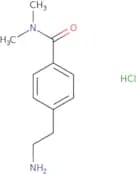
Discontinued product4-(2-Aminoethyl)-N,N-dimethylbenzamide hydrochloride
CAS:<p>Versatile small molecule scaffold</p>Formula:C11H17ClN2OPurity:Min. 95%Molecular weight:228.72 g/molRef: 3D-YEC22374
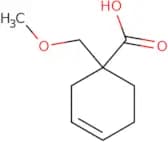
Discontinued product1-(Methoxymethyl)cyclohex-3-ene-1-carboxylic acid
CAS:<p>Versatile small molecule scaffold</p>Formula:C9H14O3Purity:Min. 95%Molecular weight:170.21 g/mol2-Bromo-5-nitrobenzenesulphonyl chloride
CAS:Versatile small molecule scaffoldFormula:C6H3BrClNO4SPurity:Min. 95%Molecular weight:300.51 g/molRef: 3D-YDA13055
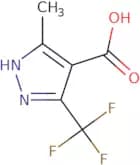
Discontinued product5-Methyl-3-(trifluoromethyl)-1H-pyrazole-4-carboxylic acid
CAS:<p>Versatile small molecule scaffold</p>Formula:C6H5F3N2O2Purity:Min. 95%Molecular weight:194.11 g/molRef: 3D-CGC44701
Discontinued product4-[(2-Aminopyridin-3-yl)oxy]butanenitrile
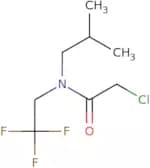
CAS:<p>Versatile small molecule scaffold</p>Formula:C9H11N3OPurity:Min. 95%Molecular weight:177.2 g/mol2-Chloro-N-(2-methylpropyl)-N-(2,2,2-trifluoroethyl)acetamide
CAS:<p>Versatile small molecule scaffold</p>Formula:C8H13ClF3NOPurity:Min. 95%Molecular weight:231.64 g/molRef: 3D-JXB08809
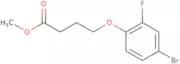
Discontinued productMethyl 4-(4-bromo-2-fluorophenoxy)butanoate
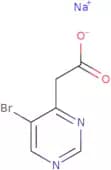
CAS:Controlled Product<p>Versatile small molecule scaffold</p>Formula:C11H12BrFO3Purity:Min. 95%Molecular weight:291.11 g/molSodium 2-(5-bromopyrimidin-4-yl)acetate
CAS:<p>Versatile small molecule scaffold</p>Formula:C6H4BrN2NaO2Purity:Min. 95%Molecular weight:239 g/molRef: 3D-DXC61195
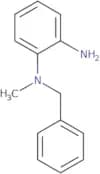
Discontinued product1-N-benzyl-1-N-methylbenzene-1,2-diamine
CAS:<p>Versatile small molecule scaffold</p>Formula:C14H16N2Purity:90%MinMolecular weight:212.3 g/molRef: 3D-DBA45869
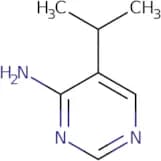
Discontinued product5-(Propan-2-yl)pyrimidin-4-amine
CAS:<p>Versatile small molecule scaffold</p>Formula:C7H11N3Purity:Min. 95%Molecular weight:137.18 g/molRef: 3D-FAA00030
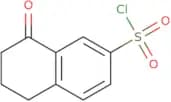
Discontinued product8-Oxo-5,6,7,8-tetrahydronaphthalene-2-sulfonyl chloride
CAS:<p>Versatile small molecule scaffold</p>Formula:C10H9ClO3SPurity:Min. 95%Molecular weight:244.69 g/molRef: 3D-CWB55902
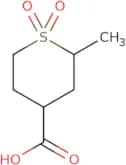
Discontinued product2-Methyl-1,1-dioxo-1λ6-thiane-4-carboxylic acid
CAS:<p>Versatile small molecule scaffold</p>Formula:C7H12O4SPurity:Min. 95%Molecular weight:192.2 g/molRef: 3D-MRD33378
Discontinued product6-Chloroquinoline-7-carboxylic acid hydrochloride
CAS:<p>Versatile small molecule scaffold</p>Formula:C10H7Cl2NO2Purity:Min. 95%Molecular weight:244.1 g/molRef: 3D-MRD32323
Discontinued product3-Methoxyazetidine-3-carboxamide hydrochloride
CAS:Versatile small molecule scaffoldFormula:C5H11ClN2O2Purity:Min. 95%Molecular weight:166.6 g/molRef: 3D-MRD33097
Discontinued product3-[(2-Fluorophenyl)sulfamoyl]benzoic acid
CAS:<p>Versatile small molecule scaffold</p>Formula:C13H10FNO4SPurity:Min. 95%Molecular weight:295.29 g/molRef: 3D-DNA02811
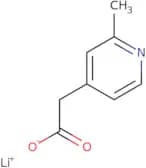
Discontinued product2-(2-methylpyridin-4-yl)acetate lithium
CAS:<p>Versatile small molecule scaffold</p>Formula:C8H8LiNO2Purity:Min. 95%Molecular weight:157.1 g/molRef: 3D-MRD33084
Discontinued product5-Amino-6,7,8,9-tetrahydro-5H-benzo[7]annulene-5-carboxylic acid hydrochloride
CAS:<p>Versatile small molecule scaffold</p>Formula:C12H16ClNO2Purity:Min. 95%Molecular weight:241.71 g/molRef: 3D-LCC31529
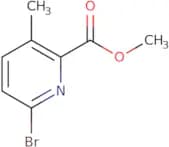
Discontinued product6-Bromo-3-Methyl-Pyridine-2-Carboxylic Acid Methyl Ester
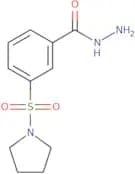
CAS:<p>Versatile small molecule scaffold</p>Formula:C8H8NO2BrPurity:Min. 95%Molecular weight:230.06 g/mol3-(Pyrrolidine-1-sulfonyl)benzohydrazide
CAS:<p>Versatile small molecule scaffold</p>Formula:C11H15N3O3SPurity:Min. 95%Molecular weight:269.32 g/molRef: 3D-DNA02806
Discontinued product8-Methoxy-6-methylquinolin-4-ol
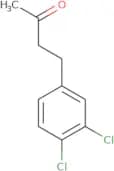
CAS:<p>8-Methoxy-6-methylquinolin-4-ol (8MQ) is a mitochondrial substrate that has been shown to have physiological functions in energy metabolism and lysine biosynthesis. 8MQ has been shown to be a potential drug target for the treatment of corynebacterium glutamicum, which produces acid formation. 8MQ also inhibits wild-type strains of bacteria and clinical isolates of HIV. The m2 phenotype is an HIV-1 protein that is essential for viral replication. 8MQ binding to this protein prevents it from binding with other proteins on the surface of the virus, inhibiting its ability to bind with CD4 cells and infect new cells.</p>Formula:C11H11NO2Purity:Min. 95%Molecular weight:189.21 g/mol4-(3,4-dichlorophenyl)butan-2-one
CAS:<p>Versatile small molecule scaffold</p>Formula:C10H10OCl2Purity:Min. 95%Molecular weight:217.09 g/molRef: 3D-SBA16040
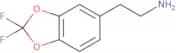
Discontinued product2-(2,2-Difluoro-1,3-dioxaindan-5-yl)ethan-1-amine
CAS:<p>Versatile small molecule scaffold</p>Formula:C9H9F2NO2Purity:Min. 95%Molecular weight:201.17 g/mol3-[5-(Aminomethyl)-1-oxo-2,3-dihydro-1H-isoindol-2-yl]piperidine-2,6-dione hydrochloride
CAS:<p>Versatile small molecule scaffold</p>Formula:C14H16ClN3O3Purity:Min. 95%Molecular weight:309.75 g/moltert-Butyl 5-bromo-3,4-dihydro-2,7-naphthyridine-2(1H)-carboxylate
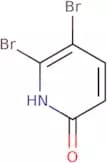
CAS:<p>Versatile small molecule scaffold</p>Formula:C13H17BrN2O2Purity:Min. 95%Molecular weight:313.19 g/mol5,6-Dibromopyridin-2-ol
CAS:<p>Versatile small molecule scaffold</p>Formula:C5H3Br2NOPurity:Min. 95%Molecular weight:252.89 g/mol4-(Methylamino)benzene-1-sulfonamide
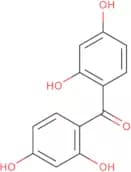
CAS:<p>Versatile small molecule scaffold</p>Formula:C7H10N2O2SPurity:Min. 95%Molecular weight:186.23 g/mol2,2',4,4'-tetrahydroxybenzophenone
CAS:<p>2,2',4,4'-tetrahydroxybenzophenone is a hydroxylated benzophenone that has immunomodulatory effects. It binds to the receptor in the immune system and can cause an increase in cytokine production. 2,2',4,4'-tetrahydroxybenzophenone is cytotoxic and has significant toxicity in vitro. The molecule has been shown to disrupt mitochondrial membrane potential. This may be due to its ability to form hydrogen bonds with molecules on the mitochondrial membrane. 2,2',4,4'-tetrahydroxybenzophenone also modulates transcriptional regulation of genes involved in cell proliferation and apoptosis. The drug is detectable at low levels by mass spectrometry and is not known to have any toxicological effects.END>></p>Formula:C13H10O5Purity:Min. 95%Color and Shape:Green PowderMolecular weight:246.22 g/molRef: 3D-FT55663
Discontinued product3-Methylbenzo[b]thiophene-2-carboxylic acid
CAS:<p>3-Methylbenzo[b]thiophene-2-carboxylic acid (MBTCA) is a heterocyclic compound that is an intermediate in the synthesis of 3-methylthiophene-2-carboxylic acid, a precursor to other drugs. MBTCA is an aerobic, nonpolar compound that has shown antimicrobial activity against some bacteria and fungi. It also has been shown to have practicality as a biomolecular probe for methyl groups in organic solvents. MBTCA can be synthesized by nitration of benzene in the presence of sulfur and sulfoxides. This reaction produces nitrobenzene, which can then be oxidized by potassium permanganate or hydrogen peroxide to produce MBTCA. The most common isomer of MBTCA is 2-(3,5-dimethoxybenzylidene)tetrahydrofuran, with three methyl groups on the</p>Formula:C10H8O2SPurity:Min. 95%Molecular weight:192.23 g/mol(2S,3R)-2-((((9H-Fluoren-9-yl)methoxy)carbonyl)amino)-3-methoxybutanoic acid
CAS:<p>Versatile small molecule scaffold</p>Formula:C20H21NO5Purity:Min. 95%Molecular weight:355.4 g/mol2-Bromo-3,3,3-trifluoro-1-propene
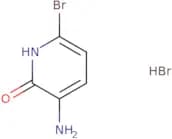
CAS:Controlled Product<p>2-Bromo-3,3,3-trifluoro-1-propene is a chemical compound that has been synthesized in an asymmetric reaction. The reactant is bromopropane and the product is 2,2,2-trifluoropropene. The methylene group on the propene molecule is activated by the nucleophilic attack of a fluoride ion from hydrogen fluoride to form a cavity with a highly strained bond. The kinetic study of this reaction revealed that the activation energy for the reaction is 42 kJ/mol. Palladium-catalyzed coupling reactions are catalyzed by palladium and require nonpolar solvents such as toluene or dichloromethane. This type of reaction has been shown to be exothermic with an isolated yield of 1%.</p>Formula:C3H2BrF3Purity:Min. 95%Color and Shape:Colorless PowderMolecular weight:174.95 g/mol3-amino-6-bromopyridin-2-ol hydrobromide
CAS:<p>Versatile small molecule scaffold</p>Formula:C5H6Br2N2OPurity:Min. 95%Molecular weight:269.9 g/mol3-(Methoxycarbonyl)pyridine-4-carboxylic acid
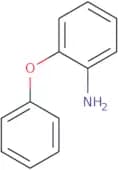
CAS:<p>Versatile small molecule scaffold</p>Formula:C8H7NO4Purity:Min. 95%Molecular weight:181.15 g/mol2-Phenoxyaniline
CAS:<p>2-Phenoxyaniline is a nitro compound that can be converted to the corresponding palladium complexes. It is an inhibitor of the acylation reaction, which is a type of chemical reaction in which an organic molecule reacts with an acid. The inhibition of this reaction has been shown to have an effect on heart disease, specifically by lowering cholesterol levels and reducing atherosclerosis. 2-Phenoxyaniline has also been shown to inhibit the activation energy for electron transfer reactions, making it useful as a catalyst in analytical methods. 2-Phenoxyaniline also undergoes vibrational spectroscopy when exposed to liquid chromatography and other analytical methods.</p>Formula:C12H11NOPurity:Min. 95%Color and Shape:Brown PowderMolecular weight:185.22 g/mol2-Acetylbenzoic acid
CAS:<p>2-Acetylbenzoic acid is a functional molecule that contains an acetyl group. It can form hydrogen bonds with other molecules and has been shown to induce apoptosis in cells. The reaction products of 2-acetylbenzoic acid are malonic acid, acetylsalicylic acid, and 2-benzoylbenzoic acid. These three compounds are made by the addition of hydrogen or hydroxide to the molecule 2-acetylbenzoic acid. The molecule has two functional groups: a carbonyl group and an acetyl group. The chemical structure of this molecule can be seen in the figure below.<br>2-Acetylbenzoic Acid</p>Formula:C9H8O3Purity:Min. 95%Color and Shape:PowderMolecular weight:164.16 g/molRef: 3D-FA05086
Discontinued product1-[3-(Dimethylamino)propyl]-1-(4-fluorophenyl)-1,3-dihydro-3-oxo-5-isobenzofurancarbonitrile
CAS:<p>Please enquire for more information about 1-[3-(Dimethylamino)propyl]-1-(4-fluorophenyl)-1,3-dihydro-3-oxo-5-isobenzofurancarbonitrile including the price, delivery time and more detailed product information at the technical inquiry form on this page</p>Formula:C20H19FN2O2Purity:Min. 95%Molecular weight:338.38 g/molRef: 3D-FD184085
Discontinued productH-Ser-Ala-Glu-Glu-Tyr-Glu-Tyr-Pro-Ser OH trifluoroacetate
CAS:<p>Please enquire for more information about H-Ser-Ala-Glu-Glu-Tyr-Glu-Tyr-Pro-Ser OH trifluoroacetate including the price, delivery time and more detailed product information at the technical inquiry form on this page</p>Formula:C47H63N9O20•(C2HF3O2)xPurity:Min. 95%Ref: 3D-FS183525
Discontinued productGivinostat hydrochloride
CAS:<p>Givinostat hydrochloride is a research chemical that has shown potential in various fields. It is a molybdenum-based compound that has been studied for its effects on dopamine release and hydrogen evolution. Givinostat hydrochloride has also been investigated as an osteoclast inhibitor, which may be beneficial in the treatment of bone-related disorders such as osteoporosis. Additionally, it has shown promise as a retinoid and calpain inhibitor, suggesting its potential use in dermatological conditions and neurodegenerative diseases. The compound contains fluorine atoms, making it suitable for imaging studies using fluorine MRI techniques. Givinostat hydrochloride has been tested on MDA-MB-231 cells and has shown inhibitory effects on their growth, indicating its potential as an anticancer agent.</p>Formula:C24H27N3O4·HClPurity:Min. 95%Molecular weight:457.95 g/mol


![[2-(4-Methylphenoxy)phenyl]methanamine](/_next/image/?url=https%3A%2Fstatic.cymitquimica.com%2Fproducts%2F3D%2Fthumb-webp%2FPLA71811.webp&w=3840&q=75)
![{[(4-Fluorophenyl)methyl]carbamoyl}formic acid](/_next/image/?url=https%3A%2Fstatic.cymitquimica.com%2Fproducts%2F3D%2Fthumb-webp%2FPJB24464.webp&w=3840&q=75)

![2-Chloro-1-{2,5-dimethyl-1-[2-(thiophen-2-yl)ethyl]-1H-pyrrol-3-yl}ethan-1-one](/_next/image/?url=https%3A%2Fstatic.cymitquimica.com%2Fproducts%2F3D%2Fthumb-webp%2FCJB29689.webp&w=3840&q=75)
![1-[(3-Methoxyphenyl)methyl]-3,5-dimethyl-1H-pyrazol-4-amine hydrochloride](/_next/image/?url=https%3A%2Fstatic.cymitquimica.com%2Fproducts%2F3D%2Fthumb-webp%2FVXC63920.webp&w=3840&q=75)

![2-[2-Methyl-4-(trifluoromethyl)furan-3-yl]acetonitrile](/_next/image/?url=https%3A%2Fstatic.cymitquimica.com%2Fproducts%2F3D%2Fthumb-webp%2FHJD92128.webp&w=3840&q=75)
![6-Methylimidazo[2,1-b][1,3]thiazole-2-carboxylic acid](/_next/image/?url=https%3A%2Fstatic.cymitquimica.com%2Fproducts%2F3D%2Fthumb-webp%2FCEC89693.webp&w=3840&q=75)
![2-Amino-4H,5H,6H-cyclopenta[b]thiophene-3-carboxylic acid hydrochloride](/_next/image/?url=https%3A%2Fstatic.cymitquimica.com%2Fproducts%2F3D%2Fthumb-webp%2FMRD34223.webp&w=3840&q=75)

![4-[(2-Aminopyridin-3-yl)oxy]butanenitrile](/_next/image/?url=https%3A%2Fstatic.cymitquimica.com%2Fproducts%2F3D%2Fthumb-webp%2FCWB56149.webp&w=3840&q=75)
![3-[(2-Fluorophenyl)sulfamoyl]benzoic acid](/_next/image/?url=https%3A%2Fstatic.cymitquimica.com%2Fproducts%2F3D%2Fthumb-webp%2FDNA02811.webp&w=3840&q=75)
![5-Amino-6,7,8,9-tetrahydro-5H-benzo[7]annulene-5-carboxylic acid hydrochloride](/_next/image/?url=https%3A%2Fstatic.cymitquimica.com%2Fproducts%2F3D%2Fthumb-webp%2FLCC31529.webp&w=3840&q=75)

![3-[5-(Aminomethyl)-1-oxo-2,3-dihydro-1H-isoindol-2-yl]piperidine-2,6-dione hydrochloride](/_next/image/?url=https%3A%2Fstatic.cymitquimica.com%2Fproducts%2F3D%2Fthumb-webp%2FIWB26469.webp&w=3840&q=75)


![3-Methylbenzo[b]thiophene-2-carboxylic acid](/_next/image/?url=https%3A%2Fstatic.cymitquimica.com%2Fproducts%2F3D%2Fthumb-webp%2FDAA13378.webp&w=3840&q=75)




![1-[3-(Dimethylamino)propyl]-1-(4-fluorophenyl)-1,3-dihydro-3-oxo-5-isobenzofurancarbonitrile](/_next/image/?url=https%3A%2Fstatic.cymitquimica.com%2Fproducts%2F3D%2Fthumb-webp%2FFD184085.webp&w=3840&q=75)