


Building Blocks
Subcategories of "Building Blocks"
- Boronic Acids & Boronic Acid Derivatives(5,778 products)
- Chiral Building Blocks(1,243 products)
- Hydrocarbon Building Blocks(6,099 products)
- Organic Building Blocks(61,038 products)
Found 205375 products of "Building Blocks"
4-Propyl-1-sulfanyl-4H,5H-[1,2,4]triazolo[4,3-a]quinazolin-5-one
CAS:Versatile small molecule scaffold
Formula:C12H12N4OSPurity:Min. 95%Molecular weight:260.32 g/molRef: 3D-REB73179
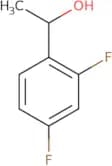
Discontinued product(1R)-1-(2,4-Difluorophenyl)ethan-1-ol
CAS:Versatile small molecule scaffold
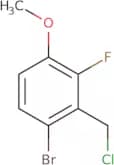
Formula:C8H8F2OPurity:Min. 95%Molecular weight:158.14 g/mol1-Bromo-2-(chloromethyl)-3-fluoro-4-methoxybenzene
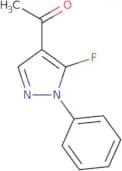
CAS:Versatile small molecule scaffoldFormula:C8H7BrClFOPurity:Min. 95%Molecular weight:253.5 g/mol1-(5-Fluoro-1-phenyl-1H-pyrazol-4-yl)ethan-1-one
CAS:Versatile small molecule scaffold
Formula:C11H9FN2OPurity:Min. 95%Molecular weight:204.2 g/molRef: 3D-RSC00051
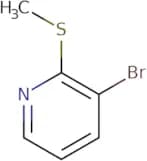
Discontinued product3-Bromo-2-(methylthio)pyridine
CAS:Versatile small molecule scaffold
Formula:C6H6BrNSPurity:Min. 95%Molecular weight:204.09 g/molRef: 3D-BCA93377
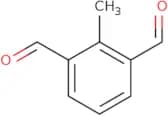
Discontinued product2-Methylbenzene-1,3-dicarbaldehyde
CAS:2-Methylbenzene-1,3-dicarbaldehyde is a divalent hydrocarbon that has an oxidation catalyst. This compound is used as an intermediate in the production of drugs and pharmaceuticals. It has been shown to have cardiovascular disorders, such as vasodilatation and hypotension. The mechanism of action is not fully understood but may be related to its ability to act as a nitrovasodilator by increasing nitric oxide (NO) release. 2-Methylbenzene-1,3-dicarbaldehyde also produces psychotic disorders when long term exposure occurs. This compound has been shown to have neurotoxic effects in animal models with long term exposure.
Formula:C9H8O2Purity:Min. 95%Molecular weight:148.16 g/molRef: 3D-BCA68950
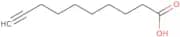
Discontinued productDec-9-ynoic acid
CAS:Dec-9-ynoic acid is a synthetic fatty acid that is a precursor to several biologically important substances. It is labile and easily oxidized by air, light, or heat. Dec-9-ynoic acid has been shown to be a central metabolic intermediate for the biosynthesis of polyunsaturated fatty acids. It can also be converted into linolenic acid, which is an essential fatty acid that cannot be synthesized by humans. Dec-9-ynoic acid exists in two geometric isomers: cis and trans. The cis form exhibits kinetic properties that are different from the trans form. Dec-9-ynoic acid has been studied as a potential treatment for human diseases such as diabetes mellitus type 2, Parkinson's disease, Alzheimer's disease, schizophrenia, and depression.
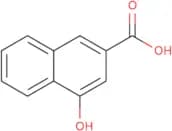
Formula:C10H16O2Purity:Min. 95%Molecular weight:168.23 g/mol4-Hydroxy-2-naphthoic acid
CAS:4-Hydroxy-2-naphthoic acid is a hydrocarbon with a carboxylic acid group. It can act as an antagonist to the hydrocarbon receptor (HCR). 4-Hydroxy-2-naphthoic acid has been shown to be effective in treating colon cancer cells in vitro, and has been shown to inhibit the growth of cancer cells in vivo. This compound is also effective at inhibiting the proliferation of human colon cancer cells (Caco2) that have been exposed to benzo(a)pyrene, an aromatic hydrocarbon found in cigarette smoke. The mechanism by which this drug inhibits cell proliferation is not fully understood but may involve inhibition of cytochrome P450 1A1 (CYP1A1), which metabolizes benzo(a)pyrene into carcinogenic intermediates. 4-Hydroxy-2-naphthoic acid has also been shown to be anisotropic and microreactor, meaning
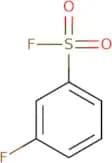
Formula:C11H8O3Purity:Min. 95%Molecular weight:188.17 g/mol3-Fluorobenzene-1-sulfonyl fluoride
CAS:3-Fluorobenzene-1-sulfonyl fluoride is a chemical compound that can be used as a catalyst to synthesize organic compounds. It is a colorless liquid, which is soluble in water and organic solvents. This catalyst has been shown to be more efficient than the traditional catalysts, such as tetraphenylphosphonium chloride, potassium fluoride or sodium borohydride. 3-Fluorobenzene-1-sulfonyl fluoride also reacts with nitro groups to produce dinitro compounds, which are valuable synthetic intermediates for the production of dyes and pharmaceuticals. The synthesis of this compound can be carried out in high yields with stoichiometric amounts of reactants.
Formula:C6H4F2O2SPurity:Min. 95%Molecular weight:178.16 g/molMethyl 2-[2-(hydroxyimino)cyclohexyl]acetate
CAS:Versatile small molecule scaffold
Formula:C9H15NO3Purity:Min. 95%Molecular weight:185.22 g/molRef: 3D-SAA44849
Discontinued product1-(4-Chlorophenyl)-1H-imidazole-2(3H)-thione
CAS:1-(4-Chlorophenyl)-1H-imidazole-2(3H)-thione is a crystalline solid that belongs to the class of imidazoles. It has been synthesized by reacting 1,2-dibromoethane with sodium methoxide in methanol. The compound was found to have a melting point of about 183°C and a molecular weight of 212.06 g/mol. This compound has been shown to interact with methanol, methoxide, and ethoxy groups. Crystallization occurs when the substance is heated to about 183°C in vacuum and then cooled slowly.
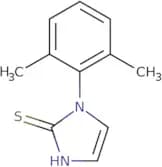
Formula:C9H7ClN2SPurity:Min. 95%Molecular weight:210.68 g/mol1-(2,6-Dimethylphenyl)-2,3-dihydro-1H-imidazole-2-thione
CAS:Versatile small molecule scaffold
Formula:C11H12N2SPurity:Min. 95%Molecular weight:204.29 g/molRef: 3D-SAA45219
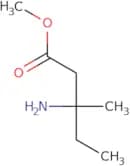
Discontinued productMethyl 3-amino-3-methylpentanoate
CAS:Versatile small molecule scaffold
Formula:C7H15NO2Purity:Min. 95%Molecular weight:145.2 g/molRef: 3D-AFC47404
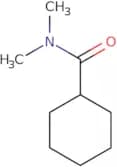
Discontinued productN,N-Dimethylcyclohexanecarboxamide
CAS:N,N-Dimethylcyclohexanecarboxamide is an acid salt of besylate that is used as a drug for the treatment of hyperglycemia. It has been shown to have a rapid onset and short duration of action. The chemical name for N,N-Dimethylcyclohexanecarboxamide is 1-[2-(2-methoxyethoxy)ethyl]-4-methyl-1,4-dihydropyridine 2,4-dicarboxylic acid methyl ester. This compound inhibits insulin release from the pancreas and stimulates glucagon release from the alpha cells in the pancreas. These effects lead to an increase in blood glucose levels.
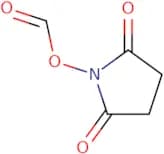
Formula:C9H17NOPurity:Min. 95%Molecular weight:155.24 g/mol2,5-Dioxopyrrolidin-1-yl formate
CAS:2,5-Dioxopyrrolidin-1-yl formate is a solubilized ATP analog that has been clinically developed for the treatment of cancer. This drug binds to cell membranes and causes alkylation of the acidic phospholipids in the membrane, leading to increased permeability of the membrane and release of intracellular components. 2,5-Dioxopyrrolidin-1-yl formate also interacts with lysosomes and increases their acidity, which may lead to an increase in lysosomal enzyme activity. This drug has been shown to inhibit tumor growth in a mouse model by binding to erythrocytes while it was being simultaneously administered intravenously. The chemical structures of this drug are closely related to those of phaseolus, which is known for its anticancer effects.
Formula:C5H5NO4Purity:Min. 95%Molecular weight:143.1 g/molRef: 3D-SAA59254
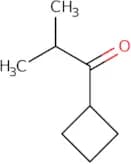
Discontinued product1-Cyclobutyl-2-methylpropan-1-one
CAS:Versatile small molecule scaffold
Formula:C8H14OPurity:Min. 95%Molecular weight:126.2 g/molRef: 3D-ABA11133
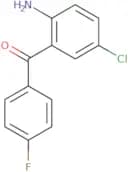
Discontinued product4-Chloro-2-(4-fluorobenzoyl)aniline
CAS:Versatile small molecule scaffold
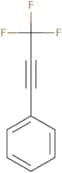
Formula:C13H9ClFNOPurity:Min. 95%Molecular weight:249.67 g/mol(3,3,3-Trifluoroprop-1-yn-1-yl)benzene
CAS:(3,3,3-Trifluoroprop-1-yn-1-yl)benzene is a reaction product that can be used to inhibit the activity of metalloprotease and as an anti-cancer agent. This compound inhibits the enzyme that causes chronic kidney disease and degenerative diseases. It is a potent inhibitor of metalloprotease, which is involved in cancer progression, fatty acid synthesis and bone formation. The effective dose for this drug is between 1 and 10mg/kg body weight. It has been shown to have an asymmetric synthesis with the use of amido groups. (3,3,3-Trifluoroprop-1-yn-1-yl)benzene also has antirheumatic properties due to its ability to inhibit proteases such as matrix metalloproteinases and cathepsins.
Formula:C9H5F3Purity:Min. 95%Molecular weight:170.13 g/molRef: 3D-AAA77262
Discontinued product1-Azabicyclo[3.2.1]octan-4-one
CAS:Versatile small molecule scaffold
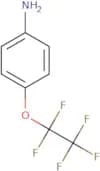
Formula:C7H11NOPurity:Min. 95%Molecular weight:125.17 g/mol4-(Perfluoroethoxy)aniline
CAS:Versatile small molecule scaffold
Formula:C8H6F5NOPurity:Min. 95%Molecular weight:227.13 g/molRef: 3D-AAA71785
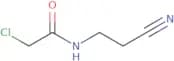
Discontinued product2-Chloro-N-(2-cyanoethyl)acetamide
CAS:2-Chloro-N-(2-cyanoethyl)acetamide is a potent and selective inhibitor of the protein kinase C (PKC). The PKC protein kinases are enzymes that regulate the activity of cells in response to stimuli. 2-Chloro-N-(2-cyanoethyl)acetamide has been shown to be effective against some viruses and tumor cells, but not against bacteria. It inhibits the growth of some cancer cells and has been shown to inhibit the replication of animal viruses such as influenza virus. This drug is also used for treatment of abdominal infections, hepatitis, pancreatitis, mesenteric adenitis, and animals with cancer. 2-Chloro-N-(2-cyanoethyl)acetamide can act as a noncompetitive inhibitor by binding to a site on the enzyme that is different from ATP binding site.
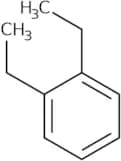
Formula:C5H7ClN2OPurity:Min. 95%Molecular weight:146.57 g/mol1,2-Diethylbenzene
CAS:1,2-Diethylbenzene is a trifluoroacetic acid derivative that is used as an acylation agent and a solid catalyst. 1,2-Diethylbenzene has been shown to increase the energy metabolism in cultured human cells. It also influences fatty acid synthesis and nmr spectra of plant families. 1,2-Diethylbenzene was found to be safe for use in sciatic nerve regeneration in Sprague-Dawley rats with axonopathy. This chemical can also be used as an analytical reagent for the separation of urine samples by liquid chromatography methods.
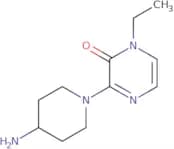
Formula:C10H14Purity:Min. 95%Molecular weight:134.22 g/mol3-(4-Aminopiperidin-1-yl)-1-ethyl-1,2-dihydropyrazin-2-one
CAS:Versatile small molecule scaffold
Formula:C11H18N4OPurity:Min. 95%Molecular weight:222.29 g/molRef: 3D-SDC37693
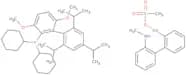
Discontinued productBrettPhos Pd G4
CAS:BrettPhos Pd G4 is a versatile polymer used in various research applications. It is commonly used in the field of organic chemistry as a catalyst for reactions involving epoxy chloropropane, clofarabine, iminostilbene, glycine, kavalactone, phenylboronic acid, carbamazepine, and other compounds. This polymer acts as a powerful catalyst and facilitates the synthesis of complex molecules by promoting efficient chemical transformations. Additionally, BrettPhos Pd G4 is known for its inhibitory effects on certain enzymes and can be used as an inhibitor in biochemical studies. Its unique properties make it an essential tool for researchers in the field of organic chemistry and beyond.
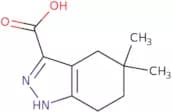
Formula:C49H68NO5PPdSPurity:Min. 95%Molecular weight:920.53 g/mol5,5-Dimethyl-4,5,6,7-tetrahydro-1H-indazole-3-carboxylic acid
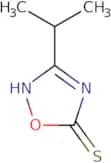
CAS:Versatile small molecule scaffoldFormula:C10H14N2O2Purity:Min. 95%Molecular weight:194.23 g/mol3-(Propan-2-yl)-1,2,4-oxadiazole-5-thiol
CAS:Versatile small molecule scaffold
Formula:C5H8N2OSPurity:Min. 95%Molecular weight:144.2 g/molRef: 3D-SDC62895
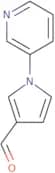
Discontinued product1-(Pyridin-3-yl)-1H-pyrrole-3-carbaldehyde
CAS:Versatile small molecule scaffold
Formula:C10H8N2OPurity:Min. 95%Molecular weight:172.18 g/molRef: 3D-SNA60115
Discontinued product1-[(2-Methoxyphenyl)methyl]piperidin-4-amine
CAS:Versatile small molecule scaffoldFormula:C13H20N2OPurity:Min. 95%Molecular weight:220.31 g/mol(5-{[(2-Methylprop-2-en-1-yl)amino]methyl}furan-2-yl)methanol
CAS:Versatile small molecule scaffoldFormula:C10H15NO2Purity:Min. 95%Molecular weight:181.23 g/molRef: 3D-SNC51959
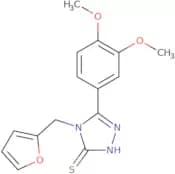
Discontinued product5-(3,4-Dimethoxyphenyl)-4-(furan-2-ylmethyl)-4H-1,2,4-triazole-3-thiol
CAS:Versatile small molecule scaffold
Formula:C15H15N3O3SPurity:Min. 95%Molecular weight:317.4 g/molRef: 3D-SQA23740
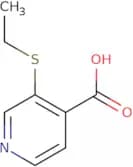
Discontinued product3-(Ethylsulfanyl)pyridine-4-carboxylic acid
CAS:Versatile small molecule scaffoldFormula:C8H9NO2SPurity:Min. 95%Molecular weight:183.23 g/molRef: 3D-SXB02194
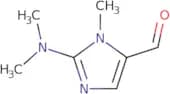
Discontinued product2-(Dimethylamino)-1-methyl-1H-imidazole-5-carbaldehyde
CAS:Versatile small molecule scaffoldFormula:C7H11N3OPurity:Min. 95%Molecular weight:153.18 g/molRef: 3D-SXB13969
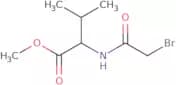
Discontinued productMethyl (2S)-2-(2-bromoacetamido)-3-methylbutanoate
CAS:Versatile small molecule scaffoldFormula:C8H14BrNO3Purity:Min. 95%Molecular weight:252.11 g/molRef: 3D-UGA70139
Discontinued product9,9-Difluoro-1,4-dioxaspiro[5.5]undecan-5-one
CAS:Versatile small molecule scaffold
Formula:C9H12F2O3Purity:Min. 95%Molecular weight:206.19 g/molRef: 3D-UGD71258
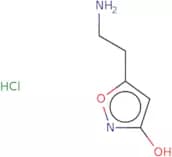
Discontinued product5-(2-Aminoethyl)-1,2-oxazol-3-ol hydrochloride
CAS:Versatile small molecule scaffold
Formula:C5H9ClN2O2Purity:Min. 95%Molecular weight:164.6 g/molRef: 3D-UND40740
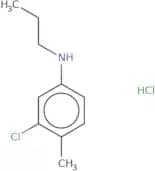
Discontinued product3-Chloro-4-methyl-N-propylaniline hydrochloride
CAS:Versatile small molecule scaffoldFormula:C10H15Cl2NPurity:Min. 95%Molecular weight:220.1 g/molRef: 3D-UND40802
Discontinued productMethyl 3-(4-nitro-1H-pyrazol-1-yl)propanoate
CAS:Versatile small molecule scaffold
Formula:C7H9N3O4Purity:Min. 95%Molecular weight:199.16 g/molRef: 3D-UUA74722
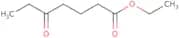
Discontinued productEthyl 5-oxoheptanoate
CAS:Ethyl 5-oxoheptanoate is a clear, colorless liquid that can be synthesized by reacting benzene with acetone. The synthesis of ethyl 5-oxoheptanoate is an example of a Friedel-Crafts reaction. This chemical is soluble in organic solvents such as acetone and cyclohexane and has low toxicity. It can be used as a reagent for the preparation of esters from alcohols, phenols, or carboxylic acids. Ethyl 5-oxoheptanoate can also be used to prepare resorcinol, which is a precursor to polymers and dyes, by hydrogenation of the molecule. Preparative methods are often used to produce this product because it has limited solubility in water.
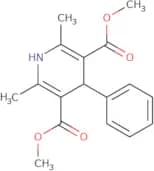
Formula:C9H16O3Purity:Min. 95%Molecular weight:172.22 g/molDimethyl 2,6-dimethyl-4-phenyl-1,4-dihydropyridine-3,5-dicarboxylate
CAS:Dimethyl 2,6-dimethyl-4-phenyl-1,4-dihydropyridine-3,5-dicarboxylate is a radioligand that binds to calcium channels. It is used as a radioligand in binding studies to determine the affinity of various drugs for specific types of calcium channels. Dimethyl 2,6-dimethyl-4-phenyl-1,4-dihydropyridine 3,5 dicarboxylate has been shown to bind specifically to a particular class of calcium channel antagonists (i.e., monosubstituted) and can be used as a pharmacological probe for the study of these compounds.Formula:C17H19NO4Purity:Min. 95%Molecular weight:301.34 g/molRef: 3D-VCA67778
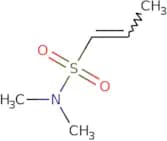
Discontinued productN,N-Dimethylprop-1-ene-1-sulfonamide
CAS:Versatile small molecule scaffold
Formula:C5H11NO2SPurity:Min. 95%Molecular weight:149.2 g/molRef: 3D-VCA78500
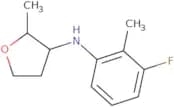
Discontinued productN-(3-Fluoro-2-methylphenyl)-2-methyloxolan-3-amine
CAS:Versatile small molecule scaffold
Formula:C12H16FNOPurity:Min. 95%Molecular weight:209.26 g/molRef: 3D-VLC28556
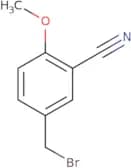
Discontinued product5-(Bromomethyl)-2-methoxybenzonitrile
CAS:Versatile small molecule scaffoldFormula:C9H8BrNOPurity:Min. 95%Molecular weight:226.07 g/molRef: 3D-VMA40791
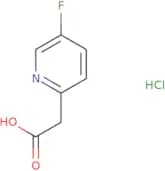
Discontinued product2-(5-Fluoropyridin-2-yl)acetic acid hydrochloride
CAS:Versatile small molecule scaffoldFormula:C7H7ClFNO2Purity:Min. 95%Molecular weight:191.59 g/mol1-[5-(Trifluoromethyl)-1,3,4-thiadiazol-2-yl]piperazine hydrochloride
CAS:Versatile small molecule scaffold
Formula:C7H10ClF3N4SPurity:Min. 95%Molecular weight:274.7 g/molRef: 3D-WAC73867
Discontinued producttert-Butyl 8-oxa-4-azabicyclo[5.1.0]octane-4-carboxylate
CAS:Versatile small molecule scaffoldFormula:C11H19NO3Purity:Min. 95%Molecular weight:213.27 g/molRef: 3D-WGB06215
Discontinued product5-Amino-1-(2-hydroxyethyl)-1,2-dihydropyridin-2-one
CAS:Versatile small molecule scaffoldFormula:C7H10N2O2Purity:Min. 95%Molecular weight:154.17 g/molRef: 3D-WQB04793
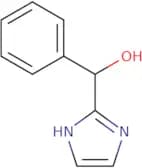
Discontinued product1H-Imidazol-2-yl(phenyl)methanol
CAS:Versatile small molecule scaffold
Formula:C10H10N2OPurity:Min. 95%Molecular weight:174.2 g/mol1,8-Dioxa-4-azaspiro[4.5]decane
CAS:Versatile small molecule scaffold
Formula:C7H13NO2Purity:Min. 95%Molecular weight:143.18 g/molRef: 3D-XEA82412
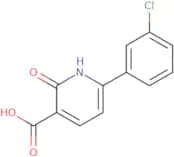
Discontinued product6-(3-Chlorophenyl)-2-oxo-1,2-dihydropyridine-3-carboxylic Acid
CAS:Versatile small molecule scaffoldFormula:C12H8ClNO3Purity:Min. 95%Molecular weight:249.65 g/molRef: 3D-XFA26919
Discontinued product2-(2-[(Propan-2-yloxy)methyl]phenyl)acetic acid
CAS:Versatile small molecule scaffold
Formula:C12H16O3Purity:Min. 95%Molecular weight:208.3 g/molRef: 3D-XLC02690
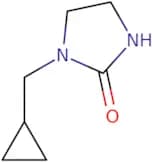
Discontinued product1-(Cyclopropylmethyl)imidazolidin-2-one
CAS:Versatile small molecule scaffold
Formula:C7H12N2OPurity:Min. 95%Molecular weight:140.18 g/molRef: 3D-XLC04672
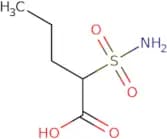
Discontinued product2-Sulfamoylpentanoic acid
CAS:Versatile small molecule scaffold
Formula:C5H11NO4SPurity:Min. 95%Molecular weight:181.21 g/molRef: 3D-XLC81845
Discontinued product2-(3-{[(9H-Fluoren-9-yl)methoxy]carbonyl}-3-azaspiro[5.5]undecan-9-yl)acetic acid
CAS:Versatile small molecule scaffold
Formula:C27H31NO4Purity:Min. 95%Molecular weight:433.5 g/molRef: 3D-XLD03208
Discontinued product3-methylpyridine-2-sulfinate lithium
CAS:Versatile small molecule scaffoldFormula:C6H6LiNO2SPurity:Min. 95%Molecular weight:163.1 g/mol4-Methyl-1,2-oxazolidin-4-ol hydrochloride
CAS:Versatile small molecule scaffold
Formula:C4H10ClNO2Purity:Min. 95%Molecular weight:139.6 g/molRef: 3D-XLD15344
Discontinued product3-([(tert-Butoxy)carbonyl]amino)-2-(cyclopentylmethyl)propanoic acid
CAS:Versatile small molecule scaffold
Formula:C14H25NO4Purity:Min. 95%Molecular weight:271.35 g/molRef: 3D-XXC61525
Discontinued product2-(Methoxycarbonyl)-2-azabicyclo[2.2.2]oct-7-ene-6-carboxylic acid
CAS:Versatile small molecule scaffold
Formula:C10H13NO4Purity:Min. 95%Molecular weight:211.21 g/molRef: 3D-XXC96571
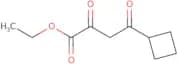
Discontinued productEthyl 4-cyclobutyl-2,4-dioxobutanoate
CAS:Versatile small molecule scaffoldFormula:C10H14O4Purity:Min. 95%Molecular weight:198.22 g/molRef: 3D-XYB95559
Discontinued product2-isopropyltetrahydro-4H-pyran-4-one
CAS:Versatile small molecule scaffoldFormula:C8H14O2Purity:Min. 95%Molecular weight:142.19 g/mol(2S)-2-Amino-4-(aminooxy)butanoic acid dihydrochloride
CAS:Versatile small molecule scaffold
Formula:C4H12Cl2N2O3Purity:Min. 95%Molecular weight:207.1 g/molRef: 3D-YAA70165
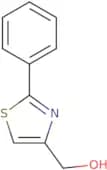
Discontinued product4-(Hydroxymethyl)-2-phenyl-1,3-thiazole
CAS:4-(Hydroxymethyl)-2-phenyl-1,3-thiazole is a versatile compound that has various applications in research and chemical synthesis. It is commonly used as a building block for the synthesis of organic compounds, including antibodies and research chemicals. This compound has been found to exhibit potent antiangiogenic properties, making it valuable in the field of cancer research. Additionally, 4-(Hydroxymethyl)-2-phenyl-1,3-thiazole can be used as a precursor in the synthesis of important pharmaceuticals such as cephalosporins and taxol. Its unique structure allows for diverse chemical reactions, making it an essential tool for chemists and researchers alike. Whether you're working on developing new drugs or exploring novel chemical reactions, 4-(Hydroxymethyl)-2-phenyl-1,3-thiazole is an indispensable compound that will help drive your scientific endeavors forward.
Formula:C10H9NOSPurity:Min. 95%Molecular weight:191.25 g/mol5-Amino-1-methyl-1,2,3,4-tetrahydropyrimidine-2,4-dione
CAS:Versatile small molecule scaffoldFormula:C5H7N3O2Purity:Min. 95%Molecular weight:141.13 g/molN-{4-[(Carbamimidoylmethyl)sulfanyl]phenyl}-2,2-dimethylpropanamide hydrochloride
CAS:Versatile small molecule scaffoldFormula:C13H20ClN3OSPurity:Min. 95%Molecular weight:301.84 g/molRef: 3D-YGC03402
Discontinued product1-{[1-(Bromomethyl)cyclopropyl]methoxy}-3-(methoxymethyl)benzene
CAS:Versatile small molecule scaffold
Formula:C13H17BrO2Purity:Min. 95%Molecular weight:285.18 g/molRef: 3D-YGC03501
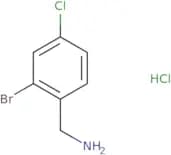
Discontinued product(2-Bromo-4-chlorophenyl)methanamine hydrochloride
CAS:Versatile small molecule scaffold
Formula:C7H8BrCl2NPurity:Min. 95%Molecular weight:256.95 g/molRef: 3D-YGD27370
Discontinued product[1-(2-Methoxyethyl)-3,5-dimethyl-1H-pyrazol-4-yl]methanamine
CAS:Versatile small molecule scaffold
Formula:C9H17N3OPurity:Min. 95%Molecular weight:183.25 g/molRef: 3D-FWB59580
Discontinued product1-Hydroxycyclopentane-1-carbonitrile
CAS:1-Hydroxycyclopentane-1-carbonitrile is a monomer that is hydrolyzed to form benzoin and cyanohydrins. It can be used in the production of scifinder as a monomer or dimerizer.
Formula:C6H9NOPurity:Min. 95%Molecular weight:111.14 g/mol4,5-Dihydro-1H-imidazol-2-amine hydrochloride
CAS:Please enquire for more information about 4,5-Dihydro-1H-imidazol-2-amine hydrochloride including the price, delivery time and more detailed product information at the technical inquiry form on this page
Formula:C3H7N3•HClPurity:Min. 95%Molecular weight:121.57 g/molRef: 3D-FD183639
Discontinued product4-Chloro-2-hydroxy-6-methylphenylboronic acid
CAS:Versatile small molecule scaffoldFormula:C7H8BClO3Purity:Min. 95%Molecular weight:186.4 g/mol2-Bromo-3,3,3-trifluoro-1-propene
CAS:Controlled Product2-Bromo-3,3,3-trifluoro-1-propene is a chemical compound that has been synthesized in an asymmetric reaction. The reactant is bromopropane and the product is 2,2,2-trifluoropropene. The methylene group on the propene molecule is activated by the nucleophilic attack of a fluoride ion from hydrogen fluoride to form a cavity with a highly strained bond. The kinetic study of this reaction revealed that the activation energy for the reaction is 42 kJ/mol. Palladium-catalyzed coupling reactions are catalyzed by palladium and require nonpolar solvents such as toluene or dichloromethane. This type of reaction has been shown to be exothermic with an isolated yield of 1%.
Formula:C3H2BrF3Purity:Min. 95%Color and Shape:Colorless PowderMolecular weight:174.95 g/moltert-Butyl (2,2-difluoro-3-hydroxypropyl)carbamate
CAS:Versatile small molecule scaffoldFormula:C10H13NO4Purity:Min. 95%Molecular weight:211.21 g/mol8-Bromo-2-methylimidazo[1,2-a]pyridine
CAS:Versatile small molecule scaffold
Formula:C8H7N2BrPurity:Min. 95%Molecular weight:211.05 g/mol3-Hydroxy-5-methylpyridine
CAS:3-Hydroxy-5-methylpyridine (3HMP) is a chemical substance that has been classified as an amine. It is a product of the metabolism of purines, which are nitrogenous bases found in DNA and RNA. 3HMP is produced by aerogenic bacteria (such as Enterobacter), and can be used to estimate the number of these bacteria present in water samples. 3HMP has been shown to have antiviral properties against influenza virus, and can be used as a biomarker for the presence of other viruses in animals. 3HMP also has mineralization properties, which have been studied extensively, particularly with regards to pancreatic disease.
Formula:C6H7NOPurity:Min. 95%Color and Shape:PowderMolecular weight:109.13 g/molRef: 3D-FH16174
Discontinued product4,5-Dihydroxy-2,3-Pentanedione
CAS:4,5-Dihydroxy-2,3-pentanedione is a carbonyl compound that is the product of the oxidation of ascorbic acid. It is used in wastewater treatment and has antimicrobial properties against infectious diseases. This compound has been shown to inhibit protein synthesis by binding to the ribosome and preventing the formation of peptide bonds between amino acids. 4,5-Dihydroxy-2,3-pentanedione has also been shown to bind to plasma proteins, which may be due to its acyl chain structure. 4,5-Dihydroxy-2,3-pentanedione can be synthesized in a catalytic mechanism that involves dehydroascorbic acid and molecular oxygen.
Formula:C5H8O4Purity:Min. 95%Color and Shape:PowderMolecular weight:132.11 g/molRef: 3D-FD180770
Discontinued productPiperyline
CAS:Piperyline is an alkanoic acid that has shown to be effective against skin cancer. It also has antimicrobial properties, which may be due to its ability to bind metal ions and form polymeric compounds. Piperyline inhibits microbial growth by inhibiting the synthesis of proteins and nucleic acids. The antimicrobial activity is related to its cationic polymerization with hydroxyl groups, which forms a structure that can inhibit microbial enzymes and disrupt microbial cell membranes. This compound also interacts with the skin's natural lipids, making it difficult for microorganisms to attach and grow on the skin. Piperyline is synthesized in organic chemistry laboratories as an amide precursor of other pharmaceuticals such as penicillin.
Formula:C16H17NO3Purity:Min. 95%Molecular weight:271.31 g/mol
![4-Propyl-1-sulfanyl-4H,5H-[1,2,4]triazolo[4,3-a]quinazolin-5-one](/_next/image/?url=https%3A%2Fstatic.cymitquimica.com%2Fproducts%2F3D%2Fthumb-webp%2FREB73179.webp&w=3840&q=75)

![Methyl 2-[2-(hydroxyimino)cyclohexyl]acetate](/_next/image/?url=https%3A%2Fstatic.cymitquimica.com%2Fproducts%2F3D%2Fthumb-webp%2FSAA44849.webp&w=3840&q=75)

![1-Azabicyclo[3.2.1]octan-4-one](/_next/image/?url=https%3A%2Fstatic.cymitquimica.com%2Fproducts%2F3D%2Fthumb-webp%2FSAA60477.webp&w=3840&q=75)
![1-[(2-Methoxyphenyl)methyl]piperidin-4-amine](/_next/image/?url=https%3A%2Fstatic.cymitquimica.com%2Fproducts%2F3D%2Fthumb-webp%2FSNA89455.webp&w=3840&q=75)
![(5-{[(2-Methylprop-2-en-1-yl)amino]methyl}furan-2-yl)methanol](/_next/image/?url=https%3A%2Fstatic.cymitquimica.com%2Fproducts%2F3D%2Fthumb-webp%2FSNC51959.webp&w=3840&q=75)
![9,9-Difluoro-1,4-dioxaspiro[5.5]undecan-5-one](/_next/image/?url=https%3A%2Fstatic.cymitquimica.com%2Fproducts%2F3D%2Fthumb-webp%2FUGD71258.webp&w=3840&q=75)

![1-[5-(Trifluoromethyl)-1,3,4-thiadiazol-2-yl]piperazine hydrochloride](/_next/image/?url=https%3A%2Fstatic.cymitquimica.com%2Fproducts%2F3D%2Fthumb-webp%2FWAC73867.webp&w=3840&q=75)
![tert-Butyl 8-oxa-4-azabicyclo[5.1.0]octane-4-carboxylate](/_next/image/?url=https%3A%2Fstatic.cymitquimica.com%2Fproducts%2F3D%2Fthumb-webp%2FWGB06215.webp&w=3840&q=75)

![1,8-Dioxa-4-azaspiro[4.5]decane](/_next/image/?url=https%3A%2Fstatic.cymitquimica.com%2Fproducts%2F3D%2Fthumb-webp%2FXEA82412.webp&w=3840&q=75)
![2-(2-[(Propan-2-yloxy)methyl]phenyl)acetic acid](/_next/image/?url=https%3A%2Fstatic.cymitquimica.com%2Fproducts%2F3D%2Fthumb-webp%2FXLC02690.webp&w=3840&q=75)
![2-(3-{[(9H-Fluoren-9-yl)methoxy]carbonyl}-3-azaspiro[5.5]undecan-9-yl)acetic acid](/_next/image/?url=https%3A%2Fstatic.cymitquimica.com%2Fproducts%2F3D%2Fthumb-webp%2FXLD03208.webp&w=3840&q=75)


![3-([(tert-Butoxy)carbonyl]amino)-2-(cyclopentylmethyl)propanoic acid](/_next/image/?url=https%3A%2Fstatic.cymitquimica.com%2Fproducts%2F3D%2Fthumb-webp%2FXXC61525.webp&w=3840&q=75)
![2-(Methoxycarbonyl)-2-azabicyclo[2.2.2]oct-7-ene-6-carboxylic acid](/_next/image/?url=https%3A%2Fstatic.cymitquimica.com%2Fproducts%2F3D%2Fthumb-webp%2FXXC96571.webp&w=3840&q=75)
![N-{4-[(Carbamimidoylmethyl)sulfanyl]phenyl}-2,2-dimethylpropanamide hydrochloride](/_next/image/?url=https%3A%2Fstatic.cymitquimica.com%2Fproducts%2F3D%2Fthumb-webp%2FYGC03402.webp&w=3840&q=75)
![1-{[1-(Bromomethyl)cyclopropyl]methoxy}-3-(methoxymethyl)benzene](/_next/image/?url=https%3A%2Fstatic.cymitquimica.com%2Fproducts%2F3D%2Fthumb-webp%2FYGC03501.webp&w=3840&q=75)
![[1-(2-Methoxyethyl)-3,5-dimethyl-1H-pyrazol-4-yl]methanamine](/_next/image/?url=https%3A%2Fstatic.cymitquimica.com%2Fproducts%2F3D%2Fthumb-webp%2FFWB59580.webp&w=3840&q=75)





![8-Bromo-2-methylimidazo[1,2-a]pyridine](/_next/image/?url=https%3A%2Fstatic.cymitquimica.com%2Fproducts%2F3D%2Fthumb-webp%2FUXB37475.webp&w=3840&q=75)


