


Building Blocks
Subcategories of "Building Blocks"
- Boronic Acids & Boronic Acid Derivatives(5,778 products)
- Chiral Building Blocks(1,243 products)
- Hydrocarbon Building Blocks(6,099 products)
- Organic Building Blocks(61,038 products)
Found 205376 products of "Building Blocks"
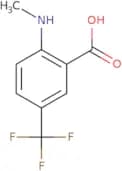
2-(Methylamino)-5-(trifluoromethyl)benzoic acid
CAS:Versatile small molecule scaffold
Formula:C9H8F3NO2Purity:Min. 95%Molecular weight:219.16 g/molRef: 3D-VSA47960
Discontinued productrac-(3aR,6aS)-Hexahydropyrrolo[3,4-c]pyrrol-1(2H)-one hydrochloride
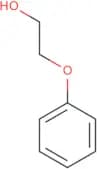
CAS:Versatile small molecule scaffoldFormula:C6H11ClN2OPurity:Min. 95%Molecular weight:162.62 g/mol2-Phenoxyethanol-1,1-d2
CAS:Versatile small molecule scaffold
Formula:C8H10O2Purity:Min. 95%Molecular weight:140.18 g/molRef: 3D-WAA27338
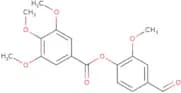
Discontinued product4-Formyl-2-methoxyphenyl 3,4,5-trimethoxybenzoate
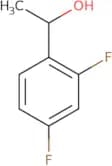
CAS:Versatile small molecule scaffoldFormula:C18H18O7Purity:Min. 95%Molecular weight:346.3 g/mol(1R)-1-(2,4-Difluorophenyl)ethan-1-ol
CAS:Versatile small molecule scaffold
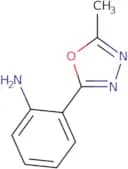
Formula:C8H8F2OPurity:Min. 95%Molecular weight:158.14 g/mol2-(5-Methyl-1,3,4-oxadiazol-2-yl)aniline
CAS:Versatile small molecule scaffold
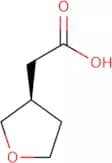
Formula:C9H9N3OPurity:Min. 95%Molecular weight:175.19 g/mol(R)-2-(Tetrahydrofuran-3-yl)acetic Acid
CAS:Versatile small molecule scaffold
Formula:C6H10O3Purity:Min. 95%Molecular weight:130.14 g/molRef: 3D-WFA25525
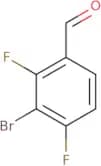
Discontinued product3-Bromo-2,4-difluorobenzaldehyde
CAS:Versatile small molecule scaffold
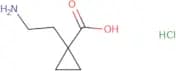
Formula:C7H3BrF2OPurity:Min. 95%Molecular weight:219.93 g/mol1-(2-aminoethyl)cyclopropane-1-carboxylic acid hydrochloride
CAS:Versatile small molecule scaffold
Formula:C6H12ClNO2Purity:Min. 95%Molecular weight:165.62 g/molRef: 3D-WGC60217
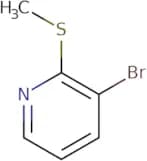
Discontinued product3-Bromo-2-(methylthio)pyridine
CAS:Versatile small molecule scaffold
Formula:C6H6BrNSPurity:Min. 95%Molecular weight:204.09 g/molRef: 3D-BCA93377
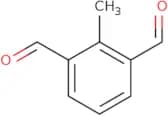
Discontinued product2-Methylbenzene-1,3-dicarbaldehyde
CAS:2-Methylbenzene-1,3-dicarbaldehyde is a divalent hydrocarbon that has an oxidation catalyst. This compound is used as an intermediate in the production of drugs and pharmaceuticals. It has been shown to have cardiovascular disorders, such as vasodilatation and hypotension. The mechanism of action is not fully understood but may be related to its ability to act as a nitrovasodilator by increasing nitric oxide (NO) release. 2-Methylbenzene-1,3-dicarbaldehyde also produces psychotic disorders when long term exposure occurs. This compound has been shown to have neurotoxic effects in animal models with long term exposure.
Formula:C9H8O2Purity:Min. 95%Molecular weight:148.16 g/molRef: 3D-BCA68950
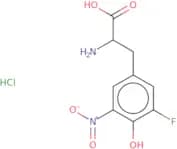
Discontinued product2-Amino-3-(3-fluoro-4-hydroxy-5-nitrophenyl)propanoic acid hydrochloride
CAS:Versatile small molecule scaffold
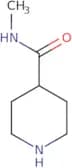
Formula:C9H10ClFN2O5Purity:Min. 95%Molecular weight:280.6 g/molN-Methylpiperidine-4-carboxamide
CAS:Versatile small molecule scaffold
Formula:C7H14N2OPurity:Min. 95%Molecular weight:142.2 g/molRef: 3D-BAA90369
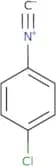
Discontinued product1-Chloro-4-isocyanobenzene
CAS:1-Chloro-4-isocyanobenzene (1CI) is an organic compound that has been used as a chemical probe for the detection of amines and other molecules on metal surfaces. The frequency shift in Raman spectra, which is observed after the addition of 1CI to the metal surface, is used to detect amines. 1CI has also been shown to be a potent inhibitor of mitochondrial function. This molecule binds to nucleophilic sites on metal surfaces and forms covalent bonds with them, leading to a high degree of inhibition.
1CI can be synthesized in three steps from commercially available starting materials and is relatively easy to purify.Formula:C7H4ClNPurity:Min. 95%Molecular weight:137.56 g/mol2-[3-(Propan-2-yl)phenoxy]acetic acid
CAS:2-[3-(Propan-2-yl)phenoxy]acetic acid is a chemical compound that is used as an additive in benzene, and is a phytotoxic chemical. It prevents the formation of chlorophyll by blocking electron transport and inhibiting photosynthesis. 2-[3-(Propan-2-yl)phenoxy]acetic acid is used to induce callus tissue from lettuce, radish, and other plants. This compound also inhibits the growth of various bacteria including Escherichia coli and Pseudomonas aeruginosa.
Formula:C11H14O3Purity:Min. 95%Molecular weight:194.23 g/molRef: 3D-BAA87852
Discontinued product2'-[(tert-Butoxy)carbonyl]-2',3'-dihydro-1'H-spiro[cyclopropane-1,4'-isoquinoline]-1'-carboxylic acid
CAS:Versatile small molecule scaffoldFormula:C17H21NO4Purity:Min. 95%Molecular weight:303.4 g/molRef: 3D-WLD79997
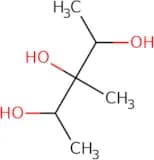
Discontinued product3-Methylpentane-2,3,4-triol
CAS:Versatile small molecule scaffold
Formula:C6H14O3Purity:Min. 95%Molecular weight:134.17 g/molRef: 3D-BAA18510
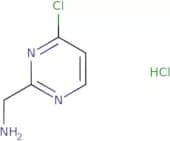
Discontinued product2-(Aminomethyl)-4-chloropyrimidine HCl
CAS:Versatile small molecule scaffold
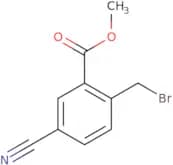
Formula:C5H7Cl2N3Purity:Min. 95%Molecular weight:180.04 g/molMethyl 2-(bromomethyl)-5-cyanobenzoate
CAS:Versatile small molecule scaffold
Formula:C10H8BrNO2Purity:Min. 95%Molecular weight:254.08 g/mol4-(Aminomethyl)-N-(2-methoxyethyl)aniline
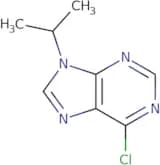
CAS:Versatile small molecule scaffoldFormula:C10H16N2OPurity:Min. 95%Molecular weight:180.25 g/mol6-Chloro-9-(propan-2-yl)-9H-purine
CAS:6-Chloro-9-(propan-2-yl)-9H-purine is an intermediate in the synthesis of nucleoside analogues. It is obtained by the catalyzed reaction of acetonitrile and purines, which undergoes regioisomerization to form a mixture of 6-chloro-9-(propyl)- and 6-chloro-9-(butyl)purine. This intermediate can be used for the alkynylation of amino acids or peptides with alkynes. The selective formation of one regioisomer can be achieved by using a chiral catalyst or by reacting with an optically active reagent such as (+)-camphor sulfonic acid.
Formula:C8H9ClN4Purity:Min. 95%Molecular weight:196.64 g/molRef: 3D-AVA53908
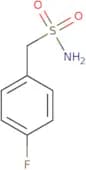
Discontinued product(4-Fluorophenyl)methanesulfonamide
CAS:Versatile small molecule scaffold
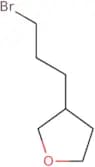
Formula:C7H8FNO2SPurity:Min. 95%Molecular weight:189.21 g/mol3-(3-Bromopropyl)oxolane
CAS:Versatile small molecule scaffold
Formula:C7H13BrOPurity:Min. 95%Molecular weight:193.08 g/molRef: 3D-ASB49655
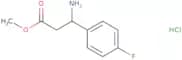
Discontinued productMethyl (S)-3-amino-3-(4-fluorophenyl)propanoate hydrochloride
CAS:Versatile small molecule scaffoldFormula:C10H13ClFNO2Purity:Min. 95%Molecular weight:233.67 g/molRef: 3D-WZB17474
Discontinued product4-(Dimethyl-1,2-oxazol-4-yl)phenol
CAS:Versatile small molecule scaffold
Formula:C11H11NO2Purity:Min. 95%Molecular weight:189.21 g/molRef: 3D-AKB62875
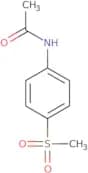
Discontinued product4'-(Methylsulfonyl)acetanilide
CAS:4'-(Methylsulfonyl)acetanilide is an organic compound that has been shown to have antibacterial and antiviral activity. It targets the benzene nucleus, and inhibits the synthesis of nucleic acids by inhibiting the enzyme ribonucleotide reductase. 4'-(Methylsulfonyl)acetanilide also inhibits viral replication, by binding to the active site of a viral protein (a DNA polymerase), which blocks the incorporation of nucleotides into the virus's DNA. In addition, 4'-(methylsulfonyl)acetanilide is an anti-helminthic agent, as it can inhibit worm motility and kill larvae in vitro. The structure-activity relationships between this molecule and other benzimidazole derivatives were analysed in order to identify new potential drugs for treating diseases caused by viruses or parasites.
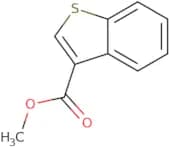
Formula:C9H11NO3SPurity:Min. 95%Molecular weight:213.26 g/molMethyl benzothiophene-3-carboxylate
CAS:Versatile small molecule scaffold
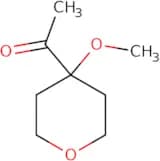
Formula:C10H8O2SPurity:Min. 95%Molecular weight:192.23 g/mol1-(4-Methoxyoxan-4-yl)ethan-1-one
CAS:Versatile small molecule scaffold
Formula:C8H14O3Purity:Min. 95%Molecular weight:158.19 g/molRef: 3D-AHA98278
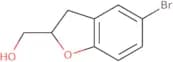
Discontinued product(5-Bromo-2,3-dihydro-1-benzofuran-2-yl)methanol
CAS:Versatile small molecule scaffold
Formula:C9H9O2BrPurity:Min. 95%Molecular weight:229.07 g/molRef: 3D-XHA57735
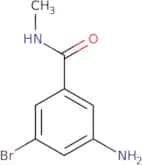
Discontinued product3-Amino-5-bromo-N-methylbenzamide
CAS:Versatile small molecule scaffold
Formula:C8H9BrN2OPurity:Min. 95%Molecular weight:229.07 g/molRef: 3D-AFC06914
Discontinued product2-(2-[(Propan-2-yloxy)methyl]phenyl)acetic acid
CAS:Versatile small molecule scaffold
Formula:C12H16O3Purity:Min. 95%Molecular weight:208.3 g/molRef: 3D-XLC02690
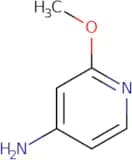
Discontinued product(4-Aminopyridin-2-yl)methanol
CAS:Versatile small molecule scaffold
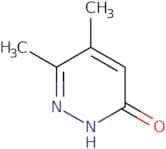
Formula:C6H8N2OPurity:Min. 95%Molecular weight:124.14 g/mol5,6-Dimethylpyridazin-3(2H)-one
CAS:Versatile small molecule scaffold
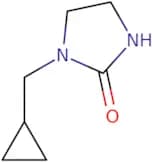
Formula:C6H8N2OPurity:Min. 95%Molecular weight:124.14 g/mol1-(Cyclopropylmethyl)imidazolidin-2-one
CAS:Versatile small molecule scaffold
Formula:C7H12N2OPurity:Min. 95%Molecular weight:140.18 g/molRef: 3D-XLC04672
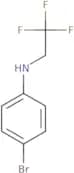
Discontinued product4-bromo-N-(2,2,2-trifluoroethyl)aniline
CAS:Versatile small molecule scaffold
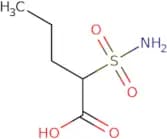
Formula:C8H7BrF3NPurity:Min. 95%Molecular weight:254 g/mol2-Sulfamoylpentanoic acid
CAS:Versatile small molecule scaffold
Formula:C5H11NO4SPurity:Min. 95%Molecular weight:181.21 g/molRef: 3D-XLC81845
Discontinued product3-methylpyridine-2-sulfinate lithium
CAS:Versatile small molecule scaffoldFormula:C6H6LiNO2SPurity:Min. 95%Molecular weight:163.1 g/mol4-Methyl-1,2-oxazolidin-4-ol hydrochloride
CAS:Versatile small molecule scaffold
Formula:C4H10ClNO2Purity:Min. 95%Molecular weight:139.6 g/molRef: 3D-XLD15344
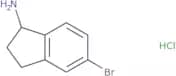
Discontinued product5-bromo-2,3-dihydro-1H-inden-1-amine hydrochloride
CAS:Controlled ProductVersatile small molecule scaffoldFormula:C9H11BrClNPurity:Min. 95%Molecular weight:248.5 g/mol2-(3-Amino-2-oxopiperidin-1-yl)acetic acid hydrochloride
CAS:Versatile small molecule scaffold
Formula:C7H13ClN2O3Purity:Min. 95%Molecular weight:208.6 g/molRef: 3D-XXC41801
Discontinued product5-Fluoropyridine-3-sulfonamide
CAS:Versatile small molecule scaffold
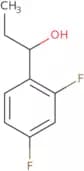
Formula:C5H5FN2O2SPurity:Min. 95%Molecular weight:176.17 g/mol1-(2,4-Difluorophenyl)propan-1-ol
CAS:Versatile small molecule scaffold
Formula:C9H10F2OPurity:Min. 95%Molecular weight:172.17 g/molRef: 3D-XZB99805
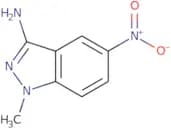
Discontinued product1-Methyl-5-nitro-1H-indazol-3-amine
CAS:Versatile small molecule scaffold
Formula:C8H8N4O2Purity:Min. 95%Molecular weight:192.18 g/mol3-Bromobenzo[b]thiophen-5-amine
CAS:Versatile small molecule scaffold
Formula:C8H6BrNSPurity:Min. 95%Molecular weight:228.11 g/molRef: 3D-YDA43436
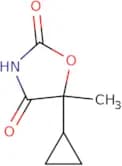
Discontinued product5-cyclopropyl-5-methyl-1,3-oxazolidine-2,4-dione
CAS:Versatile small molecule scaffold
Formula:C7H9NO3Purity:Min. 95%Molecular weight:155.15 g/molRef: 3D-YDA54752
Discontinued product4-Chloro-1,6-dimethyl-1H-pyrazolo[3,4-d]pyrimidine
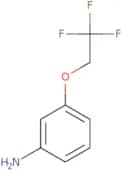
CAS:Versatile small molecule scaffoldFormula:C7H7ClN4Purity:Min. 95%Molecular weight:182.61 g/mol3-(2,2,2-Trifluoroethoxy)aniline
CAS:Versatile small molecule scaffold
Formula:C8H8F3NOPurity:Min. 95%Molecular weight:191.15 g/molrac-(2R,4S)-1-[(tert-Butoxy)carbonyl]-4-ethylpiperidine-2-carboxylic acid
CAS:Versatile small molecule scaffoldFormula:C13H23NO4Purity:Min. 95%Molecular weight:257.33 g/molRef: 3D-YEA81184
Discontinued product2-(5-Chloro-1-methyl-1H-imidazol-2-yl)-2,2-difluoroacetic acid hydrochloride
CAS:Versatile small molecule scaffoldFormula:C6H6Cl2F2N2O2Purity:Min. 95%Molecular weight:247 g/molRef: 3D-YGC02390
Discontinued product4-Acetyl-5-methyl-3-(propan-2-yl)-1H-pyrrole-2-carboxylic acid
CAS:Versatile small molecule scaffold
Formula:C11H15NO3Purity:Min. 95%Molecular weight:209.24 g/molRef: 3D-YGC02414
Discontinued product1-(3-Methoxyphenyl)-2-methylpropan-2-amine
CAS:Controlled ProductVersatile small molecule scaffold
Formula:C11H17NOPurity:Min. 95%Molecular weight:179.26 g/mol1-(1-Methylpiperidin-4-yl)-1H-pyrazol-4-amine hydrochloride
CAS:Versatile small molecule scaffold
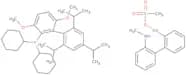
Formula:C9H17ClN4Purity:Min. 95%Molecular weight:216.71 g/molBrettPhos Pd G4
CAS:BrettPhos Pd G4 is a versatile polymer used in various research applications. It is commonly used in the field of organic chemistry as a catalyst for reactions involving epoxy chloropropane, clofarabine, iminostilbene, glycine, kavalactone, phenylboronic acid, carbamazepine, and other compounds. This polymer acts as a powerful catalyst and facilitates the synthesis of complex molecules by promoting efficient chemical transformations. Additionally, BrettPhos Pd G4 is known for its inhibitory effects on certain enzymes and can be used as an inhibitor in biochemical studies. Its unique properties make it an essential tool for researchers in the field of organic chemistry and beyond.
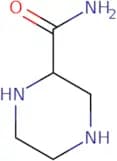
Formula:C49H68NO5PPdSPurity:Min. 95%Molecular weight:920.53 g/molPiperazine-2-carboxamide
CAS:Piperazine-2-carboxamide is a synthetic drug that is used to treat tuberculosis. It binds to the mycolic acid of the bacterial cell wall, preventing it from forming an outer layer and disrupting its function. Piperazine-2-carboxamide also inhibits the synthesis of fatty acids and amines in bacteria, which are necessary for their survival. This drug can be synthesized by reacting piperazine with formaldehyde and acetamide.
Formula:C5H11N3OPurity:Min. 95%Molecular weight:129.16 g/mol[2-(1H-Indol-4-yl)ethyl]dimethylamine
CAS:Controlled ProductVersatile small molecule scaffold
Formula:C12H16N2Purity:Min. 95%Molecular weight:188.27 g/molRef: 3D-JDA40101
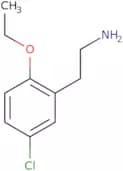
Discontinued product2-(5-Chloro-2-ethoxyphenyl)ethan-1-amine
CAS:Controlled ProductVersatile small molecule scaffoldFormula:C10H14ClNOPurity:Min. 95%Molecular weight:199.68 g/molRef: 3D-KLB38095
Discontinued product5-Cyclopropyl-7-oxa-5-azaspiro[3.4]octane-6,8-dione
CAS:Versatile small molecule scaffold
Formula:C9H11NO3Purity:Min. 95%Molecular weight:181.19 g/molRef: 3D-JBD33609
Discontinued product2-Benzoyl-2-azabicyclo[2.1.1]hexane-1-carboxylic acid
CAS:Versatile small molecule scaffold
Formula:C13H13NO3Purity:Min. 95%Molecular weight:231.25 g/molRef: 3D-JBD33608
Discontinued product5-Methyl-7-oxa-5-azaspiro[3.4]octane-6,8-dione
CAS:Versatile small molecule scaffold
Formula:C7H9NO3Purity:Min. 95%Molecular weight:155.15 g/molRef: 3D-JBD32590
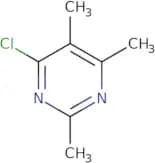
Discontinued product4-Chloro-2,5,6-trimethylpyrimidine
CAS:Versatile small molecule scaffold
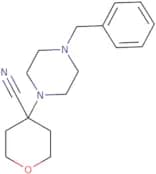
Formula:C7H9ClN2Purity:Min. 95%Molecular weight:156.61 g/mol4-(4-Benzylpiperazin-1-yl)oxane-4-carbonitrile
CAS:Versatile small molecule scaffoldFormula:C17H23N3OPurity:Min. 95%Molecular weight:285.4 g/molRef: 3D-KLB57537
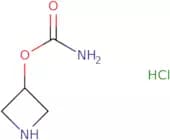
Discontinued productAzetidin-3-yl carbamate hydrochloride
CAS:Versatile small molecule scaffold
Formula:C4H9ClN2O2Purity:Min. 95%Molecular weight:152.58 g/molRef: 3D-KMB66838
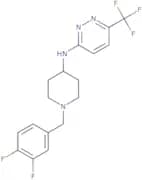
Discontinued productJNJ 37822681 dihydrochloride
CAS:JNJ 37822681 is a novel, potent, and selective small molecule inhibitor of the enzyme fatty acid amide hydrolase (FAAH), which is involved in the degradation of anandamide, a cannabinoid receptor ligand. The compound has been shown to be efficacious in animal models predictive of antipsychotic activity.
Formula:C17H17F5N4Purity:Min. 95%Molecular weight:372.34 g/molRef: 3D-KMB77674
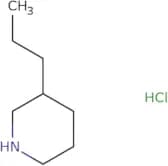
Discontinued product3-Propylpiperidine hydrochloride
CAS:Versatile small molecule scaffold
Formula:C8H18ClNPurity:Min. 95%Molecular weight:163.69 g/molRef: 3D-IJB44389
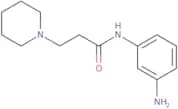
Discontinued productN-(3-Aminophenyl)-3-(piperidin-1-yl)propanamide
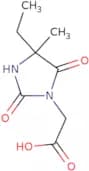
CAS:Versatile small molecule scaffoldFormula:C14H21N3OPurity:Min. 95%Molecular weight:247.34 g/mol(4-Ethyl-4-methyl-2,5-dioxo-imidazolidin-1-yl)-acetic acid
CAS:Versatile small molecule scaffold
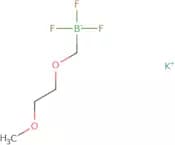
Formula:C8H12N2O4Purity:Min. 95%Molecular weight:200.2 g/molPotassium 2-methoxyethoxymethyltrifluoroborate
CAS:Versatile small molecule scaffold
Formula:C4H9BF3KO2Purity:Min. 95%Molecular weight:196.02 g/molRef: 3D-KLB25113
Discontinued product3-Hydroxy-5-methylpyridine
CAS:3-Hydroxy-5-methylpyridine (3HMP) is a chemical substance that has been classified as an amine. It is a product of the metabolism of purines, which are nitrogenous bases found in DNA and RNA. 3HMP is produced by aerogenic bacteria (such as Enterobacter), and can be used to estimate the number of these bacteria present in water samples. 3HMP has been shown to have antiviral properties against influenza virus, and can be used as a biomarker for the presence of other viruses in animals. 3HMP also has mineralization properties, which have been studied extensively, particularly with regards to pancreatic disease.
Formula:C6H7NOPurity:Min. 95%Color and Shape:PowderMolecular weight:109.13 g/molRef: 3D-FH16174
Discontinued product1-Hydroxycyclopentane-1-carbonitrile
CAS:1-Hydroxycyclopentane-1-carbonitrile is a monomer that is hydrolyzed to form benzoin and cyanohydrins. It can be used in the production of scifinder as a monomer or dimerizer.
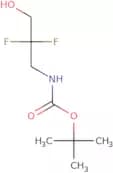
Formula:C6H9NOPurity:Min. 95%Molecular weight:111.14 g/moltert-Butyl (2,2-difluoro-3-hydroxypropyl)carbamate
CAS:Versatile small molecule scaffoldFormula:C10H13NO4Purity:Min. 95%Molecular weight:211.21 g/mol8-Bromo-2-methylimidazo[1,2-a]pyridine
CAS:Versatile small molecule scaffold
Formula:C8H7N2BrPurity:Min. 95%Molecular weight:211.05 g/mol2-Bromo-3,3,3-trifluoro-1-propene
CAS:Controlled Product2-Bromo-3,3,3-trifluoro-1-propene is a chemical compound that has been synthesized in an asymmetric reaction. The reactant is bromopropane and the product is 2,2,2-trifluoropropene. The methylene group on the propene molecule is activated by the nucleophilic attack of a fluoride ion from hydrogen fluoride to form a cavity with a highly strained bond. The kinetic study of this reaction revealed that the activation energy for the reaction is 42 kJ/mol. Palladium-catalyzed coupling reactions are catalyzed by palladium and require nonpolar solvents such as toluene or dichloromethane. This type of reaction has been shown to be exothermic with an isolated yield of 1%.
Formula:C3H2BrF3Purity:Min. 95%Color and Shape:Colorless PowderMolecular weight:174.95 g/mol4,5-Dihydro-1H-imidazol-2-amine hydrochloride
CAS:Please enquire for more information about 4,5-Dihydro-1H-imidazol-2-amine hydrochloride including the price, delivery time and more detailed product information at the technical inquiry form on this page
Formula:C3H7N3•HClPurity:Min. 95%Molecular weight:121.57 g/molRef: 3D-FD183639
Discontinued product4-Chloro-2-hydroxy-6-methylphenylboronic acid
CAS:Versatile small molecule scaffoldFormula:C7H8BClO3Purity:Min. 95%Molecular weight:186.4 g/mol4,5-Dihydroxy-2,3-Pentanedione
CAS:4,5-Dihydroxy-2,3-pentanedione is a carbonyl compound that is the product of the oxidation of ascorbic acid. It is used in wastewater treatment and has antimicrobial properties against infectious diseases. This compound has been shown to inhibit protein synthesis by binding to the ribosome and preventing the formation of peptide bonds between amino acids. 4,5-Dihydroxy-2,3-pentanedione has also been shown to bind to plasma proteins, which may be due to its acyl chain structure. 4,5-Dihydroxy-2,3-pentanedione can be synthesized in a catalytic mechanism that involves dehydroascorbic acid and molecular oxygen.
Formula:C5H8O4Purity:Min. 95%Color and Shape:PowderMolecular weight:132.11 g/molRef: 3D-FD180770
Discontinued productPiperyline
CAS:Piperyline is an alkanoic acid that has shown to be effective against skin cancer. It also has antimicrobial properties, which may be due to its ability to bind metal ions and form polymeric compounds. Piperyline inhibits microbial growth by inhibiting the synthesis of proteins and nucleic acids. The antimicrobial activity is related to its cationic polymerization with hydroxyl groups, which forms a structure that can inhibit microbial enzymes and disrupt microbial cell membranes. This compound also interacts with the skin's natural lipids, making it difficult for microorganisms to attach and grow on the skin. Piperyline is synthesized in organic chemistry laboratories as an amide precursor of other pharmaceuticals such as penicillin.
Formula:C16H17NO3Purity:Min. 95%Molecular weight:271.31 g/mol

![rac-(3aR,6aS)-Hexahydropyrrolo[3,4-c]pyrrol-1(2H)-one hydrochloride](/_next/image/?url=https%3A%2Fstatic.cymitquimica.com%2Fproducts%2F3D%2Fthumb-webp%2FVXC58134.webp&w=3840&q=75)
![2-[3-(Propan-2-yl)phenoxy]acetic acid](/_next/image/?url=https%3A%2Fstatic.cymitquimica.com%2Fproducts%2F3D%2Fthumb-webp%2FBAA87852.webp&w=3840&q=75)
![2'-[(tert-Butoxy)carbonyl]-2',3'-dihydro-1'H-spiro[cyclopropane-1,4'-isoquinoline]-1'-carboxylic a…](/_next/image/?url=https%3A%2Fstatic.cymitquimica.com%2Fproducts%2F3D%2Fthumb-webp%2FWLD79997.webp&w=3840&q=75)


![2-(2-[(Propan-2-yloxy)methyl]phenyl)acetic acid](/_next/image/?url=https%3A%2Fstatic.cymitquimica.com%2Fproducts%2F3D%2Fthumb-webp%2FXLC02690.webp&w=3840&q=75)



![3-Bromobenzo[b]thiophen-5-amine](/_next/image/?url=https%3A%2Fstatic.cymitquimica.com%2Fproducts%2F3D%2Fthumb-webp%2FYDA43436.webp&w=3840&q=75)
![4-Chloro-1,6-dimethyl-1H-pyrazolo[3,4-d]pyrimidine](/_next/image/?url=https%3A%2Fstatic.cymitquimica.com%2Fproducts%2F3D%2Fthumb-webp%2FYDA55075.webp&w=3840&q=75)
![rac-(2R,4S)-1-[(tert-Butoxy)carbonyl]-4-ethylpiperidine-2-carboxylic acid](/_next/image/?url=https%3A%2Fstatic.cymitquimica.com%2Fproducts%2F3D%2Fthumb-webp%2FYEA81184.webp&w=3840&q=75)

![[2-(1H-Indol-4-yl)ethyl]dimethylamine](/_next/image/?url=https%3A%2Fstatic.cymitquimica.com%2Fproducts%2F3D%2Fthumb-webp%2FJDA40101.webp&w=3840&q=75)
![5-Cyclopropyl-7-oxa-5-azaspiro[3.4]octane-6,8-dione](/_next/image/?url=https%3A%2Fstatic.cymitquimica.com%2Fproducts%2F3D%2Fthumb-webp%2FJBD33609.webp&w=3840&q=75)
![2-Benzoyl-2-azabicyclo[2.1.1]hexane-1-carboxylic acid](/_next/image/?url=https%3A%2Fstatic.cymitquimica.com%2Fproducts%2F3D%2Fthumb-webp%2FJBD33608.webp&w=3840&q=75)
![5-Methyl-7-oxa-5-azaspiro[3.4]octane-6,8-dione](/_next/image/?url=https%3A%2Fstatic.cymitquimica.com%2Fproducts%2F3D%2Fthumb-webp%2FJBD32590.webp&w=3840&q=75)


![8-Bromo-2-methylimidazo[1,2-a]pyridine](/_next/image/?url=https%3A%2Fstatic.cymitquimica.com%2Fproducts%2F3D%2Fthumb-webp%2FUXB37475.webp&w=3840&q=75)




