Building Blocks
Subcategories of "Building Blocks"
- Boronic Acids & Boronic Acid Derivatives(5,778 products)
- Chiral Building Blocks(1,243 products)
- Hydrocarbon Building Blocks(6,099 products)
- Organic Building Blocks(61,038 products)
Found 205376 products of "Building Blocks"
(1S)-1-(Oxan-4-yl)ethan-1-ol
CAS:Versatile small molecule scaffold
Formula:C7H14O2Purity:Min. 95%Molecular weight:130.18 g/molRef: 3D-SMC98537
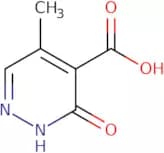
Discontinued product2,3-Dihydro-5-methyl-3-oxopyridazine-4-carboxylic acid
CAS:Versatile small molecule scaffoldFormula:C6H6N2O3Purity:Min. 95%Molecular weight:154.12 g/molRef: 3D-SNA40251
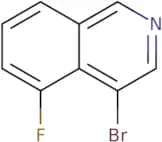
Discontinued product4-Bromo-5-fluoro-isoquinoline
CAS:Versatile small molecule scaffold
Formula:C9H5BrFNPurity:Min. 95%Molecular weight:226.04 g/molRef: 3D-BPA45758
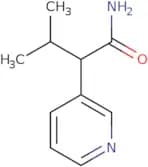
Discontinued product3-Methyl-2-(pyridin-3-yl)butanamide
CAS:Versatile small molecule scaffold
Formula:C10H14N2OPurity:Min. 95%Molecular weight:178.23 g/molRef: 3D-BFC36176
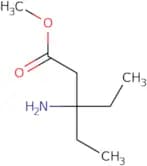
Discontinued productMethyl 3-amino-3-ethylpentanoate
CAS:Versatile small molecule scaffold
Formula:C8H17NO2Purity:Min. 95%Molecular weight:159.23 g/molRef: 3D-BFC28653
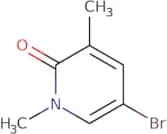
Discontinued product5-Bromo-1,3-dimethylpyridin-2(1H)-one
CAS:Benzyne is a reactive intermediate that is formed by the tautomerization of 5-bromo-1,3-dimethylpyridin-2(1H)-one. It is an adduct between a bromine atom and a benzene ring. This compound has been shown to react with electron-rich olefins to form bicyclic compounds called diels-alder adducts. These reactions are often catalyzed by metals, such as palladium or nickel. Benzyne also reacts with triple bonds or other electron rich centers to form benzyne adducts, which are highly reactive and can be used as chemical probes for electron density in molecules.
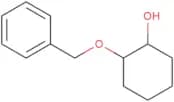
Formula:C7H8BrNOPurity:Min. 95%Molecular weight:202.05 g/molrac-(1R,2R)-2-(Benzyloxy)cyclohexan-1-ol
CAS:Versatile small molecule scaffold
Formula:C13H18O2Purity:Min. 95%Molecular weight:206.28 g/molRef: 3D-BCA32929
Discontinued productMethyl 4-chloro-1-ethyl-1H-pyrazole-5-carboxylate
CAS:Versatile small molecule scaffold
Formula:C7H9ClN2O2Purity:Min. 95%Molecular weight:188.61 g/molRef: 3D-SSC71497
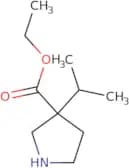
Discontinued productEthyl 3-(propan-2-yl)pyrrolidine-3-carboxylate
CAS:Versatile small molecule scaffold
Formula:C10H19NO2Purity:Min. 95%Molecular weight:185.26 g/molRef: 3D-SSC72215
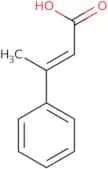
Discontinued product3-Phenylbut-2-enoic acid
CAS:3-Phenylbut-2-enoic acid is a prochiral, carbonyl compound that can be used in the synthesis of chiral pharmaceuticals. Mechanistic studies have shown that 3-phenylbut-2-enoic acid is a catalytic hydrogenation reagent that converts prochiral substrates to their corresponding chiral products. When combined with binap and butenoic acid, 3-phenylbut-2-enoic acid can catalyze the asymmetric synthesis of butenoate. The reaction yields high enantiomeric excesses and good yields.
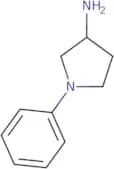
Formula:C10H10O2Purity:Min. 95%Molecular weight:162.19 g/mol3-Pyrrolidinamine, 1-phenyl-
CAS:Versatile small molecule scaffold
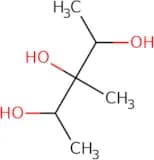
Formula:C10H14N2Purity:Min. 95%Molecular weight:162.23 g/mol3-Methylpentane-2,3,4-triol
CAS:Versatile small molecule scaffold
Formula:C6H14O3Purity:Min. 95%Molecular weight:134.17 g/molRef: 3D-BAA18510
Discontinued product2-[(4-Bromophenyl)sulfanyl]-2-methylpropanoic acid
CAS:Versatile small molecule scaffold
Formula:C10H11BrO2SPurity:Min. 95%Molecular weight:275.16 g/molRef: 3D-TAA52716
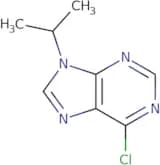
Discontinued product6-Chloro-9-(propan-2-yl)-9H-purine
CAS:6-Chloro-9-(propan-2-yl)-9H-purine is an intermediate in the synthesis of nucleoside analogues. It is obtained by the catalyzed reaction of acetonitrile and purines, which undergoes regioisomerization to form a mixture of 6-chloro-9-(propyl)- and 6-chloro-9-(butyl)purine. This intermediate can be used for the alkynylation of amino acids or peptides with alkynes. The selective formation of one regioisomer can be achieved by using a chiral catalyst or by reacting with an optically active reagent such as (+)-camphor sulfonic acid.
Formula:C8H9ClN4Purity:Min. 95%Molecular weight:196.64 g/molRef: 3D-AVA53908
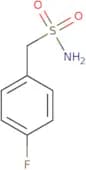
Discontinued product(4-Fluorophenyl)methanesulfonamide
CAS:Versatile small molecule scaffold
Formula:C7H8FNO2SPurity:Min. 95%Molecular weight:189.21 g/mol4-(Dimethyl-1,2-oxazol-4-yl)phenol
CAS:Versatile small molecule scaffold
Formula:C11H11NO2Purity:Min. 95%Molecular weight:189.21 g/molRef: 3D-AKB62875
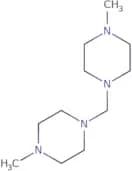
Discontinued productBis(4-methylpiperazin-1-yl)methane
CAS:Versatile small molecule scaffold
Formula:C11H24N4Purity:Min. 95%Molecular weight:212.34 g/molRef: 3D-TAA73933
Discontinued product1-(6-Chloro-4-pyrimidinyl)indoline
CAS:Versatile small molecule scaffold
Formula:C12H10ClN3Purity:Min. 95%Molecular weight:231.69 g/molRef: 3D-TLA29233
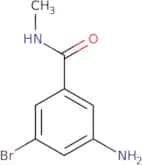
Discontinued product3-Amino-5-bromo-N-methylbenzamide
CAS:Versatile small molecule scaffold
Formula:C8H9BrN2OPurity:Min. 95%Molecular weight:229.07 g/molRef: 3D-AFC06914
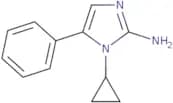
Discontinued product1-Cyclopropyl-5-phenyl-1H-imidazol-2-amine
CAS:Versatile small molecule scaffold
Formula:C12H13N3Purity:Min. 95%Molecular weight:199.25 g/molRef: 3D-TLB80162
Discontinued product6-Bromoimidazo[2,1-b][1,3]thiazole
CAS:Versatile small molecule scaffold
Formula:C5H3BrN2SPurity:Min. 95%Molecular weight:203.06 g/molRef: 3D-ADA00130
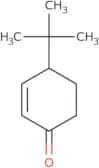
Discontinued product4-tert-Butylcyclohex-2-en-1-one
CAS:Versatile small molecule scaffold
Formula:C10H16OPurity:Min. 95%Molecular weight:152.23 g/molRef: 3D-AAA93707
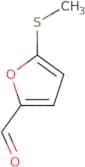
Discontinued product5-(Methylsulfanyl)furan-2-carbaldehyde
CAS:Versatile small molecule scaffold
Formula:C6H6O2SPurity:Min. 95%Molecular weight:142.18 g/molRef: 3D-AAA93294
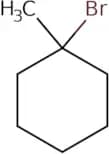
Discontinued product1-Bromo-1-methylcyclohexane
CAS:1-Bromo-1-methylcyclohexane is a monomolecular gas that is used as an intermediate in organic synthesis. It reacts with halides to form cyclopentyl derivatives. This reaction has been shown to be faster than the corresponding reaction of 1-bromocyclohexane with chlorides or bromides. The rate of this reaction may be due to the polarizability and conformational changes of the molecule upon substitution by a methyl group. 1-Bromo-1-methylcyclohexane is also an ionizing reagent, which means it can cause electrophilic reactions to occur on other molecules. It has been found that the solvent effect on this product can affect its reactivity, with solvents such as water having more of an effect than solvents such as benzene. 1-Bromo-1-methylcyclohexane has been shown to interact with other compounds in both transfer and complex
Formula:C7H13BrPurity:Min. 95%Molecular weight:177.08 g/molRef: 3D-AAA93177
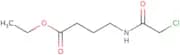
Discontinued productEthyl 4-(2-chloroacetamido)butanoate
CAS:Versatile small molecule scaffold
Formula:C8H14ClNO3Purity:Min. 95%Molecular weight:207.65 g/molRef: 3D-TMA27137
Discontinued productN-[Carbamothioyl(phenyl)methyl]benzamide
CAS:Versatile small molecule scaffold
Formula:C15H14N2OSPurity:Min. 95%Molecular weight:270.3 g/molRef: 3D-AAA89278
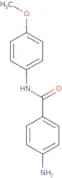
Discontinued product4-Amino-n-(4-methoxyphenyl)benzamide
CAS:4-Amino-N-(4-methoxyphenyl)benzamide is a catalytic sulfamate that has been optimized for use in the synthesis of benzimidazole derivatives. 4-Amino-N-(4-methoxyphenyl)benzamide is used as a reagent for the preparation of aldehydes from sulfamic acid and various types of carboxylic acids. The reaction mechanism involves nucleophilic attack by the hydroxyl group from the sulfamate on the carbonyl carbon atom to form an intermediate, which then reacts with water to release hydrogen sulfate and form a new double bond.
Formula:C14H14N2O2Purity:Min. 95%Molecular weight:242.27 g/molRef: 3D-AAA89135
Discontinued product2-(5,6-Difluoro-1H-indol-3-yl)ethan-1-amine hydrochloride
CAS:Controlled ProductVersatile small molecule scaffoldFormula:C10H11ClF2N2Purity:Min. 95%Molecular weight:232.66 g/molMethyl 2-Octynoate
CAS:Methyl 2-octynoate is a chemical that has been shown to bind to the nicotinic acetylcholine receptor. Methyl 2-octynoate has been shown to have antitumor activity in various types of cancer cells, including breast, prostate, and lung cancer cells. This chemical is not known to be chemically stable or film-forming. It also disrupts mitochondrial membrane potential and reduces the endpoints of oxidative phosphorylation. Methyl 2-octynoate was found to have low potency against cancer cells in vitro and in vivo.
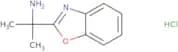
Formula:C9H14O2Purity:Min. 95%Molecular weight:154.21 g/mol2-(1,3-Benzoxazol-2-yl)propan-2-amine hydrochloride
CAS:Versatile small molecule scaffoldFormula:C10H13ClN2OPurity:Min. 95%Molecular weight:212.67 g/molRef: 3D-UGD90278
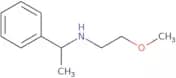
Discontinued product(2-Methoxyethyl)(1-phenylethyl)amine
CAS:Versatile small molecule scaffold
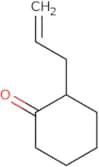
Formula:C11H17NOPurity:Min. 95%Molecular weight:179.26 g/mol2-Allylcyclohexanone
CAS:2-Allylcyclohexanone is an unsaturated ketone that is synthesized by the ring-opening of allyl cyclohexane carboxylate with sodium hydroxide. It can be used as a chemical intermediate for the synthesis of other compounds. 2-Allylcyclohexanone can also be used to react with hydroxide solution to produce a salt and an alcohol. The hydroxide solution can act as a base, reducing the carbonyl group in the presence of an acid to form the corresponding alcohol. This reaction is stereoselective because it only occurs when there are two different groups on adjacent carbons.
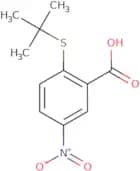
2-Allylcyclohexanone has been shown to inhibit non-nucleoside reverse transcriptase inhibitors (NNRTIs) such as nevirapine, efavirenz, and delavirdine. In addition, it has been found to have functional groups that are capable of reactingFormula:C9H14OPurity:Min. 95%Molecular weight:138.21 g/mol2-(tert-Butylsulfanyl)-5-nitrobenzoic acid
CAS:Versatile small molecule scaffold
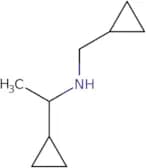
Formula:C11H13NO4SPurity:Min. 95%Molecular weight:255.29 g/mol(1-Cyclopropylethyl)(cyclopropylmethyl)amine
CAS:Versatile small molecule scaffold
Formula:C9H17NPurity:Min. 95%Molecular weight:139.24 g/molRef: 3D-UQB56165
Discontinued productMethyl 3-(4-nitro-1H-pyrazol-1-yl)propanoate
CAS:Versatile small molecule scaffold
Formula:C7H9N3O4Purity:Min. 95%Molecular weight:199.16 g/molRef: 3D-UUA74722
Discontinued product3-Amino-3-[3-(trifluoromethoxy)phenyl]propan-1-ol
CAS:Versatile small molecule scaffold
Formula:C10H12F3NO2Purity:Min. 95%Molecular weight:235.2 g/molRef: 3D-VAC40236
Discontinued product6-[3-(3-Chlorophenyl)-1,2,4-oxadiazol-5-yl]-2,3-dihydropyridazin-3-one
CAS:Versatile small molecule scaffold
Formula:C12H7ClN4O2Purity:Min. 95%Molecular weight:274.66 g/molRef: 3D-VEC59761
Discontinued productEthyl 1-amino-1-cyclobutanecarboxylate monohydrochloride
CAS:Ethyl 1-amino-1-cyclobutanecarboxylate monohydrochloride is a cyclic carbonyl compound that is used as a building block in organic synthesis. It has been used to synthesize a number of natural products, such as piperarborenine and cyclobutanes. This compound can be synthesized by reacting ethyl chloroformate with cyclobutanecarbaldehyde in the presence of an acid or base catalyst. The steric and geometric properties of this molecule are highlighted below.
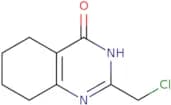
Formula:C2H5O2CC4H6NH2·HClPurity:Min. 95%Molecular weight:179.64 g/mol2-(Chloromethyl)-5,6,7,8-tetrahydroquinazolin-4(3H)-one
CAS:Versatile small molecule scaffold
Formula:C9H11ClN2OPurity:Min. 95%Molecular weight:198.65 g/mol2-Cyclopentyloxy-benzaldehyde
CAS:2-Cyclopentyloxy-benzaldehyde has potent inhibitory activity against inflammatory diseases. It is a chemical compound that contains an amido group and two cyclopentyloxy groups. 2-Cyclopentyloxy-benzaldehyde inhibits the activation of glycogen synthase kinase-3, which is a protein that regulates inflammation in the body. This substance can be used to inhibit the spread of HIV or viral infections by inhibiting protein synthesis in these viruses. 2-Cyclopentyloxy-benzaldehyde also has an inhibitory effect on cachexia, which is a condition characterized by weight loss, muscle wasting, and fatigue.
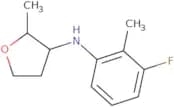
Formula:C12H14O2Purity:Min. 95%Molecular weight:190.24 g/molN-(3-Fluoro-2-methylphenyl)-2-methyloxolan-3-amine
CAS:Versatile small molecule scaffold
Formula:C12H16FNOPurity:Min. 95%Molecular weight:209.26 g/molRef: 3D-VLC28556
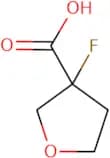
Discontinued product3-Fluorooxolane-3-carboxylic acid
CAS:Versatile small molecule scaffold
Formula:C5H7FO3Purity:Min. 95%Molecular weight:134.11 g/molRef: 3D-VLC58366
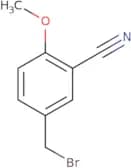
Discontinued product5-(Bromomethyl)-2-methoxybenzonitrile
CAS:Versatile small molecule scaffoldFormula:C9H8BrNOPurity:Min. 95%Molecular weight:226.07 g/molRef: 3D-VMA40791
Discontinued product[2-(3-Methoxyphenyl)ethyl][(trimethyl-1H-pyrazol-4-yl)methyl]amine
CAS:Versatile small molecule scaffold
Formula:C16H23N3OPurity:Min. 95%Molecular weight:273.37 g/molRef: 3D-VWB92946
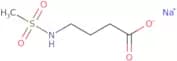
Discontinued productSodium 4-methanesulfonamidobutanoate
CAS:Versatile small molecule scaffold
Formula:C5H10NNaO4SPurity:Min. 95%Molecular weight:203.19 g/moltert-Butyl 8-oxa-4-azabicyclo[5.1.0]octane-4-carboxylate
CAS:Versatile small molecule scaffoldFormula:C11H19NO3Purity:Min. 95%Molecular weight:213.27 g/molRef: 3D-WGB06215
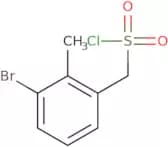
Discontinued product(3-Bromo-2-methylphenyl)methanesulfonyl chloride
CAS:Versatile small molecule scaffoldFormula:C8H8BrClO2SPurity:Min. 95%Molecular weight:283.57 g/molRef: 3D-WKC59753
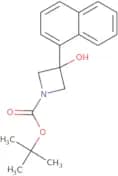
Discontinued producttert-Butyl 3-hydroxy-3-(naphthalen-1-yl)azetidine-1-carboxylate
CAS:Versatile small molecule scaffold
Formula:C18H21NO3Purity:Min. 95%Molecular weight:299.4 g/molRef: 3D-WSC84861
Discontinued product2-[(4-Methylpiperazin-1-yl)methyl]-1H-1,3-benzodiazol-6-amine
CAS:Versatile small molecule scaffold
Formula:C13H19N5Purity:Min. 95%Molecular weight:245.32 g/molRef: 3D-WTB32161
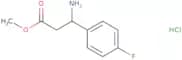
Discontinued productMethyl (S)-3-amino-3-(4-fluorophenyl)propanoate hydrochloride
CAS:Versatile small molecule scaffoldFormula:C10H13ClFNO2Purity:Min. 95%Molecular weight:233.67 g/molRef: 3D-WZB17474
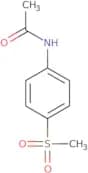
Discontinued product4'-(Methylsulfonyl)acetanilide
CAS:4'-(Methylsulfonyl)acetanilide is an organic compound that has been shown to have antibacterial and antiviral activity. It targets the benzene nucleus, and inhibits the synthesis of nucleic acids by inhibiting the enzyme ribonucleotide reductase. 4'-(Methylsulfonyl)acetanilide also inhibits viral replication, by binding to the active site of a viral protein (a DNA polymerase), which blocks the incorporation of nucleotides into the virus's DNA. In addition, 4'-(methylsulfonyl)acetanilide is an anti-helminthic agent, as it can inhibit worm motility and kill larvae in vitro. The structure-activity relationships between this molecule and other benzimidazole derivatives were analysed in order to identify new potential drugs for treating diseases caused by viruses or parasites.
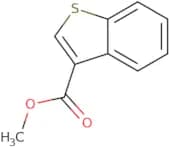
Formula:C9H11NO3SPurity:Min. 95%Molecular weight:213.26 g/molMethyl benzothiophene-3-carboxylate
CAS:Versatile small molecule scaffold
Formula:C10H8O2SPurity:Min. 95%Molecular weight:192.23 g/mol3-(5-Methyl-[1,3,4]oxadiazol-2-yl)-phenylamine
CAS:Versatile small molecule scaffold
Formula:C9H9N3OPurity:Min. 95%Molecular weight:175.19 g/molRef: 3D-XEA73340
Discontinued product1,8-Dioxa-4-azaspiro[4.5]decane
CAS:Versatile small molecule scaffold
Formula:C7H13NO2Purity:Min. 95%Molecular weight:143.18 g/molRef: 3D-XEA82412
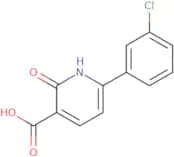
Discontinued product6-(3-Chlorophenyl)-2-oxo-1,2-dihydropyridine-3-carboxylic Acid
CAS:Versatile small molecule scaffoldFormula:C12H8ClNO3Purity:Min. 95%Molecular weight:249.65 g/molRef: 3D-XFA26919
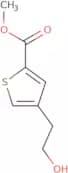
Discontinued productMethyl 4-(2-hydroxyethyl)thiophene-2-carboxylate
CAS:Versatile small molecule scaffold
Formula:C8H10O3SPurity:Min. 95%Molecular weight:186.23 g/molRef: 3D-XKA13060
Discontinued product[2-(2-Methoxyethoxy)pyridin-4-yl]methanol
CAS:Versatile small molecule scaffold
Formula:C9H13NO3Purity:Min. 95%Molecular weight:183.2 g/molRef: 3D-XKB95076
Discontinued producttert-Butyl N-[(2R)-4-chloro-3-oxobutan-2-yl]carbamate
CAS:Versatile small molecule scaffold
Formula:C9H16ClNO3Purity:Min. 95%Color and Shape:PowderMolecular weight:221.68 g/molRef: 3D-XKC24150
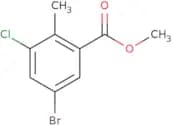
Discontinued productMethyl 5-bromo-3-chloro-2-methylbenzoate
CAS:Versatile small molecule scaffold
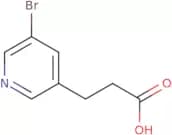
Formula:C9H8BrClO2Purity:Min. 95%Molecular weight:263.51 g/mol3-(5-Bromopyridin-3-yl)propanoic acid
CAS:Versatile small molecule scaffold
Formula:C8H8BrNO2Purity:Min. 95%Molecular weight:230.06 g/molRef: 3D-XQB12898
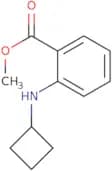
Discontinued productMethyl 2-(cyclobutylamino)benzoate
CAS:Versatile small molecule scaffold
Formula:C12H15NO2Purity:Min. 95%Molecular weight:205.25 g/molRef: 3D-XZB08429
Discontinued product6-Methyl-6,7,8,9-tetrahydro-5H-benzo[7]annulen-5-amine
CAS:Versatile small molecule scaffold
Formula:C12H17NPurity:Min. 95%Molecular weight:175.27 g/molRef: 3D-XZB08898
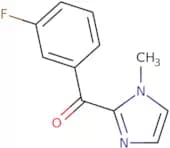
Discontinued product2-(3-Fluorobenzoyl)-1-methyl-1H-imidazole
CAS:Controlled ProductVersatile small molecule scaffold
Formula:C11H9FN2OPurity:Min. 95%Molecular weight:204.2 g/molRef: 3D-XZB47386
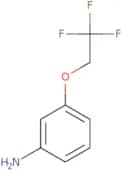
Discontinued product3-(2,2,2-Trifluoroethoxy)aniline
CAS:Versatile small molecule scaffold
Formula:C8H8F3NOPurity:Min. 95%Molecular weight:191.15 g/molrac-(2R,4S)-1-[(tert-Butoxy)carbonyl]-4-ethylpiperidine-2-carboxylic acid
CAS:Versatile small molecule scaffoldFormula:C13H23NO4Purity:Min. 95%Molecular weight:257.33 g/molRef: 3D-YEA81184
Discontinued product1-(3-Methoxyphenyl)-2-methylpropan-2-amine
CAS:Controlled ProductVersatile small molecule scaffold
Formula:C11H17NOPurity:Min. 95%Molecular weight:179.26 g/mol1-(1-Methylpiperidin-4-yl)-1H-pyrazol-4-amine hydrochloride
CAS:Versatile small molecule scaffold
Formula:C9H17ClN4Purity:Min. 95%Molecular weight:216.71 g/mol4-Chloro-2-hydroxy-6-methylphenylboronic acid
CAS:Versatile small molecule scaffoldFormula:C7H8BClO3Purity:Min. 95%Molecular weight:186.4 g/mol3-Hydroxy-5-methylpyridine
CAS:3-Hydroxy-5-methylpyridine (3HMP) is a chemical substance that has been classified as an amine. It is a product of the metabolism of purines, which are nitrogenous bases found in DNA and RNA. 3HMP is produced by aerogenic bacteria (such as Enterobacter), and can be used to estimate the number of these bacteria present in water samples. 3HMP has been shown to have antiviral properties against influenza virus, and can be used as a biomarker for the presence of other viruses in animals. 3HMP also has mineralization properties, which have been studied extensively, particularly with regards to pancreatic disease.
Formula:C6H7NOPurity:Min. 95%Color and Shape:PowderMolecular weight:109.13 g/molRef: 3D-FH16174
Discontinued product2-Bromo-3,3,3-trifluoro-1-propene
CAS:Controlled Product2-Bromo-3,3,3-trifluoro-1-propene is a chemical compound that has been synthesized in an asymmetric reaction. The reactant is bromopropane and the product is 2,2,2-trifluoropropene. The methylene group on the propene molecule is activated by the nucleophilic attack of a fluoride ion from hydrogen fluoride to form a cavity with a highly strained bond. The kinetic study of this reaction revealed that the activation energy for the reaction is 42 kJ/mol. Palladium-catalyzed coupling reactions are catalyzed by palladium and require nonpolar solvents such as toluene or dichloromethane. This type of reaction has been shown to be exothermic with an isolated yield of 1%.
Formula:C3H2BrF3Purity:Min. 95%Color and Shape:Colorless PowderMolecular weight:174.95 g/mol1-Hydroxycyclopentane-1-carbonitrile
CAS:1-Hydroxycyclopentane-1-carbonitrile is a monomer that is hydrolyzed to form benzoin and cyanohydrins. It can be used in the production of scifinder as a monomer or dimerizer.
Formula:C6H9NOPurity:Min. 95%Molecular weight:111.14 g/mol4,5-Dihydro-1H-imidazol-2-amine hydrochloride
CAS:Please enquire for more information about 4,5-Dihydro-1H-imidazol-2-amine hydrochloride including the price, delivery time and more detailed product information at the technical inquiry form on this page
Formula:C3H7N3•HClPurity:Min. 95%Molecular weight:121.57 g/molRef: 3D-FD183639
Discontinued product8-Bromo-2-methylimidazo[1,2-a]pyridine
CAS:Versatile small molecule scaffold
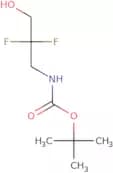
Formula:C8H7N2BrPurity:Min. 95%Molecular weight:211.05 g/moltert-Butyl (2,2-difluoro-3-hydroxypropyl)carbamate
CAS:Versatile small molecule scaffoldFormula:C10H13NO4Purity:Min. 95%Molecular weight:211.21 g/mol4,5-Dihydroxy-2,3-Pentanedione
CAS:4,5-Dihydroxy-2,3-pentanedione is a carbonyl compound that is the product of the oxidation of ascorbic acid. It is used in wastewater treatment and has antimicrobial properties against infectious diseases. This compound has been shown to inhibit protein synthesis by binding to the ribosome and preventing the formation of peptide bonds between amino acids. 4,5-Dihydroxy-2,3-pentanedione has also been shown to bind to plasma proteins, which may be due to its acyl chain structure. 4,5-Dihydroxy-2,3-pentanedione can be synthesized in a catalytic mechanism that involves dehydroascorbic acid and molecular oxygen.
Formula:C5H8O4Purity:Min. 95%Color and Shape:PowderMolecular weight:132.11 g/molRef: 3D-FD180770
Discontinued productPiperyline
CAS:Piperyline is an alkanoic acid that has shown to be effective against skin cancer. It also has antimicrobial properties, which may be due to its ability to bind metal ions and form polymeric compounds. Piperyline inhibits microbial growth by inhibiting the synthesis of proteins and nucleic acids. The antimicrobial activity is related to its cationic polymerization with hydroxyl groups, which forms a structure that can inhibit microbial enzymes and disrupt microbial cell membranes. This compound also interacts with the skin's natural lipids, making it difficult for microorganisms to attach and grow on the skin. Piperyline is synthesized in organic chemistry laboratories as an amide precursor of other pharmaceuticals such as penicillin.
Formula:C16H17NO3Purity:Min. 95%Molecular weight:271.31 g/mol



![2-[(4-Bromophenyl)sulfanyl]-2-methylpropanoic acid](/_next/image/?url=https%3A%2Fstatic.cymitquimica.com%2Fproducts%2F3D%2Fthumb-webp%2FTAA52716.webp&w=3840&q=75)


![6-Bromoimidazo[2,1-b][1,3]thiazole](/_next/image/?url=https%3A%2Fstatic.cymitquimica.com%2Fproducts%2F3D%2Fthumb-webp%2FADA00130.webp&w=3840&q=75)
![N-[Carbamothioyl(phenyl)methyl]benzamide](/_next/image/?url=https%3A%2Fstatic.cymitquimica.com%2Fproducts%2F3D%2Fthumb-webp%2FAAA89278.webp&w=3840&q=75)



![3-Amino-3-[3-(trifluoromethoxy)phenyl]propan-1-ol](/_next/image/?url=https%3A%2Fstatic.cymitquimica.com%2Fproducts%2F3D%2Fthumb-webp%2FVAC40236.webp&w=3840&q=75)
![6-[3-(3-Chlorophenyl)-1,2,4-oxadiazol-5-yl]-2,3-dihydropyridazin-3-one](/_next/image/?url=https%3A%2Fstatic.cymitquimica.com%2Fproducts%2F3D%2Fthumb-webp%2FVEC59761.webp&w=3840&q=75)


![[2-(3-Methoxyphenyl)ethyl][(trimethyl-1H-pyrazol-4-yl)methyl]amine](/_next/image/?url=https%3A%2Fstatic.cymitquimica.com%2Fproducts%2F3D%2Fthumb-webp%2FVWB92946.webp&w=3840&q=75)
![tert-Butyl 8-oxa-4-azabicyclo[5.1.0]octane-4-carboxylate](/_next/image/?url=https%3A%2Fstatic.cymitquimica.com%2Fproducts%2F3D%2Fthumb-webp%2FWGB06215.webp&w=3840&q=75)
![2-[(4-Methylpiperazin-1-yl)methyl]-1H-1,3-benzodiazol-6-amine](/_next/image/?url=https%3A%2Fstatic.cymitquimica.com%2Fproducts%2F3D%2Fthumb-webp%2FWTB32161.webp&w=3840&q=75)
![3-(5-Methyl-[1,3,4]oxadiazol-2-yl)-phenylamine](/_next/image/?url=https%3A%2Fstatic.cymitquimica.com%2Fproducts%2F3D%2Fthumb-webp%2FXEA73340.webp&w=3840&q=75)
![1,8-Dioxa-4-azaspiro[4.5]decane](/_next/image/?url=https%3A%2Fstatic.cymitquimica.com%2Fproducts%2F3D%2Fthumb-webp%2FXEA82412.webp&w=3840&q=75)
![[2-(2-Methoxyethoxy)pyridin-4-yl]methanol](/_next/image/?url=https%3A%2Fstatic.cymitquimica.com%2Fproducts%2F3D%2Fthumb-webp%2FXKB95076.webp&w=3840&q=75)
![tert-Butyl N-[(2R)-4-chloro-3-oxobutan-2-yl]carbamate](/_next/image/?url=https%3A%2Fstatic.cymitquimica.com%2Fproducts%2F3D%2Fthumb-webp%2FXKC24150.webp&w=3840&q=75)
![6-Methyl-6,7,8,9-tetrahydro-5H-benzo[7]annulen-5-amine](/_next/image/?url=https%3A%2Fstatic.cymitquimica.com%2Fproducts%2F3D%2Fthumb-webp%2FXZB08898.webp&w=3840&q=75)
![rac-(2R,4S)-1-[(tert-Butoxy)carbonyl]-4-ethylpiperidine-2-carboxylic acid](/_next/image/?url=https%3A%2Fstatic.cymitquimica.com%2Fproducts%2F3D%2Fthumb-webp%2FYEA81184.webp&w=3840&q=75)





![8-Bromo-2-methylimidazo[1,2-a]pyridine](/_next/image/?url=https%3A%2Fstatic.cymitquimica.com%2Fproducts%2F3D%2Fthumb-webp%2FUXB37475.webp&w=3840&q=75)